learn about Silivri District
1. Silivri Area Guide 2026: Why This Coastal District Deserves Your Attention
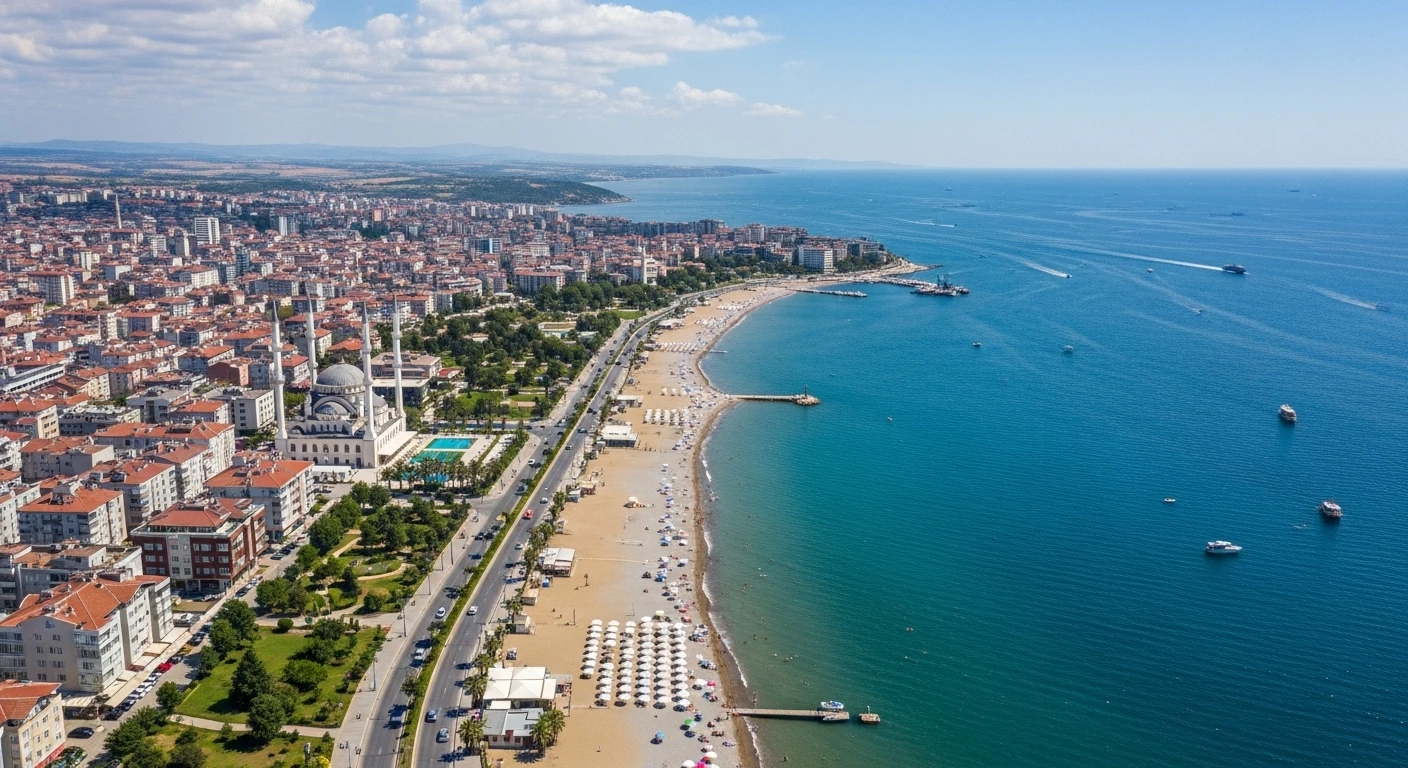
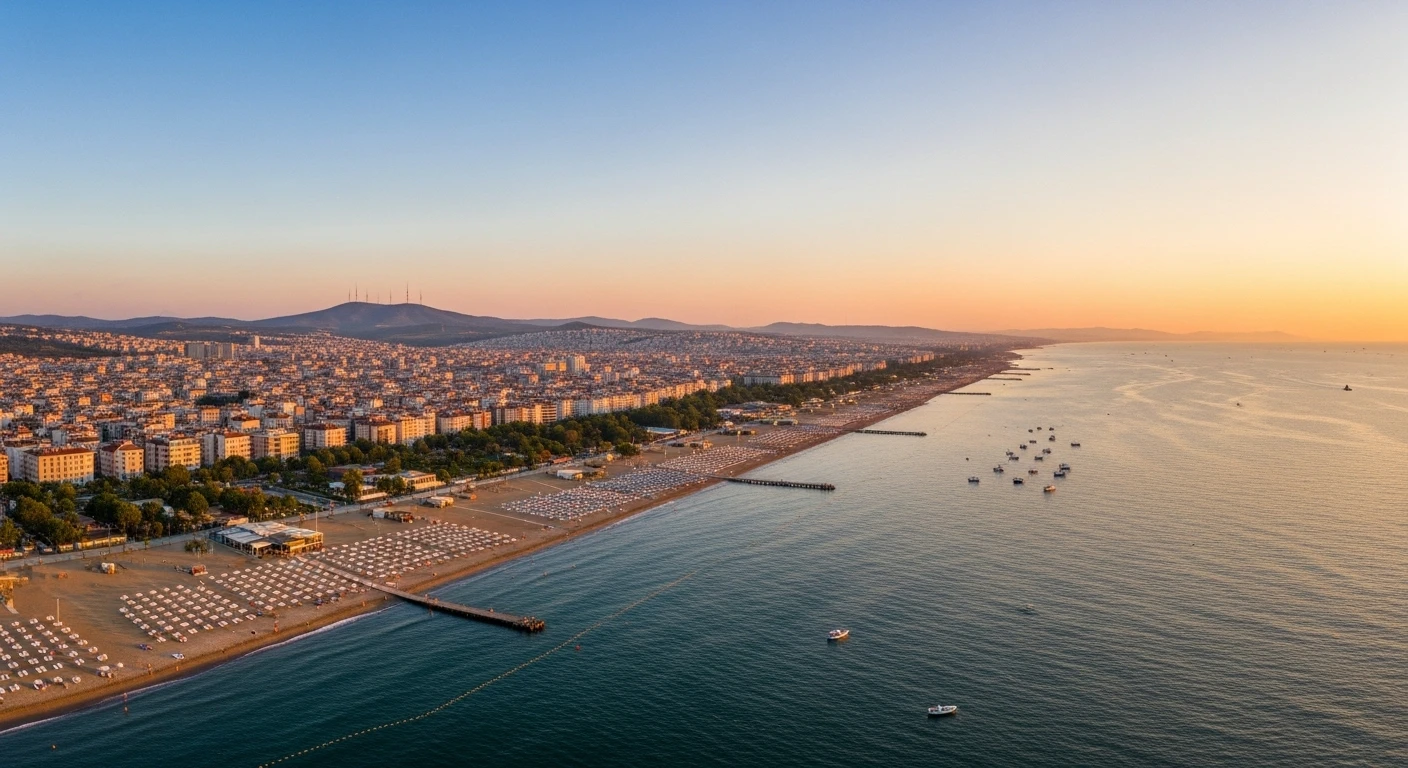
If you think Istanbul is all about crowded inner-city districts, tiny apartments and sky-high prices, Silivri will surprise you. Sitting on the western edge of Istanbul’s European side, Silivri combines a small-city feel with seaside living, more space for your money, and growing real estate potential. In 2026, it’s not just a place for weekend getaways anymore; it’s becoming a serious option for families, remote workers, retirees and long-term investors.
For years, Silivri has been known mainly as:
- a summer house and sea-side escape spot,
- an area of farmland, low-rise houses and calm neighborhoods,
- and, yes, a place associated with its big prison complex.
But that’s only part of the story. As central Istanbul becomes more crowded and expensive, people have started asking: “Can I live somewhere quieter, still be officially in Istanbul, and not sell a kidney to buy a flat?” Silivri’s answer is basically: “Yes, actually, you can.”
What Silivri offers in 2026:
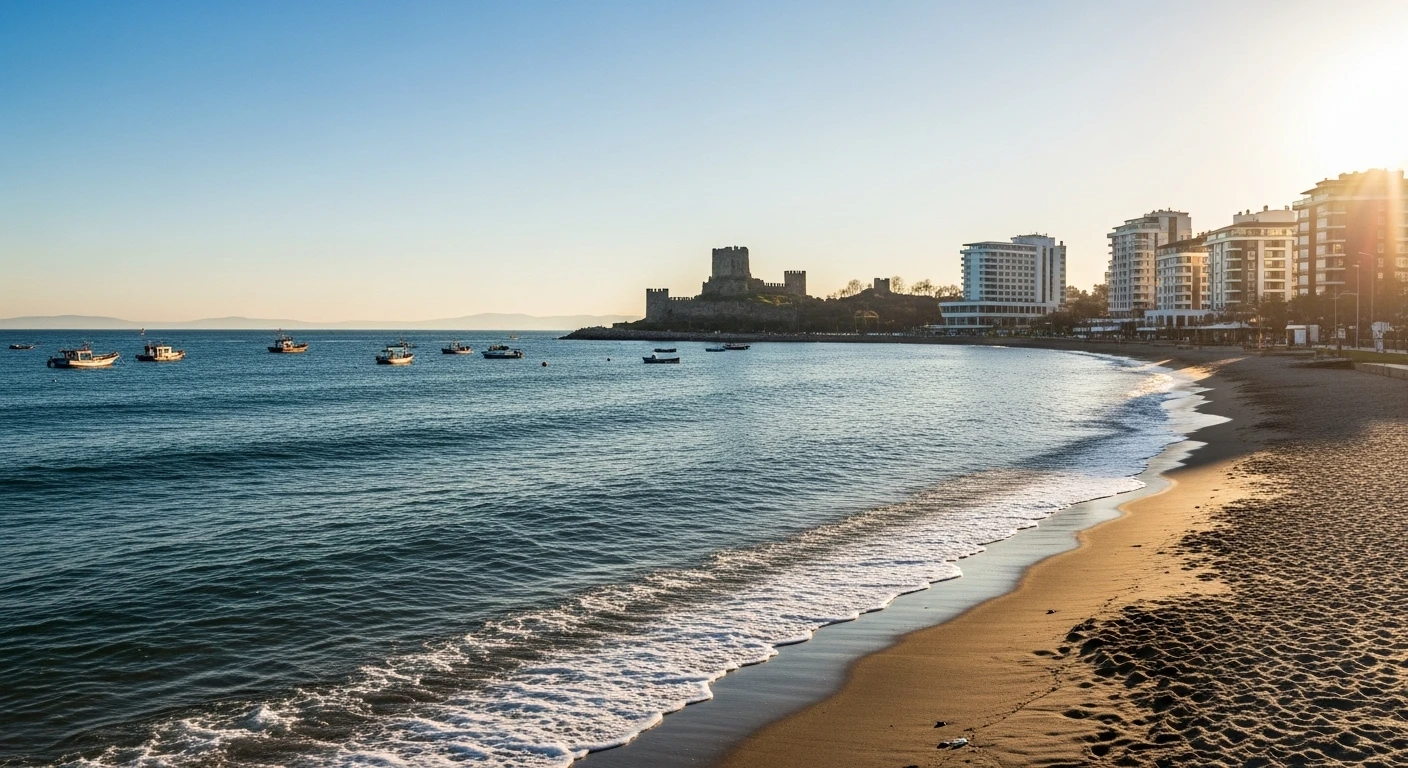
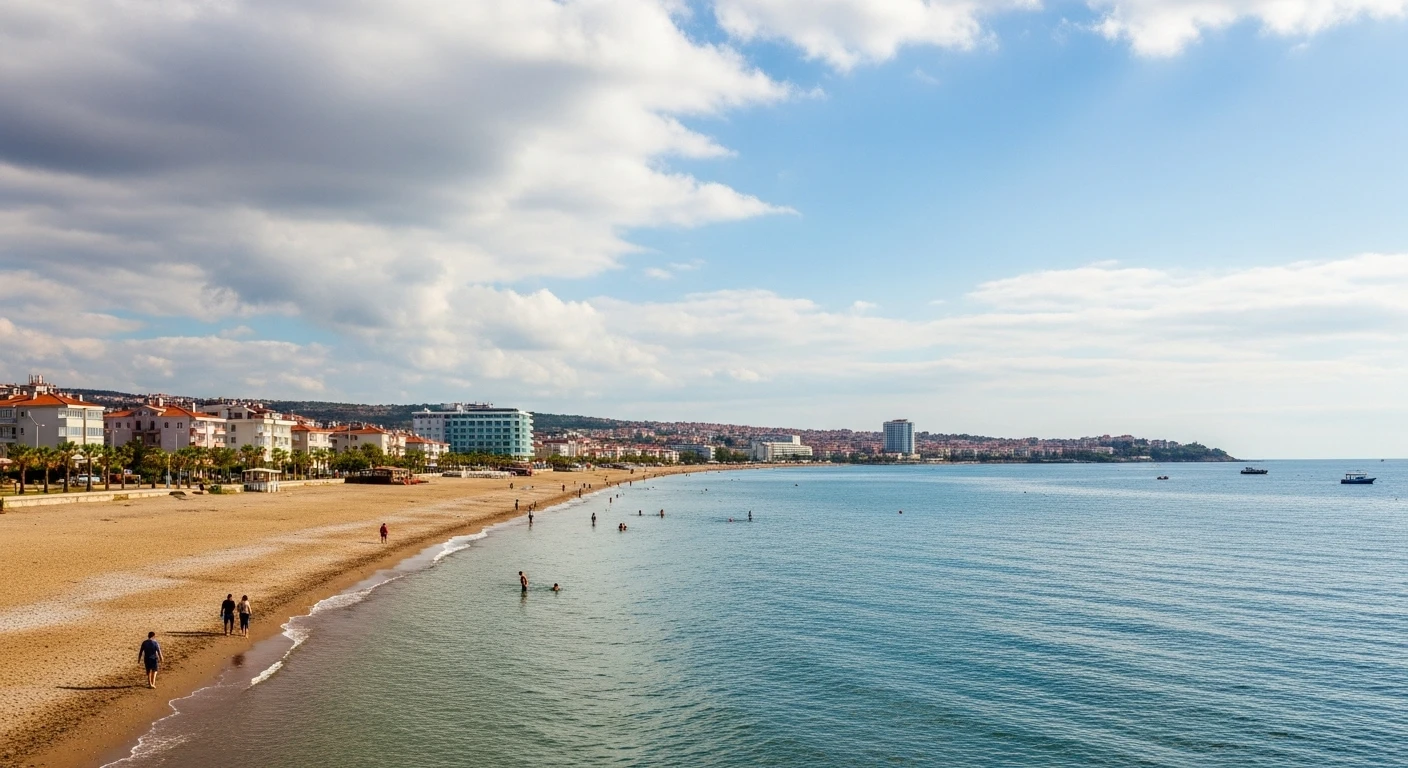
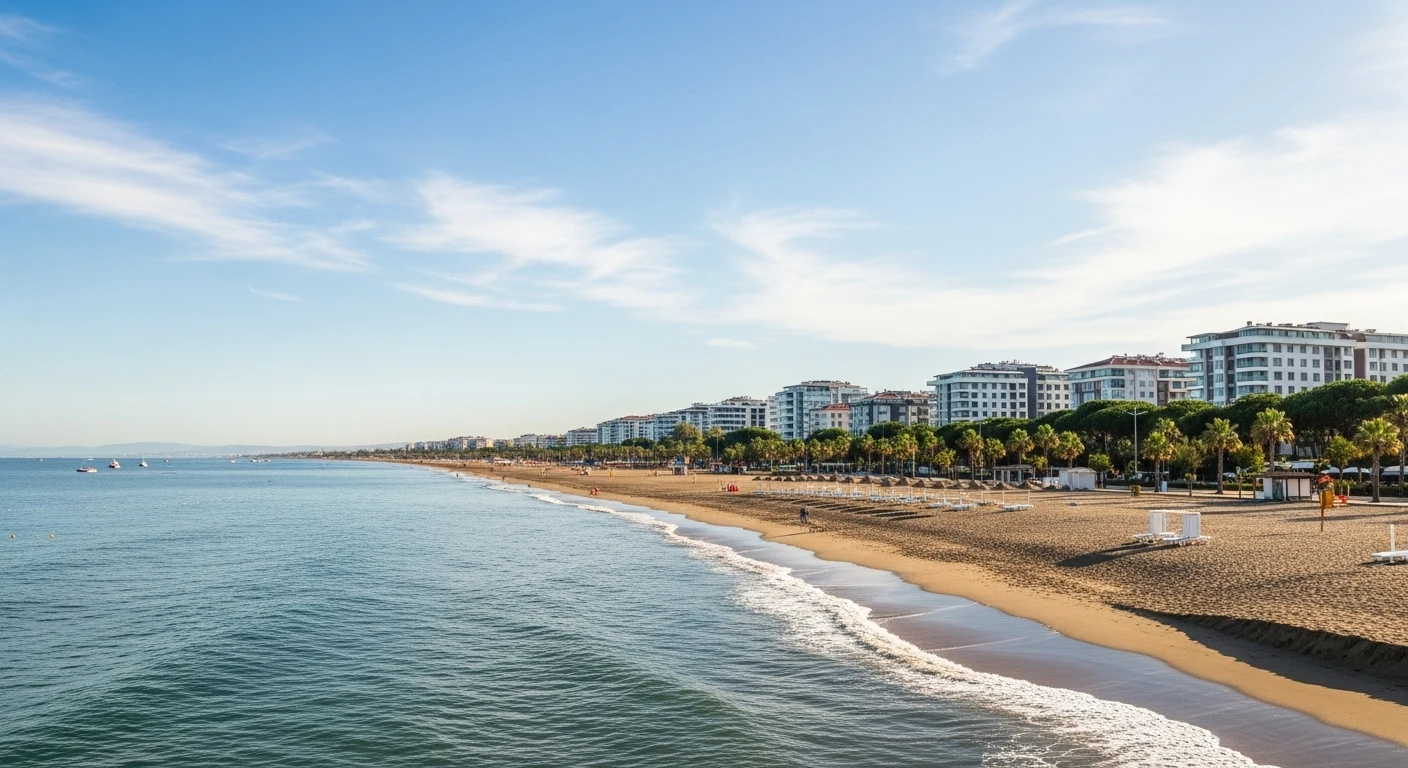
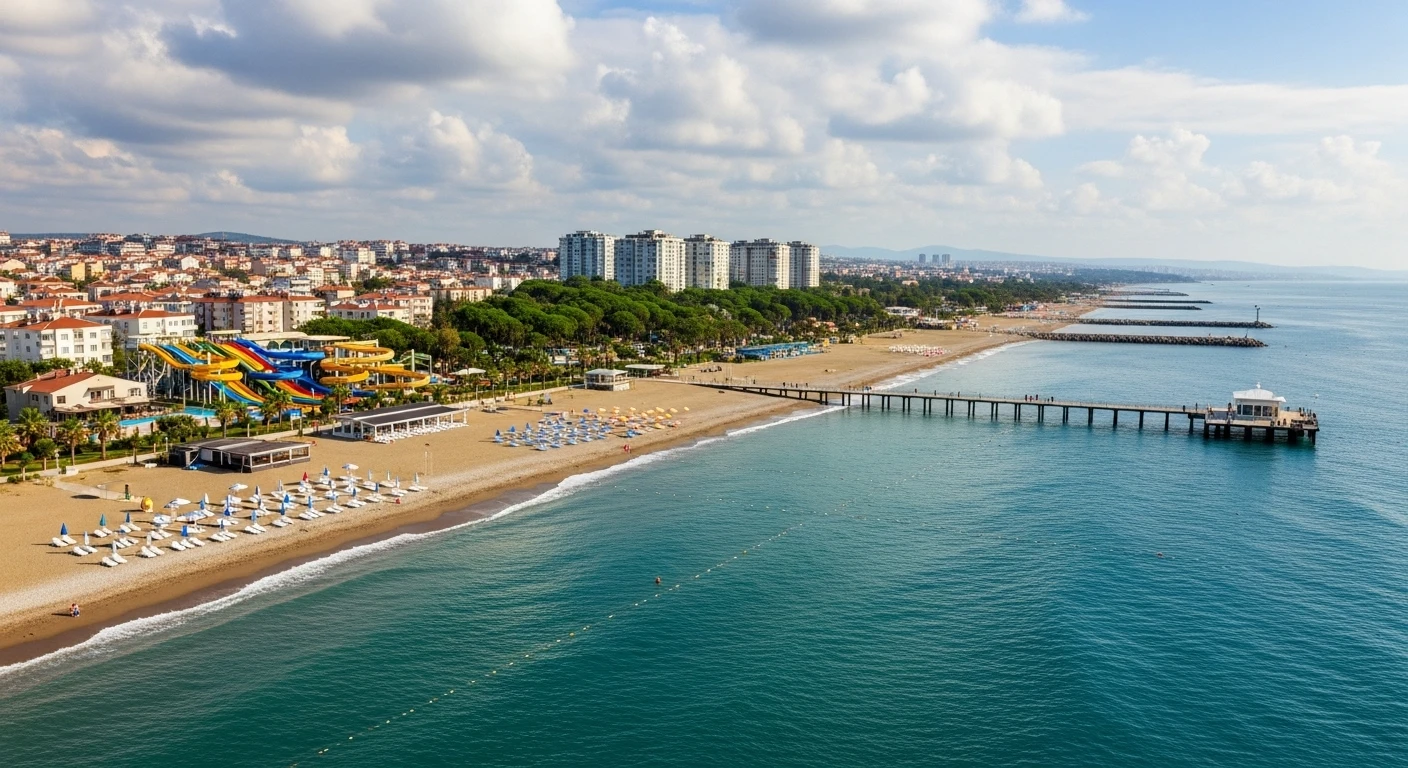
- Coastal lifestyle along the Sea of Marmara – promenades, beaches, sea air.
- Larger homes and land – villas, low-rise blocks, gardens, compared to inner-city matchboxes.
- Relatively affordable prices compared to central Istanbul and many European-side coastal districts.
- Room to grow – urban expansion, new housing projects, infrastructure improvements.
Is it perfect? No. It’s far from the historic center, and commuting daily to Taksim or Kadıköy is not everyone’s dream. But if you’re thinking long-term, want space, sea, and lower entry prices, Silivri deserves a serious look.
2. Where is Silivri Located? Macro Location and Borders
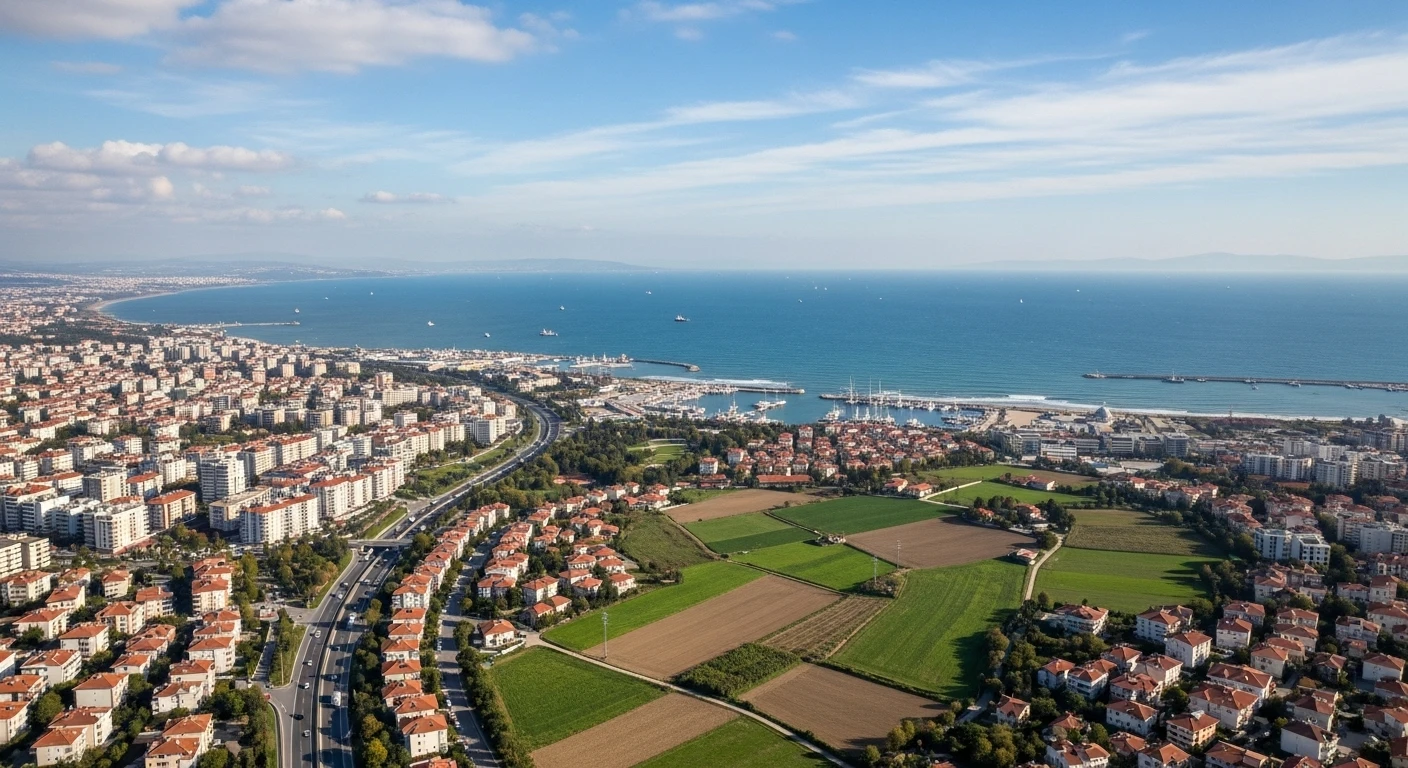
Silivri is located on the European side of Istanbul, but far to the west – almost at the gateway between Istanbul and the Thrace region of Türkiye. It stretches along the northern coast of the Sea of Marmara, giving it a long shoreline and strong coastal identity.
Silivri is bordered by:
- Büyükçekmece to the east – another coastal district of Istanbul with its own lake and seaside character.
- Çatalca to the north – more rural, green, and forested.
- Marmara Ereğlisi / Tekirdağ province to the west – as you leave Istanbul and head toward Tekirdağ.
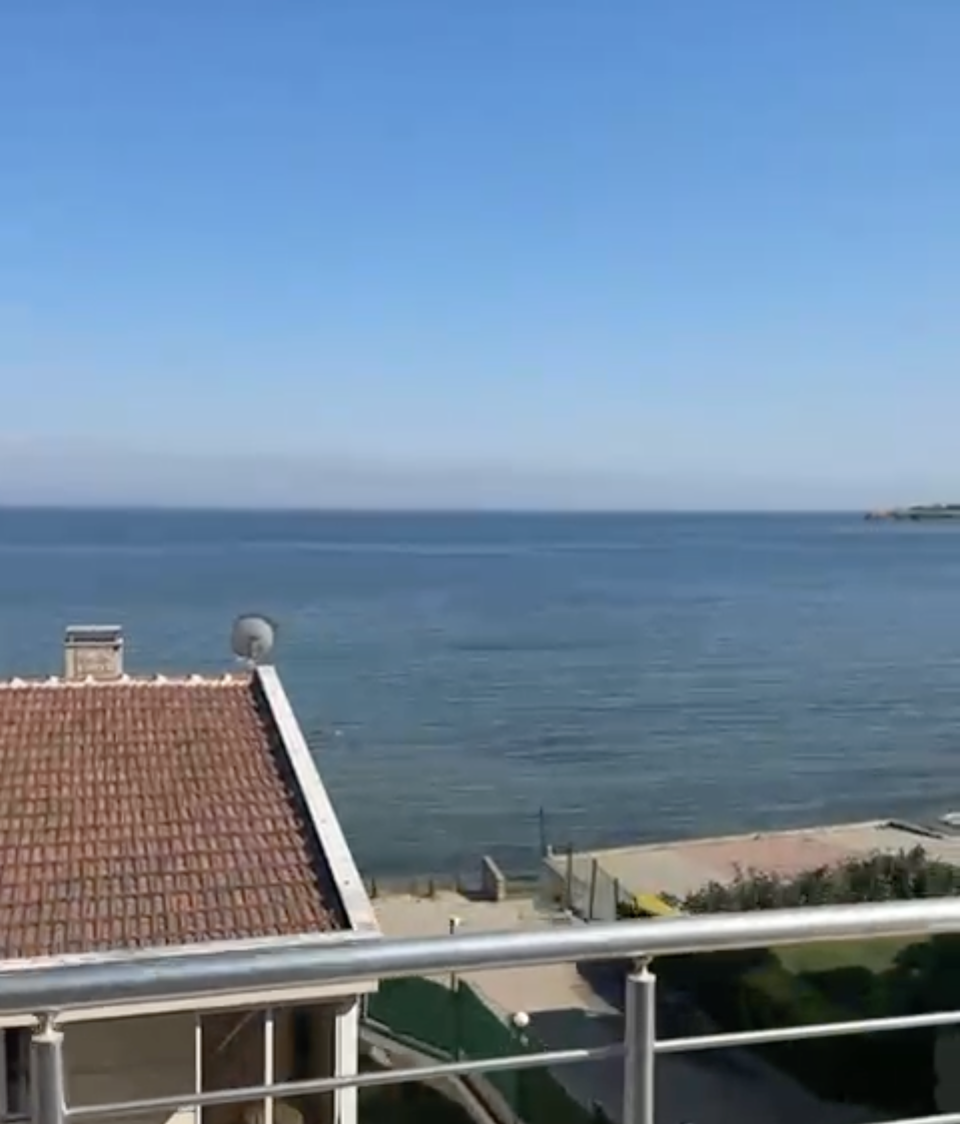
- Sea of Marmara to the south – long beaches, sea views, and a developing coastal strip.
This location makes Silivri:
- the western “door” of Istanbul,
- directly on the E-5 (D100) highway and very close to the TEM (O-3) motorway,
- a natural transition zone between big-city Istanbul and the more relaxed, provincial cities to the west.
The upside:
- You’re still inside Istanbul’s administrative boundaries (so you benefit from services, brand value, and liquidity),
- but daily life can feel more like a coastal town than a mega-metropolis.
- The downside:
- If your life is centered around Şişli, Beşiktaş or Kadıköy, you’ll either need to love long drives or rethink your routine.
Silivri works best for those whose job, study, or lifestyle doesn’t require being in the city center every day, or who simply want a calmer home base and are okay with occasional longer trips into the heart of Istanbul.
3. Size and Population: From Istanbul’s Edge to Self-Contained Coastal Town
Silivri is not a tiny seaside village; it’s a mid-sized district that functions like a city in its own right.
- Approximate area: around 860 km² (including rural land, farmland and settlements)
- Urbanized/coastal belt: much smaller, concentrated along the Marmara coast and near the D100 highway
- Estimated population (mid-2020s): in the range of 200,000–250,000+ residents
The district’s structure is very different from central Istanbul:
- The urban core (Silivri center and nearby neighborhoods) has denser housing, apartment blocks, and commercial streets.
- Around this core are suburban-style areas with low-rise apartments, detached houses and villas.
- Further inland lie villages, farmland, and open landscapes, giving Silivri a semi-rural dimension.
This mix makes Silivri suitable for:
- People who want apartment living with everything nearby (in and around the center).
- Those who dream of a small garden, chickens, fruit trees, or a hobby farm.
- Buyers seeking larger plots or villas at prices that would be impossible in central coastal districts.
Unlike some commuter suburbs that are basically bedroom towns with nothing else, Silivri has:
- its own municipal services,
- schools, hospitals, government offices,
- a local economy based on services, agriculture, small industry and tourism.
So even if you rarely go into central Istanbul, you can live, work (if you’re remote or local), study, shop, and socialize without feeling cut off from civilization – just at a slower, calmer rhythm.
4. Historical Background of Silivri: Ancient Port to Modern Suburban District
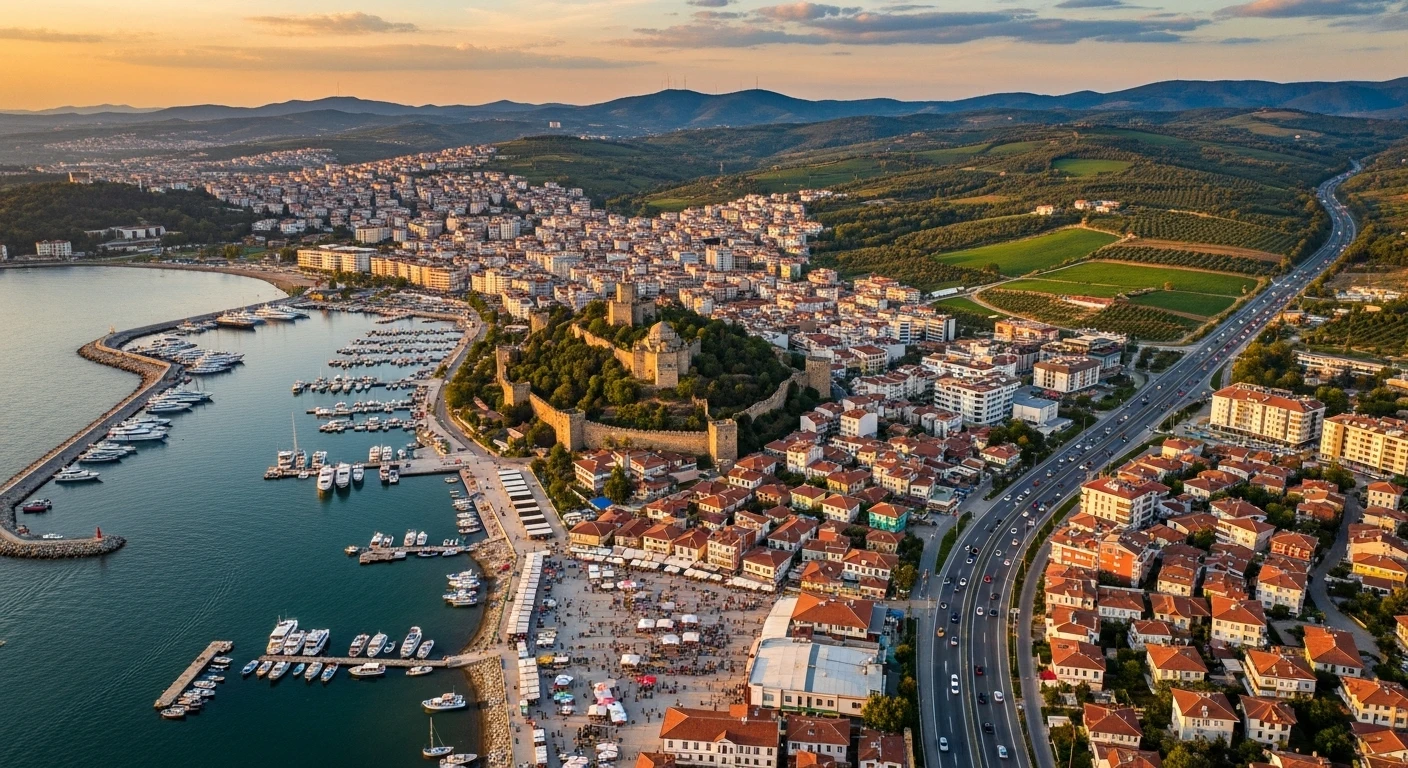
Silivri’s story goes way back – much further than modern Istanbul apartment ads. In ancient times, the area was known as Selymbria (or Selybria), an important Thracian and later Byzantine coastal town. Its seaside location and fertile land made it a natural spot for:
- trade,
- farming,
- and a port on routes between Constantinople (Istanbul) and the Balkans.
Over centuries, Silivri has seen:
- Roman and Byzantine periods,
- incorporation into the Ottoman Empire,
- and eventual integration into the modern Republic of Türkiye.
Remains of this layered history still show up in:
- old walls, ruins, and historical buildings,
- older mosques and churches turned into cultural landmarks,
- the general layout of the old town near the coast.
- In the more recent past, particularly in the 20th century, Silivri became known as:
- a summer escape for Istanbul residents,
- a place of vineyards, agriculture and holiday homes,
later also the location of a large high-security prison complex, which gave it a somewhat tough reputation in the media.
However, as Istanbul expanded westward, Silivri gradually transformed from “far-away coastal village with fields” into:
- a formal district of greater Istanbul,
- a suburban alternative with better roads, services and housing projects,
- and a place where you can combine historical charm, sea, and modern everyday life.
This history matters because it shapes Silivri’s identity today: it’s not a new, artificial satellite city built yesterday. It has roots, local culture, and its own character, which many people find more “real” and grounded than over-branded, freshly built projects elsewhere.
5. Living in Silivri Today (2026): What Daily Life Really Feels Like
So what is it actually like to live in Silivri in 2026? Imagine waking up to quieter streets, more sky and less concrete, and the option to walk or drive a short distance to the sea instead of being trapped between high-rises.
Everyday life in Silivri tends to look like this:
- Mornings: kids heading to local schools, shopkeepers opening, traffic building mostly along the D100 and main avenues, but far less pressure than central Istanbul.
- Daytime: the town center is active – cafes, banks, government offices, markets and small businesses run at a steady pace. In more rural parts, people are out in fields, workshops, or managing small farms.
- Evenings: families stroll along the coastal promenade when the weather is nice, restaurants and tea gardens by the sea fill up, and local cafes and dessert shops become social hubs.
- Key aspects of Silivri life:
- Slower pace: you’re still in Istanbul officially, but you don’t feel like you’re fighting a war every time you leave the house.
- More space: homes—especially villas and low-rise apartments—often come with balconies, gardens, or at least wider streets and better distance between buildings.
- Seasonal rhythm: summers are lively, with visitors, seasonal residents and beach activity; winters are calmer and more “small town.”
- Community feel: neighbors still know each other, local tradesmen recognize regulars, and you get a stronger sense of a local town identity rather than a massive anonymous metropolis.
Of course, there are trade-offs:
- For some services or specialized shopping, you might have to head toward Büyükçekmece, Beylikdüzü or even central Istanbul.
- If you work in inner Istanbul and don’t have flexible hours, daily commuting can be tough and time-consuming.
But if your work is remote, or you’re retired, or your job is already on the western side of Istanbul or in nearby industrial zones, Silivri can offer a uniquely human, breathable lifestyle at a price that still makes sense.
6. Who Lives in Silivri? Lifestyle Profiles and Demographics
Silivri attracts a very specific mix of people. You won’t find the same profile as in upscale neighborhoods like Nişantaşı or Etiler, nor the intense urban student life of Beşiktaş. Instead, you get a more grounded, mixed community.
Typical resident profiles include:
Local families
- Many have lived in Silivri or nearby villages for generations.
- Often involved in farming, small business, local services or trades.
- Appreciate the balance of tradition, sea, and improving infrastructure.
Istanbul families “moving out”
- Tired of congestion and prices in central areas.
- Sell a small flat in the inner city and buy a bigger home or even a villa in Silivri.
- Often still work partly in Istanbul, but some are hybrid or remote workers.
Retirees
- Both local and from other districts, drawn by the calmer lifestyle and sea air.
- They value having space, garden options, and access to health services without Istanbul’s chaos.
Investors and second-home buyers
- People buying summer houses, or weekend properties.
- Investors looking for affordable land or villa projects to hold long-term.
Workers in nearby industrial zones
Western Istanbul and neighboring provinces host industrial and logistics areas, and Silivri provides housing for part of that workforce.
Socially, Silivri leans more toward traditional, family-oriented, and conservative in many areas, with pockets of more modern and mixed communities in newer projects. Don’t expect an international expat bubble; this is still a mostly Turkish local environment, though that’s slowly changing as more city people and a few foreigners discover the area.
7. Transportation and Accessibility: Reaching the City and Beyond
Transportation is the single biggest question mark people have about Silivri: “Isn’t it too far?” The honest answer: it depends on your lifestyle and expectations.
Road Access
Silivri sits directly on:
- D100 (E-5) Highway – the older main coastal highway across the Marmara shore.
- Close access to the TEM (O-3) motorway, which runs more inland and is often faster for long distances.
By car, approximate travel times (with traffic conditions being a big variable):
- Silivri → Büyükçekmece: ~20–30 minutes
- Silivri → Beylikdüzü / Esenyurt: ~35–50 minutes
- Silivri → Bakırköy / Ataköy: ~60–75+ minutes
- Silivri → central areas like Şişli / Taksim: often around 1.5 hours or more in traffic
Public Transport
Silivri is currently mainly served by:
- Intercity buses and minibuses along the D100 toward inner Istanbul.
- Coach services toward Tekirdağ and Thrace that stop in or near Silivri.
There is no metro line yet reaching Silivri (as of mid-2020s), which is the biggest limitation for those relying solely on public transport.
This means:
- If you work in Silivri or nearby, or you’re remote, the transport is more than enough for your needs.
- If your job is in inner Istanbul and you must commute daily, you either:
- accept long commute times,
- adjust your hours,
or consider Silivri more as a second home / future retirement base rather than a primary home right now.
On the flip side, Silivri is very well-placed for weekend trips westward toward Tekirdağ, Şarköy, Gelibolu and beyond, making it a great base for those who like road trips and exploring the region.
8. Real Estate Market in Silivri in 2026
8.1. Popular Property Types
The Silivri real estate market is different from dense inner-city districts. Here, you see:
Villas and detached houses
- With gardens, sometimes pools, often in gated compounds or along the coast or in semi-rural areas.
- Attractive for Istanbul escapees, retirees, and weekend house buyers.
Low-rise apartment buildings
- 3–5 floors, often with small shared gardens or courtyards.
- Found in and around Silivri center and newer residential zones.
Summer house sites (“yazlık” complexes)
- Clusters of small houses or low-rise units near the coast.
- Can be older but charming; used seasonally or renovated for year-round living.
Land plots
- Both zoned for construction and agricultural land.
- Interesting for long-term investors who believe in westward expansion.
Commercial units
- Shops, restaurants, and offices in Silivri center and along main roads.
8.2. Average Sale Prices (USD) – Indicative Table
(These are approximate, illustrative ranges based on typical patterns – actual prices vary by exact location, project, age and condition.)
| Property Type | Size (m²) | Price Range (USD) | Notes |
|---|---|---|---|
| 1+1 Apartment | 55–70 | $80,000 – $110,000 | In town center or newer projects |
| 2+1 Apartment | 80–100 | $100,000 – $150,000 | Popular with local families |
| 3+1 Apartment | 110–140 | $130,000 – $190,000 | For larger families, often low-rise blocks |
| Duplex Apartment | 130–170 | $150,000 – $220,000 | Often with terraces, in newer sites |
| Standard Villa | 160–250 | $200,000 – $350,000 | Garden villas, distance to sea & quality matters |
| Luxury / Coastal Villa | 220–400+ | $350,000 – $700,000+ | Prime coastal, large plots, higher finish |
| Residential Land (per plot) | — | Very variable | Depends heavily on zoning & distance to center |
Compared to central Istanbul districts, Silivri’s prices can feel like “Istanbul on discount” – especially for land and villas. That’s exactly why more people are starting to see it as a strategic long-term bet.
9. Rental Income and Investment Potential
9.1. Why Investors Are Looking at Silivri
Silivri is not a high-yield, short-term flip market like some inner-city transformation zones, but it offers a different kind of opportunity:
- Lower entry prices mean easier access for first-time investors.
- There is steady local rental demand from families, workers, and those who prefer coastal living.
- Seasonal rents (summer stays, weekend rentals) add another angle, especially for well-located villas and summer homes.
The expectation that Istanbul will continue expanding westward supports the capital appreciation story over the longer term.
It’s more of a “buy, hold and enjoy” market than a ultra-fast speculative one.
9.2. Average Rents and Yields (USD) – Indicative Table
Again, these are approximate, to give you a feel:
| Property Type | Monthly Rent (USD) | Estimated Gross Yield (%) |
|---|---|---|
| 1+1 Apartment | $400 – $550 | ~5 – 6% |
| 2+1 Apartment | $500 – $700 | ~4.5 – 5.5% |
| 3+1 Apartment | $600 – $850 | ~4 – 5% |
| Duplex Apartment | $700 – $950 | ~4 – 5% |
| Standard Villa | $900 – $1,400 | ~4 – 5% |
| Coastal / Luxury Villa | Strongly variable | Often value focus, not pure yield |
Yields are usually moderate, but when combined with:
- capital growth,
- personal use (weekends/summers),
Silivri can make sense financially and lifestyle-wise.
Pro tip:
Look especially at:
- Walkable areas to the coastal promenade,
- Near Silivri center / main amenities,
- Good roads & infrastructure.
These spots tend to hold value better and attract more stable tenants or guests.
10. Top Neighborhoods and Sub-Regions in Silivri
Silivri is spread out, so where you buy or live really shapes your experience.
Silivri Center (Merkez)
- The heart of the district: government buildings, main shopping streets, markets.
- Mostly apartments and mixed-use buildings.
- Best for those who want walkability and services more than big gardens.
Coastal Strip & Seaside Neighborhoods
- Areas close to the promenade and beaches, with sea views and seaside cafes.
- Mix of older summer house complexes and newer mid-rise or villa projects.
- Great if you prioritize sea access and lifestyle.
Suburban Residential Clusters
- Slightly inland from the coast, with low-rise blocks and small sites.
- More “local family” feel; prices can be more reasonable.
- Good for year-round living with balanced budget.
Rural Villages and Inland Areas
- Villages like Gümüşyaka, Ortaköy, Değirmenköy and others nearby.
- Farmhouses, land plots, and scattered houses.
- For those dreaming of semi-rural living or hobby farms while staying under the Istanbul umbrella.
Each micro-area has its own price dynamics, community vibe, and future prospects. If you’re moving or investing, it’s worth matching your priorities—sea vs space vs access vs budget—with the right part of Silivri.
11. Education Opportunities: Schools and Access to Universities
Silivri has a full set of local education options, enough for most families planning to live there full-time.
You’ll find:
- Public primary and middle schools across neighborhoods.
- High schools, including Anatolian high schools and vocational schools.
- Some private schools and colleges, mainly serving local and regional families.
For younger children, having schools relatively close by and reachable by bus or on foot is a big plus. Families moving from central Istanbul are often pleasantly surprised that school commutes can be shorter and less stressful in Silivri.
For higher education, Silivri itself is not a university hub, but:
- Istanbul’s universities on the European side are reachable by car or bus (though not always fast),
- and remote study or hybrid models are more common now, which can reduce the need for daily commuting.
In short, if you have school-age kids and you’re okay with a local Turkish school ecosystem rather than ultra-elite Istanbul private schools, Silivri can absolutely work. For university-age children, you’ll need to factor in commute times or consider them living closer to campus.
12. Healthcare Services: Hospitals, Clinics and Pharmacies
Healthcare is a big concern for families, retirees and anyone thinking long-term. Silivri offers a reasonable, growing healthcare network.
In and around Silivri, you can find:
- Public hospitals providing general services: emergency, internal medicine, surgery, pediatrics, obstetrics, etc.
- Private clinics and polyclinics, including dental, eye, and specialized practices.
- Multiple family health centers for basic check-ups and prescriptions.
- Pharmacies distributed through neighborhoods, including rotating 24/7 duty pharmacies.
For most everyday needs—like blood tests, routine check-ups, minor surgeries, children’s illnesses—you don’t have to drive into central Istanbul. For highly specialized treatment or advanced procedures, you might prefer to go to larger hospitals in Büyükçekmece, Beylikdüzü or inner Istanbul, but that’s similar to most outer districts.
Overall, for a semi-suburban coastal area, Silivri’s healthcare setup is good enough for full-time living, not just weekend stays.
13. Shopping, Dining and Social Life in Silivri
Silivri has its own mini-ecosystem of shopping and social life.
Shopping
Town center:
Clothing shops, local boutiques, banks, electronics, small malls or shopping streets.
Supermarkets:
Chain supermarkets (Migros, A101, BİM, ŞOK, etc.) are plentiful.
Weekly markets (pazar):
Fresh fruit, vegetables, local cheese, olives, textiles, and household items.
You won’t have the mall density of central Istanbul, but you also won’t feel like you’re in the middle of nowhere. For heavy-duty shopping sprees, you can always head to Büyükçekmece/Beylikdüzü malls occasionally.
Dining & Social Life
Seaside restaurants and cafes:
- Fish restaurants, kebab places, tea gardens and dessert shops along or near the coast.
Local lokantas:
- Homestyle cooking, soups, grills, affordable daily menus.
Cafes and patisseries:
- Growing number of modern coffee shops where young people and remote workers hang out.
- Nightlife is low-key:
- Don’t expect nightclubs or a bar street like Beyoğlu.
- Social life is more about dinners, tea, coffee, walking by the sea, and family gatherings.
For many, that’s a huge plus. If you want quiet evenings, seaside walks and simple pleasures, Silivri delivers.
14. Nature, Coastline and Green Spaces: Life by the Marmara Sea
One of Silivri’s biggest draws is its natural environment compared to central Istanbul.
Long Marmara coastline
- Beaches and coves (some sandy, some pebbly).
- Coastal promenades where people walk, jog, cycle and sit for tea with a sea view.
Open landscapes inland
- Fields, gentle hills, and patches of woodland.
- Plenty of sky—something people often miss in inner Istanbul.
For outdoor lovers:
- You can walk or run along the sea regularly,
- Organize picnics, barbecues, and small gatherings in parks or rural areas,
- Take short drives to explore Thrace’s countryside, vineyards and coastal towns.
- The air quality tends to be better than central Istanbul, and the sense of space is one of the things residents mention most when they talk about why they moved.
If your mental health is tied to seeing something other than concrete and traffic every day, Silivri is the kind of place that can help you breathe again.
15. Religious and Cultural Life in Silivri
Silivri’s social fabric is largely family-oriented and culturally traditional, like many coastal Anatolian towns.
Religious Life
Numerous mosques across the district, from central ones to village mosques.
Active participation in Friday prayers, Ramadan, Eid celebrations.
Quran courses and religious education for children and adults in various centers.
Cultural Life
Municipal cultural centers occasionally host:
- theater,
- concerts,
- exhibitions,
- conferences and workshops.
Local festivals and events, often tied to:
- summer season,
- agriculture,
- national holidays,
- or cultural heritage.
Don’t expect a cutting-edge contemporary art scene; this is not Karaköy. But if you enjoy community events, traditional celebrations, and accessible cultural activities, Silivri will feel warm and welcoming.
16. Pros and Cons of Living or Investing in Silivri
Pros
- More space, less stress: villas, gardens, low-rise buildings, and fewer crowds.
- Coastal lifestyle within the boundaries of Istanbul.
- Relatively affordable property prices compared to central and many coastal areas.
- Room for future growth, both in urban development and property values.
- Community feel and family-oriented environment.
- Good base for remote workers, retirees, and second-home owners.
Cons
- Distance from central Istanbul – daily commuting to inner-city office areas can be tiring.
- Public transport limitations – no metro yet, mostly highway buses and minibuses.
- Seasonal differences – can feel quiet in winter if you’re used to city buzz.
- Fewer top-tier schools and specialist hospitals than inner city (though basics are present).
- Less cosmopolitan vibe – limited international presence and nightlife.
In short: if you want full-on city energy, Silivri may feel too quiet and distant. If you want space, sea and sanity, those “cons” might actually be “pros”.
17. Who Should Seriously Consider Silivri?
Silivri can be a fantastic match for several types of people:
Families wanting space on a budget
- Need 3+1 or a small villa but can’t afford inner Istanbul prices.
- Value parks, sea, and quieter streets for kids.
Remote workers / freelancers
- As long as you have solid internet, you can swap traffic noise for sea breeze.
- Occasional business trips to central Istanbul are manageable.
Retirees
- Want calmer days, walks by the sea, and access to basic services.
- Prefer a town feel rather than being lost in a mega-city.
Second-home buyers
- Live in central Istanbul (or even abroad) but want a coastal escape within a drive from home.
- Use property in weekends/summer and potentially rent it out at other times.
Long-term investors
Believe in Istanbul’s westward expansion.
Care more about land/villa appreciation than super-high short-term yields.
If your life still revolves around a 9-to-5 in Levent, Şişli or Maslak, Silivri as a main residence is a tougher fit. But as patterns shift towards hybrid work and as Istanbul continues spreading outward, Silivri is moving from “maybe later” to “actually viable right now” for more and more people.
18. Future Outlook 2026–2028: Projects, Growth and Risks
The next few years are likely to bring more gradual, steady change than dramatic transformation. Key themes:
Urban expansion westward
- As inner Istanbul saturates, development pressure moves outward.
- Silivri’s available land and relatively low density are major assets.
Improved infrastructure
- Step-by-step upgrades to roads, utilities, and local services.
- Any future advancement in public transport (e.g., better bus networks or long-term rail discussions) would be a game changer.
More organized housing projects
- Transition from purely individual houses to planned sites and compounds.
- Increased focus on earthquake-resistant, modern construction.
Potential risks and considerations:
- Over-building in certain pockets without enough infrastructure.
- Market cooling if economic conditions become tougher.
- Staying too dependent on highways if no strong public transport is added.
But overall, Silivri’s trajectory is upward in terms of recognition and demand. It’s moving from being seen as a “weekend town on the edge” to a legitimate extension of Istanbul’s livable map.
19. Conclusion: Is Silivri the Right Choice for You in 2026?
Silivri is not for everyone—and that’s okay. But if you:
- are tired of central Istanbul chaos,
- want more space, sea, and a calmer rhythm,
- without leaving the Istanbul property market entirely,
- then Silivri is absolutely worth considering.
For living, it offers a combination of:
- reasonable property prices,
- family-friendly coastal environment,
- and an authentic town feel.
For investing, it offers:
- lower entry costs,
- moderate but solid rental potential,
- and a credible long-term appreciation story as the city expands.
In 2026 and beyond, Silivri is best understood not as “far away” but as “a different side of Istanbul” — one that prioritizes space, sea and sanity over speed, status and constant stimulation. If that swap sounds appealing, you might just find your next home, your weekend refuge, or your next smart investment along Silivri’s coast.
FAQs About Silivri
The most reliable approach is to use a dedicated, market-specific ROI calculator rather than generic assumptions. We recommend using Deal TR ROI Calculator, which is built specifically for Turkish real estate investments.
By using our calculator at
👉 https://www.deal-tr.com/en/roi
Silivri is officially a district (ilçe) of Istanbul, on the far western side of the European shore. So, yes, when you live in Silivri, your address is still “Istanbul.”
By car, in typical traffic, reaching Şişli/Taksim can often take around 1.5 hours or more. For closer western districts like Büyükçekmece or Beylikdüzü, it’s more like 20–50 minutes, depending on conditions.
Silivri has public and private schools suitable for most families, plus public and private healthcare facilities covering everyday needs. For very specialized medical care or top-tier elite schools, you’d likely go toward inner Istanbul.
Absolutely. That’s one of its strongest roles: coastal villas and summer homes at prices far below many other Istanbul coastal spots, with potential for both personal enjoyment and long-term value growth.
Area Insights & Neighborhood Demographics
20,901
Married : 59%
Unmarried : 28%
District Property Price Trend (Last 5 Years)
12.43%
278.4%
290.3%
Instant ROI Calculator for Istanbul Property Investment
Curious about your returns? Enter your property details and instantly discover your expected rental yield and ROI.
Apartments for resale in Silivri District
.jpeg)
.jpeg)
Have Question Or Suggestion ?
Please Share Your Thought, To Make It Real