These 5 Istanbul Areas Could Double Your Investment FAST (18-Month Secret)
Smart investors are rushing into these 5 Istanbul hotspots. Discover where prices could explode before 2027—don’t miss out.
.jpeg)
These 5 Istanbul Areas Could Double Your Investment Fast (The “18-Month Window” Strategy)
The 2026 Window – Why Timing Matters More Than Ever
If real estate were a game of chess, 2026 would be that critical mid-game moment where positioning determines everything. Istanbul is entering one of those rare cycles where infrastructure, policy, and economic shifts align at the same time. These windows don’t stay open for long, and when they close, the price gap snaps shut almost overnight. Investors who understand timing aren’t just buying property—they’re buying momentum.
Right now, the city is undergoing a transformation driven by megaprojects, transit expansions, and a deliberate push to decentralize traditional hubs like Beşiktaş and Şişli. Historically, Istanbul’s biggest gains have always followed infrastructure. Think about how areas like Ataşehir exploded after development announcements. The same pattern is repeating, but this time it’s happening faster and on a larger scale. That’s why this “18-month window” matters—it represents the period before full market awareness kicks in.
Another factor shaping this moment is currency dynamics and foreign investment inflow. Turkey continues to attract international buyers looking for both lifestyle and yield, and Istanbul remains the centerpiece. According to recent market data, foreign property purchases have remained strong despite global volatility, with investors increasingly targeting emerging districts rather than established luxury zones. That shift is where the opportunity lies.
So what makes this window different? It’s not just about buying low—it’s about buying ahead of structural change. When metro lines open, when financial districts go fully operational, when new highways connect previously isolated areas, prices don’t just rise gradually—they reprice entirely. That’s how you get 2x potential in under two years.
Miss the early phase, and you’re just another buyer chasing headlines. Catch it now, and you’re positioning yourself ahead of the curve.
The Lead-In – Where Smart Money Is Moving Now
While most investors are still focused on yesterday’s hotspots, a quieter shift is happening beneath the surface. The spotlight remains on prime districts like Beşiktaş, but seasoned investors are already looking elsewhere. Why? Because the biggest gains are rarely found where everyone is already looking—they’re found where attention hasn’t fully arrived yet.
There’s a growing pattern among institutional and high-net-worth buyers: they’re targeting “value pockets.” These are areas where prices haven’t yet caught up to infrastructure or economic upgrades. It’s like spotting a ripple in water before the wave forms. By the time the general market notices, the upside is already partially gone.
What’s driving this shift is a combination of practicality and strategy. Central districts have reached maturity, meaning appreciation continues but at a slower, more predictable pace. Emerging districts, on the other hand, offer asymmetrical upside—limited downside risk with the potential for explosive growth. This is especially true in Istanbul, where development is not evenly distributed but instead concentrated in key corridors.
Another subtle but important change is tenant profile evolution. High-income professionals, expats, and corporate tenants are no longer limiting themselves to traditional neighborhoods. They’re following convenience, infrastructure, and modern developments. That migration creates demand in places that were previously overlooked.
Smart money isn’t guessing—it’s following signals. New metro lines, government-backed financial centers, healthcare megaprojects, and logistics hubs are all pointing in the same direction. The investors paying attention to these signals are the ones quietly accumulating assets before prices catch up.
The question isn’t whether these areas will grow—it’s whether you’ll get in before or after the surge.

The Financial Magnet – Ümraniye’s Silent Boom
Ümraniye is no longer just a residential district on the Asian side—it’s rapidly transforming into one of Istanbul’s most powerful economic engines. What used to be considered a peripheral area is now at the center of a massive shift driven by the Istanbul Financial Center (IFC). And here’s the thing: markets often underestimate how powerful financial hubs can be.
When a financial center becomes fully operational, it doesn’t just create jobs—it reshapes entire neighborhoods. Banks, multinational firms, and financial institutions bring in a workforce that demands quality housing, modern amenities, and proximity. This demand doesn’t spread evenly; it concentrates in specific pockets, pushing prices upward in waves.
The Power of the Istanbul Financial Center
The IFC is designed to position Istanbul as a global finance hub, competing with cities like Dubai and London in certain sectors. Once fully active, it’s expected to host tens of thousands of professionals. That’s not just a statistic—it’s a surge of high-income tenants entering a localized market.
This influx creates a ripple effect. Rental demand increases, vacancy rates drop, and property owners gain pricing power. According to early projections, rental yields in areas surrounding the IFC have already shown noticeable growth, with some developments reporting double-digit increases year-over-year.
But the real story isn’t just rental income—it’s capital appreciation. As the district transitions from residential to a global business hub, perception changes. And in real estate, perception often drives price just as much as fundamentals.
Secondary Circle Strategy – Where the Real Gains Hide
Here’s where most investors get it wrong: they focus only on properties directly next to the IFC. While those are attractive, they’re also priced with future growth already baked in. The smarter move is targeting the “secondary circle”—areas just outside the immediate zone.
These neighborhoods benefit from the same demand drivers but at significantly lower entry prices. It’s like buying near a luxury mall instead of inside it—you still capture the traffic, but with better margins.
Secondary circle properties also tend to offer better flexibility. They attract both renters and buyers, increasing liquidity when it’s time to exit. That combination of affordability, demand, and growth potential is what makes Ümraniye one of the strongest contenders for doubling investment within this window.
And the best part? Many investors still haven’t fully caught on.
The Infrastructure Triangle – Başakşehir’s Strategic Rise
Başakşehir is one of those places that doesn’t scream opportunity at first glance—but that’s exactly why it’s so powerful. The real magic here lies in geography. When you map out the New Istanbul Airport, the North Marmara Highway, and the long-discussed canal route, you start to see a triangle forming. And right in the middle of that triangle sits Başakşehir, quietly positioning itself as one of the most strategically important districts in the city.
This isn’t accidental development. Urban planners and government-backed initiatives have been shaping this area into what many are calling Istanbul’s “New City.” Wide roads, planned communities, modern residential complexes—it feels fundamentally different from the dense, organic growth seen in older parts of the city. That difference matters more than you might think. International investors, especially institutional ones, aren’t just looking for appreciation—they’re looking for predictability, infrastructure, and scalability. Başakşehir checks all three boxes.
There’s also a psychological factor at play. When an area is associated with major infrastructure, it gains a kind of “future premium.” Buyers aren’t just purchasing what exists today—they’re buying into what the area is expected to become. That expectation alone can accelerate price growth well before projects are fully completed.
Mega Projects Driving Institutional Demand
Let’s talk about the scale of what’s happening here. The New Istanbul Airport is already one of the largest in the world, with a capacity designed to handle up to 200 million passengers annually when fully completed. That kind of traffic doesn’t just impact tourism—it transforms logistics, trade, and employment patterns across the region.
Add to that the North Marmara Highway, which significantly reduces travel time across the city, and you start to see how connectivity is reshaping real estate demand. Areas that were once considered “far” are now suddenly within practical commuting distance. This shift alone can trigger rapid price adjustments.
Institutional investors are paying attention. Large-scale funds tend to move cautiously, but once they commit to a region, they bring serious capital with them. Their presence often stabilizes and accelerates growth, creating a rising tide that lifts surrounding property values.
Finding the Sweet Spot Near Healthcare Hubs
One of the most overlooked drivers in Başakşehir is healthcare infrastructure—specifically, the massive Başakşehir Çam and Sakura City Hospital. It’s one of Europe’s largest medical complexes, attracting not just patients but also medical professionals, support staff, and international visitors.
Here’s where the “sweet spot” strategy comes in. Properties located too close to the hospital may face congestion and noise, while those too far miss out on demand. The ideal investment lies in that middle distance—close enough to benefit from consistent rental demand but far enough to maintain residential appeal.
This balance creates a steady tenant base, particularly among healthcare workers and visiting families. It also adds a layer of resilience to your investment. Even during market slowdowns, healthcare-driven demand tends to remain stable.
Başakşehir isn’t about hype—it’s about structure. And in real estate, structure is what sustains long-term growth.
The Accessibility Play – Kağıthane’s Reinvention
Kağıthane is the kind of transformation story that makes investors wish they had acted sooner. Not too long ago, this area was largely industrial, overlooked, and sitting in the shadow of more prestigious districts like Şişli and Levent. Fast forward to today, and it’s becoming one of the most compelling examples of how infrastructure can rewrite a neighborhood’s destiny.
What’s happening here isn’t subtle—it’s a full-scale reinvention. Old warehouses and factories are being replaced with modern residential complexes, office spaces, and lifestyle developments. But the real catalyst behind this shift isn’t just redevelopment—it’s connectivity.
From Industrial Past to Metro-Driven Future
The M11 metro line has been a game changer. Connecting Kağıthane directly to Istanbul Airport, it has dramatically improved accessibility. Suddenly, an area that once felt disconnected is now part of a high-speed transit network linking key economic zones.
Think about what that means for demand. Professionals working in business districts or frequently traveling for work now see Kağıthane as a viable, even attractive, place to live. This shift in perception is critical. In real estate, accessibility often translates directly into value.
There’s also a spillover effect from neighboring districts. As prices in Şişli and Levent continue to climb, buyers and renters naturally start looking for nearby alternatives. Kağıthane, with its improved infrastructure and relatively lower prices, becomes an obvious choice.
Why Investors Are Choosing Kağıthane Over Şişli
Here’s where things get interesting from an investment perspective. Price per square meter in Kağıthane is still significantly lower than in Şişli, despite offering comparable accessibility and increasingly similar amenities. That gap represents opportunity.
For short-term investors, this is particularly appealing. Lower entry prices mean higher potential returns when the area catches up in valuation. It’s a classic case of buying where the market is going, not where it has already been.
Another advantage is liquidity. Properties in Kağıthane are attracting a diverse range of buyers—from young professionals to small families—which makes it easier to sell when the time comes. That flexibility is often overlooked but incredibly important.
Kağıthane isn’t just catching up—it’s redefining what proximity to Istanbul’s business core looks like.
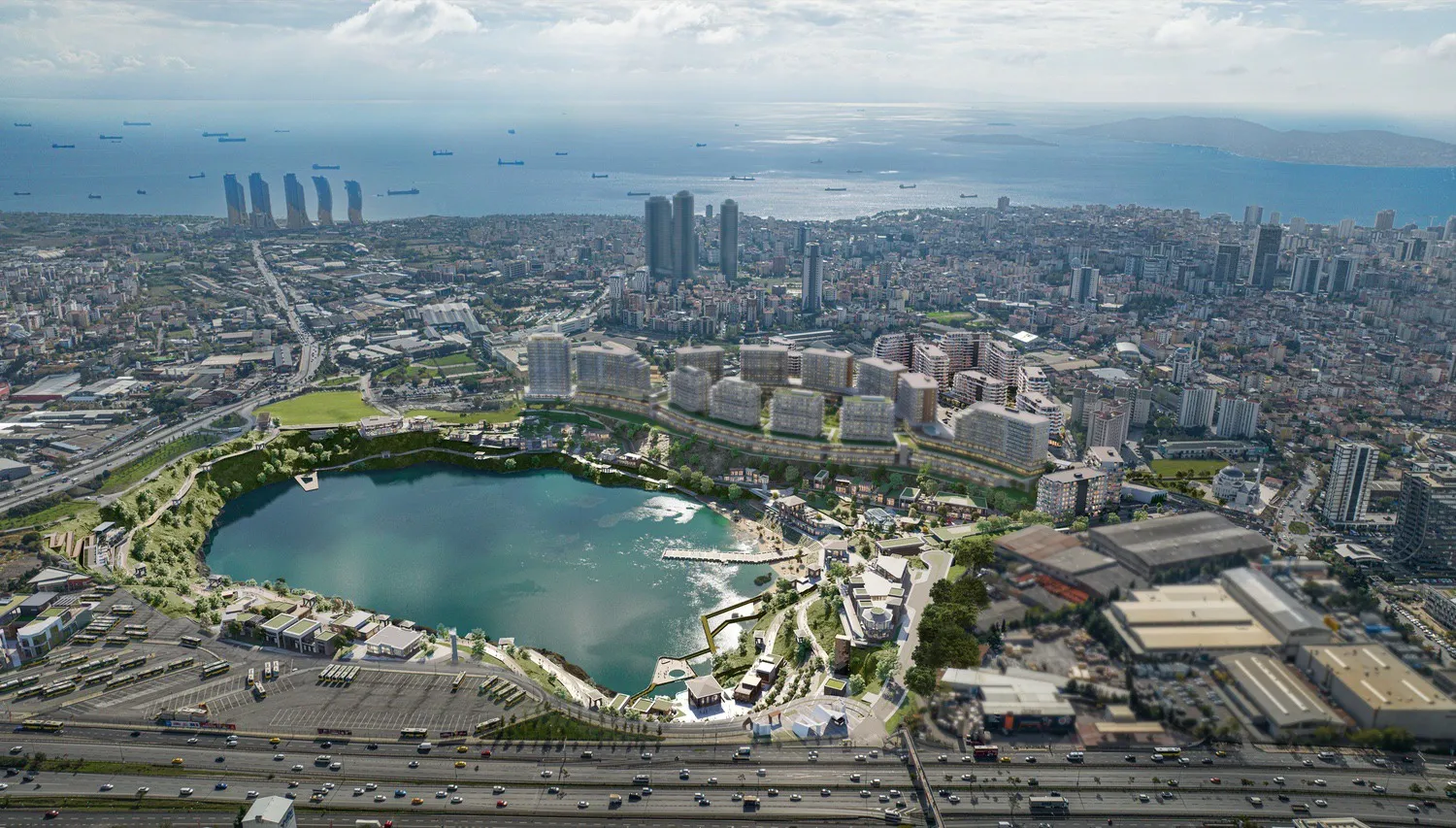
The Coastal Renaissance – Zeytinburnu’s Luxury Pivot
Zeytinburnu is undergoing a transformation that feels almost cinematic. Once known primarily for its industrial and textile roots, it’s now stepping into a completely different identity—one centered around luxury, lifestyle, and coastal living.
There’s something timeless about waterfront property. Whether you’re in Istanbul, Dubai, or Miami, proximity to the sea carries an inherent premium. But what makes Zeytinburnu unique is that it offers this lifestyle at a price point that’s still accessible compared to the Bosphorus.
Sea-View Living Without Bosphorus Prices
Let’s be honest—owning property along the Bosphorus is out of reach for most investors. Prices there have already reached maturity, which means growth is steady but limited. Zeytinburnu, on the other hand, is still in its growth phase.
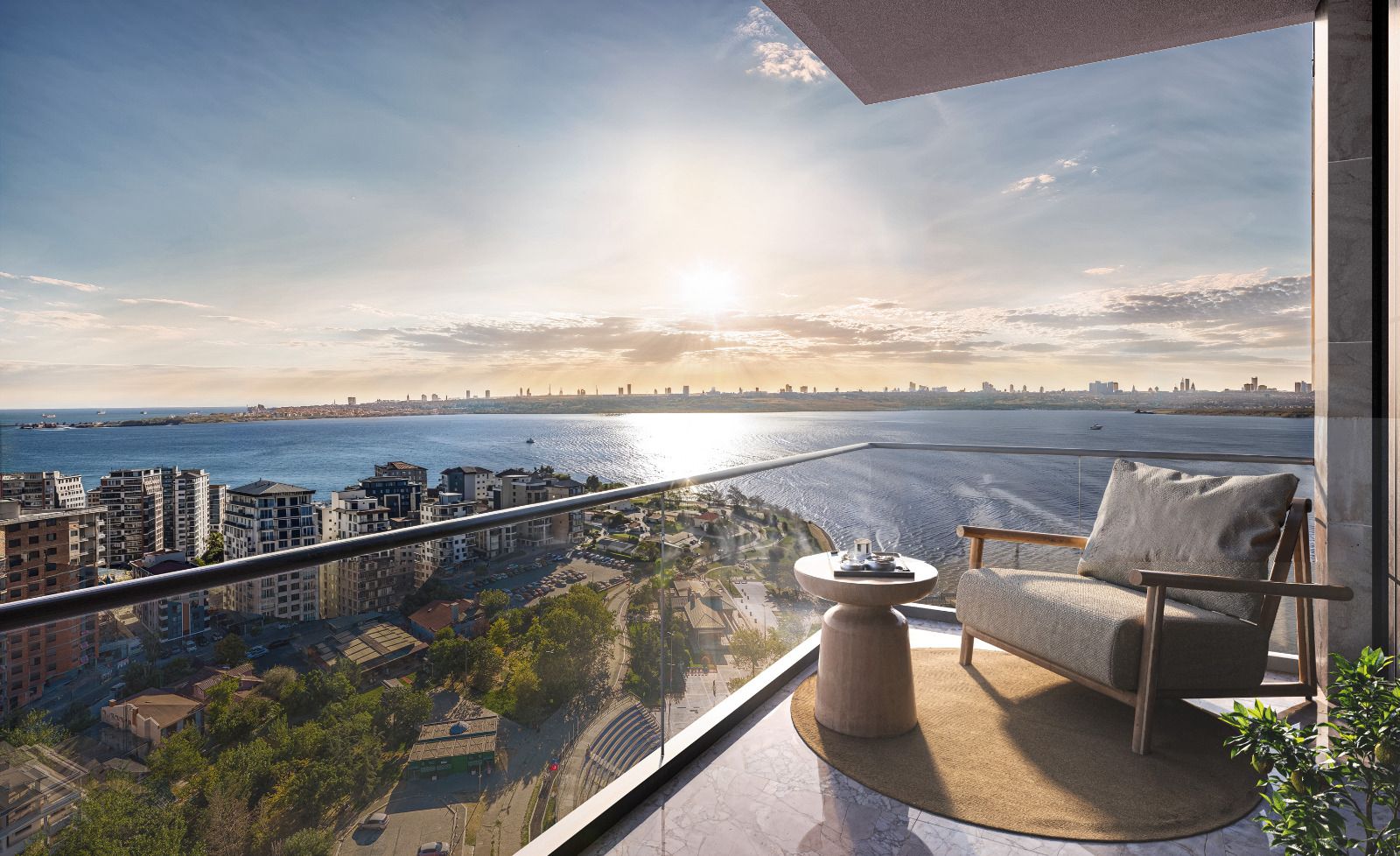
Luxury developments with sea views are becoming increasingly common here, attracting both local and international buyers. These projects often include high-end amenities—think concierge services, fitness centers, and waterfront promenades—that elevate the overall living experience.
What’s interesting is how buyers perceive value. When they compare Zeytinburnu to Bosphorus properties, the price difference feels significant, even if the lifestyle offering is comparable. That perception drives demand, which in turn pushes prices upward.

The Marmaray Effect on Rental Liquidity
Connectivity plays a huge role in Zeytinburnu’s appeal, and the Marmaray line is at the center of it. This underwater rail system connects the European and Asian sides of Istanbul, making cross-city travel faster and more convenient than ever.
For investors, this translates into rental liquidity. Properties near Marmaray stations tend to attract a steady stream of tenants, including commuters, tourists, and short-term renters. That diversity reduces vacancy risk and creates multiple income streams.
Tourism also plays a part. Being close to historical areas while offering modern coastal living makes Zeytinburnu particularly attractive for short-term rentals. Platforms like Airbnb have seen increasing activity in the area, further boosting its investment potential.
Zeytinburnu isn’t just evolving—it’s redefining what coastal investment looks like in Istanbul.
The Cash-Flow King – Esenyurt & Beylikdüzü Border
If the previous districts were about appreciation and future upside, this one is about something far more immediate—cash flow. The Esenyurt and Beylikdüzü border represents a completely different investment philosophy. It’s not glamorous, it doesn’t rely on luxury branding, and it’s rarely the subject of glossy brochures. But when it comes to consistent rental income, few places in Istanbul can compete with it.
This area operates on volume. High population density, ongoing migration, and a strong presence of students and working-class tenants create a rental ecosystem that rarely slows down. While central districts may struggle with affordability ceilings, Esenyurt continues to جذب (attract) tenants simply because it offers practical living at accessible prices.
The numbers tell the story. Rental yields here often outperform more “prestigious” districts, sometimes reaching 8–12% annually, depending on property type and location. That’s significantly higher than the 3–5% yields typical in prime areas like Beşiktaş. For investors who prioritize income over speculation, this difference is hard to ignore.
But there’s a catch—and it’s an important one. Not all properties in this area are created equal. The same factors that create high demand can also lead to oversupply, poor construction quality, and liquidity issues if you’re not careful.
If you're planning a long-term move, don’t miss this breakdown of
top Istanbul investment areas for 2026–2029
revealing hidden hotspots most investors are still ignoring.
High-Yield Rental Demand Explained
Why is demand so strong here? It comes down to demographics and affordability. Istanbul continues to grow, and a significant portion of that growth consists of people looking for budget-friendly housing options. Esenyurt sits right at the intersection of affordability and accessibility, making it a natural choice.
There’s also a strong student presence due to nearby universities, along with a steady influx of workers employed in surrounding industrial and commercial zones. These tenants aren’t necessarily looking for luxury—they’re looking for convenience, transportation access, and reasonable rent.
This creates a unique advantage for landlords. Turnover is relatively low, and vacancy periods are often short. Even during economic fluctuations, demand tends to remain stable because housing in this segment is a necessity, not a luxury.
Avoiding the Low-Liquidity Trap
Here’s where strategy becomes critical. The biggest mistake investors make in Esenyurt is chasing the lowest possible price. Cheap doesn’t always mean profitable—especially if the property is in a poorly managed building or an oversaturated micro-location.
To identify investment-grade complexes, you need to look beyond price:
- Focus on gated communities with proper management and amenities
- Check occupancy rates—high vacancy is a red flag
- Prioritize proximity to transport links like Metrobus lines
- Evaluate the developer’s track record
Liquidity is everything when it’s time to exit. Properties in well-maintained, strategically located complexes are much easier to sell, even in slower markets. On the other hand, low-quality units may offer high rental yields on paper but become difficult to offload later.
This area rewards disciplined investors. If you choose wisely, it can generate steady income while you wait for broader market appreciation.
The Exit Strategy – Timing Your Profit Window
Buying is only half the game. The real difference between an average investor and a great one lies in knowing when to exit. Istanbul’s market cycles can be fast and unforgiving, especially in emerging districts where price movements are tied closely to infrastructure milestones.
The “18-month window” isn’t just about entry—it’s about aligning your exit with peak momentum. Typically, this occurs shortly after major projects become fully operational. That’s when public awareness peaks, demand surges, and prices often overshoot their intrinsic value.
Holding too long can be just as risky as selling too early. Once the market stabilizes, appreciation slows, and your capital becomes tied up in lower-yield growth. Smart investors recognize when the story has already been priced in.
ROI vs Rental Yield Comparison Table
To make sense of these opportunities, it helps to compare them side by side. Each district offers a different balance between capital appreciation and rental income.
| District | Primary Strategy | Projected ROI (18 Months) | Rental Yield | Risk Level |
|---|---|---|---|---|
| Ümraniye | Appreciation (IFC-driven) | 80% – 120% | متوسط (4–6%) | Medium |
| Başakşehir | Long-term growth | 70% – 100% | Moderate (5–7%) | Medium-Low |
| Kağıthane | Short-term flip | 60% – 90% | Moderate (5–6%) | Medium |
| Zeytinburnu | Lifestyle + appreciation | 65% – 95% | Moderate (4–6%) | Medium |
| Esenyurt/Beylikdüzü | Cash flow | 40% – 70% | High (8–12%) | Medium-High |
This table isn’t about picking a winner—it’s about aligning your investment with your goals. Are you chasing rapid appreciation? Go where infrastructure is reshaping demand. Need steady income? Focus on high-yield zones.
Final Trigger – Why Waiting Could Cost You
Here’s the uncomfortable truth: by the time most investors feel “comfortable” entering the market, the biggest gains are already gone. Real estate rewards anticipation, not confirmation.
Right now, the price gap between these emerging districts and Istanbul’s established centers is still wide. But that gap is closing—and it’s closing faster than many realize. Each new metro line, each completed development, each influx of tenants pushes prices closer to equilibrium.
When the next wave of headlines hits—when these areas become “obvious” investment choices—the opportunity for 100% gains will likely have passed. What remains will still be solid investments, but the explosive upside will be gone.
The question isn’t whether these districts will grow. The data, infrastructure, and market behavior all point in the same direction. The real question is whether you’ll act while the window is still open—or look back later wishing you had.
Conclusion
Istanbul doesn’t offer opportunities like this very often. What’s happening right now is a convergence of infrastructure, economic repositioning, and shifting demand patterns that create unusually strong upside potential. Each of the five areas explored—Ümraniye, Başakşehir, Kağıthane, Zeytinburnu, and the Esenyurt/Beylikdüzü border—represents a different angle of the same underlying trend: the city is expanding, and value is being redistributed.
Some districts are powered by finance, others by transit, others by lifestyle or affordability. That diversity is what makes this moment so compelling. You’re not limited to a single strategy—you can choose based on your risk tolerance, capital, and timeline.
But timing remains the common thread. The “18-month window” isn’t a marketing phrase—it reflects how quickly markets can adjust once key developments are completed. The early movers capture the steepest part of the curve. Everyone else follows at a higher entry point.
Opportunities like this don’t disappear—they evolve. The question is whether you want to be early in the cycle or part of the crowd catching up.
Üsküdar, Sarıyer, and Ataşehir are among the safest, especially for families.
Not necessarily. Returns depend on project quality, real demand, and transport access—not price alone.
Yes, Beylikdüzü remains one of Istanbul’s top "value-for-money" investment zones. With entry prices around $900–$1,400 per square meter, it offers high capital appreciation potential compared to the saturated city center. Investors typically see rental yields of 6% to 8% in modern residential complexes.
Districts like Silivri and Büyükçekmece offer affordable villas with large plots and sea views.
Currently, Kağıthane, Basin Express, and Ümraniye show the highest growth potentia

.jpeg)


Have Question Or Suggestion ?
Please Share Your Thought, To Make It Real