Top Istanbul Investment Areas 2026–2029 You Can’t Afford to Miss
Discover the hottest Istanbul property hotspots before prices explode. Smart investors are already moving—are you?
Introduction: The New Era of Istanbul Real Estate Investment 2026 (Turkey Property Market for Foreign Investors)
Istanbul’s real estate market is stepping into what can only be described as a “new era” between 2026 and 2029, and the shift is far more nuanced than the explosive growth cycles seen in previous years. If you’ve been watching the market casually, you might assume it’s just another phase of rising prices. But that’s not quite accurate anymore. The story now is about quality growth, smarter capital, and infrastructure-led appreciation, rather than speculative spikes. Investors are no longer chasing just any property—they’re chasing the right property in the right micro-location, backed by long-term urban logic.
What makes this period especially interesting is how multiple forces are converging at once. On one hand, the Turkish government has doubled down on urban regeneration, pushing safer, modern housing stock into the spotlight. On the other, infrastructure projects that have been years in the making are finally maturing, fundamentally changing how people move, live, and choose neighborhoods. This combination is quietly redrawing Istanbul’s investment map.
And here’s where it gets even more compelling: international investors—especially from the Gulf, Europe, and increasingly Russia and Central Asia—are returning with a more calculated mindset. They’re not just buying for passports or short-term gains anymore. They’re studying rental yields, tenant demand, and long-term exit strategies. In other words, Istanbul is evolving from a “hot market” into a strategic investment ecosystem.
If you’re looking at Istanbul between 2026 and 2029, you’re not just buying property—you’re positioning yourself within a city that is actively reinventing its economic and residential core. The key is knowing where the next wave is forming, not where the last one already peaked.
The 2026 Market Shift in Istanbul Real Estate: Real Value Growth vs Inflation (Turkey Property Trends 2026)
The biggest misunderstanding about Istanbul’s property market right now is assuming that growth will continue in the same way it did in the early 2020s. Back then, much of the price surge was driven by inflation and currency fluctuations, which created what looked like rapid appreciation on paper. But seasoned investors know the difference between nominal gains and real, inflation-adjusted value growth.
By 2026, the market is transitioning into a phase where real value appreciation is becoming the primary driver. That means properties are increasing in worth not just because of macroeconomic conditions, but because of tangible improvements—like new metro lines, business hubs, and lifestyle infrastructure. This shift is critical because it filters out weak investments. Areas without strong fundamentals will struggle to keep pace, while strategically located districts will begin to outperform more consistently.
Another layer to this shift is price stabilization in mature areas. Prime districts like Nişantaşı or Bebek have already seen significant growth, leaving less room for aggressive upside. Meanwhile, emerging districts—especially those connected to new transport corridors—are entering their “acceleration phase.” This is where investors typically find the sweet spot: not too early to be speculative, but not too late to miss the upside.
From a practical standpoint, this means 2026 is shaping up to be a tactical entry window, particularly for foreign investors holding USD or EUR. Currency dynamics still offer a relative pricing advantage, but now it’s paired with improving market fundamentals. It’s no longer about timing the currency—it’s about timing urban transformation cycles.
Investor Profile in Istanbul Property Market 2026 (Foreign Investment in Turkey Real Estate)
Take a closer look at who’s buying in Istanbul right now, and you’ll notice something has changed. The market is no longer dominated by opportunistic buyers chasing quick wins. Instead, there’s a clear rise in high-net-worth individuals (HNWIs) and institutional-minded investors who are thinking long term.
Buyers from the Gulf region—particularly the UAE, Saudi Arabia, and Qatar—are increasingly focused on family-oriented compounds, branded residences, and properties near international schools and healthcare hubs. For them, Istanbul is not just an investment; it’s a lifestyle extension. Meanwhile, European investors are re-entering the market with a more analytical approach, targeting areas with strong rental demand and legal transparency.
Russian-speaking investors, including those from Russia and CIS countries, are also playing a significant role, often prioritizing citizenship eligibility and asset diversification. What ties all these groups together is a shift toward data-driven decision-making. They are comparing yield percentages, studying infrastructure maps, and evaluating developer credibility before committing capital.
Another interesting trend is the growing demand for ready-to-move-in properties with modern standards. Earthquake safety, smart home systems, and secure gated communities are no longer optional—they are expected. This is reshaping demand toward new developments and urban regeneration projects, especially in districts that were previously overlooked.
In short, today’s buyer is more informed, more selective, and far less tolerant of risk. That’s exactly why identifying the right upcoming areas matters more than ever.
Core Drivers of Istanbul Real Estate Growth: Metro Expansion, Urban Regeneration & Mega Projects (Urban Regeneration Istanbul 2026)
If you strip away the noise, three core forces are shaping Istanbul’s real estate future between 2026 and 2029—and understanding them is like having a map in a city that’s constantly changing.
First, there’s infrastructure maturity. Istanbul’s metro network is expected to reach approximately 487 kilometers by 2026, transforming daily life across both the European and Asian sides. Areas that once felt disconnected are becoming highly accessible, effectively shrinking the city. And in real estate, accessibility almost always translates into value.
Second, urban transformation laws are accelerating the replacement of older, risk-prone buildings with modern, earthquake-resistant developments. This isn’t just about safety—it’s about resetting entire neighborhoods. When an area undergoes transformation, it often attracts new demographics, new businesses, and ultimately, new price levels.
Then there’s what many investors casually refer to as the “Galataport Effect.” Projects like Galataport have shown how a single large-scale development can rebrand an entire district, boosting tourism, retail activity, and property values simultaneously. This model is now being replicated in other parts of the city, particularly along waterfronts and regeneration zones.
Put these drivers together, and you get a market that is no longer random or unpredictable. It’s structured, layered, and increasingly infrastructure-led. The real opportunity lies in identifying where these forces are about to intersect next.
Best European Side Areas for Property Investment in Istanbul (High Rental Yield & Capital Appreciation)
If Istanbul were a chessboard, the European side would be where most of the aggressive moves happen. It’s denser, historically richer, and often first in line for large-scale infrastructure and regeneration projects. But here’s the twist: not all parts of the European side are equal anymore. The prime, established districts have already played their cards. The real action between 2026 and 2029 is happening in transition zones—areas that are evolving from secondary locations into primary investment hubs. These are the neighborhoods where you’ll often see a mix of construction cranes, new metro lines, and a changing tenant profile all at once.
What makes this side particularly attractive right now is the combination of high rental demand and faster capital appreciation cycles. Business districts, transport corridors, and proximity to the airport all play a role in shaping demand here. Unlike purely residential zones, many European-side districts benefit from a strong inflow of professionals, which pushes rental yields upward. This is especially relevant for investors who are not just looking to “park money” but want consistent cash flow alongside long-term gains.
Another factor worth paying attention to is branding. Districts like Kağıthane or Zeytinburnu were not always considered premium names. But branding in real estate can change quickly when infrastructure, lifestyle, and developer quality align. It’s a bit like watching a neighborhood go through a glow-up—you might not recognize it in three to five years. And that’s exactly the kind of transformation investors aim to catch early.
Let’s break down the specific districts where this transformation is already underway and likely to accelerate.
Best Neighborhoods in Istanbul to Buy an Apartment for Rental Income
Kağıthane – Best Area for Property Investment in Istanbul 2026 (High Rental Yield Istanbul Apartments)
Kağıthane has quietly transformed from an overlooked industrial zone into one of Istanbul’s most talked-about investment hotspots. Calling it the “Silicon Valley of Istanbul” might sound like marketing hype at first, but when you look closer, the comparison starts to make sense. The district sits strategically between Maslak, the city’s financial powerhouse, and Beşiktaş, one of its most vibrant lifestyle hubs. That positioning alone creates a powerful pull for young professionals and corporate tenants.
The real game-changer, though, is connectivity. With the M11 metro line linking Kağıthane directly to Istanbul Airport in roughly 25 minutes, the district has effectively become a transportation hub. Think about what that means in practical terms: professionals who travel frequently, airline staff, and even digital nomads now see Kağıthane as a highly convenient base. And convenience, in real estate, often translates directly into higher rental demand.
From an investment perspective, Kağıthane is particularly strong in the 1+1 and 2+1 apartment segment, which caters to singles, couples, and young professionals. These units tend to have faster turnover and consistent occupancy rates. Current projections suggest rental yields between 7% and 9%, which is notably higher than many established districts in Istanbul.
Another layer to consider is the type of developments emerging in the area. Many projects are modern, mixed-use complexes with offices, retail spaces, and residential units integrated into one ecosystem. This kind of environment naturally attracts a more affluent tenant base, further supporting rental values.
Of course, timing matters. Kağıthane is no longer “undiscovered,” but it hasn’t peaked either. It’s in that sweet mid-cycle phase where infrastructure is largely in place, but price growth still has room to run. For investors looking for a balance between risk and reward, it’s one of the most compelling options on the European side right now.
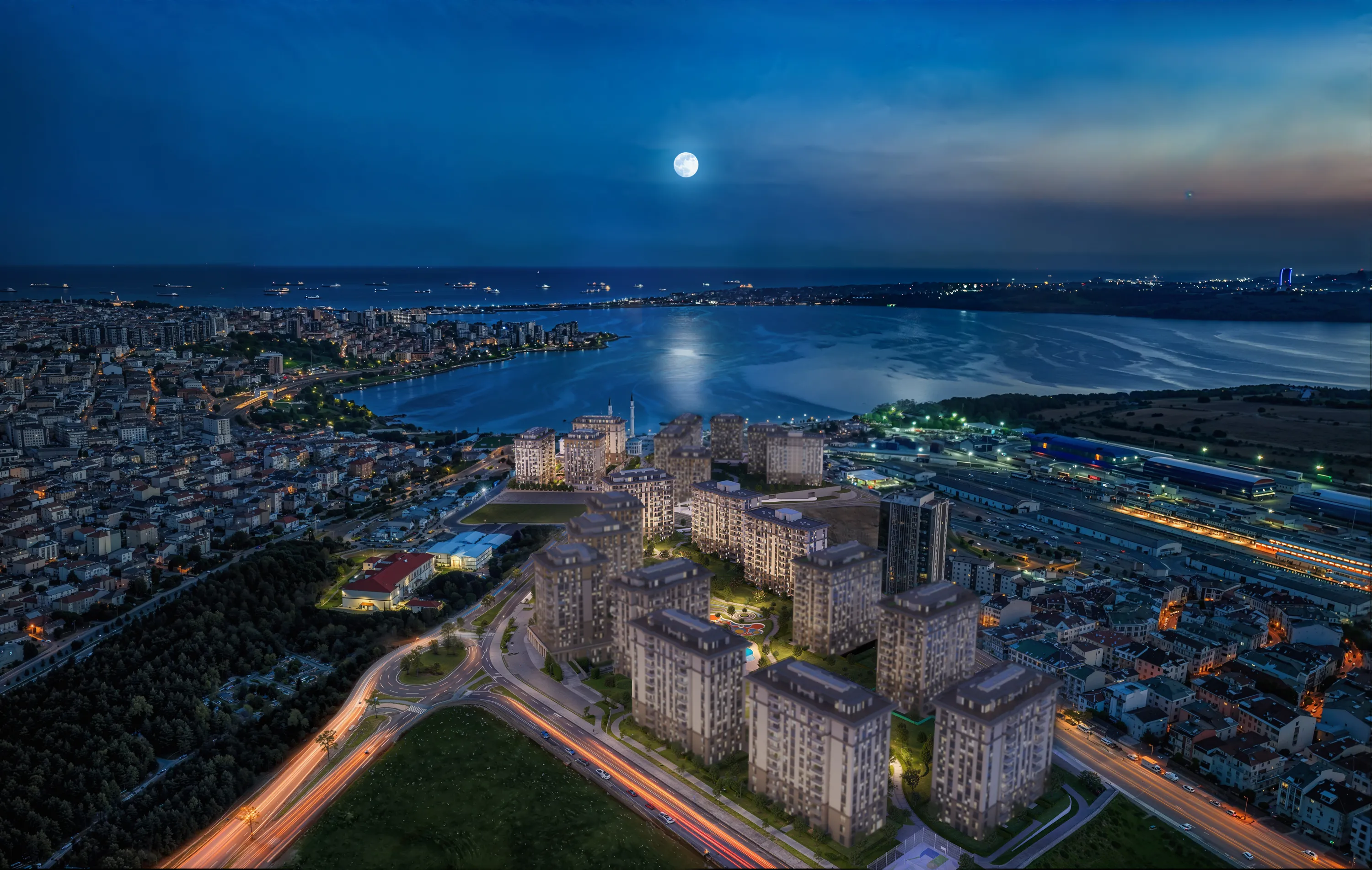
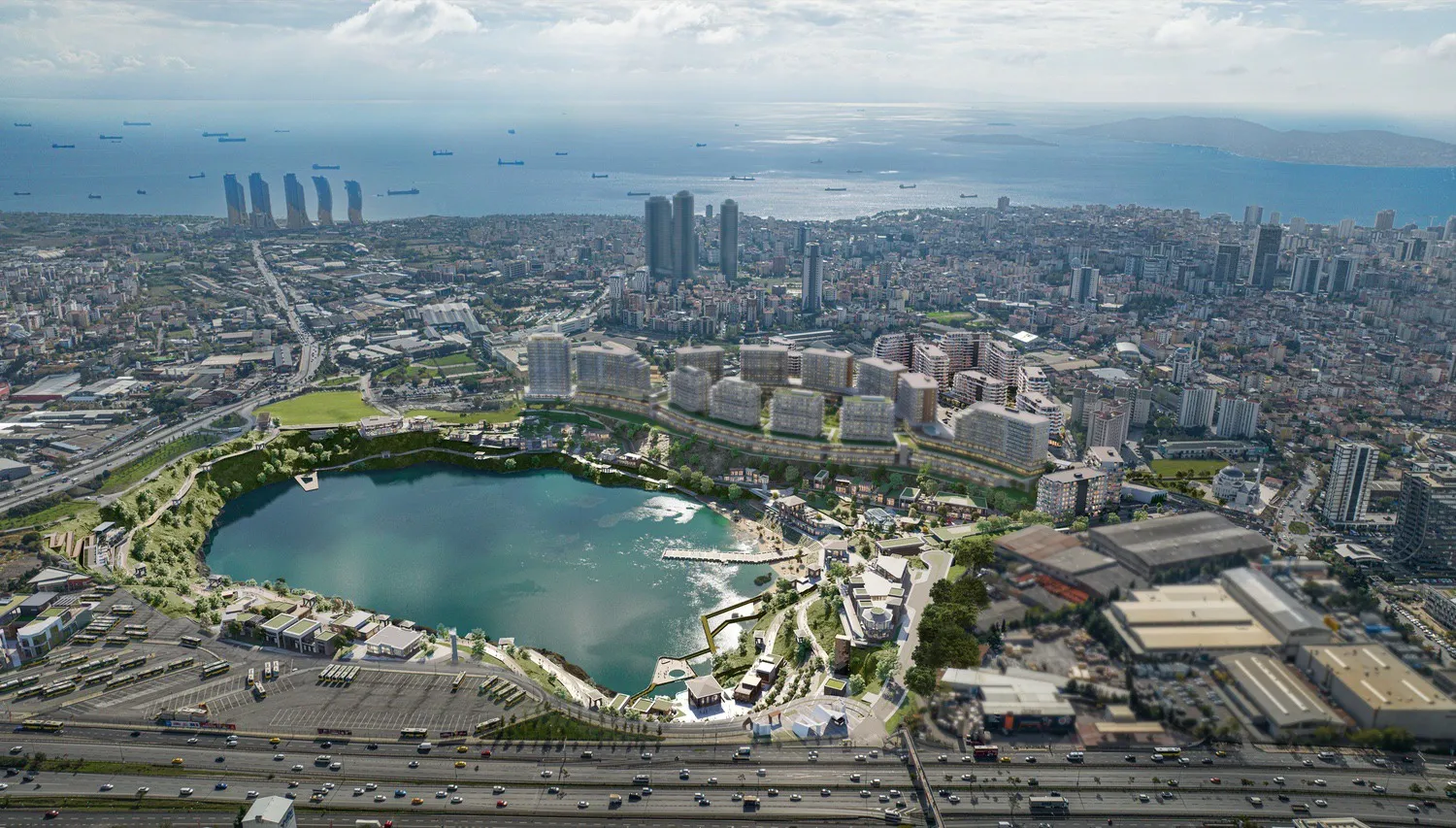
Zeytinburnu & Topkapı – Waterfront Real Estate Investment in Istanbul (Luxury Branded Residences Turkey)
Zeytinburnu and Topkapı tell a story that’s becoming increasingly common in global cities: industrial zones reinventing themselves as high-end residential and lifestyle destinations. For decades, these areas were associated with factories, warehouses, and logistics. Today, they are undergoing a dramatic shift toward luxury living, branded residences, and waterfront development.
The biggest advantage here is location. These districts sit right next to Istanbul’s historic peninsula, placing them within close reach of major cultural landmarks, business districts, and tourism zones. Add to that the ongoing development of coastal promenades and public spaces, and you start to see why developers are investing heavily in the area.
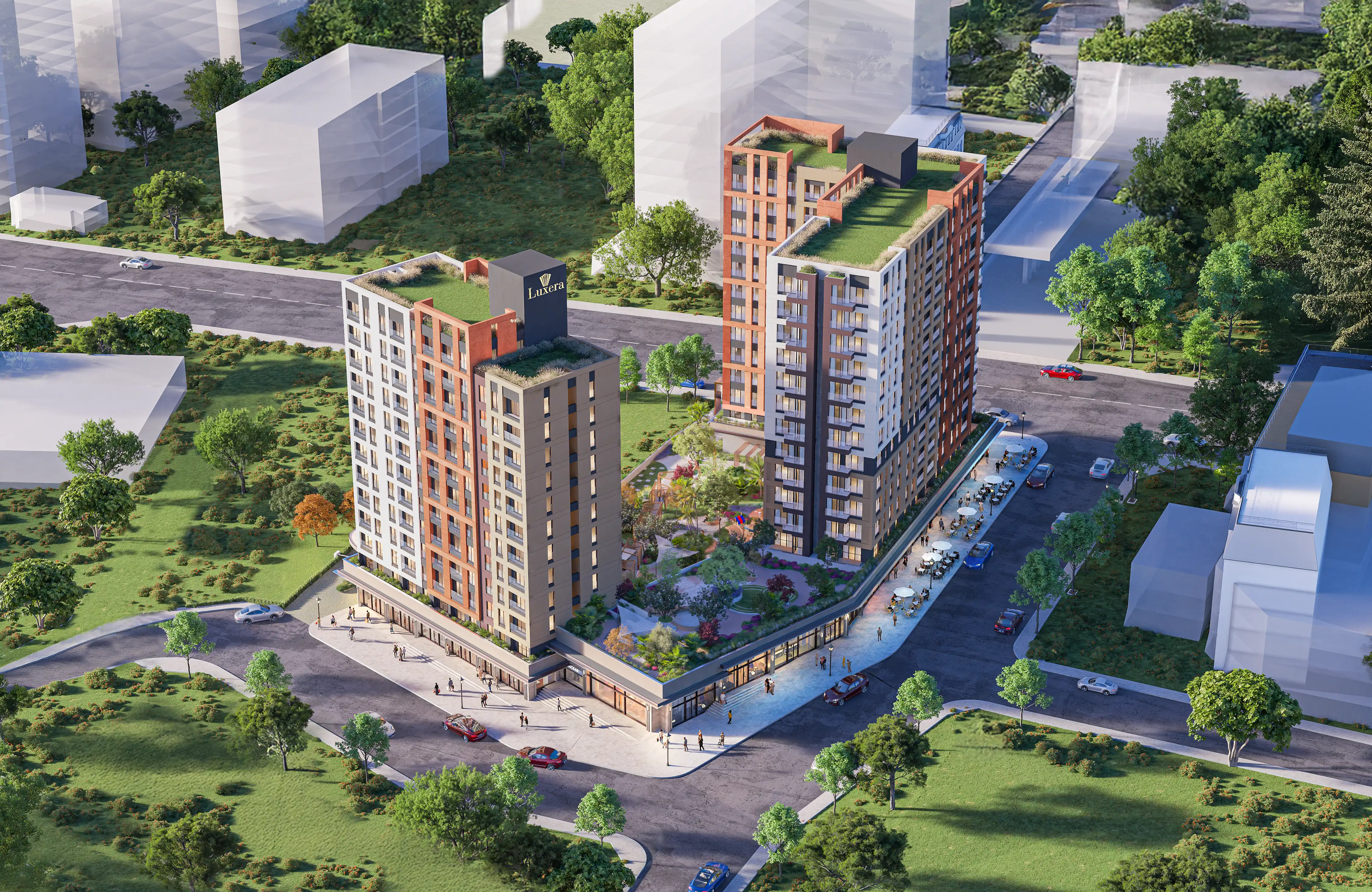
Projects like Luxera Topkapı are leading this transformation, offering modern apartments with high-end amenities, security, and lifestyle features that appeal to both local and international buyers. This is not just about building new homes—it’s about redefining the identity of the district. And when a neighborhood’s identity changes, property values often follow.
From an investment standpoint, Zeytinburnu and Topkapı offer a mix of capital appreciation and medium-term rental potential. While rental yields may not reach the highs seen in Kağıthane, the upside here lies in long-term value growth as the transformation matures. Early investors in similar regeneration zones across Istanbul have historically seen significant returns once the area reaches full maturity.
There is also a lifestyle angle that shouldn’t be ignored. Waterfront living carries a universal appeal, and as more of these projects come online, demand is likely to increase not just from residents but also from short-term tenants and international buyers.
In many ways, investing here is like buying into a story that’s still being written. The foundation is already in place, but the final chapter—where the area fully establishes itself as a premium destination—is still ahead.
- Best Istanbul Projects Compared: Yedi Mavi vs Büyükyalı vs Pruva 34
- Which Istanbul Project Is Best? Full Comparison Guide
Küçükçekmece & Başakşehir – Canal Istanbul Investment Opportunities (Long-Term Property Investment Turkey)
If you’re the kind of investor who thinks in five- to ten-year horizons rather than quick flips, Küçükçekmece and Başakşehir should be firmly on your radar. These districts are at the heart of what many are calling the “Canal Corridor”, a long-term development zone tied to infrastructure expansion and urban planning initiatives.
The headline driver here is the Arnavutköy–Halkalı metro line, which is expected to add multiple new stations by 2026. This isn’t just another transport project—it’s a connectivity upgrade that links residential zones to the airport, business districts, and other key parts of the city. And as history has shown, metro expansions in Istanbul tend to have a direct and measurable impact on property prices.
Başakşehir, in particular, has already established itself as a family-friendly district with modern compounds, international schools, and healthcare facilities. It attracts both local middle- to upper-income families and foreign buyers looking for a more suburban, organized living environment. Küçükçekmece, on the other hand, offers slightly earlier-stage opportunities, especially in areas closer to planned infrastructure routes.
What makes this corridor especially interesting is its proximity to Istanbul Airport, one of the largest aviation hubs in the world. This proximity creates a steady demand base from airport employees, logistics professionals, and related industries. Over time, this can translate into both rental stability and gradual price appreciation.
That said, this is not a market for impatient investors. The real gains here are likely to unfold over several years as infrastructure projects reach completion and the area’s reputation strengthens. Think of it as planting a tree—you won’t see full results overnight, but with the right timing, the long-term payoff can be substantial.
For those willing to take a slightly longer view, the Canal Corridor represents one of the most strategically positioned investment zones in Istanbul’s evolving real estate landscape.
- Hayat Flora vs Kuzey Adalar: Which Istanbul Project Is Better?
- Best Istanbul Property Projects Compared: Full Guide
Best Asian Side Areas for Real Estate Investment in Istanbul (Stable Growth & Lifestyle Investment)
The Asian side of Istanbul has always moved with a different rhythm. While the European side often grabs headlines with rapid transformation and aggressive speculation, the Asian side tends to attract investors who value stability, livability, and a more measured growth curve. That slower tempo is not a weakness. In fact, for many buyers, it is exactly the appeal. Neighborhoods here often feel more settled, more residential, and less chaotic, which makes them especially attractive to families, professionals, and long-term tenants.
Between 2026 and 2029, this side of the city is becoming even more relevant because it is no longer just the “quieter alternative.” It is evolving into a serious investment zone in its own right, powered by finance, transportation, and coastal lifestyle demand. The opening and expansion of new transit links, combined with major institutional anchors like the Istanbul Financial Center, are reshaping tenant demand in ways that were easy to underestimate a few years ago. Investors who once focused almost exclusively on the European side are now giving the Asian side a much closer look, and not without reason.
Another major advantage is pricing psychology. Many buyers feel they are getting better value here—more space, newer construction, stronger family appeal, and in some districts, sea views that would command dramatically higher premiums on the European side. That relative value matters because it widens the pool of both buyers and renters. A district does not need to be flashy to perform well. Sometimes the most reliable gains come from places where people genuinely want to live, raise children, and stay for years. That is the core strength of the Asian side.
Within this broader story, two zones stand out for very different reasons. Ümraniye is driven by finance and white-collar demand, while Kartal and Maltepe are powered by coastal lifestyle appeal and modern residential development. Together, they show how diverse the Asian-side opportunity really is.
Ümraniye – Istanbul Financial Center Property Investment (High Demand Rental Apartments Istanbul)
Ümraniye has spent years building toward this moment, and now the district is finally stepping into the spotlight with real force. The biggest catalyst is the Istanbul Financial Center (IFC), which has transformed the area into what many investors are starting to call the “Wall Street of the East.” That nickname may sound bold, but the logic behind it is straightforward. When a district becomes the home of banking headquarters, finance institutions, and thousands of white-collar jobs, housing demand tends to follow quickly—and in very specific forms.
The strongest demand in Ümraniye is expected to center on 1+1 and 2+1 apartments, especially those in secure, modern projects with parking, social facilities, and easy transport access. Why these unit types? Because they fit the profile of the likely tenant base: finance professionals, consultants, mid-level executives, and young couples who want to live close to work without sacrificing comfort. These tenants are often willing to pay a premium for convenience, and that creates a strong setup for investors seeking steady occupancy and above-average rental resilience.
Connectivity makes the story even stronger. The integration of the M12 metro line and related transport infrastructure improves access across the Asian side while linking Ümraniye more efficiently to the rest of Istanbul. In a city where commute time shapes lifestyle decisions more than almost anything else, this is a serious advantage. It turns Ümraniye from a practical district into a strategic one.
There is also a psychological factor working in its favor. Major business hubs tend to change how a district is perceived. A place once seen as purely residential starts to feel corporate, modern, and upwardly mobile. That shift in perception can be just as powerful as the physical infrastructure itself because it attracts a new buyer profile—people who want not just a home, but a district associated with ambition and growth.
For investors between 2026 and 2029, Ümraniye may offer one of the best combinations of high appreciation potential and dependable professional rental demand in the entire city. It is not a speculative story anymore. It is a structural one.
Kartal & Maltepe – Sea View Apartments Investment in Istanbul (Affordable Coastal Properties Turkey)
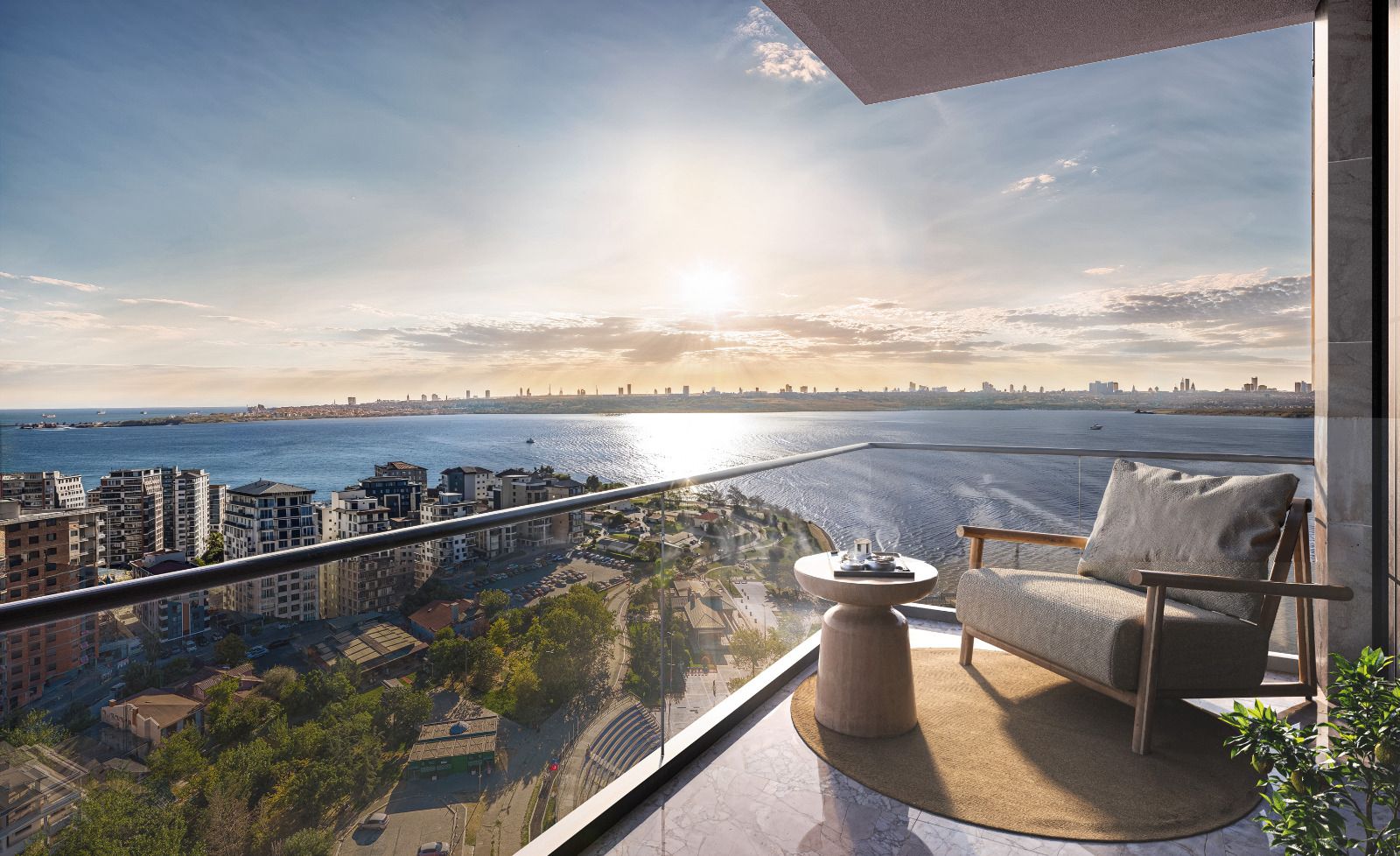
Kartal and Maltepe offer a completely different investment flavor, and that is precisely why they deserve attention. If Ümraniye is about finance and function, these coastal districts are about lifestyle, views, and long-term desirability. They sit along the Marmara Sea with access to promenades, marinas, ferry connections, and a calmer urban atmosphere that many residents actively prefer. For buyers who want sea-facing living without paying the heavy premiums of Istanbul’s most prestigious waterfront addresses, this corridor looks increasingly attractive.
One of the biggest selling points here is value relative to experience. Investors can often find high-end lifestyle properties at entry prices roughly 30% lower than comparable premium locations on the European side, while still capturing many of the same emotional drivers that push demand: sea views, open air, cleaner urban planning, and modern residential complexes. In real estate, emotion matters more than people admit. A sea-view apartment is not just a unit; it is a daily experience. That kind of appeal tends to create stickier tenant demand and stronger resale interest.
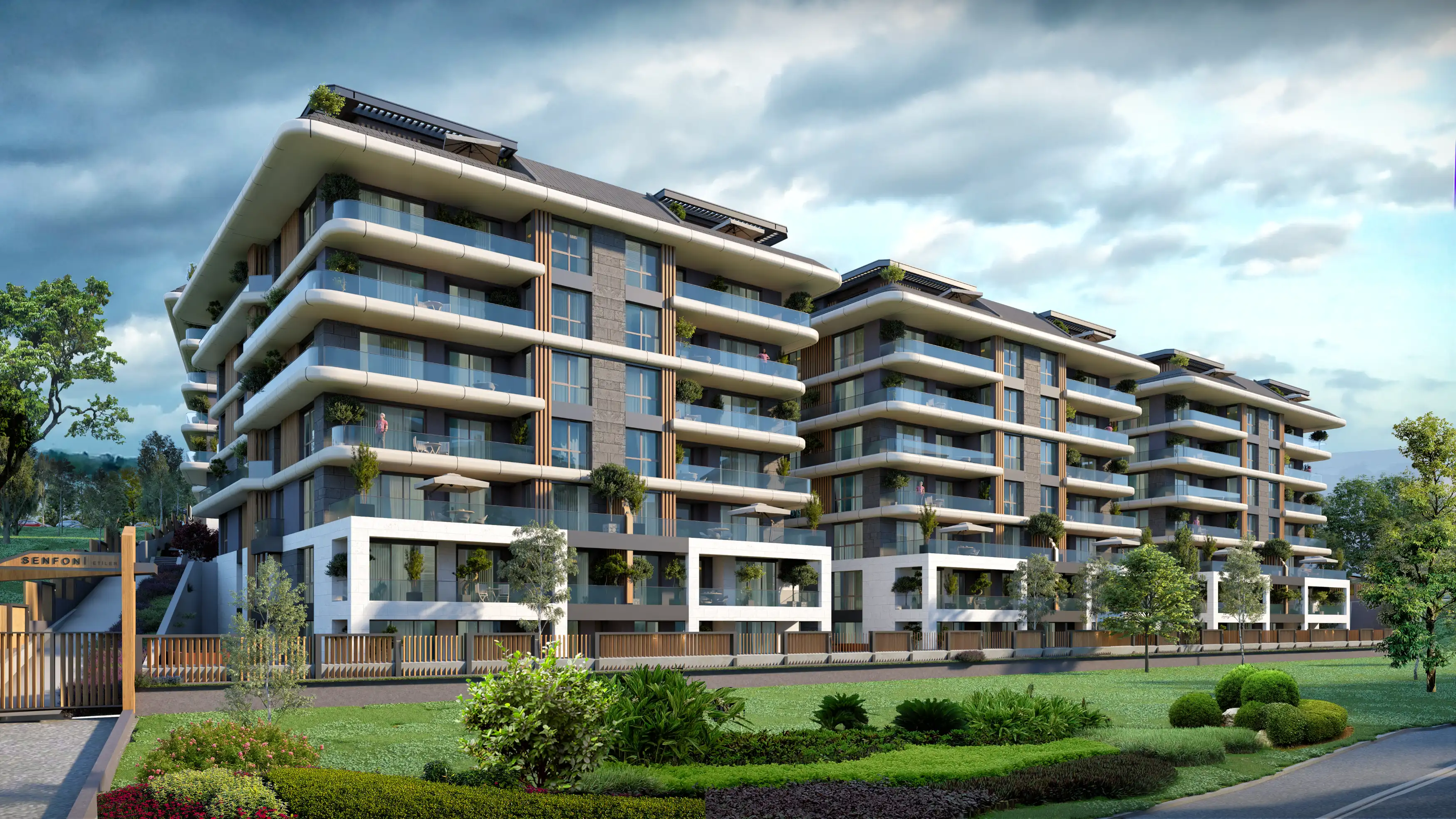
Projects such as Kuzey Adalar reflect this positioning well. They combine smart-home features, contemporary architecture, and visual access to the Princes’ Islands and coastline, creating a product that appeals to both upper-middle-class local buyers and foreign investors seeking a more polished residential lifestyle. These are not purely speculative assets. They are homes that people can imagine themselves actually living in, and that usually supports healthier long-term demand.
Kartal and Maltepe also benefit from a broader urban trend: the increasing popularity of districts that feel modern without being overcrowded. As more residents seek a better balance between work and quality of life, coastal Asian-side living becomes more attractive. Families, retirees, professionals, and even hybrid workers can all find a reason to choose this area.
For investors, the opportunity lies in that balance. The upside may be less explosive than a fast-transforming district, but the demand profile is broad and durable. In a market like Istanbul, that kind of lifestyle-backed stability can be incredibly valuable.
Istanbul Property Investment Comparison 2026 (Rental Yield vs Capital Appreciation Analysis)
It is one thing to describe district stories in broad strokes, but investors eventually need to make tactical decisions. Should the priority be cash flow, capital appreciation, or a blend of both? Is the tenant profile strong enough to support consistent rent? Does the district already have momentum, or is it still in the early innings? These are the questions that turn an interesting market into an actionable one.
The table below frames a few of Istanbul’s key districts through a practical investment lens. It does not claim that every property in each district will perform identically—far from it. Micro-location, project quality, title status, and developer credibility still matter enormously. But at a district level, these categories help clarify where different strategies may fit best in 2026.
| District | Strategy | Target Yield | Appreciation Potential |
|---|---|---|---|
| Beyoğlu | Short-term / Airbnb | 9%+ | Moderate |
| Kağıthane | Corporate Rental | 7.5% | High |
| Ümraniye | IFC Professional | 7% | Very High |
| Beylikdüzü | Family / Lifestyle | 5.5% | Moderate |
This comparison reveals something important. Districts with the highest rental yields are not always the same districts with the strongest long-term appreciation potential. Beyoğlu, for example, can perform well for short-term letting because of tourism and centrality, but it may not offer the same structural upside as districts tied directly to new business or infrastructure hubs. Kağıthane stands out because it combines relatively strong yields with strong appreciation logic, making it attractive for investors who want both income and growth. Ümraniye has slightly lower yield expectations on paper, but its connection to the Istanbul Financial Center gives it a stronger “future engine,” which can make it extremely compelling over a three- to five-year horizon.
Beylikdüzü, meanwhile, sits in a different category. It is less about rapid appreciation and more about accessible entry points, larger family-oriented units, and lifestyle-led demand. That can still make it a smart investment, particularly for buyers who value stability or plan to target end users rather than purely corporate tenants.
The lesson here is simple: there is no universal “best district.” There is only the district that best matches the investor’s strategy. A good investment is like a well-cut suit. It has to fit the person wearing it.
Key Factors for Successful Property Investment in Turkey 2026 (Foreign Buyer Guide Istanbul Real Estate)
By 2026, Istanbul is no longer a market where broad enthusiasm alone is enough. The easy mistakes are still easy to make, but the smart money has become more disciplined. Investors entering the market now need to filter opportunities through a sharper lens, and there are three factors that rise above everything else: earthquake safety, citizenship structuring, and currency positioning.
The first and arguably most important filter is earthquake safety, especially compliance with the post-2018 Turkish building code. This is not just a technical issue for engineers and lawyers. It has become one of the most powerful demand drivers in the market. Buyers are increasingly wary of older stock unless it has undergone credible urban transformation or sits within a well-documented renewal project. Properties built to newer standards carry an immediate confidence premium. They attract more serious tenants, stronger end-user demand, and often better financing and resale prospects. For savvy investors, this means one thing: do not treat construction date as a minor detail. Treat it as a frontline investment criterion.
The second factor is the $400,000 citizenship threshold, which continues to influence how some foreign buyers structure their acquisitions. For investors seeking Turkish citizenship, one increasingly common strategy is to bundle multiple units in promising upcoming districts rather than buy a single trophy apartment in an already saturated area. This can be especially effective in places like Kağıthane, Başakşehir, or selected parts of the Asian side, where the same capital may secure a more diversified position across several income-producing assets. That said, paperwork, valuation alignment, title-deed status, and legal process must be handled carefully. A poor structure can turn what looks like a clean citizenship strategy into an administrative mess.
The third factor is the relationship between USD-based capital and TRY-priced real estate. For buyers holding dollars or euros, 2026 may represent a tactical entry window if they can combine currency advantage with district-level growth logic. But this should not be romanticized. Currency advantage alone does not rescue a weak asset. It simply improves the entry equation. The real win happens when a buyer uses stronger foreign currency to enter a district that also has infrastructure tailwinds, legal clarity, and demand depth. That is how tactical timing becomes real investment performance.
Put differently, buying property in Istanbul in 2026 is not about chasing noise. It is about filtering aggressively. New code compliance, smart citizenship structuring, and currency-aware timing are the three lenses that can separate a polished opportunity from a glossy mistake.
Future Outlook of Istanbul Real Estate Market 2026–2029 (Property Price Forecast Turkey)
The period from 2026 to 2029 looks less like a chaotic boom phase and more like a stabilization phase with selective acceleration. That is actually good news for serious investors. A market that settles down tends to reward strategy over hype. And in Istanbul, strategy now means understanding which districts are supported by deep structural forces rather than temporary excitement.
On the European side, Kağıthane stands out for corporate rental demand and central access, while Zeytinburnu and Topkapı offer a transformation story rooted in urban renewal and waterfront repositioning. Küçükçekmece and Başakşehir represent a more patient, infrastructure-led play for those who think in longer cycles. On the Asian side, Ümraniye benefits from the rise of the Istanbul Financial Center and professional demand, while Kartal and Maltepe offer sea-facing lifestyle value that may age very well over time. Each district serves a different investor appetite, but all of them reflect the same larger truth: Istanbul is not done evolving.
What makes this moment especially interesting is that the city’s next growth wave seems likely to be more rational than the last. Infrastructure is maturing. Regeneration policies are reshaping old stock. International buyers are returning with more focus. That does not eliminate risk, but it does make the landscape more legible. And when a market becomes more legible, better decisions become possible.
For investors targeting the English, Arabic, and Russian-speaking markets, these areas are especially relevant because they align with the most common buyer goals: rental income, long-term appreciation, family livability, citizenship planning, and modern construction standards. That combination is hard to ignore.
The next three years may not reward random buying. They may reward informed buying more than any previous phase. In a city as layered and restless as Istanbul, that is exactly where the edge lies.
FAQs
Yes. In 2026, Istanbul offers balanced opportunities with moderate price growth, strong rental demand, and continued infrastructure development. Buyers who focus on the right district and project—rather than just price—are best positioned to benefit.
Key points include setting a realistic budget, choosing the city and neighborhood carefully, understanding monthly obligations, and avoiding impulsive purchasing or business-launch decisions before proper research. Relying on trusted legal and financial experts is also recommended.
- For luxury: Bebek, Nişantaşı, Sarıyer.
- For balance: Ümraniye, Kağıthane.
- For affordability: Esenyurt, Beylikdüzü.
Generally, real estate investment on the European side of Istanbul offers higher rental returns due to population density and strong infrastructure, while the Asian side provides attractive growth opportunities with more moderate entry prices.







Have Question Or Suggestion ?
Please Share Your Thought, To Make It Real