learn about Kağıthane
1. Introduction: Why Kağıthane Is Getting All the Attention in 2026
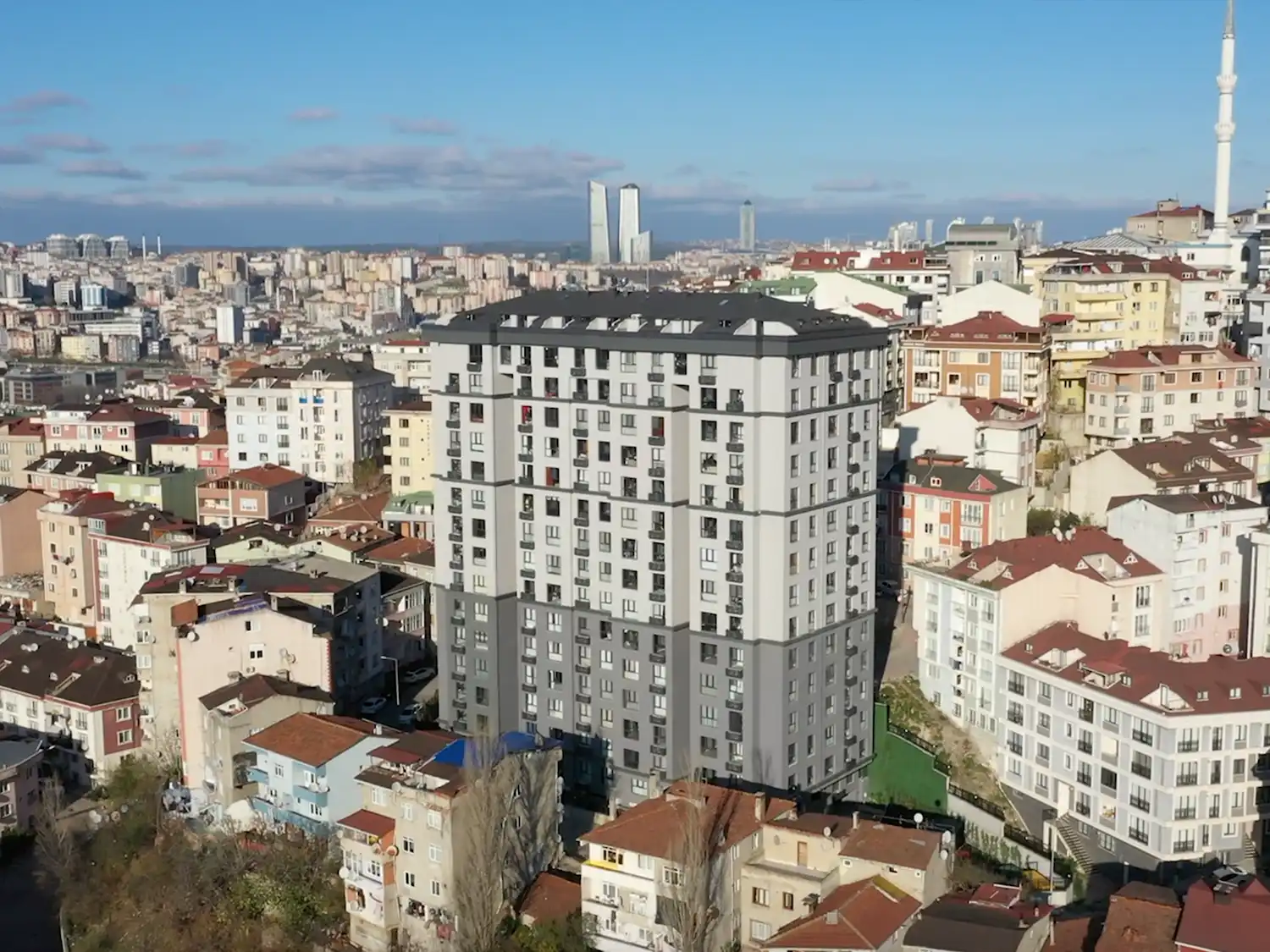
In 2026, Kağıthane is no longer flying under the radar. Once viewed as a purely industrial and overlooked zone on Istanbul’s European side, Kağıthane has transformed into a high-demand residential and commercial hub. Thanks to extensive urban regeneration, improved transportation networks, and its strategic location next to central business districts like Levent, Şişli, and Maslak, Kağıthane is now one of the top-performing real estate zones in the city.
So what exactly is causing the buzz?
Over the last decade, the district has undergone a massive facelift. The skyline is now filled with modern residential towers, office buildings, green parks, and high-end mixed-use projects. The opening of two metro lines (M7 and M11) completely changed how people connect to and from the area — making it incredibly accessible whether you're headed to Istanbul Airport, Taksim, or the Asian side.
More importantly, Kağıthane still offers something rare in 2026: affordable prices for modern apartments just minutes away from the city’s financial heart. For real estate investors, this means lower entry costs with high rental demand and appreciation potential. For residents, it means urban convenience without the chaos and inflated prices of districts like Beşiktaş or Nişantaşı.
But Kağıthane isn’t just about location and infrastructure. It’s becoming a real lifestyle district — with new cafes, gyms, shopping malls, universities, and even tech companies setting up shop here.
If you’re a young professional, a family, or an investor looking for that perfect combination of price, location, and growth, Kağıthane deserves your full attention.
2. Where Is Kağıthane Located?
Kağıthane sits on the European side of Istanbul, forming a bridge between the city's historical core and its rapidly developing business zones. Its central location is one of the key reasons behind the district’s explosive growth over the past few years.
Geographically, Kağıthane is nestled among some of Istanbul’s most powerful districts:
- To the east: Şişli — one of the city’s busiest commercial and residential hubs
- To the north: Sarıyer — home to financial centers like Maslak
- To the west: Eyüpsultan — a traditional yet growing area with family-friendly communities
- To the south: Beyoğlu — the cultural and entertainment heartbeat of Istanbul
This positioning makes Kağıthane a gateway between business, culture, and residential life. You’re never far from the action — whether you work in a Levent skyscraper, shop in Nişantaşı, or stroll along the Golden Horn.
🛣️ Strategic Connectivity
One of Kağıthane’s biggest assets in 2026 is how well-connected it is:
- Metro M7 Line: Connects Kağıthane directly to Şişli, Mecidiyeköy, and Mahmutbey
- Metro M11 Line: High-speed metro link to Istanbul Airport and Gayrettepe
- TEM Highway (Otoyol 2): A major route for those commuting by car
- E-5 Highway (D100): Easily accessible for cross-city travel
- New Tunnel Projects: Shorten the driving time to Beşiktaş, Kabataş, and even the Bosphorus bridges
Thanks to these transport upgrades, what once took 40–50 minutes can now take 10–20 minutes, turning Kağıthane into a commuter’s dream.
🌍 A Transit-Oriented District
Kağıthane has become one of Istanbul’s prime examples of transit-oriented development (TOD) — where housing, jobs, shopping, and public services are designed around major transport routes. This means less time commuting and more time living.
Whether you’re heading to work in Maslak, going to a university in Beşiktaş, or catching a flight from Istanbul Airport, Kağıthane puts you right in the middle of everything, but with lower living costs and more modern housing stock than many of its neighbors.
3. Population and Area of Kağıthane in 2026
Kağıthane is one of the fastest-growing districts in Istanbul, both in terms of population and development density. Once an underutilized industrial zone, it has now evolved into a residential and commercial magnet, attracting locals, expats, and investors alike.
So, how big is Kağıthane, and how many people call it home in 2026?
Kağıthane spans an area of approximately 15.2 square kilometers, making it compact compared to sprawling districts like Başakşehir or Küçükçekmece. But don’t let the size fool you — it is densely packed with residential blocks, office towers, and rapidly growing infrastructure.
As of 2026, the estimated population of Kağıthane is over 480,000 people, a significant increase compared to just a decade ago. This surge in population isn’t accidental — it’s directly tied to the area’s urban renewal projects, expanded transport links, and rising demand for well-located housing close to Istanbul’s financial core.
Most of the residents are:
- Young professionals working in nearby districts like Levent, Maslak, or Şişli
- Families looking for modern housing with easy metro access
- University students due to proximity to multiple educational institutions
- Foreign residents, especially Arab, Central Asian, and Russian nationals, attracted by new developments and investment opportunities
Despite the rising population, the district doesn’t feel overly congested. That’s because many of the new residential complexes in areas like Hamidiye, Talatpaşa, and Seyrantepe include built-in parks, wide internal streets, and designated commercial zones to ease urban pressure.
Interestingly, while older neighborhoods still exist — often with more traditional housing and community structures — much of the population growth is concentrated in newly built mid- to high-rise developments, where the average apartment is between 2+1 and 3+1 layouts, catering to modern living needs.
Looking ahead, with more projects under construction and the Istanbul Airport metro line now fully operational, the population is expected to exceed 500,000 residents by 2028, making Kağıthane not just a transit hub, but a primary home base for a large portion of Istanbul’s urban middle class.
4. Historical Background of Kağıthane: From Industrial Zone to Urban Hub
To truly understand why Kağıthane is gaining massive attention in 2026, it helps to look back at where it started. The district’s transformation from an industrial-heavy zone into one of Istanbul’s most promising residential and commercial areas is nothing short of remarkable.
Kağıthane’s name literally means “Paper House” in Turkish, a reference to its role in the Ottoman era as a location for paper production and water resources. In fact, during the 17th and 18th centuries, Kağıthane was a favorite retreat area for Ottoman elites, especially during the famous Tulip Era (Lâle Devri), when it served as a leisure zone along the Kağıthane Stream.
However, with the rise of industrialization in the 20th century, Kağıthane’s natural beauty gave way to factories, warehouses, and unregulated construction. The district lost its charm and was no longer viewed as a desirable place to live. Infrastructure was weak, public transportation limited, and housing was dominated by gecekondu (informal housing built without permits), often lacking safety or modern features.
Everything began to change in the early 2000s. Recognizing its central location, the Istanbul Metropolitan Municipality initiated an aggressive urban renewal program. These efforts accelerated further between 2015 and 2026, with the government and private developers targeting the area for transformation.
Key milestones in this transformation include:
- Introduction of Kentsel Dönüşüm (Urban Regeneration) projects, replacing old unsafe buildings with modern, earthquake-resistant residences
- Removal of illegal structures and zoning of large parcels for planned development
- Construction of metro lines (M7 and M11), linking the district directly with business centers and Istanbul Airport
- Restoration of Kağıthane Stream and creation of green public spaces along its banks
- Introduction of mixed-use projects, blending residential towers, office space, shopping areas, and entertainment hubs
By 2026, much of Kağıthane has been rebuilt — and what once looked like an industrial back alley now resembles a mini financial zone, with towering buildings, underground parking, landscaped sidewalks, and upscale housing.
This transformation isn’t just about buildings. It’s about changing perception. In a city as large and fast-paced as Istanbul, districts often get labeled early on — and Kağıthane has broken through its old reputation. Today, it’s seen as a smart choice — modern, accessible, and full of potential.
5. What It’s Like Living in Kağıthane in 2026
If you visited Kağıthane 10 or 15 years ago, you’d likely describe it as noisy, industrial, and crowded with old buildings and narrow streets. Fast-forward to 2026, and the contrast is incredible. Today, Kağıthane offers a balanced lifestyle that blends urban energy with residential comfort, attracting a wide range of residents—from young professionals to families, students, and expats.
Living in Kağıthane in 2026 feels like having front-row access to Istanbul’s growth, without paying the premium prices of central districts like Şişli or Beşiktaş. With new roads, clean sidewalks, parks, coffee shops, and shopping centers, Kağıthane is no longer a place you pass through — it’s a place where people actually want to stay.
Most of the new housing projects come in the form of gated communities and modern high-rise buildings, offering facilities such as:
- 24/7 security
- Underground parking
- Fitness centers and swimming pools
- Playgrounds and green spaces
- Retail zones at the base of buildings
This means residents no longer need to commute far for their daily needs — many services are within walking distance, including supermarkets, pharmacies, cafes, and gyms.
One of the most exciting aspects of living in Kağıthane is its proximity to Istanbul’s major financial and cultural hubs. If you work in Maslak, Levent, or Şişli, your commute can be under 15 minutes by metro or car. For students attending universities in Beşiktaş or Beyoğlu, the same convenience applies.
The demographic in 2026 is mostly young, educated, and urban. You’ll find plenty of Turkish professionals in tech, finance, and education sectors living here, along with a growing international community — particularly from the Gulf, Central Asia, and Eastern Europe — who are either renting or buying in the area due to affordability, security, and high rental yields.
At the same time, Kağıthane is still home to several long-time residents and local families. This creates a cultural blend — the district feels modern but retains its neighborhood charm in places like Talatpaşa and Merkez Mahallesi, where traditional bakeries, small mosques, and family-run shops coexist with new office blocks and designer cafes.
Safety has also improved dramatically. With the redevelopment of housing and installation of smart surveillance systems, Kağıthane is now considered one of the safer inner-city districts in Istanbul.
In short, Kağıthane today is not just a place to sleep and commute from — it’s a place to live, work, socialize, raise a family, or even retire in comfort, convenience, and growing value.
6. Urban Transformation & Infrastructure Projects in Kağıthane
Kağıthane is one of the best success stories in Istanbul’s ongoing urban renewal efforts. Over the past decade, the district has become a textbook example of how to revitalize an aging area through strategic investment, planning, and infrastructure development.
In 2026, much of Kağıthane’s appeal comes from the visible and functional changes brought on by Kentsel Dönüşüm — Turkey’s nationwide urban transformation initiative. This program, aimed at replacing earthquake-prone and unlicensed buildings with modern, safe structures, has completely changed the skyline and livability of Kağıthane.
Here’s what has shaped Kağıthane’s urban identity:
Widespread Building Renewal
Between 2015 and 2026, thousands of old apartment blocks were demolished and replaced with:
- Earthquake-resistant buildings
- Modern architecture with high energy efficiency
- Gated communities with open spaces
- Mixed-use projects (residential, office, retail combined)
- Underground parking to decongest narrow streets
These projects have not only upgraded living standards but also significantly increased property values. In fact, properties in renewed zones have appreciated by 60–80% over the past 5 years alone.
Green Zones and Public Spaces
Another cornerstone of the transformation has been the expansion of green and recreational spaces. The once-polluted Kağıthane Stream has been cleaned and landscaped, now surrounded by walking paths, bicycle routes, and family-friendly parks.
Major green initiatives include:
- Expansion of Sadabad Park and Seyrantepe Recreation Area
- Creation of pocket parks in dense residential blocks
- Integration of green zones into new residential compounds
- Reforestation of hillsides to improve air quality and aesthetics
- This focus on green living has helped reposition Kağıthane as a healthier alternative to overbuilt central areas like Mecidiyeköy or Şişli.
Transportation Infrastructure
Urban renewal was closely tied to transportation planning. The introduction of the M7 metro line and the M11 airport line made Kağıthane a central node in Istanbul’s transport grid.
But it doesn’t stop at metros. Kağıthane’s transformation includes:
- New traffic flow systems to reduce congestion
- Tunnel connections to Beşiktaş, Dolmabahçe, and Etiler
- Renovated roadways and intersections
- Bus terminals and minibus networks serving all internal neighborhoods
- Plans for light rail and tram extensions by 2028
These improvements have drastically reduced commute times, boosted accessibility, and enhanced the district’s appeal to both homeowners and tenants.
Digital & Smart Infrastructure
In line with global trends, many of Kağıthane’s new projects are integrating smart city technologies, including:
- Centralized heating systems
- Fiber-optic internet access in all zones
- Security cameras linked to city control systems
- Automated building management and energy monitoring
- EV charging stations in new developments
- Together, these upgrades mean Kağıthane isn’t just growing — it’s leapfrogging into the future.
7. Transportation in Kağıthane
If there’s one factor that has completely reshaped Kağıthane’s value and appeal over the past few years, it’s transportation. In 2026, Kağıthane stands out as one of the most accessible and well-connected districts on Istanbul’s European side.
Before 2018, residents of Kağıthane relied primarily on buses and minibuses, often dealing with long commutes and heavy congestion. But that has changed dramatically with the completion of major metro lines, tunnel projects, and highway upgrades, turning Kağıthane into a true transit hub.
Metro Access – Game Changer for the District
- The opening of the M7 Metro Line and M11 Airport Line has made Kağıthane a dream location for commuters and professionals.
- M7 Line (Mecidiyeköy–Mahmutbey):
- Passes through central Kağıthane neighborhoods like Çağlayan and Nurtepe
- Connects directly to Mecidiyeköy (one of Istanbul’s major business hubs)
- Intersects with M2 (Yenikapı–Hacıosman) at Şişli–Mecidiyeköy
- Reduces commute time to Şişli or Levent to under 10 minutes
M11 Line (Kağıthane–Istanbul Airport):
- Connects the district directly to Istanbul Airport in under 30 minutes
- Transfers available to Gayrettepe and future metro extensions
- Ideal for frequent flyers, business travelers, and tourism professionals
- These two lines have transformed daily mobility, increased real estate demand, and elevated Kağıthane’s profile across the city.
Highway Connections
Kağıthane enjoys immediate access to two of Istanbul’s main highway arteries:
- TEM Highway (O-2): Cuts through the north of the district, ideal for access to Maslak, Sarıyer, and Asian side via FSM Bridge
- E-5 (D100): Reachable within 5–10 minutes via connecting roads, providing a route to Bakırköy, Zeytinburnu, and Beylikdüzü
Drivers benefit from several tunnel routes, including:
- Dolmabahçe–Kağıthane Tunnel (to Beşiktaş)
- Piyalepaşa Tunnel (to Taksim)
- Kağıthane–Eyüp Tunnel
- These drastically cut down travel time to central areas, particularly during rush hour.
Buses and Minibuses
- Despite the metro’s dominance, bus and minibus lines remain essential, especially in inner neighborhoods that aren’t directly on a metro route.
- Dozens of IETT bus lines pass through the district
- Local minibuses connect inner areas like Gürsel, Yahya Kemal, and Sanayi Mahallesi
- Regular services to universities, hospitals, and shopping malls
- Public transportation is well-integrated, and the Istanbulkart system allows for seamless travel across all modes.
Airport Access
One of the biggest advantages of living in Kağıthane in 2026 is the direct high-speed metro access to Istanbul Airport via the M11 line. No need to take long taxi rides or shuttle buses — just hop on the metro, and you’re there in 25–30 minutes.
This makes Kağıthane particularly attractive to:
- Business travelers
- Expat families with frequent trips
- Airbnb operators targeting international guests
- In short, mobility is no longer a challenge here — it’s a strength.
8. Real Estate Market Overview in Kağıthane (2026)
By 2026, Kağıthane has cemented its place as one of Istanbul’s most dynamic and accessible real estate markets. With modern developments, urban regeneration, and unbeatable proximity to business districts, the area offers both strong capital appreciation and high rental yields.
What makes the Kağıthane real estate market so attractive today is that it still sits below the price ceiling of ultra-central districts like Levent or Şişli—while offering nearly the same lifestyle benefits. That combination has drawn local buyers, first-time homeowners, international investors, and even citizenship-seekers into the market.
Types of Properties in Kağıthane (2026)
Kağıthane offers a broad selection of property types to suit different budgets and lifestyles:
- 1+1 apartments (50–65 m²):
Ideal for students, singles, or investors targeting short-term rentals - 2+1 apartments (75–100 m²):
The most popular choice for small families or professional couples - 3+1 and 4+1 family homes (110–160 m²):
Found in mid- to high-end projects with better amenities and layouts - Duplexes and penthouses (150–250 m²):
Located in newer luxury complexes, often with terrace views - Commercial properties:
Ground-floor retail units and office spaces near metro stations and business centers
Property Prices in Kağıthane (2026)
While prices vary by project, neighborhood, and building age, here’s a general breakdown:
| Property Type | Size (m²) | Price Range (USD) |
|---|---|---|
| 1+1 Apartment | 50–65 | $110,000 – $160,000 |
| 2+1 Apartment | 75–100 | $160,000 – $220,000 |
| 3+1 Apartment | 110–140 | $220,000 – $300,000 |
| Duplex / Penthouse | 150–250 | $300,000 – $500,000+ |
| Commercial Units | 30–150 | $200,000 – $600,000+ |
Luxury projects near the M7 or M11 metro lines, particularly in areas like Seyrantepe, Merkez, and Çağlayan, are at the upper end of the spectrum. However, more affordable opportunities can still be found in Gürsel and Yahya Kemal neighborhoods.
Appreciation and ROI Trends
Kağıthane properties have experienced an average price growth of 12–18% annually since 2021, especially in newly regenerated zones.
What’s driving this?
- Proximity to Istanbul’s financial core
- Walkability to metro stations and malls
- Increased interest from foreign buyers due to lower entry costs
- Brand-new construction, often with flexible payment plans
- Eligibility for Turkish citizenship on units over $400,000
In addition, many developers offer interest-free payment plans up to 24 or 36 months, making it easier for buyers to enter the market.
Kağıthane is now recognized by property analysts and local agencies as one of Istanbul’s “next generation prime zones”—meaning it may follow in the footsteps of places like Ataşehir, Maslak, and Bağdat Caddesi in terms of long-term value.
9. Top Neighborhoods in Kağıthane to Live or Invest
Kağıthane may be a single district on paper, but it’s made up of multiple neighborhoods, each with its own vibe, pricing, and target market. Knowing where to look can make all the difference—whether you’re buying a home, investing for rental income, or applying for Turkish citizenship.
Here are the most important neighborhoods in Kağıthane in 2026, and what makes each one unique:
1. Seyrantepe – Gateway to Maslak and Vadi Istanbul
Seyrantepe is Kağıthane’s most upscale and developed neighborhood. Strategically located next to Maslak, one of Istanbul’s top business districts, Seyrantepe is also home to the Türk Telekom Stadium, Vadi Istanbul Mall, and a growing number of luxury residential towers.
- Excellent for professionals working in Maslak or Levent
- Close to both M2 and M11 metro lines
- Properties here are more expensive but offer high rental demand
- Well-suited for foreign buyers seeking citizenship or short-term rental income
Avg. Price (2+1): $220,000 – $300,000
Best for: White-collar professionals, investors, Airbnb operators
2. Merkez Mahallesi – The Heart of Kağıthane
As the name suggests, Merkez is the central hub of the district. It has undergone significant regeneration, with many of its older buildings replaced by modern mid-rise projects featuring smart-home systems and social facilities.
- Located close to Kağıthane metro station (M7 & M11 lines)
- Surrounded by cafes, bakeries, schools, and small retail shops
- Great for families and first-time homebuyers
- Still more affordable than Seyrantepe or Çağlayan
Avg. Price (2+1): $170,000 – $210,000
Best for: Local families, young professionals, long-term investors
3. Çağlayan – Close to Courts and Business Zones
Çağlayan is best known for the Istanbul Justice Palace (Çağlayan Courthouse)—the largest courthouse in Europe. This makes it a hotspot for legal professionals, law firms, and anyone working in the business services sector.
- Ideal for office investments and rental properties
- Walking distance to the M7 metro
- Active, high-traffic area with consistent demand
- Many small 1+1 and 2+1 units ideal for rental income
Avg. Price (1+1): $120,000 – $150,000
Best for: Lawyers, law firms, investors targeting professionals
4. Hamidiye – Up-and-Coming Family Zone
- Hamidiye is a more residential neighborhood that’s attracting attention for its affordable new builds and proximity to green areas. With several public schools, local parks, and new low-rise developments, it appeals to middle-income Turkish families.
- Less dense and more community-focused
- Many older properties being replaced by modern residences
- Still undervalued in terms of price per square meter
Avg. Price (2+1): $150,000 – $180,000
Best for: Families, budget-conscious buyers, long-term capital gain
5. Gürsel – Affordable and Improving
Gürsel has traditionally been one of the more affordable parts of Kağıthane, but this is quickly changing. With new construction projects and tunnel access to Beşiktaş and Dolmabahçe, Gürsel is now on the radar of smart investors.
- Excellent potential for price appreciation
- Increasing demand from students and young professionals
- Many small developers offering pre-sale prices and flexible terms
Avg. Price (1+1): $100,000 – $130,000
Best for: Entry-level investors, rental income seekers
Kağıthane offers something for every buyer type—from luxury buyers looking at Seyrantepe, to savvy investors entering early in Gürsel or Hamidiye.
10. Rental Yields and Investment Potential in Kağıthane
Kağıthane’s rapid transformation, central location, and excellent metro connectivity have made it one of the most lucrative rental markets in Istanbul in 2026. Whether you're investing for long-term tenants, short-term rental platforms like Airbnb, or simply looking for passive income, Kağıthane offers strong, consistent returns.
While luxury districts like Nişantaşı and Beşiktaş remain expensive and saturated, Kağıthane provides higher rental yields with lower entry costs — making it a favorite for local and international investors alike.
Why Is Kağıthane So Attractive for Investors?
- Demand is High
With so many professionals working in nearby Maslak, Levent, Şişli, and even the Istanbul Airport corridor, rental demand in Kağıthane remains high throughout the year. - Metro Accessibility = Higher Rent
Apartments located within a 10-minute walk to the M7 or M11 metro lines can command 10–20% higher rental rates, especially from young professionals and expats. - New Buildings = Fewer Repairs
Since many properties were built after 2018, maintenance costs are lower. Tenants are also willing to pay more for buildings with security, elevators, parking, and gyms. - Short-Term Rental Growth
While certain central zones have restrictions on Airbnb-style rentals, Kağıthane remains open to the short-term market — especially in areas near the airport metro line and Vadi Istanbul.
Average Monthly Rent in Kağıthane (2026)
| Property Type | Average Monthly Rent (USD) | Annual ROI Estimate |
|---|---|---|
| 1+1 Apartment | $600 – $850 | 6.5% – 7.5% |
| 2+1 Apartment | $750 – $1,200 | 6% – 6.8% |
| 3+1 Apartment | $1,100 – $1,600 | 5.5% – 6% |
| Duplex / Penthouse | $1,500 – $2,500+ | 4.5% – 5.5% |
| Commercial Shop | $1,800 – $4,000+ | 7% – 9% |
These numbers reflect long-term rental rates. For short-term rentals, especially during the tourist season or business conferences, gross yields can be significantly higher — though they require active management or a rental agency.
Investment Hotspots for Maximum Yield
- Near Metro Stations (M7, M11): Properties in Seyrantepe, Merkez, and Çağlayan have near-zero vacancy rates.
- Close to Vadi Istanbul: Tourists and business travelers love the convenience, especially in modern buildings.
- Emerging Zones like Gürsel and Hamidiye: Lower purchase prices mean higher ROI, even if rent is slightly lower.
- Around Universities and Hospitals: Steady demand from students and medical staff.
Citizenship Investors Take Note
If you’re a foreign buyer looking to qualify for Turkish citizenship through property, Kağıthane is a smart option. A $400,000 apartment in a luxury compound here:
Will be easy to resell in the future
Can generate monthly rent during the holding period
Has strong growth prospects and liquidity
Kağıthane’s mix of growth, rentability, and urban convenience makes it a powerful investment case — especially for those thinking 3–5 years ahead.
11. Commercial Real Estate in Kağıthane
While Kağıthane’s residential transformation is impressive, its commercial real estate boom is equally significant. In 2026, this district has emerged as one of Istanbul’s fastest-growing business zones, attracting startups, established companies, law offices, clinics, and co-working operators.
The area’s central location, combined with its relatively lower commercial rent compared to Levent or Maslak, makes it highly attractive for both Turkish entrepreneurs and foreign business owners.
What Makes Kağıthane Appealing for Businesses?
- Accessibility:
Employees, clients, and suppliers can easily reach Kağıthane via M7 or M11 metros, TEM highway, or tunnels connecting to Beşiktaş and Dolmabahçe. - Affordability:
Commercial units in Kağıthane offer 30–40% lower rental and purchase prices than similar properties in Şişli or Levent. - Mixed-Use Developments:
Many new projects include street-level shops, offices, and residential towers, creating vibrant commercial ecosystems where businesses can thrive alongside residential demand. - Corporate Migration:
Small- and medium-sized enterprises (SMEs), legal firms, private clinics, and real estate agencies are relocating to Kağıthane to reduce costs while staying close to the city’s economic core.
Types of Commercial Real Estate in Kağıthane
- Street-Level Retail Units:
Located along key roads like Cendere Caddesi or near metro stations. Ideal for cafes, pharmacies, salons, or boutique stores. - Office Spaces (Small & Mid-Size):
Found in complexes like Nurol Tower, G Wanda Vista, or Axis Office Tower. Often used by tech startups, law firms, and financial advisors. - Showrooms and Warehouses:
Especially in areas that still retain light industrial roots, such as Sanayi Mahallesi. Popular with logistics and e-commerce brands. - Clinic & Health Spaces:
New developments are offering ready-built clinic zones ideal for dental, dermatology, or cosmetic practices, targeting growing healthcare demand.
Commercial Property Prices in 2026 (Kağıthane)
| Property Type | Size Range (m²) | Price Range (USD) | Rent (Monthly, USD) |
|---|---|---|---|
| Street Shop | 40–100 | $200,000 – $500,000 | $1,800 – $4,000 |
| Office (Single Unit) | 60–150 | $150,000 – $400,000 | $1,200 – $3,500 |
| Clinic/Floor Unit | 100–250 | $300,000 – $700,000 | $2,500 – $5,000 |
| Warehouse/Storage | 150–400 | $250,000 – $600,000+ | $3,000 – $6,000 |
Key Commercial Zones
- Axis Kağıthane: Shopping mall + office complex + residences
- Cendere Caddesi: Main commercial artery lined with showrooms, restaurants, and retail
- Near Metro Stations (M7/M11): High foot traffic means excellent visibility for shops and clinics
Investors buying commercial units in Kağıthane are reporting rental yields of 7–9%, especially when located near metro exits or within busy mixed-use compounds.
For business owners, Kağıthane delivers a rare combination in Istanbul: centrality, convenience, modern space, and affordability.
12. Schools and Education Options in Kağıthane
As Kağıthane evolves into a vibrant, family-friendly urban district, one of the most important pillars of its transformation has been the rapid expansion and improvement of educational facilities. In 2026, Kağıthane offers a solid mix of public schools, private institutions, and easy access to universities, making it an ideal choice for families with children.
Public Schools
The district is home to dozens of state-run schools that serve different educational levels — from kindergarten to high school. Over the past decade, many of these schools have undergone renovations as part of the municipality’s urban development strategy.
Some of the most well-known public schools include:
- Kağıthane Anadolu Lisesi
- Şehit Bestami Şeker Ortaokulu
- Kağıthane İTO Mesleki ve Teknik Anadolu Lisesi
- Gültepe İlköğretim Okulu
These schools offer free education and are highly sought after by local families living in nearby residential complexes. Improvements in facilities and teaching quality have made public schooling in Kağıthane a viable and reliable option.
Private Schools
For families who prefer smaller class sizes, bilingual instruction, or international curricula, Kağıthane has seen a sharp rise in private schools, particularly in neighborhoods like Seyrantepe and Merkez.
Notable private institutions in or near Kağıthane include:
- Final Okulları – Kağıthane Campus
- Bilfen Koleji – accessible from nearby Şişli
- Doğa Koleji – various campuses within 15–20 minutes
- Mektebim Okulları – a growing presence in the area
These schools generally offer tuition-based education, modern facilities, and extracurricular programs, such as coding, robotics, and language training. Annual tuition ranges between $2,000 and $8,000, depending on the grade level and curriculum.
International School Access
- While Kağıthane itself does not yet host a major international school, proximity is a key advantage:
- Istanbul International Community School (IICS) – around 20 minutes away
- MEF International School – reachable in 20–25 minutes
- Tarabya British Schools – accessible by car in under 30 minutes
- Al Fayez International (Arabic-English) – 15 minutes away in nearby districts
These options make Kağıthane an attractive base for expat families, particularly those commuting to work in Maslak or Levent.
Universities Nearby
Higher education is another strong point. While there is no university headquartered directly in Kağıthane, it’s surrounded by some of Istanbul’s top universities:
- Istanbul Technical University (ITU) – Maslak Campus
- Istanbul Bilgi University – Santral Campus (near Eyüpsultan)
- Nişantaşı University – Kağıthane Campus
- Istanbul Commerce University – Küçükyalı (easily accessible by metro)
Students living in Kağıthane benefit from short commute times and affordable housing compared to university neighborhoods like Beşiktaş or Taksim.
Whether you're a family planning long-term residence or an investor targeting tenants with school-age children, Kağıthane’s access to quality education is a major selling point.
13. Healthcare Services and Hospitals in Kağıthane
One of the biggest concerns for families, retirees, and investors planning long-term residence is healthcare access — and Kağıthane delivers strongly in this category. As of 2026, the district has established itself as a well-equipped healthcare hub, with a mix of public hospitals, private medical centers, clinics, and specialized health services.
Public Healthcare Facilities
- Kağıthane is home to one of the most important state hospitals on the European side:
- Kağıthane State Hospital (Kağıthane Devlet Hastanesi):
- Recently renovated and expanded
- Offers general medical services, emergency care, pediatrics, internal medicine, gynecology, and minor surgeries
- Affordable and accessible for residents with Turkish social insurance (SGK)
- Frequently used by residents from neighboring districts due to its modern facilities
In addition to the main hospital, there are numerous family health centers (Aile Sağlığı Merkezleri) across neighborhoods like Gültepe, Seyrantepe, and Merkez, where residents can access primary care, vaccinations, prescriptions, and check-ups for free or at low cost.
Private Hospitals and Clinics
With the rapid urbanization of Kağıthane, private healthcare investment has surged, leading to the opening of several boutique clinics and larger hospitals:
- Levent Hospital – Kağıthane Branch: A growing private hospital offering general care, diagnostics, and outpatient procedures
- Florence Nightingale – Şişli: Just a few minutes away by car or metro, this major hospital offers high-end care and international patient services
- Derindere Hospital: A private full-service hospital near the Kağıthane–Seyrantepe border, popular for surgical procedures, women’s health, and diagnostics
- Acıbadem Maslak: Although technically in Maslak, it’s highly accessible to Kağıthane residents and considered one of the best private hospitals in Turkey
These private hospitals cater to both Turkish citizens and international patients, offering English-speaking staff, VIP health packages, and specialist consultations — ideal for expats or medical tourists.
Specialized Clinics and Wellness Centers
Kağıthane also has a growing number of specialty clinics, including:
- Dental and orthodontic centers
- Dermatology and aesthetic clinics
- Physiotherapy and rehabilitation centers
- IVF and women’s health clinics
New residential complexes often include on-site family clinics, pharmacies, and 24/7 medical support partnerships, which is a major plus for both residents and investors renting out properties to families.
Emergency Services and Pharmacies
- Ambulance services in Kağıthane are well-coordinated, with response times averaging 8–12 minutes
- Pharmacies (eczane) are abundant, with at least one open 24/7 in every neighborhood
- Mobile health apps and e-appointment systems are widely adopted and user-friendly
Kağıthane’s healthcare evolution reflects its broader urban transformation — the district now offers quality medical care comparable to Istanbul’s most prestigious areas, but often with less wait time and more accessibility.
14. Shopping, Dining, and Leisure in Kağıthane
In 2026, Kağıthane offers much more than just housing and business opportunities — it has become a lively lifestyle district, with an expanding selection of shopping malls, restaurants, cafés, and recreation spots that rival more famous parts of Istanbul.
Whether you're a resident, a student, or a weekend visitor, Kağıthane now provides plenty of reasons to stay local.
Shopping: From Bazaars to Modern Malls
Gone are the days when residents had to travel to Şişli or Levent for decent shopping. Today, Kağıthane boasts several modern shopping centers, offering local and international brands, cinemas, supermarkets, and entertainment options.
Axis AVM (Shopping Mall):
- The district’s main mall, located in Merkez Mahallesi
- Features major brands like LC Waikiki, Teknosa, Mavi, and Koton
- Also includes restaurants, cafés, a cinema, and children’s play areas
- Easily accessible by metro (M7) and bus
Vadi İstanbul AVM (Nearby in Seyrantepe):
- A luxury shopping mall just minutes from Kağıthane
- Home to global fashion brands, fine dining restaurants, and open-air terraces
- Features a stylish promenade connected to the Skyland Towers and the Türk Telekom Arena
In addition to malls, Kağıthane has many local markets and bazaars, including:
- Weekly neighborhood pazars (open-air markets)
- Fresh produce stands, fishmongers, and butchers
- Textile and household goods at affordable prices
- This balance between modern retail and traditional commerce keeps the district lively and accessible to all income levels.
Dining: A Mix of Trendy and Traditional
Kağıthane’s restaurant scene has grown rapidly over the past five years, catering to its young, professional population. You’ll now find:
- Trendy coffee shops with remote work setups
- Turkish döner and kebab spots with long-standing reputations
- International options like Italian, sushi, Middle Eastern, and burger joints
- Street food and traditional bakeries tucked between new buildings
Popular areas for food and drink include:
- Near Axis Mall and Merkez Mahallesi
- Seyrantepe, with more upscale cafés
- Cendere Caddesi, filled with restaurants, shisha lounges, and dessert shops
- The food scene reflects Kağıthane’s evolution: modern tastes with local roots.
Leisure and Recreation
Kağıthane has invested heavily in recreation infrastructure, especially along the Kağıthane Stream and nearby green spaces.
Sadabad Park:
- One of the district’s largest green areas
- Offers walking trails, picnic areas, outdoor gyms, and children's playgrounds
- Popular for weekend family outings
Kağıthane Stream (Kağıthane Deresi):
- Revitalized with walking and cycling paths
- New seating zones, cafés, and open-air fitness spaces
- A symbolic transformation of the district from industrial to green and livable
- Fitness centers, pilates studios, basketball courts, and even climbing gyms are opening in newly built complexes — adding to the district’s modern, wellness-driven lifestyle.
- For families, young professionals, and retirees alike, Kağıthane now offers a balanced lifestyle with everything you need: malls, markets, cafés, parks, and entertainment — all within reach.
15. Pros and Cons of Living in Kağıthane
Every district in Istanbul has its advantages and trade-offs — and Kağıthane is no exception. While it’s become one of the fastest-growing urban centers in the city, it’s still in a transitional phase in some neighborhoods. For those considering moving to or investing in the area, here’s an honest look at the pros and cons of life in Kağıthane in 2026.
Pros of Living in Kağıthane
- 1. Central Location Without the Central Prices
Kağıthane borders key business districts like Levent, Maslak, and Şişli — yet property and rental prices remain significantly more affordable. This makes it an excellent value for money, particularly for buyers and renters priced out of nearby areas. - 2. Excellent Transportation Infrastructure
With the addition of the M7 and M11 metro lines, access to central Istanbul, the airport, and the Asian side is easier than ever. For daily commuters and frequent travelers, Kağıthane is incredibly convenient. - 3. New and Modern Housing Stock
A large percentage of the residential buildings in Kağıthane have been built after 2015. That means earthquake safety, better insulation, underground parking, and social facilities — all features in high demand today. - 4. High Investment Potential
Due to ongoing regeneration and a favorable location, property values in Kağıthane are rising steadily, with yields between 6–8%. This has drawn local and international investors seeking both income and capital appreciation. - 5. Balanced Lifestyle
With malls, parks, cafés, and cultural spots all available in one district, Kağıthane offers urban living without the chaos. It’s a practical place for professionals, couples, families, and retirees alike.
Cons of Living in Kağıthane
- 1. Uneven Development Across Neighborhoods
While some areas like Seyrantepe and Merkez Mahallesi have seen massive upgrades, others — like parts of Yahya Kemal or Gültepe — still contain older buildings and less developed infrastructure. - 2. Ongoing Construction Noise
Urban transformation continues in many pockets of the district. This means you may encounter construction sites, road works, and traffic diversions, especially in neighborhoods under heavy regeneration. - 3. Limited Historical Charm
Unlike districts like Beyoğlu or Fatih, Kağıthane doesn’t offer much in terms of Ottoman-era architecture or heritage tourism. It's very much a modern district, which may not appeal to those looking for “old Istanbul.” - 4. Traffic in Peak Hours
Although transport infrastructure is strong, Kağıthane is surrounded by major roads like the TEM and E-5. As a result, some areas can still experience traffic bottlenecks during rush hours. - 5. Mixed Urban Identity
Because it’s growing rapidly, Kağıthane still has a bit of an identity crisis — part residential, part commercial, part industrial. This mix can be seen as either dynamic or disjointed, depending on your expectations.
The Verdict
Kağıthane is not yet perfect, but it’s getting there — and fast. For people who want modern living, affordability, and access to central Istanbul, it delivers more than most districts at this price point.
It's especially ideal for:
- First-time homebuyers
- Young professionals
- Families seeking value in a safe area
- Long-term investors looking to ride the next wave of growth
16. Who Should Live or Invest in Kağıthane?
Kağıthane’s transformation from an industrial backwater to a modern urban hotspot has reshaped its target audience. Once overlooked by investors and families alike, the district now appeals to a wide range of residents and buyers — each drawn by its unique combination of affordability, access, and upward mobility.
If you're wondering whether Kağıthane is the right fit for your lifestyle or investment strategy, here’s a breakdown of who benefits the most from this district in 2026:
1. First-Time Homebuyers
If you’re purchasing your first home in Istanbul, Kağıthane is one of the smartest places to start. Prices are still competitive compared to nearby districts like Şişli, and many properties are:
- Newly built
- Earthquake-resistant
- Available with flexible payment plans
- Located near metros and key infrastructure
- These factors reduce risk and ensure long-term usability and value.
2. Young Professionals & Remote Workers
Kağıthane’s location near business hubs (Levent, Maslak) and its metro links make it ideal for Istanbul’s working population. The modern housing stock, abundance of gyms, co-working spaces, and trendy cafés also make it a lifestyle match for millennials and digital nomads.
Plus, with direct metro access to Istanbul Airport via the M11 line, frequent travelers find Kağıthane incredibly convenient.
3. Families with Children
With access to parks, public and private schools, clinics, and family-sized apartments, Kağıthane is becoming increasingly popular with Turkish and expat families. Areas like Hamidiye, Merkez, and Talatpaşa offer a quieter, more residential feel, while still being close to shopping malls and healthcare.
Add to that competitive pricing for 3+1 apartments, and it’s easy to see why more families are moving here.
4. Real Estate Investors
Whether you're a local or international buyer, Kağıthane represents a high-potential, high-yield investment zone:
- Capital appreciation of 10–18% annually in certain neighborhoods
- Rental yields between 6–8% on long-term leases
- Short-term rental (Airbnb) growth near metro and mall zones
- Many properties qualify for Turkish Citizenship by Investment
- Kağıthane is particularly attractive to buyers looking for a balance between cash flow and future resale value.
5. Foreign Nationals Seeking Citizenship
Because of its modern developments and affordable unit pricing, Kağıthane offers many projects that meet the $400,000 threshold for Turkish citizenship. Buyers benefit from:
- Safe investment in a growing area
- Easy resale due to strong demand
- Properties that are easy to rent out during the 3-year holding period
Many real estate agencies now promote Kağıthane as a “smart path to citizenship” due to its fast legal processing and high liquidity.
6. Developers & Commercial Operators
If you’re in real estate development, co-working, fitness, or healthcare — Kağıthane is one of Istanbul’s last centrally located areas with space for growth and innovation. Commercial properties, especially near Cendere Street or metro stations, continue to offer:
- High foot traffic
- Lower rental overhead than Levent or Beşiktaş
- Demand from a rising middle-class and professional population
In short, Kağıthane is a district that checks boxes across every major demographic, making it one of Istanbul’s most future-ready investment zones.
17. Future Outlook for Kağıthane (2026–2028)
As we look beyond 2026, Kağıthane’s future appears brighter than ever. No longer a fringe industrial zone, the district is fast becoming a fully integrated, desirable urban center that blends affordability, location, infrastructure, and lifestyle.
The next two to three years will be pivotal in cementing Kağıthane’s place as one of Istanbul’s top five investment destinations.
What to Expect by 2028
1. Completion of Key Regeneration Projects
Dozens of old buildings are currently being demolished and replaced with earthquake-safe, low-rise or mid-rise developments. Expect entire blocks in neighborhoods like Gültepe, Yahya Kemal, and Nurtepe to look entirely different by 2028.
This will increase the quality of life and push property values higher — especially near completed infrastructure and shopping hubs.
2. Higher Property Values — But Still Affordable
While Kağıthane is still relatively affordable in 2026, by 2028, experts forecast a 20–35% increase in property prices, especially in areas with:
- Direct metro access
- Close proximity to Maslak or Vadi İstanbul
- Access to riverfront developments or green zones
- However, it’s likely to remain more budget-friendly than Beşiktaş, Nişantaşı, or Levent — preserving its appeal to first-time buyers and mid-market investors.
3. Greater Foreign Interest
As the citizenship program continues and Istanbul becomes a more international city, Kağıthane is expected to attract more buyers from:
- The Middle East (Saudi Arabia, UAE, Qatar)
- Central Asia (Uzbekistan, Kazakhstan)
- Russia and Eastern Europe
- Western investors seeking income-generating units under $200K
Real estate agencies report that foreign demand in Kağıthane has tripled since 2021 — a trend expected to continue.
4. New Commercial Developments
Expect to see more:
- Co-working spaces
- Health clinics and cosmetic centers
- Corporate office hubs
- Mixed-use complexes combining retail, residence, and leisure
Cendere Avenue and Axis Kağıthane will likely become mini business zones in their own right — offering alternatives to Maslak or Şişli for SMEs and service providers.
5. Improved Sustainability and Green Projects
As part of Istanbul’s broader sustainability agenda, Kağıthane is set to see:
- More parks and riverbank revitalization
- Energy-efficient buildings in new developments
- Bicycle lanes and pedestrian-only streets in select areas
- Green roofs, solar panel initiatives, and rainwater collection systems
- This will appeal to the growing demographic of eco-conscious buyers and tenants.
The Bottom Line?
Kağıthane is no longer a “risky” investment. It’s a rising district that balances affordability with long-term upside.
If you’re looking to buy, rent, or invest in a part of Istanbul that’s still climbing the curve, Kağıthane should be on your shortlist — especially before the next wave of price surges hits post-2026.
Conclusion: Kağıthane – Istanbul’s Best Kept Secret No More
In 2026, Kağıthane stands as a symbol of urban transformation done right. What was once an overlooked industrial backwater is now a rising star in Istanbul’s real estate and lifestyle scene.
With its strategic location, ever-improving infrastructure, affordable housing, metro connectivity, and smart investment opportunities, Kağıthane is no longer a gamble — it’s a wise and timely choice.
Whether you're a family looking to settle down, an investor seeking rental income, or a foreign buyer planning your path to Turkish citizenship, Kağıthane offers a powerful mix of comfort, convenience, and capital growth.
It's not just about where Kağıthane is today — it's about where it's going, and that future is looking stronger than ever.
FAQs – Frequently Asked Questions
The most reliable approach is to use a dedicated, market-specific ROI calculator rather than generic assumptions. We recommend using Deal TR ROI Calculator, which is built specifically for Turkish real estate investments. By using our calculator at Absolutely. Kağıthane is one of the top districts for foreign buyers, with many projects eligible for Turkish citizenship by investment. Yes, especially near metro stations, Vadi Istanbul, and Axis Mall. Check building rules and local regulations, but short-term rentals are active in the area. Prices for 2+1 apartments range from $160,000 to $220,000. One-bedroom units can be found for $110,000–$150,000 depending on location and building age. Areas like Hamidiye, Merkez Mahallesi, and Seyrantepe offer family-sized apartments, good schools, parks, and quieter streets.
👉 https://www.deal-tr.com/en/roi
Area Insights & Neighborhood Demographics
442,690
Married : 58%
Unmarried : 31%
District Property Price Trend (Last 5 Years)
13.59%
255.1%
294.1%
Instant ROI Calculator for Istanbul Property Investment
Curious about your returns? Enter your property details and instantly discover your expected rental yield and ROI.
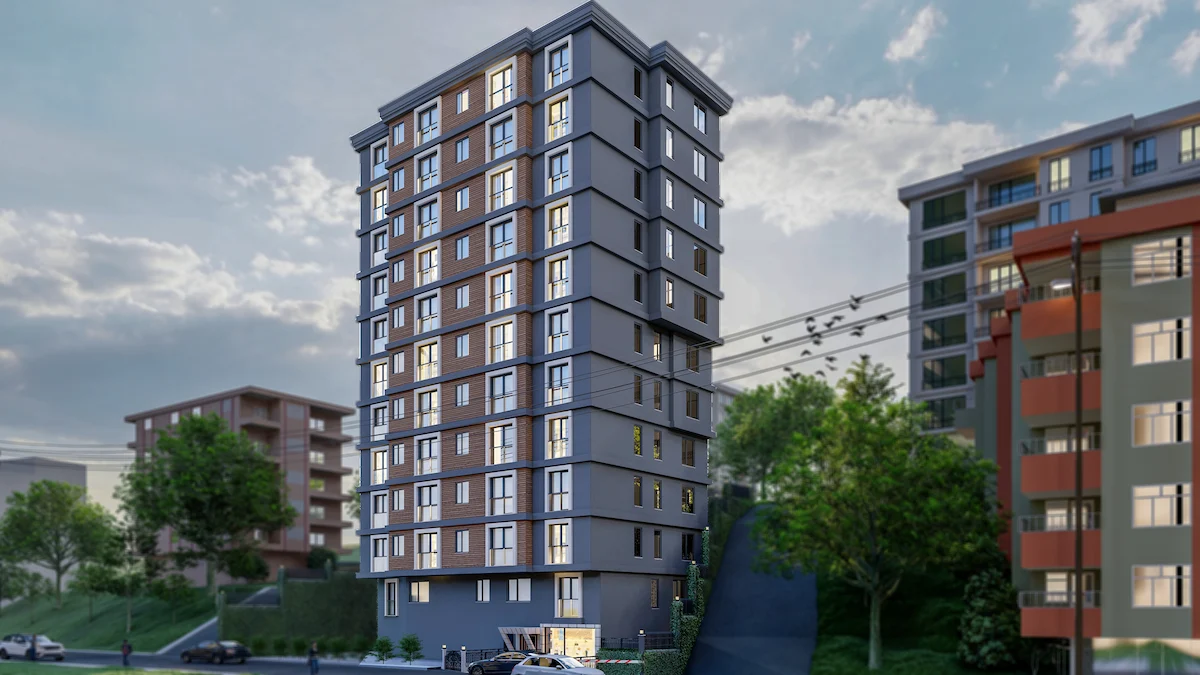
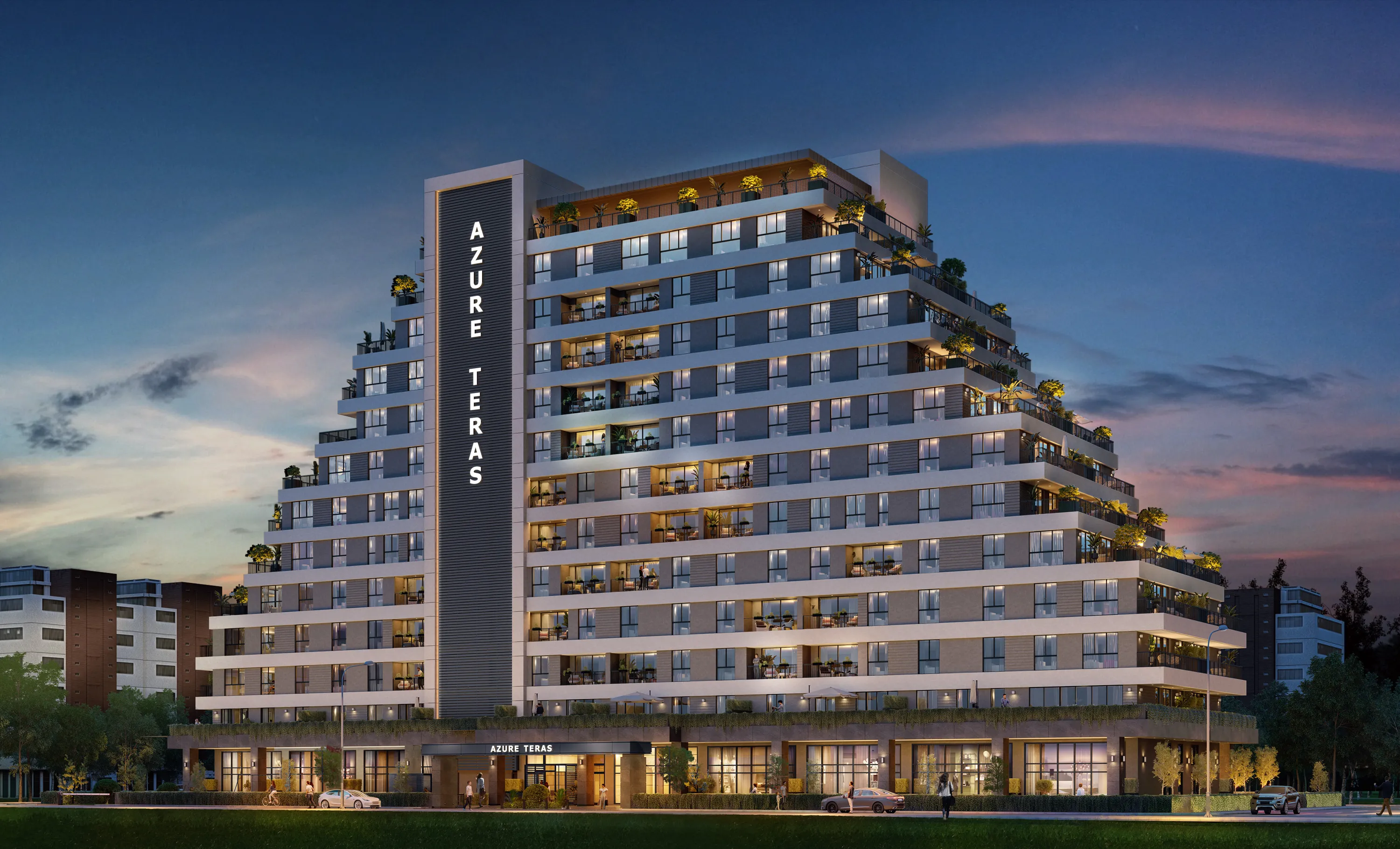
Apartments for sale in Kağıthane
.webp)
.webp)
Have Question Or Suggestion ?
Please Share Your Thought, To Make It Real