Apartments for Sale in Turkey for Palestinians — Own an Apartment in Istanbul
Discover why Istanbul is the perfect destination for Palestinians seeking affordable apartments, investment opportunities, and a new life in Turkey.
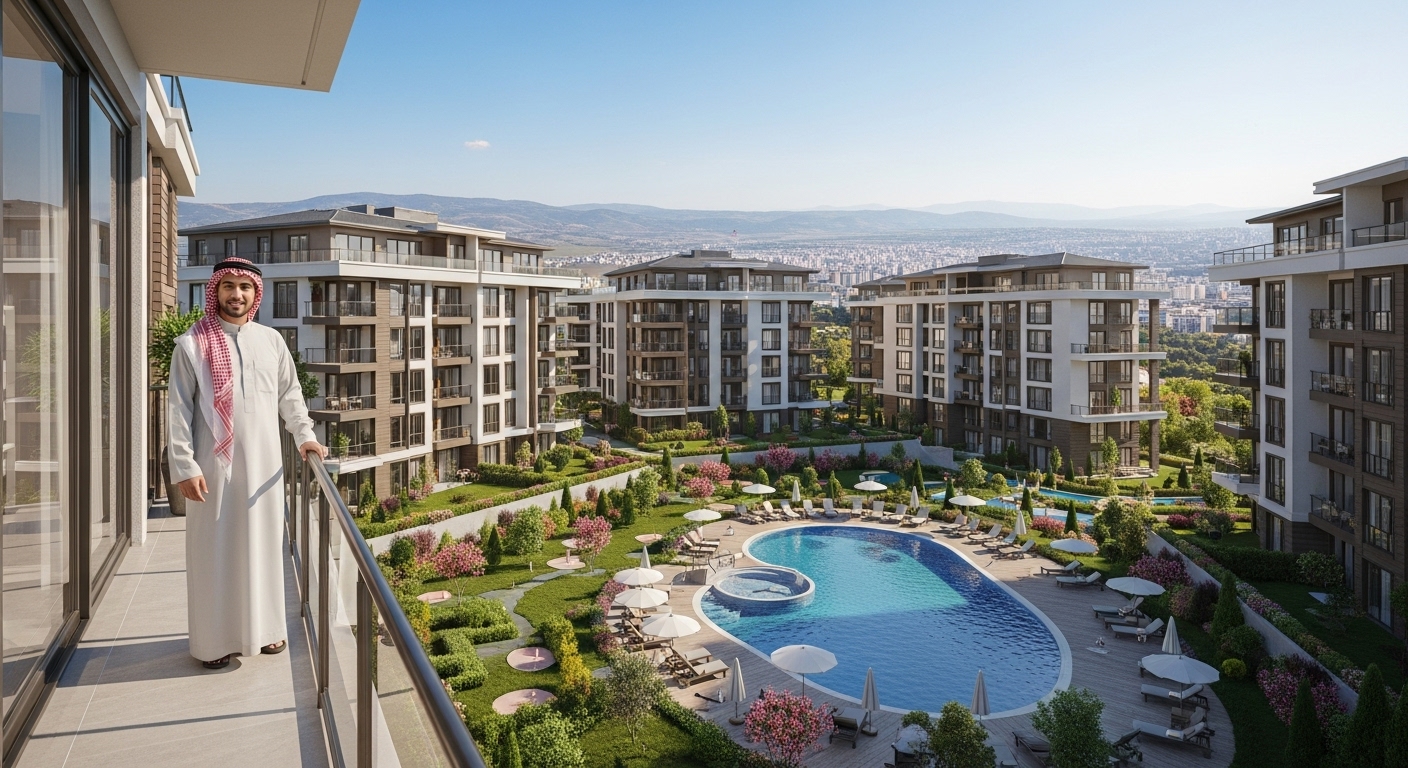
Apartments for Sale in Turkey for Palestinians
Turkey’s real estate market has rapidly evolved into one of the most attractive destinations for international buyers, especially Palestinians seeking opportunities abroad. With its vibrant economy, rich culture, and welcoming environment, Turkey offers a unique combination of modern living and traditional values.
Over the past decade, the Turkish government has opened the doors wide for foreigners to own property, making it easier than ever for Palestinians to invest, settle, or even pursue citizenship in this dynamic country.
Among Turkey's many cities, Istanbul stands out as a jewel of opportunity. This city, straddling two continents, offers a blend of Eastern charm and Western sophistication. Whether you're looking for a permanent home, a vacation getaway, or a sound investment, Istanbul is often the first choice — and for good reason.
This comprehensive guide is tailored for Palestinians interested in buying apartments in Turkey. We'll walk you through the reasons to invest, the legalities, the market trends, and everything you need to know to make an informed, profitable decision.
1. Why Do Palestinians Choose to Buy Property in Turkey?
1.1 Cultural and Religious Affinity
Palestinians and Turks share deep cultural, historical, and religious bonds that date back centuries. Both nations have Islamic roots, similar customs, and a mutual respect that fosters a welcoming environment for Palestinians in Turkey.
Moving to a country where the cultural and religious practices align closely with one’s own makes integration easier and more comfortable. The Islamic holidays, food, family values, and social customs resonate deeply with Palestinian culture.
Moreover, Turkey's approach toward the Palestinian cause has been supportive on many international platforms, making Palestinians feel a strong sense of belonging. This cultural affinity often translates into daily interactions, where Palestinians are warmly welcomed by locals and face fewer barriers compared to settling in Western countries.
1.2 Government Facilities and Incentives for Foreigners
The Turkish government actively encourages foreign investment in real estate. Policies have been designed to streamline the process for international buyers, including Palestinians.
In 2012, significant reforms allowed foreigners to purchase property in Turkey without the need for a Turkish partner. Palestinians, who once faced additional restrictions, now benefit from relaxed regulations that allow them to own property outright.
Key incentives include:
- Simplified property registration procedures
- Residency permits linked to property ownership
- The opportunity to apply for Turkish citizenship through real estate investment
- Legal assistance and translation services in government offices
These factors have created a favorable environment for Palestinians looking for secure, long-term investments outside their homeland.
1.3 Opportunities for Education, Work, and Investment
Turkey is not just about scenic beauty and cultural richness — it's a land full of opportunity.
- Education: Turkey boasts world-class universities that attract students from all over the globe. Palestinians can access a wide range of academic programs in English or Turkish, often at a fraction of the cost compared to European or American institutions.
- Work: With a growing economy and expanding job market, particularly in sectors like tourism, real estate, and commerce, Istanbul offers viable employment opportunities.
- Investment: Real estate in Istanbul is booming. Whether you're buying to rent or planning to sell after property appreciation, the Turkish market offers excellent returns on investment.
These opportunities make Turkey an attractive destination not just for living but also for building a future.
1.4 Quality of Life and Affordable Living Costs
Life in Turkey — particularly in Istanbul — balances affordability with a high standard of living. Unlike many European capitals, Istanbul offers reasonably priced housing, dining, healthcare, and education without compromising on quality.
- Healthcare: Access to high-quality medical care at affordable rates.
- Transportation: Efficient and modern public transportation systems, including metro lines, buses, trams, and ferries.
- Daily Life: Fresh produce markets, affordable dining, and vibrant shopping experiences make everyday life enjoyable.
- Safety: Turkey offers a relatively safe environment, especially in residential districts favored by foreign buyers.
This affordability allows Palestinians, whether families or individual investors, to enjoy a comfortable lifestyle in a bustling metropolis without the financial strain often experienced in Western countries.
2. Turkish Laws for Foreign Property Ownership — Focus on Palestinians
2.1 General Property Laws for Foreigners in Turkey
The Turkish property market is regulated by clear laws that aim to protect both Turkish citizens and foreign buyers. The Foreigners' Law allows non-Turkish citizens to own real estate within the country, provided certain conditions are met:
- The property must not be located in military zones or areas of national security concern.
- The foreign buyer can own up to 30 hectares of land across Turkey.
- The property must be registered through the official land registry (Tapu Office), ensuring legal ownership and protection under Turkish law.
- The process is streamlined and straightforward, with government offices providing support for foreign investors.
📊 Market Prices & Investment Timing
Understand where prices really stand and which districts offer the best value in 2026.
👉 Property Prices in Istanbul per Square Meter (2026)
See real price ranges by district and investment category.👉 Investment Property in Istanbul – Complete Buyer Guide
Learn how to choose high-ROI properties and avoid costly mistakes.
2.2 Special Privileges for Palestinians
Palestinians enjoy unique privileges when it comes to property ownership in Turkey. Historically, due to certain diplomatic conditions, Palestinians faced restrictions on owning property. However, recent legislative reforms have eased these limitations significantly.
Today, Palestinians with passports issued by the Palestinian Authority, or even holders of Palestinian travel documents, can purchase property in Turkey without needing to partner with a Turkish citizen.
This legal update reflects Turkey's supportive stance towards Palestine and opens doors for Palestinians seeking property ownership rights on par with other foreigners.
2.3 Key Legal Requirements and Conditions
For Palestinians looking to buy property in Turkey, the following documents and requirements are generally necessary:
- Valid Palestinian passport or travel document
- Tax Identification Number from the Turkish Tax Office (easy to obtain within a day)
- Bank account in a Turkish bank for transaction purposes
- Contract of sale, preferably notarized and translated
- Title deed (Tapu) registration with the Land Registry Office
Additionally, buyers should ensure the property is free of any liens, mortgages, or legal disputes. Engaging a legal expert to verify these details is highly recommended.
2.4 Registration and Title Deed Transfer Procedures
The process of registering a property and transferring ownership in Turkey involves several key steps:
- Agreement with the Seller: Finalizing terms and price.
- Verification of Property Documents: Ensuring there are no legal encumbrances.
- Initial Contract Signing: Often accompanied by a deposit payment.
- Application to the Land Registry Office (Tapu Office): Submission of required documents and approval process.
- Title Deed Transfer: Once approved, the buyer and seller sign the final documents at the Tapu Office in the presence of a government official. The new owner receives the official title deed.
With the support of legal professionals and certified translators, this process is smooth and secure, providing full legal protection to Palestinian buyers.
🛂 Residency & Legal Status Through Property Ownership
🛂 Residence Permit Types in Turkey
A complete breakdown of all residency permits available in Turkey.
👉 Read the full guide →🏡 Real Estate Residence in Turkey 2026
Learn how property ownership leads to legal residency in Turkey.
👉 View legal process →

3. Key Advantages of Buying an Apartment in Istanbul
3.1 Strategic Location of Istanbul
Istanbul’s location is unmatched — sitting at the crossroads of Europe and Asia, it's a gateway between East and West. This strategic position enhances its value in the global market and adds to its appeal for investors.
Istanbul serves as:
- A major hub for international trade
- A cultural epicenter connecting diverse traditions
- A tourist magnet with millions of visitors annually
For property investors, this means a constant demand for housing, both from residents and tourists. Apartments in well-located districts are rarely vacant and continue to appreciate in value.
3.2 Growing Real Estate Market
Istanbul’s real estate market has consistently shown growth over the past decade, fueled by both domestic demand and increasing interest from foreign investors.
The city’s population, exceeding 16 million, creates a constant demand for housing, especially in emerging districts and new residential projects.
Key growth factors include:
- Urban Development Projects: Istanbul constantly witnesses large-scale development projects like new bridges, airports, metro lines, and business hubs, all of which contribute to real estate appreciation.
- Government-backed Mega Projects: Such as the Istanbul Canal Project and Istanbul Airport — both have driven up property values in adjacent areas.
- Foreign Investment: With relaxed property ownership laws for foreigners, the influx of international buyers has further boosted the market.
These dynamics make Istanbul a hotspot for both short-term profit and long-term investment security. Properties purchased even a few years ago have appreciated significantly, showcasing the market's robust potential.
3.3 Wide Variety of Housing Options and Residential Complexes
One of Istanbul’s most appealing factors is the diversity of housing options available to buyers.
Whether you're a single investor, a young family, or looking for luxury living, the city offers something for everyone:
- Luxury Apartments: Found in districts like Şişli, Beşiktaş, and Nişantaşı, these come with high-end amenities, concierge services, and often breathtaking views of the Bosphorus.
- Affordable Residences: Areas like Esenyurt, Beylikdüzü, and Avcılar offer budget-friendly apartments with modern designs and access to city transportation.
- Family-oriented Complexes: Gated communities with playgrounds, security services, swimming pools, gyms, and green spaces are ideal for families.
- Investment Properties: Apartments designed for rental purposes, often located near business centers or tourist attractions.
Most of these complexes offer:
- 24/7 security
- Recreational facilities
- Parking spaces
- On-site maintenance services
Such diversity allows Palestinian buyers to select properties that align with their personal needs, budget, and future goals.
3.4 Rental Income and Investment Opportunities
Beyond the obvious residential benefits, investing in Istanbul’s real estate market offers lucrative rental income opportunities.
The demand for rental properties — both long-term and short-term — remains high due to:
- The influx of expatriates, students, and tourists
- The thriving business environment
- The growing tourism sector
Types of Rental Opportunities:
- Long-term Rentals: Typically preferred by students, families, or professionals seeking stable housing.
- Short-term Rentals: Often used for tourist accommodations, especially in central locations like Sultanahmet, Taksim, and Beyoğlu.
- Average Rental Yields:
Depending on location and property type, rental yields in Istanbul can range between 5% and 10% annually, a figure considered excellent by global standards.
For Palestinians looking for passive income streams or a safe investment avenue, Istanbul’s rental market is both accessible and profitable.
4. Apartment Prices in Istanbul for Palestinians
4.1 Average Prices in Different Areas
Understanding price variations across Istanbul is crucial before making a purchase decision. Here’s a general overview based on 2025 market data:
| Area | Average Price per m² (USD) |
|---|---|
| Beşiktaş | $6,000 - $9,000 |
| Şişli | $4,000 - $6,000 |
| Kadıköy | $3,500 - $5,500 |
| Başakşehir | $2,500 - $4,000 |
| Beylikdüzü | $1,500 - $2,500 |
| Esenyurt | $1,000 - $2,000 |

🏙️ Istanbul Property Prices & Market Trends
📊 Property Prices in Istanbul per Square Meter (2026 – Smart Investor Guide)
Updated price analysis by district, property type, and investment potential to help you identify the best-value areas in Istanbul.
👉 Read the full guide →
Factors affecting prices include proximity to transportation, view, amenities, and future development plans in the area.
Palestinian buyers should carefully assess whether they want a centrally located property with higher prices or a suburban property with better price appreciation potential over time.
4.2 Factors Affecting Apartment Prices
Several factors influence apartment prices in Istanbul, making it essential for buyers to understand what drives the market:
- Location: Central areas like Beşiktaş or Şişli command higher prices due to their proximity to business hubs and historical sites.
- Infrastructure: Properties near metro stations, malls, schools, and hospitals tend to have higher values.
- Project Status: Off-plan or under-construction projects usually offer lower prices with future value appreciation.
- Amenities: Apartments in complexes with pools, gyms, and 24/7 security fetch higher prices.
- Market Trends: Currency fluctuations and economic policies can temporarily impact prices, often creating buying opportunities for foreign investors.
Being aware of these factors helps Palestinian buyers make informed decisions and negotiate better deals.
🏗️ Top Developers & Government-Backed Projects
🏗️ Top Emlak Konut Projects in Istanbul (2026 Full Investment Guide)
A curated list of government-backed residential projects offering security, quality, and long-term investment value.
👉 Read the full guide →
🏢 Top GYO Construction Companies in Turkey (Ranked by Asset Growth)
A data-driven ranking of Turkey’s strongest real estate developers based on assets and growth performance.
👉 View developer rankings →
🌊 Luxury & Sea-View Living
🌊 Best Sea-View Projects in Istanbul – Live Luxury by the Marmara Coast
Discover premium waterfront residences combining lifestyle appeal with strong investment potential.
👉 Explore sea-view projects →
4.3 Comparison of High-End and Mid-Range Neighborhoods
When choosing between luxury and mid-range areas, Palestinians must consider both budget and investment goals:
High-End Neighborhoods (Beşiktaş, Şişli, Kadıköy):
- Higher purchase price
- Premium rental yields
- Stable market demand
- Suitable for luxury living or high-end investment portfolios
Mid-Range Neighborhoods (Başakşehir, Beylikdüzü, Esenyurt):
- Lower entry prices
- Potential for value growth due to ongoing development
- Ideal for families or first-time investors
- Easier access to installment plans and flexible payment options
Both categories offer distinct advantages, depending on whether the goal is immediate rental income or long-term capital growth.
4.4 Tips for Finding the Best Deals and Offers
To maximize your investment, consider the following tips when buying an apartment in Istanbul:
- Work with Licensed Real Estate Agents: Ensure they have verifiable credentials and a strong track record.
- Explore Pre-Launch Offers: Developers often provide discounts during the early phases of a project.
- Negotiate Payment Plans: Many developers offer zero-interest installments.
- Attend Property Expos and Fairs: You’ll often find exclusive deals at these events.
- Use a Legal Advisor: Always consult a real estate lawyer to vet contracts and ensure transparency.
Applying these strategies can save thousands of dollars and secure a better return on investment.
5. How to Choose the Right Apartment in Istanbul?
5.1 Defining Your Purpose — Residence vs. Investment
Before making a purchase, Palestinian buyers should clearly define their purpose:
- For Living: Focus on family-friendly neighborhoods with access to schools, healthcare, and public services.
- For Investment: Target areas with high rental demand or upcoming infrastructure projects promising future value appreciation.
- For Vacation Use: Choose central locations near tourist attractions and public transport.
Having clarity on your objective ensures you buy a property that matches both your personal needs and financial goals.
📍 Area-Specific Investment Guides
📍 Best Real Estate Projects in Zeytinburnu
Explore high-demand projects near the Marmara coast with strong rental and resale potential.
👉 View Zeytinburnu projects →
📍 Best Residential Projects in Küçükçekmece
Discover affordable, family-friendly developments close to major infrastructure and transportation hubs.
👉 Explore Küçükçekmece opportunities →
📍 Best Real Estate Projects in Başakşehir
Modern residential projects in one of Istanbul’s fastest-growing and most organized districts.
👉 See Başakşehir investments →
📍 Best Residential Investment Projects in Beylikdüzü
Value-driven projects ideal for first-time investors seeking steady rental income.
👉 View Beylikdüzü projects →
📍 Best Real Estate Projects in Topkapi (Investment Guide)
Central projects benefiting from urban renewal and strong long-term appreciation.
👉 Explore Topkapi investments →
📍 Top Real Estate Projects in Maslak (2026 Comparison Guide)
A side-by-side comparison of premium projects in Istanbul’s prime business district.
👉 Compare Maslak projects →
5.2 Picking the Right Location in Istanbul
Location is everything in real estate — and Istanbul’s vast urban landscape offers countless options tailored to different lifestyles and investment goals.
Key Factors When Choosing a Location:
- Proximity to Transport: Areas near metro lines, bus stations, and major highways offer better accessibility and higher resale/rental value.
- Neighborhood Profile: Some districts are ideal for families (Başakşehir, Beylikdüzü), while others cater more to business professionals or tourists (Şişli, Beşiktaş).
- Development Projects: Neighborhoods undergoing infrastructure improvements or hosting mega-projects like Istanbul Canal or new metro stations tend to appreciate in value faster.
- Community & Safety: Choose neighborhoods known for their community feel and safety, especially if you’re planning to live there.
Top Picks for Palestinians in Istanbul:
- Başakşehir: Family-friendly, modern, close to mega projects.
- Beylikdüzü: Affordable, green spaces, ideal for first-time buyers.
- Kadıköy: Vibrant, cultural, perfect for a city lifestyle.
- Şişli/Beşiktaş: High-end living, excellent for luxury investments.
By carefully analyzing your priorities, you can choose a location that maximizes both your comfort and investment returns.

5.3 Verifying Developer Reputation and Legal Documents
Your dream apartment is only as secure as the developer you buy it from.
How to Verify a Developer's Reputation:
- Research Past Projects: Check if they delivered on time and matched promised quality.
- Online Reviews & Forums: Seek opinions from previous buyers.
- Developer's Certifications: Confirm that they’re registered with Turkish real estate authorities.
- Visit Sales Offices: Always deal with official sales representatives.
⚠️ Risk Awareness & Investor Protection
⚠️ Real Estate Fraud in Turkey: What You Must Know Before Investing
Learn how to identify common fraud schemes, avoid legal traps, and protect your capital before signing any property contract.
👉 Read the full fraud prevention guide →
Legal Documents to Always Check:
- Title Deed (Tapu)
- Construction Licenses
- Zoning and Usage Permits
- Building Compliance Certificates
- Hiring a local real estate attorney ensures all documents are in order, saving you from potential fraud or future legal complications.
5.4 Smart Tips to Avoid Scams and Legal Risks
While Turkey’s real estate market is generally safe, like any global market, it has its share of unscrupulous operators. Here’s how to stay safe:
- Always Use Registered Agents: Verify their business licenses.
- Never Pay Without a Contract: Ensure all payments are documented and contracts are legally binding.
- Check Property Debts: Some properties may carry unpaid taxes or mortgages — always investigate before purchase.
- Avoid Unrealistic Offers: If a deal sounds too good to be true, it probably is.
- Involve a Lawyer: Let a professional review your contract and oversee the transaction.
Vigilance and due diligence are your best defenses against scams in any market, including Istanbul.
Conclusion
Buying an apartment in Istanbul as a Palestinian opens up a world of opportunity — from personal security and family living to investment potential and even citizenship prospects.
Turkey’s strategic location, strong cultural ties with Palestine, favorable property laws, and thriving real estate market make it one of the best choices for Palestinians seeking stability, financial growth, and a fresh start.
However, as with any significant investment, success comes from thorough research, careful planning, and partnering with reputable professionals. Whether your goal is a cozy home, a profitable rental property, or a stepping stone to Turkish citizenship, Istanbul offers endless possibilities for Palestinians ready to seize them.
Frequently Asked Questions (FAQs)
1. Can Palestinians with refugee travel documents buy property in Turkey?
Yes, Palestinians holding travel documents or passports issued by the Palestinian Authority can legally purchase property in Turkey under current laws.
2. What is the minimum property value required for Turkish citizenship by investment?
The minimum property investment required is $400,000, provided the property isn’t sold for at least three years.
3. How long does it take to obtain a residency permit after buying property?
Typically, it takes between 4 to 8 weeks to process a real estate residency permit once all documents are submitted.
4. Is it better to buy under construction or ready-to-move apartments?
Buying under construction often comes with lower prices and installment plans but carries risks related to delays. Ready-to-move apartments offer immediate possession but usually at higher prices.
5. Can I buy property in Turkey with a mortgage as a foreigner?
Yes, many Turkish banks offer mortgage loans to foreigners, including Palestinians, though conditions may vary based on income proof and creditworthiness.
👉 Residence Permit Types in Turkey – Complete Guide
https://www.deal-tr.com/en/blog/residence-permit-types-in-turkey


Have Question Or Suggestion ?
Please Share Your Thought, To Make It Real