Property for Sale in Turkey
Explore the top properties for sale in Turkey. Learn about citizenship, investment hotspots, prices, and trusted agencies in this 2025 real estate guide.
Projects
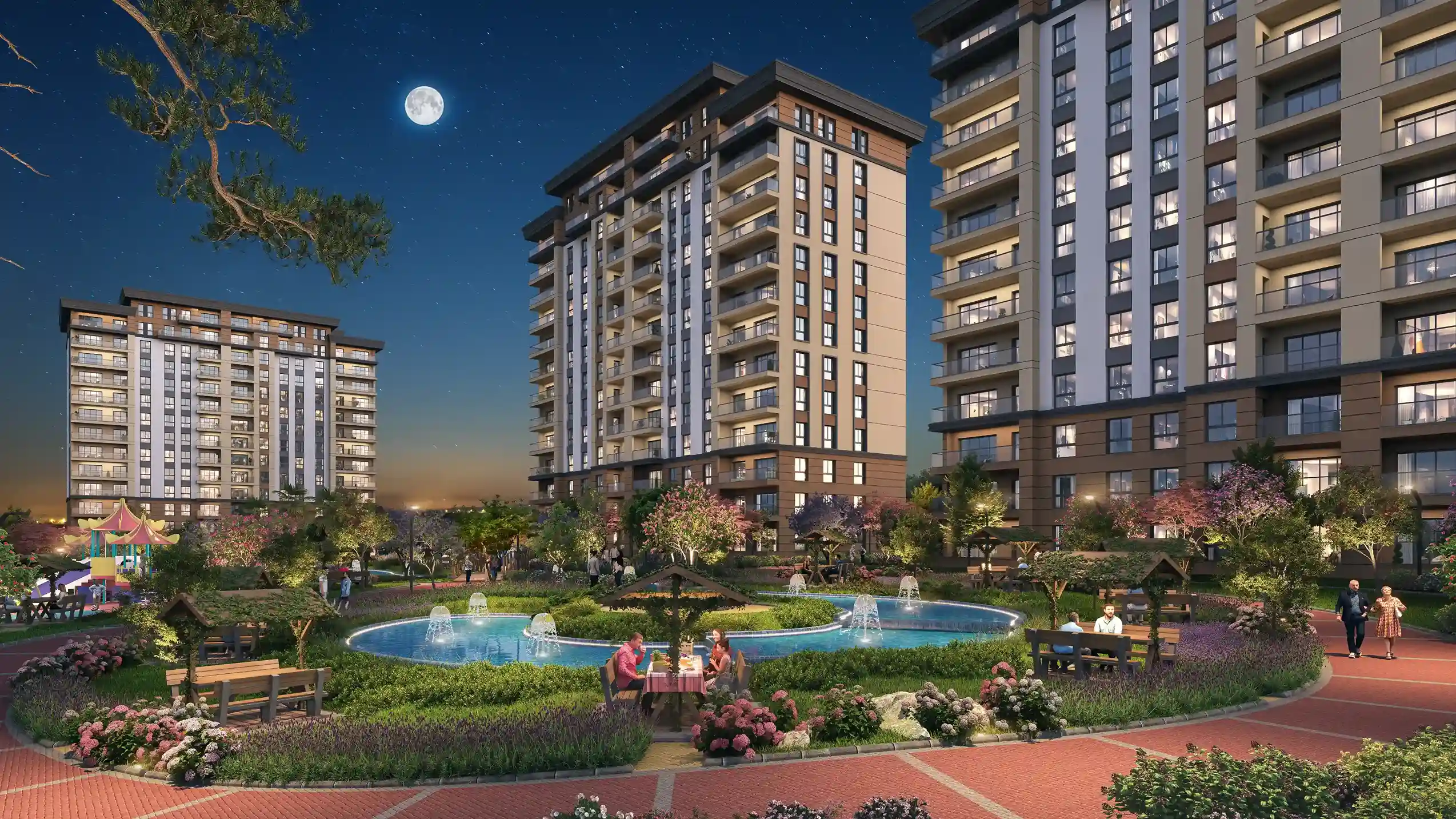
Discover why Bizim Evler 12 is exploding in value—prime location, luxury living, and citizenship benefits. Don’t miss out!
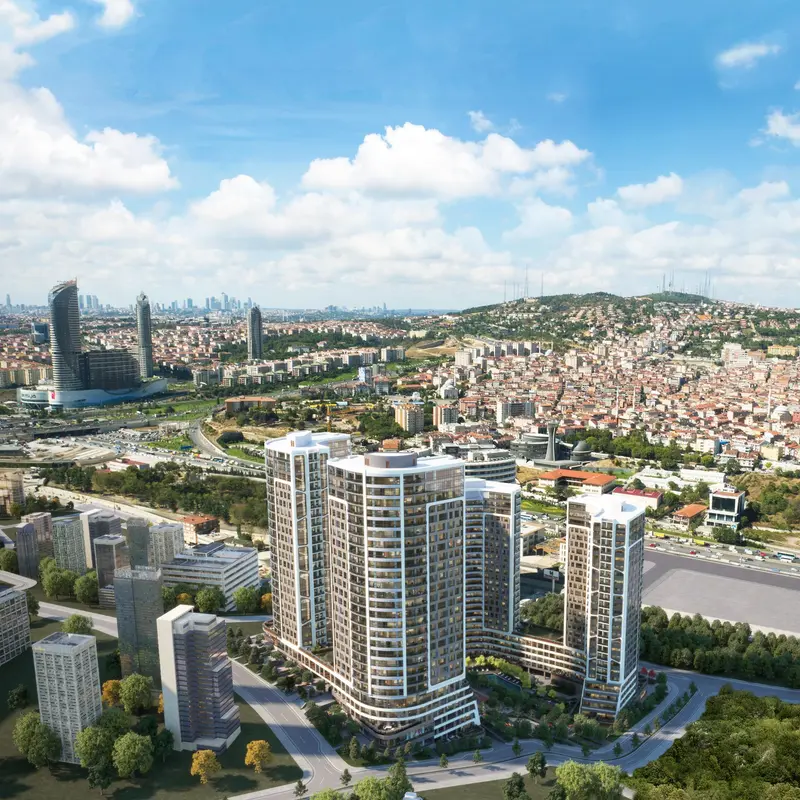
Meydan Kadikoy is a large-scale project in central Kadikoy offering sea and city view apartments from 1+1 to 4+1 with rich social facilities and strong investment returns.
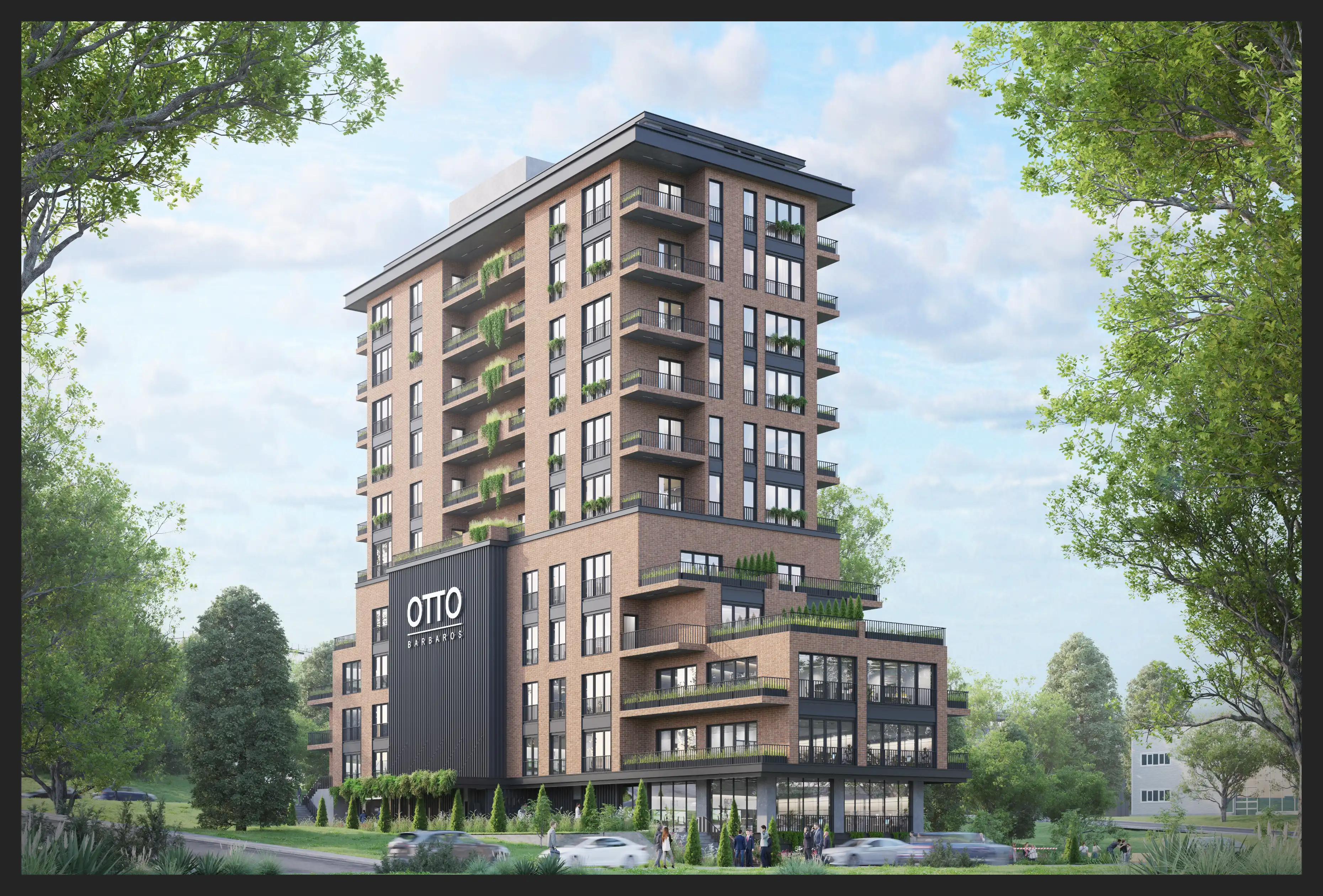
OTTO BARBAROS offers luxury apartments, offices, and shops in the heart of Ataşehir, Istanbul. Ideal for living or investing, with modern design and Turkish citizenship eligibility.

DAP Ataşehir 173 is one of the most prestigious residential projects in Ataşehir, Istanbul, offering luxury apartments, a central location, and quiet-luxury amenities perfect for living and investment.

Gündem City is one of the most promising family-oriented real estate projects in Gaziosmanpaşa, Istanbul. It offers luxury apartments, a strategic location, and top-tier amenities perfect for residential living or investment.

Discover a limited collection of 107 smart luxury residences in Beykoz, Istanbul, surrounded by nature, premium amenities, and smart home technology.

Experience luxurious living in Istanbul’s green heart. Varian Uskumruköy offers modern villas surrounded by nature, with high-end amenities and easy city access.
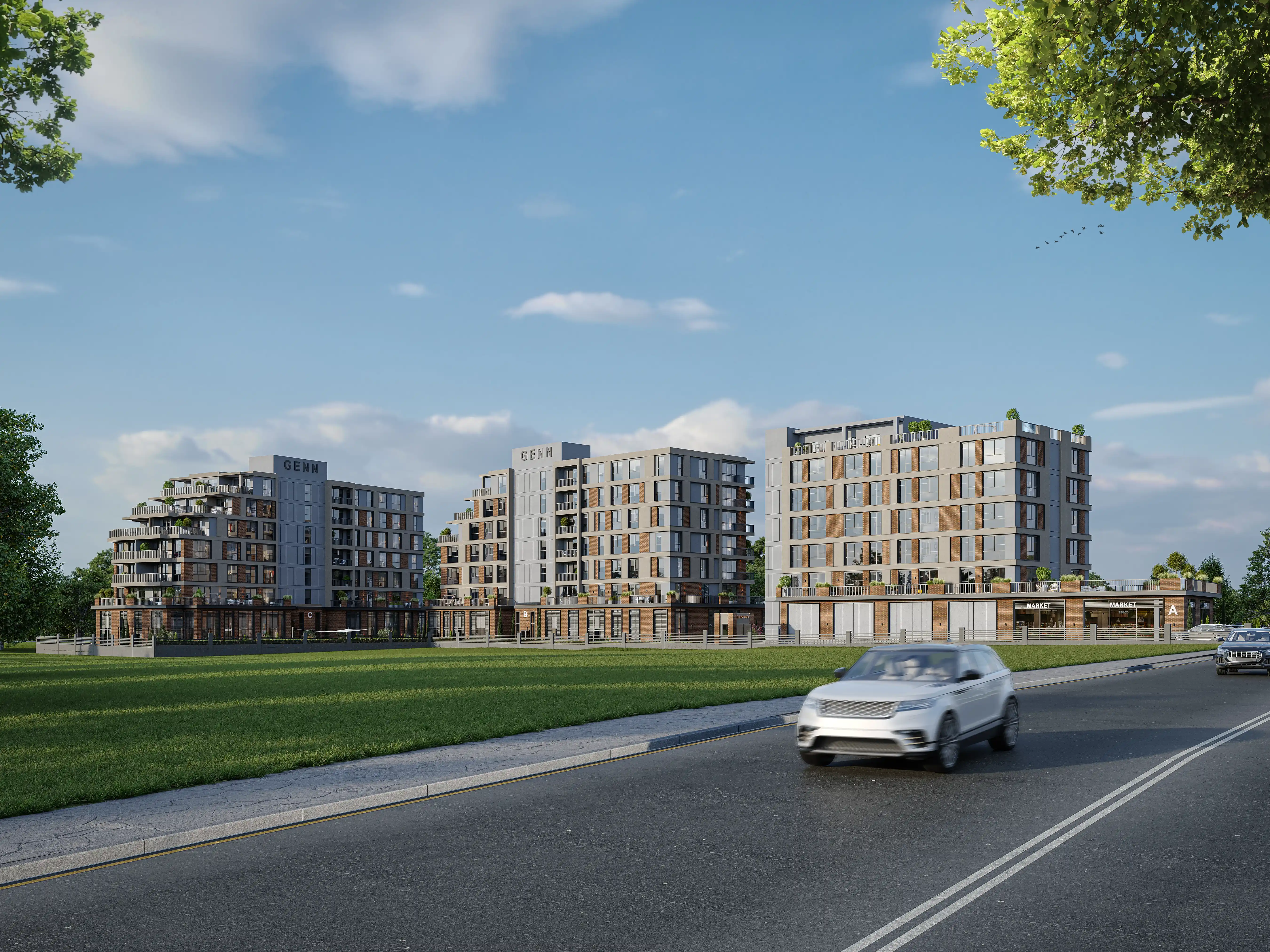
Discover GENN Halkalı, a modern residential project in Küçükçekmece offering lake views, top-tier amenities, and smart investment opportunities in Istanbul.
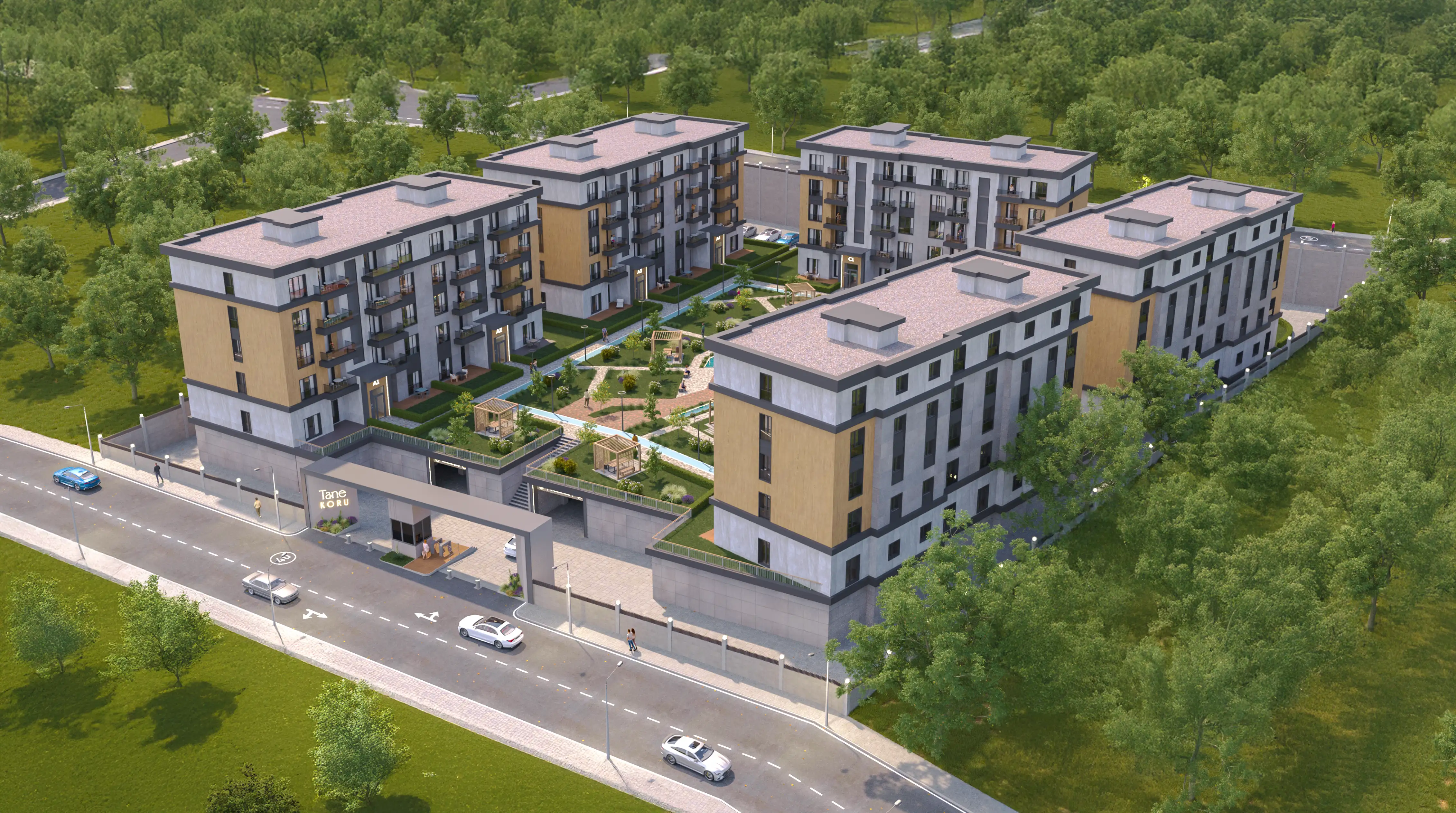
Discover Tane Koru, a low-rise, nature-inspired residential project that blends smart home features, peaceful greenery, and a family-friendly community.
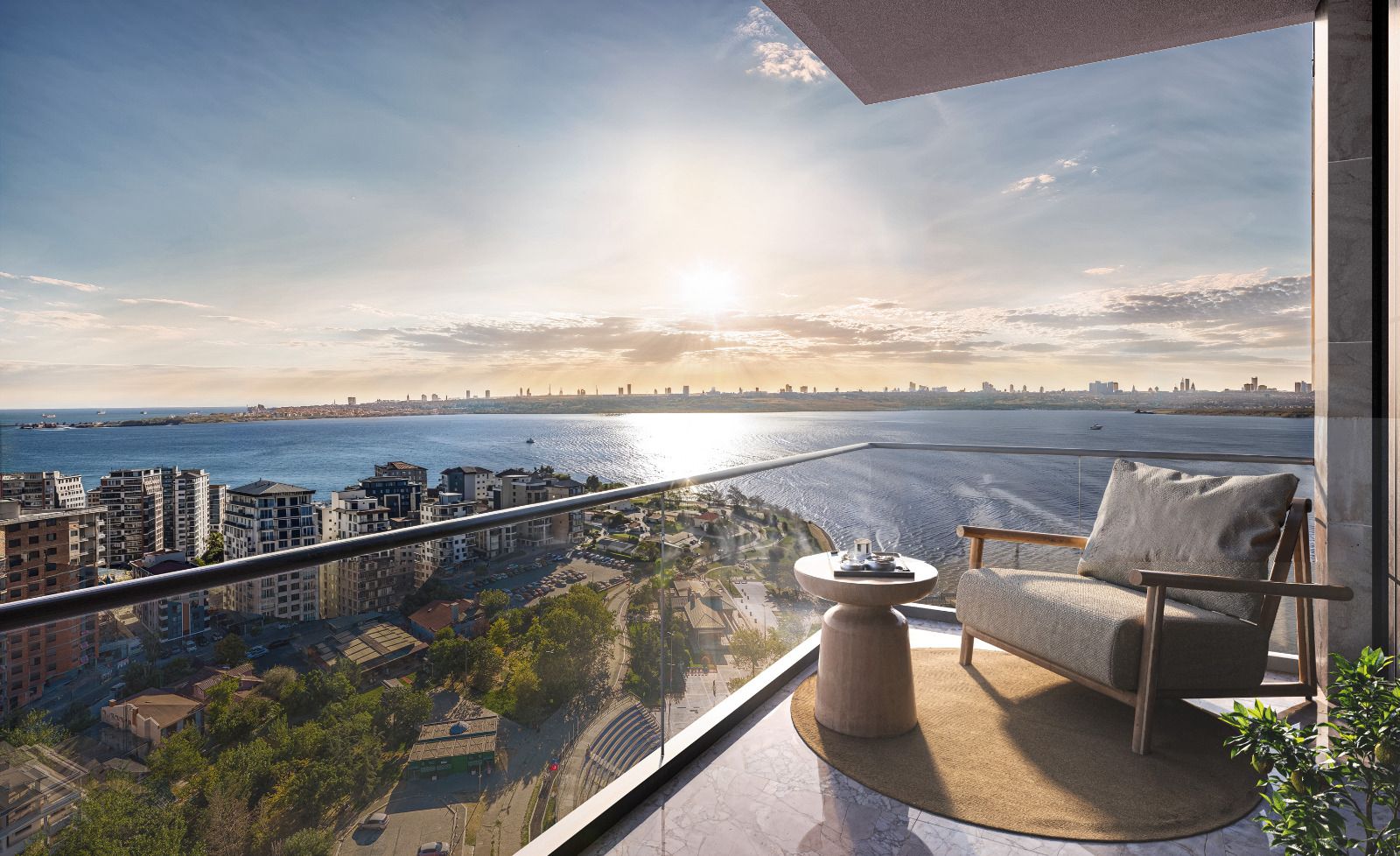
Discover Yalı 360 – a modern residential project offering 1+1 to 3+1 apartments in Küçükçekmece, Istanbul. Perfect for families and investors alike.
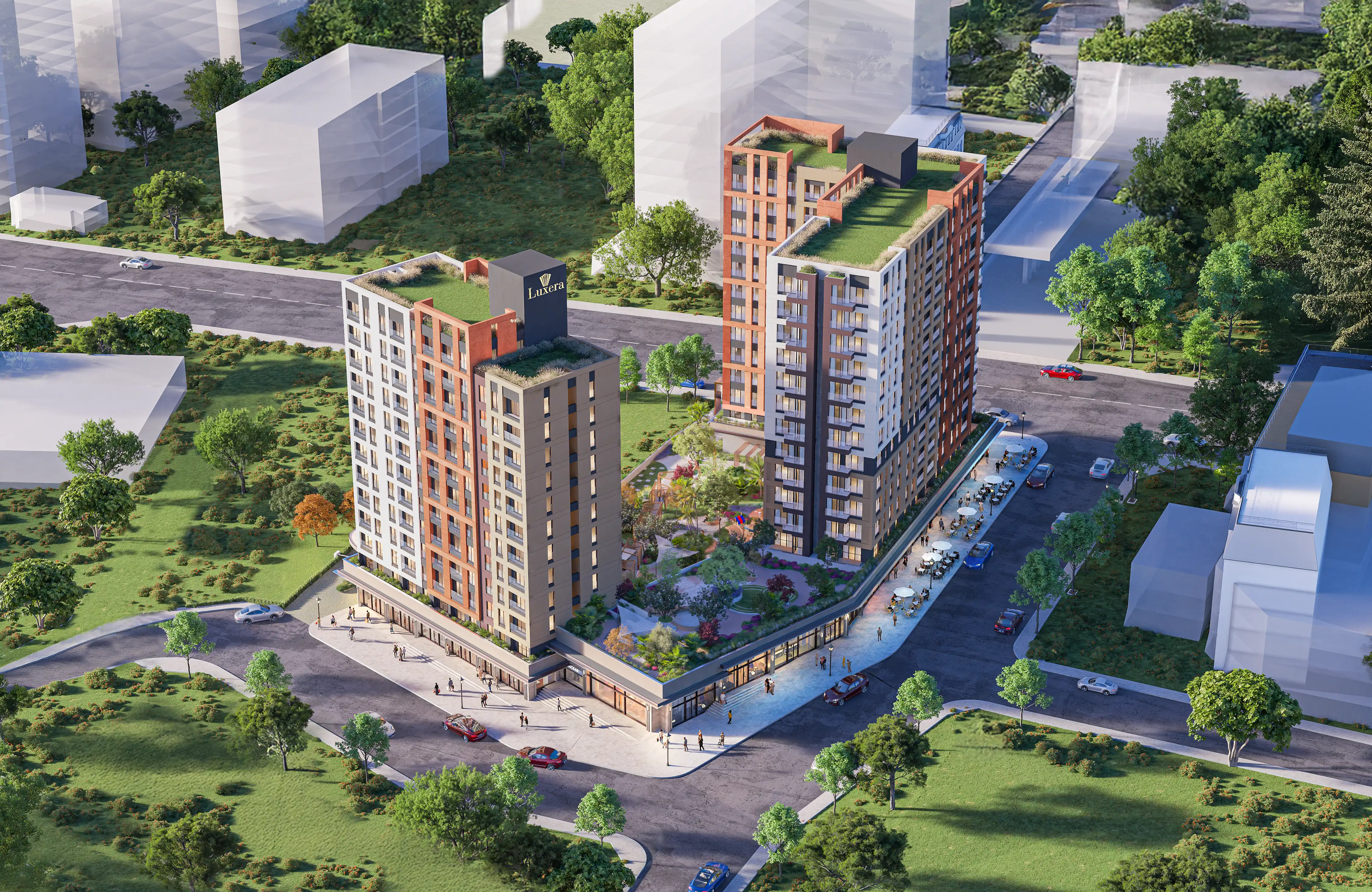
Discover Luxera Topkapı in Zeytinburnu – luxury apartments with high ROI, next to metro & E5. Citizenship opportunity and flexible payment plans!

Lotus Şişli offers an unbeatable combination of location, luxury, and lifestyle. With top-tier amenities and a high return on investment, it’s the ideal choice for residents and investors alike.
Overview

Property for Sale in Turkey: A Complete Guide for International Buyers
Why Turkey Has Become a Global Real Estate Hotspot
Over the past decade, property for sale in Turkey has become one of the most searched real estate opportunities for international investors. Buyers from Europe, the Middle East, Asia, and even North America are turning their attention toward Turkey’s booming property market. What once was a regional investment destination has transformed into a truly global hotspot. But what exactly is driving this surge in interest?
One major factor is the unique blend of affordability and lifestyle. Compared to property prices in Western Europe or the United States, Turkey offers significantly more value for money. A modern apartment overlooking the Mediterranean Sea or a stylish penthouse in Istanbul can cost a fraction of what similar properties would cost in cities like London, Paris, or Dubai. For investors and retirees alike, this makes Turkey an incredibly attractive option.
Another key reason is the country’s rapid infrastructure development. Over the past 20 years, Turkey has invested heavily in highways, airports, metro systems, and urban regeneration projects. Istanbul’s new airport, for example, is one of the largest in the world, handling tens of millions of passengers annually. These developments not only improve the quality of life but also significantly increase property values in surrounding areas.
Tourism also plays a massive role in Turkey’s real estate growth. According to tourism statistics, Turkey welcomed over 56 million visitors in 2023, making it one of the most visited countries in the world. Many of these visitors eventually decide to purchase vacation homes, rental apartments, or retirement properties along the country’s beautiful coastlines.
Another attractive element is the Turkish Citizenship by Investment program, which allows foreign investors to obtain citizenship by purchasing property worth a certain value. This initiative has dramatically increased international demand for Turkish real estate.
Finally, Turkey offers a unique lifestyle blend—European sophistication mixed with Middle Eastern warmth and Mediterranean relaxation. From bustling cosmopolitan cities to quiet seaside towns, there’s a property type and lifestyle for almost every buyer.
Understanding why Turkey’s property market is thriving begins with its geography and economic advantages, which we’ll explore next.
Strategic Location Between Europe and Asia
Turkey’s geography alone gives it a powerful advantage in the global real estate market. Sitting at the crossroads of Europe, Asia, and the Middle East, Turkey has historically been a bridge between civilizations, cultures, and trade routes. Today, that same strategic location makes it incredibly attractive for property investors.
Istanbul is perhaps the best example of this geographic uniqueness. It is the only city in the world that spans two continents, with one side in Europe and the other in Asia. This position has turned Istanbul into a global hub for finance, logistics, tourism, and culture. For property buyers, that translates into strong rental demand, rising property values, and an ever-growing urban population.
Accessibility is another key benefit. Turkey is within four hours’ flight of more than 50 countries, including major European capitals, Gulf states, and parts of North Africa. This convenience makes it a popular location for second homes, holiday properties, and international business operations. Investors often see Turkey as a gateway market—one that connects multiple regions economically and culturally.
The country’s modern transportation infrastructure further strengthens its appeal. High-speed rail networks, advanced highways, and world-class airports have made traveling across the country faster and easier than ever. For instance, Istanbul Airport is designed to handle up to 200 million passengers annually, positioning it among the largest aviation hubs worldwide.
For property buyers, this level of connectivity means one important thing: long-term growth potential. Areas near transportation hubs, business districts, and tourist destinations often experience higher property appreciation.
Another interesting aspect of Turkey’s location is its diverse climate and landscapes. In just a few hours, you can move from bustling metropolitan environments to tranquil coastal resorts or even mountain retreats. This diversity allows investors to choose properties that match their lifestyle goals—whether that means urban living, beachside relaxation, or countryside serenity.
Geography alone doesn’t build a strong property market, though. Turkey’s growing economy and thriving tourism sector have played an equally important role in attracting foreign buyers.
Strong Tourism and Economic Growth
Turkey’s property boom is closely linked to two powerful forces: tourism expansion and economic development. These two elements work together like gears in a machine, constantly driving demand for housing, vacation rentals, and commercial real estate.
Tourism has long been one of Turkey’s strongest economic sectors. The country consistently ranks among the top 10 most visited destinations in the world, welcoming tens of millions of travelers each year. Tourists flock to Turkey for its historical landmarks, vibrant culture, delicious cuisine, and stunning coastlines. Cities like Antalya, Istanbul, Bodrum, and Fethiye attract visitors from Europe, Russia, the Middle East, and beyond.
This massive tourism industry directly impacts the property market. Investors often purchase apartments or villas specifically for short-term rental income, particularly in resort areas. Platforms like Airbnb and Booking.com have made it easier than ever for property owners to generate steady income from vacation rentals.
Economic growth also plays a significant role. Turkey has experienced large-scale urbanization, with millions of people moving into cities for work and education. This migration has increased demand for modern housing developments, especially in metropolitan areas such as Istanbul, Ankara, and Izmir.
Large government-backed projects have also boosted property values. Examples include new metro systems, urban renewal initiatives, bridges, and entire residential districts being built from scratch. These developments create new investment opportunities, especially in neighborhoods that are still emerging.
Currency fluctuations have also made Turkish real estate attractive to foreign buyers. When the Turkish lira weakens against major currencies like the euro or dollar, international investors can purchase property at significantly lower effective prices. This dynamic has drawn buyers from countries such as Germany, the UK, Iran, Saudi Arabia, and Russia.
At the same time, Turkey offers a lifestyle that many people find irresistible. Imagine waking up to views of the Mediterranean Sea, enjoying fresh seafood at a local harbor, and exploring centuries-old architecture in your free time. For many buyers, property ownership in Turkey represents not just an investment—but a lifestyle upgrade.
Now that we understand the market drivers, it’s time to explore the different types of property available in Turkey, each offering its own advantages and investment potential.
For buyers looking for luxury coastal properties, many investors are now exploring villas for sale in Antalya due to the city’s strong tourism market and Mediterranean lifestyle.
🔗 https://www.deal-tr.com/en/blog/villas-for-sale-in-antalya-discover-your-dream-coastal-retreat
Types of Property for Sale in Turkey
When exploring property for sale in Turkey, one of the first things buyers notice is the incredible diversity of real estate options available. Whether someone is searching for a compact city apartment, a beachfront villa, or a commercial investment property, Turkey offers choices that fit nearly every lifestyle and budget. This diversity is one of the major reasons why the country attracts investors from more than 180 nationalities.
Unlike some markets that focus heavily on one property category, Turkey’s real estate landscape is layered and dynamic. Urban areas such as Istanbul, Ankara, and Izmir are filled with high-rise apartment complexes and modern residential communities. Coastal destinations like Antalya, Bodrum, and Fethiye, on the other hand, offer villas, holiday homes, and boutique residences overlooking the Mediterranean and Aegean seas.
Another interesting aspect of Turkish property is the rise of master-planned residential developments. These projects often include amenities such as swimming pools, fitness centers, security services, landscaped gardens, and shopping areas. For international buyers, this creates an attractive “all-in-one lifestyle environment” where comfort and convenience come together in a single residential complex.
Istanbul remains the largest property market in Turkey. Investors interested in luxury properties often search for villas for sale in Istanbul located in prestigious neighborhoods.
🔗 https://www.deal-tr.com/en/blog/villa-for-sale-in-istanbul-2026
Many properties are also designed with international buyers in mind. Developers frequently incorporate modern European architectural standards, smart home technology, and luxury finishes. In tourist areas, properties often include sea views, private terraces, and access to beaches or marinas.
Foreign ownership laws in Turkey are relatively welcoming compared to many other countries. International buyers can legally purchase most types of residential and commercial properties, provided they follow the correct procedures. This accessibility has significantly boosted foreign investment in the Turkish real estate market.
Another factor worth mentioning is the price range. In Turkey, you can find small apartments starting around $70,000 in some regions, while luxury villas in prime coastal areas may exceed $1 million. This wide spectrum means both first-time buyers and high-net-worth investors can find suitable opportunities.
To better understand what the Turkish property market offers, it’s helpful to break down the most common categories of real estate available. Apartments, villas, and commercial properties each serve different investment goals and lifestyles.
Apartments and Condominiums
Among all property types available, apartments and condominiums dominate the Turkish real estate market. These properties are especially popular in major cities and coastal resort areas where land is limited and urban living is the norm.
Modern apartment complexes in Turkey are often built as part of large residential communities known locally as “sites.” These developments typically include shared facilities such as swimming pools, gyms, playgrounds, parking garages, and 24-hour security. For buyers accustomed to Western-style condominiums, these communities feel familiar while still offering a distinctly Turkish atmosphere.
Istanbul remains the largest property market in Turkey. Investors interested in luxury properties often search for villas for sale in Istanbul located in prestigious neighborhoods.
🔗 https://www.deal-tr.com/en/blog/villa-for-sale-in-istanbul-2026
One reason apartments are so popular is affordability. Compared with villas or standalone homes, apartments usually require a lower initial investment. This makes them ideal for first-time international buyers or investors seeking rental income. In cities like Istanbul, demand for rental apartments is extremely strong due to the large population and continuous influx of students, professionals, and expatriates.
Apartments also come in many configurations. Buyers can choose from:
- Studio apartments
- One-bedroom and two-bedroom units
- Duplex penthouses
- Luxury residences with panoramic views
In high-end developments, especially in Istanbul’s financial districts, some apartments feature concierge services, indoor pools, smart-home systems, and even private cinemas.
Another major advantage is rental yield potential. According to various property market reports, rental yields in Istanbul can range between 5% and 8% annually, depending on the location and property quality. Tourist regions such as Antalya often generate additional income through short-term vacation rentals during peak travel seasons.
Maintenance is also relatively simple compared to owning a house. Property management services are widely available, which is particularly helpful for foreign owners who may not live in Turkey year-round.
For investors looking for stable appreciation, city apartments near transportation hubs, universities, and business centers often perform well over time. Urban regeneration projects and infrastructure expansion frequently boost property values in surrounding neighborhoods.
While apartments are the most common option, many buyers dream of something more spacious and private—something closer to the Mediterranean lifestyle that Turkey is famous for. That’s where villas and luxury homes come into play.
Villas and Luxury Homes
For buyers seeking privacy, scenic views, and a touch of luxury, villas and high-end homes in Turkey represent some of the most desirable real estate in the region. These properties are particularly common in coastal destinations such as Bodrum, Antalya, Fethiye, and Kalkan, where breathtaking sea views and warm climates create the perfect setting for upscale living.
A typical villa in Turkey offers far more than just extra space. Many properties come with private swimming pools, landscaped gardens, rooftop terraces, and panoramic ocean views. In prestigious locations, villas are often designed by renowned architects and incorporate modern Mediterranean design elements such as large glass windows, open-plan interiors, and natural stone finishes.
Luxury villas in Bodrum and the Aegean region have become especially popular among international investors and celebrities. Some developments include gated communities with private beach access, yacht marinas, and concierge services. These types of properties attract buyers who want both an investment and a luxurious lifestyle.
One of the biggest advantages of villa ownership is privacy and exclusivity. Unlike apartment buildings, villas provide more independence, making them ideal for families, retirees, or individuals who plan to spend extended periods in Turkey.
Villas also offer excellent potential for holiday rental income. In tourist hotspots, luxury villas can generate thousands of dollars per week during peak summer months. Travelers often prefer renting villas instead of hotel rooms because they offer more space, private pools, and a home-like atmosphere.
Prices for villas vary dramatically depending on location and amenities. For example:
| Location | Average Villa Price |
|---|---|
| Antalya | $250,000 – $700,000 |
| Fethiye | $300,000 – $800,000 |
| Bodrum | $500,000 – $2,000,000+ |
| Istanbul | $600,000 – $3,000,000+ |
The most exclusive waterfront properties—often called “yalı” mansions along the Bosphorus—can reach prices above $10 million.
Despite their higher price tags, villas often experience strong appreciation in popular tourist regions where land availability is limited. As coastal areas continue to develop and attract more visitors each year, property values tend to rise steadily.
While residential properties dominate the market, many investors also explore commercial real estate opportunities in Turkey, which can provide even higher long-term returns.
Commercial Real Estate Opportunities
Beyond residential properties, Turkey also offers a thriving market for commercial real estate investments. These opportunities attract entrepreneurs, corporations, and investors seeking stable long-term income streams. Commercial property in Turkey includes offices, retail stores, hotels, warehouses, and mixed-use developments.
Major cities like Istanbul serve as the country’s primary commercial hubs. As one of the largest metropolitan economies in Europe, Istanbul hosts thousands of international companies, financial institutions, and technology startups. This vibrant business ecosystem creates continuous demand for office spaces and commercial properties.
Retail properties are particularly attractive investments in busy tourist districts and shopping streets. Areas near popular attractions, such as Istanbul’s Istiklal Avenue or Antalya’s historic old town, see heavy foot traffic year-round. Businesses operating in these locations often pay premium rents, which benefits property owners.
Shopping malls are another major segment of Turkey’s commercial real estate sector. The country has experienced a rapid expansion of modern malls over the past two decades. According to industry reports, Turkey now has over 450 shopping centers, many located in major urban areas.
Hotels and boutique hospitality properties also offer strong investment potential. Given Turkey’s massive tourism industry, hotels in popular destinations often maintain high occupancy rates during peak seasons.
Investors considering commercial property should carefully analyze factors such as location, tenant stability, rental contracts, and economic trends. Unlike residential real estate, commercial investments can require more detailed financial planning and legal oversight.
Still, the potential rewards can be significant. Commercial properties often provide higher rental yields and longer lease agreements, creating predictable income for investors.
Understanding property types is only part of the picture. The next step for buyers is identifying the best cities in Turkey to invest in real estate, each offering unique advantages depending on lifestyle goals and financial strategies.
Best Cities in Turkey to Buy Property
Choosing the right location is one of the most important decisions when searching for property for sale in Turkey. The country offers an incredible range of destinations—from bustling megacities to peaceful coastal towns and charming historical regions. Each location presents its own lifestyle benefits, investment potential, and price range, making the Turkish property market both exciting and complex for buyers.
One of the reasons Turkey’s real estate sector is so attractive internationally is the diversity of its cities. Some investors prioritize strong rental yields and business opportunities, while others focus on relaxed coastal living or retirement-friendly environments. Fortunately, Turkey offers cities that cater to all these preferences.
The most popular real estate markets typically fall into two broad categories. First are major metropolitan cities, such as Istanbul, Ankara, and Izmir, where economic activity and population growth create strong housing demand. These cities tend to attract investors interested in long-term appreciation and stable rental income.
The second category includes coastal resort destinations, where tourism drives the property market. Cities such as Antalya, Bodrum, and Fethiye offer beautiful beaches, mild climates, and vibrant holiday atmospheres. These areas are particularly appealing to buyers looking for vacation homes or short-term rental investments.
Another factor influencing property values is infrastructure development. Locations near airports, new highways, and metro systems often experience rapid real estate appreciation. Government-backed urban renewal projects can also transform older neighborhoods into modern residential hubs, increasing property demand.
Foreign buyers tend to gravitate toward certain regions due to established international communities, English-speaking services, and convenient travel connections. For example, British buyers historically prefer coastal towns in southwestern Turkey, while Middle Eastern investors frequently focus on Istanbul’s luxury real estate sector.
Understanding which cities offer the best opportunities helps investors make smarter decisions and avoid costly mistakes. Among all Turkish destinations, three stand out consistently as top choices for international property buyers: Istanbul, Antalya, and Bodrum.
Istanbul – The Economic and Cultural Capital
When discussing real estate investment in Turkey, Istanbul almost always dominates the conversation. With a population exceeding 16 million people, Istanbul is not only Turkey’s largest city but also one of the most influential economic centers in the region. Its vibrant economy, strategic location, and rich cultural heritage make it an incredibly attractive market for property buyers.
Istanbul’s property market is dynamic and constantly evolving. The city is home to a wide range of developments, from historic Ottoman-era buildings to ultra-modern skyscrapers in financial districts. Luxury residences overlooking the Bosphorus coexist alongside stylish apartments in newly built residential complexes.
One of the biggest reasons investors choose Istanbul is the strong rental market. The city attracts students, professionals, expatriates, and tourists from around the world. This constant influx of people ensures consistent demand for rental housing.
Infrastructure development also plays a significant role in boosting property values. Over the past decade, Istanbul has undergone massive modernization projects, including:
- The Istanbul Airport, one of the largest in the world
- The Eurasia Tunnel connecting the European and Asian sides
- New metro lines and transportation networks
- The Istanbul Canal Project, a proposed artificial shipping canal
- These projects create new investment hotspots where property values often rise quickly.
Another major attraction is Istanbul’s cultural diversity. Walking through the city feels like exploring layers of history—from Byzantine churches and Ottoman palaces to modern art galleries and luxury shopping districts. This blend of old and new makes Istanbul one of the most fascinating cities in the world to live in.
Property prices in Istanbul vary significantly depending on the district. For example:
| District | Average Price per m² |
|---|---|
| Beylikduzu | $1,200 – $1,800 |
| Basaksehir | $1,500 – $2,200 |
| Sisli | $2,500 – $4,000 |
| Besiktas | $3,500 – $6,000+ |
Luxury waterfront properties along the Bosphorus command even higher prices due to their rarity and prestige.
For investors seeking long-term growth, Istanbul’s combination of economic power, population expansion, and international appeal makes it one of the strongest property markets in the region.
Some districts in Istanbul have become hotspots for property investment, including:
Antalya – Mediterranean Lifestyle and Holiday Homes
While Istanbul represents the economic heart of Turkey, Antalya embodies the country’s famous Mediterranean lifestyle. Located along the stunning Turquoise Coast, Antalya has become one of the most sought-after destinations for both tourists and international property buyers.
Often referred to as the “Turkish Riviera,” Antalya attracts millions of visitors every year. According to tourism reports, the city welcomed over 15 million international tourists annually before the pandemic, and visitor numbers have rapidly recovered since then. This massive tourism industry creates excellent opportunities for property owners interested in short-term rentals.
The city’s appeal lies in its perfect blend of natural beauty and modern infrastructure. Antalya offers long sandy beaches, crystal-clear waters, scenic mountains, and a charming historic old town known as Kaleiçi. At the same time, the city features modern shopping malls, hospitals, international schools, and a well-connected airport.
Property prices in Antalya are generally more affordable than in Istanbul, which is one reason many retirees and holiday-home buyers choose this region. A modern apartment near the beach can often be purchased for $120,000 to $250,000, depending on the neighborhood and amenities.
Popular districts for foreign buyers include:
- Lara Beach – known for luxury developments and resorts
- Konyaaltı – famous for its long beach and mountain views
- Kepez – a rapidly developing residential area with lower prices
Another advantage of buying property in Antalya is the relaxed lifestyle. Life moves at a slower pace compared to major metropolitan cities. Residents spend their days enjoying outdoor cafes, seaside promenades, and fresh Mediterranean cuisine.
Investing in Turkish real estate has become increasingly popular among international buyers. Cities like Antalya and Istanbul offer attractive opportunities for both lifestyle buyers and investors. According to recent market insights, apartment prices in Antalya continue to rise steadily.
🔗 https://www.deal-tr.com/en/blog/apartment-prices-in-antalya-2025-wheres-the-best-place-to-buy
For investors, Antalya’s strong tourism industry means excellent potential for vacation rental income. During peak summer months, well-located apartments and villas can generate impressive rental returns.
While Antalya offers affordability and coastal charm, another Turkish destination has become synonymous with luxury real estate and exclusive living—Bodrum.
Bodrum – Luxury Coastal Living
If Antalya represents the classic Mediterranean holiday lifestyle, Bodrum represents luxury and exclusivity. Located along Turkey’s Aegean coast, Bodrum has transformed over the past few decades from a quiet fishing village into one of the country’s most prestigious real estate destinations.
Often compared to places like Monaco, Ibiza, or the French Riviera, Bodrum attracts wealthy investors, celebrities, and international travelers seeking high-end coastal living. The region is famous for its whitewashed houses, crystal-clear bays, and vibrant marina culture.
One of Bodrum’s biggest attractions is its breathtaking natural scenery. Hills dotted with olive trees overlook turquoise waters, while traditional villages blend seamlessly with modern luxury developments. Many villas are built into hillsides to maximize panoramic sea views.
Luxury real estate in Bodrum often includes features such as:
- Private infinity pools
- Smart home technology
- Direct beach access
- Private yacht docks
- Gated communities with security
The region is also home to several world-class marinas, including Yalıkavak Marina, which hosts some of the most expensive yachts in the Mediterranean.
Property prices in Bodrum tend to be higher than in many other Turkish regions, reflecting its luxury reputation.
| Area | Average Villa Price |
|---|---|
| Yalıkavak | $700,000 – $3,000,000+ |
| Türkbükü | $800,000 – $4,000,000 |
| Gumusluk | $500,000 – $1,500,000 |
| Bodrum Center | $450,000 – $2,000,000 |
Despite higher prices, demand for Bodrum properties remains strong because land availability is limited and the region continues to attract high-net-worth buyers.
Bodrum is particularly appealing to investors seeking prestige properties or luxury vacation homes. Rental rates for upscale villas during summer months can reach several thousand dollars per week.
While location plays a crucial role in property investment, another key factor buyers must consider is pricing and market trends. Understanding how property values work in Turkey helps investors make smarter financial decisions.
Property Prices in Turkey
Understanding property prices in Turkey is one of the most important steps for anyone considering buying real estate in the country. Compared to many European nations, Turkey remains relatively affordable, yet its property market has experienced consistent growth over the past decade. This combination of affordability and appreciation potential is one of the reasons foreign investors continue to show strong interest in Turkish real estate.
Turkey’s property prices vary widely depending on several factors, including location, property type, proximity to the sea, infrastructure development, and neighborhood prestige. For instance, a modern apartment in Istanbul’s financial districts will cost significantly more than a similar property in smaller inland cities. Likewise, beachfront villas in Bodrum or Antalya can command premium prices due to their limited supply and high demand among international buyers.
One important element influencing property prices is urban development. Turkey has invested heavily in infrastructure projects, including new highways, bridges, airports, and metro lines. These projects often increase property values in nearby areas. Investors who purchase property early in developing districts sometimes see significant price appreciation within a few years.
Currency exchange rates also play a role. Since many international buyers purchase property using foreign currencies such as US dollars, euros, or British pounds, fluctuations in the Turkish lira can make properties appear more affordable to overseas investors. When the lira weakens, foreign buyers effectively gain more purchasing power, which increases international demand.
Another factor influencing price trends is population growth and urbanization. Turkey’s population exceeds 85 million people, and millions continue moving into major cities for work and education. This growing demand for housing pushes developers to build new residential projects, which keeps the property market active.
Turkey also offers a wide range of property price categories, making it accessible to different types of buyers. Entry-level apartments, mid-range family homes, and ultra-luxury villas are all available within the market. Investors can choose properties based on their financial goals—whether that means generating rental income, securing long-term appreciation, or simply owning a vacation home.
To better understand the market, it helps to look at two key elements: average property prices per square meter and the factors that influence property value across different regions.
Average Cost Per Square Meter In Turkey
One of the most common ways to evaluate real estate markets is by examining the average cost per square meter. In Turkey, this metric varies dramatically depending on the city and neighborhood. Major metropolitan areas and luxury coastal destinations generally command higher prices, while developing regions offer more affordable opportunities.
Below is a simplified overview of approximate property prices in some major Turkish cities:
| City | Average Price per m² |
|---|---|
| Istanbul | $1,500 – $4,500 |
| Antalya | $1,200 – $2,800 |
| Izmir | $1,300 – $3,000 |
| Bodrum | $3,000 – $7,000+ |
| Ankara | $900 – $2,200 |
In central districts of Istanbul such as Besiktas, Sisli, and Nisantasi, luxury properties can exceed $6,000 per square meter due to their prestige and limited availability. Meanwhile, emerging districts on the outskirts of the city often offer significantly lower prices, which attracts investors searching for future growth.
Coastal areas such as Bodrum and parts of Antalya have also seen rising prices due to increased demand from international buyers. Sea-view villas and beachfront apartments often command premium prices because these locations are naturally limited.
Another interesting trend is the growth of new residential developments. Many modern housing complexes are built with luxury amenities like gyms, pools, and smart home systems. These projects typically cost more per square meter than older buildings, but they also attract higher rental demand and resale value.
Despite rising prices in recent years, Turkey still remains more affordable than many comparable Mediterranean destinations. For example, property in coastal Spain, Italy, or France often costs two to four times more per square meter than similar properties in Turkey.
This affordability gap is one reason why international investors continue to see Turkey as a market with strong potential. Buyers often find they can purchase larger homes, better views, and newer developments for significantly lower prices compared to Western Europe.
However, price alone does not determine a property’s value. Many additional factors influence whether a property becomes a successful investment.
Factors That Affect Property Value
Property value in Turkey is influenced by a combination of economic, geographic, and social factors. Understanding these elements helps buyers choose locations that offer both lifestyle benefits and long-term financial potential.
One of the most significant factors is location. Properties located near major business districts, tourist attractions, beaches, or transportation hubs typically command higher prices. For example, apartments near Istanbul’s metro lines or near Antalya’s beaches often experience stronger demand and faster appreciation.
Infrastructure development also plays a major role. When governments invest in new transportation systems, airports, or highways, surrounding neighborhoods often experience rapid growth. Investors who purchase property before these projects are completed sometimes see dramatic increases in property value.
Another key factor is tourism demand. Coastal cities that attract millions of visitors each year tend to have strong rental markets. Properties in these areas can generate consistent income through short-term rentals during peak travel seasons.
Property condition and design also influence value. Modern apartments with energy-efficient systems, high-quality construction materials, and smart home features typically sell for higher prices than older buildings. Buyers today increasingly prioritize convenience, technology, and modern architecture.
Security and lifestyle amenities can also affect property desirability. Residential complexes with features such as gated entrances, 24-hour security, gyms, and swimming pools tend to attract families and expatriates, which increases both resale value and rental potential.
Finally, legal clarity and developer reputation are extremely important in Turkey’s property market. Projects built by well-known developers with clear title deeds and proper permits are far more attractive to investors than properties with uncertain legal status.
Understanding these value drivers helps buyers make informed investment decisions rather than simply choosing the cheapest option available.
Of course, purchasing property in a foreign country involves more than just choosing a location or price range. Buyers must also understand the legal process for buying property in Turkey, which ensures the transaction is secure and compliant with local regulations.
Legal Process for Buying Property in Turkey
Buying property for sale in Turkey is generally straightforward, especially compared to many other international real estate markets. Over the past two decades, the Turkish government has simplified property laws to attract foreign investment. As a result, thousands of international buyers successfully purchase homes in Turkey every year without major complications.
That said, purchasing property in any foreign country requires understanding the legal framework and procedures involved. While the Turkish property system is relatively transparent, buyers should still follow the correct steps to avoid mistakes and ensure their investment is protected.
One of the most important documents in Turkish real estate transactions is the Tapu, which is the official title deed issued by the Land Registry Office. The Tapu proves legal ownership of a property and contains essential details such as the owner’s name, property size, location, and type of land registration. Once the Tapu is transferred into the buyer’s name, the transaction becomes legally binding.
Foreign buyers are allowed to purchase most types of residential and commercial properties in Turkey. However, there are a few restrictions. For example, foreigners cannot buy property in certain military zones or security areas, and there are limits on the amount of land a foreign individual can own. These restrictions rarely affect standard residential purchases, especially in cities and tourist regions.
Another advantage of buying property in Turkey is that the transaction process is relatively fast. In many cases, a property purchase can be completed in one to three weeks, depending on the documentation and approvals required.
Most international buyers work with licensed real estate agents, property consultants, or lawyers who help guide them through the process. Professional assistance ensures that contracts are reviewed properly and that there are no legal issues attached to the property.
In addition, Turkey has implemented digital land registry systems and improved government procedures in recent years, which has increased transparency and efficiency in real estate transactions.
Understanding the buying process helps investors feel more confident when entering the Turkish property market. The steps are usually simple, but each stage must be handled carefully.
Steps Foreign Buyers Must Follow
The process of purchasing property in Turkey typically involves several structured steps. While the procedure may seem complex at first glance, it is actually quite manageable when handled with proper guidance.
The first step is property selection. Buyers usually explore different regions and property types before choosing a suitable option. Many international investors visit Turkey for property tours, while others work with trusted real estate agencies that offer virtual tours and remote purchase options.
Once a buyer chooses a property, the next step is conducting due diligence. This stage involves verifying that the property has no outstanding debts, legal disputes, or ownership issues. Checking the title deed and municipal records ensures that the property is legally registered and approved for sale.
After verification, the buyer and seller sign a sales agreement. At this point, a reservation deposit is often paid to secure the property. Deposits typically range from 5% to 10% of the purchase price, although the exact amount may vary depending on the agreement.
The buyer then applies for a tax number, which is required for property transactions in Turkey. This number can be obtained quickly from a local tax office and is necessary for opening a Turkish bank account and paying property taxes.
Next comes the title deed transfer process at the Land Registry Office. Both parties—or their legal representatives—must attend the appointment where the ownership officially changes hands. Once payment is completed and documents are verified, the Tapu is issued in the buyer’s name.
Before purchasing property in Turkey, buyers should understand the legal process such as the title deed transfer process (Tapu).
🔗 https://www.deal-tr.com/en/blog/title-deed-transfer-turkey-tapu-full-guide-for-2026
Many buyers also grant power of attorney to a lawyer or trusted representative. This allows the purchase process to be completed even if the buyer is not physically present in Turkey.
Finally, after the title deed transfer, utilities such as electricity, water, and internet services are registered under the new owner’s name.
Although the process is fairly simple, buyers should also consider additional financial aspects such as taxes, legal fees, and other associated costs.
Taxes and Additional Costs
When buying property in Turkey, the purchase price is not the only expense buyers need to consider. Like most real estate markets, Turkey has several taxes and transaction fees that must be paid during the purchase process.
Fortunately, these additional costs are relatively low compared to many European countries. In total, buyers usually pay between 4% and 8% of the property value in taxes and fees.
The most significant cost is the title deed transfer tax, which is currently around 4% of the declared property value. This fee is typically split between the buyer and seller, although sometimes buyers agree to pay the entire amount as part of the negotiation.
Other common expenses include:
| Expense Type | Typical Cost |
|---|---|
| Title Deed Transfer Tax | 4% of property value |
| Legal Fees | $1,000 – $2,000 |
| Property Valuation Report | $200 – $400 |
| Notary and Translation Fees | $100 – $300 |
| Annual Property Tax | 0.1% – 0.6% |
A property valuation report is mandatory for foreign buyers. This report ensures that the property’s declared value matches its actual market value, which helps prevent fraud or inflated pricing.
Annual property taxes in Turkey are relatively low compared to many Western countries. Rates vary depending on whether the property is located in a metropolitan municipality or a smaller town.
Owners should also budget for maintenance fees if the property is located in a residential complex with shared amenities such as pools, gyms, and security services.
For investors interested in additional benefits beyond property ownership, Turkey offers a unique opportunity: the Turkish Citizenship by Investment Program, which has attracted thousands of international buyers in recent years.
Turkish Citizenship by Investment Program
One of the biggest drivers behind the demand for property for sale in Turkey is the country’s Citizenship by Investment program. Introduced in 2017 and later expanded, this initiative allows foreign investors to obtain Turkish citizenship by making qualifying investments in the country.
Among several investment options, the most popular pathway involves purchasing real estate. Thousands of investors from the Middle East, Asia, Europe, and Africa have used this route to obtain Turkish passports.
One of the biggest advantages of buying property in Turkey is the opportunity to apply for citizenship. The Turkish citizenship by real estate investment program allows foreign investors to obtain citizenship after purchasing qualifying property.
🔗 https://www.deal-tr.com/en/blog/turkish-citizenship-by-real-estate-investment-2025-complete-guide
The program has significantly boosted the Turkish property market, especially in cities like Istanbul and Antalya where international buyers are particularly active.
The Turkish government designed the program to attract foreign capital and stimulate economic growth. In return, investors gain access to a wide range of benefits, including visa-free travel opportunities and the ability to live, work, and study in Turkey.
For many investors, the program provides a dual advantage: a valuable property asset and a second citizenship.
Minimum Investment Requirements
To qualify for Turkish citizenship through real estate investment, buyers must purchase property worth at least $400,000. This investment must be held for a minimum of three years, during which the property cannot be sold.
The investment can consist of a single property or multiple properties whose combined value meets the required threshold. Once the purchase is completed and registered with the Land Registry, investors can apply for citizenship.
The application process generally takes three to six months, making it one of the faster citizenship-by-investment programs in the world.
Benefits of Turkish Citizenship
Obtaining Turkish citizenship through property investment offers several advantages for international investors and their families.
Some of the key benefits include:
- Visa-free or visa-on-arrival travel to many countries
- The right to live and work in Turkey
- Access to Turkish healthcare and education systems
- Eligibility for a U.S. E-2 Investor Visa through Turkey
- Citizenship eligibility for family members
- Many investors view this program as both a lifestyle opportunity and a strategic financial decision.
Conclusion
Turkey has rapidly emerged as one of the most attractive real estate markets in the world. With its unique location between Europe and Asia, thriving tourism industry, modern infrastructure, and diverse property options, the country offers exceptional opportunities for international buyers.
From affordable apartments in vibrant cities to luxurious villas overlooking the Mediterranean, property for sale in Turkey appeals to a wide range of investors and lifestyle seekers. The relatively simple purchasing process, competitive property prices, and the possibility of obtaining Turkish citizenship further increase its global appeal.
For those looking to combine investment potential with an unforgettable lifestyle, Turkey continues to stand out as a destination where opportunity meets beauty.
FAQs
Most nationalities enjoy almost complete freedom to buy real estate in Türkiye. However, citizens of North Korea, Armenia, and Syria are not allowed to own property due to political reasons. Additionally, citizens of some countries, such as Greece and Russia, may face restrictions when purchasing property in specific regions of Türkiye.
Istanbul is the best place to buy an apartment in Türkiye, due to its investment importance. Among the areas of Istanbul in general, the areas and properties of the European side are particularly suitable for buying apartments. We mention some areas as examples, such as Basaksehir, Zeytinburnu, Beylikduzu, Avcilar and many others.
Istanbul, Antalya, Bursa, Izmir, and Bodrum are top cities for demand and returns.
Prices start from around $60,000 in developing areas like Esenyurt or Beylikdüzü, but expect to pay more in central districts like Şişli.
For accurate investment analysis, always calculate based on net usable area.