Top 10 GYO Construction Companies in Turkey Ranked by Asset Growth (2020–2025)
Discover the top 10 GYO construction companies in Turkey that achieved the highest asset growth between 2020 and 2025. Full analysis, project links, and investment insights.
.jpeg)
Introduction
Turkey's construction sector is not just about cranes, concrete, and blueprints—it's a booming industry that fuels cities, economies, and long-term investments. Over the last decade, the country has witnessed a meteoric rise in real estate developments, from massive residential zones to high-tech business parks and sprawling mixed-use megaprojects. And leading the charge are Turkey's construction-focused GYO (Gayrimenkul Yatırım Ortaklığı) companies.
These are not your average builders. These GYOs are publicly traded real estate investment trusts that blend the strategy of development with the transparency of the stock market. What sets them apart is their ability to rapidly grow their asset base while delivering some of the most ambitious construction projects across Turkey.
In this deep-dive article, we rank the top 10 GYO construction companies in Turkey, based on their asset growth from 2020 to 2025. Whether you’re a curious investor, an industry analyst, or just someone interested in the future of urban Turkey, this list will give you the insight you need.
Understanding GYO in Construction
Not all GYOs are the same. Some focus purely on property management, while others take a more active role in the construction and development of real estate assets. The latter is our focus here—those GYOs that design, build, and own large-scale developments across residential, commercial, and infrastructure sectors.
So how does a construction GYO differ from a regular real estate developer?
GYO companies are publicly traded, meaning they are subject to high levels of financial transparency and governance.
They are regulated by the Capital Markets Board of Turkey (SPK), requiring at least 50% of their portfolio in real estate assets.
Unlike traditional developers, GYOs often retain ownership of built assets, generating ongoing rental or operational income rather than selling outright.
This structure creates a powerful model: build now, earn forever. Construction-based GYOs have become some of the most profitable and scalable real estate players in the Turkish market.
Why Asset Growth Is a Key Metric
Why do we rank these companies by asset growth instead of market cap or revenue?
Because asset growth tells the story of expansion, development capability, and long-term strength.
Here's why asset growth matters:
- It reflects successful project delivery and completion.
- Indicates a healthy balance between capital deployment and value creation.
- Demonstrates the company’s ability to scale operations and secure high-value properties.
- Signals investor trust, project pipeline strength, and market resilience.
In construction-based GYOs, asset growth often comes from:
- Newly completed real estate entering the balance sheet
- Strategic land banking and rezoning gains
- Acquisition of existing income-generating properties
- Value appreciation in developing districts
Think of asset growth as a health check for a construction GYO—it shows whether the company is building, scaling, and winning.
Overview of the Turkish Construction Market (2020–2025)
Turkey's construction industry between 2020 and 2025 has been nothing short of transformative. Despite macroeconomic hurdles such as high inflation, currency devaluation, and global disruptions like the COVID-19 pandemic, the construction sector has remained one of the engines of the Turkish economy.
From sprawling new urban centers to major infrastructure projects, real estate construction—especially by GYOs—has expanded in scale and sophistication. Let’s break down what fueled this momentum and how it shaped the asset portfolios of the top GYO construction companies.
Key Drivers of Growth
- Urbanization: Over 75% of Turkey’s population now lives in urban areas, creating constant demand for housing, offices, and infrastructure. This demand has led to a construction boom, especially in cities like Istanbul, Ankara, Izmir, and Bursa.
- Urban Transformation Projects: Driven by safety concerns about outdated buildings in earthquake-prone zones, Turkey initiated widespread “kentsel dönüşüm” (urban transformation). GYOs were central in redeveloping old districts into modern, high-rise communities.
- Government Support: The government promoted construction through low-interest housing loans, public-private partnerships, and incentives for large-scale residential projects.
- Foreign Investment: With the Turkish Lira depreciating, property in Turkey became more affordable for international buyers. Gulf investors and Europeans were especially active, fueling residential and commercial developments.
- Megaprojects: Multi-billion-dollar ventures like the Istanbul Finance Center, Kanal Istanbul, and new airport-linked city zones offered massive opportunities for construction-focused GYOs to grow their asset base.
Challenges in the Sector
However, it wasn’t all smooth sailing:
- Inflation & Currency Risk: Construction material costs surged, and imported goods became more expensive.
- Labor Shortages: The pandemic and emigration led to shortages of skilled workers.
- Permit & Regulatory Delays: Bureaucratic red tape slowed down approvals for zoning, land use, and construction.
Despite these hurdles, the GYOs with strong balance sheets, diversified projects, and public sector ties managed to grow significantly. These are the players we’ll rank in the next sections.
Methodology of Ranking
So, how did we select and rank the top 10 construction-focused GYO companies in Turkey by asset growth?
We used a combination of public financial data, official filings, and industry reports, ensuring that each company on this list meets high standards of transparency and performance.
Main Ranking Criteria:
- Asset Growth (2020–2025)
Percentage increase in total assets (TRY) over the five-year period. This includes completed projects, new developments, and asset revaluations. - Total Asset Value (2025)
The size of the company's real estate portfolio in terms of total monetary value. - Construction Project Volume
Number and size of projects under development or completed during the review period. - Sector Diversification
Variety in project types (residential, commercial, logistics, hospitality, etc.) - Transparency and Financial Reporting
Availability of investor disclosures, annual reports, and KAP filings.
Sources of Information:
- KAP (Public Disclosure Platform)
- Borsa Istanbul (BIST) filings
- Company annual and quarterly reports
- SPK-approved investor presentations
- Sector insights from Turkish Ministry of Environment, Urbanization and Climate Change
Now, let’s dive into the list—starting with the biggest name in the game.
1. Emlak Konut GYO
There’s no way to talk about construction and asset growth in Turkey without mentioning Emlak Konut GYO. This is the largest GYO in the country by far and acts almost like the national arm of urban development. It’s a powerhouse supported by TOKİ (Housing Development Administration of Turkey) and has developed everything from affordable housing complexes to landmark megaprojects.
Snapshot:
- Founded: 2002 (roots go back to 1953)
- Assets (2025): ₺240+ billion
- Asset Growth (2020–2025): 87%
Major Projects Fueling Asset Growth:
- Istanbul Finance Center Residences & Offices
- Kayaşehir Residential Mega Complex
- Maslak 1453 Urban Center
- Gebze-Darıca Residential Transformation Zone
Emlak Konut’s asset base exploded over the past five years thanks to its deep involvement in urban transformation, backed by government-endorsed financing and zoning rights. Their focus on long-term retention of rental properties also means that every completed project directly adds to the company’s balance sheet.
They build at scale, using public-private partnerships to fast-track approvals and capitalize on high-demand regions. Plus, they’re leading in green building certification, ESG adoption, and digital transformation.
Why They Top the List:
- Mega-scale developments across every major city
- Strongest political and financial backing
- Control over prime urban land
- Long-term asset accumulation vs. sales-focused models
2. Torunlar GYO
Torunlar GYO stands as one of Turkey’s largest private-sector real estate developers, especially known for its construction of premium shopping malls, office towers, hotels, and mixed-use city projects. Unlike state-backed GYOs, Torunlar is a pure private construction and investment force that focuses heavily on commercial mega-projects.
Snapshot:
- Founded: 1996
- Assets (2025): ₺65+ billion
- Asset Growth (2020–2025): 67%
Construction-Driven Expansion
Torunlar’s asset growth is fueled by massive mixed-use projects, many of which integrate retail, luxury housing, and office spaces into single mega complexes. Their developments often reshape entire districts and serve as new urban centers for business and lifestyle.
Flagship projects include:
- Mall of Istanbul – Turkey’s most visited shopping and lifestyle complex
- 5th Levent Project – Massive urban housing and park project
- TEMA Istanbul – Residential and lifestyle city within a city
- Torun Center – High-rise mixed-use towers in Mecidiyeköy, Istanbul
Unique Construction Strategy
Torunlar builds for ownership, not just sale. Most of their commercial assets are retained and leased, contributing to stable long-term cash flows. In contrast to pure developers who sell off residential units, Torunlar's model allows them to grow their asset base while still profiting from recurring revenue.
- Their approach also includes:
- High-end construction standards
- International architectural collaborations
- Smart city integration in newer developments
Why They Rank So High
While Torunlar doesn’t benefit from government capital injections like Emlak Konut, their asset growth is purely organic, achieved through strategic land acquisitions and ultra-efficient construction pipelines. They’ve mastered the art of urban positioning—building where the future demand will be, not just where it already is.
For investors, they represent the pinnacle of private-sector construction REIT success in Turkey.
3. Halk GYO
Halk GYO is the real estate investment arm of Halkbank, one of Turkey’s largest public banks. With that comes access to funding, public sector tenders, and a portfolio geared toward residential, mixed-use, and urban renewal projects.
Snapshot:
- Founded: 2010
- Assets (2025): ₺35+ billion
- Asset Growth (2020–2025): 90%
Construction Expansion Across Urban Hubs
Halk GYO has seen phenomenal asset growth in the last five years by participating in:
- Government-sponsored residential projects
- Public-private partnership (PPP) developments
- Strategic land development initiatives across Ankara, Istanbul, and Izmir
Key developments include:
- Halk Office Complex – Levent
- Halk Residences – Bakırköy & Ataşehir
- Halk GYO Erzurum Mixed-Use Development
The bank’s focus on national-level real estate demand and mid-income housing segments ensures that Halk GYO's construction projects always have a captive market. Their involvement in the Istanbul Financial Center is a strong signal of their future strategy: large-scale, state-aligned developments with recurring revenue potential.
Investor & Market Confidence
Because it’s backed by a top-tier bank, Halk GYO enjoys:
- Lower financing costs
- Priority in government-led housing schemes
- Risk-sharing on larger, riskier construction projects
This combo of secure backing and strategic asset deployment puts them firmly in the top tier of GYO construction firms.
4. İş GYO
Backed by İşbank, Turkey’s oldest and most established private financial institution, İş GYO has positioned itself as a leader in premium office, retail, and residential developments. The company’s diversified real estate construction portfolio spans seven major Turkish cities and features iconic, high-traffic assets.
Snapshot:
- Founded: 1999
- Assets (2025): ₺40+ billion
- Asset Growth (2020–2025): 60%
Construction-Led Asset Growth
İş GYO has a reputation for building high-quality, sustainable, and architecturally significant developments. Their growth model is built on:
- Long-term land acquisitions in developing metro areas
- Development of financial centers and tech hubs
- A mix of residential and commercial builds designed for retention
Major projects include:
- İş Towers (Levent) – A central business hub
- Tuzla Technology Park – Industrial and office ecosystem
- Manzara Adalar (Kartal) – Luxury waterfront housing
- Ege Perla (Izmir) – Multi-tower coastal development
They have also embraced green construction standards, pursuing LEED certifications and sustainable construction practices that add to both value and desirability.
Diversified Asset Strength
Their portfolio includes:
- Prime commercial office buildings
- Retail and shopping centers
- Residential housing units
- Technology campuses and logistic zones
This balance helps İş GYO maintain steady cash flows while their construction efforts continue to expand their asset base.
5. Vakıf GYO
Vakıf GYO, aligned with VakıfBank, focuses on government-led urban development, social housing, and office space construction that supports Turkey’s public sector expansion efforts. Though not as flashy as some others, its slow and steady construction-led asset growth is worth paying attention to.
Snapshot:
- Founded: 1996
- Assets (2025): ₺30+ billion
- Asset Growth (2020–2025): 70%
Urban Construction with Social Impact
Unlike many private GYOs, Vakıf GYO frequently works on projects with public benefits, including:
- Affordable housing
- Healthcare-linked residential zones
- Projects in conjunction with urban renewal zones designated by the Ministry of Urbanization
Projects include:
- Vakıf Pendik Residences
- Basaksehir Medical City Residential Complex
- Vakıf GYO Kartal Business Park
They also frequently partner on large-scale developments near public infrastructure (metro, hospitals, airports), increasing the long-term value of the assets they build and retain.
Sustainability & Smart Planning
Vakıf GYO places heavy emphasis on:
Energy-efficient construction
Building in line with Turkey’s 2030 Smart City agenda
Mixed-use developments in Tier-2 cities to boost asset appreciation
For investors, Vakıf GYO offers predictability, resilience, and strong government ties—ideal for those seeking exposure to long-term public sector infrastructure development.
6. Fuzul GYO
Fuzul GYO is a rising force in Turkey’s residential and commercial construction space. As part of the Fuzul Holding, which has deep roots in construction, automotive, and finance, Fuzul GYO is focused on developing high-density housing, modern business parks, and urban regeneration projects.
Snapshot:
- Founded: 2019 (listed more recently)
- Assets (2025): ₺8+ billion
- Asset Growth (2020–2025): 120% – one of the highest on this list
Aggressive Construction Expansion
What makes Fuzul GYO stand out is its aggressive approach to urban transformation. The company is actively developing in high-growth regions like Başakşehir, Gaziosmanpaşa, and Kağıthane, where demand for modern housing is surging due to population growth and improved infrastructure.
Key projects driving asset growth:
- Fuzul Başakşehir Residences
- Fuzul TemPoint Project (mixed-use, commercial + residential)
- Fuzul Haliç Business Hub
Fuzul GYO has become known for fast construction timelines, modern architecture, and competitive pricing—making their assets attractive for both homebuyers and investors.
Business Strategy
Unlike larger GYOs that focus heavily on rentals, Fuzul GYO balances build-and-hold with build-and-sell, allowing it to:
- Fund new projects quickly
- Increase asset value through pipeline visibility
- Build brand loyalty in middle-income housing segments
Fuzul GYO also benefits from the holding group’s financial backing, giving it flexibility in financing and land acquisition. It’s quickly becoming one of Turkey’s fastest-scaling GYOs in terms of construction-led asset growth.
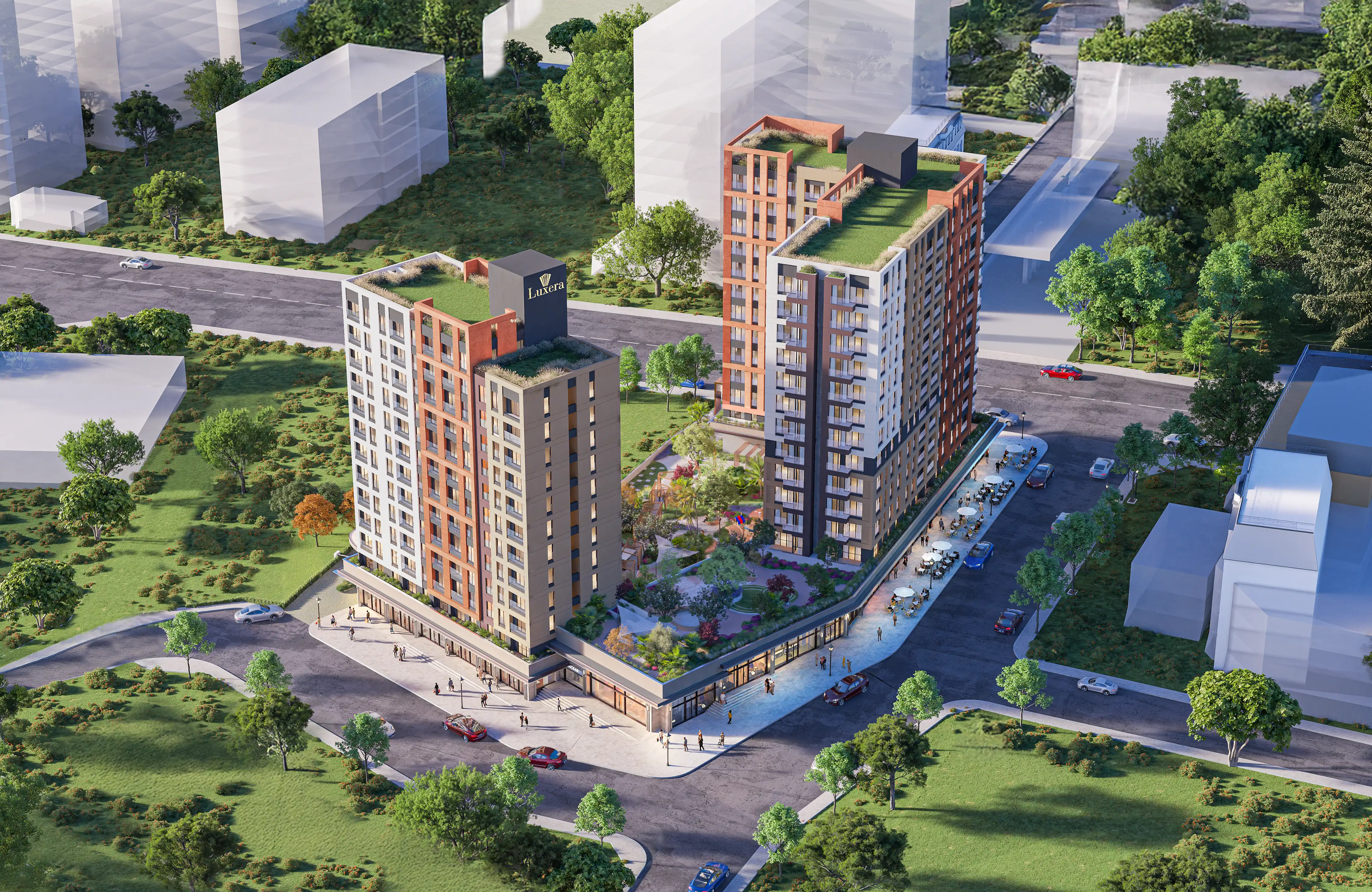
7. Luxera GYO
Luxera GYO might be newer on the scene, but it's already generating buzz in Istanbul’s luxury residential market. Known for its upscale, high-design apartment projects, Luxera targets premium buyers looking for smart, centrally located homes.
Snapshot:
- Founded: 2015 (as a brand, GYO status more recent)
- Assets (2025): ₺6+ billion
- Asset Growth (2020–2025): 105%
Boutique Construction, Big Impact
Luxera's approach is boutique but high-margin. Instead of building mass housing projects, the company focuses on:
- Premium high-rises in key urban corridors
- Tech-integrated homes
- Sustainable building methods
Key projects contributing to growth:
- Luxera Bahçeşehir
- Luxera Yenibosna
- Luxera Güneşli Park Complex
These locations are strategically selected for proximity to:
- Istanbul’s new airport
- Main transport arteries (TEM & E-5)
- Expanding metro lines
Unique Construction Strategy
Luxera GYO operates with a developer-retainer model, meaning they build and sell, but often keep strategic units or retail areas for long-term rental income—contributing to their growing asset book.
Their focus on smart-home integration, green certifications, and post-pandemic housing demands (e.g., home-office-friendly units) has made them highly relevant in today’s real estate market.
Expect Luxera GYO to become a market mover among smaller-cap GYOs as they continue to launch premium projects with high asset appreciation potential.
8. Özak GYO
Özak GYO is a standout when it comes to blending hospitality, tourism, and residential construction. With a diverse and upscale portfolio, Özak focuses on mixed-use developments, resorts, office complexes, and high-end residences—targeting affluent buyers and international investors.
Snapshot:
- Founded: 2009
- Assets (2025): ₺15+ billion
- Asset Growth (2020–2025): 78%
Construction-Powered Asset Expansion
Özak GYO is known for ambitious resort-style developments and coastal investments, as well as city-center projects. They typically build themed and experience-oriented real estate, which means higher construction costs but greater asset appreciation and rent potential.
Projects include:
- Büyükyalı Istanbul – A luxury coastal town in the city
- Hayat City (Göktürk) – Modern residential community
- Ela Quality Resort Belek – High-value tourism asset
- Özak GYO Levent 199 Offices
The combination of tourism + residential + office space helps balance seasonal volatility and ensures asset base consistency.
Strategy & Market Positioning
Özak’s edge lies in:
- Building lifestyle-oriented communities, not just housing blocks
- Focusing on design excellence, open green areas, and on-site amenities
- Maintaining strong brand perception that allows premium pricing
Their construction activity is centered around up-market clients and foreign real estate buyers, particularly in Belek, Bodrum, and coastal Istanbul. This positions them well for both domestic and international growth.
9. Kiler GYO
Kiler GYO is a uniquely structured GYO that evolved from the Kiler supermarket group, leveraging its retail roots to build mixed-use developments that combine shopping centers, residential towers, and commercial offices.
Snapshot:
- Founded: 2008
- Assets (2025): ₺14+ billion
- Asset Growth (2020–2025): 58%
Smart Integration of Retail + Construction
Kiler’s real estate approach is centered around urban high-rises with integrated retail zones. This approach offers:
- Steady rental income from retail tenants
- High sales margins on residential units
- Long-term growth potential through location appreciation
Flagship developments:
- Referans Kartal Towers
- Referans Beşiktaş Residences
- Kiler City Mall Residences
These projects are all located in central or developing districts, benefiting from increasing property values and transit connectivity.
Construction Strategy
Kiler GYO builds in vertical formats—towers and complexes—on mid-sized urban plots, allowing for faster project execution and higher per-square-meter value. They are also deeply involved in urban transformation zones, which provide favorable terms and zoning rights.
For investors, Kiler offers steady growth, recurring rental income, and a strong understanding of what Turkish urban dwellers want: access, amenities, and convenience.
10. Reysaş GYO
Reysaş GYO stands out in this list not for luxury residences or gleaming malls, but for its dominance in logistics and industrial construction. In fact, Reysaş is Turkey’s largest logistics-focused GYO, and it has turned warehouses, depots, and industrial real estate into one of the fastest-growing asset classes in the country.
Snapshot:
- Founded: 2008
- Assets (2025): ₺12+ billion
- Asset Growth (2020–2025): 64%
Logistics-Led Construction Boom
As e-commerce, retail distribution, and manufacturing needs exploded post-pandemic, Reysaş GYO doubled down on logistics parks, warehouses, and industrial campuses. Unlike residential-focused GYOs, Reysaş's construction projects are tailored for:
- Cargo storage and handling
- Distribution centers
- Cold chain and food logistics
- Fulfillment warehouses for major retailers
Major asset contributions:
- Reysaş Ankara Logistics Hub
- Reysaş İzmit Distribution Center
- Reysaş Gebze Industrial Campus
- Tenant-specific builds for global brands
They build these assets under long-term lease agreements with logistics giants, supermarkets, and e-commerce platforms, creating reliable rental income and high-capital asset growth.
Strategy and Construction Model
Reysaş GYO utilizes a build-to-rent model. They don’t sell their constructed facilities; instead, they keep and lease them under 5–10+ year agreements, which:
- Adds consistent assets to the balance sheet
- Generates recurring income
- Minimizes vacancy and turnover risk
- Their projects also tend to be modular and scalable, allowing quick expansion on existing land banks.
In short, Reysaş GYO proves that industrial construction is one of the most profitable niches in Turkish real estate, and they’ve built a model other GYOs are now trying to follow.
The Most Important GYO Projects in Istanbul Right Now (2026)
Istanbul’s real estate market in 2026 is being dominated by a new generation of mega GYO projects focused on luxury living, urban transformation, mixed-use development, and long-term investment returns. The strongest projects today are concentrated in strategic districts such as Levent, Şişli, Kartal, Başakşehir, Topkapı, and Küçükçekmece — areas benefiting from metro expansion, urban renewal, and strong rental demand.
- Emlak Konut GYO section
Anchor: Başakşehir Avrasya Cadde - Kayaşehir Residential Mega Complex paragraph
Anchor: Ebruli Kayaşehir - Başakşehir growth / urban transformation part
Anchor: Ebruli Başakşehir - Kartal / waterfront housing part
Anchor: Batıyakası Kartal - İş GYO / Manzara Adalar paragraph
Anchor: Kuzey Adalar - Urban transformation zones section
Anchor: Yeni Fikirtepe - Premium mixed-use developments section
Anchor: Next Level Istanbul - Levent / high-end business district paragraph
Anchor: DAP Yeni Levent - Luxury coastal real estate / Özak GYO section
Anchor: Büyükyalı Istanbul - Güneşli / airport corridor paragraph
Anchor: Avrupa Konutları Güneşli - Topkapı / central Istanbul investment paragraph
Anchor: Luxera Topkapı - Göktürk / lifestyle residential paragraph
Anchor: Hayat Flora - Şişli / central Istanbul paragraph
Anchor: Avrupa Konutları Şişli
Comparative Table: Top 10 GYO Construction Companies in Turkey (2020–2025)
| Company | Asset Growth (%) | Total Assets (₺) | Primary Focus | Construction Model |
|---|---|---|---|---|
| Emlak Konut GYO | 87% | ₺240B+ | Residential, Mixed-Use, Public | Build-to-hold |
| Torunlar GYO | 67% | ₺65B+ | Commercial, Retail, Mixed-Use | Mixed (retail hold, resi sell) |
| Halk GYO | 90% | ₺35B+ | Residential, Urban Renewal | Build-to-hold |
| İş GYO | 60% | ₺40B+ | Commercial, Office, Retail | Mixed |
| Vakıf GYO | 70% | ₺30B+ | Residential, Public Projects | Build-to-hold |
| Fuzul GYO | 120% | ₺8B+ | Residential, Urban Zones | Build-and-sell + hold |
| Luxera GYO | 105% | ₺6B+ | Luxury Residential | Build-and-sell |
| Özak GYO | 78% | ₺15B+ | Tourism, Luxury, Mixed-Use | Build-to-hold |
| Kiler GYO | 58% | ₺14B+ | High-Rise, Mixed-Use | Integrated model |
| Reysaş GYO | 64% | ₺12B+ | Logistics, Warehousing | Build-to-rent |
Key Trends Among Turkey’s Top GYO Builders
Several trends are shaping how these GYOs grow their assets:
1. Shift to Mixed-Use Projects
Most leading GYOs now design all-in-one developments—combining residential, office, and commercial into a single ecosystem. These yield higher asset values and diverse revenue streams.
2. Urban Transformation Driving Growth
With government zoning incentives and redevelopment plans, companies focusing on renewal zones (Kentsel Dönüşüm) have seen faster asset growth. These zones often come with reduced tax rates and fast-track approvals.
3. Logistics & Industrial Construction is Exploding
Reysaş and others are tapping into the industrial boom—one of the most underdeveloped yet high-potential asset classes in Turkey.
4. Luxury Real Estate is Gaining Investor Interest
Smaller but premium developers like Luxera and Özak are proving that quality can beat quantity, especially with rising demand from foreign buyers.
5. Government Ties Matter
Publicly backed GYOs (Emlak Konut, Halk, Vakıf, Ziraat) have better access to land, funding, and permissions—translating into smoother construction and asset expansion.
Risks and Challenges in the Sector
Despite the asset growth, the GYO construction sector isn’t immune to hurdles:
- Cost Inflation: Steel, concrete, and imported materials have risen sharply due to inflation and currency issues.
- Zoning Restrictions: Urban land is limited, and policy changes can stall entire developments.
- Overbuilding Risk: In some areas, supply may eventually exceed demand—particularly in high-end residential segments.
- Geopolitical Instability: Turkey’s location brings both opportunity and volatility due to regional tensions.
- Financing Volatility: Interest rate shifts and FX risk can complicate funding and project delivery.
Investment Outlook for 2025–2030
Looking ahead, investors should:
- Prioritize GYOs with diverse, income-producing portfolios
- Track asset growth alongside dividend yield and debt levels
- Focus on companies active in logistics, urban renewal, and public-sector-backed projects
- Hot areas for future growth include:
- Smart city zones (Istanbul New Airport corridor)
- Transit-oriented developments (near metro and Marmaray stations)
- Tourism-heavy areas (Antalya, Bodrum, Belek)
Construction GYOs that combine innovation, sustainability, and strategic land banking will outperform the rest.
Conclusion
Turkey’s top construction-focused GYO companies are not just building real estate—they're building the future of Turkish cities. From government-aligned giants like Emlak Konut and Halk GYO, to niche specialists like Luxera, Fuzul, and Reysaş, these firms are growing their asset base at an incredible pace.
Asset growth is more than just a number. It reflects vision, execution, demand, and resilience. As Turkey urbanizes, digitizes, and globalizes, GYOs that build smarter, faster, and with purpose will dominate the skyline—and the stock market.
FAQs
1. Can individual investors buy shares in GYO construction companies in Turkey?
Yes. Most of these GYOs are listed on Borsa Istanbul (BIST) and can be bought through any Turkish brokerage account.
2. Are these GYOs focused more on residential or commercial construction?
It varies. While companies like Emlak Konut and Fuzul focus on residential, others like Reysaş and Torunlar lean heavily into commercial and industrial.
3. Which GYOs are involved in smart city development?
Emlak Konut, İş GYO, and Luxera are actively involved in smart city and tech-enabled housing.
4. What risks do construction-focused GYOs face?
High material costs, zoning law changes, and economic instability are common risks. Oversupply in certain areas is also a concern.
5. How is asset growth measured in REITs/GYOs?
It’s typically measured as the percentage increase in total assets listed on their balance sheet, including new developments, revaluations, and acquisitions.
.webp)
.webp)
Have Question Or Suggestion ?
Please Share Your Thought, To Make It Real