Buy Apartment in Istanbul Old City – 2025 Complete Investment Guide
Thinking of buying a historic flat in Istanbul’s Old City? Discover prices, best neighborhoods, legal process, restoration tips, and citizenship benefits in this complete 2025 guide.
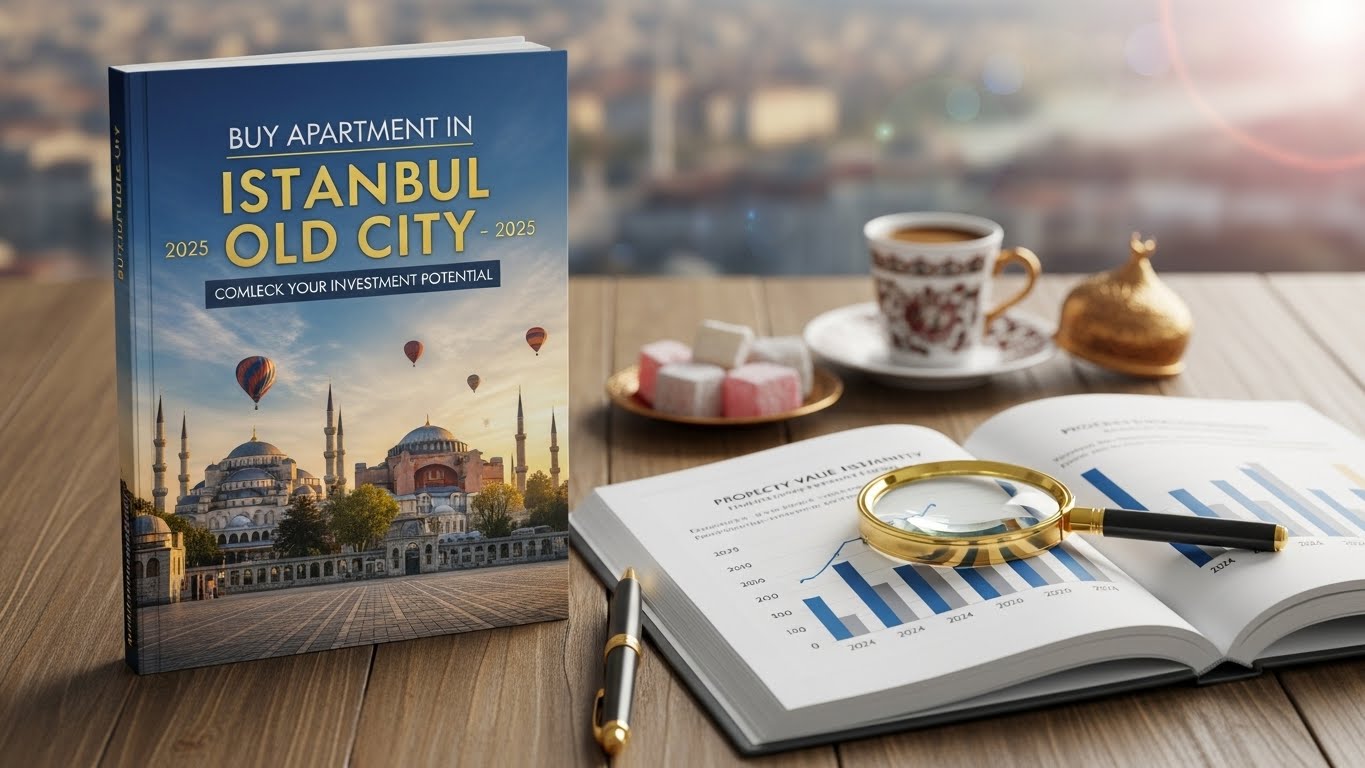
Buy Apartment in Istanbul Old City – A Complete 2025 Guide
Looking to buy an apartment in Istanbul Old City? You’re not alone. The heart of the ancient city, wrapped in layers of history, culture, and charm, has become one of the most desirable spots for both local and international property buyers. From the majestic Hagia Sophia to the vibrant streets of Balat, every corner of the Old City whispers stories of empires, trade, and civilization. Whether you're an investor, digital nomad, expat, or someone who’s simply in love with Istanbul’s rich heritage, buying a place in this iconic part of the city might just be the smartest move you make in 2025.
So grab a Turkish tea, sit back, and let’s walk you through everything you need to know about buying an apartment in Istanbul’s Old City—from neighborhoods and prices to legal processes and renovation tips.
Why Istanbul’s Old City is a Prime Real Estate Hotspot
The Old City of Istanbul isn’t just a tourist destination—it’s a living, breathing museum where real estate meets ancient history. Picture this: cobblestone alleys leading to Ottoman mosques, Byzantine cisterns beneath your feet, and morning calls to prayer echoing off Roman walls. The area holds global appeal, thanks to its unique combination of cultural depth and unbeatable location.
Tourists pour in year-round, ensuring a constant demand for short-term rentals. Digital nomads are increasingly choosing the Old City for its authentic lifestyle and walkable infrastructure. Locals, on the other hand, are charmed by its nostalgic appeal. This consistent demand makes property here more than just a home—it’s an investment.
But it's not just about aesthetics or history. The Old City also boasts excellent transport links, thanks to its central position. Metro, tram, ferry—all roads lead to Fatih. Add to that some of the best Turkish bakeries, bazaars, and mosques, and you’ve got a perfect mix of lifestyle and investment potential.
What Defines the “Old City” of Istanbul?
When people talk about the “Old City” of Istanbul, they’re referring to the historical peninsula—Fatih district, the original core of the city, known as Constantinople during the Byzantine Empire. This is where empires rose and fell, sultans ruled, and world-shaping decisions were made. So, what exactly makes up the Old City?
At the heart of it lies Sultanahmet, the neighborhood home to world-famous landmarks like the Blue Mosque, Hagia Sophia, and Topkapi Palace. But the Old City isn’t just Sultanahmet. It also includes vibrant and colorful neighborhoods like Balat, Fener, Eminönü, Sirkeci, Laleli, and Aksaray—each with its own distinct vibe and architectural style.
Geographically, the Old City is bordered by the Golden Horn to the north, Marmara Sea to the south, and the old Byzantine city walls to the west. These natural and man-made boundaries create a compact, walkable zone steeped in heritage. Much of it is protected by UNESCO, meaning that certain restoration or construction works are heavily regulated to preserve the historical identity.
One key characteristic of properties here is low-rise architecture—you won’t find towering skyscrapers or gated communities in this part of town. Instead, you get Ottoman-era wooden houses, stone mansions, old apartment blocks, and converted han (inns). Some buildings date back hundreds of years and have been restored with a modern touch.
If you’re buying here, expect narrow streets, ornate doorways, tiny balconies overflowing with plants, and neighbors who know each other by name. The vibe is communal, artistic, and deeply human.
It’s worth noting that buying in a UNESCO heritage zone comes with perks (like capital appreciation and status) but also regulations. You might need special permits to renovate or even repaint your building, especially if it’s registered as a historical asset.
Top Reasons to Buy an Apartment in the Old City
So why should you invest in an apartment in Istanbul’s Old City in 2025? The list is long—but let’s break down the top reasons that consistently attract both local and foreign buyers.
1. Incredible Rental Demand
With over 15 million international tourists visiting Istanbul annually, the Old City is a prime hotspot for short-term rentals. Places like Sultanahmet and Sirkeci are often fully booked on Airbnb and Booking.com. This means a well-located apartment can earn a strong return on investment (ROI) through consistent rental income, especially during the spring and summer tourist seasons.
2. Cultural and Emotional Value
Buying property here is like owning a piece of history. Imagine living a few blocks from the Hagia Sophia or sipping coffee in the same square where Ottoman viziers once strolled. The emotional satisfaction and prestige that comes with owning real estate in such a culturally significant place is hard to put into numbers.
3. Central Location
Everything in Istanbul branches out from the Old City. The area is served by multiple tram lines, metro connections, and ferry ports. Whether you’re commuting to the Asian side or hopping over to Taksim, transport is incredibly accessible. The Grand Bazaar, Spice Bazaar, and Istanbul University are also nearby.
4. Property Value Appreciation
Even with strict building regulations, property prices in the Old City steadily appreciate. Thanks to high demand, limited availability, and government efforts to protect historical areas, the real estate value in this part of the city rarely dips—even during economic slowdowns.
5. Authentic Istanbul Lifestyle
Living in the Old City offers a lifestyle unlike any other part of Istanbul. You can walk to the mosque for morning prayer, haggle for olives in the local market, or hear church bells in Fener. It’s a melting pot of religions, traditions, and cuisines, all within walking distance.
Whether you're looking for a rental investment, second home, or retirement plan, the Old City offers something truly special.
Types of Apartments Available in the Old City
If you're planning to buy an apartment in Istanbul’s Old City, the first thing you’ll notice is the incredible variety of property types. Unlike the cookie-cutter high-rise apartments in newer districts, the Old City offers a charming mix of heritage architecture and modern adaptations. But with that charm comes complexity. So, let’s break down what kinds of homes you’ll find in this historic part of town.
1. Restored Historical Homes
These are the gems of the Old City—think Ottoman-era wooden houses, carefully restored and upgraded for modern living. Many of these properties are over 100 years old and feature traditional architectural elements like arched doorways, sash windows, high ceilings, and original hardwood floors. Some even have private courtyards or rooftop terraces with skyline views over the Bosphorus or the Blue Mosque.
However, there’s a catch. Since these buildings are often registered as historical properties, any renovations or restorations require approval from the Council of Monuments. This means you can’t just knock down a wall or install modern fixtures without proper documentation and permits. But if you’re willing to go through the process, you’ll own a one-of-a-kind residence unlike anything else in the world.
2. Modern Apartments in Historical Buildings
These are a perfect balance between heritage charm and modern comfort. Many old apartment blocks—typically built during the late Ottoman or early Republican periods—have been retrofitted with elevators, insulation, modern bathrooms, and kitchens while still preserving their original facades and layouts.
These are especially popular with foreign buyers who want move-in-ready homes that still give them a taste of history. Most of these units are in neighborhoods like Sirkeci, Laleli, and parts of Fatih, where the streets bustle with life but offer relatively quiet residential corners.
3. Boutique Residences and Loft Conversions
In recent years, a trend has emerged where developers transform former inns (han), small warehouses, or old schools into boutique residences or lofts. These are typically located in Balat, Fener, and parts of Eminönü. These properties often feature open-concept layouts, exposed brick walls, industrial-style finishes, and mezzanine floors—making them ideal for artists, creatives, or digital nomads.
They’re also great for Airbnb, thanks to their unique aesthetics and Instagrammable appeal. However, they may have limited parking or shared amenities, so they're not for everyone.
4. Budget-Friendly Older Apartments
If you’re working with a tight budget, there are still options. Older apartments built in the 1970s–1990s are scattered throughout Aksaray, Vefa, and the edges of Fatih. While these lack the wow factor of restored homes or boutique lofts, they’re practical, spacious, and well-located. Many are owned by long-term residents and may need light renovation, which could actually be an advantage—letting you customize the space to your taste.
In short, the Old City caters to a wide range of buyers—from investors and expats to locals seeking heritage or affordability. The key is to match your lifestyle, budget, and renovation tolerance to the type of property you choose.
Best Neighborhoods to Buy in Istanbul Old City
Choosing the right neighborhood in the Old City is just as important as picking the right apartment. Each quarter has its own personality, lifestyle, and price point. Whether you're after a bustling urban experience or a quiet street lined with antique shops and art galleries, the Old City has something for everyone.
Sultanahmet – The Tourist Magnet
This is the most famous part of the Old City and home to landmarks like Hagia Sophia, Blue Mosque, and Topkapi Palace. If you're buying here, you're literally living in a UNESCO heritage site. Properties here are in high demand for short-term rentals due to constant tourist traffic. However, inventory is limited and prices are steep. Expect renovated apartments, boutique buildings, and high regulations on exterior modifications.
Balat & Fener – Colorful and Up-and-Coming
Once home to the city’s Greek Orthodox and Jewish communities, Balat and Fener are now among the trendiest neighborhoods in the Old City. Think colorful homes, cobbled streets, vintage cafés, and lots of artists. It's a great place to find loft conversions and boutique residences, and the property prices are still relatively affordable—for now. Ideal for creatives, investors, or those who want an authentic and bohemian lifestyle.
Eminönü & Sirkeci – Business and Heritage Blend
These neighborhoods sit right at the heart of the commercial hustle of the Old City. Close to the Spice Bazaar, ferry terminals, and tram lines, they’re ideal for investors seeking high foot traffic areas. Apartments here are often part of older mixed-use buildings. You’ll find a combination of residential and office space, making it great for those interested in commercial-residential hybrid investments.
Aksaray and Laleli – Affordable and Accessible
More modern than the rest of the Old City, Aksaray and Laleli are commercial and transit hubs, popular with Middle Eastern and Central Asian investors. Property prices here are generally lower than Sultanahmet or Balat, and there’s a good mix of mid-rise apartment blocks and business-oriented properties. The neighborhood is always buzzing and is well-served by public transportation.
Legal Aspects of Buying Property in Istanbul as a Foreigner
Let’s be honest—buying property in a foreign country can feel like walking through a maze. There are unfamiliar terms, paperwork, and legal hoops. But don’t worry—Turkey has made it remarkably straightforward for foreigners to own real estate, especially in cities like Istanbul. Still, when you’re eyeing an apartment in the Old City, there are some specific legal aspects to keep in mind.
Yes, Foreigners Can Buy Property in Turkey
The first good news? Foreigners are legally allowed to buy property in Turkey, including in Istanbul’s Old City, provided the property is not located in military zones or areas designated as sensitive for national security. The Old City mostly falls within safe and legal zones for purchase, especially if you’re looking in districts like Fatih.
There’s no need for a local partner or any company setup. You can buy as an individual with a valid passport.
The Title Deed (Tapu)
In Turkey, property ownership is proved through a document called Tapu (title deed). This document shows your name, the location of the property, size, type, and exact coordinates. It's the single most important legal paper you will receive, and the final step of your purchase process.
There are two main types of Tapu:
Blue Tapu – Typically refers to shared ownership like agricultural land.
Red Tapu – This is what you want; it refers to residential or commercial properties with full ownership.
When buying, make sure the Tapu matches the property you're viewing. Work with a lawyer to verify its authenticity.
Military Clearance (Now Mostly Automated)
In the past, all property purchases by foreigners required military clearance, to ensure the property was not located in a restricted zone. As of recent updates, this process has become automated and significantly faster, taking around 1–2 weeks in most cases. Your lawyer or agent will apply on your behalf.
Land Registry Office and Final Transfer
Once everything checks out—payment, paperwork, and military clearance—you’ll go to the Land Registry Office (Tapu ve Kadastro Müdürlüğü) for the final deed transfer. Both buyer and seller must be present, and if you don’t speak Turkish, a sworn translator is mandatory by law.
The government charges a title deed transfer tax, which is 4% of the declared property value, usually split between the buyer and the seller (unless otherwise agreed).
You Don’t Need a Residence Permit to Buy
Unlike many countries, Turkey does not require foreigners to have a residence permit to buy property. However, owning property makes it much easier to apply for a residence permit later.
A Lawyer is Not Mandatory—But HIGHLY Recommended
While Turkish law doesn’t require a lawyer for property purchases, you’d be crazy not to hire one—especially in the Old City where historical and zoning issues can complicate things. A good real estate lawyer will:
Do a title search
Confirm property legality
Review your purchase contract
Handle paperwork at the Land Registry
It might cost you $1000–$2000, but it could save you tens of thousands in future headaches.
Steps to Buy an Apartment in Istanbul’s Old City
Ready to make the leap? Awesome. Here's a step-by-step guide to buying your dream apartment in Istanbul’s historic heart, from initial search to getting the keys in your hand.
1. Choose a Reputable Real Estate Agent
Start by finding an agent who specializes in the Old City. The area’s property market is very different from newer developments, so it’s crucial to work with someone who understands heritage restrictions, pricing, and zoning. Ask for references, reviews, and previous sales.
2. Shortlist and View Properties
Once you’ve got an agent, they'll help you shortlist apartments based on your budget, preferences, and goals (personal use vs. rental). Ideally, plan a 2–3 day viewing trip to walk through properties, explore neighborhoods, and feel the local vibe.
Tip: Take videos and photos during visits so you can review them later.
3. Hire a Bilingual Lawyer
Don’t skip this step. A Turkish-English-speaking lawyer will review contracts, do due diligence on the property, and make sure you're not overpaying or buying into legal trouble. They’ll also handle the application for military clearance.
4. Make an Offer and Sign Preliminary Agreement
Once you’ve found “the one,” your agent will help you make an offer. If accepted, you’ll sign a preliminary sales agreement and pay a deposit (usually 10%). This agreement locks in the price and terms while your lawyer checks the Tapu and zoning permissions.
5. Final Payment and Title Deed Transfer
After the legal checks and military clearance are complete, you’ll head to the Land Registry Office with your lawyer, translator, and the seller. You’ll pay the balance and taxes, then receive your official Tapu—congrats, you now own a piece of Istanbul!
6. Optional: Apply for Residency or Citizenship
Once the purchase is complete, you can use your new property to apply for a residence permit, or even Turkish citizenship if your investment meets the threshold (more on that later).
This whole process can be completed in 3–6 weeks, depending on how fast documents and approvals are processed.
How Much Does an Apartment in Istanbul Old City Cost?
Let’s talk numbers—because budget is where dreams either take flight or get grounded. The cost of buying an apartment in Istanbul’s Old City can vary dramatically based on location, condition, building type, and view. One street could have $100,000 listings while the next block over commands $750,000+ for a similar-sized unit with a historic façade or sea view. So, what should you realistically expect in 2025?
Average Price per Square Meter
As of late 2025, here's a rough breakdown of price per square meter (m²) in various Old City neighborhoods:
| Neighborhood | Price (USD/m²) |
|---|---|
| Sultanahmet | $3,500 – $6,000 |
| Balat & Fener | $2,000 – $3,800 |
| Sirkeci & Eminönü | $2,500 – $4,500 |
| Aksaray & Laleli | $1,800 – $2,700 |
Keep in mind, these are averages. A fully restored apartment with Ottoman tiles, high ceilings, and a Hagia Sophia view will fetch a much higher price than a fixer-upper on a backstreet.
Renovation vs. Move-In Ready
Renovation projects: Older buildings or partially restored flats may cost less upfront—sometimes as low as $80,000–$120,000 for 60–80 m²—but you’ll need to invest heavily in repairs and approvals. Renovating a heritage building can easily cost $400–$800 per m², depending on materials and compliance needs.
Move-in ready apartments: Fully restored or newly refurbished units in the Old City typically range from $200,000 to $600,000+, depending on size, location, and views. These are ideal for foreigners who want immediate use or rental income.
Hidden Costs to Watch For
Let’s break it down beyond just the sticker price. Here's what else you should budget for:
Title deed (Tapu) transfer tax: 4% of the declared property value
Legal fees: $1,000 – $2,000 for a bilingual property lawyer
Real estate agency commission: Usually 2–3% of the sale price (sometimes split between buyer and seller)
Notary & translator fees: $200 – $500
DASK insurance (mandatory earthquake insurance): Around $50–$200 annually, depending on property size
Also, don’t forget renovation permits, municipal taxes, and utility subscriptions—especially in heritage zones. Some properties require annual restoration contributions or building association fees, especially if you're in a protected zone.
Financing Options
Most foreign buyers opt for cash purchases, as getting a mortgage in Turkey as a non-resident is complicated and limited to a few banks. However, if you have Turkish residency or a local business, you might qualify for a local mortgage—but expect lower loan-to-value ratios and higher interest rates.
Rental Income Potential
Properties in the Old City offer some of the highest rental yields in Istanbul, particularly for short-term vacation rentals. A small 1-bedroom near Sultanahmet can generate $1,000–$2,500 per month, depending on the season, occupancy, and platform (Airbnb, Booking, etc.).
If you're aiming for long-term rental income, expect slightly lower returns but more stability, especially from students, embassy workers, or expats.
In short, while the Old City isn't the cheapest place to buy in Istanbul, it offers unique long-term value, strong appreciation potential, and consistent rental demand—all backed by the prestige of historical real estate.
Is Buying Property in the Old City a Good Investment in 2025?
Let’s cut to the chase: Yes—buying an apartment in Istanbul’s Old City is still a solid investment in 2025. But like all investments, it comes down to your goals, timeline, and risk appetite. Let’s explore why this historic area remains a favorite among investors and homeowners alike.
1. Strong and Stable Demand
Tourism in Istanbul continues to grow, with over 17 million visitors projected by the end of 2025. And guess where most of them stay or visit first? That’s right—the Old City. The demand for short-term rentals and boutique stays is sky-high, especially in Sultanahmet, Fener, and Balat.
This demand makes Old City properties perfect for:
Airbnb or Booking.com rentals
Boutique hotel or guesthouse conversions
Long-term rentals for expats or students
2. Limited Supply + High Appreciation
Thanks to strict zoning laws and heritage protection, the Old City has very limited new construction. That means demand almost always exceeds supply—a key driver of capital appreciation. You won’t find high-rises being built here, and that preservation adds real estate value over time.
In the past 5 years, property prices in neighborhoods like Balat and Fener have increased by 60–80%, and the trend is expected to continue as gentrification progresses.
3. Diversified Investment Strategy
Whether you're looking to flip, hold for rental, or live long-term, the Old City offers flexibility:
Flip a renovated unit for 25–30% profit
Rent out for $1,500/month or more
Convert a multi-unit building into boutique lodging
Also, owning a historical property brings prestige, especially when used for commercial ventures like art galleries, antique shops, or guesthouses.
4. Government Incentives and Investor Protection
Turkey has made major strides in streamlining property acquisition for foreigners, including digitizing Tapu transfers, accelerating citizenship pathways, and offering tax exemptions in certain zones. And with Turkey’s long-standing push to attract foreign capital, the government continues to protect investor interests, particularly in key economic areas like Istanbul.
5. Long-Term Vision
The Old City isn’t going anywhere—it’s literally the foundation of Istanbul. While trendy neighborhoods may come and go, Fatih, Sultanahmet, and Fener will always hold historical, cultural, and spiritual value. That timeless appeal makes them less volatile during market fluctuations, offering better long-term security.
In 2025 and beyond, the Old City remains a smart, strategic, and deeply satisfying place to invest—if you know what you’re doing.
Citizenship and Residency Through Real Estate
Here's something many buyers overlook—but shouldn't. When you buy an apartment in Istanbul’s Old City, you’re not just getting a home or investment property. Depending on the value, you could also be opening the door to Turkish residency—or even citizenship. And with Turkey’s continued global importance, that’s a huge bonus.
Let’s break down how this works in 2025.
1. Turkish Citizenship by Investment (CBI)
If you’re investing at least $400,000 in real estate in Turkey, you become eligible for Turkish citizenship. Yes, that’s right—buy a qualifying property (or multiple properties totaling the threshold), and you can apply for Turkish citizenship for yourself, your spouse, and children under 18.
Key points to know:
The property must be valued by a certified appraiser at $400,000 or more.
You must hold the property for at least 3 years (you can sell it after that).
The purchase must be made via a bank transfer (cash deals aren’t eligible).
The Tapu must be registered in your name with a note stating it's not for resale for 3 years.
The whole process usually takes 3–6 months, and once granted, Turkish citizenship gives you visa-free or visa-on-arrival access to over 110 countries.
Old City apartments are often ideal for this program because their value typically meets or exceeds the threshold—especially restored or luxury flats in Sultanahmet or Balat.
2. Residency Permit Through Property Ownership
If you're not ready for citizenship, buying any property of any value still qualifies you for a renewable one-year residency permit. You don’t need to meet a minimum value.
What you get:
Legal right to stay in Turkey long-term
Ability to open a bank account, register utilities, buy a car, etc.
Access to Turkish public services (though healthcare and education come with caveats)
All you need is:
A valid Tapu in your name
Proof of address
Private health insurance (at the time of application)
Clean criminal record
This is a popular option for digital nomads, retirees, or frequent travelers who want a base in Istanbul without committing to full citizenship.
3. Tax and Visa Benefits
Turkish citizens enjoy simplified travel and visa agreements with countries in the Middle East, parts of Asia, and Eastern Europe. Moreover, Turkey has double taxation treaties with many countries, meaning you won’t pay taxes twice on your rental income or capital gains.
And yes, Turkey allows dual citizenship, so you don’t need to give up your original nationality in most cases.
Challenges of Buying in the Old City
We won’t sugarcoat it—buying an apartment in Istanbul’s Old City isn’t always smooth sailing. There’s red tape, restoration restrictions, and occasional bureaucracy. Here are the most common challenges and how to deal with them.
1. Heritage Regulations
Since the Old City includes UNESCO heritage sites, much of the area is under strict conservation laws. That means you can’t freely renovate, expand, or even change the façade color of your building without government approval.
You’ll likely need permission from:
The Council of Monuments
The Municipality's Planning Department
Your building association or neighbors
Expect delays, paperwork, and possibly higher renovation costs due to traditional materials or techniques being required.
2. Limited Parking and Infrastructure
The Old City was built long before cars, so parking is minimal or non-existent. Many buildings don’t have garages or even nearby lots. Streets can be narrow and tricky to navigate with a vehicle. If you’re someone who relies heavily on a car, this could be a downside.
Similarly, infrastructure (like plumbing, insulation, and elevators) in older buildings may be outdated. Budget extra for modernization and upgrades.
3. High Demand, Low Availability
You’re not the only one eyeing the Old City. Local buyers, foreign investors, and tourism operators are constantly competing for limited properties. Good listings go fast, especially in Balat, Sultanahmet, or Fener. You need to be decisive and work with an agent who has local, off-market connections.
4. Tourist Noise and Crowds
Living in a world-famous area means dealing with tour groups, street vendors, and noise. During peak season, parts of Sultanahmet and Eminönü can feel like open-air museums. If you value peace and quiet, consider properties a few blocks away from the main attractions.
5. Scams and Overpricing
Sadly, not every seller or agent plays fair. Some try to take advantage of foreign buyers by inflating prices, using fake documents, or rushing deals. That’s why having a lawyer and bilingual agent is essential.
Avoid any deal that:
Pressures you to skip legal review
Offers suspiciously low or high prices
Involves cash-only payments without paperwork
Renovating a Historical Apartment – What You Need to Know
So, you've found your dream apartment in the Old City—it has character, charm, and loads of potential. But it's also… well, a little rough around the edges. Renovating a property in such a historic area is not your average DIY project. From heritage laws to special materials, you’ll need to be both patient and strategic. Here’s a detailed look at what goes into renovating a historical apartment in Istanbul’s Old City.
1. You Need Special Permissions
Before you swing a hammer or tear out that antique sink, you’ll need to get official permission. Most properties in the Old City—especially those over 50 years old—are considered part of Istanbul’s protected architectural heritage. That means the government keeps a close eye on any changes.
Here’s who you’ll typically deal with:
İstanbul Kültür Varlıklarını Koruma Kurulu (Cultural Heritage Preservation Board)
Local Municipality Planning and Zoning Department
Urban Conservation Directorate (if the property is in a UNESCO zone)
You’ll need to submit architectural drawings, renovation plans, materials lists, and possibly 3D renderings. Approvals can take several weeks to months, especially if you're making structural changes.
Tip: Hire an architect or contractor experienced in heritage buildings—they’ll know how to navigate this red tape.
2. Budget More Than You Think
Renovating a historical property isn’t cheap. While a regular renovation might cost $300–$500 per m², a heritage property often runs $500–$1000 per m² or more. Why?
You might need to use authentic or traditional materials
Labor costs increase with specialist work (e.g. mosaic tile restoration, wooden beam replacement)
Custom fittings, plumbing, and electrical updates may be required to bring the property up to modern code
Be prepared for hidden issues like dampness, outdated wiring, or weak foundations—problems that are common in older buildings.
3. Not Everything Can Be Changed
One of the biggest surprises for new owners? You can’t just modernize everything. You may be required to:
Preserve original doors, shutters, or windows
Restore instead of replace wooden floors
Use lime-based plaster or clay bricks instead of concrete
Match existing exterior colors or tile patterns
The government is serious about maintaining the historical appearance of the area, especially in visible locations like Sultanahmet or Fener.
4. Hire the Right Team
You’ll need more than just a good contractor. Successful renovations often involve:
Heritage architect
Bilingual project manager
Permitting specialist
Interior designer familiar with Turkish aesthetic
Ask for portfolios, previous project references, and make sure they’ve worked in heritage zones before.
5. Renovation Adds Major Value
The good news? Once you’ve jumped through all the hoops, your property’s value can skyrocket. A well-renovated apartment in a historic building near Hagia Sophia or the Grand Bazaar can command rental premiums and resale profits. These properties are rare, and buyers are willing to pay for quality.
Also, beautifully restored properties perform exceptionally well on short-term rental platforms. Guests pay a premium to stay somewhere with exposed brick, vaulted ceilings, and views of ancient minarets.
In short, renovating in the Old City is more art than science. But if done right, it transforms your apartment into a living piece of history that also doubles as a high-yield investment.
Finding a Reliable Real Estate Agent in Istanbul
If there’s one step you cannot afford to get wrong, it’s choosing your real estate agent. The Old City market is unique—it’s full of surprises, legal pitfalls, and hard-to-find gems. A trustworthy, well-connected agent can make or break your entire experience. Here’s how to find the right one.
1. Look for Local Expertise
Many agencies in Istanbul cover large territories, but that doesn’t mean they understand the intricacies of the Old City. You want an agent who knows:
Which buildings are heritage protected
What areas are currently hot (and which are cooling off)
How to navigate restoration permits
Where to find off-market or soon-to-be-listed properties
The best agents often live or work in Fatih, Sultanahmet, or Balat and have deep local networks.
2. Choose Bilingual Agents (Turkish + Your Language)
Language barriers can lead to serious misunderstandings in contracts, legal processes, and negotiations. Make sure your agent speaks fluent English (or your preferred language), and don’t rely on Google Translate for documents.
Even better, choose agencies that offer in-house legal or translation services.
3. Watch for Red Flags
Some agents prey on foreign buyers who don’t know the local market. Here’s what to avoid:
Agents who push only one or two listings (they may be trying to offload a hard sell)
Pressure tactics to “buy now or miss out”
Vague or misleading pricing information
Lack of transparency about Tapu or renovation status
If it feels shady, it probably is. Always verify ownership documents and valuation reports independently through your lawyer.
4. Ask for References and Portfolios
A good agent won’t hesitate to give you references from past clients—especially expats or foreign investors. Also, ask to see a portfolio of properties they’ve sold in the Old City. Bonus points if they’ve worked with investors or Airbnb hosts before.
5. Online vs. Local Agencies
Online property platforms (like Sahibinden, Zingat, or Property Turkey) can be a good starting point—but they don’t always list the best deals. Many great Old City properties are never advertised online, especially those in heritage zones or undergoing restoration.
That’s where local boutique agencies really shine. Walk into a few offices in Balat or Sultanahmet. The person behind the desk might know of an off-market listing just waiting for the right buyer.
Tips for Foreigners Buying in Istanbul Old City
Buying property in a foreign country—especially one as layered and historic as Turkey—can be exciting, but also overwhelming. The Old City of Istanbul is a dream location, but it comes with its own unique challenges. So, here are some battle-tested tips to help you navigate the process smoothly and smartly.
1. Learn Basic Turkish Property Terms
Even if you're working with a bilingual agent, it’s helpful to know key terms like:
Tapu = Title deed
Emlakçı = Real estate agent
Kat mülkiyeti = Full ownership of the apartment
İskan = Occupancy permit (very important for legal use)
DASK = Compulsory earthquake insurance
This knowledge not only helps you feel more confident but also protects you from being misled during the process.
2. Hire a Bilingual Lawyer Who Works for You
Your lawyer is your safety net. They’ll check the Tapu, verify ownership, look for any debts or liens, confirm if the property is legally habitable, and ensure the deal is fair. Do not rely on the seller’s lawyer or agent's “in-house legal team”—they work in the seller’s best interest.
A good lawyer will save you from:
Overpaying
Buying a disputed or illegal property
Getting stuck in long bureaucratic loops
3. Always Conduct a Property Inspection
Photos can be deceiving, especially when it comes to heritage buildings. What looks like a charming apartment online could turn out to have:
Cracked foundations
Mold issues
Illegal modifications
Hidden renovation needs
Walk through the property in person if you can. If not, hire a local inspector or architect to conduct a site inspection with a video report.
4. Be Aware of Dual Pricing
It’s unfortunate, but some sellers or agents might try to quote higher prices to foreigners. To avoid this:
Get a local to help inquire about prices
Use multiple listings to compare similar properties
Ask for an official valuation report from a certified appraiser
These reports are also required for citizenship or residency applications, so they’re worth getting regardless.
5. Understand Building Status: Kat Mülkiyeti vs. Kat İrtifakı
Always make sure the apartment has Kat Mülkiyeti, which means full legal ownership of a completed unit. Some properties only have Kat İrtifakı (preliminary ownership), especially in partially completed or unregistered restorations. Without Kat Mülkiyeti, you may face problems getting residence permits, occupancy licenses, or even utilities.
Comparison: Old City vs. New Developments in Istanbul
Let’s be honest—buying in the Old City isn’t for everyone. So how does it compare to purchasing in newer areas like Başakşehir, Beylikdüzü, Kadıköy, or Ataşehir? Here’s a head-to-head comparison to help you decide.
| Feature | Old City | New Developments |
|---|---|---|
| Architecture | Historical, unique, heritage-protected | Modern, sleek, high-rises |
| Pricing | Higher per m², limited supply | Often lower, especially on outskirts |
| Rental Demand | High for short-term, tourists | High for long-term, families or students |
| Renovation Needs | Often yes (esp. heritage homes) | Rarely; new builds are turnkey |
| Legal Complexity | Higher due to zoning & permits | Simpler transactions |
| Investment Appeal | High long-term + prestige | Good ROI, easier resale |
| Lifestyle | Authentic, cultural, walkable | Modern, gated, amenities like pools & gyms |
| Parking/Infrastructure | Limited, older systems | New infrastructure, plenty of parking |
When to Choose the Old City:
You want character, culture, and historical charm
You're aiming for Airbnb or boutique-style rental income
You're okay with renovation and legal hurdles
You want a “forever” home with emotional value
When to Choose New Developments:
You prefer modern amenities, elevators, and easy access
You’re a first-time investor wanting quick and clean deals
You want to buy off-plan or at pre-launch prices
You're planning to live with family or need large square footage
Both options can be excellent, but they serve very different lifestyles and investment strategies.
Final Thoughts: Should You Buy an Apartment in Istanbul Old City?
Buying an apartment in Istanbul’s Old City isn’t just a financial decision—it’s an emotional one. This part of the city speaks to your soul. It’s where you feel the heartbeat of empires, where every stone tells a story, and where East truly meets West.
Sure, there are challenges. The process can be slower, the rules more complex, and the prices sometimes higher. But what you gain is irreplaceable—a home in the cradle of civilizations, a tangible piece of history, and a lifestyle that blends the spiritual with the practical.
Whether you’re a global investor, digital nomad, expat, or heritage lover, the Old City offers an unmatched opportunity in 2025. With its high rental demand, appreciating value, citizenship options, and timeless appeal, it’s more than just buying real estate—it’s investing in legacy.
FAQs
1. Is it safe to invest in Istanbul Old City as a foreigner?
Yes. Foreigners are legally allowed to own property in most parts of Istanbul, including the Old City. With proper legal guidance, the process is safe and secure.
2. Can foreigners buy property near Sultanahmet or Hagia Sophia?
Absolutely. Properties near Sultanahmet are open to foreign ownership, although they often fall under strict heritage protection laws regarding renovation.
3. What’s the average apartment size in the Old City?
Most apartments range from 60 m² to 150 m². Loft-style properties and renovated mansions can go up to 250+ m².
4. Can I rent out my Old City apartment to tourists?
Yes, short-term rentals like Airbnb are allowed in many Old City areas, though some buildings may have internal rules. Always check local municipality guidelines.
5. How long does the property buying process take in Istanbul?
With all documents in order, it typically takes 3 to 6 weeks to complete the purchase—including Tapu transfer and legal checks.
Have Question Or Suggestion ?
Please Share Your Thought, To Make It Real