Farmhouses for Sale in Turkey: The Ultimate 2026 Buyer’s Guide
Looking for peace and land? Discover the best farmhouses for sale in Turkey. Learn about regions, prices, legal tips & investment options in this 2026 guide.
Farmhouses for Sale in Turkey: A Complete Buyer’s Guide
Why Farmhouses in Turkey Are Gaining Popularity
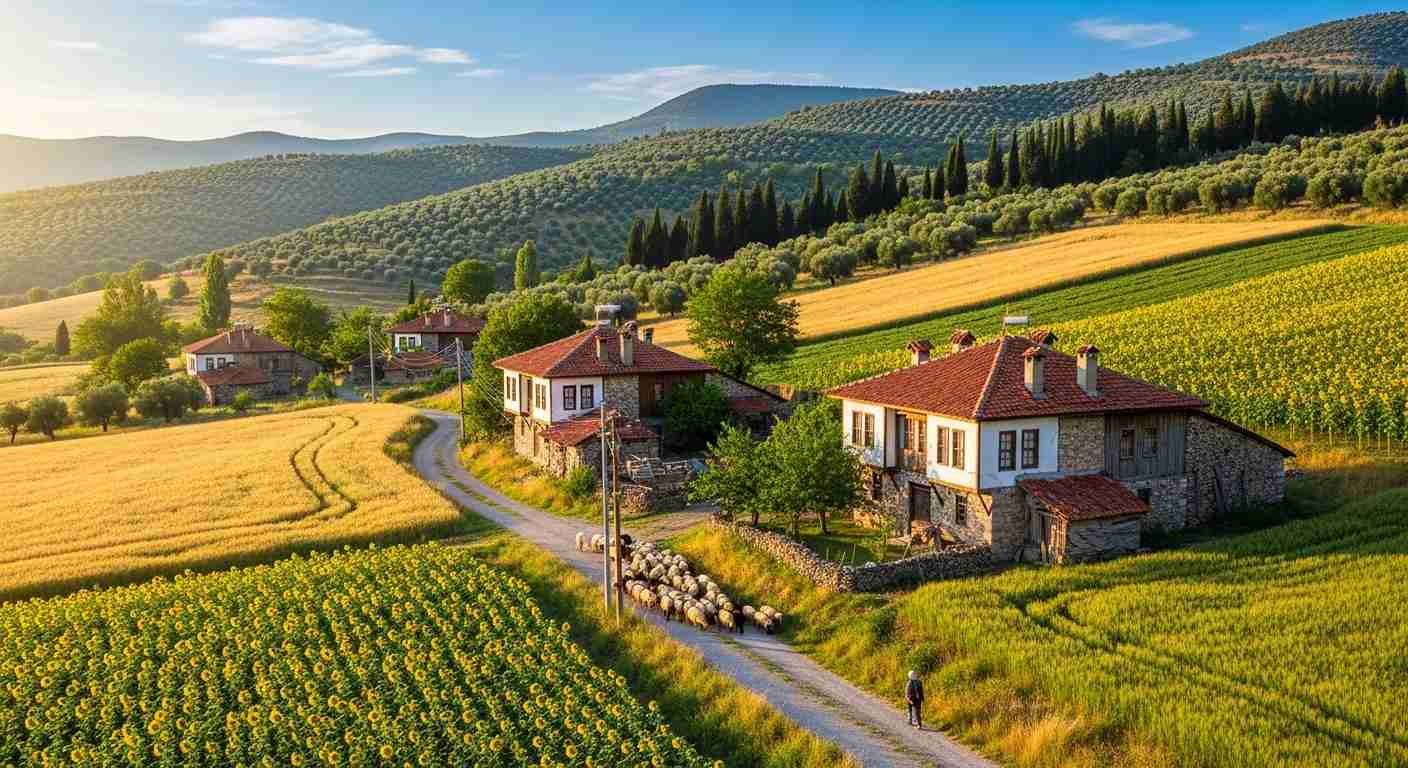
There’s something deeply comforting about waking up to birdsong instead of traffic noise, sipping tea under an olive tree, and watching the sun rise over rolling hills. That simple, grounded lifestyle is exactly why farmhouses for sale in Turkey are attracting buyers from all over the world. Over the past decade, a noticeable shift has happened—people are trading cramped city apartments for wide-open land, fresh air, and a slower pace of life. Turkey, with its fertile soil, diverse landscapes, and affordable property prices, sits right at the center of this movement.
Another big reason behind the surge in interest is value for money. Compared to rural properties in Spain, Italy, or France, Turkish farmhouses often come with larger land plots at a fraction of the price. You’re not just buying a house; you’re buying a lifestyle, a piece of land, and often a centuries-old agricultural tradition. Add to that Turkey’s mild climate, long growing seasons, and access to fresh water in many regions, and you start to see why farmers, retirees, digital nomads, and eco-entrepreneurs are all looking here.
Global events have also played a role. Remote work has untethered people from offices, making rural living more practical than ever. Turkey offers strong infrastructure, improving internet coverage even in villages, and a welcoming culture that values community. Whether it’s for organic farming, eco-tourism, or simply personal retreat, farmhouses in Turkey have become more than just property—they’re a statement against fast-paced modern life.
Understanding the Turkish Farmhouse Concept
Before diving into listings, it’s important to understand what a “farmhouse” actually means in Turkey. Unlike some Western countries where the term is loosely used for any rustic-style home, Turkish farmhouses are often directly tied to agricultural land. Traditionally, these homes were built to support farming families, with space for animals, storage, and seasonal harvests. Many still come with barns, olive presses, wells, or stone outbuildings that tell stories of generations past.
There are two main categories you’ll encounter. First, the traditional village farmhouse—usually stone or brick, located within or just outside a village, often surrounded by olive groves, fig trees, or vineyards. These homes may need renovation but offer incredible character. Second, modern farmhouses or rural villas built on agricultural land, designed for comfort while still supporting farming activities. These often include solar panels, modern insulation, and eco-friendly features.
Zoning is a crucial aspect. Agricultural land in Turkey is protected, meaning you can’t always build freely. Existing farmhouses are valuable because they already have legal residential status. Understanding land titles, building permits, and what you can legally renovate or expand is essential. Once you grasp these basics, navigating the Turkish farmhouse market becomes far less intimidating—and far more exciting.
Top Regions in Turkey to Buy Farmhouses
Aegean Region
The Aegean coast and countryside are among the most sought-after areas for farmhouses in Turkey. Think olive groves stretching to the horizon, whitewashed villages, and a relaxed Mediterranean rhythm. Rural İzmir, Ayvalık, and the inland areas of Muğla are hotspots. These regions balance nature with accessibility, offering proximity to international airports, healthcare, and vibrant expat communities.
Farmhouses here often sit on fertile land ideal for olives, grapes, and vegetables. The climate is mild, with hot summers and gentle winters, making year-round living comfortable. Prices vary widely, but there’s something for every budget—from affordable stone houses needing restoration to high-end estates with sea views just a short drive away.
Mediterranean Region
If you love sunshine and dramatic mountain backdrops, the Mediterranean region might steal your heart. Rural Antalya, Kaş, and the Taurus Mountain villages offer farmhouses surrounded by pine forests and citrus orchards. These areas are perfect for eco-tourism projects, yoga retreats, or organic farming.
The Mediterranean climate means long summers and productive land. Many farmhouses here come with natural water sources, an invaluable asset for agriculture. While coastal areas can be pricey, moving just 20–30 minutes inland opens up more affordable opportunities without sacrificing beauty or access.
Marmara Region
For those who want countryside living without being too far from a major city, the Marmara region is ideal. Areas like Bursa, Yalova, and Balıkesir offer lush landscapes and cooler climates. Farmhouses here appeal to buyers who want weekend retreats or semi-rural living close to Istanbul.
Land in Marmara is highly fertile, supporting dairy farming, fruit orchards, and vegetable production. The region’s strong transport links make it especially attractive for investment-minded buyers.
Central Anatolia
Often overlooked, Central Anatolia offers incredible value. Cappadocia’s surrounding villages feature unique stone farmhouses carved into volcanic rock, while Konya’s plains provide vast agricultural potential. The climate is more continental, with colder winters, but the land is expansive and affordable.
This region suits buyers focused on large-scale farming or those seeking truly off-the-beaten-path living. It’s quieter, more traditional, and deeply connected to Turkey’s agricultural roots.
Types of Farmhouses for Sale in Turkey

Traditional Stone Farmhouses
These are the soul of rural Turkey. Built with local stone and designed to last generations, traditional farmhouses offer thick walls, natural insulation, and timeless charm. Many date back 100 years or more and sit within village boundaries, making utilities and access easier.

Renovated Village Homes
Perfect for buyers who want character without the hassle of full restoration, renovated village homes blend old and new. Expect original wooden beams, stone walls, and modern kitchens or bathrooms. These are popular with expats and retirees.

Modern Eco-Farmhouses
A growing trend, eco-farmhouses are designed with sustainability in mind. Solar panels, rainwater harvesting, and energy-efficient construction are common features. These homes are ideal for eco-conscious buyers and agritourism ventures.

Large Agricultural Estates
For serious farming or investment, large estates offer hectares of land, multiple buildings, and income potential. These properties may include olive groves, vineyards, or livestock facilities and are often sold as working farms.
Farmhouse Land Sizes and What They Mean
Land size isn’t just about space—it determines what you can do with your farmhouse. Smaller plots, around 1,000–3,000 square meters, are perfect for hobby farming, gardens, and personal use. Larger plots, especially those exceeding 5,000 square meters, open the door to commercial agriculture.
Many farmhouses come with olive groves, vineyards, or fruit orchards already established. This not only adds value but can generate income almost immediately. Water access is critical; properties with wells, streams, or irrigation rights are especially valuable.
Understanding land classification is key. Some land is strictly agricultural, while other plots include residential zoning. Knowing the difference can save you from costly surprises later.
Price Ranges of Farmhouses in Turkey
One of Turkey’s biggest draws is affordability. Entry-level farmhouses needing renovation can start as low as €50,000–€80,000 in less touristy regions. Mid-range options, often renovated and move-in ready, typically range from €120,000 to €250,000.
Luxury farm estates with large land plots, pools, guest houses, and sea or mountain views can exceed €500,000, especially in the Aegean and Mediterranean regions. Compared to similar properties in Europe, these prices remain highly competitive.
Legal Aspects of Buying a Farmhouse in Turkey
Foreigners can legally buy property in Turkey, but agricultural land comes with additional rules. Military clearance is required, and there are limits on how much land a foreigner can own. Title deeds, known as Tapu, must clearly state residential status if you plan to live there.
Working with a qualified lawyer is non-negotiable. They’ll check zoning, land classification, and ensure there are no debts or disputes attached to the property. This step protects your investment and your peace of mind.
Residency and Citizenship Opportunities
Owning property in Turkey allows you to apply for a renewable residence permit. While buying a farmhouse alone doesn’t automatically grant citizenship, high-value properties may qualify under the citizenship by investment program if they meet the minimum threshold.
For many buyers, residency is enough—allowing long-term stays, access to healthcare, and a legal base in Turkey.
Living in a Turkish Farmhouse: Daily Life
Life in a Turkish farmhouse is slower, richer, and deeply connected to nature. Neighbors often become friends, sharing harvests, tea, and stories. Local markets offer fresh produce, cheese, and bread at prices city dwellers can only dream of.
Utilities and internet are improving rapidly, even in rural areas. While you may need a car, the trade-off is peace, privacy, and a sense of belonging that’s hard to find elsewhere.
Farming and Agricultural Opportunities
From olive oil production to organic vegetables, Turkey offers endless agricultural possibilities. Many buyers turn their farmhouses into small businesses—eco-lodges, farm-to-table restaurants, or artisanal food brands.
Government incentives for agriculture and rural development can further boost profitability. With the right planning, a Turkish farmhouse can be both a home and a livelihood.
Renovation and Restoration Considerations
Renovating a farmhouse in Turkey can be surprisingly affordable, especially when using local materials and craftsmen. Stone, wood, and lime plaster are widely available and cost-effective.
Preserving traditional architecture not only maintains cultural heritage but also increases property value. Patience is key—rural projects move at a different pace, but the results are often worth the wait.
Rental and Investment Potential
Farmhouses are increasingly popular for short-term rentals, especially among travelers seeking authentic experiences. Agritourism is on the rise, and well-located properties can generate strong seasonal income.
Long-term rentals appeal to expats and locals alike, offering steady returns. While ROI varies by region, rural properties generally have lower entry costs and growing demand.
Pros and Cons of Buying Farmhouses in Turkey
Pros
- Affordable prices
- Large land plots
- Rich culture and community
- Strong agricultural potential
Cons
- Renovation challenges
- Bureaucracy
- Rural isolation for some
Step-by-Step Guide to Buying a Farmhouse
- Define your purpose
- Choose the right region
- Work with local experts
- Conduct legal checks
- Complete the purchase
Tips for Foreign Buyers
- Visit multiple regions before deciding
- Avoid rushing into deals
- Always verify land status
- Build relationships locally
Future Outlook of Rural Real Estate in Turkey
The demand for rural living isn’t slowing down. Sustainability, self-sufficiency, and eco-tourism are shaping the future of Turkey’s countryside. Farmhouses are no longer just homes—they’re long-term lifestyle investments.
Conclusion
Buying a farmhouse in Turkey is about more than bricks and land—it’s about choosing a different way of life. Whether you dream of farming olives, hosting guests, or simply enjoying quiet mornings surrounded by nature, Turkey offers opportunities that are hard to match elsewhere. With the right research, legal guidance, and a bit of patience, your Turkish farmhouse can become a place where life finally feels balanced.
FAQs
1. Can foreigners buy farmhouses in Turkey?
Yes, with certain restrictions and legal checks, foreigners can own farmhouses in Turkey.
2. Are Turkish farmhouses good investments?
Yes, especially for agritourism, organic farming, and long-term rural living trends.
3. Do farmhouses come with agricultural income?
Many include olive groves or orchards that can generate income.
4. Is renovation expensive in Turkey?
Compared to Europe, renovation costs are relatively affordable.
5. Can I live permanently in a Turkish farmhouse?
Yes, with a residence permit obtained through property ownership.
Have Question Or Suggestion ?
Please Share Your Thought, To Make It Real