Buying Property in Turkey in 2026: Full Step-by-Step Guide
Discover how to buy property in Turkey in 2026: digital process, citizenship, ROI, legal tips & more in this step-by-step investment guide.
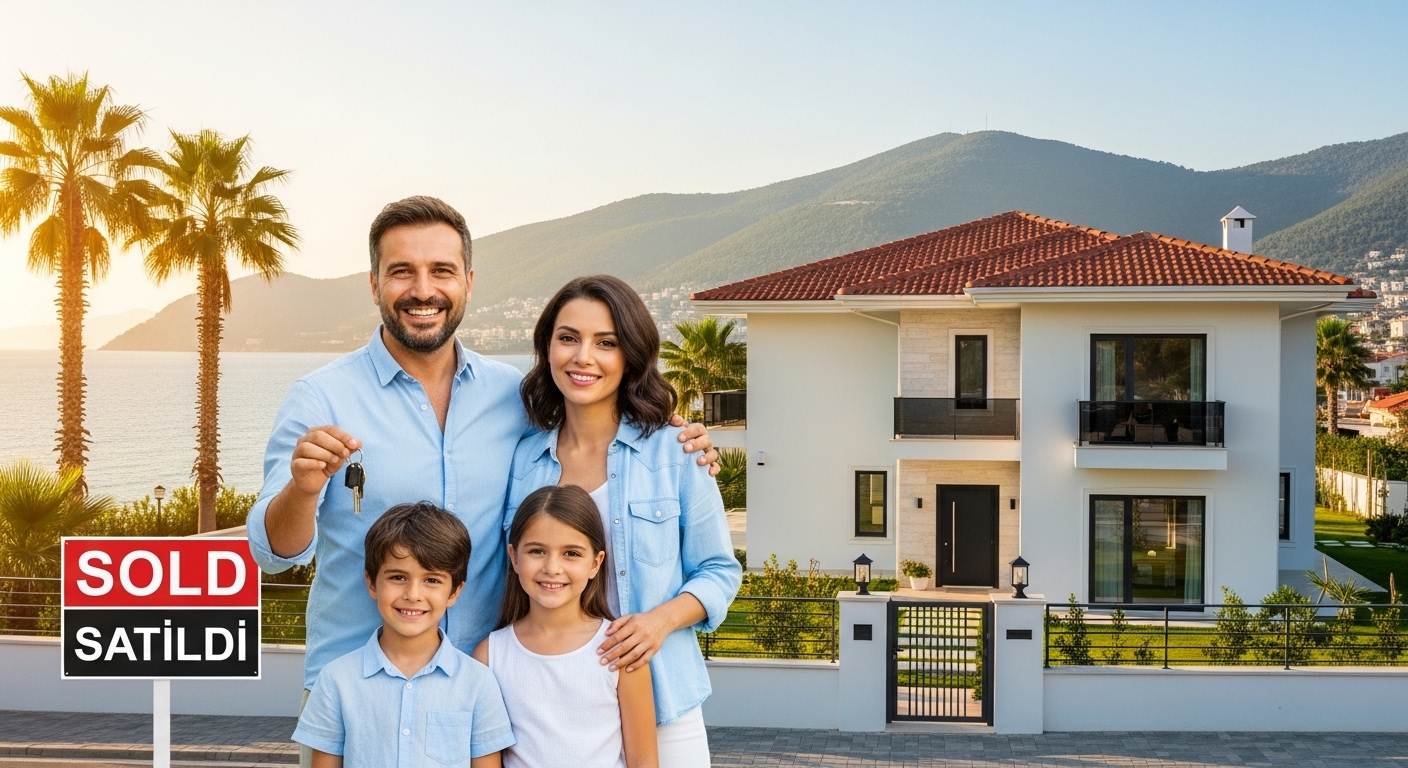
Buying a Property in Turkey: The Step-by-Step 2026 Guide
Introduction: The Turkish Real Estate Landscape in 2026
The Modern Appeal of Turkey
Buying property in Turkey in 2026 is no longer a complicated, paperwork-heavy process filled with uncertainty. It has evolved into a highly structured, digital, and transparent system designed to protect both local and foreign investors. Whether you're looking for a seaside lifestyle, a high-yield investment, or a pathway to Turkish citizenship, the real estate process for foreigners has never been clearer.
Turkey continues to attract global buyers for three key reasons: lifestyle, location, and leverage. From Istanbul’s dynamic skyline to Antalya’s Mediterranean coastline, the country offers unmatched diversity. Add to that a growing rental market and a competitive $400,000 citizenship threshold, and you begin to see why demand remains strong.
If you're curious about how prices vary across regions in 2026, reviewing updated regional market data can help you align your strategy with reality. A detailed breakdown of current market figures can be found here:
👉 https://www.deal-tr.com/en/blog/house-prices-in-turkey-2026-in-usd-by-region
Digital systems like Web-Tapu now streamline the Turkish title deed process, reducing bureaucracy and increasing transparency. Smart, eco-conscious developments are becoming standard. Infrastructure expansion continues nationwide.
The bottom line? The system is modern. The demand is real. The opportunity is structured.
Let’s move step by step.

2026 Market Context: Digitalization and Smart Developments
The Turkish property market of 2026 looks very different from a decade ago. The biggest transformation? Digitalization.
The Web-Tapu system has streamlined the Turkish title deed process. Buyers can now initiate transactions online, upload documents digitally, track applications in real time, and even complete certain steps remotely through a Power of Attorney. What used to take weeks now often takes days.
Developers are also responding to global trends. Smart homes are no longer a luxury—they’re becoming standard. Expect to see:
- Integrated home automation systems
- Energy-efficient insulation
- Solar panel infrastructure
- EV charging stations
- Earthquake-resistant construction technologies
Sustainability is not just marketing. It’s becoming a legal and financial advantage, especially as global investors prioritize green buildings.
At the same time, Istanbul’s business districts continue to attract corporate tenants, while coastal cities see growing demand from remote workers and retirees. The result? A diversified market offering opportunities for both lifestyle buyers and serious investors.
Why Now? Citizenship Threshold and Rental Boom
Timing matters in real estate. And 2026 presents a compelling window.
The $400,000 citizenship threshold remains one of the most competitive investment-for-citizenship programs globally. Compared to many Caribbean or European options, Turkey offers:
- A real, appreciating asset
- Access to a G20 economy
- A pathway to a Turkish passport in a relatively short timeframe
Meanwhile, rental demand is surging. Major cities are seeing growth in long-term rentals due to population expansion and international migration. Coastal hotspots benefit from seasonal tourism. Istanbul, in particular, continues to perform strongly for investors targeting capital appreciation and rental income.
So, why now? Because the market is maturing, digitizing, and globalizing—all while maintaining relatively accessible entry points.
Pre-Purchase: Setting Your Strategy
Before you sign anything, transfer funds, or even book a flight, you need clarity. Buying property in Turkey is not just about choosing an apartment—it’s about choosing a purpose.
Are you buying to live? To rent? To gain citizenship?
Your strategy determines everything that follows.
If you’re deciding between a real estate residence permit and full Turkish citizenship, understanding the legal and financial differences is critical. This detailed comparison explains the distinctions clearly:
👉 https://www.deal-tr.com/en/blog/real-estate-residency-vs-turkish-citizenship-the-difference-between-them
When your purpose is clear, decisions become easier.
Defining Your Purpose
Buyers generally fall into three categories:
- Lifestyle-focused buyers
- ROI-driven investors
- Citizenship-focused investors
Each path requires a slightly different property type and legal approach.
If your goal is Turkish citizenship by real estate investment, it’s essential to understand the official framework, compliance rules, and long-term obligations. A full guide is available here:
👉 https://www.deal-tr.com/en/blog/turkish-citizenship-by-real-estate-investment-2025-complete-guide
Strategy removes confusion. Without it, you’re guessing.
Lifestyle Buyers
If your dream involves morning swims, relaxed cafés, and warm Mediterranean evenings, lifestyle destinations like Antalya, Bodrum, Fethiye, and Alanya are obvious choices.
These areas offer:
- Resort-style complexes with pools and security
- Sea-view apartments and private villas
- Established expat communities
- Strong holiday rental potential
But here’s the thing—lifestyle properties don’t always guarantee maximum capital growth. They’re about quality of life first. If your heart is pulling you toward the coast, lean into it—but understand your expectations clearly.
Buying a holiday home is emotional. And that’s okay. Just make sure the numbers still make sense.
High ROI Investors
If your goal is return on investment, Istanbul usually leads the conversation. The city is Turkey’s financial engine. Business districts like Maslak, Levent, Kağıthane, and Ataşehir continue to attract corporate tenants and long-term renters.
Why does this matter?
Because rental consistency matters more than sea views when you’re focused on yield.
High ROI investors look for:
- Proximity to metro lines
- Access to universities and business hubs
- Urban regeneration zones
- Pre-construction discounts
In 2026, mixed-use smart developments—combining residential, retail, and office spaces—are especially attractive. They create self-sustaining communities and boost long-term appreciation.
Think like a strategist, not a tourist.
Citizenship Seekers
If your primary goal is Turkish citizenship, the numbers are non-negotiable. The property (or combined properties) must total at least $400,000, officially declared and supported by a government-approved valuation report.
But here’s where people make mistakes: not every property qualifies easily.
For citizenship, you must ensure:
- The title deed is clear and compliant
- The seller is eligible (buying from another foreigner may complicate matters)
- The value meets or exceeds the legal threshold
- The property hasn’t been used for citizenship before
- This isn’t the time to “cut corners.” It’s about compliance, documentation, and proper legal structuring.
- Your purpose defines your roadmap. And clarity here prevents expensive detours later.
The 5–7% Rule: Budgeting Beyond the Price
Let’s talk money—real money.
Many first-time buyers assume the purchase price is the full cost. It’s not. In Turkey, you should budget an additional 5–7% on top of the property price to cover taxes, fees, and administrative expenses.
Here’s a simplified breakdown:
| Expense Type | Estimated Cost |
|---|---|
| Title Deed Transfer Tax | 4% |
| Appraisal Report | Variable |
| Administrative Fees | Fixed Tariffs |
| Legal & Translation Fees | Case-dependent |
| Utility Registration | Minor Setup Costs |
If you're buying a $400,000 property for citizenship, expect to allocate approximately $20,000–$28,000 extra to cover the full process comfortably.
Why does this matter?
Because under-budgeting creates stress. And real estate should feel strategic—not chaotic.
Plan smart. Move confidently.
Understanding local property tax benchmarks also helps you avoid surprises, especially in Istanbul where updated municipal values (Rayiç Bedel) influence taxation. For detailed 2026 insights, review:
👉 https://www.deal-tr.com/en/blog/2026-istanbul-property-tax-values-rayic-bedel-investment-guide
Planning financially ensures smooth execution.
Selecting the Right Partner: Agency and Lawyer
Here’s the uncomfortable truth: Turkey’s real estate market is professional—but it’s also large. And not every agent operates at the same standard.
In 2026, you should only work with:
- A licensed real estate agency
- An independent legal advisor (not just the developer’s lawyer)
Why separate legal counsel?
Because your lawyer protects you. They verify the title deed, check for mortgages or liens, confirm zoning compliance, and ensure the sales contract reflects your interests.
Think of it this way:
Would you perform surgery on yourself? Of course not. So don’t navigate a six-figure property transaction without professional guidance.
A good team will:
- Conduct due diligence
- Ensure currency compliance (DAB process)
- Manage documentation
- Coordinate the title deed transfer
- Guide you through residency or citizenship applications
- The right partners transform complexity into clarity.
The Legal Prerequisites (The Essentials)
Before you can officially start the Turkish title deed process, a few foundational steps must be completed. The good news? They’re straightforward and often done in a single day.
Let’s walk through them.
Getting a Turkish Tax Number
Every foreign buyer needs a Turkish tax number. Think of it as your financial identity in Turkey.
The process is surprisingly simple:
- Apply online through the tax office portal
or - Visit a local tax office with your passport
- You’ll receive the number almost instantly. No fees. No complex documentation.
This number allows you to:
- Open a bank account
- Pay property taxes
- Register utilities
- Complete the title deed transaction
- It’s a small step—but absolutely essential.
The process takes minutes and can be done online or at a tax office. If you want a full breakdown of why this step matters and how it works, read here:
👉 https://www.deal-tr.com/en/blog/the-importance-of-the-tax-number-in-turkey
Simple. Fast. Essential.
Opening a Bank Account and the DAB Requirement
In 2026, foreign currency transactions for property purchases must comply with the DAB (Foreign Exchange Purchase Certificate) requirement.
What does that mean in practical terms?
You must:
- Transfer your foreign currency to a Turkish bank.
- Convert it into Turkish Lira through the Central Bank system.
- Obtain the DAB certificate proving the conversion.
- This certificate is mandatory for the Land Registry to approve the sale.
Why this rule?
It ensures transparency, stabilizes currency inflow, and protects the legitimacy of transactions.
Opening a Turkish bank account usually requires:
- Passport
- Tax number
- Local address (can often be temporary)
- The process is generally fast—sometimes completed within an hour.
To fully understand how the DAB works and why it’s mandatory, review this detailed explanation:
👉 https://www.deal-tr.com/en/blog/foreign-exchange-purchase-certificate-turkey-dab
No DAB. No Tapu transfer.
Ownership Restrictions You Must Know
Turkey is welcoming to foreign investors—but there are rules.
Here are the key restrictions:
- You cannot buy property in military or security zones.
- A single foreign individual cannot own more than 30 hectares nationwide.
- In any given district, foreigners collectively cannot exceed 10% of total land ownership.
- These rules rarely affect individual residential buyers—but they’re important to understand.
- Transparency prevents surprises.
- The groundwork is now set. Strategy defined. Legal prerequisites clear.
Next, we’ll walk through the exact step-by-step 2026 buying process, from viewing properties to holding your title deed in hand.
Step-by-Step: The 2026 Buying Process
Now we move into the heart of buying property in Turkey—the actual transaction process. This is where many buyers feel overwhelmed. Documents, valuations, bank transfers, government offices… it can sound intimidating.
But here’s the reality: in 2026, the Turkish title deed process is structured, regulated, and largely digital. When you understand the steps, it feels less like a maze and more like a checklist.
Let’s walk through it clearly.
Step 1: Property Shortlisting and Viewing
Everything starts with selection. But in 2026, this step doesn’t necessarily require you to be physically present in Turkey.
Most reputable agencies now provide:
- High-resolution video walkthroughs
- 3D virtual tours
- Drone footage of surroundings
- Live WhatsApp or Zoom property tours
If you’re overseas, you can shortlist properties remotely before flying in—or even complete the entire purchase through a Power of Attorney.
When shortlisting, focus on:
- Location and future infrastructure projects
- Developer reputation
- Earthquake compliance certificates
- Rental potential
- Community amenities
Ask yourself: Would I still buy this property if I removed the view from the equation? Because fundamentals matter more than emotions.
If you’re buying for citizenship, double-check that the property meets the $400,000 threshold and hasn’t previously been used for another citizenship application.
Take your time in this phase. A rushed decision at the beginning creates stress at the end.
Step 2: Legal Due Diligence
- This is where professionals earn their fees.
- Before any money changes hands, your lawyer should verify:
- The authenticity of the title deed (Tapu)
- Whether there are mortgages or liens
- If there are unpaid debts tied to the property
- Zoning compliance
- The existence of the Iskan (Habitation Certificate)
The Iskan is crucial. It confirms that the building complies with approved construction plans and is legally habitable. Without it, you could face utility registration problems later.
In 2026, much of this information is accessible digitally via the Land Registry system. However, interpretation still requires expertise.
Due diligence is not optional. It’s your safety net.
Think of it like inspecting the foundation of a house before painting the walls. If the base isn’t solid, nothing else matters.
Step 3: Mandatory Appraisal Report
A government-approved SPK valuation report is mandatory for foreign buyers.
It verifies:
- Market value
- Legal status
- Compliance for citizenship
To understand how appraisal works in detail, review this complete 2025–2026 guide:
👉 https://www.deal-tr.com/en/blog/real-estate-appraisal-in-turkey-full-guide-2025
Transparency is enforced in 2026. Accuracy is non-negotiable.
Step 4: The Sales Contract and Reservation Deposit
After due diligence and valuation, the next step is signing a sales contract.
In 2026, this agreement should always be:
- Bilingual (Turkish and your native language)
- Clearly structured
- Legally reviewed
- The contract outlines:
- Final sale price
- Payment schedule
- Delivery date (for off-plan properties)
- Penalties for delays
- Citizenship compliance clauses (if applicable)
At this stage, buyers typically pay a reservation deposit—often 5–10% of the purchase price.
Be careful here.
Never transfer funds without a written agreement and proper banking documentation. And always ensure payments align with the DAB currency conversion requirement.
This is where professional coordination between your lawyer, agent, and bank becomes essential.
Step 5: Title Deed Transfer (Tapu)
This is the moment everything becomes official.
The title deed transfer takes place at the Land Registry Office (Tapu Müdürlüğü). In many cases, the appointment is scheduled through the Web-Tapu system.
Here’s what happens:
- Final payment is confirmed via the bank.
- The DAB certificate is submitted.
- Transfer tax (4%) is paid.
- Both parties sign the official documents.
- The new title deed is issued in your name.
- If you’re not in Turkey, your lawyer can complete this via Power of Attorney.
- And just like that—you’re officially a property owner in Turkey.
- In most cases, this entire process—from reservation to title deed—can be completed within 2–4 weeks, depending on documentation and bank processing.
For a complete breakdown of the Turkish title deed process in 2026, see this full guide:
👉 https://www.deal-tr.com/en/blog/title-deed-transfer-turkey-tapu-full-guide-for-2026
Once signed, the property is legally yours.

Financial Breakdown: Taxes and Fees in 2026
Let’s talk numbers clearly. When buying property in Turkey, understanding the cost structure prevents surprises and protects your investment strategy.
Here’s what you need to know.
Title Deed Transfer Tax
The title deed transfer tax is 4% of the declared property value.
Traditionally, this tax can be split between buyer and seller—but in practice, it is usually paid by the buyer.
For example:
| Property Value | Transfer Tax (4%) |
|---|---|
| $200,000 | $8,000 |
| $400,000 | $16,000 |
| $600,000 | $24,000 |
Payment is made before the Tapu appointment and is mandatory for registration.
Because authorities are strict about market-value declarations, attempting to understate the price can lead to significant penalties—up to 100% of the unpaid tax.
The system is digital now. Accuracy matters.
VAT (KDV) and Exemptions
VAT (KDV) applies primarily to new properties purchased from developers.
Rates vary between 1% and 20%, depending on:
- Property size
- Location
- Project classification
- However, there’s good news for foreign buyers.
If you meet specific criteria, you may qualify for a VAT exemption, provided:
- It’s your first purchase in Turkey
- You pay in foreign currency
- You do not sell the property within one year
- This exemption can represent significant savings—especially on higher-value properties.
- Always confirm VAT eligibility before signing the contract.
Administrative Fees and Foreigner Tariff
Foreign buyers pay an additional administrative fee during the title deed process—commonly referred to as the “Foreigner Tariff.”
As of 2026, this averages around 21,000 TL, though it may vary slightly by province.
Additional minor costs may include:
- Notary translation fees
- Passport translation
- Power of Attorney issuance
- Appraisal fee
These are relatively small compared to the property value but should still be factored into your 5–7% total budget estimate.
Ongoing Costs: Property Tax and Maintenance
Owning property in Turkey comes with manageable annual expenses.
Annual Property Tax ranges between:
- 0.1%–0.3% for residential properties in standard municipalities
- Up to 0.6% in metropolitan areas
- For example, a $400,000 property may generate annual tax between $400 and $2,400, depending on classification.
- Monthly maintenance fees (Aidat) vary by complex and amenities. A luxury development with pools, gyms, and 24/7 security will naturally cost more than a standalone apartment.
- Budget realistically.
- Ownership is not expensive—but planning ensures comfort.
- We’ve covered the purchase and financial structure.
Next, we’ll explore what happens after the sale—utility setup, residency pathways, and staying compliant with Turkey’s evolving short-term rental laws.
After the Sale: Management and Residency
You’ve signed the Tapu. The keys are in your hand. It feels exciting—maybe even a little surreal. But here’s something many first-time buyers don’t realize: the journey doesn’t end at the title deed. In many ways, it’s just beginning.
Owning property in Turkey comes with responsibilities—but also opportunities. From setting up utilities to exploring residency or citizenship options, this stage is about turning ownership into lifestyle or long-term strategy.
Let’s walk through what happens next.
Setting Up Utilities
One of the first practical steps after buying property in Turkey is transferring utilities into your name.
This typically includes:
- Electricity
- Water
- Natural gas (if available)
- Internet
The process is relatively straightforward, especially if your property already has active connections. You’ll need:
- Your title deed (Tapu)
- Passport
- Turkish tax number
- Compulsory earthquake insurance (DASK)
Yes—DASK insurance is mandatory. Without it, you cannot activate electricity or water services. Fortunately, it’s affordable and easy to obtain through banks or insurance providers.
If you purchased within a residential complex, management (site yönetimi) may assist with coordination. Some newer developments even offer concierge-style services to help foreign owners set everything up smoothly.
Expect small deposits for utility transfers. These are refundable if you close the accounts in the future.
If you’re not living in the property full-time, you may consider hiring a property management company. They can:
- Pay bills on your behalf
- Inspect the property regularly
- Handle tenant coordination
- Prepare the apartment for short-term guests
- Think of it like putting your property on autopilot. A small monthly fee can save major headaches later.
- Ownership becomes effortless when systems are in place.

Residency Options: $200,000 and $400,000 Thresholds
One of the most attractive parts of buying property in Turkey is that ownership can unlock residency—or even citizenship.
Let’s clarify the difference.
Real Estate Residence Permit ($200,000 Threshold)
As of 2026, purchasing property valued at at least $200,000 allows you to apply for a renewable real estate residence permit.
This permit allows you to:
- Live in Turkey legally
- Open bank accounts
- Enroll children in schools
- Access private healthcare
It does not automatically grant citizenship. However, it provides long-term stability if you plan to reside in Turkey seasonally or permanently.
The application process involves:
- Property valuation report
- Title deed
- Health insurance
- Proof of address
- Biometric data submission
Residence permits are typically issued for one or two years and can be renewed as long as you maintain ownership.
It’s a lifestyle pathway—not an investment shortcut.
For a clear comparison between residence permits and citizenship eligibility, revisit:
👉 https://www.deal-tr.com/en/blog/real-estate-residency-vs-turkish-citizenship-the-difference-between-them
Fast-Track Citizenship ($400,000 Threshold)
Now let’s talk about the headline figure: $400,000.
If your property investment meets or exceeds this amount—and complies with citizenship regulations—you may qualify for the fast-track Turkish Citizenship by Investment program.
Here’s what’s required:
- Government-approved valuation confirming $400,000 minimum
- No resale within three years
- Proper DAB currency documentation
- Clean legal title
- Once approved, citizenship extends to your spouse and children under 18.
Why do investors choose this route?
Because a Turkish passport offers:
- Access to a dynamic economy
- Visa-free or visa-on-arrival travel to numerous countries
- Long-term strategic mobility
- The application process typically takes several months but is structured and regulated.
- In 2026, the system is digitalized, monitored, and highly procedural. That’s good news—it means clarity and predictability.
The 100-Day Rule: Short-Term Rental Compliance
Let’s say you plan to rent your property on Airbnb or similar platforms. Stop here and pay attention.
In 2026, Turkey enforces strict short-term rental regulations.
If you plan to rent your property for less than 100 days at a time, you must obtain a government tourism license.
If renting short-term, ensure compliance with 100-day regulations:
👉 https://www.deal-tr.com/en/blog/airbnb-in-istanbul-the-ultimate-guide-to-staying-like-a-local
Compliance protects profitability.
Without proper licensing, heavy fines apply.
The goal of this regulation is to:
- Protect residential communities
- Standardize tourism operations
- Ensure tax compliance
- So what are your options?
- Apply for a short-term rental license (if your building allows it).
- Rent long-term (100+ days) without needing tourism licensing.
- Work with licensed property management companies.
- Before buying, check whether your residential complex permits short-term rentals. Some upscale developments restrict them entirely.
- Compliance isn’t complicated—but ignoring the rules can be costly.
- Think long-term. Operate legally.
Common Pitfalls to Avoid
Even though the Turkish real estate process for foreigners is structured, mistakes still happen—often because buyers rush or rely on incomplete advice.
Let’s address the most common traps in 2026.
Under-Declaring the Property Value
This used to be common practice years ago—declaring a lower property value to reduce the 4% transfer tax.
That era is over.
With mandatory appraisal reports and digital monitoring, discrepancies between declared value and market value raise immediate red flags.
Penalties can reach 100% of the unpaid tax, plus additional legal consequences.
If you’re pursuing citizenship, under-declaration can completely invalidate your application.
Short-term savings. Long-term disaster.
Declare accurately. Always.
Buying from a Foreign Seller (For Citizenship Purposes)
If your goal is Turkish citizenship, you must carefully check seller eligibility.
In some cases, purchasing from another foreign national can create complications—especially if the property was previously used for citizenship.
The safest route is typically buying from:
- A Turkish citizen
- A Turkish-registered developer
- Always verify the property’s citizenship eligibility history through official channels.
- Citizenship compliance is procedural—not emotional.
Ignoring the 3D Digital Compliance Requirement
In 2026, many properties must meet updated digital cadastral requirements, including proper 3D building modeling in the national land registry system.
If a building lacks proper digital registration alignment, it may delay:
- Title deed transfer
- Citizenship approval
- Mortgage processing
- This is especially relevant for older properties.
- Your lawyer should confirm digital compliance before proceeding.
- The future is digital. Paper shortcuts don’t work anymore.
Conclusion: Your Future in Turkey
Buying property in Turkey in 2026 is safer, more transparent, and more digitalized than ever before. The Web-Tapu system streamlines ownership. SPK valuation protects pricing integrity. Banking protocols ensure transparency. Residency and citizenship pathways remain globally competitive.
Whether you’re buying for lifestyle, rental income, or a second passport, the framework is clear.
The key?
Strategy. Professional guidance. Compliance.
Turkey continues to sit at the crossroads of continents, cultures, and capital. And real estate remains one of the most accessible entry points into this dynamic market.
The process isn’t complicated when done correctly. It’s structured. Logical. Predictable.
Take the first step with the right team—and turn intention into ownership.
FAQs
Usually between 3 to 6 months for citizenship by investment. Through investment, real estate, bank deposit, marriage, residence, or exceptional citizenship. No, residence in Turkey is not required to obtain Turkish citizenship. You can obtain Turkish citizenship after purchasing a property in Turkey, even if your permanent residence is outside Turkey. In addition to the property price, expect about 8–10% of the property value as additional costs. This includes VAT (varies), title deed transfer fees (4%), lawyer and translation fees, and property appraisal fees, ensuring no financial surprises. No, proficiency in the Turkish language is not required to obtain Turkish citizenship.
Have Question Or Suggestion ?
Please Share Your Thought, To Make It Real