Buying Property in Turkey for Residency in 2026 – The Smart Investor’s Ultimate Guide
Discover how buying property in Turkey can secure your residency in 2026. Minimum investment, legal steps, best cities, and insider tips revealed.
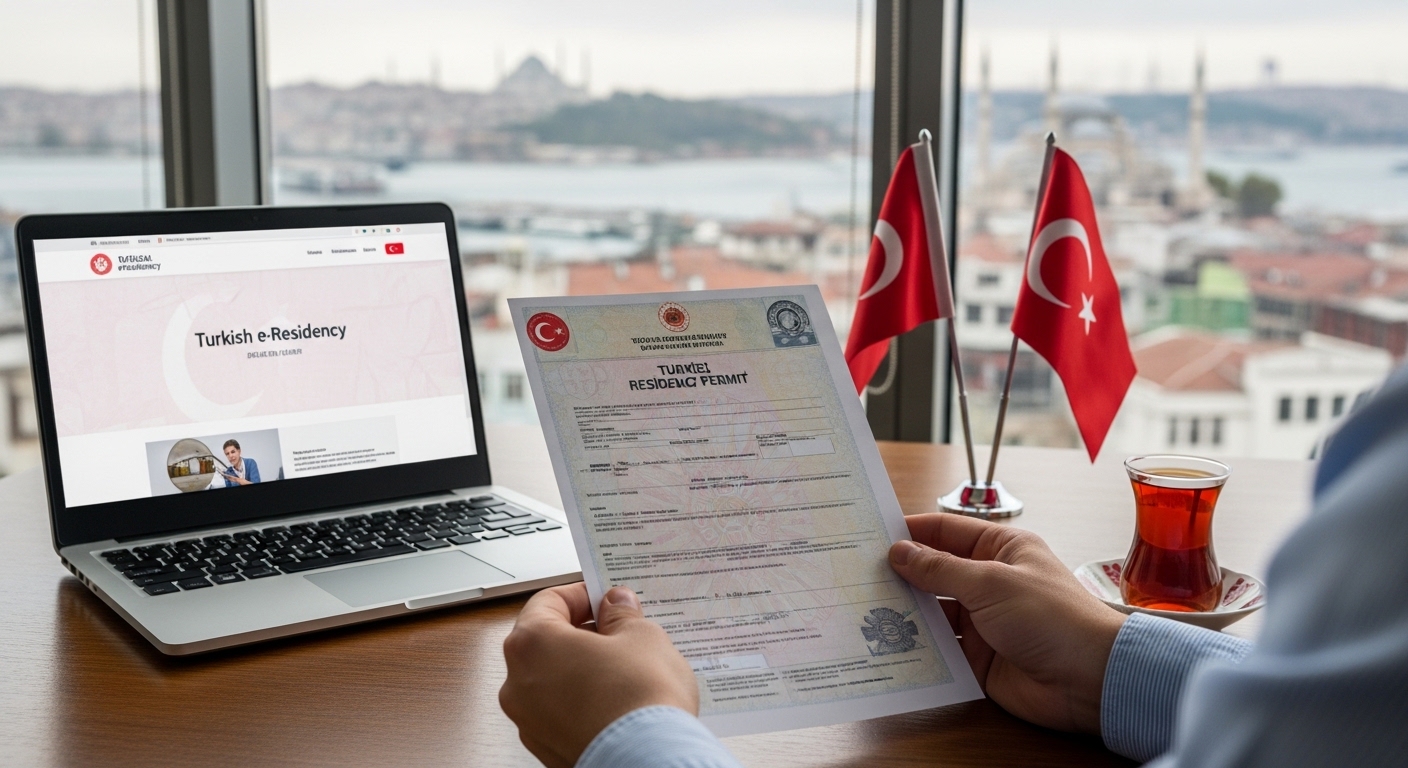
Buying Property in Turkey for Residency: The Complete 2026 Guide
So, you’re thinking about buying property in Turkey for residency. Smart move. Turkey isn’t just a beautiful country bridging Europe and Asia — it’s also one of the most accessible real estate markets in the world for foreigners. Whether you’re looking for a lifestyle upgrade, a second home, or a strategic investment, Turkey offers something rare: affordable property prices combined with a clear legal pathway to residency.
Let’s be honest — many countries make residency complicated. Endless paperwork. High investment thresholds. Strict quotas. Turkey? It’s different. The Turkish real estate residency program allows foreigners to obtain a legal residence permit simply by purchasing property. No complicated point systems. No business creation requirements. Just real estate ownership.
But here’s the thing — while it sounds simple, there are important details you must understand. Minimum value requirements. District restrictions. Title deed procedures. Renewal rules. And of course, knowing where to buy.
In this complete guide, we’ll walk step by step through everything you need to know about buying property in Turkey for residency in 2026. We’ll break down the legal process, costs, timelines, best cities, and even the difference between residency and Turkish citizenship.
By the end, you’ll have a clear roadmap — not just theory, but practical knowledge you can actually use.
Let’s dive in.
Why Turkey Has Become a Global Hub for Property-Based Residency
Have you noticed how Turkey keeps appearing on every “best countries to invest in” list lately? That’s not a coincidence.
Over the past decade, Turkey has strategically positioned itself as a magnet for international real estate investors. Affordable prices compared to Europe. A strong rental market. Modern infrastructure. And perhaps most importantly — investor-friendly laws.
Unlike many EU countries where property investments for residency can cost €250,000 to €500,000 or more, Turkey offers accessible entry points depending on the city and district. For example, when reviewing the broader Apartment Prices in Turkey 2025 – Complete Market Overview, you’ll notice that major cities still offer competitive prices compared to Western Europe.
But affordability alone isn’t the full story.
Turkey’s geographic location is powerful. You’re within a few hours of Europe, the Middle East, Central Asia, and North Africa. Istanbul alone is a global aviation hub. That matters if you’re planning to live, travel, or even run international business.
Then there’s lifestyle. Mediterranean beaches. Four seasons. Rich culture. World-class healthcare. International schools. Modern shopping centers. And food? Let’s just say once you taste authentic Turkish cuisine, it’s hard to leave.
And here’s the psychological factor many investors don’t talk about: stability through ownership. Owning property gives you tangible security. Unlike renting, you’re building equity. Unlike some financial investments, you’re holding a physical asset.
Residency becomes the bonus — but the real value is in the long-term investment.
Understanding the Turkish Real Estate Residency Program
Before you jump in and buy an apartment, let’s clarify exactly what you’re getting.
What Is a Real Estate Residence Permit?
A real estate residence permit in Turkey is a short-term residence permit granted to foreign nationals who own property in Turkey. The permit allows you to legally reside in the country for a renewable period (usually one year at a time).
It does not automatically give you citizenship. It does not grant voting rights. But it does allow you to:
- Live legally in Turkey
- Open bank accounts
- Enroll children in schools
- Access healthcare
- Apply for tax numbers
- Travel in and out of Turkey freely
Think of it as a renewable legal residency status tied directly to your property ownership.
Many buyers start with residency and later upgrade to citizenship if they meet the higher investment threshold. If you're curious about the citizenship route, you can explore details in the Turkish Citizenship by Real Estate Investment 2025 – Complete Guide.
Who Is Eligible?
Almost all foreign nationals can apply — with very few nationality restrictions. However, the property must:
Be residential (not purely commercial land)
Be located in an open district (some areas have foreign ownership caps)
Be officially registered with a title deed (Tapu)
Another important detail? The property must be suitable for residency. That means it must be legally registered as residential property — not agricultural land or commercial-only zoning.
Simple? Yes. But you must follow the legal framework carefully.
Minimum Property Value Requirements for Residency in 2026
This is where things often get misunderstood.
Unlike the citizenship program (which requires a $400,000 real estate investment), residency through property ownership does not have the same high threshold. However, the property must meet minimum value criteria depending on the city and district regulations.
In major metropolitan cities like Istanbul, Ankara, Antalya, Bursa, and Izmir, the minimum property value requirement for residency applications is generally $200,000 (based on updated government regulations).
Outside major cities, the threshold may be lower, but it's always wise to verify current rules before purchasing.
Here’s the critical distinction:
| Residency | Citizenship |
|---|---|
| Lower investment threshold | $400,000 minimum |
| Renewable annually | One-time qualification |
| Does not grant passport | Grants Turkish passport |
| Must maintain ownership | Must hold for 3 years |
If you want a deeper comparison, reviewing Real Estate Residency vs Turkish Citizenship – The Difference Between Them can clarify your strategy.
One key legal note: the property value is determined by official appraisal, not just what you pay. That’s why understanding Real Estate Appraisal in Turkey – Full Guide 2025 is essential.
Because here’s the truth — buying below the required threshold can delay or invalidate your residency application.
And nobody wants that surprise after signing a contract.
Step-by-Step Process of Buying Property in Turkey for Residency
So, how does this actually work in real life? Let’s break it down in simple terms. No legal jargon. No confusion. Just the practical path from “I want to buy” to “I have my residency card.”
Buying property in Turkey for residency follows three main stages:
- Choosing the right property
- Completing the legal purchase (Tapu transfer)
- Applying for the residence permit
- Sounds straightforward, right? It is — if you follow the correct order.
First, you select a property that meets residency requirements. This means checking the district eligibility (some areas have foreign ownership limits), verifying that the property is residential, and ensuring its official value meets the required threshold.
Next comes the title deed transfer — known locally as the Tapu. This is where ownership legally transfers to your name at the Land Registry Office. Payment must go through a Turkish bank, and in many cases, a foreign exchange purchase certificate (DAB) is required. If you’re unfamiliar with this, you can explore the detailed explanation in the Foreign Exchange Purchase Certificate Turkey (DAB) Guide.
After receiving your Tapu, you immediately become eligible to apply for a short-term residence permit as a property owner.
Then comes the online application through Turkey’s immigration portal. You book an appointment, submit documents, attend the interview, and wait for approval. Once approved, your residence card is delivered to your address.
Most buyers complete the entire process within 4 to 8 weeks, depending on city workload.
Simple in theory — but details matter. Miss one document, and you may face delays. That’s why working with experienced professionals makes a difference.
Best Cities in Turkey for Residency Through Property Investment
Turkey is large and diverse. Where you buy matters — both for lifestyle and investment growth.
Let’s look at the top cities foreigners choose for property-based residency.
Istanbul
Istanbul is the undisputed king of Turkish real estate. It’s the economic capital, home to 16+ million people, and a city that never slows down.
If you want strong rental income, capital appreciation, and international demand — Istanbul delivers. Property values vary by district, and you can monitor market movements in detail through insights like Apartment Prices in Istanbul 2026 – Smart Investor Guide.
The city offers everything: luxury sea-view projects, central business districts, family-friendly suburbs, and high-rise investment towers.
But choose your district wisely — some neighborhoods are closed to new foreign residency applications.
Antalya
If lifestyle is your priority, Antalya might win your heart. Mediterranean beaches. Relaxed atmosphere. A large expat community.
Property prices here are generally lower than central Istanbul, yet rental demand — especially seasonal — is strong.
Ankara
Turkey’s capital offers stability rather than tourism-driven demand. It’s less volatile and often more affordable. Great for long-term living.
Bursa
Close to Istanbul, but quieter and greener. A rising star for investors seeking value and natural beauty.
Choosing a city depends on your goal. Are you investing for income? Living with family? Planning retirement? Each answer leads you to a different city.
Top Districts in Istanbul for Residency Investment
Now let’s zoom into Istanbul — because this is where most foreign buyers focus.
European Side Hotspots
The European side hosts the majority of new developments.
Some standout districts include:
- Basaksehir – Modern, family-oriented, near medical city and metro expansions.
- Beylikduzu – Affordable entry prices with strong community living.
- Kucukcekmece – Close to the Kanal Istanbul route.
- Zeytinburnu – Sea-view luxury near the city center.
- Maslak – Business hub with premium towers.
Each district offers a different investment profile. For example, comparing luxury waterfront developments? You might explore insights from Comparison of Yedi Mavi, Buyukyali and Pruva 34 – Which Istanbul Project Is Best.
Asian Side Opportunities
The Asian side is calmer, greener, and increasingly popular.
Strong options include:
- Kadikoy – Cultural, vibrant, high rental demand.
- Uskudar – Bosphorus views with historical charm.
- Atasehir – Financial center growth.
- Kartal – Sea-view projects with modern infrastructure.
If rental income is your goal, you may also want to review Best Neighborhoods in Istanbul to Buy an Apartment for Rental Income.
Location isn’t just about today. It’s about where infrastructure is expanding tomorrow.
Property Prices in Turkey: What to Expect in 2026
Let’s talk numbers.
Property prices in Turkey have shown strong appreciation over the past few years. Inflation, currency dynamics, infrastructure projects, and foreign demand all play a role.
In Istanbul, average prices per square meter vary dramatically by district. For detailed breakdowns, reviewing Property Prices in Istanbul per Square Meter 2026 – Smart Investor Guide provides updated data.
Meanwhile, nationwide insights are covered in House Prices in Turkey 2026 in USD by Region.
Generally speaking:
- Central Istanbul luxury projects: Higher premium
- Emerging districts: Mid-range pricing
- Coastal cities: Lifestyle-driven pricing
- Secondary cities: Budget-friendly
The smart investor doesn’t just look at price — they look at growth potential.
Ask yourself: Is metro construction nearby? Is a university opening? Is a hospital planned?
Real estate is like chess — think three moves ahead.
Required Documents for Property-Based Residence Permit
Documentation is where many buyers feel overwhelmed. But once you see the list clearly, it’s manageable.
You typically need:
- Valid passport (translated & notarized)
- Title deed (Tapu)
- Property valuation report
- Turkish tax number
- Health insurance (valid in Turkey)
- Biometric photos
- Proof of address
- Application form
- Payment receipts for government fees
If you’re considering long-term strategy, it’s also helpful to understand broader legal frameworks such as outlined in Required Documents for Turkish Citizenship in 2025 — even if you’re only applying for residency now.
Preparation prevents rejection. Simple rule.
Costs Beyond the Property Price
Buying property isn’t just about the listing price.
Expect additional costs such as:
- Title deed transfer tax (4%)
- Notary & translation fees
- Property appraisal report
- Residence permit fees
- Health insurance
- Annual property tax
- Maintenance fees (if in a complex)
Typically, buyers should budget an extra 6–8% above the property price for all associated expenses.
It’s better to plan realistically than to be surprised later.
How Long Does the Residency Process Take?
Let’s talk about timing — because this is one of the first questions every buyer asks.
“How long until I actually get my residence card?”
The honest answer? It depends on the city, the time of year, and how prepared you are. But in most cases, the full process takes between 4 to 8 weeks from property purchase to receiving your residence permit card.
Here’s how it usually unfolds:
Property Purchase & Title Deed Transfer (1–2 weeks)
Once you finalize your property and transfer ownership (Tapu), you officially qualify to apply. If all documents are ready, this stage moves quickly.
Online Residence Permit Application (Same week as Tapu)
You submit your application through the immigration system and book your appointment.
Immigration Appointment (1–4 weeks waiting time)
Depending on the city, you may get an appointment within days — or you may wait several weeks in busier cities like Istanbul.
Card Approval & Delivery (2–4 weeks)
After your appointment, your application is reviewed. Once approved, your residence card is printed and delivered to your registered address.
During the waiting period, you are legally allowed to remain in Turkey if your application is active.
Think of it like planting a tree. The paperwork is the seed. The approval is the growth phase. And within a couple of months, you’re holding your residence card — your official proof that Turkey is now legally your second home.
Preparation speeds everything up. Missing documents? That’s what causes delays.
Renewing Your Turkish Residence Permit
Residency through property ownership isn’t a one-time approval forever. It’s renewable — and that’s actually a good thing. It keeps the system flexible and accessible.
Most property-based residence permits are issued for one year, though in some cases, longer periods may be granted.
The renewal process is simpler than the first application. Why? Because you already own the property.
You’ll need:
- Updated health insurance
- Proof you still own the property
- Address registration confirmation
- Updated biometric photos
- Renewal application form
- Fee payment receipts
As long as you maintain ownership of the property and the district remains open for foreign residency, renewals are typically straightforward.
Here’s something important to understand: selling your property usually means losing your eligibility for this specific type of residence permit. So if long-term residency is your goal, ownership continuity matters.
Many investors use this period strategically. Some hold the property for several years, then later upgrade to citizenship if their investment strategy evolves.
It’s like having options. Residency keeps the door open.
Common Mistakes Foreign Buyers Should Avoid
Let’s be real for a moment. Buying property abroad is exciting — but excitement sometimes clouds judgment.
Here are the most common mistakes buyers make when purchasing property in Turkey for residency:
1. Buying in a Closed District
Some districts in major cities have reached the foreign ownership cap. If you buy there, you might own the property — but you may not qualify for residency. Always verify district status first.
2. Ignoring Official Valuation
The government-recognized appraisal value determines eligibility — not just the sales price. A gap here can create serious issues.
3. Paying Outside the Banking System
Turkey requires documented foreign currency exchange through Turkish banks. Skipping this can invalidate your residency application.
4. Underestimating Extra Costs
Taxes, fees, insurance — they add up. Budget realistically.
5. Focusing Only on Cheap Prices
A low price doesn’t equal a good investment. Ask yourself:
- Is infrastructure expanding nearby?
- Is rental demand strong?
- Is the developer reputable?
- Think long-term. Real estate isn’t a quick flip game for most buyers. It’s more like planting roots.
- Avoiding these mistakes doesn’t require genius — just awareness and proper guidance.
Residency vs Turkish Citizenship: What’s the Difference?
This is where many buyers get confused.
Residency and citizenship are not the same thing — even though both can come through real estate.
Let’s simplify it.
| Feature | Residency | Citizenship |
|---|---|---|
| Minimum Investment | Around $200,000 (in major cities) | $400,000 |
| Passport | No | Yes |
| Voting Rights | No | Yes |
| Duration | Renewable annually | Permanent |
| Family Inclusion | Yes | Yes |
Residency allows you to legally live in Turkey. Citizenship makes you Turkish — with a passport and full rights.
If you’re exploring the citizenship option, the investment pathway is detailed in Turkish Citizenship Through $500,000 Bank Deposit – Complete Guide 2025 as an alternative route.
So how do you decide?
Ask yourself:
- Do you need a second passport?
- Are you planning to live long-term?
- Is visa-free travel important for you?
- Or is flexible residency enough?
Many investors start with residency to test the waters. Later, they scale up.
It’s not about rushing. It’s about strategy.
Is Buying Property in Turkey for Residency a Good Investment?
Let’s zoom out for a second.
Beyond residency, is this actually a smart financial move?
In many cases — yes.
Turkey’s real estate market has shown strong long-term growth driven by:
- Rapid urbanization
- Mega infrastructure projects
- Strong domestic demand
- Strategic global location
Cities like Istanbul continue expanding with metro lines, financial centers, and large-scale developments. When you review market comparisons such as Real Estate vs Bank Deposit in Turkey 2026 – Complete Investment Comparison, it becomes clear that property often provides both asset appreciation and rental yield.
Rental income in major districts can range between 4% to 8% annually depending on location and property type.
But here’s the deeper value: real estate offers something bank deposits never can — control. You own a physical asset. You can rent it. Live in it. Sell it. Leverage it.
And on top of that, you gain legal residency in a G20 country bridging Europe and Asia.
That combination is powerful.
Is it risk-free? No investment is. But with proper research, location analysis, and legal compliance — buying property in Turkey for residency can be both a lifestyle upgrade and a strategic financial decision.
Conclusion
Buying property in Turkey for residency isn’t just a legal process — it’s a life decision.
It’s about choosing where you want to build your future. Whether that means living in vibrant Istanbul, relaxing on the Mediterranean coast, or investing in a growing district with strong returns, Turkey offers a flexible and accessible pathway.
The process is clear:
- Choose the right property
- Complete the legal purchase
- Apply for residency
- Maintain ownership
- Renew annually
Compared to many countries, Turkey’s system remains relatively straightforward and investor-friendly.
The key is preparation. Understand district rules. Verify valuation. Budget properly. Work strategically.
Because when done correctly, buying property in Turkey for residency isn’t just paperwork — it’s opportunity.
FAQs
Processing times vary but typically range from two to eight weeks.
Yes, you can obtain a residence permit as long as the apartment’s value exceeds $200,000 in major cities (like Istanbul, Ankara, Izmir) or $50,000 in smaller cities, according to the official property appraisal.
Yes, purchasing property in Turkey allows foreigners to apply for a real estate residence permit easily once the required property purchase conditions are met, making the investment safer for foreign investors.







Have Question Or Suggestion ?
Please Share Your Thought, To Make It Real