Hotel for sale in Turkey
Hotel for sale in Turkey is the right decision to start with a solid investment; Deal Real Estate will help you find suitable options for investing in Turkey
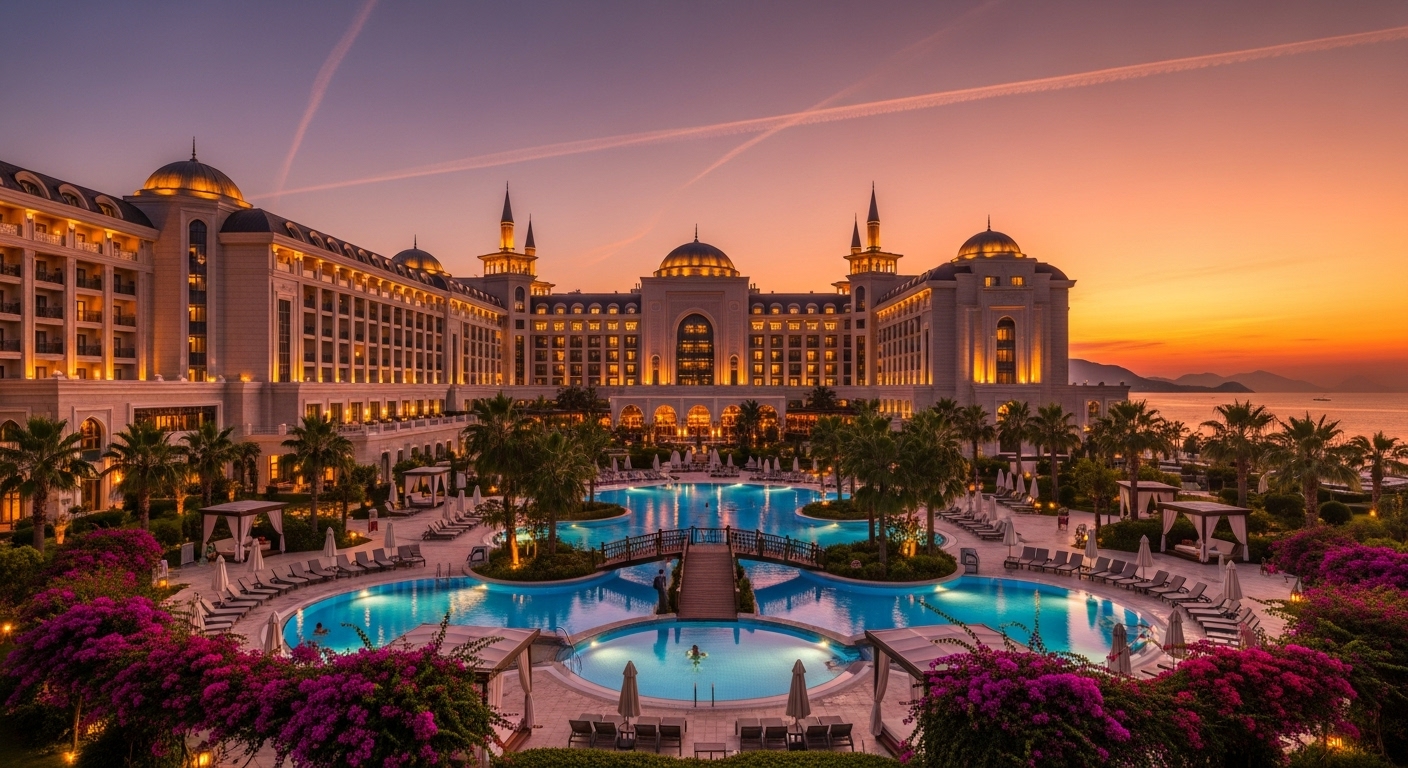
Hotel for Sale in Turkey – Your Gateway to a Profitable Investment in Paradise
Introduction
Imagine waking up every day to turquoise seas, the sound of seagulls, and the scent of freshly brewed Turkish coffee drifting through your hotel lobby. That’s not just a fantasy—it could be your everyday reality if you invest in a hotel in Turkey.
With its rich culture, booming tourism industry, and welcoming investment climate, Turkey offers one of the most attractive opportunities for hotel buyers globally. Whether you're a seasoned investor looking to diversify your portfolio or a newcomer seeking a profitable and lifestyle-enriching venture, owning a hotel in Turkey could be the breakthrough you’ve been waiting for.
The Turkish tourism sector has not just recovered from the global downturn; it’s thriving. Millions of travelers flock to its cities, beaches, and historic landmarks every year. And guess what? All those visitors need a place to stay. That’s where you come in.

The Allure of Turkey for Investors
Turkey isn't just a country—it's a crossroads of civilizations, cultures, and commerce. It bridges Europe and Asia not only geographically but economically, culturally, and politically. For investors, this unique positioning translates into enormous potential—especially in the real estate and hospitality industries.
Let’s start with some numbers: Turkey attracted over 50 million tourists in 2023, and the numbers are expected to keep growing annually. From the ancient streets of Istanbul to the pristine beaches of Antalya, tourists from Europe, the Gulf, Asia, and the Americas come here for sun, history, food, and adventure. What does that mean for you? A constant, reliable flow of hotel guests from all around the world.
Another big plus is Turkey’s government support for foreign investment. Over the last decade, the Turkish government has taken active steps to encourage international investors. You can own property outright as a foreigner, obtain residency or even citizenship through certain investments, and benefit from tax incentives in certain regions or under development projects.
And don’t forget about affordability. Compared to European countries like Spain or Italy, Turkey offers much more competitive property prices and lower operating costs, while still delivering high yields. You get more value for your money—and that value is set to grow as demand increases.
Whether you're interested in a budget hotel in a bustling city or a luxurious resort by the sea, Turkey’s market is wide open. It's not just a place to invest—it's a place to grow, to innovate, and to profit.
Why Buy a Hotel in Turkey?
So, why should you consider buying a hotel in Turkey instead of, say, Spain, Greece, or Thailand? The answer lies in three simple words: profitability, diversity, and opportunity.
Let’s break it down.
First, profitability. Hotels in Turkey—especially those in prime tourist areas—can generate high returns on investment (ROI). Depending on the location, type, and size of the hotel, investors often see returns between 8% to 15% annually. That’s not even counting the potential appreciation of the property’s value over time. Tourism in Turkey isn't seasonal the way it is in many other countries. Thanks to its diverse climates and experiences, Turkey attracts tourists all year round—from beach-goers in the summer to culture seekers and conference attendees in the off-season.
Second, there’s the diversity of tourism. Turkey isn’t a “one-size-fits-all” destination. It offers something for everyone: history buffs, luxury travelers, budget backpackers, wellness tourists, honeymooners, and even adventure seekers. This means you can tailor your hotel to serve a specific niche, or diversify your services to attract a broader market. Want to run a quaint, stone-built boutique hotel in Cappadocia? Or a sleek, all-inclusive beach resort in Bodrum? Maybe a business-style hotel in the heart of Istanbul? The Turkish market allows you to pick your niche—and thrive in it.
Lastly, it’s all about opportunity. The real estate market in Turkey still holds untapped potential, especially in emerging tourist destinations and smaller cities. Prices in certain regions are still incredibly reasonable, allowing for early-stage investments before the market gets saturated. With new airports, highways, and infrastructure projects popping up across the country, these lesser-known areas are becoming increasingly attractive to tourists—and smart investors.
Buying a hotel in Turkey isn’t just purchasing property—it’s buying into a lifestyle, a growing economy, and a vibrant, welcoming culture. And as more travelers flock to this beautiful land each year, the demand for quality accommodations only rises.

Top Cities to Buy a Hotel in Turkey
When it comes to hotel investment in Turkey, location is everything. Each city offers its own unique charm, tourism demographics, and business advantages. Whether you’re aiming for luxury, culture, or beachside relaxation, there's a perfect city for your vision.
Istanbul: The Cultural Capital
Istanbul isn’t just Turkey’s largest city—it’s a global hub. As the only city in the world that spans two continents, Istanbul is rich with history, art, commerce, and opportunity. This is where East meets West, and millions of tourists come to experience it all.
From the bustling Grand Bazaar to the majestic Hagia Sophia, Istanbul is a magnet for both leisure and business travelers. Hotels in central districts like Sultanahmet, Taksim, or Beşiktaş enjoy high occupancy rates year-round. Boutique hotels thrive in the old city, while upscale chains do well near business centers and the airport. The city never sleeps, and neither does your investment.
Antalya: The Heart of the Turkish Riviera
If Istanbul is culture and commerce, then Antalya is sunshine and sea. Known for its Mediterranean beauty, Antalya is the top coastal destination in Turkey, drawing in millions of beach lovers every summer.
This city is perfect for resort-style hotels, especially in areas like Lara, Konyaaltı, and Belek. All-inclusive hotels dominate the market here, but there's also growing demand for boutique resorts and wellness retreats. With year-round mild weather and stunning natural landscapes, Antalya offers both profitability and serenity.
Bodrum: Where Luxury Meets Lifestyle
Bodrum is where Turkey’s jet-set crowd goes to unwind. Think whitewashed villas, upscale marinas, and celebrity-filled beach clubs. It’s a dream for investors looking to create luxury boutique hotels or high-end resorts.
With its European clientele, Bodrum offers premium pricing power. The tourist season may be shorter than Antalya’s, but the per-guest revenue is often much higher. Plus, off-season tourism (events, wellness retreats, weddings) is growing fast.
Cappadocia: A Magical Landscape for Boutique Hotels
Looking for something out of the ordinary? Cappadocia is famous for its fairy-tale landscapes, cave hotels, and hot-air balloon rides. It's not your typical beach destination, but it's one of Turkey’s most Instagrammed locations.
Hotels here tend to be small, charming, and highly experiential. Tourists are looking for an unforgettable stay—think cave rooms, rooftop views, and local touches. Cappadocia is ideal if you're dreaming of building a romantic boutique hotel or an eco-friendly stay that offers something truly unique.
Izmir: The Aegean Gem
Often overshadowed by bigger names, Izmir is one of the most underrated investment locations in Turkey. With a vibrant local culture, stunning coastlines, and proximity to tourist spots like Çeşme and Ephesus, Izmir is quickly gaining traction.
There’s room here for business hotels, urban accommodations, and seaside resorts alike. Thanks to its port, universities, and growing tech scene, Izmir attracts not only tourists but long-term visitors, making it a hybrid opportunity for both short- and mid-term stays.
Each city offers its own flavor, risk profile, and return potential. The best part? You’re not limited to just one. Many investors start in one region and expand as their portfolio grows. Turkey isn’t just a destination—it’s a canvas for your hotel empire.
Types of Hotels Available for Sale
When you're browsing hotels for sale in Turkey, you’ll quickly notice there's a wide range of property types, each catering to different kinds of tourists—and offering various opportunities for investors like you. Whether you’re looking to run a cozy family-owned spot or enter the luxury market, Turkey has the inventory and the demand to support it.
Boutique Hotels
These are often the gems of Turkish hospitality, especially in cultural and historical regions like Istanbul, Cappadocia, and Alacati. Boutique hotels are smaller in size, usually with 10 to 30 rooms, and they focus heavily on unique design, personalized service, and often reflect local culture.
This type of hotel is ideal if you’re going for an experiential offering—a stay that's more than just a room. Tourists who choose boutique hotels want authenticity, charm, and that "wow" factor. These properties often do well with higher price points per night and can generate strong profit margins with lower operational costs. The best part? They're perfect for first-time investors because you can start small and grow organically.
Luxury Resorts
Want to go big? Then luxury resorts in coastal cities like Bodrum, Antalya, and Fethiye might be your calling. These properties typically offer hundreds of rooms, multiple restaurants, spas, pools, entertainment, and even private beaches.
Luxury resorts require a higher initial investment, but they also generate massive revenue, especially during the peak summer season. Turkey's Mediterranean coast is a haven for luxury travelers, especially from Europe and the Middle East, making this a stable and high-return segment—especially when managed well.
Budget Accommodations
Budget hotels are in high demand, especially in major cities like Istanbul and Ankara. These cater to students, backpackers, and short-stay business travelers. With fewer amenities, budget hotels are easier and cheaper to operate, and they tend to enjoy high occupancy rates year-round.
This is a great segment for investors seeking volume over premium pricing. They're often located near transportation hubs, tourist attractions, or universities, ensuring a steady stream of guests.
Coastal vs. City Hotels
Another way to categorize hotel types in Turkey is by location and function.
Coastal hotels cater to seasonal tourists—beach lovers, honeymooners, and families. These hotels make the bulk of their income in the spring and summer months, although some upscale resorts and spas are now extending the season with wellness programs and events.
City hotels, on the other hand, cater to business travelers, conference guests, and urban tourists. These are typically open year-round and offer more stable income streams. Cities like Istanbul, Ankara, and Izmir are especially attractive for these kinds of investments.
Emerging Niches
Turkey’s tourism scene is evolving fast, and with that comes new types of hotel concepts:
- Eco-hotels and sustainable stays
- Wellness and spa retreats
- Digital nomad co-living spaces
- Theme-based boutique hotels
These emerging models are attracting a growing demographic of travelers seeking experiences over just accommodations. By getting in early, you could position yourself as a trendsetter in the Turkish market.
No matter your budget or long-term goal, there’s a hotel type in Turkey that aligns with your vision. The key is to match the property with your business strategy and audience.

Key Features to Look for in a Hotel Investment
So, you've decided to buy a hotel in Turkey—great! But before you sign the dotted line, you need to know what makes a hotel worth investing in. The Turkish real estate and hospitality market can be highly lucrative, but success lies in the details. Whether you’re buying a boutique hotel in Cappadocia or a full-scale resort in Antalya, certain features can make or break your investment.
1. Location, Location, Location
You’ve probably heard it a thousand times, but it’s still the golden rule: location matters most. A beachfront hotel in Bodrum or a centrally located property in Istanbul will always have a competitive edge. But even within those areas, ask:
- Is the hotel close to tourist attractions?
- Is it easy to access by road, airport, or public transport?
- Is there visible signage and street traffic?
The more convenient and visible the location, the more likely tourists are to choose it—and recommend it.
2. Occupancy Rates and Historical Performance
Before you invest, always look at the hotel’s occupancy data over the last 3-5 years. A good deal might look cheap on paper, but if it’s rarely fully booked, you’ll struggle to get ROI. If you're buying an existing operating hotel, ask for:
- Yearly occupancy percentages
- Seasonal revenue trends
- Guest review ratings on platforms like Booking.com and TripAdvisor
This data reveals how well the hotel has performed, which is a strong indicator of what you can expect post-purchase.
3. Seasonal Profitability
Some areas in Turkey are highly seasonal. For example, coastal hotels may see booming business from May to September but slow down significantly in winter. On the other hand, urban or cultural destinations often experience more consistent year-round traffic. Depending on your cash flow needs, you’ll need to decide whether you want a high-profit short season or a steady all-year operation.
4. Renovation and Expansion Potential
Some of the best deals in Turkey come from hotels that need a little TLC. If you're open to renovations, you can buy low, renovate smartly, and sell high (or enjoy higher occupancy at better nightly rates). Look for:
- Solid structural conditions
- Permissions for renovations or expansion
- Opportunities to add features like pools, spas, or rooftop dining
Turkey has strict urban planning rules, especially in historic areas, so be sure to verify what’s legally possible with local authorities.
5. Licenses and Permits
One of the most critical, and often overlooked, features of a hotel investment is its legal compliance. You must ensure the hotel:
- Has an operating license from the Tourism Ministry or local municipality
- Complies with fire, safety, and hygiene regulations
- Has proper zoning and title deed documents
- Is free of legal disputes or unpaid taxes
This is where a local lawyer or real estate advisor becomes your best friend. Don’t assume everything is in order—verify it.
6. Branding and Online Presence
These days, a hotel’s reputation online is its most powerful marketing tool. Before buying, check:
- Does the hotel have a professional website?
- Is it listed on major OTAs (Online Travel Agencies) like Booking.com, Expedia, Airbnb?
- Does it have good reviews?
- Is it active on social media?
If the hotel has a strong digital presence, that’s a huge asset. If not, you’ll need to invest in building one—because today’s traveler almost always books online.
7. Staffing and Management Structure
A well-trained and loyal team is the engine of a successful hotel. If the hotel is currently operational, ask:
How many staff members are there?
What are their roles, salaries, and contracts?
Is there a manager in place?
A strong existing team can make your transition smooth and keep the business running seamlessly after purchase.
In short, buying a hotel in Turkey should be about more than just price or appearance. The underlying performance, legal status, and operational quality are the true pillars of a smart investment. Look beyond the surface, do your homework, and always partner with trusted local professionals.

Legal and Financial Considerations
Let’s be honest: buying a hotel in Turkey isn’t just about finding a charming property with sea views—it’s also about navigating the legal and financial landscape properly. This is where many investors stumble, especially those unfamiliar with Turkey’s business laws or real estate system. But if you take the right steps (and hire the right experts), the process can be smooth, transparent, and highly rewarding.
Can Foreigners Own Property in Turkey?
Yes, and that’s one of the reasons Turkey is so attractive to international investors. Foreigners are allowed to buy hotels and commercial property in Turkey, with only a few restrictions. Properties near military zones or certain strategic areas might be off-limits, but these cases are rare and easily avoidable.
As an investor, you can purchase the hotel in your personal name or through a Turkish-registered company. Many large-scale investors choose the latter for tax and operational benefits.
Due Diligence Is Everything
This is not the part to cut corners. Before you finalize any deal, you need to perform a full legal and financial check on the property and the seller. This includes:
- Verifying the title deed (Tapu) to ensure the property is legally owned and free from liens or debt.
- Confirming the hotel has a valid tourism license and all necessary operational permits.
- Checking that the seller has no outstanding taxes, employee liabilities, or bank loans tied to the hotel.
- Reviewing the environmental and fire safety compliance certificates.
This is where a local, English-speaking lawyer who specializes in real estate is worth their weight in gold. They’ll help you avoid surprises and walk you through the entire process legally.
Understanding the Buying Process
Here’s a simplified version of how it works:
- Find your hotel and agree on a price.
- Sign a preliminary sales agreement and pay a deposit (usually 5–10%).
- Your lawyer performs due diligence on the property and company structure (if you’re buying the hotel as a business).
- If everything checks out, both parties go to the Land Registry Office to complete the sale.
- You pay the remaining amount, and the title deed is transferred to your name (or your company’s name).
- This process can take 2 to 6 weeks, depending on the complexity of the transaction and your readiness.
Taxes and Fees
Yes, there are costs beyond the purchase price, and you need to budget for them upfront:
- Title Deed Transfer Tax: Typically 4% of the declared property value (shared 50/50 between buyer and seller unless otherwise agreed).
- Legal Fees: Around 1–2% of the purchase price.
- Real Estate Agent Commission: Usually 3% from the buyer.
- VAT (KDV): Depending on the property type and status, VAT may be applicable (consult your tax advisor).
- Annual Property Taxes: Paid to the municipality.
There are also tax advantages if you register the property under a company structure—especially if you plan to sell it in the future or own multiple properties.
Should You Set Up a Company?
If you plan to buy multiple hotels, operate at scale, or hire full-time employees, it makes sense to register a Limited Liability Company (Ltd. Şti.) in Turkey. The process is relatively fast (about a week) and gives you advantages like:
- Corporate tax deductions
- Easier employee contracts
- Simpler financial reporting
- Legitimacy in business dealings
- Your lawyer and accountant can help with setup, licensing, and ongoing compliance.
Financial Forecasting & ROI Planning
Don’t go in blind. A thorough financial feasibility study should be done before the purchase, especially for higher-end or fixer-upper hotels. This includes:
- Projected occupancy rates
- Seasonal income breakdown
- Cost of operations (salaries, maintenance, utilities)
- Renovation costs (if applicable)
- Break-even point and return on investment (ROI) timeline
Many Turkish consulting firms and real estate agencies offer hospitality investment analysis services. Use them—they’re worth it.
Currency and Banking Tips
Most hotel transactions in Turkey are conducted in Turkish Lira (TRY) or Euro/USD (based on agreement). However, currency fluctuations can impact your returns. Here’s what smart investors do:
- Open a Turkish bank account to manage local expenses.
- Use hedging strategies or foreign currency accounts to reduce risk.
- Partner with a Turkish accountant who can help with bookkeeping, taxes, and payroll.
Remember, investing in a hotel isn’t just about buying—it’s about building a business, and that starts with legal and financial clarity.
Market Trends and Future Projections
Understanding current market dynamics isn’t just a bonus—it’s essential for anyone planning to buy a hotel in Turkey. The tourism and hospitality sectors are experiencing powerful shifts that directly affect investment decisions. So, what’s happening now, and where is the market heading?
Post-Pandemic Boom in Tourism
The last few years have been a rollercoaster for global tourism, but Turkey has made a remarkable recovery. In 2023, the country welcomed over 50 million international visitors, nearly matching pre-pandemic levels. By 2025, experts predict that figure will exceed 60 million tourists annually.
- What’s fueling this growth?
- Turkey's affordable luxury appeal compared to other Mediterranean destinations.
- Aggressive tourism campaigns by the Turkish government.
- The rise of health, wellness, and medical tourism.
- Turkey’s role as a transit hub connecting Europe, Asia, and the Middle East.
This rebound is translating into higher occupancy rates, increased nightly rates, and a stronger demand for quality hotels—especially in coastal regions and cultural hubs.
Growing Popularity of Sustainable and Eco-Friendly Stays
One of the hottest trends shaping Turkey’s hospitality market is the shift toward sustainable travel. Tourists—especially from Europe and North America—are becoming more eco-conscious. They want hotels that:
- Use solar energy
- Offer locally sourced food
- Reduce single-use plastics
- Support local artisans and communities
Investors who tap into this movement with eco-hotels, boutique stays, or glamping resorts will be positioned ahead of the curve. Areas like Cappadocia, Kaş, and Datça are already seeing increased demand for environmentally friendly accommodations.
The Rise of Remote Work and Digital Nomads
Turkey has become a surprising favorite among digital nomads, thanks to its:
- Low cost of living
- Beautiful landscapes
- Strong internet connectivity
- Vibrant expat communities in cities like Istanbul, Antalya, and Izmir
Smart hotel owners are pivoting to attract these long-term guests by offering co-working spaces, high-speed Wi-Fi, flexible pricing, and community events. If you're planning to invest, consider multi-use properties that can serve both tourists and digital workers.
Medical and Wellness Tourism Boom
Turkey has emerged as a global leader in medical tourism, offering services like:
- Hair transplants
- Cosmetic surgeries
- Dental work
- Spa and wellness treatments
Many travelers book extended stays to recover from procedures. This trend is fueling the demand for hotels that offer comfort, privacy, and premium amenities. If you position your hotel near medical districts or partner with clinics, you can secure a steady stream of guests year-round.
Short-Term Rentals vs. Traditional Hotels
The rise of platforms like Airbnb has changed the hospitality game everywhere—and Turkey is no exception. While short-term rentals dominate urban centers, many tourists still prefer traditional hotels for their service, security, and amenities.
In response, hotels are adapting with:
- Self-check-in systems
- Personalized concierge apps
- Hybrid models (rooms + serviced apartments)
- Themed rooms and unique experiences
If you plan to run your hotel hands-on, embracing tech-savvy guest experiences can give you a serious edge.
High ROI Areas Still Exist
The good news? Turkey is still full of undervalued regions where hotel prices are reasonable, but tourism demand is growing fast. Examples include:
- Trabzon and Rize in the Black Sea region (popular with Gulf tourists)
- Gaziantep and Şanlıurfa for cultural tourism
- Mersin and Amasra—up-and-coming coastal towns
These “hidden gem” areas offer lower entry costs, less competition, and the chance to build a standout brand.
Future-Proofing Your Investment
To stay ahead in the ever-evolving Turkish hospitality scene, future investors should focus on:
- Diversifying revenue streams: Think restaurants, events, tours, and spas.
- Adopting green technologies: Solar power, waste management, water recycling.
- Building strong digital presence: Reviews, SEO, Instagram, Google Maps optimization.
- Staff training: Multilingual staff and service excellence go a long way.
The market is moving fast, but those who adapt and evolve with it will not just survive—they’ll thrive.
Step-by-Step Guide to Buying a Hotel in Turkey
Buying a hotel in Turkey is a life-changing decision—one that blends business with lifestyle, and profit with passion. But it’s not something to dive into blindly. Let’s walk through a clear, step-by-step roadmap that shows you exactly how to navigate this process the right way. Whether you're a first-time investor or already own properties elsewhere, this guide will help you make smart, confident moves.
1. Do Your Market Research
Before anything else, you need to understand what kind of hotel you want, where you want it, and who your target guests will be. Start by asking yourself:
Are you aiming for a luxury experience, a boutique escape, or a budget-friendly hotel?
Do you want to be in a tourist hotspot like Antalya or Istanbul, or somewhere more niche like Kaş or Cappadocia?
Who is your ideal customer—families, couples, digital nomads, wellness seekers?
Use online platforms, speak to local agents, and analyze booking trends on Booking.com, Airbnb, and TripAdvisor to see what works best in different regions.
2. Hire a Trusted Local Agent or Consultant
Turkey’s property market is unique and fast-moving, so working with a local, licensed real estate agent is crucial. They’ll help you:
- Identify real listings that fit your criteria
- Avoid scams or overpriced properties
- Schedule inspections and viewings
- Negotiate with sellers in Turkish
Better yet, find an agency that specializes in commercial and hospitality real estate, not just residential homes.
3. View the Property in Person
Virtual tours are helpful, but nothing replaces an on-site visit. When you're there, check:
- Building condition: Any signs of structural issues or urgent repairs?
- Location: Is it easy to access? Close to attractions? Safe and well-lit at night?
- Surroundings: Are there restaurants, shops, or construction projects nearby?
Also take note of competition in the area—what other hotels are nearby and how are they performing?
4. Perform Legal Due Diligence
This step cannot be skipped or rushed. Your Turkish lawyer will:
- Verify the title deed (Tapu) and ensure the property is free from legal issues
- Check for any outstanding taxes, loans, or liens
- Confirm that the hotel is licensed and meets all zoning and tourism requirements
- Make sure the seller is the rightful owner
If you’re buying a hotel with staff and operations in place, review employee contracts and tax filings too.
5. Negotiate the Price and Terms
Negotiation is expected in Turkey, and your agent or lawyer can help you with this. Once you agree on a price, both parties typically sign a preliminary sales agreement and you’ll pay a deposit of 5–10%.
Make sure the agreement includes:
- A clear payment schedule
- Timeline for closing the deal
- Clauses protecting your deposit in case of legal complications
- Details on what is included (furniture, equipment, licenses)
6. Open a Turkish Bank Account and Transfer Funds
To complete the transaction, you’ll need a Turkish bank account. This is also useful for managing future hotel income and expenses. The account must be in the same name as the buyer (your personal name or company).
You can transfer the remaining funds from your home country to Turkey legally through the banking system. It’s also advisable to get currency conversion advice, as the Turkish lira fluctuates frequently.
7. Finalize the Sale at the Land Registry Office
When all documents are in place, both parties go to the Tapu Office to officially transfer the title deed. This is when you pay the remaining balance, taxes, and fees. Once done, the property is legally yours!
You’ll receive a new title deed in your name, and if applicable, you’ll also get updated licenses for operating the hotel.
8. Begin Operations or Renovations
Once the hotel is yours, you can either:
- Start operations immediately, if the hotel is turnkey-ready
- Or begin renovations, rebranding, and staff recruitment
Many new owners spend the first few months repositioning the hotel—upgrading the décor, revamping the website, launching on social media, or improving services.
9. Market Your Hotel and Start Earning
You’re now ready to welcome guests and start generating revenue! Get your hotel listed on:
- Booking.com
- Airbnb
- Expedia
- Google Hotels
- Instagram and Facebook
Offer promotions for your launch, encourage reviews, and build partnerships with local tour companies. Your first guests will help shape your reputation—so wow them from day one.
Challenges You Might Face – And How to Overcome Them
Let’s get real for a minute: investing in a hotel in Turkey isn’t all sunshine and smooth sailing. While the opportunities are massive, the road to success comes with its fair share of bumps. But here’s the thing—every challenge has a solution, and being prepared is half the battle.
1. Language Barrier
One of the first things foreign investors notice is that not everyone in Turkey speaks fluent English, especially in smaller towns or government offices. This can lead to confusion during negotiations, legal processes, or while managing staff.
How to overcome it:
- Hire a bilingual lawyer and real estate agent—this is non-negotiable.
- Employ a local hotel manager or assistant fluent in both Turkish and English.
- Use translation tools for day-to-day tasks, but don’t rely on them for contracts or legal communication.
- Having the right people around you makes the language barrier almost irrelevant.
2. Bureaucracy and Paperwork
Turkey is known for its bureaucratic systems. Getting permits, renewing licenses, and registering your business can take time and patience. Some government offices may have slow processes or inconsistent requirements depending on the region.
How to overcome it:
- Work with experienced consultants and local professionals who know how to navigate the system.
- Always double-check that your property has the correct zoning, tourism licenses, and tax documentation before buying.
- Set aside extra time in your timeline to accommodate for possible delays.
- Bureaucracy can be frustrating, but it’s manageable with proper planning and the right support.
3. Cultural Differences in Business
Business in Turkey is highly relationship-based. Negotiations may take longer than you're used to, and deals are often influenced by personal trust rather than just financials. If you approach negotiations too aggressively or rush the process, it could backfire.
How to overcome it:
- Be patient and invest time in building rapport and trust with sellers and partners.
- Always work with local experts who can guide you through cultural norms.
- Attend local hospitality expos or networking events to meet potential collaborators and learn the market rhythm.
- When in Turkey, doing business the Turkish way gets better results.
4. Economic Fluctuations and Currency Risks
Turkey's economy has seen fluctuations in recent years, especially in the value of the Turkish Lira (TRY). This can impact your profitability if you’re converting profits back into foreign currency or dealing with inflation-related costs.
How to overcome it:
- Consider pricing your hotel services in Euros or Dollars, especially if your clientele is international.
- Keep some of your reserves in foreign currency bank accounts.
- Hire a financial advisor or accountant who can guide you on hedging strategies and managing cash flow.
- With smart planning, you can actually leverage currency differences to your advantage.
5. Finding and Retaining Quality Staff
The hospitality industry everywhere struggles with staff turnover, and Turkey is no exception. In some tourist areas, it’s seasonal staff who often move from job to job, which can affect consistency.
How to overcome it:
- Offer competitive wages and incentives for good performance.
- Create a strong company culture where staff feel valued and supported.
- Provide training and development opportunities, especially in customer service and language skills.
- Partner with local tourism or hospitality schools for fresh, motivated interns and junior staff.
- Your team can be your biggest strength—or your weakest link. Invest in them wisely.
6. Competition in Tourist Hotspots
In places like Antalya, Istanbul, or Bodrum, the hotel scene is competitive. There are thousands of properties vying for attention. Without a strong Unique Selling Proposition (USP), your hotel could blend into the background.
How to overcome it:
- Focus on a niche or theme—eco, digital nomads, family-friendly, spa & wellness, historical, etc.
- Deliver exceptional service that generates 5-star reviews.
- Use visual storytelling and branding to stand out online.
- Invest in a powerful online booking system and social media marketing strategy.
If you define your market and serve it better than anyone else, competition becomes irrelevant.
Success Stories of Foreign Investors in Turkey
It’s easy to feel hesitant when entering a new market—but nothing inspires confidence like real-life success stories. Many foreign investors have taken the leap and built thriving hotel businesses in Turkey. These stories aren't just motivational—they reveal practical insights into what works, what to avoid, and how to maximize your opportunity.
Case Study #1: Markus from Germany – Turning a Boutique Hotel into a Landmark in Cappadocia
Markus, a retired marketing executive from Munich, had always dreamed of running a boutique hotel. After visiting Turkey several times, he fell in love with Cappadocia—its surreal landscapes, rich history, and endless Instagram appeal. He bought an old stone house in Göreme and spent a year renovating it into a 12-room boutique cave hotel.
Challenges he faced:
Dealing with renovation permits in a heritage site
Hiring bilingual staff willing to relocate
Building an online presence from scratch
What made it successful:
He added hot-air balloon packages to the booking experience
Used his marketing background to create stunning branding and a strong Instagram page
Partnered with local guides and vendors for authentic experiences
Today, his hotel has a 90% occupancy rate during high season and ranks in the top 10 boutique hotels in the region on TripAdvisor. He's even expanded with a wine-tasting lounge and terrace cafe.
Case Study #2: Amal from the UAE – Luxury Redefined in Bodrum
Amal, a young entrepreneur from Dubai, was looking to expand her hospitality brand. After scouting several locations in Europe, she found Bodrum to offer the perfect mix of Mediterranean beauty and affordable land prices. She acquired a sea-view resort hotel with 30 rooms and transformed it into a luxury wellness and spa retreat catering to Gulf tourists.
Challenges she faced:
Adapting the hotel to meet Halal tourism standards
Training staff in Arabic hospitality expectations
Managing currency exchange risks during renovations
What made it successful:
Created a Halal-certified luxury experience with private pools, female-only spa areas, and gourmet Middle Eastern cuisine
Focused marketing on Instagram and GCC travel platforms
Leveraged seasonal wellness packages, yoga retreats, and couples' getaways
Amal now enjoys a loyal customer base from Saudi Arabia, Qatar, and Kuwait. She’s booked months in advance during the summer and has become a reference for luxury Islamic tourism in Turkey.
Case Study #3: Daniel & Chloe from the UK – Urban Escape in Izmir
This couple from London decided to ditch the 9-to-5 life and invest in something that would give them more freedom. They bought a mid-size hotel in central Izmir, close to the seafront promenade. They wanted to offer something that felt like home but better—perfect for digital nomads and young travelers.
Challenges they faced:
- Learning the local business laws
- Adapting to Turkish service expectations
- Competing with short-term rentals
What made it successful:
- Offered weekly and monthly rates with co-working spaces and fast Wi-Fi
- Organized social nights, walking tours, and language exchange events
- Built a loyal online community through their blog and YouTube channel
They now host repeat visitors every year and have opened a second property on the Aegean coast.
Lessons Learned from These Stories
- Personalization wins: Guests want experiences, not just rooms.
- Local partnerships matter: From tour guides to food suppliers, local collaboration enhances authenticity and efficiency.
- Niche focus beats broad appeal: Whether it’s Halal tourism, wellness, or digital nomads, serving a specific group creates loyalty and visibility.
- Marketing is king: Beautiful visuals, good reviews, and smart social media strategy go a long way.
These stories prove one thing: you don’t have to be a hotelier to succeed—you just need vision, passion, and the right support team.
How to Market Your Hotel to Maximize Bookings
Now that you’ve got your hotel in Turkey, the real work begins—filling those rooms. It doesn’t matter if your hotel is nestled in Cappadocia’s magical valleys or perched above the turquoise waters of Bodrum; if people don’t know about it, they won’t book it. The good news? With the right strategies, you can attract guests from all over the world—even on a modest marketing budget.
Here’s how you can market your hotel like a pro and keep bookings flowing all year round.
1. Build a Strong Online Presence
Today’s travelers do everything online—research, booking, reviews, and even payments. That means your digital presence is your hotel’s front door.
Website: Invest in a professional, mobile-friendly website that includes:
- Stunning visuals of your rooms and amenities
- Clear call-to-action buttons ("Book Now", "Contact Us")
- Live chat or WhatsApp integration
- Booking engine or link to your reservation platforms
SEO (Search Engine Optimization): Optimize your website content with keywords like “boutique hotel in Antalya” or “eco resort in Cappadocia” to attract organic traffic from Google.
Blogging: Start a blog to talk about local events, attractions, travel tips—this builds trust and drives more traffic.
2. Leverage Online Travel Agencies (OTAs)
Don’t underestimate the power of Booking.com, Expedia, Agoda, Airbnb, and Google Hotels. These platforms dominate the hotel booking world, especially for international travelers.
- Create eye-catching listings with high-resolution photos and detailed descriptions.
- Keep your availability calendar updated.
- Offer flexible cancellation policies—it increases bookings.
- Encourage guests to leave reviews; a 9+ rating can make or break your success.
Even if OTAs take a commission, the visibility they give you is worth it, especially when you’re just starting.
3. Embrace Social Media Marketing
Social media isn’t just for fun—it’s a powerful, free marketing machine for hotels. Platforms like Instagram, Facebook, and TikTok are perfect for showcasing your unique features.
- Post regularly with behind-the-scenes content, guest experiences, local tips, and promotions.
- Use relevant hashtags like #TravelTurkey, #BodrumViews, #CappadociaHotels.
- Run contests and giveaways to grow followers and engagement.
- Collaborate with micro-influencers or travel bloggers to get authentic exposure.
Instagram, in particular, is a goldmine if your hotel has great visuals—views, pools, architecture, or food.
4. Offer Direct Booking Incentives
While OTAs are great, you’ll make more money through direct bookings (no commission). So, make it worth guests’ while:
Offer discounts or freebies (like airport pickup or free breakfast) if they book directly through your site.
Use pop-ups or exit-intent offers to capture website visitors.
Collect emails and build a mailing list for future promotions and loyalty campaigns.
You want your website to become the main hub for loyal customers.
5. Work with Local Tour Operators and Agencies
Tourists often book packages—flights, tours, and hotels. By partnering with local agencies, you can get featured in those deals.
Reach out to travel agencies that operate in your city or region.
Offer commission or fixed rates for bulk bookings.
Provide all-inclusive packages (rooms + tours + meals) to make the traveler's life easier.
Also, consider listing your hotel on regional tourism boards and directories for extra visibility.
6. Use Guest Reviews as a Sales Tool
- Nothing builds trust faster than real guest testimonials. After each stay, ask your guests to leave a review—and make it super easy for them to do it.
- Send a follow-up email with links to review sites.
- Politely ask during check-out or in-room materials.
- Showcase top reviews on your website and social media.
Good reviews boost your search rankings and conversion rates. Respond to all reviews—good or bad—professionally and with appreciation.
7. Utilize Email Marketing
- Email isn’t dead—it’s a highly profitable marketing channel when used right.
- Send monthly newsletters with special offers, travel guides, or updates.
- Offer exclusive discounts to your subscribers.
- Remind past guests to return during a new season or holiday.
- Email builds a loyal base of repeat customers, which is one of the most cost-effective ways to grow your revenue.
8. Monitor, Measure, and Adapt
You can’t improve what you don’t track. Use tools like:
- Google Analytics for website performance
- Facebook Insights and Instagram Analytics for engagement
- Booking channel dashboards to monitor conversion rates and occupancy
Regularly assess what’s working and double down on it. Drop what isn’t. Marketing is a game of testing and tweaking.
Boosting Profitability Year-Round
Let’s talk money—because at the end of the day, a hotel is not just a beautiful place to host guests. It’s a business. And like any business, your goal is to maximize revenue while managing costs. But in tourism, especially in countries with seasonal flows like Turkey, making money consistently can be a challenge. So how do smart hoteliers turn a seasonal property into a year-round income generator?
Here are powerful, actionable strategies to boost profitability beyond the peak season.
1. Diversify Your Revenue Streams
Don’t rely solely on room bookings. Your hotel can offer multiple services that not only enhance guest experience but also increase income:
- Spa and wellness services: Massages, hammams, yoga classes, detox programs
- Restaurant and café: Open to both guests and walk-in visitors
- Tours and excursions: Partner with local guides or run your own tours
- Souvenir shops: Sell locally made products, crafts, or branded merchandise
- Transportation services: Airport transfers, car rentals, scooter hire
Every guest is a customer, and the more you offer, the more they’ll spend.
2. Host Events and Private Functions
Off-season doesn’t mean empty rooms. Turn your hotel into an event space. Many hotels in Turkey are now generating consistent revenue by hosting:
- Weddings and engagements
- Corporate retreats and team-building events
- Wellness retreats and detox weekends
- Workshops and training programs
- Photo shoots and influencer stays
If your property has scenic views, a garden, or a large indoor hall, you're already halfway there. Market your venue to event planners, wedding agencies, and corporate HR departments.
3. Embrace Seasonal Promotions
When tourism slows down, create irresistible offers:
- Winter Getaway Packages: Offer cozy indoor experiences like spa treatments, wine tastings, or cooking classes.
- Mid-week Discounts: Fill empty rooms during low-demand weekdays.
- Loyalty Discounts: Invite returning guests with exclusive pricing.
- Early Bird Specials: Encourage bookings for next season by offering reduced rates in advance.
Use your email list and social media channels to promote these deals.
4. Attract Digital Nomads and Remote Workers
Turkey is increasingly popular among remote workers, especially cities like Istanbul, Izmir, and Antalya. They look for:
- Reliable, high-speed Wi-Fi
- Quiet workspaces or coworking areas
- Long-stay rates
- Laundry and kitchen access
- Community events and networking opportunities
Convert a few rooms or a common area into a coworking space, offer discounted monthly rates, and you’ll attract digital nomads who stay for weeks or even months.
5. Offer All-Inclusive or Themed Packages
Travelers love packages that simplify planning and offer value. Consider:
- Romantic packages (candlelit dinner, couple’s spa treatment, rose petals in the room)
- Adventure packages (hot air balloon ride, paragliding, scuba diving)
- Wellness packages (yoga classes, healthy meals, massage sessions)
- Cultural packages (Turkish cooking class, guided heritage tours, local market visits)
These add-ons increase the average booking value and help you stand out.
6. Collaborate with Local Businesses
Create win-win situations with:
- Restaurants: Offer dining discounts to your guests or invite chefs to host pop-up nights.
- Artisans and workshops: Set up on-site demonstrations or classes (pottery, carpet weaving, Turkish coffee brewing).
- Transport companies: Offer private shuttles or guided tours.
These collaborations boost your value proposition without increasing your operating costs.
7. Optimize Operating Costs
Profitability isn’t just about making more—it’s also about spending smart. Evaluate your costs during low seasons:
- Staffing: Use flexible contracts or part-time workers where possible
- Energy: Invest in solar panels, energy-efficient lighting, and smart thermostats
- Supplies: Order in bulk and build relationships with cost-effective local suppliers
Use automated systems for check-ins, bookings, and communication to reduce staffing costs and errors.
8. Focus on Reviews and Repeat Guests
Guests who love their stay come back—and they tell others. Create unforgettable moments, encourage guests to leave glowing reviews, and offer return discounts.
Build a loyalty program where repeat guests get:
- Room upgrades
- Free night after multiple stays
- Early check-in or late check-out
- Personalized welcome gifts
Happy guests are your best marketing tool and cheapest customer acquisition strategy.
What Makes a Hotel Stand Out in Turkey’s Market
With thousands of hotels across Turkey, especially in tourist magnets like Istanbul, Antalya, and Bodrum, standing out is no longer optional—it’s essential. The average traveler today scrolls through dozens of listings before booking. So, how do you make your hotel the one they stop at, click, and reserve?
Here’s what actually matters to guests—and how you can turn those factors into your competitive edge.
1. Unique Architecture or Theme
Let’s face it: most hotel rooms look the same. But the ones that stand out—the ones that get booked and shared on Instagram—have a story. Whether it’s a restored Ottoman mansion, a cave hotel carved into volcanic rock, or a modern minimalist escape with floor-to-ceiling sea views, architecture is a visual hook.
Tips:
- Embrace the local character—Turkish stonework, wooden beams, mosaic tiles.
- Add signature elements like rooftop terraces, hammams, or traditional courtyards.
- Use lighting, textures, and art to create mood and memory.
- You’re not just selling a room—you’re selling a vibe.
2. Personalized, Exceptional Service
In Turkey, hospitality is sacred. A warm smile, a glass of çay on arrival, a personalized note in the room—these little things turn a guest into a fan. Hotels that go the extra mile win the reviews, the loyalty, and the referrals.
Here’s how to make service your secret weapon:
- Train staff to remember names, preferences, and special occasions.
- Offer local tips and hidden gems—restaurants, shops, off-the-beaten-path spots.
- Handle problems with speed and kindness—how you react to mistakes matters more than perfection.
- Have multilingual staff or at least clear communication tools for international guests.
- Great service isn’t expensive—it’s intentional.
3. Local Integration and Experiences
Modern travelers aren’t just looking for a bed—they want a cultural connection. Hotels that offer authentic experiences are more likely to stand out, get booked, and remembered.
Ideas to implement:
- Host Turkish cooking or coffee-making classes
- Organize guided bazaar or market tours
- Offer on-site Turkish breakfast made with local, organic ingredients
- Decorate rooms with handcrafted Turkish textiles or ceramics
- Sell or display local artisan products in the lobby
- When guests can feel the place through your hotel, you become more than accommodation—you become part of their travel story.
4. A Strong Digital Footprint
Having a hotel in paradise means little if no one knows it exists. The most successful hotels in Turkey have mastered the art of online visibility.
Key must-haves:
- A beautiful, functional website with easy direct booking
- High-resolution images and videos (especially drone shots if you have great views)
- Active Instagram and Facebook accounts with daily content
- Consistent email campaigns with offers and updates
- Positive and recent reviews on all major platforms (TripAdvisor, Google, Booking.com)
- Visual storytelling + guest testimonials = digital magnetism. Travelers book what they can see and trust.
5. Smart Technology and Comfort
Even if you’re running a boutique hotel or historic property, guests still expect modern comforts. Blending charm with convenience is a recipe for repeat business.
Essential upgrades:
- Fast, reliable Wi-Fi throughout the property
- Contactless check-in/out options
- Climate control in rooms (A/C and heating)
- USB ports and universal outlets
- Streaming-friendly TVs or smart assistants
- Comfort is king. Even the most beautiful hotel can be ruined by a bad night’s sleep or no hot water.
6. Niche Targeting
The broader your appeal, the more you blend in. But when you target a specific audience, you become their first choice. Examples:
- Eco-conscious travelers: Focus on sustainability, organic food, zero waste
- Couples and honeymooners: Romantic packages, private pools, spa experiences
- Adventure tourists: Easy access to paragliding, hiking, diving, or balloon rides
- Digital nomads: Fast Wi-Fi, coworking areas, community dinners
- Families: Child-safe amenities, babysitting, play zones
Find your niche. Serve them well. Dominate that segment.
Working with Local Experts to Streamline Your Investment
One of the smartest moves you can make as a foreign investor in Turkey is surrounding yourself with the right local professionals. While going solo might save you a few dollars up front, the potential for costly mistakes is much higher if you don’t have boots on the ground who understand the culture, language, legal system, and real estate landscape.
Here’s a look at the key experts you’ll need on your team—and how they’ll help you turn your hotel investment from a dream into a smooth, successful operation.
1. Real Estate Agents Specializing in Commercial Property
Not all agents are created equal. In Turkey, many agents focus on residential homes or apartments, which isn’t what you want when buying a hotel. You need someone who:
- Understands the tourism and hospitality sector
- Has a network of off-market or discreet hotel listings
- Knows how to value a hotel based on occupancy and potential
- Speaks your language or has bilingual staff
A good commercial real estate agent doesn’t just find properties—they negotiate deals, help with due diligence, and act as your first point of contact in Turkey.
2. Legal Advisors / Real Estate Lawyers
If you hire only one expert, make it a lawyer. Turkey’s real estate laws are favorable to foreigners, but they’re also complex and full of nuances. A qualified lawyer will:
- Verify property ownership and clear title deeds
- Check for any debts, liens, or legal disputes tied to the hotel
- Ensure zoning laws and licenses are in place
- Draft and translate contracts
- Protect your interests in negotiations and payments
- Handle company formation if you choose to buy under a Turkish entity
Tip: Choose a lawyer with experience in hospitality investments, not just real estate in general.
3. Certified Accountants and Financial Advisors
Let’s be honest—managing taxes, salaries, and profit margins in a foreign currency and system can be confusing. That’s where an accountant comes in. A Turkish-certified accountant (Muhasebeci) will help you:
- File your monthly and annual taxes
- Manage payroll, staff insurance, and legal employment requirements
- Structure your business for maximum tax efficiency
- Assist in importing goods, budgeting, and financial planning
They also keep you compliant with Turkish laws—which is critical for avoiding fines or complications.
4. Hospitality Consultants or Hotel Managers
If you’re new to the hotel business, don’t try to figure everything out on your own. A local hospitality consultant can:
- Analyze the property’s current performance
- Recommend improvements in service, pricing, or design
- Help you hire, train, and manage staff
- Develop guest experience strategies and operational systems
- Oversee brand development and marketing rollout
Many hotel owners (especially those living abroad) hire a local manager to run day-to-day operations, while they handle strategy from afar.
5. Builders, Architects, and Interior Designers
Planning a renovation or branding refresh? You’ll need:
- Architects familiar with Turkish tourism standards
- Interior designers who understand modern, local, and cultural aesthetics
- Construction teams with a proven track record (and legal work permits)
Pro tip: Always work with licensed professionals, especially in protected or historical zones like Istanbul’s old city or Cappadocia. Failing to do so can lead to shutdowns or fines.
6. Local Business Networks and Chambers
You don’t need to do it all alone. By joining local organizations like:
- The Turkish Hoteliers Federation (TÜROFED)
- Chambers of Commerce in cities like Antalya or Istanbul
- Expat business groups or real estate investment networks
…you’ll gain access to exclusive insights, trustworthy service providers, and a support system that can help you navigate any bumps in the road.
7. Marketing and Digital Agencies
If you don’t speak Turkish or don’t understand local consumer behavior, promoting your hotel effectively can be tricky. A good digital agency in Turkey can help you:
- Build a multilingual website
- Run targeted ad campaigns on Google and social media
- Set up your hotel on all major OTAs (Booking.com, Airbnb, etc.)
- Manage your reputation and reviews
- Improve your hotel’s SEO and visibility in your target market
- This team can literally make or break your online presence.
Final Thought
Trying to cut costs by skipping professionals might seem tempting—but in Turkey’s unique and complex hotel industry, it’s not worth the risk. Instead, think of local experts as part of your business investment. They don’t just guide you—they accelerate your success, prevent losses, and unlock doors you didn’t know existed.
Work with locals, listen to their advice, and you’ll be amazed at how smoothly things fall into place.
Conclusion
Owning a hotel in Turkey is more than just a smart investment—it’s a lifestyle decision, a business opportunity, and a ticket into one of the world’s most vibrant tourism markets. From the sun-drenched coasts of Antalya to the ancient wonders of Cappadocia, Turkey offers an unmatched blend of beauty, affordability, and profitability.
But it’s not just about finding a property—it’s about finding the right one, understanding the market dynamics, navigating the legal framework, and building a brand that guests love. With the right strategy, the right team, and a clear vision, your hotel can thrive in Turkey’s booming hospitality sector.
So whether you’re looking to retire in style, expand your portfolio, or launch your dream hospitality business—Turkey is calling. Will you answer?
FAQs
1. Can foreigners own hotels in Turkey outright?
Yes, foreigners can legally purchase and own hotels in Turkey. In most areas, you can own the property in your personal name or through a Turkish-registered company. Some restricted military zones may be off-limits, but these are rare.
2. What is the average ROI for hotel investments in Turkey?
Depending on the location, hotel type, and management, investors typically see returns between 8% to 15% annually, not including long-term property appreciation.
3. How do I find verified hotel listings in Turkey?
Work with licensed commercial real estate agents, check listings on Turkish property portals, and always verify ownership and legal status through a local lawyer before making an offer.
4. Do I need a Turkish partner to operate a hotel?
No, it’s not legally required. Foreigners can own 100% of a Turkish company or property. However, hiring local managers or consultants can help navigate cultural and operational challenges.
5. What are the best months for hotel revenue in Turkey?
The high season typically runs from May to October, especially in coastal areas. However, cities like Istanbul and destinations like Cappadocia enjoy year-round tourism, especially from cultural and business travelers.



Have Question Or Suggestion ?
Please Share Your Thought, To Make It Real