All you need to know about Bursa
Discover Bursa’s hidden gems, shocking history, and must-see spots before your trip. Don’t visit unprepared!
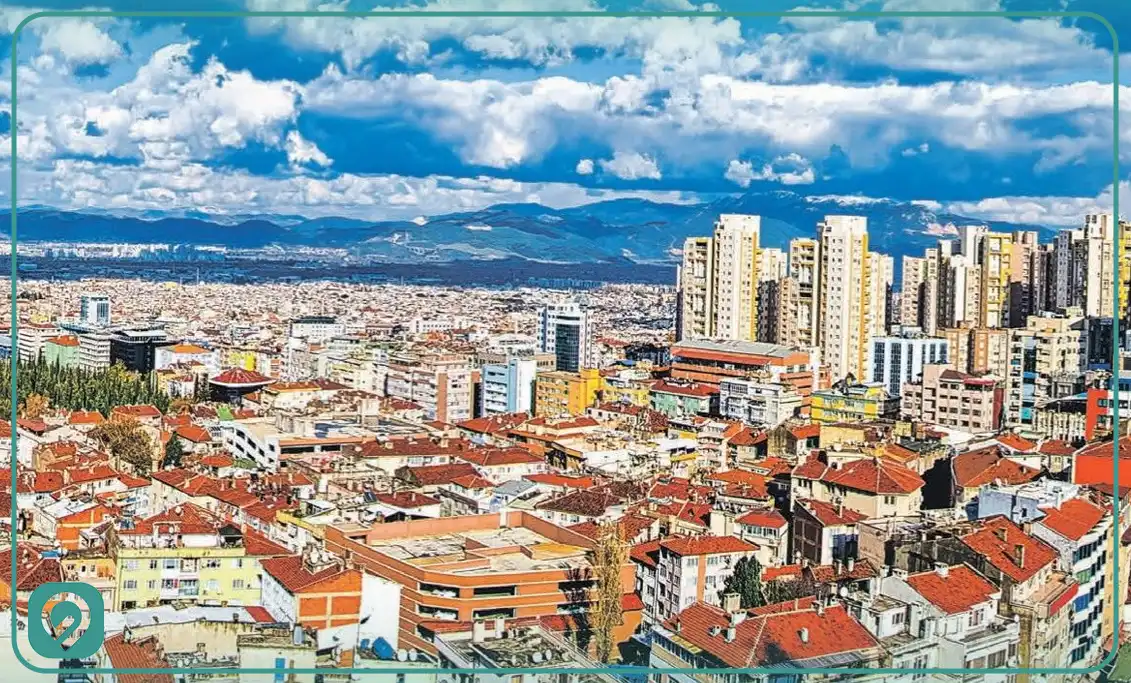
All You Need to Know About Bursa
Introduction to Bursa
Bursa isn’t just another city on the map of Turkey—it’s a place where history quietly blends with modern life, creating a rhythm that feels both grounded and forward-moving. If you’ve ever wondered what it would be like to walk through streets that once hosted Ottoman sultans while sipping tea in a modern café, Bursa gives you that exact experience. Sitting comfortably in northwestern Turkey, this city has evolved from an imperial capital into a thriving urban center without losing its soul.
What makes Bursa stand out is its balance. It’s not as overwhelmingly crowded as Istanbul, yet it carries a similar richness in culture and history. It’s not just a winter destination because of Uludağ Mountain; it’s also a year-round city full of greenery, markets, and cultural depth. The nickname “Green Bursa” isn’t just a poetic phrase—it reflects the parks, forests, and natural landscapes woven into everyday life.
People often underestimate Bursa when planning trips or researching Turkish cities, but that’s where the surprise lies. It quietly delivers more than expected. Whether you're interested in history, food, nature, or even business opportunities, Bursa has something meaningful to offer. It’s the kind of place that doesn’t scream for attention—but once you experience it, it stays with you.
Why Bursa Matters Today
In today’s fast-paced world, cities tend to fall into two extremes: overly commercialized or culturally stagnant. Bursa manages to avoid both. It’s a city that continues to grow economically while preserving its identity, which is no small feat. This balance is one of the main reasons Bursa holds increasing importance both within Turkey and internationally.
Economically, Bursa is a powerhouse. It’s one of Turkey’s leading industrial hubs, especially in the automotive and textile sectors. Major global brands have operations here, making it a significant contributor to the national economy. But what’s fascinating is how this industrial strength coexists with historical preservation. You’ll find centuries-old mosques and bazaars just minutes away from modern factories and business centers.
Socially and culturally, Bursa acts as a bridge. It connects traditional Turkish values with contemporary lifestyles. Families still gather for long dinners, local markets remain vibrant, and yet the city is fully equipped with modern infrastructure, universities, and technology. It’s this duality that makes Bursa relevant—not just as a place to visit, but as a place to live, work, and invest.
From tourism to trade, education to everyday living, Bursa plays a role that’s quietly powerful. It may not always be in the spotlight, but its impact is undeniable.
Historical Significance of Bursa
Bursa’s history isn’t something you just read about—it’s something you feel as you walk through its streets. The city carries layers of time, each one adding depth to its identity. Long before it became a modern Turkish city, Bursa was a crucial center for civilizations that shaped the region.
The real turning point came in the early 14th century when Bursa became the first major capital of the Ottoman Empire. This wasn’t just a political shift; it was the beginning of a cultural and architectural transformation that would influence generations. Many of the structures built during that time still stand today, offering a direct window into the past.
What’s interesting is how well-preserved this history is. Unlike cities where modernization erases older elements, Bursa integrates them. You’ll see ancient tombs, mosques, and markets functioning alongside contemporary life. It’s like the city chose not to forget—and that choice defines its character.
Bursa as the First Ottoman Capital
Being the first capital of the Ottoman Empire gave Bursa a unique role in shaping what the empire would eventually become. It wasn’t just a seat of power—it was a testing ground for administrative systems, cultural norms, and architectural styles that later spread across vast territories.
The early Ottoman rulers invested heavily in Bursa, building mosques, baths, and public spaces that reflected both functionality and artistic expression. These weren’t random constructions; they were carefully designed to create a sense of community and identity. The influence of these early developments can still be seen in other former Ottoman cities.
Walking through Bursa today, you’re essentially walking through the foundation of an empire. The tombs of early sultans are located here, adding a layer of historical gravity that’s hard to ignore. It’s not just about buildings—it’s about legacy.
Cultural Legacy and Architecture
Architecture in Bursa isn’t just about aesthetics—it tells stories. The city is filled with examples of early Ottoman design, characterized by simplicity, balance, and functionality. Mosques like the Ulu Camii stand as masterpieces, not because they’re overly ornate, but because they reflect a refined sense of purpose.
The use of space, light, and symmetry in these structures shows a deep understanding of both spiritual and practical needs. Markets like Koza Han, originally built for the silk trade, still function today, bridging centuries of economic activity.
This cultural continuity is rare. In many places, history becomes a static exhibit. In Bursa, it’s alive and part of everyday life.
Geographic Location and Climate
Bursa’s location plays a huge role in shaping its identity. Nestled between the Sea of Marmara and the towering Uludağ Mountain, the city benefits from both natural beauty and strategic importance. This positioning has historically made it a key hub for trade and travel, connecting different parts of the region.
The climate here is another advantage. Bursa experiences a mix of Mediterranean and continental weather patterns, which means relatively mild winters in the city and snowy conditions in the nearby mountains. This contrast makes it possible to enjoy completely different experiences within a short distance.
The greenery that Bursa is famous for isn’t accidental—it’s a result of consistent rainfall and fertile land. Parks, forests, and gardens are part of daily life, offering a refreshing break from urban density.
Seasonal Highlights in Bursa
Each season in Bursa brings its own charm, making the city a year-round destination. Winter transforms Uludağ into a snowy paradise, attracting skiers and snowboarders from around the world. It’s one of Turkey’s top winter sports destinations, and the infrastructure supports both beginners and experienced athletes.
Spring and summer, on the other hand, highlight Bursa’s “Green” identity. The city blooms—literally. Parks fill with color, outdoor cafés become lively, and the overall atmosphere feels lighter. It’s the perfect time for exploring historical sites without the chill of winter.
Autumn adds another layer, with cooler temperatures and a quieter pace. It’s an ideal season for those who prefer a more relaxed experience, away from peak tourist crowds.
Bursa’s climate doesn’t just support tourism—it enhances daily life. It’s one of those places where the weather actually becomes part of the experience, shaping how people live, work, and connect with their surroundings.

(bursa city map)
The location of the Bursa
The city of Bursa is geographically located in northwestern Turkey, with its view of the coast of the Marmara Sea. Bursa is located for a period estimated at an hour and a half by car from Istanbul. Bursa is ranked fourth in the list of Turkey's most significant cities by area, as the area of this city is estimated to include approximately the limits of eleven thousand square kilometers.
Historically, the city of Bursa was the first city taken as the Ottoman Empire's capital, from the year thousand three hundred six and twenty until the year thousand three hundred and sixty-five AD.
Therefore, many consider Bursa to be the city of intermingling between the past and present. A vivid example with its long-standing historical and archaeological landmarks attesting to the intermingling of Byzantine, Roman, and even Islamic civilizations.
The economy of Bursa, Turkey:
The city of Bursa occupies a prominent position in the world of trade and the exchange of goods and goods. This importance is due to this city's strategic geographical location as the ancient Silk Road passes through it as ranks first in the natural silk industry. In addition, this is due to the widespread cultivation of mulberry trees in abundance.
In the city, it is known that this type of tree is the primary source of nutrition for the silkworm-producing silk.
The history of the silk industry in the city goes back to the days of the Ottoman Empire when the first silk industry was established during its reign.
And the city of Bursa had maintained its essential commercial and economic position throughout history, even after the establishment of the Turkish Republic in the year thousand nine hundred and twenty-three AD when the city of Bursa turned into a vital industrial center that included many industries such as the automobile industry and other critical economic industries. Such as spinning, weaving, steelmaking, steelmaking, and so forth.
The seaports in Bursa contribute to enhancing the critical commercial role they play, in addition to the fact that it includes thirteen industrial zones that support the economy in Turkey and promote its growth and rise in its global rank.
And the rapid growth in the city of Bursa does not only compete with the largest city in Turkey. Still, it extends to a comparison with the major industrial cities around the world, as it has become officially approved by the Turkish government as a center for the manufacture and production of the Turkish electric car production and manufacture, which is supposed to become available. For sale in various markets by the year two thousand and twenty-two AD.

Top Tourist Attractions in Bursa
Bursa isn’t the kind of city where you rush from one landmark to another just to tick boxes. It invites you to slow down, wander, and actually absorb what you’re seeing. The attractions here aren’t just visually appealing—they carry stories, traditions, and a sense of continuity that you can feel. Whether you're drawn to nature, architecture, or local markets, Bursa offers a layered experience that unfolds gradually rather than all at once.
One of the most interesting aspects of tourism in Bursa is how accessible everything feels. You don’t need to travel far to shift from a historical mosque to a lush mountain landscape or a bustling marketplace. This compact diversity makes it easy to explore without feeling overwhelmed. It’s also a city that rewards curiosity. Turn a corner, and you might stumble upon a centuries-old fountain or a quiet courtyard filled with locals sipping tea.
Tourism here isn’t overly commercialized, which adds to its charm. You won’t find the same level of aggressive marketing or crowded tourist traps as in more globally famous cities. Instead, Bursa offers authenticity. It feels lived-in, real, and welcoming in a way that’s hard to manufacture.
Uludağ Mountain
Uludağ isn’t just a mountain—it’s an experience that changes with the seasons, almost like it has multiple personalities. During winter, it becomes Turkey’s premier ski destination, attracting thousands of visitors who come for the snow-covered slopes and crisp mountain air. The infrastructure here is well-developed, with ski resorts, hotels, and equipment rentals that cater to both beginners and seasoned skiers. But even if skiing isn’t your thing, the view alone is worth the trip. Standing at the top and looking down at the vast landscape gives you a sense of scale that photos simply can’t capture.
When the snow melts, Uludağ transforms completely. It becomes a haven for hikers, campers, and nature lovers. Trails wind through forests, leading to hidden spots where you can sit, breathe, and disconnect from the noise of everyday life. It’s the kind of place where time feels slower, almost stretched.
What makes Uludağ particularly special is its proximity to the city. Within a short drive or cable car ride, you can go from urban streets to alpine scenery. That contrast adds a unique dimension to Bursa’s appeal. It’s not just about having a mountain nearby—it’s about how seamlessly it integrates into daily life and tourism.
Grand Mosque (Ulu Camii)
The Ulu Camii isn’t just a religious structure—it’s a centerpiece of Bursa’s identity. Built in the late 14th century, this mosque reflects the early Ottoman architectural style in a way that feels both grand and grounded. Unlike later Ottoman mosques that feature large central domes, Ulu Camii is known for its 20 smaller domes, creating a unique interior space that feels expansive yet intimate.
Walking inside, you immediately notice the calm. The light filters in softly, illuminating intricate calligraphy that covers the walls. These inscriptions aren’t just decorative—they’re meaningful, each one carefully placed to enhance the spiritual atmosphere. Even if you’re not particularly religious, there’s something undeniably peaceful about being there.
The mosque also serves as a social hub. It’s not uncommon to see locals sitting quietly, reflecting, or simply taking a break from the outside world. This dual role—as both a place of worship and a community space—adds to its significance. It’s not frozen in time; it’s actively used and appreciated.
Koza Han and Silk Market
Koza Han feels like stepping into a different era, but without losing the comfort of the present. Originally built in 1491 as a center for the silk trade, it remains one of Bursa’s most iconic commercial spaces. The courtyard, with its central mosque and surrounding shops, creates a setting that feels both historic and lively.
Silk is deeply connected to Bursa’s identity, and Koza Han is where that connection becomes tangible. You can find everything from scarves to fabrics, often made using traditional methods that have been passed down through generations. What makes shopping here unique isn’t just the products—it’s the experience. Vendors are often eager to share stories about their goods, turning a simple purchase into a cultural exchange.
Beyond shopping, Koza Han is a place to pause. The small tea gardens scattered throughout the courtyard invite you to sit, relax, and watch the world go by. It’s a reminder that markets aren’t just about commerce—they’re about connection, conversation, and community.
Bursa’s Rich Culinary Scene
Food in Bursa isn’t just about taste—it’s about heritage, pride, and a deep connection to tradition. The city’s culinary scene reflects its history, influenced by Ottoman cuisine and enriched by local ingredients. Eating here feels less like a routine activity and more like a cultural experience.
What stands out immediately is the emphasis on quality. Ingredients are often fresh, locally sourced, and prepared with care. There’s a sense that recipes aren’t just followed—they’re respected. Many dishes have been passed down through generations, and that continuity adds depth to every bite.
Restaurants in Bursa range from traditional eateries to modern establishments, but even the contemporary ones often draw inspiration from classic flavors. It’s this blend of old and new that keeps the food scene dynamic without losing its roots.
Famous Dishes You Must Try
If there’s one dish that defines Bursa, it’s İskender kebab. Thinly sliced meat served over pieces of bread, topped with tomato sauce, melted butter, and yogurt—it’s simple in concept but incredibly rich in flavor. The balance of textures and tastes makes it unforgettable.
Another standout is kestane şekeri, or candied chestnuts. It might sound unusual at first, but it’s a beloved local specialty. The sweetness is subtle, allowing the natural flavor of the chestnuts to shine through.
You’ll also find a variety of pastries and desserts that reflect Ottoman influences. Syrupy sweets, flaky doughs, and nut-based treats are common, each offering a different take on indulgence. Pair them with Turkish tea or coffee, and you’ve got a combination that’s hard to beat.
Food in Bursa isn’t rushed. Meals are meant to be enjoyed, shared, and savored. It’s as much about the experience as it is about the flavors.
Economic Importance of Bursa
Bursa isn’t just culturally rich—it’s economically powerful. It’s one of Turkey’s leading industrial cities, playing a crucial role in the country’s overall economic landscape. What’s fascinating is how this industrial strength coexists with its historical and cultural identity.
The city has developed into a major manufacturing hub, attracting both local and international investments. Its strategic location, combined with well-developed infrastructure, makes it an ideal base for various industries.
Industrial Growth and Automotive Sector
The automotive industry is the backbone of Bursa’s economy. Major global companies have established production facilities here, turning the city into a key player in the international market. Brands like Renault, Fiat, and Toyota have a significant presence, contributing to both employment and exports.
This industrial growth hasn’t happened overnight. It’s the result of consistent investment, skilled labor, and a supportive business environment. The ripple effect is noticeable—supporting industries, logistics, and services all benefit from this ecosystem.
What’s particularly interesting is how Bursa manages to maintain a balance. Despite its industrialization, it hasn’t lost its cultural identity. Instead, it has evolved into a city where tradition and progress coexist, each enhancing the other rather than competing.

Transportation and Accessibility
Getting around Bursa feels surprisingly easy for a city that blends old-world charm with modern expansion. You might expect narrow, winding streets and confusing routes—and yes, some historic areas do carry that character—but the overall transportation system is far more organized than many first-time visitors assume. Whether you're arriving from another city or simply moving within Bursa, the infrastructure is built to support both locals and travelers without unnecessary friction.
If you're coming from Istanbul, one of the most popular routes is via ferry across the Sea of Marmara, followed by a short drive. This journey isn’t just practical—it’s scenic, offering a refreshing alternative to long highway travel. Buses and private transfers are also widely available, making Bursa accessible from major Turkish cities. Once you arrive, the city’s public transportation network takes over seamlessly.
Bursa’s metro system, known as Bursaray, forms the backbone of urban transit. It connects key districts, making it especially useful for commuters and visitors who want to explore efficiently. The trains are clean, reliable, and relatively easy to navigate even if you don’t speak Turkish fluently. Alongside the metro, buses and minibuses (dolmuş) fill in the gaps, reaching neighborhoods that aren’t directly connected by rail.
What’s interesting is how the city integrates modern transport with its historical layout. You can ride a tram through areas that are centuries old, creating a subtle contrast between past and present. And then there’s the cable car to Uludağ—less a means of transport and more an experience in itself. As you ascend, the city gradually fades into a sea of green, giving you a perspective that’s hard to forget.
Getting Around the City
Once you’re in Bursa, moving around becomes part of the experience rather than a chore. Walking is often underestimated here, but it’s one of the best ways to truly absorb the city. Many of the key attractions are relatively close to each other, especially in central districts. As you walk, you’ll notice details you’d otherwise miss—small shops, local cafés, and quiet corners that don’t appear on typical турист maps.
For longer distances, taxis are readily available and generally affordable compared to many European cities. Ride-hailing apps also operate here, adding another layer of convenience. If you prefer more independence, car rentals are an option, though driving in busier areas can require a bit of patience.
Cycling is slowly gaining popularity, particularly in greener parts of the city. While it’s not yet a dominant mode of transport, dedicated paths are becoming more common. This shift reflects Bursa’s broader effort to modernize while maintaining a high quality of life.
Transportation in Bursa isn’t just functional—it reflects the city’s adaptability. It shows how a place with deep historical roots can still evolve to meet contemporary needs without losing its essence.

Education and Universities in Bursa
Education plays a significant role in shaping Bursa’s modern identity. While the city is often associated with history and industry, its academic landscape adds another important dimension. Universities here attract students from across Turkey and beyond, creating a vibrant, youthful energy that balances the city’s more traditional aspects.
One of the most prominent institutions is Uludağ University, known for its wide range of programs and strong emphasis on research. The campus itself feels like a small city, complete with facilities that support both academic and social life. Students don’t just come here to study—they come to build networks, explore ideas, and experience a different pace of living compared to larger metropolitan areas.
What makes Bursa appealing for students is the balance it offers. It’s more affordable than cities like Istanbul or Ankara, yet it doesn’t lack opportunities. Internships, particularly in industrial sectors, are more accessible due to the presence of major companies. This creates a practical link between education and employment, which is something many students actively seek.
The city also supports a range of private institutions and vocational schools, catering to different educational needs. This diversity ensures that learning isn’t limited to one path—it’s flexible and adaptable.
Beyond formal education, Bursa itself becomes a classroom. Its history, culture, and economic activity provide real-world context that enriches academic learning. Whether you’re studying engineering, business, or the arts, the city offers insights that go beyond textbooks.
Living in Bursa: Lifestyle and Culture
Living in Bursa feels like finding a middle ground that many cities struggle to achieve. It’s not as hectic as Istanbul, yet it’s far from quiet or uneventful. The pace of life here allows you to breathe a little easier without sacrificing access to modern conveniences. This balance is one of the main reasons people choose to settle in Bursa rather than just visit.
Daily life is shaped by a strong sense of community. Neighborhoods feel connected, and local markets still play a central role in everyday routines. You’ll often see people greeting each other, stopping for tea, or engaging in long conversations that don’t seem rushed. This social fabric adds warmth to the city, making it feel more personal and less anonymous.
Culturally, Bursa holds onto its traditions while still embracing change. Festivals, religious celebrations, and local customs remain important, but they coexist with contemporary lifestyles. You might attend a traditional event one day and spend the next in a modern shopping mall or café. This duality creates a dynamic environment that appeals to a wide range of people.
Cost of living is another factor that draws attention. Compared to larger Turkish cities, Bursa offers relatively affordable housing, food, and transportation. This makes it attractive not only for locals but also for expatriates and retirees looking for a comfortable yet cost-effective place to live.
What truly defines life in Bursa, though, is its atmosphere. It’s a city that doesn’t feel like it’s constantly rushing forward, yet it’s not stuck in the past either. It moves at its own pace—steady, grounded, and quietly evolving.
Distance between Bursa and Istanbul – How to go from Istanbul to Bursa
The distance from Istanbul to Bursa by road is approximately 153 Km, according to Google Maps, and four different ways can reach it: private car, taxi, public bus, and ferry.
Bursa is two hours away from Istanbul by private car, and Bursa is two hours away from Istanbul by ferry, or Bursa is two hours away from Istanbul by ferry.
The weather in Bursa
The weather in Bursa tends to be cold most of the time, and the temperature in Bursa in summer is acceptable at around 30 degrees Celsius. However, the temperature in Bursa in winter is an average of 10 degrees Celsius.
Bursa in winter
The temperature in Bursa in winter is cold, as the average temperature in winter in Bursa is 10 degrees Celsius, and the winter months in Bursa are among the rainiest, and the temperature in winter is cold enough to turn rain into the snow; this makes Uludag Mountain suitable place for lovers of winter sports.
Bursa in the summer
The temperature in the city of Bursa in the summer is acceptable at around 30 degrees Celsius, and the humidity in summer does not exceed average rates.
Bursa beaches
Bursa is characterized by the presence of many luxurious beaches to spend the most beautiful times and enjoy the beauty of charming nature, swimming in the seawater. The beaches of Bursa are among the tourist places suitable for practicing water sports such as swimming and surfing.
The fact that Bursa extends on the coast of the Sea of Marmara opposite the city of Istanbul, in addition to the beaches in Bursa possessing stunning landscapes, and one of the essential beaches is what is located in the Mudanya area, north of Bursa on the coast of the Marmara Sea, and is the first station for arrivals from Istanbul through the sea transport station. (Ido and Budo) trans-city shipping companies.
Conclusion
Bursa is one of those places that doesn’t try too hard to impress—and that’s exactly why it does. It offers a rare combination of history, nature, industry, and everyday livability that feels genuine rather than curated. From its role as the first Ottoman capital to its current position as an economic powerhouse, the city carries its legacy with quiet confidence.
What makes Bursa truly stand out is its balance. It doesn’t force you to choose between past and present, work and leisure, or tradition and modernity. Instead, it blends these elements in a way that feels natural. You can spend your morning exploring centuries-old mosques, your afternoon hiking in the mountains, and your evening enjoying a modern dining experience—all within the same city.
For travelers, it’s a destination that rewards curiosity. For residents, it’s a place that offers stability without stagnation. And for anyone trying to understand Turkey beyond its most famous landmarks, Bursa provides a deeper, more nuanced perspective.
Bursa is two hours away from Istanbul by private car, and Bursa is two hours away from Istanbul by ferry, or Bursa is two hours away from Istanbul by ferry. Bursa is two hours away from Istanbul by private car Yes, Bursa is accustomed to foreigners, especially from Gulf countries, and offers a safe and comfortable environment that combines a conservative character with modern life. Services and facilities are well-developed and meet all needs. The biggest advantage is “value for money.” With the same amount you would spend on a small apartment in Istanbul’s suburbs, you can buy a larger apartment in a better location in Bursa, enjoy a higher quality of life, and benefit from lower living costs. Don’t limit your search to one area. Visit Yıldırım, Osmangazi, and even Gemlik. Compare old and new apartments. Most importantly, consult a local real estate expert who understands the dynamics of each neighborhood and can guide you to the best available deals.
Have Question Or Suggestion ?
Please Share Your Thought, To Make It Real