Flats for sale in istanbul european side
Prices are shifting fast—discover where smart investors are buying in Istanbul before it's too late.
Flats for Sale in Istanbul European Side: The Ultimate 2026 Investment Guide
Why Istanbul’s European Side Remains the Top Choice in 2026
Istanbul’s European side continues to dominate conversations around real estate Turkey 2026, and it’s not just hype—it’s backed by numbers, infrastructure, and a kind of cultural gravity that pulls investors from across the globe. If you’ve ever wondered why people consistently search for flats for sale in Istanbul European side, the answer lies in a mix of economic power, modern development, and timeless appeal. This part of the city is where East meets West—not just geographically but economically and socially as well.
Think of the European side as the engine of Istanbul. It hosts the majority of the city’s business districts, international companies, and tourism hotspots. That means constant demand—not just for buying but also for renting. And where there’s demand, there’s opportunity. Investors looking for high ROI real estate Istanbul Europe often find that this side offers more predictable and scalable returns compared to other regions.
Another factor that keeps this area ahead is lifestyle. Whether someone is hunting for luxury apartments in Istanbul 2026 with Bosphorus views or a practical family home near schools and parks, the European side offers unmatched diversity. Add to that world-class hospitals, international schools, shopping malls, and cultural landmarks, and you’ve got a location that sells itself.
There’s also a psychological element at play. Buyers often perceive the European side as more “global” and future-ready. This perception fuels demand, which in turn drives up property values. It’s a cycle that has proven resilient even during economic uncertainty.
So, if you’re thinking about buy property in Istanbul for citizenship or simply want a solid long-term investment, the European side isn’t just an option—it’s often the smartest move on the board.
Economic Significance: The Commercial and Tourism Heart of Turkey
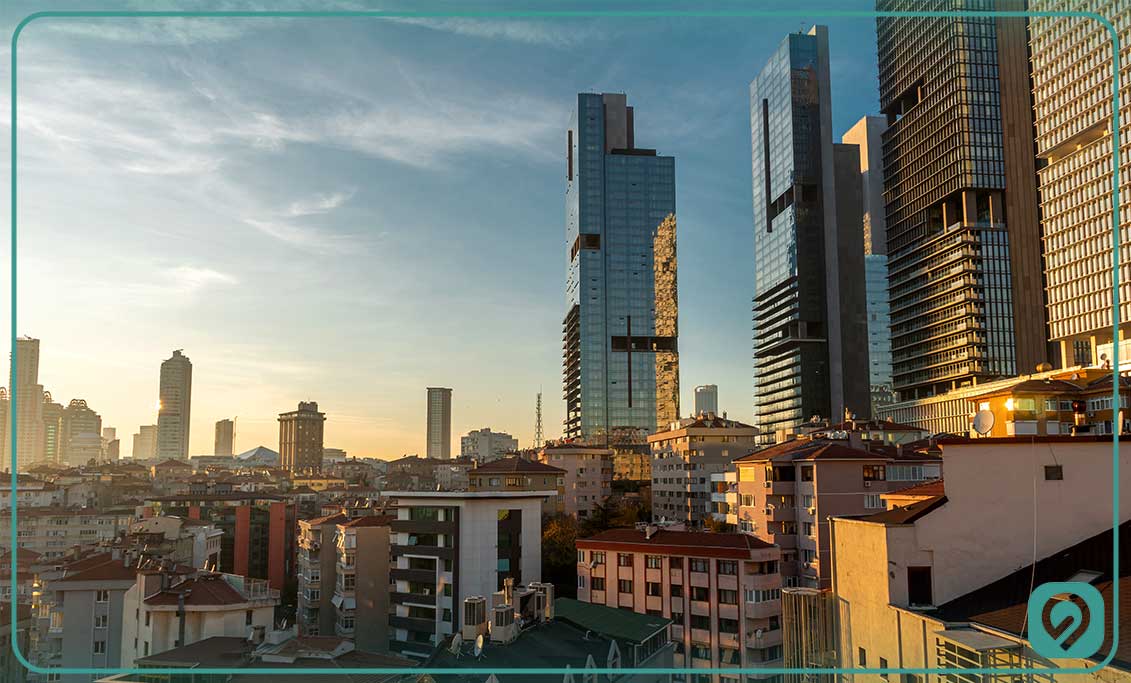
The European side of Istanbul isn’t just another urban zone—it’s the beating heart of Turkey’s economy. Walk through areas like Levent or Maslak, and you’ll immediately notice the skyline filled with glass towers, corporate headquarters, and financial institutions. These aren’t just buildings; they represent a massive concentration of economic activity that directly impacts the Istanbul European side property market.
Tourism adds another layer of strength. Millions of visitors flock to landmarks like Hagia Sophia, the Grand Bazaar, and Galata Tower every year. This constant influx creates a thriving short-term rental market. Investors who purchase property for sale in Istanbul in strategic tourist-friendly zones often benefit from higher rental yields compared to long-term leases.
What makes this even more interesting is how these two forces—business and tourism—work together. Business travelers need short stays, while professionals relocating for work need long-term housing. That dual demand stabilizes the market, making it less volatile than many global cities.
There’s also the role of international investment. Turkey has positioned itself as a bridge between Europe, Asia, and the Middle East, and Istanbul is the centerpiece of that strategy. Foreign buyers are particularly drawn to buy apartment in Turkey opportunities because of competitive pricing compared to cities like London or Dubai.
In simple terms, the European side isn’t just surviving—it’s thriving. And when an area consistently attracts money, people, and attention, real estate tends to follow the same upward trajectory.
Infrastructure Milestones: The Impact of New Metro Lines and the Istanbul Canal
Infrastructure is where things get really exciting. If real estate is a game of timing, then infrastructure projects are the clues that tell you where to invest next. The European side has been undergoing a transformation fueled by ambitious projects like new metro lines and the highly debated Istanbul Canal.
Let’s start with transportation. New metro expansions are shrinking commute times dramatically. Areas that once felt “far” are now just minutes away from central business districts. This has a direct impact on Istanbul apartments price 2026, as improved accessibility tends to push property values upward. Districts like Kağıthane and Başakşehir are prime examples—they’ve evolved from secondary zones into investment hotspots almost overnight.
Then there’s the Istanbul Canal project. While opinions vary, one thing is clear: large-scale infrastructure projects attract attention and capital. Surrounding areas are already seeing increased interest from developers and investors. This means early buyers could benefit from long-term appreciation, especially in emerging neighborhoods.
Airports, highways, and public transit systems are all part of this broader puzzle. Istanbul Airport, one of the largest in the world, sits on the European side and acts as a global gateway. Its presence alone boosts demand for nearby housing, especially for professionals working in aviation, logistics, and tourism.
Infrastructure doesn’t just make life easier—it reshapes real estate dynamics. And in Istanbul’s European side, that reshaping is happening fast.
Market Stability: Real Estate Resilience Amid Global Economic Shifts
Global markets have been anything but stable in recent years, yet Istanbul’s European real estate sector has shown remarkable resilience. While some cities experienced sharp declines, Istanbul real estate investment maintained a relatively steady trajectory, supported by strong domestic demand and consistent foreign interest.
One key reason is affordability. Compared to other major cities, Istanbul still offers relatively lower entry prices. This makes it attractive not only for international investors but also for locals looking to hedge against inflation by investing in property. Real estate becomes a safe haven, and that mindset fuels ongoing demand.
Currency fluctuations also play a role. For foreign buyers, a favorable exchange rate can make flats for sale in Istanbul European side significantly more appealing. This dynamic has led to increased purchases from investors in Europe, the Middle East, and Asia.
Another stabilizing factor is government policy. Programs like buy property in Istanbul for citizenship have created a steady stream of international buyers willing to invest $400,000 or more. This isn’t speculative money—it’s long-term investment capital, which adds stability to the market.
Even during uncertain times, people still need homes. That basic truth underpins the resilience of the real estate sector. And when you combine that with Istanbul’s strategic importance, growing population, and ongoing development, you get a market that doesn’t just survive shocks—it adapts and keeps moving forward.

Top Districts to Buy a Flat in Istanbul European Side
Choosing the right district is where strategy meets intuition. You could buy the most beautiful apartment in the city, but if it’s in the wrong area, your returns might fall flat. On the flip side, a well-located property—even a modest one—can outperform expectations in terms of appreciation and rental income. That’s why understanding the best areas for investment in Istanbul Europe is absolutely essential in 2026.
The European side isn’t a one-size-fits-all market. It’s more like a mosaic, with each district offering a different lifestyle, price point, and investment profile. Some areas scream luxury, with penthouses overlooking the Bosphorus and price tags to match. Others are rapidly developing zones where early investors are quietly building serious equity. Then you’ve got family-friendly suburbs that prioritize space, greenery, and community living—ideal for long-term stability.
What’s fascinating is how these districts often evolve. A neighborhood that was considered “up-and-coming” five years ago might now be a fully established investment hub. This constant transformation is what keeps the Istanbul European side property market dynamic and full of opportunity.
So instead of asking, “Where should I buy?” a better question might be, “What kind of investment am I looking for?” High rental yield? Long-term appreciation? Lifestyle upgrade? Once you answer that, the right district becomes much clearer.
Let’s break down the top areas so you can see where your goals align.
Luxury & Prestige: Beşiktaş, Nişantaşı, and the Bosphorus Coast
If Istanbul had a VIP section, this would be it. Beşiktaş, Nişantaşı, and the Bosphorus coastline represent the pinnacle of luxury apartments in Istanbul 2026. These are the neighborhoods where wealth, culture, and history intersect, creating an environment that’s as prestigious as it is desirable.
Living here isn’t just about owning property—it’s about status. Think waterfront mansions, designer boutiques, Michelin-starred restaurants, and some of the best views in the world. Properties in these areas often come with premium features like private terraces, smart home systems, and panoramic sea views. It’s no surprise that sea view flats for sale in Zeytinburnu and nearby coastal zones also draw comparisons, though Bosphorus properties remain in a league of their own.
From an investment perspective, these districts offer strong capital preservation. Prices are already high, so explosive growth might be limited, but stability is almost guaranteed. Wealthy buyers—both local and international—continue to invest here, ensuring consistent demand.
Rental yields can also be impressive, particularly for short-term luxury rentals targeting tourists and business travelers. However, entry costs are significantly higher, making this segment more suitable for high-net-worth investors.
In short, if you’re looking to combine lifestyle with long-term security, this is where you’ll find some of the most iconic property for sale in Istanbul.
High-Yield Investment Hubs: Kağıthane, Maslak, and Basın Ekspres
Now let’s shift gears from luxury to strategy. If your main goal is maximizing returns, districts like Kağıthane, Maslak, and Basın Ekspres should be at the top of your list. These areas have transformed into some of the most promising zones for high ROI real estate Istanbul Europe.
Kağıthane, in particular, has undergone a remarkable transformation. Once overlooked, it’s now a hotspot thanks to urban renewal projects and improved transportation links. New residential developments are popping up rapidly, offering modern amenities at relatively affordable prices. This creates a perfect entry point for investors looking to ride the wave of appreciation.
Maslak, on the other hand, is more established as a business district. It attracts professionals working in finance, tech, and multinational companies. That means strong rental demand year-round. Investing in flats for sale in Istanbul European side within Maslak often translates into consistent income with minimal vacancy periods.
Basın Ekspres is another name you’ll hear frequently in investment circles. Strategically located between major highways and close to the airport, it’s becoming a commercial and residential hybrid zone. Developers are heavily invested here, which usually signals long-term growth potential.
What ties these districts together is momentum. They’re not just growing—they’re accelerating. And in real estate, momentum often leads to opportunity.
Family-Oriented Communities: Başakşehir and Bahçeşehir
Not every buyer is chasing skyline views or rental yields. For many, the priority is quality of life—and that’s where Başakşehir and Bahçeşehir shine. These districts are designed with families in mind, offering a calmer, more structured living environment compared to the bustling city center.
Başakşehir has gained attention for its modern urban planning and proximity to major infrastructure projects, including Istanbul Airport. It’s also home to some of the new residential projects in Başakşehir, many of which feature spacious layouts, green areas, and community-focused amenities. Schools, hospitals, and shopping centers are all within easy reach, making it a practical choice for long-term living.
Bahçeşehir, often referred to as the “garden city,” lives up to its name with parks, lakes, and a more relaxed atmosphere. It’s particularly popular among middle- and upper-middle-class families who want a balance between city access and suburban comfort.
From an investment standpoint, these areas offer steady appreciation rather than rapid spikes. Rental demand is driven by families and professionals seeking stability, which can translate into reliable, long-term tenants.
If your goal is to invest in a property that people actually want to live in—not just rent temporarily—these districts are worth serious consideration.
Seaside Living: Zeytinburnu, Bakırköy, and Ataköy
There’s something universally appealing about living near the water. It’s not just about the view—it’s about the lifestyle. And on Istanbul’s European side, districts like Zeytinburnu, Bakırköy, and Ataköy offer some of the best coastal living experiences available.
Zeytinburnu has seen significant redevelopment in recent years, transforming into a modern residential zone with high-end projects. Many of the sea view flats for sale in Zeytinburnu come with luxury amenities and direct access to coastal promenades. This makes them attractive not only for homeowners but also for investors targeting premium rental markets.
Bakırköy is more established, with a mix of older properties and newer developments. It offers a balanced lifestyle, combining seaside charm with urban convenience. Shopping malls, hospitals, and schools are all within close proximity, making it a versatile choice.
Ataköy stands out for its planned layout and marina lifestyle. Properties here often come with access to private beaches, яхт clubs, and upscale facilities. It’s a niche market but one that consistently attracts affluent buyers.
Investing in coastal areas usually comes with higher price tags, but the demand tends to remain strong. After all, waterfront property is a limited resource—and in real estate, scarcity often drives value.

2026 Pricing Trends: What to Expect?
Trying to predict real estate prices can feel a bit like forecasting the weather—there are patterns, but surprises always sneak in. That said, the Istanbul apartments price 2026 landscape isn’t random. It’s shaped by clear forces: demand, infrastructure, currency dynamics, and global investor sentiment. If you’re exploring flats for sale in Istanbul European side, understanding pricing trends isn’t just helpful—it’s essential for timing your move wisely.
In 2026, the market is showing a mix of maturity and momentum. Prime areas have stabilized at high price points, while emerging districts continue to climb. What’s particularly interesting is the widening gap between luxury and mid-range properties. High-end developments with Bosphorus views or premium amenities are pushing into new price territories, while more affordable zones remain accessible but are steadily appreciating.
Another trend worth noting is the growing influence of foreign buyers. With favorable exchange rates, many international investors see Istanbul as a bargain compared to cities like Paris or Dubai. This influx of capital is helping sustain demand, especially in newly developed areas and branded residential projects.
At the same time, developers are becoming more strategic. Instead of flooding the market, they’re focusing on quality, sustainability, and long-term value. This shift is subtly pushing prices upward, as buyers are now willing to pay more for properties that meet modern standards like earthquake-safe buildings Istanbul for sale and energy-efficient designs.
So, what does all this mean for you? It means 2026 isn’t about waiting for prices to drop—it’s about identifying where value still exists and acting before the next wave of growth kicks in.
Price per Square Meter ($) Across Different Districts
Let’s get into the numbers, because this is where things become tangible. The average price per square meter varies significantly across the European side, reflecting the diversity of neighborhoods and property types. Here’s a snapshot of Istanbul real estate investment pricing in 2026:
| District | Avg Price per m² ($) | Investment Profile |
|---|---|---|
| Beşiktaş / Nişantaşı | $6,000 – $10,000+ | Ultra-luxury, stable |
| Maslak | $3,500 – $6,000 | Business hub, high demand |
| Kağıthane | $2,500 – $4,000 | तेजी से बढ़ता क्षेत्र |
| Basın Ekspres | $2,000 – $3,500 | Emerging investment zone |
| Başakşehir | $1,800 – $3,200 | Family-friendly growth |
| Zeytinburnu (coastal) | $3,000 – $5,500 | Seaside premium |
| Bakırköy / Ataköy | $4,000 – $7,000 | Established الساحل areas |
These numbers aren’t static—they fluctuate based on project quality, proximity to transport, and amenities. For example, a smart-home-enabled apartment with sea views will command a significantly higher price than a standard unit in the same district.
What stands out is the opportunity in mid-range districts. Areas like Kağıthane and Basın Ekspres still offer relatively lower entry points, yet they’re benefiting from rapid development. That combination—affordability plus growth—is what savvy investors look for when targeting high ROI real estate Istanbul Europe.
In contrast, prime districts act more like “safe deposit boxes.” You’re not necessarily buying for explosive growth, but for long-term value preservation and prestige.
Comparison Between Off-Plan Projects vs. Ready-to-Move Flats
This is one of the most common dilemmas: should you buy off-plan or go for a ready property? Both options exist in abundance within the Istanbul European side property market, and each comes with its own set of advantages—and trade-offs.
Off-plan properties are essentially investments in the future. You’re buying into a project before it’s completed, often at a discounted price. Developers offer flexible payment plans, which can make high-value properties more accessible. For investors aiming to buy property in Istanbul for citizenship, this can be a strategic way to reach the $400,000 threshold without immediate full payment.
The real appeal, though, is appreciation. By the time construction is complete, property values often increase, giving early buyers an instant equity boost. However, this comes with risk. Delays, changes in project scope, or market fluctuations can impact returns.
Ready-to-move flats, on the other hand, offer certainty. What you see is what you get. There’s no waiting, no construction risk, and you can start generating rental income immediately. This makes them ideal for investors focused on cash flow rather than speculation.
Here’s a simple comparison:
| Factor | Off-Plan | Ready-to-Move |
|---|---|---|
| Price | Lower initial cost | Higher upfront cost |
| Risk | Moderate | Low |
| ROI Potential | High (long-term) | Stable (immediate) |
| Rental Income | Delayed | Immediate |
Choosing between the two depends on your strategy. If you’re playing the long game, off-plan might be your move. If you want instant returns, ready properties are the safer bet.
Rental Yield Analysis: Which Areas Offer the Best ROI?
Rental yield is where the numbers really start to tell a story. After all, owning property is great—but earning from it is even better. In 2026, high ROI real estate Istanbul Europe is largely concentrated in districts with strong demand from young professionals, expats, and tourists.
Maslak and Kağıthane lead the pack when it comes to long-term rentals. Their proximity to business centers ensures a steady stream of tenants willing to pay competitive rents. Yields in these areas typically range between 5% and 7%, depending on property type and management efficiency.
Short-term rentals, particularly in tourist-heavy zones like Beşiktaş and near historical landmarks, can push yields even higher—sometimes exceeding 8%. However, they require more active management and are subject to local regulations.
Basın Ekspres is another interesting case. Its strategic location between major highways and the airport makes it attractive for both business travelers and long-term tenants. Investors here often benefit from a balanced mix of appreciation and rental income.
Family-oriented areas like Başakşehir offer slightly lower yields (around 4%–6%) but compensate with stability and lower vacancy rates. Tenants in these districts tend to stay longer, reducing turnover costs.
Ultimately, the best ROI depends on how you plan to use the property. Are you targeting tourists, professionals, or families? Each segment behaves differently, and aligning your investment with the right audience is the key to maximizing returns.

Key Features of Modern Flats in Istanbul (2026 Standards)
The definition of a “good apartment” in Istanbul has changed dramatically. A few years ago, buyers focused mostly on location and price. In 2026, that’s only part of the equation. Today’s buyers want safer structures, smarter interiors, lower utility costs, and lifestyle-driven amenities that make everyday living feel smoother and more rewarding. In other words, the flat itself now matters just as much as the district around it. That shift is especially important for anyone browsing flats for sale in Istanbul European side, because newer projects are competing on quality in ways that older stock simply cannot match.
This is one reason the Istanbul European side property market keeps drawing attention from both end-users and investors. Developers are no longer selling empty promises and glossy brochures alone. They are packaging an entire living experience: better insulation, advanced security, social facilities, wellness areas, and building systems designed around modern urban expectations. For foreign buyers especially, this matters because many compare Istanbul projects not just to local standards, but to developments in Dubai, London, or major Gulf cities.
There is also a practical side to all this. Features like earthquake-resistant engineering, smart home integration, and sustainable design are not cosmetic upgrades. They directly affect resale value, rental demand, and day-to-day quality of life. A modern apartment that reduces energy bills, improves security, and holds value better over time is not just more comfortable—it is financially smarter.
So when people ask what makes luxury apartments in Istanbul 2026 stand out, the answer is not one single feature. It is the combination of safety, technology, sustainability, and service. Let’s unpack the features that are shaping buyer decisions across the European side this year.
Earthquake-Resistant Architecture and Smart Home Technology
In Istanbul, structural safety is never just a box to tick. It is one of the first things serious buyers ask about, and for good reason. Demand for earthquake-safe buildings Istanbul for sale has become one of the strongest market drivers in recent years, especially in newly built residential projects on the European side. Buyers are looking closely at soil reports, construction permits, engineering standards, and developer reputation before making decisions. That’s a major change from the old days, when glossy interiors could distract from what really mattered under the surface.
Modern developments in districts like Başakşehir, Kağıthane, and Zeytinburnu increasingly emphasize reinforced concrete systems, updated seismic engineering, and compliance with current building regulations. This gives newer flats a clear competitive advantage over aging stock. It also affects financing, resale confidence, and tenant demand. A building that feels secure attracts more serious interest, plain and simple.
Then there’s the smart home side of the equation, which has become almost standard in premium and upper-mid-range projects. Features like app-controlled heating and cooling, digital entry systems, smart lighting, remote curtain controls, leak sensors, and integrated security cameras are now common selling points. These features may sound futuristic, but they quickly become practical in daily life. Imagine being able to check your apartment cameras while traveling, or turn on the heat before arriving home on a cold Istanbul evening. It is convenience, yes, but also efficiency and peace of mind.
For investors, these details matter because modern tenants increasingly expect them. A flat that feels outdated loses appeal faster. A smart, secure, earthquake-conscious apartment feels aligned with 2026 expectations, and that alignment helps sustain value over time.
Sustainable "Green" Buildings and Energy Efficiency
Sustainability used to be treated like a marketing extra. Now it is a real buying factor, especially in the newer wave of property for sale in Istanbul targeting educated urban families, international buyers, and long-term investors. People are paying more attention to how buildings consume energy, handle waste, preserve indoor comfort, and reduce costs over time. A flat is no longer just about square meters. It is also about how efficiently those square meters function.
In practical terms, green buildings in Istanbul often include strong thermal insulation, double or triple-glazed windows, central heating optimization, water-saving fixtures, solar-assisted systems in common areas, and energy-efficient elevators and lighting. These features may not be as glamorous as a sea view, but they quietly shape the living experience every single month through lower bills and better comfort. During hot summers and cold winters, efficient insulation alone can make a huge difference.
This trend is particularly relevant in the Istanbul real estate investment world because sustainable buildings are becoming easier to rent and easier to resell. Tenants appreciate lower utility costs. Buyers appreciate long-term value. And developers appreciate that green branding gives them a competitive edge in crowded markets like Basın Ekspres, Başakşehir, and Bahçeşehir. Some projects even integrate landscaping, walking paths, rainwater systems, and communal green zones to create healthier residential environments.
There is also a psychological angle here. People increasingly want homes that feel future-proof. A sustainable apartment sends a subtle message: this property was built for the next decade, not the last one. That matters in a city where buyers are constantly comparing old stock to new developments. Energy efficiency is not flashy, but it is persuasive. It is the kind of feature that helps a property age well, both in functional terms and in the eyes of the market.
Luxury Amenities: Infinity Pools, Wellness Centers, and Concierge Services
Luxury in Istanbul is no longer limited to marble countertops and a nice lobby. In 2026, truly high-end projects on the European side are offering a hotel-like living experience, and buyers are responding to it. This is one reason luxury apartments in Istanbul 2026 remain such a strong category. Developers understand that affluent buyers are not only purchasing a unit; they are buying convenience, prestige, and daily comfort wrapped into one package.
Amenities now play a central role in that package. Infinity pools, spa areas, Turkish baths, private gyms, yoga studios, co-working lounges, children’s play zones, cinema rooms, landscaped terraces, and residents-only cafés are increasingly common in premium developments. In districts like Beşiktaş, Zeytinburnu, Ataköy, and the Bosphorus-adjacent coastline, concierge services have also become a major differentiator. These services can include package handling, reservation assistance, housekeeping coordination, valet support, and 24/7 reception.
What makes these amenities so valuable is that they are not just decorative. They shape how people live. A resident who can exercise in the building, meet friends in a social lounge, and rely on concierge support experiences a different standard of urban life. That lifestyle appeal boosts demand among both buyers and renters, especially executives, expats, and internationally mobile families.
From an investor’s point of view, amenities help protect pricing power. When two apartments have similar locations but one comes with resort-style facilities, that property usually commands a stronger rent and better resale attention. Amenities create emotional pull, and in real estate, emotional pull often translates into financial performance. In a competitive market, the apartment with the better experience usually wins.
Investing for Turkish Citizenship ($400,000+ Threshold)
For many international buyers, real estate in Istanbul is not just about yield or lifestyle. It is also a pathway to a second passport. That makes the citizenship route one of the most powerful forces shaping foreign demand for flats for sale in Istanbul European side. Buyers from the Middle East, Asia, Africa, and beyond continue to explore Turkish property because it offers something rare: a tangible asset plus access to citizenship through investment, provided legal conditions are met.
What makes Istanbul especially attractive in this context is variety. Some investors want one premium apartment that comfortably crosses the required threshold. Others prefer to build a small portfolio with two or three units that together qualify while also spreading rental and resale risk. The European side is ideal for both strategies because it includes luxury zones, emerging high-yield districts, family-oriented residential communities, and coastal lifestyle projects—all within one side of the city.
There is also a trust factor at play. Investors pursuing citizenship tend to be more careful than ordinary buyers. They scrutinize title deeds, valuations, developer credibility, and exit potential. They are not just purchasing a home; they are making a legal and financial move with long-term implications for themselves and often for their families as well. That naturally pushes them toward better-quality assets in better-located districts.
The good news is that the market has matured around this demand. Developers, lawyers, and consultants now actively structure transactions with citizenship eligibility in mind. Still, the path is not automatic. To use real estate successfully for citizenship, buyers need to understand both the legal mechanics and the portfolio strategy behind the purchase. Let’s look at both.
Legal Requirements and the Application Process in 2026
The appeal of buy property in Istanbul for citizenship is obvious, but the process only works when each legal step is handled correctly. At the core of the program is the minimum investment threshold of $400,000 in real estate, with the requirement that the purchased property or properties cannot be sold for three years. That sounds straightforward, yet the real process involves several moving parts, and each one matters.
The first major step is selecting a property that qualifies. Not every listing marketed as “citizenship eligible” is equally suitable, so buyers need to verify title status, developer compliance, and official valuation. A government-recognized appraisal is required to confirm that the purchase meets the threshold. This valuation matters because the citizenship file depends on it, not on what a salesperson casually claims the apartment is worth.
After purchase, the buyer receives the title deed, or Tapu, and a restriction is added confirming the three-year holding requirement. Following that, the investor typically applies for a residence permit linked to the investment process, then proceeds with the citizenship application itself through the relevant authorities. Supporting documents often include passports, translated and notarized civil records, tax numbers, proof of payment, and property documentation. Family inclusion rules can also be highly relevant for married applicants and children.
The biggest mistakes usually come from rushing. Some buyers focus too heavily on the sales stage and not enough on compliance. A property can look perfect on paper but become problematic if the valuation is weak, the ownership history is unclear, or payment records are incomplete. This is why serious investors rely on qualified legal support rather than treating the process like an ordinary purchase. The reward can be significant, but precision matters at every stage.

Best Portfolio Strategies to Meet Citizenship Criteria
There is more than one smart way to structure a citizenship-focused purchase. Some investors assume the best move is simply to buy the most expensive luxury apartment possible and clear the threshold in one transaction. That can work, especially in prime districts like Beşiktaş or along premium coastal strips. But it is not the only strategy, and often not the most flexible one.
A one-unit strategy offers simplicity. One title deed, one tenant profile, one resale process to manage later. It is often attractive for buyers who want a lifestyle asset they may also use personally. A high-end residence in Zeytinburnu, Ataköy, or Maslak can satisfy the threshold while also offering strong branding, modern amenities, and solid long-term appeal. The downside is concentration risk. If that single asset underperforms or becomes harder to rent, the investor has fewer options.
The portfolio strategy spreads risk. Instead of one $400,000+ unit, a buyer might purchase two or three properties in complementary districts. For example, one flat in Kağıthane or Basın Ekspres for rental yield, plus one family-focused unit in Başakşehir for stability. This approach can be attractive for investors who want a blend of appreciation and income. It also creates more flexibility later: one asset can be sold after the holding period while others are retained.
The best strategy depends on the buyer’s priorities. Is the goal citizenship alone? Passive income? Capital growth? Occasional personal use? The strongest portfolios are usually the ones built around purpose, not just threshold chasing. Reaching the minimum amount is important, but what really separates a clever investor from a rushed one is what happens after the passport objective is achieved.
Challenges and How to Avoid Them
Every strong market attracts opportunity, and every opportunity attracts noise. That is exactly what happens in Istanbul. For all the appeal surrounding Istanbul real estate investment, buyers still need to navigate legal paperwork, valuation issues, inflated asking prices, confusing developer claims, and neighborhood differences that are not always obvious on a brochure. The European side offers extraordinary potential, but it is not a market for blind decisions.
This is where many first-time buyers go wrong. They arrive with a clear budget and a broad goal—maybe rental income, maybe citizenship, maybe a second home—but underestimate the gap between a polished sales pitch and an actually solid investment. Two apartments with similar photos can have very different legal status, structural quality, resale potential, or neighborhood outlook. One may be a bargain. The other may be an expensive trap wrapped in nice lighting and a sea view.
The challenge is not that the market is unsafe across the board. It is that the market is layered. There are excellent projects, fair prices, and reliable developers. There are also overpriced tourist-facing listings, poorly explained title conditions, and properties that look better online than they perform in reality. Smart buying means slowing down, checking details, and understanding how locals evaluate value.
That is why risk management matters just as much as opportunity spotting. Buying a flat in Istanbul should feel exciting, but it should also feel informed. Once buyers understand the most common pitfalls, avoiding them becomes much easier. The next two areas—legal navigation and pricing discipline—are where that clarity becomes especially valuable.
Navigating the Legal Landscape: Title Deeds (Tapu) and Valuations
The legal side of buying property for sale in Istanbul can feel intimidating at first, but the basics are manageable once you understand what to look for. The most important document is the Tapu, or title deed, because it confirms ownership and contains key details about the property. Buyers should never treat the Tapu as a formality. It is the backbone of the transaction, and even small misunderstandings here can create serious problems later.
One key issue is whether the title is clean and transferable without hidden complications. Buyers need to confirm that the registered ownership matches the seller, that there are no problematic encumbrances, and that the property status aligns with what is being advertised. A flashy sales office may talk about “investment opportunity,” but what matters is what the legal record actually says.
Valuation is equally important, especially for foreign buyers and citizenship-focused purchases. An official valuation report determines the recognized market value of the property for formal purposes. This can affect not only citizenship eligibility but also whether the buyer is overpaying compared to real market conditions. In heated areas of the Istanbul European side property market, some listings are marketed aggressively above realistic value, particularly when sellers sense foreign demand.
There is a simple principle here: legal clarity protects financial clarity. The cleaner the title and the more defensible the valuation, the safer the transaction. This is why experienced buyers rely on independent legal review and do not depend solely on the seller’s explanations. In a market moving as fast as Istanbul’s, paperwork is not the boring part. It is the part that protects everything else.
Avoiding Overpriced Tourist Traps: The Importance of Local Experts
There is a certain type of property that looks perfect to an overseas buyer at first glance. It is beautifully staged, located near famous attractions, marketed as “exclusive,” and priced with a confident sense of urgency. Sometimes it is genuinely worthwhile. Other times, it is little more than a tourist trap with a premium attached. This is one of the reasons local expertise matters so much when evaluating flats for sale in Istanbul European side.
Tourist-heavy marketing often inflates expectations. A seller may lean heavily on location branding while downplaying practical drawbacks like weak rental seasonality, traffic, outdated building quality, or poor long-term resident appeal. In some cases, buyers pay luxury-level prices for properties that local investors would never touch. The apartment may be attractive, but the numbers simply do not work.
Local experts help cut through that fog. A trustworthy lawyer, valuer, or experienced advisor can explain whether a district is truly appreciating or merely being hyped. They can tell you whether a sea-view listing is priced fairly, whether a developer has a strong track record, and whether a neighborhood supports the type of tenant you hope to attract. That kind of knowledge is hard to get from advertisements alone.
This does not mean foreign buyers should become suspicious of every opportunity. It means they should compare, verify, and cross-check before committing. In real estate, the most expensive mistakes often begin with emotional decisions made in unfamiliar environments. The smartest buyers bring local perspective into the room before they sign anything. That one habit can save enormous money and stress.
Future Outlook: The European Side in 2027-2030
Looking beyond 2026, the European side of Istanbul still has a strong case for long-term growth. Markets do not move in straight lines, of course, and no serious investor should expect every district to rise at the same speed. But when you zoom out, the broader picture remains compelling: population growth, continuing infrastructure expansion, international interest, urban renewal, and the city’s enduring role as Turkey’s economic and cultural powerhouse. Put all of that together, and the Istanbul European side property market looks positioned for continued relevance well into the next decade.
The most important shift between 2027 and 2030 may not be in the luxury core, where prices are already high, but in the rising middle ring of districts that still have room to mature. These are the areas where transportation improvements, new residential inventory, and changing buyer preferences can still significantly reshape values. Investors who enter such zones early are often not buying today’s neighborhood; they are buying tomorrow’s version of it.
Another trend likely to remain important is quality differentiation. New, better-engineered, amenity-rich, and sustainable buildings are expected to outperform aging stock more clearly over time. This means not all properties will appreciate equally. The market is becoming more selective, which actually benefits informed buyers. Good assets in good areas should keep attracting attention, while weaker properties may lag.
There is also a lifestyle dimension to the future outlook. Istanbul’s European side continues to appeal not only to investors but to families, professionals, and international residents who genuinely want to live there. That creates a healthier property ecosystem than a market driven purely by speculation. When people want to own, rent, work, and build a life in the same area, long-term demand tends to remain resilient.
The Long-Term Appreciation Potential of Emerging Zones
Emerging zones are where the most interesting investment stories usually begin. They are not always glamorous at first, and they may lack the instant prestige of Bosphorus-facing addresses, but they often hold the strongest upside. On the European side, districts connected to expanding metro networks, airport influence, urban regeneration, and new mixed-use development are likely to remain central to appreciation discussions through 2030.
Kağıthane is a perfect example of how quickly a district’s identity can change. Once seen mainly as transitional, it has evolved into one of the most closely watched investment corridors. Basın Ekspres also fits this pattern, with its strategic location and growing inventory of modern residential-commercial projects. Başakşehir, supported by large-scale planning, family demand, and infrastructure access, continues to attract buyers who want long-term growth with a more residential character. These are the types of places that often dominate discussions around the best areas for investment in Istanbul Europe.
Appreciation in these areas is rarely driven by one factor alone. It comes from layering: better connectivity, stronger perception, improved building quality, expanding services, and rising buyer confidence. When several of those forces align, prices can move steadily upward even without the glamour of historic central districts.
That said, “emerging” does not automatically mean “profitable.” Buyers still need to separate genuinely improving areas from locations fueled mostly by speculative marketing. The best emerging-zone investments usually have a clear story backed by infrastructure, livability, and real demand. When those ingredients are present, long-term appreciation becomes more than a hope—it becomes a reasonable expectation.
Conclusion: Making Your Move in Istanbul’s European Real Estate Market
Buying on Istanbul’s European side in 2026 is not just about finding a nice flat. It is about matching the right district, property type, and strategy to your actual goal. That goal might be rental income, long-term appreciation, a family residence, a lifestyle upgrade, or a route toward citizenship. The good news is that this side of the city offers all of those paths, often within a surprisingly wide range of budgets and neighborhoods.
The market remains attractive because it combines things that are rarely found together in one place: global-city energy, relative affordability compared with many international hubs, strong local demand, large-scale infrastructure growth, and diverse real estate stock. From luxury apartments in Istanbul 2026 overlooking the Bosphorus to family-oriented homes in Başakşehir and high-yield opportunities in Kağıthane or Basın Ekspres, the options are broad—but that is exactly why disciplined selection matters.
The smartest buyers in the Istanbul real estate investment space are usually not the fastest. They are the ones who compare districts carefully, check title documents thoroughly, study valuation logic, and think beyond the brochure. They understand that a property is not only a physical space. It is also a legal asset, a financial decision, and sometimes a long-term life move.
In the end, Istanbul’s European side still offers something rare in 2026: a market with real depth. Not just hype, not just headlines, but actual layers of opportunity. For investors and homebuyers willing to do the homework, that depth can translate into both security and upside. The city keeps changing, and that change keeps creating openings. The key is knowing where to step.
Frequently Asked Questions (FAQs)
The average price of apartments in Istanbul city center is $400,000, and in areas far from the city center $200,000.
In spite of Istanbul's appealing qualities, the prices of apartments are currently lower than their true worth. This is why experts predict that prices will rise in the future, especially for residential apartments that are currently being built and are anticipated to be completed in the coming years.
For investment aimed at obtaining Turkish citizenship, the property value must exceed $600,000. For rental income investment, apartments starting from $100,000 in areas with good rental demand, such as Beylikdüzü or Kağıthane, are suitable. The average real estate prices in Istanbul offer diverse options for different investment goals.
Realistically, low-priced apartments suitable for investment start from around $45,000–$50,000 in 2026. Anything lower may carry legal risks or require costly renovations.
The average price of apartments in Istanbul city center is $400,000, and in areas far from the city center $200,000.
In spite of Istanbul's appealing qualities, the prices of apartments are currently lower than their true worth. This is why experts predict that prices will rise in the future, especially for residential apartments that are currently being built and are anticipated to be completed in the coming years.
For investment aimed at obtaining Turkish citizenship, the property value must exceed $600,000. For rental income investment, apartments starting from $100,000 in areas with good rental demand, such as Beylikdüzü or Kağıthane, are suitable. The average real estate prices in Istanbul offer diverse options for different investment goals.
Realistically, low-priced apartments suitable for investment start from around $45,000–$50,000 in 2026. Anything lower may carry legal risks or require costly renovations.
Have Question Or Suggestion ?
Please Share Your Thought, To Make It Real