Real Estate Appraisal in Turkey – Full Guide 2025
Discover why real estate valuation is essential in Turkey for foreign buyers, tax planning, and secure investments.
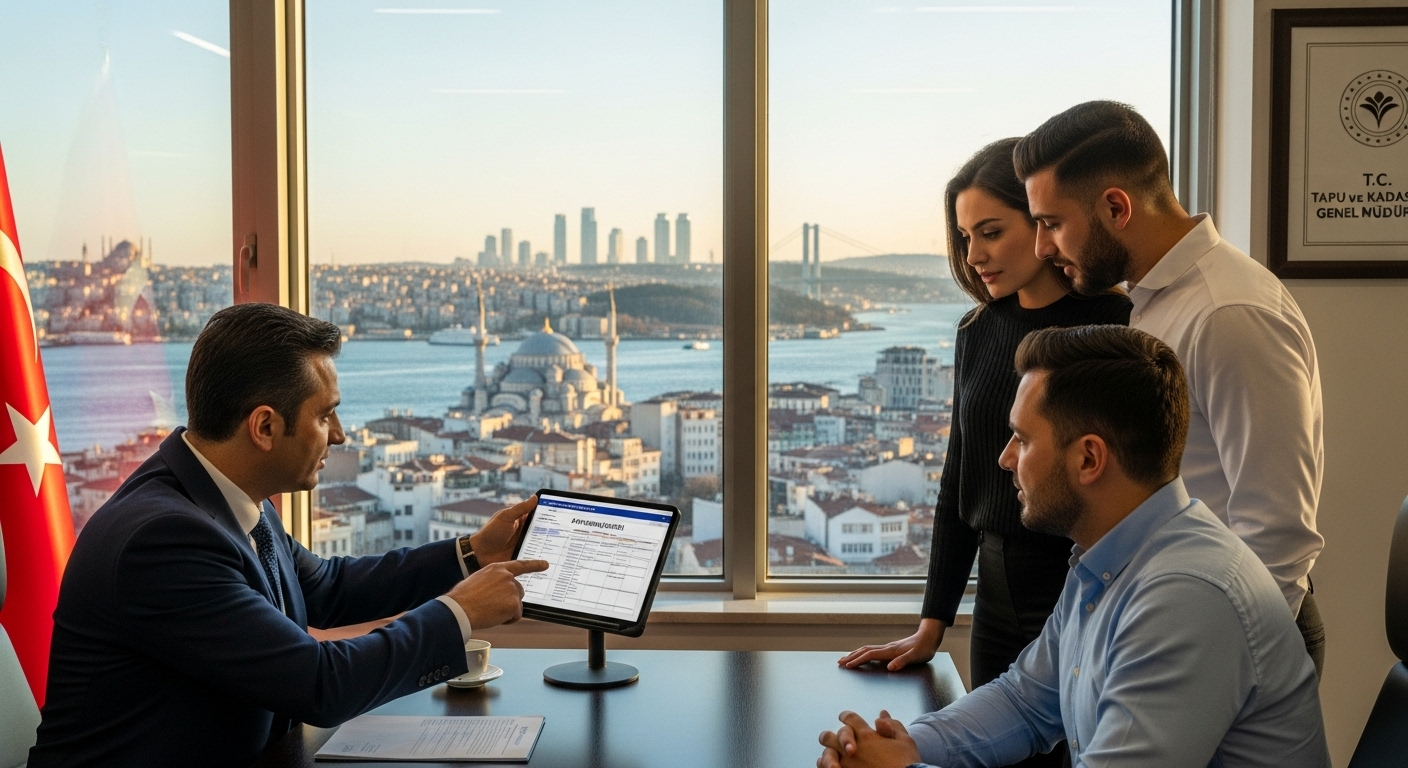
Real Estate Valuation Report Turkey
Introduction to Real Estate Valuation in Turkey
Thinking of buying or selling property in Turkey? Then you're going to come across something called a real estate valuation report. It’s not just paperwork—this document can literally make or break your deal. Whether you’re a foreign investor aiming for Turkish citizenship or a local looking to secure a mortgage, this report is essential. It’s like a passport for your property—it proves its worth, its legal status, and that it's a safe investment.
Turkey’s real estate market has grown rapidly over the past decade, with foreign buyers flocking to cities like Istanbul, Antalya, and Izmir. But with that growth comes the need for transparency, especially when big money is involved. That's where a property valuation report steps in. It’s an official document prepared by licensed experts, showing the fair market value of a property based on solid data and government regulations.
In 2019, Turkey made these reports mandatory for foreigners purchasing real estate. Why? Because there were too many inflated prices and unfair deals. Now, every transaction involving a foreign buyer must include this report, ensuring fairness and clarity.
In simple terms, if you're doing anything with real estate in Turkey—buying, selling, inheriting, or investing—you’re going to need this report. Let’s break down why it matters, what it includes, and how to get one.
Why Property Valuation Matters in Turkey
Let’s get real: nobody wants to overpay or sell their property for less than it's worth. A real estate valuation report in Turkey protects both sides of the deal. For buyers, especially foreigners unfamiliar with the local market, it ensures they’re not being taken for a ride. For sellers, it proves their property’s worth to skeptical buyers or banks.
More than just a number, this report tells the story of a property. It includes location analysis, nearby amenities, legal status, zoning information, and even photos. It’s also the key document banks use to approve mortgages. Without it, getting a home loan is nearly impossible.
Plus, Turkish law now requires this report before a title deed (Tapu) can be transferred in transactions involving foreigners. That means if you don’t have it, your sale won’t go through. It’s that important.
In the context of Turkish Citizenship by Investment (CBI), the valuation report must prove the property is worth at least $400,000 (as of 2024). If the value falls short—even by a few hundred dollars—your citizenship application gets rejected. No exceptions.
So, whether you're a first-time buyer or a seasoned investor, never skip the valuation report. It’s your best defense against scams, inflated prices, and legal headaches.
The Role of the Valuation Report in Legal Transactions
The valuation report isn’t just a piece of paper—it has legal weight. When buying or selling real estate in Turkey, the government uses this document to verify the fair market value of the property. This ensures taxes are calculated properly and that there’s no shady business going on.
Imagine this: a seller lists a property for $300,000, but the valuation report comes in at $220,000. The notary, tax office, and Land Registry will go with the lower amount. That means less tax revenue and potential suspicion of money laundering. That’s why this document is mandatory and scrutinized by the authorities.
Also, the valuation report is used during inheritance disputes, divorce settlements, and legal conflicts. If two siblings argue over the value of inherited land, the court will rely on a licensed appraisal report—not verbal claims.
Foreigners applying for a residence permit or citizenship through investment will find that this report is a cornerstone document. Without it, their application won’t even be reviewed. It’s also used when declaring assets, calculating wealth taxes, and assessing capital gains.
In short, the valuation report adds transparency and fairness to a property market that was once infamous for overpricing and informal deals. Think of it as the truth-teller in your transaction.
Understanding What a Real Estate Valuation Report Includes
So, what’s actually inside a valuation report? A lot more than just a price tag. A professional report includes detailed sections that cover every angle of the property. This isn't some two-page estimate—it’s a full-blown, legally valid dossier.
Here’s what’s typically included:
Property address and location coordinates
Current market value in Turkish Lira and USD
Comparable sales in the neighborhood
Detailed property photos (interior, exterior, aerial views)
Land Registry details and legal ownership status
Zoning status and construction permit data
Age and condition of the building
Square meter size (net and gross)
Floor and room breakdown
Valuation methods used (cost, income, comparison)
Map visuals and distance to key areas (city center, airport, sea, etc.)
The report is usually around 20–30 pages and written in Turkish, but a translated copy can be requested. It’s signed and stamped by an SPK (Capital Markets Board) licensed valuation expert and holds legal authority.
For buyers, this report reveals whether a property is actually worth the asking price. For sellers, it helps justify pricing during negotiations. For banks and government bodies, it’s a neutral source of truth.
Types of Properties Covered
Valuation reports can be prepared for nearly every type of real estate in Turkey. It doesn’t matter if it’s an apartment in Istanbul, a seaside villa in Bodrum, a commercial warehouse in Ankara, or an empty plot in Antalya—the same legal rules apply.
Here are the most common types of properties covered:
Residential properties: apartments, duplexes, villas
Commercial properties: offices, shops, warehouses, factories
Land and plots: agricultural or urban development land
Hotels and tourism facilities
Mixed-use buildings
Each category has a slightly different evaluation method. For example, income-based approaches are used for commercial properties (based on rental yield), while residential units are more often compared with similar recent sales in the area.
Even off-plan properties (still under construction) can be evaluated based on their projected value, construction permits, and developer credentials. This is critical for investors who buy before completion.
Who Prepares Real Estate Valuation Reports in Turkey
Not just anyone can whip up a property valuation report in Turkey. This isn’t a job for your neighborhood agent or a guy with a calculator. Real estate valuation reports must be prepared by professionals who are certified and regulated by the Capital Markets Board of Turkey (Sermaye Piyasası Kurulu or SPK).
Licensed Valuation Experts and SPK Authorization
Let’s start with the basics. SPK-authorized experts are the only ones legally allowed to create official property valuation reports in Turkey. These individuals have undergone rigorous training, passed state exams, and follow strict professional guidelines. The SPK is like the referee on the real estate field—it ensures every appraiser plays by the rules.
Every licensed valuation expert has a registry number and operates under the oversight of an SPK-approved valuation company. If your report is not signed by such a professional, it simply won’t be accepted by banks, government institutions, or during the citizenship application process.
Each valuation professional must:
Hold relevant degrees in engineering, architecture, or finance
Be certified by the Turkish Appraisers Association
Follow International Valuation Standards (IVS)
Be listed in the SPK’s official registry
Always verify the credentials before hiring someone. If they’re not in the SPK system, their report has zero legal value.
The Role of Real Estate Appraisal Companies
Behind every expert is a registered appraisal firm. These companies are licensed by SPK and operate under tight regulations. They’re responsible for managing valuation projects, ensuring accuracy, and delivering reports in a timely manner.
These firms are usually listed on the websites of Turkish real estate portals, notary chambers, and consulate websites. They often have teams of civil engineers, urban planners, and property analysts who work together to create a report that’s reliable, detailed, and compliant with Turkish law.
In short: you can’t just Google someone and expect a legal report. You need to go through the proper channels—either directly to a licensed firm or via a recommendation from your lawyer or real estate consultant.
When and Why You Need a Valuation Report in Turkey
Still wondering when you might need one of these reports? It’s not just for foreign investors. Valuation reports are becoming more and more common across all kinds of real estate transactions in Turkey.
Foreign Buyers and Turkish Citizenship by Investment Program
One of the biggest reasons foreigners need a valuation report is for the Turkish Citizenship by Investment (CBI) program. To qualify, a foreigner must purchase real estate worth at least $400,000. But how do you prove your property is really worth that? That’s where the valuation report comes in.
The report must:
Be issued by an SPK-licensed appraiser
Be dated before the title deed transfer
Clearly show the property value in both Turkish Lira and USD
Be submitted to the General Directorate of Land Registry
Miss one of these steps, and your citizenship application could be delayed—or worse, rejected.
Bank Mortgage and Loan Applications
Planning to finance your Turkish property with a mortgage? Then the bank will ask for an official valuation report before approving your loan. Why? Because the bank needs to know the collateral (your property) is worth the money they’re lending you.
Banks won’t take your word—or your agent’s word—for it. They’ll request a third-party appraisal to determine the real value of the property. If the report comes in lower than expected, your loan amount may be reduced.
Legal Disputes and Inheritance Cases
Valuation reports also play a key role in court. Let’s say you're going through a divorce or a family inheritance case. The court will demand an impartial, professionally prepared valuation report to divide the property fairly.
If a property is being sold off to split between heirs or ex-partners, the valuation ensures neither side is cheated. The judge won’t accept informal estimates or agent guesses—only a certified appraisal will do.
In short, anytime there's legal paperwork or financial risk involved in a real estate transaction, the valuation report is your trusted companion.
The Process of Getting a Real Estate Valuation Report in Turkey
Now let’s get into the nitty-gritty: how do you actually get a valuation report in Turkey? Thankfully, the process is fairly straightforward—but you still need to follow the correct steps.
Step-by-Step Guide to Obtaining a Valuation Report
Here’s a simplified breakdown:
Choose a Licensed Appraisal Company
Make sure it’s approved by SPK. You can find a list on the Capital Markets Board website or get a recommendation from a lawyer.
Submit an Application
You’ll usually fill out a short form and provide details about the property—location, type, title deed number, etc.
Provide Required Documents
These may include:
A copy of the title deed (Tapu)
Property layout or architectural plan
Identity documents (passport or ID)
If available, building license or occupancy permit
Site Visit and Evaluation
The valuation expert visits the property, takes photographs, and assesses its physical condition. They also verify the GPS coordinates and legal zoning info.
Market Analysis and Report Creation
The expert compares your property with recent sales of similar properties in the area and applies valuation methods like cost or income approach.
Report Delivery
The final report (usually 20–30 pages) is issued within 2–5 business days and includes all necessary signatures and legal seals.
Use the Report as Needed
Submit it to the Land Registry, the bank, or the Citizenship Office depending on your purpose.
Required Documents and Timeline
The good news? The list of documents isn’t overwhelming. For individual buyers or sellers, you typically need:
Title deed (Tapu)
Passport or Turkish ID
Building plan or property details
Tax number (especially for foreign nationals)
The whole process—from application to final report—usually takes about 2–5 working days, depending on the city and property complexity. In big cities like Istanbul or Antalya, it might be even faster due to high demand and streamlined systems.
Delays can happen if the property is missing legal documents or if the Land Registry records are outdated. So, it’s always smart to double-check everything before applying.
Factors That Affect Property Valuation in Turkey
Property valuation isn’t just about square meters and location—it’s much more nuanced. Several critical factors influence how much a property is worth in Turkey, and understanding these can help you make smarter decisions, whether you’re buying, selling, or investing.
Location and Surroundings
This is the king of all valuation factors. A property in central Istanbul will obviously be worth more than a similar one in a remote village. But even within cities, the value varies greatly. For example, a flat in Nişantaşı (Istanbul) may be double the price of a similar one in Beylikdüzü.
Valuation experts evaluate:
Proximity to city center, sea, or major highways
Access to public transport (metro, buses, ferries)
Nearby schools, hospitals, parks, and shopping malls
Future development projects that could raise or lower value
Environmental quality (noise levels, pollution, green space)
So, even if your apartment looks stunning inside, if it’s next to a noisy industrial zone or far from amenities, the value could take a hit.
Building Age and Condition
A shiny, new apartment complex with modern infrastructure will be valued much higher than an old, poorly maintained one—even if they’re in the same neighborhood.
Appraisers check:
Year of construction and renovation history
Structural integrity and materials used
Condition of common areas (lobby, stairs, elevators)
Plumbing, heating, and electrical systems
Earthquake resistance and building standards compliance
In earthquake-prone Turkey, seismic safety is a massive consideration. Properties built after 2000 generally follow stricter regulations, giving them a valuation edge.
Legal Status and Zoning Information
Ever heard of a beautiful villa being worth next to nothing? That happens when the property has unresolved legal issues.
Appraisers verify:
Zoning plan and construction permissions
Title deed type (residential, commercial, agricultural)
Presence of encumbrances like mortgages or court cases
Compliance with building license and occupancy permit
Registry status of extensions or unauthorized structures
Any red flag here can drop the property’s valuation or make it ineligible for loans or citizenship applications. That’s why legal clearance is just as important as physical condition.
Understanding these factors allows you to evaluate whether the property you’re eyeing is truly worth the asking price—or if the seller’s dreaming a bit too big.
Costs Associated with Real Estate Valuation Reports
One of the first questions buyers and sellers ask is: how much does a valuation report cost in Turkey? Fortunately, it’s not a bank-breaking fee, but there are a few things you should know.
Typical Fee Structure
As of 2025, the cost of a standard residential property valuation report in major cities like Istanbul, Ankara, and Antalya ranges between 3,500 TRY to 7,000 TRY (roughly $120 to $240 USD, depending on exchange rates).
Factors affecting the price include:
Size and type of the property
City and neighborhood
Urgency of delivery (express service costs more)
Whether the report is for residential, commercial, or land
For large commercial assets or multiple-property portfolios, expect the price to rise significantly, sometimes up to 20,000 TRY or more.
Also, note that translation and notarization (if required for citizenship or international use) come with additional fees.
Who Bears the Cost? Buyer or Seller?
This part is negotiable. In most foreign property transactions, especially for Turkish citizenship, the buyer pays for the valuation report. It’s usually bundled with other due diligence and legal costs.
However, in mortgage applications, the bank might charge the buyer or deduct the fee from the loan amount. In some cases, real estate agents or developers may offer to cover the cost as a bonus to attract buyers.
For legal cases (inheritance or divorce), the court often appoints a valuation expert and splits the fee between parties, or assigns it based on the outcome of the case.
Bottom line? Don’t be surprised by this cost—it’s a minor price for a major safeguard.
Real Estate Valuation and the Turkish Citizenship by Investment Program
Turkey’s Citizenship by Investment (CBI) program has attracted thousands of foreign investors since 2018. One of its key requirements? You must invest at least $400,000 in Turkish real estate—and prove it. That’s where the valuation report becomes essential.
Legal Requirements and Minimum Property Value
To qualify for citizenship, here’s what the valuation report must demonstrate:
The property’s appraised value is at least $400,000 (or equivalent in TRY on the transaction day)
The report is prepared by an SPK-licensed appraiser
The report is dated prior to the title deed transfer
The value matches or exceeds the payment amount shown in the bank transfer receipt
All of these must align precisely, or the application will be rejected. Even a $50 discrepancy can cause delays or denial.
Also, if you’re buying multiple properties to reach the $400,000 threshold, each property needs a separate valuation report, and all transactions must occur within a specified time frame.
Valuation Compliance for Citizenship Application
The Turkish Land Registry (Tapu Office) and Immigration Office will closely review the valuation report to ensure:
No inflated property prices (to prevent fraud)
The declared amount is fully transferred from a foreign bank account
The purchase is not from a first-degree relative
The property isn’t encumbered or part of a staged sale
To avoid citizenship denial, always work with a lawyer familiar with CBI procedures and double-check the valuation firm’s SPK status.
Citizenship through investment is a golden opportunity, but the valuation report is your ticket in—so don’t cut corners.
Common Mistakes to Avoid in Property Valuation
Many real estate buyers and sellers in Turkey unknowingly make costly mistakes during the valuation process. Avoiding these can save you time, money, and legal stress.
Underestimating or Overestimating Property Value
This happens more often than you’d think. Some sellers inflate the price to attract high offers, only to find the valuation report says otherwise. Buyers, on the other hand, may assume they got a great deal—until the report shows the property is overvalued.
Remember: banks, lawyers, and government offices will only trust the official valuation, not market gossip or agent pitches.
If you’re applying for citizenship, even a slight undervaluation can disqualify your investment.
Using Non-Licensed Appraisers
This is a major red flag. Only SPK-authorized professionals can prepare legally valid reports. If someone offers a “cheaper” appraisal or promises to “adjust the numbers,” walk away—it’s not only illegal but also voids your application.
Always ask for the appraiser’s SPK registration number and verify it online.
Other mistakes include:
Not checking the report before submission
Using outdated reports (they're only valid for 3 months)
Submitting scanned or unsigned reports
Ignoring legal and zoning issues flagged in the report
Don’t let a simple mistake derail your investment or immigration plans. Be thorough, ask questions, and work with professionals.
Legal Implications of a Real Estate Valuation Report
When it comes to real estate in Turkey, legal paperwork is everything—and the valuation report is one of the most critical documents in your file. It's more than just a suggestion of price; it has actual legal implications that impact everything from taxes to court disputes.
How It Affects the Sale-Purchase Process
The valuation report is required during the title deed transfer process, especially in transactions involving foreign buyers. When you submit the report to the Tapu Office (Land Registry Directorate), the authorities verify:
The property value
The seller and buyer identities
If the property is suitable for sale under Turkish law
That there are no legal issues (e.g., debts, liens, or construction violations)
If there’s a mismatch between the property’s sale price and its appraised value, the Tapu Office may reject the sale—or flag it for further investigation. This is especially common in over-inflated deals aimed at pushing foreign buyers above the $400,000 threshold for citizenship.
Additionally, the valuation report ensures that taxes are calculated fairly. Both buyers and sellers are subject to property transaction taxes, typically 4% of the declared value. Authorities now often cross-check the valuation report to spot under-declared amounts and prevent tax evasion.
Use in Tax Declarations and Legal Filings
Valuation reports also play a big role in:
Capital gains tax calculations: If you sell property and make a profit, the difference between the purchase price and the appraised selling price may be taxable.
Wealth tax: Introduced in Turkey for high-value real estate, this is based on your property’s appraised value, not just what you claim it’s worth.
Inheritance tax: When property is passed down, its taxable value is determined via a valuation report.
In court cases, a judge will never rely on verbal agreements or sales ads. Instead, they request a certified valuation report from an SPK-approved expert. Whether it’s a divorce, inheritance dispute, or partnership dissolution, the report becomes the backbone of the legal process.
So, if you think of the valuation report as just another piece of paper, think again. It’s a legally binding document that could shape your taxes, your rights, and your financial future.
Case Study: Valuation Report for Istanbul Apartment
Let’s make this real. Imagine you’re buying a 2-bedroom apartment in Kadıköy, one of Istanbul’s most popular districts. The seller is asking 8,500,000 TRY (about $280,000), and the property seems worth it—central location, near metro, sea view.
You hire an SPK-certified appraisal company to prepare a valuation report. After reviewing the property, comparing it to similar recent sales, and analyzing the building’s age and legal documents, the final report says the market value is 7,200,000 TRY.
What happened?
The building is over 25 years old and has not been earthquake retrofitted
There’s no registered occupancy permit
Other similar properties in the area recently sold for 6.8 to 7.3 million TRY
The sea view is partial, not full
Price Differences in Various Districts
The valuation outcome would be very different if the apartment were in:
Başakşehir: Newly developed, family-friendly, but less central—lower valuation
Beşiktaş: Prime Bosphorus views—likely a higher valuation
Esenyurt: Budget-friendly, high-rise developments—valuation depends heavily on building quality
This case proves why you can’t trust surface-level impressions. What looks like a great deal may not hold up under professional scrutiny. And if you were counting on this apartment for your Turkish Citizenship investment, the $400,000 mark wouldn’t be met—meaning you'd have to buy additional property to qualify.
Lesson: The valuation report doesn’t lie. Use it wisely.
Digitalization and Technology in Property Valuation
Technology has transformed how property is evaluated in Turkey. Gone are the days of manual site visits and hand-written reports. Today’s valuation firms leverage high-tech tools to ensure precision, speed, and transparency.
Use of GIS, Drones, and AI
Many firms now use Geographic Information Systems (GIS) to map properties, identify legal boundaries, and assess development potential. This reduces errors and speeds up the process.
Drones capture aerial views, especially useful for large land plots or villas with outdoor spaces. Appraisers can see surrounding areas, terrain, and environmental risks.
Some companies are beginning to use AI tools to estimate values based on massive databases of property transactions, especially in urban areas. These AI systems consider:
Sales trends over time
Building quality indicators
Demographic data
Local infrastructure changes
While AI can't replace human judgment (yet), it offers valuable support for appraisers and makes the process more efficient.
Online Access and E-Reporting Systems
Most valuation reports are now stored in secure databases and can be accessed digitally via:
QR codes
Online verification systems
E-notary integration
This allows for easier sharing between buyers, lawyers, banks, and government offices. It also reduces the risk of forged or manipulated reports.
The push toward digitization is part of Turkey’s broader e-Government initiative, aiming to make real estate transactions smoother, safer, and more transparent.
Choosing the Right Valuation Company in Turkey
With so many appraisal firms out there, picking the right one matters—a lot. A good valuation company can help you avoid scams, legal trouble, or citizenship denial.
How to Verify SPK Licensing
Always, always, always check if the valuation company is authorized by the Capital Markets Board of Turkey (SPK). Here’s how:
Visit the official SPK website
Search for “Değerleme Kuruluşları” (Valuation Institutions)
Look for the company name in the approved list
Verify their registration number and license validity
You can also ask for their SPK license document, which should be readily available.
If a company claims to be certified but doesn’t show up in the database—walk away. Using unauthorized services means your report is invalid.
Questions to Ask Before Hiring
To ensure you’re working with pros, ask these:
How long have you been licensed by SPK?
How many reports have you issued in this city or district?
What’s your turnaround time?
Do you offer reports in English?
Do you include photos, maps, and valuation methods in the report?
If they’re vague or dodge your questions, take that as a red flag. In the property game, shortcuts often lead to long-term regrets.
Real Estate Valuation vs. Market Price in Turkey
Here’s something many people misunderstand: the valuation report isn’t always the same as the market price. In fact, there’s often a gap—and that’s perfectly normal.
Understanding the Gap Between Market Perception and Appraised Value
Let’s say you visit a beautiful penthouse in Antalya. The seller wants $500,000 because of the sea view and luxury finishings. But the valuation report says $410,000. Why?
The last similar unit sold for $390,000
The building’s location is 2 km from the beach—not beachfront
There are some legal title deed issues
That’s the difference between emotional pricing and objective valuation. Sellers often add premiums based on personal taste or future expectations, but the appraiser sticks to facts, figures, and comparable sales.
Practical Impacts on Buyers and Sellers
For buyers: you may need to negotiate the price down or add another property to meet your investment goals (e.g., citizenship).
For sellers: you might need to adjust expectations, especially if banks or government offices won’t accept your asking price.
Don’t treat the valuation report as a limitation—it’s a compass pointing to the real value of your investment.
Conclusion and Final Thoughts
In Turkey's fast-evolving real estate market, the valuation report isn’t just a document—it’s a decision-making tool, a legal shield, and a financial checkpoint. Whether you’re buying your dream home, investing for Turkish citizenship, or securing a mortgage, this report protects your money and ensures you’re playing by the rules.
Never overlook the value of working with licensed SPK professionals, especially when the stakes are high. Double-check your appraiser, understand what goes into the report, and treat it as your real estate GPS—guiding you to safer, smarter decisions.
FAQs
1. What documents are needed for a valuation report in Turkey?
You’ll typically need the property’s title deed, passport or Turkish ID, and architectural plans (if available). For foreigners, a tax number is also required.
2. How long is a valuation report valid in Turkey?
Valuation reports are usually valid for three months from the date of issue. After that, a new report is required.
3. Can I use the same report for multiple purposes?
Yes and no. You can use the same report for bank loans, title deed transfer, or citizenship applications—provided it’s still valid and accepted by the institution.
4. How much does a typical valuation report cost in Istanbul?
As of 2025, a standard residential valuation report in Istanbul costs between 3,500 to 7,000 TRY, depending on the location and urgency.
5. Is the report legally binding in property disputes?
Absolutely. Courts and government offices treat SPK-authorized valuation reports as legally binding, especially in disputes, divorces, or inheritance claims.
Have Question Or Suggestion ?
Please Share Your Thought, To Make It Real