Turkey Open Market for Real Estate
Get to know the reasons that attract investors to Turkey Open Market for Real Estate

Turkey Open Market for Real Estate
Understanding Turkey’s Real Estate Market
Turkey has emerged as one of the most attractive real estate destinations for both local and international investors. Positioned between Europe and Asia, the country offers a unique combination of cultural richness, economic opportunity, and strategic location. Over the last two decades, Turkey has invested heavily in infrastructure projects, transportation networks, urban transformation initiatives, and tourism development, all of which have contributed significantly to the growth of the property sector. As a result, the Turkish real estate market has become increasingly accessible to foreign investors seeking residential, commercial, and investment properties.
The concept of an open market in Turkish real estate revolves around relatively flexible ownership regulations, a broad selection of properties, and government policies designed to attract international capital. Foreign buyers from the Middle East, Europe, Asia, and North America have shown growing interest in Turkish properties due to affordability and potential appreciation. Whether someone is looking for a luxury apartment overlooking the Bosphorus, a beachfront villa in Antalya, or a commercial office in Istanbul, Turkey offers a wide range of options that suit various investment goals.
Another reason for the market’s appeal is the ongoing urbanization trend. Major cities continue to expand, creating sustained demand for housing and commercial developments. Combined with a young population and a thriving tourism industry, Turkey's property market presents numerous opportunities for long-term growth and rental income generation.
Why Turkey Attracts Global Property Investors
One of the primary reasons investors choose Turkey is value for money. Compared to many Western European countries, Turkish real estate remains relatively affordable while offering comparable amenities and modern construction standards. Investors often discover that their purchasing power stretches much further in Turkey than in cities such as London, Paris, or Munich.
Turkey's tourism industry also plays a major role in attracting investors. Millions of tourists visit the country annually, generating strong demand for short-term rentals and holiday homes. Coastal destinations such as Antalya, Bodrum, and Fethiye have become particularly popular among buyers seeking rental income from vacation properties.
Another attractive factor is the government's willingness to encourage foreign investment. Policies supporting overseas buyers, combined with the Turkish Citizenship by Investment program, have helped position Turkey as a competitive destination in the global real estate market. Investors appreciate the possibility of combining property ownership with residency and citizenship opportunities, creating additional long-term value.
Evolution of the Turkish Property Sector
The Turkish real estate sector has undergone a remarkable transformation since the early 2000s. Rapid economic development, modernization efforts, and major infrastructure projects have reshaped urban landscapes across the country. New airports, highways, bridges, and metro systems have improved connectivity and increased property values in many regions.
The introduction of modern housing projects has also elevated construction standards. Developers now focus on integrated living environments featuring fitness centers, swimming pools, security services, and green spaces. These developments appeal to both domestic buyers and international investors seeking quality residential options.
Urban renewal projects have further enhanced the market by replacing outdated buildings with safer and more energy-efficient structures. As cities continue to modernize, property owners often benefit from rising demand and appreciation potential. This evolution demonstrates how Turkey has successfully transformed its property sector into a dynamic and internationally recognized market.
Key Advantages of Investing in Turkish Real Estate
Investing in Turkish real estate offers numerous benefits that extend beyond simple property ownership. Investors gain access to a diverse economy, strategic trade routes, and growing urban centers. The market accommodates various budgets, from affordable apartments to ultra-luxury waterfront residences.
A significant advantage is the relatively low entry cost compared to many developed markets. This affordability allows investors to diversify their portfolios while maintaining exposure to a country with considerable economic and demographic potential. Rental yields in certain regions can also be attractive, especially in tourist destinations and rapidly developing urban districts.
Another benefit lies in the country's infrastructure expansion. Large-scale transportation projects frequently create new investment corridors where property values increase over time. Savvy investors often target these emerging areas before prices fully reflect future growth prospects.
Strategic Geographic Location
Turkey's location provides a substantial competitive advantage. Acting as a bridge between Europe, Asia, and the Middle East, the country occupies a strategic position that facilitates trade, tourism, and international business activity. Major cities such as Istanbul serve as global transportation hubs connecting multiple continents.
This geographic advantage supports long-term real estate demand. Businesses require office space, logistics facilities, and residential housing for employees, creating diverse opportunities within the property market. Investors often view Turkey's location as a key factor supporting future economic expansion and real estate appreciation.
Competitive Property Prices Compared to Europe
The affordability of Turkish real estate remains one of its strongest selling points. Investors frequently compare Turkish property prices with those in major European cities and discover significant differences in value. While luxury developments in Istanbul may command premium prices, many properties remain considerably less expensive than equivalent options elsewhere in Europe.
| Location | Average Relative Cost |
|---|---|
| Istanbul | Moderate |
| Antalya | Affordable |
| Ankara | Affordable to Moderate |
| London | Very High |
| Paris | Very High |
| Berlin | High |
This pricing advantage attracts first-time international investors and experienced buyers seeking portfolio diversification. Lower acquisition costs can also improve potential returns when combined with rental income and future appreciation.
Major Real Estate Hotspots in Turkey
Turkey offers several regions with distinct investment profiles. Each city presents unique opportunities depending on an investor's objectives, whether focused on capital growth, rental yield, lifestyle benefits, or commercial expansion.
Istanbul as the Investment Capital
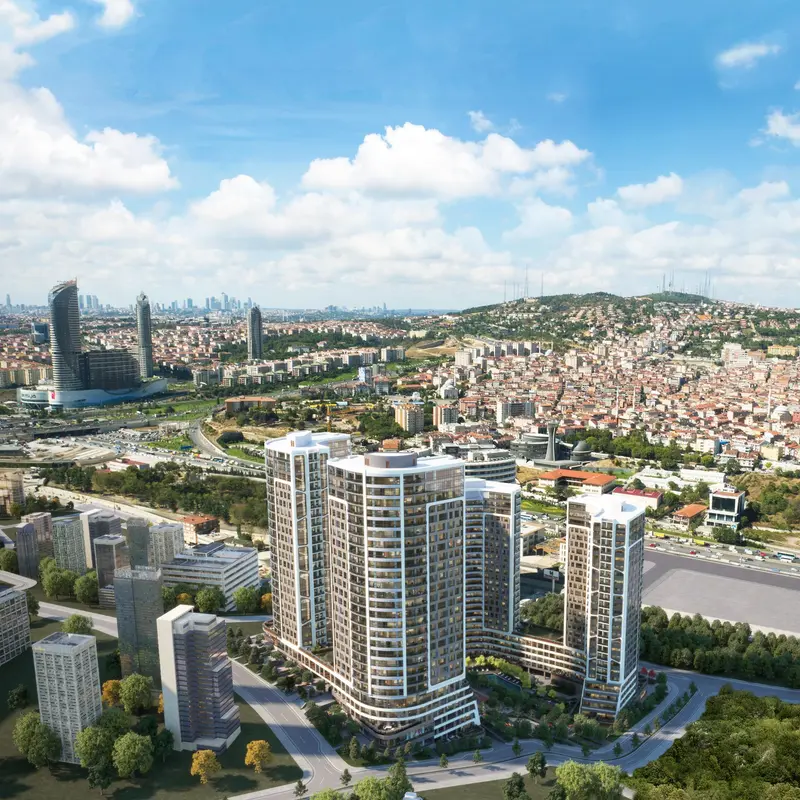
Istanbul remains the undisputed leader of Turkey's real estate market. As the country's largest city and economic center, it attracts domestic and international buyers alike. The city's population exceeds 15 million residents, creating constant demand for housing and commercial properties.
Istanbul's economy is highly diversified, encompassing finance, technology, tourism, manufacturing, and trade. This diversity helps support property demand across multiple sectors. Investors can choose from luxury waterfront apartments, modern residential complexes, office buildings, and retail spaces.
Infrastructure projects such as Istanbul Airport, metro expansions, and urban transformation initiatives continue to influence property values. Areas benefiting from improved transportation often experience increased demand and appreciation potential.
High-Growth Districts in Istanbul
Several districts stand out due to ongoing development and investment activity. Areas such as Başakşehir, Kağıthane, Beylikdüzü, and Kartal have attracted attention from both developers and investors. These districts offer modern residential projects, improved transportation links, and growing commercial activity.
Investors frequently target emerging neighborhoods before they reach full market maturity. By entering early, they may benefit from future appreciation as infrastructure projects and population growth drive demand.
Antalya and the Mediterranean Lifestyle
Antalya has become one of Turkey's premier destinations for lifestyle and tourism-based real estate investments. Located on the Mediterranean coast, the city offers beautiful beaches, a pleasant climate, and a strong tourism economy.
Property buyers are drawn to Antalya for both personal use and rental income opportunities. Holiday rentals can generate attractive returns during peak tourism seasons. The city's international appeal also supports demand from expatriates and retirees seeking a Mediterranean lifestyle.
Modern developments in Antalya often feature resort-style amenities, making them particularly attractive to overseas buyers. The combination of lifestyle benefits and investment potential continues to drive interest in the region.
Ankara and Emerging Opportunities
As Turkey's capital city, Ankara provides a different investment profile compared to Istanbul and Antalya. The city serves as the country's administrative center and hosts numerous government institutions, universities, and business organizations.
Demand for housing remains relatively stable due to the presence of civil servants, students, and professionals. Commercial real estate opportunities also exist in office developments and mixed-use projects. Investors seeking a less tourism-dependent market often find Ankara appealing due to its economic stability and consistent demand fundamentals.
Types of Properties Available in Turkey
Turkey's property market accommodates a broad spectrum of buyer preferences. Residential, commercial, industrial, and mixed-use developments are available across various regions.
Residential Apartments and Villas
Residential properties represent the largest segment of the market. Apartments are particularly popular in major cities where urban density supports vertical development. Many modern apartment complexes include amenities such as swimming pools, gyms, security services, and recreational facilities.
Villas attract buyers seeking privacy, luxury, and larger living spaces. Coastal regions such as Bodrum, Antalya, and Fethiye offer numerous villa developments with sea views and resort-style features. These properties are often favored by international buyers and investors targeting the vacation rental market.
Commercial Real Estate Opportunities
Commercial real estate in Turkey includes office buildings, retail units, warehouses, hotels, and industrial facilities. The growth of e-commerce and logistics has increased demand for warehousing and distribution centers, particularly near major transportation corridors.
Office space remains important in business districts, while retail properties continue to benefit from consumer spending and tourism activity. Investors seeking diversification often allocate part of their portfolios to commercial assets due to their income-generating potential.
Legal Framework for Foreign Buyers
Turkey has established regulations that allow many foreign nationals to purchase property with relatively few restrictions. The legal framework is designed to balance investor accessibility with national security considerations.
Property Ownership Rights for Foreigners
Foreign citizens from numerous countries can legally own property in Turkey. Ownership rights generally mirror those available to Turkish citizens, although some restrictions apply to military zones and specific strategic areas.
The government has simplified many procedures over the years to encourage foreign investment. Professional legal guidance remains advisable to ensure compliance with all regulations and to facilitate a smooth transaction process.
Required Documents and Purchase Process
The purchasing process typically includes obtaining a tax number, opening a Turkish bank account, completing property valuation requirements, and transferring ownership through the Land Registry Office.
Commonly required documents include:
- Valid passport
- Turkish tax number
- Property valuation report
- Purchase agreement
- Passport photographs
- Proof of funds
Working with experienced legal professionals and reputable real estate agencies helps minimize risks and ensures all documentation is properly prepared.
Turkish Citizenship Through Real Estate Investment
Turkey's Citizenship by Investment program has become a significant driver of foreign property purchases. The program enables eligible investors to obtain Turkish citizenship through qualifying investments.
Eligibility Requirements and Benefits
Applicants must meet current government investment thresholds and comply with all program requirements. Regulations may change over time, making it essential to verify the latest criteria through official channels.
Benefits of Turkish citizenship can include:
- Access to a strategic global location
- Potential business opportunities
- Family inclusion in applications
- Long-term residency rights
- Access to Turkey's healthcare and education systems
Many investors view citizenship as an additional layer of value beyond the property's financial performance.
Risks and Challenges in the Turkish Property Market
Every investment market carries risks, and Turkey is no exception. Understanding these factors is crucial for informed decision-making.
Market Fluctuations and Economic Factors
Currency fluctuations can influence investment returns, particularly for international buyers operating in foreign currencies. Economic conditions, inflation rates, and monetary policy decisions may also impact property values and purchasing power.
Investors should conduct thorough due diligence, evaluate local market conditions, and consider long-term investment horizons. Diversification across property types and locations may help reduce exposure to specific market risks.
Political developments, regulatory changes, and global economic trends can also affect market performance. Careful research and professional advice remain essential components of a successful investment strategy.
Future Outlook of Turkey’s Open Real Estate Market
The future of Turkey's real estate market appears promising due to continued urbanization, infrastructure investment, and international interest. Population growth and economic development are expected to support ongoing demand for residential and commercial properties.
Smart city initiatives, sustainable construction practices, and technology-driven developments may further enhance the market's attractiveness. Infrastructure projects connecting major regions are likely to create new investment opportunities and contribute to long-term value growth.
International investors continue to recognize Turkey's strategic position and competitive property pricing. While short-term fluctuations may occur, many market observers view the country's real estate sector as a significant component of its broader economic development strategy.
Conclusion
Turkey's open real estate market offers a compelling combination of affordability, strategic location, diverse property options, and investment incentives. From the bustling metropolis of Istanbul to the coastal beauty of Antalya and the stability of Ankara, investors can find opportunities aligned with a wide range of objectives. Foreign ownership regulations, modern infrastructure, and citizenship programs have strengthened Turkey's position in the global property landscape. Success in the market requires careful research, professional guidance, and a long-term perspective, but the opportunities available continue to attract investors from around the world.
FAQs
1. Can foreigners legally buy property in Turkey?
Yes, citizens of many countries can purchase property in Turkey, subject to certain legal restrictions and regulations.
2. Is Turkey a good place for real estate investment?
Turkey offers attractive property prices, strong tourism demand, infrastructure growth, and potential long-term appreciation opportunities.
3. Which city is best for property investment in Turkey?
Istanbul is often considered the top investment destination, while Antalya and Ankara also offer attractive opportunities depending on investment goals.
4. Can property investment lead to Turkish citizenship?
Yes, eligible investors may qualify for Turkish citizenship through approved investment programs that meet government requirements.
5. What are the main risks of investing in Turkish real estate?
Key risks include currency fluctuations, market volatility, economic changes, and regulatory developments that may affect property values or returns.

Have Question Or Suggestion ?
Please Share Your Thought, To Make It Real