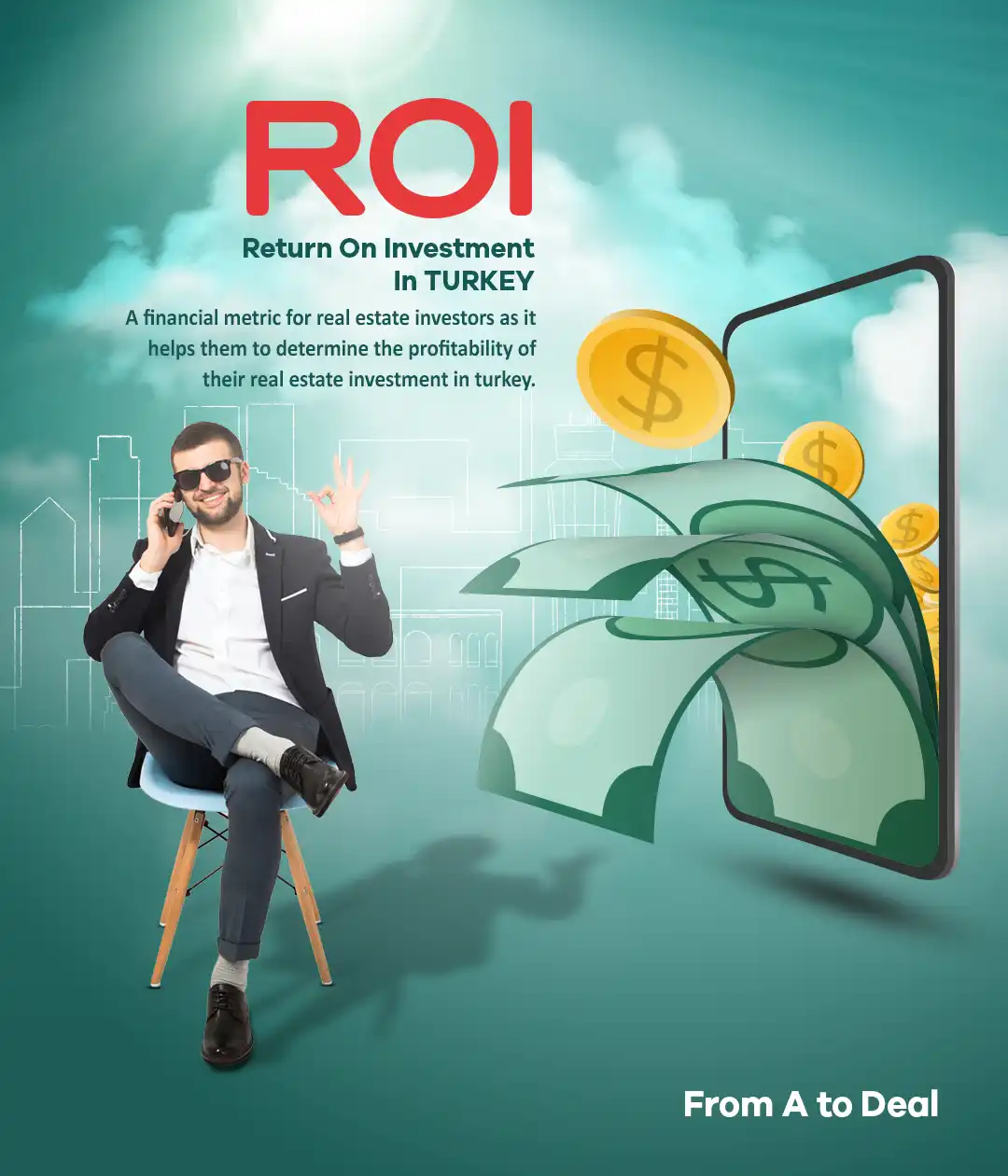
The Ultimate Exit Strategy: How to Resell Property in Turkey for Massive Capital Gains
Discover the hidden strategy smart investors use to resell Turkish property tax-free and maximize profits.

Safe Exit Strategy: How to Resell Your Property in Turkey and Maximize Capital Gains
Introduction
Why Smart Investors Plan the Exit Before Buying
The most experienced real estate investors in the world share one habit that separates them from emotional buyers: they think about selling before they even think about buying. That may sound backward at first. After all, buying property in Turkey often feels exciting and full of possibility. Istanbul’s skyline keeps evolving, Antalya’s coastal districts attract global tourism, and Turkish citizenship opportunities continue drawing international capital. Yet seasoned investors understand a simple truth—profit is only real when it safely lands back in your bank account.
This is exactly why the concept of a safe exit strategy matters so much in the Turkish property resale market. Anyone can purchase an apartment advertised with “high ROI” promises. But not every property can be resold quickly, legally, and profitably. Some investors discover too late that they bought units in oversupplied districts with weak local demand. Others underestimate taxes, documentation requirements, or banking procedures involved in moving money out of Turkey. In many cases, investors focus so heavily on the purchase price that they completely ignore the future resale dynamics.
Turkey remains one of the most attractive destinations for international real estate investment because of its relatively affordable entry points, strategic location between Europe and Asia, and ongoing urban transformation projects. According to data from the Turkish Statistical Institute (TÜİK), thousands of foreign buyers continue entering the market every year despite global economic fluctuations. This sustained demand creates opportunities for strong appreciation, especially in infrastructure-driven areas. But appreciation alone does not guarantee liquidity.
Think of property investment like sailing across the sea. Buying the property is launching the boat. Selling it successfully is reaching the shore safely with your cargo intact. Without planning your route in advance, even the strongest vessel can drift into dangerous waters. Investors who understand taxation, buyer psychology, local demand, and international banking compliance place themselves in a far stronger position when the time comes to liquidate their assets.
The Biggest Fear Foreign Investors Face
When foreign buyers discuss real estate investment in Turkey, one concern repeatedly surfaces above all others: “Can I actually sell the property easily and move my money out safely?” Surprisingly, this fear is often larger than concerns about market growth itself. Investors know that property prices can fluctuate anywhere in the world. What truly worries them is uncertainty around liquidity and capital repatriation.
Many international investors hear conflicting stories online. Some believe Turkey imposes hidden restrictions on sending profits abroad. Others worry about currency volatility, legal procedures, or unexpected taxes during resale. In reality, Turkey allows foreign investors to legally transfer both their original capital and profits overseas, provided the transactions are properly documented. The key difference between smooth exits and stressful ones usually comes down to preparation and compliance.
Another major issue involves the type of property purchased. Not all real estate behaves the same during resale cycles. Luxury villas targeting only foreign buyers may sit on the market for months during economic slowdowns. On the other hand, modern apartments near metro lines that appeal to Turkish professionals often maintain consistent liquidity regardless of market sentiment. This distinction becomes critical when investors need quick exits or want to maximize capital gains.
The Turkish market rewards strategic thinking. Investors who buy properties with strong domestic demand, maintain proper banking records, understand the Capital Gains Tax in Turkey, and work with experienced brokerage networks usually experience far smoother resale processes. Those who ignore these details often struggle with pricing pressure, delayed transactions, and avoidable legal complications.
Your actual return on investment is not defined by how much the property increased “on paper.” It is defined by how efficiently you can convert that appreciation into accessible, transferable capital. That is the heart of a true exit strategy.
The Financial Shield: Capital Gains Tax & The 5-Year Exemption Rule
Understanding Capital Gains Tax in Turkey
One of the most important concepts every investor must understand before they resell property in Turkey is the country’s capital gains taxation structure. Surprisingly, many foreign buyers enter the market without fully understanding how taxes affect their future profits. That lack of awareness can create expensive surprises later.
In Turkey, Capital Gains Tax (CGT) generally applies to profits earned from selling a property within five years of purchase. The taxable amount is calculated based on the difference between the declared purchase price and the declared resale price listed on the official title deed, known as the Tapu. This detail is extremely important because many buyers historically underestimated purchase values to reduce transaction costs. While that may seem harmless initially, it can dramatically increase taxable profit calculations later during resale.
Here is a simplified example:
| Transaction | Amount |
|---|---|
| Purchase Price Declared on Tapu | $150,000 |
| Resale Price Declared on Tapu | $250,000 |
| Taxable Gain | $100,000 |
The Turkish tax authority evaluates this difference and applies taxation accordingly if the property is sold before completing the exemption period. Depending on inflation adjustments and other variables, the tax burden can become substantial.
This is why transparency matters. Accurate declarations protect investors from future disputes and tax audits. Turkey has significantly modernized its property oversight systems in recent years, especially regarding foreign transactions. Authorities now rely heavily on banking records and valuation reports to identify inconsistencies.
Investors should also understand that tax compliance increases credibility during international fund transfers. Banks conducting anti-money laundering checks prefer seeing clean transaction histories supported by official documentation. A properly structured purchase and resale process reduces friction at every stage.
The good news is that Turkey also offers one of the most investor-friendly tax advantages in the region—the famous five-year exemption rule.
How the 5-Year Exemption Rule Works
The 5-year exemption rule is arguably one of the strongest financial incentives in the Turkish property resale market. Under Turkish law, individual property owners who hold their real estate for at least five full years become fully exempt from capital gains tax upon resale. Yes—100% exempt.
This legal advantage completely changes investment strategy. Instead of focusing on short-term flipping, many experienced investors structure their portfolios around medium-term appreciation cycles. By simply holding the asset long enough, they preserve a significantly larger portion of their profits.
Imagine two investors purchasing similar apartments:
| Investor | Holding Period | Tax Status |
|---|---|---|
| Investor A | 3 Years | Subject to CGT |
| Investor B | 5+ Years | Fully Tax Exempt |
The difference in net profit can be enormous. Investor B may retain tens of thousands of dollars more simply by respecting the legal holding horizon.
This exemption encourages disciplined investing rather than speculative behavior. Turkey’s rapidly expanding infrastructure projects—new metro lines, financial districts, airports, and urban renewal zones—often require several years before full value appreciation materializes anyway. Investors who align their timeline with these developments usually achieve stronger outcomes.
Another hidden advantage of the five-year strategy is market flexibility. Owners are not forced to sell during weak conditions. They can wait for optimal timing, stronger exchange rates, or favorable buyer demand without tax pressure hanging over the transaction.
Still, timing alone is not enough. Investors also need documentation that supports fair market values throughout the ownership period. That is where the valuation report becomes critical.
The Role of the Real Estate Valuation Report
The Real Estate Valuation Report, known locally as the Ekspertiz Raporu, has become one of the most important protective tools for foreign investors in Turkey. At first glance, some buyers see it as just another bureaucratic requirement attached to the purchasing process. In reality, this document functions like a financial shield that protects investors from future legal complications, tax disputes, and banking compliance issues when the time comes to resell property in Turkey.
Turkey made valuation reports mandatory for foreign buyers as part of broader reforms designed to improve transparency within the real estate sector. Licensed valuation experts analyze the property and issue an official report estimating its fair market value based on location, size, comparable sales, building condition, transportation access, and neighborhood trends. This valuation becomes part of the official transaction record.
Why does this matter so much later during resale?
Because tax authorities increasingly compare declared Tapu values against historical valuation reports and banking records. If there is a suspicious mismatch between the original purchase declaration and the property’s actual market value, investors may trigger audits or face penalties. Years ago, undervaluing properties on paper was relatively common in some segments of the market. Today, digital oversight systems and banking compliance procedures make that strategy extremely risky.
The valuation report also protects investors from overpaying in inflated projects. In some aggressively marketed developments targeting foreign buyers, asking prices may exceed realistic local market levels. A professional valuation creates an objective benchmark. Think of it like getting a medical second opinion before surgery—you want independent confirmation before committing significant capital.
Another major advantage appears during international fund transfers. Global banks increasingly require source-of-funds verification under anti-money laundering regulations. When investors later move profits out of Turkey, the valuation report helps demonstrate that the original acquisition was legitimate, documented, and aligned with market standards. Combined with purchase contracts and bank receipts, it creates a transparent financial trail.
Experienced investors often treat documentation with the same seriousness as the investment itself. A profitable resale is not only about finding a buyer. It is also about ensuring every stage of the transaction can survive legal scrutiny, banking compliance checks, and tax evaluations without friction. In many ways, the valuation report acts as the invisible backbone of a secure exit strategy.
Designing the Exit on Day One: Choosing Highly Liquid Inventory
The Danger of Illiquid Properties
One of the most common mistakes foreign investors make in Turkey is confusing price appreciation with liquidity. A property may appear valuable on paper, but if nobody wants to buy it quickly at market price, that appreciation becomes largely theoretical. This is the silent trap of illiquid real estate.
Imagine owning a luxury penthouse with panoramic sea views in a niche coastal district. The developer promised massive future returns, and online listings show optimistic price increases every year. But when you finally decide to sell, you discover something frustrating—there are very few qualified buyers. Months pass. Competing sellers begin lowering prices. Suddenly, your “high-return investment” becomes difficult to liquidate without sacrificing profit.
This scenario is far more common than many investors realize.
The Turkish property resale market operates on real demand dynamics, not just marketing narratives. Some developments are built almost entirely for foreign audiences, particularly in oversaturated tourism zones. During strong international demand cycles, these projects may perform well temporarily. But if foreign demand slows because of currency fluctuations, geopolitical concerns, or global economic changes, resale activity can freeze quickly.
Properties with weak domestic appeal carry the highest liquidity risks. Turkish buyers ultimately form the backbone of long-term market stability. If locals would never realistically purchase the property due to pricing, layout, location, or lifestyle mismatch, investors may face difficulties during resale periods.
Illiquid properties also create pricing pressure. Sellers become trapped competing against dozens—or even hundreds—of nearly identical units within the same development. This often leads to aggressive discounting. In many cases, investors discover they cannot achieve the “market value” promoted by online advertisements because actual transaction volumes remain low.
Liquidity matters because it creates flexibility. Investors with liquid assets can respond to opportunities, economic changes, or personal financial needs without panic. Think of liquidity like oxygen in the investment world. You only fully appreciate its importance when it becomes scarce.
This is why strategic investors analyze resale demand before they ever sign a purchase contract. They ask practical questions:
- Would a Turkish professional family buy this property?
- Is the location supported by transportation infrastructure?
- Does the building meet modern earthquake safety expectations?
- Is the property positioned in a district with genuine local demand?
These questions shape exit potential far more than glossy brochures or exaggerated rental projections.
What Makes a Property Easy to Resell
The most successful investors in Turkey often follow one simple principle: buy what the local market already wants. Instead of chasing hype, they focus on assets with proven resale behavior. These properties may not always look glamorous in advertisements, but they consistently attract buyers during both strong and weak market cycles.
A highly resalable property usually combines four critical elements:
| Factor | Why It Matters |
|---|---|
| Strategic Location | Maintains continuous buyer demand |
| Modern Construction | Increases trust and safety perception |
| Transportation Access | Supports appreciation and convenience |
| Domestic Market Appeal | Expands buyer pool significantly |
The goal is not just appreciation—it is resale velocity. In practical terms, this means how quickly a property can be sold at fair market value without heavy discounts.
Many investors underestimate how emotional real estate purchasing decisions can be. Buyers do not simply evaluate square meters and price. They evaluate lifestyle, safety, prestige, convenience, and future family needs. A well-positioned apartment near metro access inside a secure compound often attracts more consistent demand than larger standalone properties in isolated areas.
Professional investors also avoid “trend traps.” Some districts become temporarily fashionable among foreign buyers because of influencer marketing or aggressive developer campaigns. But unless these areas have sustainable infrastructure growth and local economic activity, resale performance may weaken over time.
True liquidity comes from integration into the real urban fabric of the city. Properties connected to business hubs, educational institutions, transportation networks, and modern living standards tend to preserve both value and buyer demand much more effectively.
Strategic Location and Transport Access
In Turkey, transportation infrastructure has become one of the strongest drivers of property appreciation and resale success. Investors who understand this dynamic often outperform those chasing purely cosmetic luxury features.
Metro expansions, Marmaray rail connections, Metrobus corridors, and new highway networks continuously reshape urban demand patterns, especially in Istanbul. Areas once considered peripheral can transform into highly desirable residential zones after transportation upgrades dramatically reduce commute times.
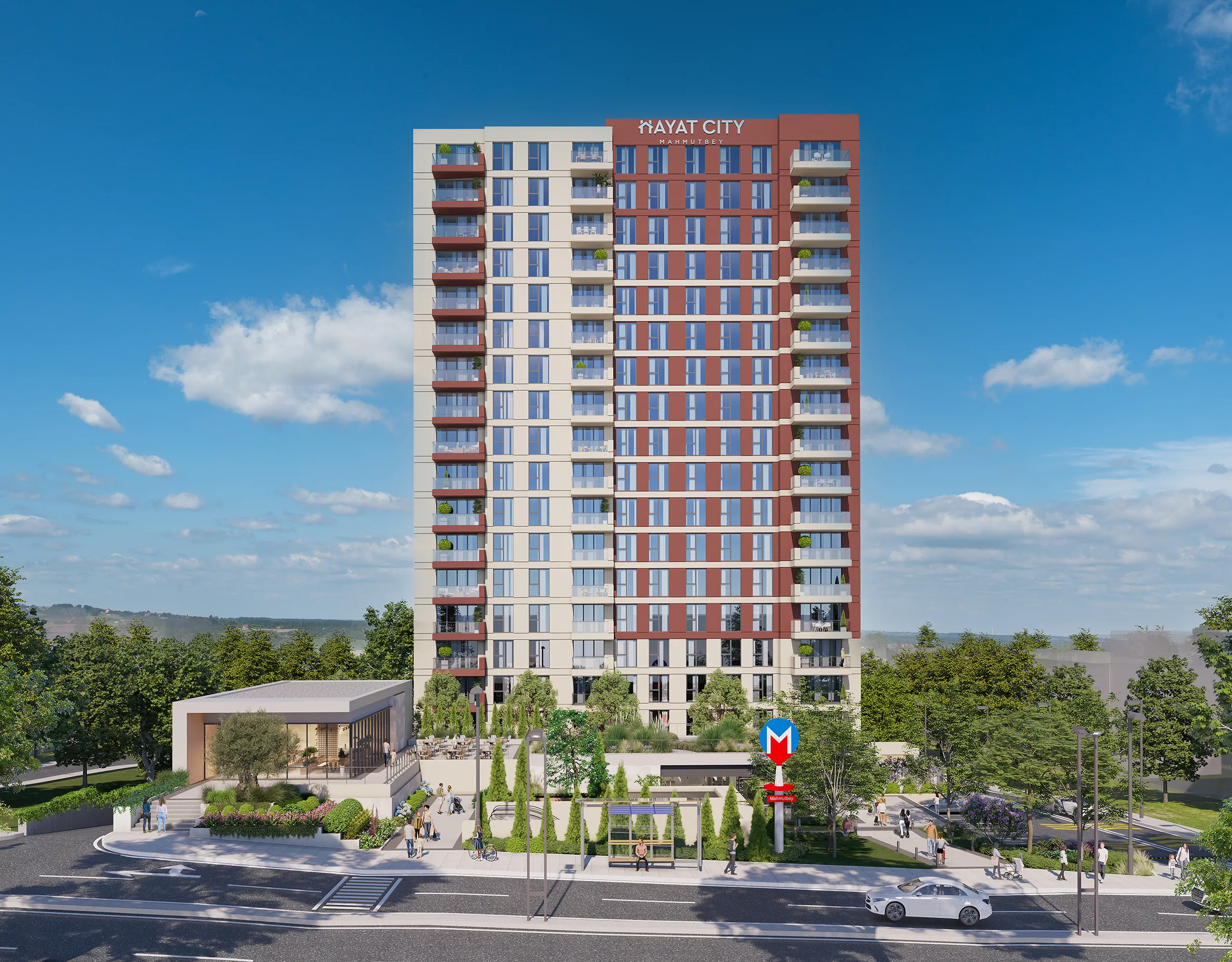
This is why experienced investors closely monitor infrastructure maps before purchasing. A property located near an operational or upcoming metro station often enjoys stronger liquidity because transportation convenience directly affects daily life. Turkish buyers place enormous value on accessibility. A shorter commute can easily outweigh superficial luxury features.
For example, residential projects within walking distance of major metro lines frequently experience higher occupancy rates, stronger rental demand, and faster resale cycles. Families, professionals, and students all prioritize connectivity. That broadens the buyer pool substantially.
Transportation infrastructure also creates psychological confidence. Buyers see government investment in the area and interpret it as a sign of future growth. This perception strengthens long-term demand.
Some of Istanbul’s strongest-performing investment corridors over the past decade were not necessarily waterfront luxury districts. They were strategically connected urban transformation zones benefiting from expanding transit networks and rising middle-class demand.
Smart investors treat metro lines almost like rivers of economic energy. Properties positioned close to these arteries tend to attract continuous movement, activity, and capital flow. That movement ultimately supports resale power.
Earthquake-Resistant Compounds and Modern Living
Turkey’s real estate market changed dramatically after the country intensified earthquake safety regulations and urban transformation initiatives. Today, structural security is no longer viewed as an optional luxury—it has become a central buying criterion.
Modern residential compounds, commonly called Sites, dominate the preferences of many Turkish middle- and upper-middle-class buyers. These developments usually include earthquake-resistant engineering, private security, parking garages, fitness facilities, landscaped gardens, and family-oriented amenities.
The resale advantage of these compounds is enormous.
Properties inside secure modern complexes often sell significantly faster than older independent buildings. Buyers perceive them as safer, more convenient, and more aligned with contemporary urban lifestyles. In major cities like Istanbul, Ankara, and Izmir, this preference has become deeply entrenched.
Many older buildings constructed before updated earthquake regulations now face growing skepticism from buyers. Even if these properties appear cheaper initially, resale demand can weaken substantially because buyers worry about future renovation costs, structural safety, and insurance complications.
Modern compounds also benefit from stronger community infrastructure. Families prefer environments where children can safely play outdoors, residents have controlled entry systems, and maintenance services preserve building quality over time. These seemingly practical details have a direct impact on property liquidity.
There is also a branding effect. Well-managed compounds create reputational value in the market. Certain projects become recognized names associated with quality living standards, much like trusted hotel brands in the hospitality sector. This recognition supports both pricing stability and buyer confidence.
From an investment perspective, modern compounds reduce uncertainty. Buyers entering the resale market often feel more comfortable purchasing properties that already meet current regulations and lifestyle expectations. That comfort translates into faster decision-making and stronger negotiation positions for sellers.
Investors planning a long-term exit strategy should view earthquake-resistant construction not merely as a safety issue, but as a liquidity multiplier. Safety creates trust, and trust accelerates transactions.
Appealing to the Turkish Domestic Buyer
One of the smartest strategies foreign investors can adopt is buying property that local Turkish buyers would genuinely want to own themselves. This single principle dramatically improves resale flexibility across nearly every market condition.
Why is this so important?
Because domestic demand provides stability. International buyer interest can fluctuate due to currency shifts, political headlines, visa policies, or global recessions. Local demand, however, remains tied to real everyday housing needs. Turkish families still need homes near schools, transportation, workplaces, and commercial districts regardless of international market sentiment.
Properties designed exclusively around foreign tastes sometimes struggle during resale. Oversized vacation-style apartments in isolated resort zones may attract attention online but fail to resonate with local purchasing behavior. Turkish buyers often prioritize practicality, accessibility, family functionality, and long-term livability over purely touristic features.
Successful investors study local consumption patterns carefully. They examine:
- Which districts attract Turkish professionals?
- Where are new business hubs developing?
- Which areas have growing educational infrastructure?
- What apartment sizes are most in demand among local families?
Properties aligned with domestic middle- and upper-middle-class preferences usually maintain broader buyer pools. That wider demand creates pricing resilience and faster resale velocity.
This strategy becomes especially important during economic uncertainty. If foreign demand weakens temporarily, investors with locally attractive inventory still have access to active domestic buyers. In contrast, properties dependent entirely on overseas purchasers may experience prolonged stagnation.
Think of domestic appeal as diversification within your investment itself. Instead of relying on one narrow buyer category, you position your property to attract multiple segments simultaneously.
This approach does not mean sacrificing profitability or luxury. Many premium residential districts in Istanbul, Bodrum, and Izmir enjoy strong local demand precisely because they combine modern living standards with strategic urban positioning. The key is balance. Investors should seek properties desirable enough for both international and Turkish buyers, rather than targeting speculative niches with limited exit flexibility.
The Reality of Capital Repatriation: Liquidating and Moving Your Funds
The Legal Process of Cashing Out
For many foreign investors, the phrase “moving money out of Turkey” sounds intimidating before they experience the process firsthand. Online forums often exaggerate the complexity involved, creating unnecessary fear around capital repatriation. In reality, Turkey allows foreign investors to legally transfer both their original investment capital and profits abroad, provided transactions are properly documented and conducted through official banking channels.
The resale process itself follows a structured legal framework.
Once a buyer is secured, both parties proceed to the Land Registry Office to complete the title deed transfer. The agreed sales amount is typically transferred through Turkish banks to maintain compliance and transparency. This banking trail is essential because modern financial systems increasingly prioritize traceability.
After the transaction is completed, the seller receives the proceeds into their Turkish bank account. From there, funds can generally be transferred internationally through standard wire transfer procedures, assuming all supporting documents are available.
The process sounds simple because, in many cases, it actually is—when handled correctly from the beginning.
Problems usually arise when investors fail to maintain proper documentation throughout ownership. Missing purchase receipts, inconsistent Tapu declarations, undocumented cash payments, or unclear banking histories can trigger delays during compliance reviews. International banks today operate under extremely strict anti-money laundering standards. They want clear proof showing where the money came from, how the property was purchased, and whether taxes were properly addressed.
This is why professional investors build a “compliance file” from day one. They keep digital and physical copies of:
- Purchase contracts
- Title deeds
- Valuation reports
- Tax payment receipts
- Bank transfer confirmations
- Currency exchange certificates
Think of these documents as your financial passport. The cleaner your paper trail, the smoother your international transfers usually become.
Another important factor involves exchange timing. Because Turkey operates within a dynamic currency environment, many investors strategically monitor exchange rates before transferring large amounts abroad. Timing alone can sometimes meaningfully impact final returns when converting Turkish lira into dollars, euros, or pounds.
A successful exit strategy is not just about selling the property—it is about transforming that sale into globally accessible capital with minimal friction.
Moving Money Out of Turkey Without Complications
One of the most persistent myths surrounding the Turkish real estate market is the belief that investors somehow cannot transfer their profits overseas freely. This misconception discourages some potential buyers unnecessarily.
Turkey does not prohibit foreign investors from repatriating legitimate investment funds. In fact, the country has long relied on international capital participation across sectors including real estate, tourism, manufacturing, and finance. The banking system is structured to accommodate legal cross-border transfers.
The critical issue is not permission—it is compliance.
Banks today operate in an environment shaped by global financial regulations. Whether in Turkey, Europe, the Gulf, or North America, institutions must verify the legitimacy of large transfers. Investors who can clearly document their transactions usually face little difficulty moving money internationally.
One particularly important document in Turkey is the Döviz Alım Belgesi, or Currency Purchase Certificate. This document confirms that foreign currency entered Turkey through official banking channels during the original investment process. It acts as proof that the incoming capital was legitimate and properly recorded.
When investors later sell the property and transfer funds abroad, this certificate helps establish continuity between the original capital inflow and the outgoing funds. Combined with sale contracts and banking records, it creates a transparent financial narrative that banks can easily verify.
This is why experienced advisors strongly discourage unofficial cash-based transactions or informal payment arrangements. While such shortcuts may appear convenient initially, they often create major obstacles later during international transfers.
Global banking compliance has become increasingly interconnected. A transaction flagged in one jurisdiction can create delays elsewhere. Clean documentation protects investors not only inside Turkey but throughout the broader international banking ecosystem.
Another practical consideration involves choosing the right banking partners. Some Turkish banks have more extensive international transfer experience and stronger relationships with foreign correspondent banks than others. Working with institutions familiar with foreign investor transactions can significantly streamline the process.
Ultimately, capital repatriation should not be viewed as a mysterious or risky process. It is fundamentally an administrative exercise. Investors who approach it professionally, maintain proper records, and follow formal channels usually experience predictable outcomes.
Why Documentation and Banking Compliance Matter
Documentation may not feel exciting when compared to choosing luxury finishes or evaluating sea views, but in the world of international real estate investing, paperwork often determines whether profits move smoothly or become trapped in bureaucratic delays.
Modern financial systems revolve around transparency. Governments and banks across the world now aggressively monitor cross-border money movements to combat tax evasion, fraud, sanctions violations, and money laundering. Turkey is no exception.
This reality means investors should treat every stage of the transaction process as part of a larger compliance ecosystem.
For example, imagine two investors selling similar apartments:
| Investor | Documentation Quality | Transfer Outcome |
|---|---|---|
| Investor A | Complete banking and legal records | Smooth international transfer |
| Investor B | Missing receipts and inconsistent declarations | Delays and compliance reviews |
The difference can be dramatic.
Banks want consistency. They compare purchase values, sale values, tax declarations, currency conversion records, and transfer histories. If everything aligns logically, transactions usually proceed efficiently. If discrepancies appear, additional scrutiny often follows.
This is particularly relevant for high-value property transactions. Large international wires naturally attract more compliance attention than ordinary retail banking activity. Investors should expect banks to request supporting documents and should prepare proactively rather than react defensively.
Professional legal and brokerage support becomes extremely valuable here. Experienced advisors understand which documents banks commonly request and how to structure transactions in ways that minimize future complications.
Good advisors also help investors avoid accidental mistakes that can create long-term issues. Something as simple as transferring funds through unrelated third parties, using inconsistent names across contracts, or failing to declare correct values can later trigger avoidable questions during international compliance checks.
There is another important psychological benefit to strong documentation: confidence. Investors who know their files are organized and compliant approach resale decisions with far greater peace of mind. They are not scrambling to reconstruct transaction histories years later while buyers and banks wait for clarification.
Think of documentation as the plumbing system behind a luxury property. Most people rarely notice it when everything functions properly, but the entire structure depends on it operating smoothly beneath the surface. Clean records keep capital flowing.
The Engine of Resale: Leveraging Professional Brokerages vs. DIY Flips
Why Independent Listings Often Fail
Many property owners initially believe selling real estate is simple: upload photos to a few listing portals, wait for inquiries, negotiate a deal, and collect the profit. In reality, the Turkish property resale market is far more competitive and psychologically driven than many investors expect.
Thousands of listings compete for attention every day across major Turkish cities and coastal regions. In oversupplied districts, buyers scroll through endless nearly identical apartments with similar layouts, amenities, and pricing structures. Without strategic positioning, a listing can disappear into the digital noise almost immediately.
This is where many independent sellers struggle.
DIY listings often fail because they rely entirely on passive exposure. Owners upload basic photos, set unrealistic prices based on emotional expectations, and wait for buyers to magically appear. Unfortunately, stagnant listings create negative market psychology. The longer a property remains unsold, the more buyers begin assuming something is wrong with it.
Overpricing is one of the most common mistakes. Sellers naturally focus on the highest advertised prices in the area rather than actual completed transaction values. But buyers today are highly informed. They compare listings instantly and track price histories carefully. An overpriced property loses momentum quickly, and momentum is everything in real estate.
Another issue involves weak presentation. Poor photography, incomplete descriptions, and lack of professional staging dramatically reduce buyer engagement. Real estate is deeply emotional. Buyers are not simply purchasing square meters—they are purchasing imagined lifestyles, future routines, family comfort, and financial confidence.
Independent sellers also lack access to deeper buyer networks. Public listing portals only represent one layer of the market. Serious brokerage firms maintain databases of active local and international buyers, investor groups, relocation clients, and cooperating agents. These relationships often generate opportunities before listings even become publicly visible.
Negotiation is another hidden challenge. Emotional attachment frequently interferes with rational pricing discussions. Professional brokers create necessary distance between seller emotions and market realities, helping transactions progress more smoothly.
Think of DIY property sales like fishing with a single line in the ocean. Sometimes you may catch something eventually. Professional brokerages, however, operate with coordinated fleets, sonar systems, and established distribution channels. The scale and efficiency difference is enormous.
The Power of Multi-Channel Brokerage Marketing
Professional brokerages do far more than simply upload listings online. The strongest firms operate sophisticated multi-channel marketing ecosystems designed to maximize exposure, create urgency, and generate competitive buyer interest.
This approach becomes especially important when investors want to maximize capital gains during resale.
A professional brokerage typically combines several marketing layers simultaneously:
| Marketing Channel | Purpose |
|---|---|
| Local Agent Networks | Access domestic buyers |
| International Investor Databases | Reach foreign demand |
| Digital Advertising Campaigns | Increase targeted visibility |
| Social Media Promotion | Build emotional engagement |
| Private Client Networks | Attract high-net-worth buyers |
| Cooperation Between Agencies | Expand market reach |
This network effect dramatically increases the probability of finding qualified buyers quickly.
One of the biggest advantages brokerages provide is buyer segmentation. Different properties appeal to different audiences. A modern family apartment near metro access may attract Turkish professionals, while a branded residence overlooking the Bosphorus may target Gulf investors or international executives. Experienced agencies tailor marketing narratives accordingly.
Professional firms also understand how to create perceived scarcity and urgency. Instead of allowing a listing to sit passively online for months, they actively coordinate showings, follow-ups, negotiation sequencing, and buyer competition. In strong cases, this can even create bidding environments that improve final sale prices.
Photography and presentation quality also play major roles. High-end visual marketing—including drone footage, lifestyle videos, virtual tours, and professionally staged interiors—helps buyers emotionally connect with the property before visiting in person. In today’s digital environment, first impressions often determine whether a listing receives serious attention at all.
International reach matters as well. Turkey attracts buyers from Europe, the Gulf region, Russia, Central Asia, and beyond. Professional brokerages with multilingual teams and overseas partnerships can expose properties to audiences that independent sellers may never access alone.
This becomes particularly valuable during periods when one buyer segment weakens temporarily. Diversified exposure creates resilience. If local demand slows, international interest may compensate—and vice versa.
Strong brokerages also streamline legal coordination, title transfer procedures, valuation alignment, and banking communication. In cross-border transactions, operational efficiency often influences buyer confidence directly.
At its core, professional brokerage support is not simply about convenience. It is about maximizing visibility, protecting pricing power, accelerating liquidity, and reducing transactional friction—all of which directly affect final ROI.
Pricing Strategies That Protect Your Profit
Pricing strategy is one of the most misunderstood aspects of the Turkish property resale market. Many investors assume the highest asking price automatically creates the highest eventual profit. Ironically, the opposite is often true.
An overpriced listing can quietly destroy resale momentum.
When properties enter the market significantly above realistic buyer expectations, they tend to accumulate “market age.” Buyers notice how long listings remain active. Over time, suspicion grows. People begin wondering whether the seller is desperate, whether hidden problems exist, or whether future discounts are inevitable.
Eventually, sellers often reduce prices multiple times, creating a negative negotiation dynamic that weakens perceived value further.
Professional brokerages combat this problem using Comparative Market Analysis (CMA). This process evaluates recent completed sales, active competing inventory, district trends, transportation developments, building quality, and buyer demand behavior to establish realistic pricing ranges.
The goal is not simply attracting offers. The goal is attracting strong offers quickly while preserving negotiation leverage.
Here is where psychology becomes important.
Properties priced accurately from the beginning often generate stronger activity early in the listing cycle. Increased buyer attention creates competition. Competition strengthens seller positioning. In some cases, well-priced properties ultimately achieve higher final sale values than overpriced listings because momentum remains positive throughout the process.
Pricing strategy also depends heavily on timing and market conditions. During strong demand periods, aggressive pricing may succeed. During slower cycles, flexibility becomes more important. Experienced brokers constantly monitor these shifts.
Currency dynamics add another layer of complexity in Turkey. Some sellers price properties in Turkish lira, others in dollars or euros. Exchange fluctuations can influence buyer behavior significantly, especially among international investors. Strategic pricing must account for these realities.
Professional advisors also help sellers distinguish between “aspirational value” and “transactional value.” Just because neighboring listings advertise high prices does not mean buyers are actually paying those amounts. Completed sales data matters far more than optimistic online advertisements.
Think of pricing like setting the temperature in a high-performance engine. Too low, and you leave energy unused. Too high, and the system overheats and stalls. Precision creates optimal performance.
Conclusion & Strategic Takeaway
Why Exit Strategy Determines Real ROI
The Turkish real estate market continues offering compelling opportunities for international investors, but true profitability is not determined solely by how cheaply you buy or how much paper appreciation your property accumulates over time. Real investment success is measured by your ability to resell efficiently, preserve profits legally, and transfer capital internationally without unnecessary obstacles.
This is why exit strategy deserves attention from the very beginning of the investment journey.
Investors who understand the Capital Gains Tax in Turkey, structure their holding periods strategically around the five-year exemption rule, and maintain clean documentation position themselves far ahead of reactive buyers who only think about resale when they suddenly need liquidity.
The same principle applies to property selection itself. Highly liquid inventory—modern, earthquake-resistant residences located near transportation infrastructure and attractive to domestic Turkish buyers—consistently performs better during resale cycles than speculative or overly niche assets designed only for foreign demand.
Liquidity creates flexibility. Flexibility creates control. And control ultimately protects profitability.
The Turkish property resale market rewards preparation, transparency, and realistic market alignment far more than emotional speculation. Investors who treat their property like a professionally managed financial asset rather than a purely emotional purchase generally achieve stronger outcomes over time.
Final Advice for Foreign Investors
Foreign investors should approach Turkish real estate with the mindset of both a buyer and a future seller simultaneously. Before purchasing any property, ask yourself practical resale questions:
- Would local Turkish buyers want this property?
- Is the building modern and regulation-compliant?
- Does the location benefit from transportation infrastructure?
- Are all legal and banking records properly documented?
- Will this property remain liquid during different market cycles?
These questions may seem simple, but they often determine whether your future exit becomes smooth and profitable or stressful and expensive.
Patience also matters. Many investors maximize returns not through rapid flipping, but through disciplined long-term positioning that aligns with infrastructure development timelines and the five-year tax exemption threshold.
Turkey remains a dynamic and evolving market. Urban transformation projects, population growth, transportation expansion, and continued international interest continue reshaping investment opportunities across the country. Investors who combine local market understanding with disciplined compliance practices place themselves in the strongest possible position.
Work With Professionals for Faster and Safer Resale
The difference between an average resale outcome and an exceptional one often comes down to the quality of professional guidance surrounding the transaction. Experienced legal advisors, valuation experts, and brokerage firms help investors avoid costly mistakes while optimizing liquidity, pricing strategy, and compliance readiness.
Professional support is particularly valuable for foreign investors navigating cross-border banking procedures, taxation rules, and buyer negotiations simultaneously. A coordinated advisory team helps transform complex processes into predictable, manageable steps.
The most successful investors do not simply buy property in Turkey—they build complete investment systems around acquisition, management, resale, and capital protection.
If your goal is to maximize capital gains while minimizing unnecessary risks, focus on properties with proven resale velocity, strong domestic demand, modern compliance standards, and transparent legal structures from the very beginning.
FAQs
Yes. Foreign investors can legally resell property in Turkey and transfer both their original investment capital and profits abroad, provided transactions comply with Turkish banking and tax regulations.
Individual investors are generally exempt from Capital Gains Tax if they hold the property for at least five full years before resale.
No. Investors can legally transfer funds internationally through Turkish banks when they maintain proper documentation such as purchase records, valuation reports, and banking receipts.
Modern earthquake-resistant apartments near metro lines and areas with strong domestic Turkish demand typically offer the best resale liquidity.
Yes. Professional brokerages often provide stronger buyer networks, pricing strategies, legal coordination, and marketing exposure that can significantly improve resale speed and profitability.
Yes. Foreign investors can legally resell property in Turkey and transfer both their original investment capital and profits abroad, provided transactions comply with Turkish banking and tax regulations.
Individual investors are generally exempt from Capital Gains Tax if they hold the property for at least five full years before resale.
No. Investors can legally transfer funds internationally through Turkish banks when they maintain proper documentation such as purchase records, valuation reports, and banking receipts.
Modern earthquake-resistant apartments near metro lines and areas with strong domestic Turkish demand typically offer the best resale liquidity.
Yes. Professional brokerages often provide stronger buyer networks, pricing strategies, legal coordination, and marketing exposure that can significantly improve resale speed and profitability.





















Have Question Or Suggestion ?
Please Share Your Thought, To Make It Real