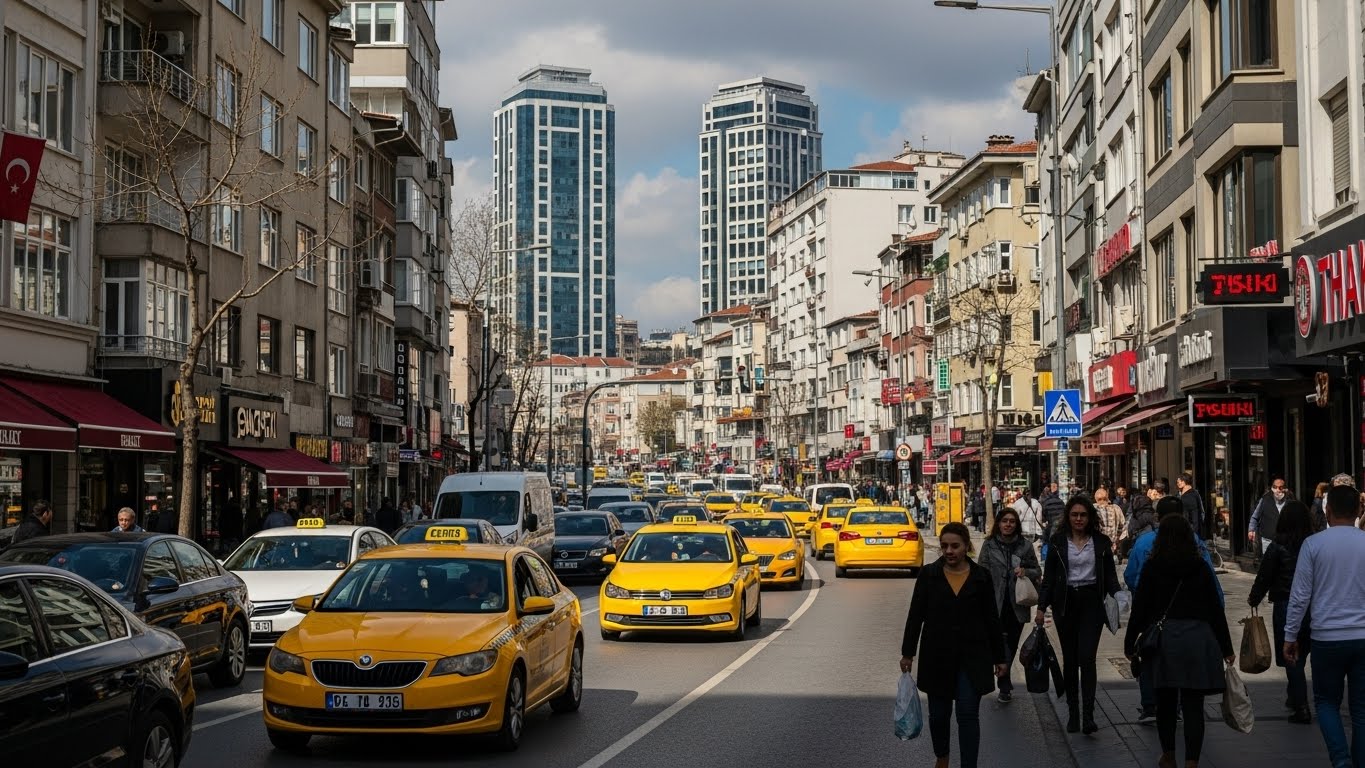
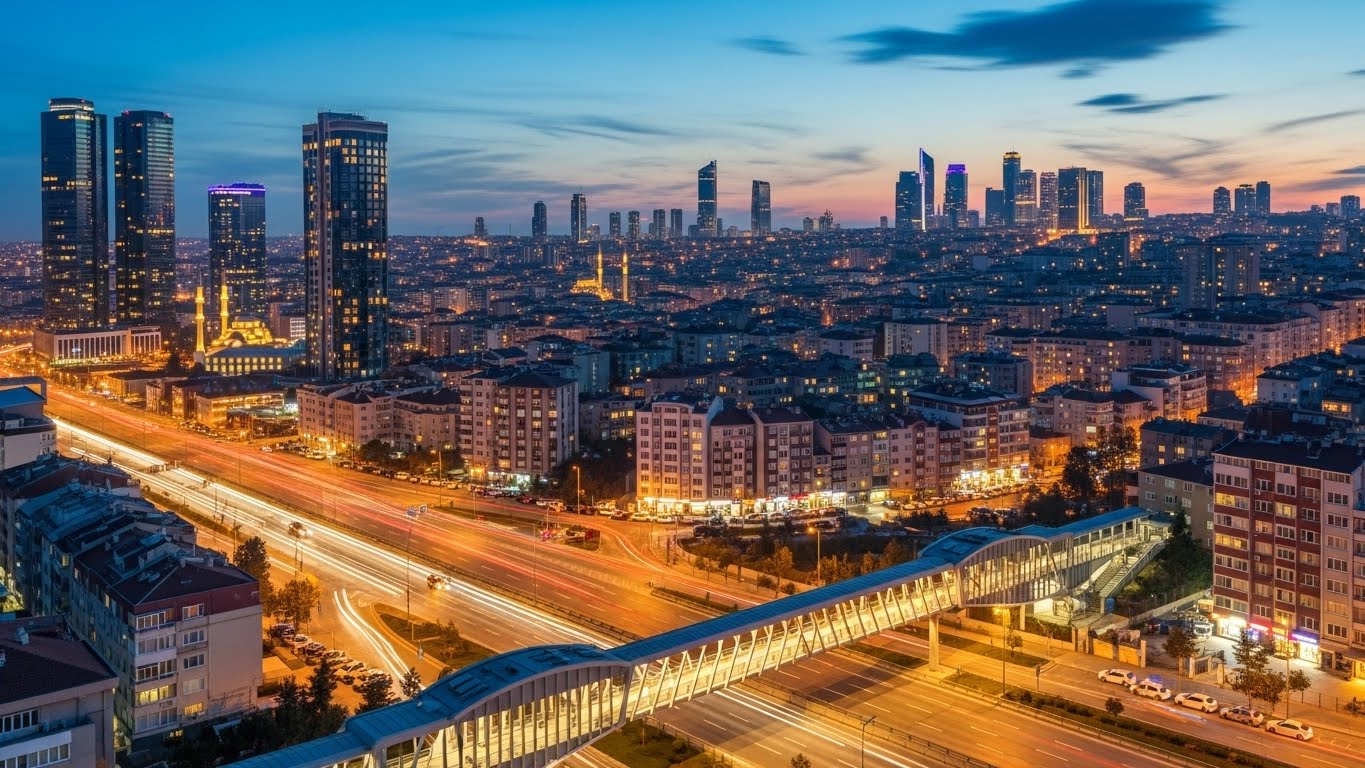
learn about Umraniye
1. Introduction: Why Ümraniye Deserves Your Attention in 2026
Looking for a district that mixes strategic location, modern urban living, family-friendly neighborhoods, and serious investment potential on Istanbul’s Asian side? That’s exactly where Ümraniye comes in. In 2026, Ümraniye is no longer just “that place behind the highway and the mall” – it has evolved into one of the most dynamic, practical, and opportunity-rich districts in the city.
Often overshadowed by more famous neighbors like Üsküdar, Kadıköy, or Ataşehir, Ümraniye quietly offers a package that’s hard to beat:
- Urban accessibility: Direct metro line to Üsküdar and fast access to bridges and business centers.
- Rising property values: Once a cheaper alternative, now a steadily appreciating real estate market.
- Strong infrastructure: Schools, hospitals, malls, business areas – all within the district.
- Family and community feel: Residential blocks, parks, and mosques create a local, grounded atmosphere.
For families, Ümraniye promises safety and convenience. For investors, it offers growth and rental demand. For expats and professionals, it sits at the crossroads of Asian-side business and practical everyday life. It’s not the flashy, touristic face of Istanbul – it’s the functional, liveable one.
2. Where is Ümraniye Located?
Ümraniye is located on the Asian side of Istanbul, slightly inland but directly connected to the main arteries of the city. It sits in a highly strategic position surrounded by key districts:
- Üsküdar to the west/southwest
- Ataşehir to the south
- Sancaktepe to the east
- Çekmeköy to the north and northeast
- Beykoz to the northwest (via forest roads and connectors)
This location makes Ümraniye:
- A bridge district between inner-city business hubs and outer suburban areas.
- A natural extension of the finance and office zones spreading from Ataşehir and Üsküdar.
- A highly accessible residential base for those working in both Asian and European business centers.
From Ümraniye, you can reach:
- Two main bridges to the European side via Üsküdar/Altunizade and Ataşehir/Kozyatağı connections.
- The TEM (O-2) highway and Şile road, which open routes towards airports, industrial zones, and other suburban districts.
In simple terms: Ümraniye isn’t “by the sea,” but it sits on the traffic backbone of the Asian side – a golden trait in a city where commuting often defines your quality of life.
3. Area Size and Population Overview
Ümraniye is one of the larger and more populated districts of Istanbul’s Asian side.
- Total Area: Approximately 45–46 km²
- Estimated Population in 2026: Around 720,000+ residents
This makes Ümraniye a major residential powerhouse – but not just in terms of numbers. The district combines several types of urban environments:
- Dense urban neighborhoods with mid- to high-rise apartment blocks
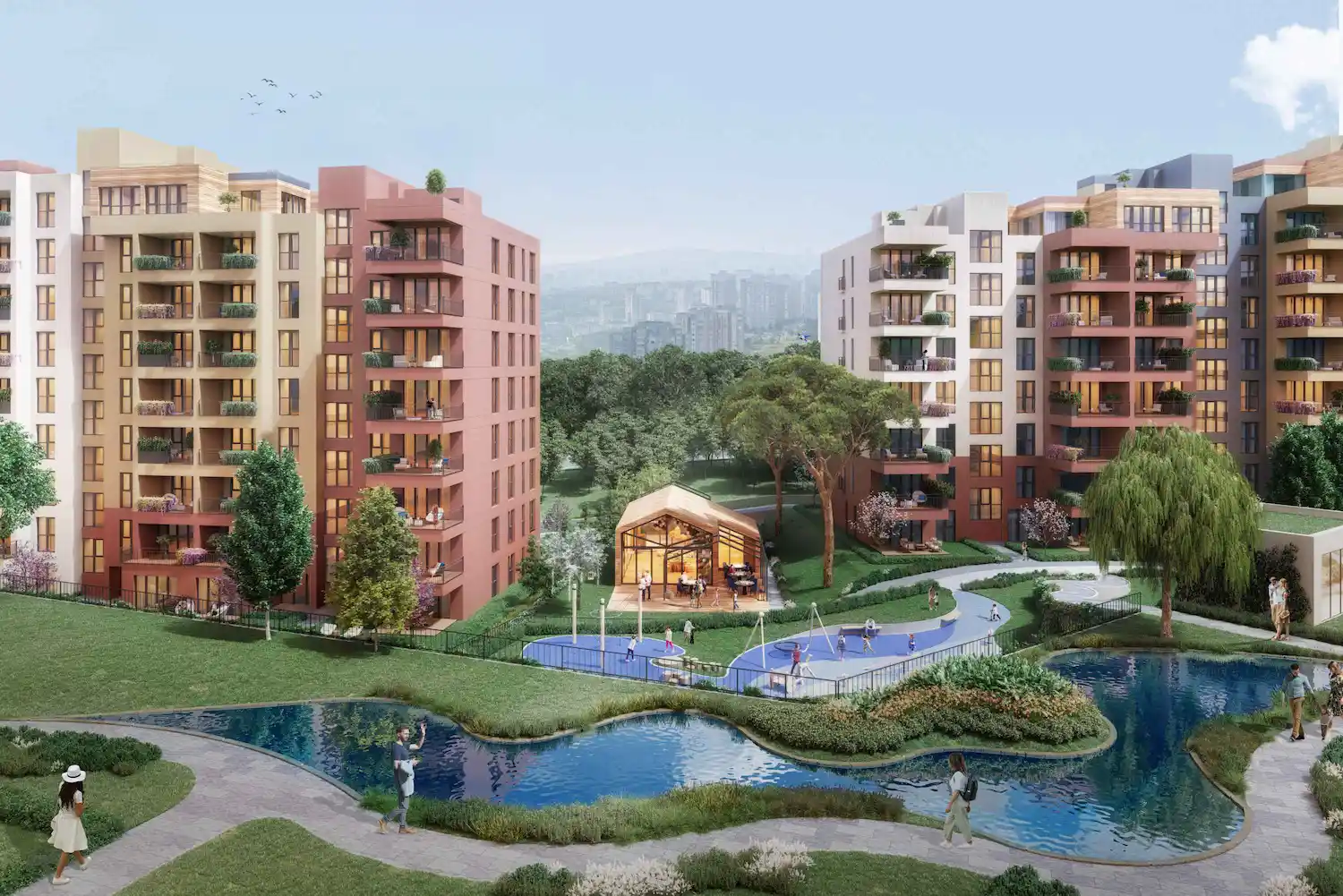
- Modern residential sites with security, parking, pools, and social facilities
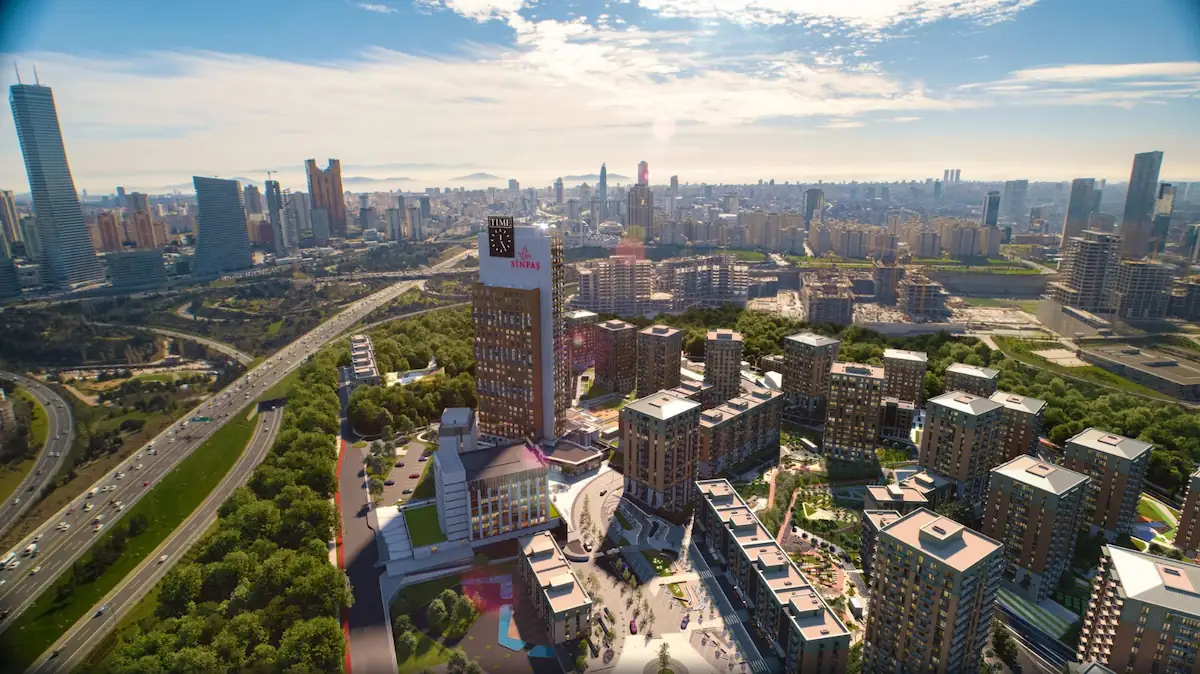
- Commercial belts and office zones, especially towards Şerifali and main highways
- Industrial and logistics zones, particularly around Dudullu and the outer edges
Who is this mix ideal for?
- Families who want local schools, markets, and parks.
- Middle-class professionals who work in finance, logistics, tech, and services.
- Small business owners who benefit from heavy foot traffic and easy transport.
- Investors who want stable, long-term rental demand from a diverse resident base.
Ümraniye isn’t a “tiny boutique district” – it’s a full-scale city within the city, with the population and infrastructure to prove it.
4. Historical Background of Ümraniye
Ümraniye’s story is the classic Istanbul tale of rural lands turning into urban giants. Up until the mid-20th century, much of the area was forest, farmland, and small villages associated with the broader Üsküdar region. It was known more for its greenery and quiet than for any kind of city buzz.
Starting from the 1960s–1970s, waves of internal migration to Istanbul turned Ümraniye into a new settlement area. Informal housing and rapid construction began to appear, later replaced or formalized through urban planning. Over time, Ümraniye was separated administratively and gained the status of a distinct district.
Key milestones in Ümraniye’s transformation:
- The spread of industrial and logistics facilities, especially around Dudullu.
- The development of main highways (TEM) and bridges, making the area logistically valuable.
- The rise of residential blocks and later modern housing complexes, drawing in families and workers.
- The arrival of shopping malls and metro lines, anchoring Ümraniye firmly into Istanbul’s economic core.
Today, you can still feel traces of its village and small-town past in some neighborhoods: older single houses, narrow streets, local markets. At the same time, glass-fronted offices, branded residences, and large commercial centers show its new identity as a modern, working-class-meets-middle-class metropolis.
Ümraniye manages to be both down-to-earth and forward-looking – a district built on growth, opportunity, and constant adaptation.
5. Living in Ümraniye Today
Living in Ümraniye in 2026 means embracing a very “real” Istanbul lifestyle: busy, practical, well-connected, and surprisingly family-oriented for such a large district.
Everyday life here feels like:
- Morning metro rides towards Üsküdar or the business zones.
- Local bakeries, simit stalls, and tea houses filling the streets early.
- Supermarkets, schools, and clinics within walking distance in most neighborhoods.
- Evening walks in neighborhood parks, or quick trips to malls like Canpark or Ümraniye Meydan.
What Ümraniye offers in terms of lifestyle:
- Balanced urban living: not touristy, not sleepy – just active, resident-driven city life.
- Safe, family-friendly neighborhoods in many parts, especially modern sites and renewed areas.
- Relatively affordable housing compared to Kadıköy or central European-side districts, given the location and infrastructure.
- Strong sense of local community: mosques, local cafes, markets, and long-term residents create strong neighborhood identity.
Who lives here?
- Working professionals: commuting to Ümraniye’s own office zones, Ataşehir’s finance center, or Üsküdar and across the bridges.
- Religious and conservative families: valued for its mosques, family-oriented culture, and modest lifestyle.
- Expats: a growing group, especially those working in finance, tech, logistics, or international companies on the Asian side.
- Retirees: often long-time residents who now enjoy being close to health centers, mosques, and family networks.
Ümraniye is not designed to impress tourists. It’s designed to work for residents – and that’s exactly why so many people are choosing it over flashier but less functional districts.
6. Transportation and Accessibility
One of Ümraniye’s biggest advantages? You can actually get places without losing your mind.
Public Transport
M5 Metro Line (Üsküdar – Çekmeköy)
runs directly through Ümraniye, with key stations such as:
- Yamanevler
- Çarşı
- Çekmeköy direction and further stops
From Ümraniye’s metro stations you can:
- Reach Üsküdar easily, then connect to Marmaray and ferries to the European side.
- Use bus and minibus connections from Üsküdar to Beşiktaş, Taksim, Eminönü, and more.
Bus and Minibus Network:
- Ümraniye has a dense web of IETT buses and minibuses, connecting you to:
- Kadıköy, Üsküdar, Kartal, Ataşehir, Sancaktepe, Çekmeköy, and beyond.
- Major hubs such as Altunizade, Acıbadem, and Kozyatağı, which open access to Metrobus and other metro lines.
Road Access
Ümraniye is hugged by major roads:
- TEM (O-2) Highway – direct access to both bridges and northern routes.
- Şile Road – route towards Çekmeköy, Şile, and forested leisure areas.
- Easy access to 15 July Martyrs Bridge and FSM Bridge via connector roads.
Approximate travel times (traffic-dependent, of course):
- Üsküdar – 15–20 minutes
- Kadıköy – 25–35 minutes
- Ataşehir Finance Center – 10–20 minutes
- Levent / Maslak (via bridges) – 30–45+ minutes
- Sabiha Gökçen Airport – 35–45 minutes (via E-80/E-5 corridors)
Add to that planned and ongoing metro expansions, and Ümraniye’s reputation as a “transport-accessible hub” will only grow stronger.
7. Real Estate Market in 2026
Ümraniye’s real estate market in 2026 is active, diversified, and increasingly interesting for both homebuyers and investors. The district has gone from “budget Asian-side option” to a solid mid-range player with rising prices.
Popular Property Types
- 1+1 and 2+1 apartments – modern apartments in new projects, ideal for singles, couples, and investors.
- 3+1 family flats – dominant in more residential neighborhoods and within sites.
- Larger 4+1 apartments and duplexes – for big families or those wanting extra comfort.
- Villas / low-rise townhouses – limited, but present in certain pockets and compounds.
- Commercial units and offices – heavily present near main avenues, Şerifali, and industrial belts.
- Off-plan projects – in urban renewal zones or along growing transport corridors.
Average Property Prices in Ümraniye (USD – 2026, Approximate)
| Property Type | Size (m²) | Price Range (USD) | Notes |
|---|---|---|---|
| 1+1 Apartment | 60–80 | $120,000 – $170,000 | Great for singles and rental investors |
| 2+1 Apartment | 85–110 | $160,000 – $220,000 | Popular with young and small families |
| 3+1 Apartment | 120–150 | $220,000 – $300,000 | Long-term family living |
| 4+1 / Duplex | 150–190 | $280,000 – $360,000 | Larger families, upper-middle segment |
| Villa / Townhouse | 220–400 | $400,000 – $800,000 | Limited stock, premium & expat-friendly |
| Commercial Unit | 40–150+ | $250,000 – $600,000+ | Near main roads, offices, metro = premium |
Prices shift notably based on:
- Proximity to metro and main roads
- Year of construction and building quality
- Whether it is in a gated site with facilities
- Floor, view, and parking availability
In general, Ümraniye still offers better value per m² than some highly branded European-side districts, but the trend is clearly upward.
8. Rental Income and Investment Potential
Ümraniye is high on the radar of investors for a simple reason: it mixes central-ish location with still relatively accessible price points and strong rental demand.
Why Invest in Ümraniye?
- High demand for rentals from workers in finance, logistics, services, tech, and nearby business centers.
- Continuous population growth as more people move to the Asian side for jobs and lifestyle.
- Office and commercial presence in Şerifali and around main highways boosting demand for nearby housing.
- New developments and urban renewal, particularly around metro-accessible corridors.
Average Rental Yields (USD – Approximate)
| Property Type | Monthly Rent (USD) | Annual ROI (Brut, %) |
|---|---|---|
| 1+1 Apartment | $600 – $850 | 5% – 6% |
| 2+1 Apartment | $800 – $1,100 | 5% – 6% |
| 3+1 Apartment | $1,050 – $1,400 | 4.5% – 5.5% |
| 4+1 / Duplex | $1,300 – $1,800 | 4% – 5% |
| Commercial Unit | $1,800 – $3,000+ | 6% – 8%+ |
Pro Tip:
For maximum growth + rental demand, pay attention to:
- Areas near M5 metro stations
- Şerifali and business corridors
- Urban renewal zones transitioning from old blocks to new sites
Ümraniye’s investment appeal lies not only in current yields but also in its upward trajectory as Asian-side business and residential demand rise together.
9. Top Neighborhoods in Ümraniye
Ümraniye is big, and each sub-area tells a slightly different story.
Atakent / Site Areas
Highlights:
- Modern housing complexes (sites)
- Playgrounds, parking, sometimes pools and gyms
- Family-friendly environment
Best For:
- Families wanting security, on-site facilities, and organized living
- Mid- to upper-middle budget buyers
Şerifali
Highlights:
- Mixed-use zone with offices, commercial units, and residences
- Close to main roads & business activity
- Many modern apartment buildings and sites
Best For:
- Professionals working nearby
- Investors targeting young tenants and office workers
- Businesses seeking office and retail space
Çakmak & Ihlamurkuyu
Highlights:
- More “traditional Ümraniye” feel with a mix of older and newer buildings
- Central, with good access to public transport and services
- Generally more budget-friendly than certain site-heavy zones
Best For:
- Residents who prioritize location over super-modern buildings
- Investors seeking better price per m² with stable local demand
Dudullu & Industrial Belt
Highlights:
- Strong industrial and logistics presence
- Residential pockets expanding over time
- Ideal for warehousing and business investments
Best For:
- Commercial investors
- Workers in industrial zones who want to live close to work
- Long-term investors betting on future residential growth
Ümraniye also includes other localities and micro-neighborhoods; but the patterns are clear: central + metro + modern = higher budgets, while more traditional pockets = better entry prices and long-term upside.
10. Education Opportunities
Ümraniye, as a major residential district, is well equipped in terms of education infrastructure.
Public Schools
You’ll find:
- Numerous public primary schools spread across neighborhoods
- Middle schools and general high schools, some with strong local reputations
- Anatolian high schools, offering more competitive entrance and academic focus
Most families can find a public school option within walking distance or a short bus ride from their home.
Private & Religious Schools
Ümraniye is also home to:
- Private colleges and K–12 campuses, often with strong exam prep and language programs
- Imam Hatip middle and high schools, for families who value a religious-based curriculum alongside standard education
These often attract middle-class families looking for smaller class sizes, discipline, and academic support beyond the public system.
International Schools Nearby
While Ümraniye itself may not be the core cluster of international schools, several are accessible within a 30–40 minute drive in neighboring districts such as Ataşehir, Çekmeköy, or Kadıköy.
This makes Ümraniye a valid home base for:
- Expat families who want lower housing costs than central “expat hubs”
- Parents who are okay with school bus or car commutes to international schools
Taken together, Ümraniye offers enough choice for most families, from budget public options to private and religious schooling, with international alternatives not too far away.
11. Healthcare Services
Healthcare access is a crucial factor for choosing where to live, and Ümraniye scores well.
Major Public Hospitals
Ümraniye hosts or neighbors:
- Public hospitals with emergency rooms, surgery departments, maternity care, pediatrics, internal medicine, and more.
- Additional family health centers (Aile Sağlığı Merkezi) throughout neighborhoods for primary care.
Private Hospitals and Clinics
The district and its close surroundings offer:
- Private hospitals with a broad range of specialties – cardiology, orthopedics, gynecology, pediatrics, etc.
- Private clinics & polyclinics, dental centers, physiotherapy and rehab facilities.
- Many of these accept SGK and private health insurance.
Pharmacies
You’ll find:
- Multiple pharmacies in every neighborhood
- Rotating 24/7 “nöbetçi eczane” coverage for night emergencies
For families with children, chronic health needs, or elderly relatives, Ümraniye provides a solid healthcare network that minimizes the need to travel long distances for everyday medical needs.
12. Shopping and Social Life
Ümraniye may not be a tourist paradise, but for shopping and social life, it’s very well-equipped.
Malls
Canpark AVM – Right in Ümraniye, with:
- Fashion brands, electronics, supermarket
- Food court and cafes
- Cinema and kids’ play areas
Ümraniye Meydan AVM – A large, open-style mall and square:
- Shops, cafes, restaurants
- Public events and social gatherings
Metrogarden AVM – Another popular mall with:
Stores, dining options, and entertainment
IKEA & neighboring big-box retail – Ideal for furnishing and home shopping, a known destination even for people living outside Ümraniye.
Markets & Traditional Bazaars
Weekly street markets (pazar) offering fresh fruit and vegetables, textiles, and household goods.
Local butchers, bakeries, grocery shops, and corner stores, forming the backbone of daily life.
Dining & Social Spots
Plenty of local restaurants: kebab houses, pide and lahmacun bakeries, home-style lokantas.
A growing number of modern cafes and dessert spots, especially near malls and in newer residential areas.
Tea gardens and small cafes where locals socialize, watch football, or just unwind.
The vibe is more local and resident-driven than “nightlife-heavy” – great for families and professionals who want things to do without the chaos of club districts.
13. Nature and Green Spaces
Ümraniye might not have a coastline, but it still offers pockets of green and outdoor life options.
District parks with:
- Walking and jogging paths
- Children’s playgrounds
- Open-air exercise equipment
- Benches and picnic areas
- Smaller neighborhood pocket parks scattered throughout the district.
Additionally:
Proximity to forests and natural areas (especially towards Çekmeköy and Şile direction) means that weekend escapes into nature are relatively easy.
For families:
- Kids have space to play outside in local parks and site gardens.
- For fitness lovers:
- Morning or evening walks/jogs in nearby parks or within large residential sites are common routines.
Ümraniye’s green spaces may be more fragmented than some suburban districts, but they are sufficient to create breathable, liveable pockets inside a dense urban fabric.
14. Religious and Cultural Life
Ümraniye has a clearly visible religious and traditional cultural layer, similar to many Asian-side residential districts.
Religious Life
- Numerous mosques in every neighborhood – from large central ones to small local masjids.
- Active congregations, especially at Friday prayers, Ramadan, and religious holidays.
- Quran courses and religious education centers, often attached to mosques or run independently.
Cultural Life
Municipal cultural centers, offering:
- Theater performances, concerts, film screenings
- Art exhibitions, seminars, and workshops
- Courses in music, dance, languages, and crafts
Ramadan events, including:
- Community iftars
- Nighttime activities and religious talks
- Child-friendly programs and traditional shows
Ümraniye is not a hipster art quarter, but its cultural life is deeply tied to community and family – events are often local, accessible, and inclusive.
15. Pros and Cons of Ümraniye
Pros
- Strategic Asian-side location, close to major highways and bridges
- M5 metro line and strong bus network
- Relatively affordable compared to equivalent central districts
- Rich infrastructure: malls, schools, hospitals, offices, industrial zones
- High rental demand from a broad range of residents
- Family-friendly and community-oriented atmosphere
Cons
- Traffic congestion around main roads and junctions during peak hours
- Not a coastal or scenic district – no seafront lifestyle
- Some older building stock still waiting for renewal
- Many areas are visually dense and concrete-heavy
- Nightlife and entertainment options are limited – more “family” than “party”
Whether these are pros or cons depends a lot on what you want. For some, lack of nightlife is a plus; for others, it’s a dealbreaker.
16. Who Should Live or Invest in Ümraniye?
| Group | Why Ümraniye Works |
|---|---|
| Families | Schools, parks, healthcare, safe neighborhoods, malls close by |
| Investors | Strong rental demand, solid yields, rising prices |
| Expats | Central Asian-side base, near finance & business hubs, good transport |
| Retirees | Access to health services, mosques, markets, and family networks |
| Professionals | Easy commute to Üsküdar, Ataşehir, finance center, and across bridges |
In short:
- If you want an everyday, practical Istanbul life, Ümraniye fits.
- If you want a rental property with stable returns, Ümraniye fits.
- If you want beachfront cafes and tourist views, Ümraniye is not the district you’re looking for.
17. Future Outlook: 2026–2028
Ümraniye’s future looks closely tied to infrastructure, business expansion, and urban renewal.
What’s Coming / Continuing
- Further metro integration and expansions on the Asian side, making Ümraniye even more connected.
- Ongoing urban renewal, replacing older buildings with modern, earthquake-resilient housing.
- Growth in office and commercial activity in and around Şerifali and main arteries.
- Continued mall and retail development, reinforcing Ümraniye as a shopping and service hub.
Price Forecast Ümraniye (Indicative Trend)
| Sub-Area | Projected Value Increase (2026–2028) |
|---|---|
| Şerifali / Business Belt | 18% – 25% |
| Atakent / Site Areas | 15% – 20% |
| Central Ümraniye (Çarşı, metro-access zones) | 15% – 20% |
| Older Neighborhoods (renewal candidates) | 10% – 15% |
The exact numbers will depend on the broader economy, interest rates, and policies; but Ümraniye has the right fundamentals to continue appreciating.
18. Conclusion: Is Ümraniye the Right Choice for You in 2026?
Ümraniye in 2026 stands out as:
- A central Asian-side hub with powerful connectivity,
- A functioning ecosystem of homes, offices, malls, schools, and hospitals,
- A district where normal life actually works – not just looks good on postcards,
- A real estate market with both income and growth potential.
If your priority is smart use of money, time, and daily energy – not just a glamorous address – Ümraniye deserves to be on your shortlist for both living and investing.
It’s more than a name on the map; it’s a place where you can build a routine, a family, a business, and a future on the Asian side of Istanbul.
FAQs
The most reliable approach is to use a dedicated, market-specific ROI calculator rather than generic assumptions. We recommend using Deal TR ROI Calculator, which is built specifically for Turkish real estate investments. By using our calculator at Yes. While it is a large and busy district, most residential neighborhoods – especially modern sites and family areas – are considered safe, with active street life, community presence, and good local services. As of 2026, you can expect roughly from $160,000–$220,000 for a typical 2+1 apartment and $220,000–$300,000 for a 3+1, depending on building age, location, and facilities. Yes. Strong demand from workers, families, and students, combined with rising prices and solid yields in the 4.5–6% gross range, makes Ümraniye attractive to buy-to-let investors. With metro + Marmaray or bridge routes, typical commutes to places like Beşiktaş or Levent might range from 30 to 45+ minutes, depending on traffic and exact route. It’s not as international as Kadıköy or central European-side districts, but many expats live here due to work. In malls, hospitals, and some schools, you’ll find English speakers; learning basic Turkish will make life much easier and more enjoyable.
👉 https://www.deal-tr.com/en/roi
Area Insights & Neighborhood Demographics
699,000
Married : 63%
Unmarried : 28%
District Property Price Trend (Last 5 Years)
14.24%
292.8%
299.5%
Instant ROI Calculator for Istanbul Property Investment
Curious about your returns? Enter your property details and instantly discover your expected rental yield and ROI.
Apartments for sale in Umraniye
Have Question Or Suggestion ?
Please Share Your Thought, To Make It Real