How to Open a Local Bank Account in Turkey as an American Expatriate
Learn how Americans can open a bank account in Turkey, including required documents, FATCA rules, banking options, fees, and practical tips.
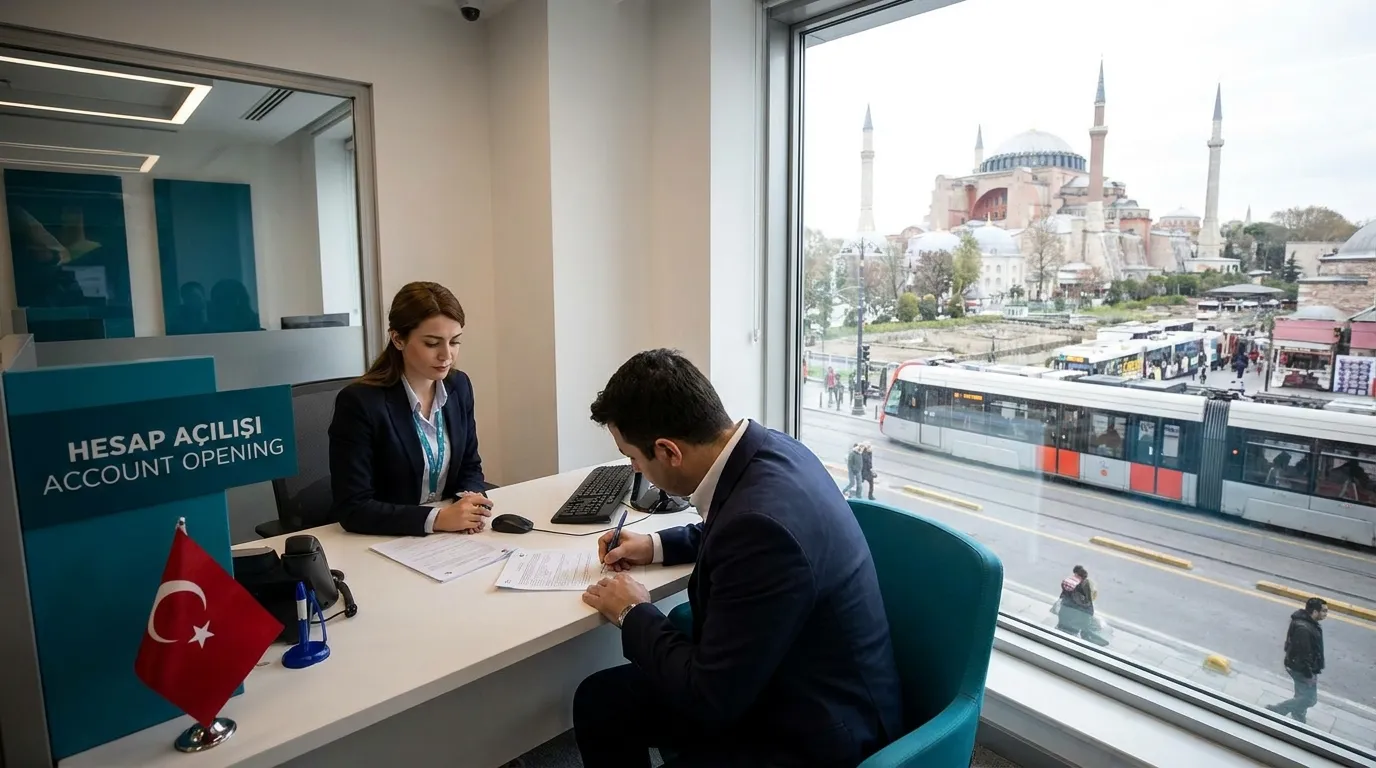
How to Open a Local Bank Account in Turkey as an American Expatriate
Introduction
Opening a local bank account in Turkey can make everyday life much easier for American expatriates. Whether you're relocating for work, retirement, business, or an extended stay, having a Turkish bank account simplifies paying rent, receiving salary payments, transferring money, and handling utility bills. While the process is generally straightforward, U.S. citizens face additional compliance requirements because of American tax reporting regulations.
This guide explains the requirements, documents, and steps involved in opening a Turkish bank account as an American.
For foreigners planning to live, invest, or work in Turkey, choosing the right bank is an important first step. Our guide to "https://www.deal-tr.com/en/blog/the-best-banks-in-turkey" the best banks in Turkey compares leading institutions, services, fees, and account options
Can Americans Open a Bank Account in Turkey?
Yes. American citizens are legally allowed to open bank accounts in Turkey. Most major Turkish banks accept foreign customers, including U.S. nationals, although the application process may take slightly longer due to FATCA (Foreign Account Tax Compliance Act) reporting obligations.
Some banks are more familiar with serving expatriates than others, making the experience smoother.
Documents You'll Need
Requirements vary slightly between banks, but you'll typically need:
- A valid U.S. passport
- Turkish Tax Identification Number (Vergi Kimlik Numarası)
- Proof of address (either in Turkey or your home country)
- Turkish residence permit (required by some banks, optional at others)
- Turkish mobile phone number
- Proof of income or employment (occasionally requested)
- FATCA declaration and IRS Form W-9 for U.S. citizens
Having translated or notarized documents is rarely necessary unless specifically requested.
Step 1: Obtain a Turkish Tax Number
Before visiting a bank, obtain a Turkish Tax Identification Number from the local Tax Office (Vergi Dairesi). The process is usually quick and requires only your passport and a completed application.
Many foreigners receive their tax number on the same day.
Step 2: Choose the Right Bank
Popular banks serving expatriates include:
| Bank | English Support | Mobile Banking | Notes |
|---|---|---|---|
| Ziraat Bankası | Limited | Good | Large branch network |
| İş Bankası | Good | Excellent | Popular with foreigners |
| Garanti BBVA | Very Good | Excellent | Modern digital services |
| Akbank | Good | Excellent | Strong online banking |
| Yapı Kredi | Good | Very Good | Wide ATM availability |
| QNB Türkiye | Moderate | Good | International banking options |
If English-speaking staff are important, larger branches in Istanbul, Ankara, Izmir, or Antalya are usually the best choice.
Step 3: Visit a Branch
Unlike some countries, many Turkish banks still require first-time account openings to be completed in person.
During your appointment, a representative will:
- Verify your identity
- Review your documents
- Complete FATCA paperwork
- Collect your signature
- Open your checking and savings accounts if requested
The appointment usually takes between 30 and 60 minutes.
Step 4: Receive Your Debit Card
After your account is approved, you'll receive:
- Turkish IBAN
- Debit card
- Online banking access
- Mobile banking credentials
Debit cards generally arrive within one to two weeks, although some branches issue temporary cards immediately.
Types of Accounts Available
Most expatriates choose a standard checking account (Vadesiz Hesap), but banks also offer:
- Turkish Lira accounts
- U.S. Dollar accounts
- Euro accounts
- Gold accounts
- Savings accounts (Vadeli Hesap)
Many foreigners maintain both a Turkish Lira account for daily expenses and a U.S. dollar account for international transfers.
Banking Fees
Fees differ by bank but commonly include:
| Service | Typical Cost |
|---|---|
| Account opening | Usually free |
| Monthly maintenance | Often free with activity |
| Domestic transfers | Low cost or free online |
| International wire transfers | Varies by bank |
| ATM withdrawals | Free at own bank ATMs |
Review the bank's current fee schedule before opening an account.
Online and Mobile Banking
Turkish banks have invested heavily in digital banking. Most major institutions offer mobile apps that allow customers to:
- Pay utility bills
- Transfer money
- Exchange currencies
- View account balances
- Schedule recurring payments
- Manage debit cards
English-language interfaces are available at several major banks, though not all features may be translated.
International Money Transfers
Many expatriates regularly transfer funds between the United States and Turkey.
Available options include:
- Traditional bank wire transfers
- Wise
- Western Union
- MoneyGram
- Remitly (availability varies)
Comparing exchange rates and transfer fees before sending large amounts can help reduce costs.
Tax Reporting for Americans
American citizens must remember that opening a foreign bank account does not eliminate U.S. tax reporting obligations.
Depending on account balances, you may need to file:
- FBAR (FinCEN Form 114) if your aggregate foreign financial accounts exceed $10,000 at any point during the calendar year.
- IRS Form 8938 if you meet the applicable reporting thresholds under the Foreign Account Tax Compliance Act (FATCA).
Turkey and the United States cooperate under FATCA, so banks may report certain account information to U.S. tax authorities through the required channels. If you're unsure of your obligations, consult a tax professional experienced in U.S. expatriate taxation.
Common Challenges
Some Americans encounter:
- Longer approval times because of FATCA compliance
- Requests for additional identification
- Limited English support in smaller branches
- Residence permit requirements at certain banks
Choosing a bank accustomed to working with foreign residents can help avoid delays.
Tips for a Smooth Experience
- Obtain your tax number before visiting the bank.
- Bring original documents along with photocopies.
- Visit larger branches in major cities.
- Ask whether English-language online banking is available.
- Confirm any fees for international transfers and foreign currency accounts.
- Keep your U.S. tax reporting obligations in mind when maintaining overseas accounts.
Opening a local account can make everyday payments, property transactions, and money transfers much easier. Read our complete guide to "https://www.deal-tr.com/en/blog/turkey-bank-account-2026-what-foreigners-must-know" opening a bank account in Turkey for foreigners to understand the required documents, application process, and common restrictions.
Conclusion
Opening a bank account in Turkey as an American expatriate is generally a straightforward process once you have the necessary documentation. A Turkish tax identification number, valid identification, and completion of FATCA paperwork are the primary requirements. Selecting a bank with experience serving international customers can make the process faster and more convenient.
With a local account, you'll gain easier access to salary deposits, bill payments, currency exchange, and everyday financial services, making your transition to life in Turkey considerably smoother.
FAQs
However, some of the largest and most well-established banks in Turkey include Garanti Bank, Akbank, Is Bank, Yapi Kredi Bank, and Halkbank. It is recommended to research and compare the services and fees of these and other banks in Turkey to determine which one would be the best fit for you.
Interest rates on savings and deposit accounts can vary widely among banks in Turkey, and can also change frequently. It is recommended to check the websites of different banks or contact them directly to get the current interest rates they offer. Generally, interest rates on savings and deposit accounts in Turkey are generally lower compared to many other countries.
As of my knowledge cutoff, the Central Bank of the Republic of Turkey (CBRT) sets the benchmark interest rate, called the one-week repo rate, which is used by many banks to determine their deposit and lending rates. However, it's important to note that interest rates can change frequently, so you should check for the most up-to-date information.
Turkish Lira (TL) Deposits
Top promotional (“welcome”) rates: 42% – 45.5%
Mostly offered by digital banks and mobile-only campaigns
Usually valid for 32–45 days
Standard deposit rates: 35% – 40%
Common at traditional branch banking
After tax (17.5% withholding):
A 45% gross rate ≈ 37% net
Still above inflation (~31%), meaning positive real returns
These high rates are supported by the tight monetary stance of the Central Bank of the Republic of Türkiye, which has set the policy rate at 38%.
For retail savers, confidence is high. Deposits are insured by the Savings Deposit Insurance Fund (TMSF) up to 950,000 TL per person, per bank in 2025. This coverage applies to: TL deposits FX deposits (converted to TL) Gold accounts By splitting savings across multiple banks, individuals can insure significantly larger sums.
However, some of the largest and most well-established banks in Turkey include Garanti Bank, Akbank, Is Bank, Yapi Kredi Bank, and Halkbank. It is recommended to research and compare the services and fees of these and other banks in Turkey to determine which one would be the best fit for you.
Interest rates on savings and deposit accounts can vary widely among banks in Turkey, and can also change frequently. It is recommended to check the websites of different banks or contact them directly to get the current interest rates they offer. Generally, interest rates on savings and deposit accounts in Turkey are generally lower compared to many other countries.
As of my knowledge cutoff, the Central Bank of the Republic of Turkey (CBRT) sets the benchmark interest rate, called the one-week repo rate, which is used by many banks to determine their deposit and lending rates. However, it's important to note that interest rates can change frequently, so you should check for the most up-to-date information.
Turkish Lira (TL) Deposits
Top promotional (“welcome”) rates: 42% – 45.5%
Mostly offered by digital banks and mobile-only campaigns
Usually valid for 32–45 days
Standard deposit rates: 35% – 40%
Common at traditional branch banking
After tax (17.5% withholding):
A 45% gross rate ≈ 37% net
Still above inflation (~31%), meaning positive real returns
These high rates are supported by the tight monetary stance of the Central Bank of the Republic of Türkiye, which has set the policy rate at 38%.
For retail savers, confidence is high. Deposits are insured by the Savings Deposit Insurance Fund (TMSF) up to 950,000 TL per person, per bank in 2025. This coverage applies to: TL deposits FX deposits (converted to TL) Gold accounts By splitting savings across multiple banks, individuals can insure significantly larger sums.
Have Question Or Suggestion ?
Please Share Your Thought, To Make It Real