Istanbul Real Estate: The Ultimate Guide to Buying Property in Turkey
Explore Istanbul real estate opportunities, discover the best areas to buy property, compare prices, understand legal requirements, and maximize your investment.
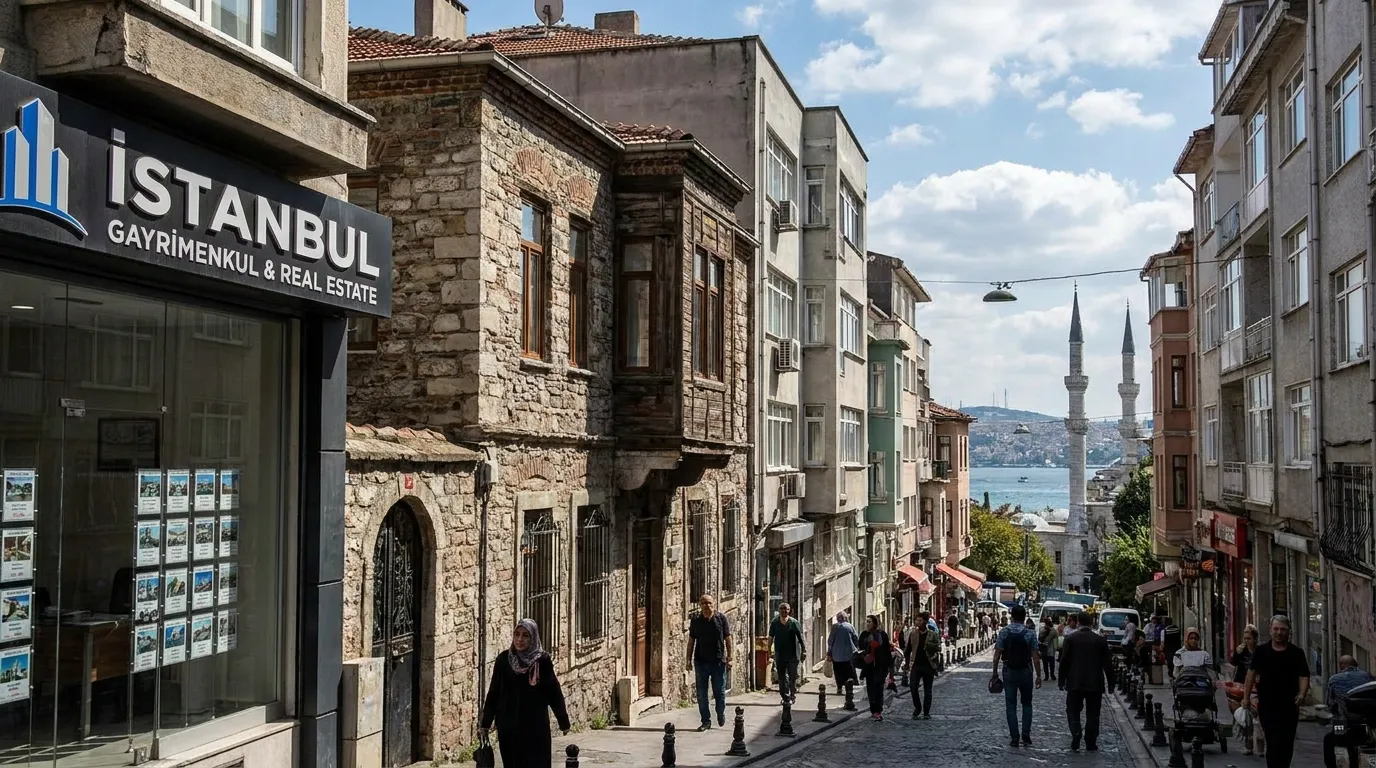
Istanbul Real Estate: The Ultimate Guide to Buying Property in Istanbul
The Istanbul real estate market has become one of the most attractive property investment destinations in Europe and the Middle East. Every year, thousands of international investors purchase apartments, villas, commercial spaces, and luxury residences in Istanbul because of the city's strategic location, growing economy, modern infrastructure, and strong long-term appreciation potential.
Unlike many global property markets where prices have already reached record highs, property for sale in Istanbul continues to offer comparatively affordable opportunities across different budgets. Whether you are searching for a modern apartment in Başakşehir, a luxury Bosphorus villa, a commercial office in Maslak, or an investment property with high rental returns, Istanbul provides options for nearly every type of buyer.
One of the biggest reasons investors are drawn to Istanbul is its unique position as the only city in the world that spans two continents. This geographic advantage has transformed Istanbul into a global hub for trade, tourism, finance, logistics, education, and international business. Combined with ambitious infrastructure projects and continuous urban redevelopment, the city offers an investment environment with significant long-term growth potential.
This comprehensive guide explores every aspect of buying property in Istanbul—from understanding the local market and choosing the right neighborhood to navigating legal procedures and maximizing rental income. Whether you are purchasing your first overseas property or expanding a global real estate portfolio, this guide will help you make informed decisions.
Why Invest in Istanbul Real Estate?
Real estate investment is influenced by several factors, including economic stability, population growth, infrastructure, affordability, and long-term demand. Istanbul performs strongly across each of these criteria, making it one of the most dynamic property markets in the region.
Strategic Location
Istanbul serves as the gateway between Europe and Asia. This unique position supports international commerce, attracts multinational companies, and encourages tourism throughout the year. With millions of visitors arriving annually and a population exceeding 16 million, housing demand remains consistently high.
The city's accessibility has improved dramatically through major infrastructure investments, including:
- Istanbul Airport
- Marmaray Rail System
- Eurasia Tunnel
- Northern Marmara Motorway
- Metro expansion projects
- Planned Kanal Istanbul development
These projects not only improve transportation but also contribute to rising property values in surrounding districts.
Strong Population Growth
Population growth directly influences housing demand. Istanbul continues to attract students, professionals, entrepreneurs, and families from across Turkey and abroad. This steady influx creates demand for both owner-occupied homes and rental properties.
Young professionals often seek apartments near business districts, while families prioritize neighborhoods with schools, parks, hospitals, and public transportation. Investors benefit from this diverse demand because it supports occupancy across multiple property types.
Affordable Compared with Global Cities
When compared to cities such as London, Paris, Dubai, New York, or Singapore, Istanbul property prices remain relatively affordable. Buyers can often purchase spacious, modern apartments with premium amenities at prices significantly lower than those found in many Western capitals.
This affordability has encouraged international investors to diversify their portfolios while gaining exposure to a growing market.
Understanding the Istanbul Property Market
The Istanbul property market is not a single, uniform landscape. Instead, it consists of multiple submarkets, each offering different advantages depending on investment objectives.
Some districts focus on luxury living, while others are known for affordable family housing or high-yield rental opportunities. Understanding these differences is essential before making a purchase.
Residential Properties
Residential real estate represents the largest segment of Istanbul's market.
Popular options include:
- Studio apartments
- One-bedroom apartments
- Family apartments
- Duplex homes
- Penthouses
- Gated communities
- Smart homes
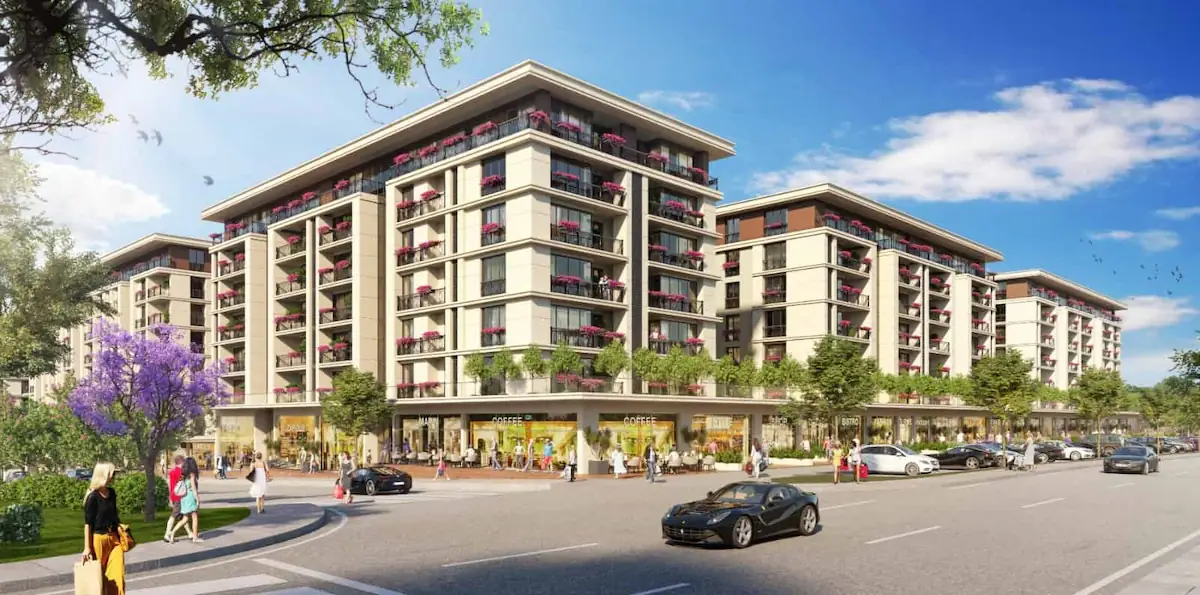
Modern residential developments often include facilities such as swimming pools, fitness centers, children's playgrounds, landscaped gardens, co-working spaces, and 24-hour security.
Luxury Real Estate
Luxury properties occupy some of Istanbul's most prestigious neighborhoods, particularly along the Bosphorus.
Features often include:
- Waterfront views
- Private marinas
- Concierge services
- Smart home automation
- Premium architecture
- Indoor swimming pools
- Private gardens
Luxury homes appeal to both local high-net-worth individuals and international investors seeking exclusive residences.
Commercial Real Estate
Commercial investments include:
- Offices
- Retail units
- Hotels
- Warehouses
- Medical clinics
- Mixed-use developments
These properties can offer attractive rental income when located in established business districts.
Why Foreign Investors Choose Istanbul
Foreign investment has played an increasingly important role in Turkey's property market. Buyers from Europe, the Gulf region, Asia, and North America continue to invest in Istanbul for a variety of reasons.
One of the most compelling factors is the relatively straightforward process for foreign ownership. While buyers should always confirm the latest legal requirements with qualified professionals, Turkey generally allows foreign nationals from many countries to purchase real estate, subject to applicable regulations.
Another advantage is the diversity of available properties. Investors can choose from affordable apartments in emerging neighborhoods, family homes in suburban communities, luxury residences overlooking the Bosphorus, or commercial assets in thriving business districts. This variety allows buyers to align purchases with different financial goals, whether those involve rental income, capital appreciation, or personal use.
Istanbul's international appeal is also strengthened by its role as a global tourism destination. Millions of visitors arrive each year for business, education, healthcare, and leisure. This constant flow of people supports demand for both long-term residential rentals and short-term accommodation, particularly in well-connected districts.
Many foreign buyers are also interested in Turkey's Citizenship by Investment program, which has encouraged additional demand from investors seeking both real estate opportunities and the potential benefits associated with Turkish citizenship. Because eligibility criteria and investment thresholds can change, it is essential to verify the current requirements through official government sources or qualified legal advisors before making any investment decisions.
Best Areas to Buy Property in Istanbul
Choosing the right location is one of the most important decisions when investing in Istanbul real estate. While the city offers opportunities across hundreds of neighborhoods, each district has its own advantages in terms of lifestyle, investment potential, rental demand, transportation, and future appreciation. A property in the right location can outperform the market over time, making location analysis just as important as the property itself.
The European side of Istanbul is often the preferred choice for international investors because it is home to the city's financial districts, business centers, historical landmarks, and many large-scale residential developments. On the other hand, the Asian side offers a quieter lifestyle, expanding infrastructure, and increasing demand from families and professionals seeking modern communities.
The table below highlights some of the most popular investment districts.
| District | Property Type | Investment Potential | Rental Demand | Best For |
|---|---|---|---|---|
| Başakşehir | Apartments | Excellent | High | Long-term investment |
| Beylikdüzü | Apartments | High | Medium-High | Affordable investment |
| Kağıthane | Apartments | Excellent | High | Capital appreciation |
| Beşiktaş | Luxury Homes | Premium | Very High | Luxury buyers |
| Şişli | Apartments | Excellent | Very High | Rental income |
| Maslak | Commercial & Luxury | Excellent | High | Business professionals |
| Kadıköy | Apartments | Excellent | Very High | Lifestyle & rentals |
| Üsküdar | Villas & Apartments | High | High | Families |
| Kartal | Apartments | Growing | Medium-High | Emerging market |
| Ataşehir | Apartments | Excellent | High | Financial district |
Başakşehir
Over the last decade, Başakşehir has transformed into one of Istanbul's most sought-after residential districts. Carefully planned urban development, modern infrastructure, wide roads, green spaces, international schools, and proximity to Istanbul Airport have all contributed to its popularity.
Large residential projects dominate the district, offering buyers access to modern apartments equipped with swimming pools, fitness centers, children's play areas, and 24-hour security. Families are particularly attracted to Başakşehir because of its peaceful environment and high-quality healthcare facilities, including Başakşehir Çam and Sakura City Hospital, one of Europe's largest medical complexes.
From an investment perspective, Başakşehir continues to benefit from ongoing infrastructure improvements and sustained housing demand. Properties purchased in developing areas of the district have shown strong appreciation over recent years, making it a preferred choice for investors seeking long-term growth rather than short-term speculation.
Kağıthane
Few districts in Istanbul have experienced as dramatic a transformation as Kağıthane. Once known primarily as an industrial area, it has evolved into one of the city's fastest-growing residential and commercial hubs through extensive urban renewal projects.
Its strategic location near Levent, Maslak, Şişli, and Beşiktaş makes it highly attractive for professionals working in Istanbul's central business districts. Excellent transportation links, including metro lines and major highways, further enhance accessibility.
Developers have introduced numerous modern residential complexes featuring smart-home technology, premium amenities, and contemporary architecture. These projects attract both local professionals and international investors, resulting in consistently strong rental demand.
Because Kağıthane still offers prices below some neighboring premium districts, many analysts view it as a market with continued upside potential. Investors seeking a balance between affordability and appreciation often place Kağıthane high on their shortlist.
Beylikdüzü
Located on Istanbul's western edge, Beylikdüzü has become one of the city's leading destinations for buyers seeking affordable yet high-quality housing.
The district is characterized by wide boulevards, modern residential developments, shopping centers, international schools, and expansive parks. Compared with central districts, buyers can often purchase significantly larger apartments for the same budget.
Beylikdüzü also benefits from strong transportation connections through the Metrobus system, providing relatively convenient access to central Istanbul.
While capital appreciation has been steady rather than explosive, the district remains attractive to investors targeting family tenants and long-term rental income. Affordable pricing continues to draw first-time buyers and overseas investors looking to maximize value.
Beşiktaş
For buyers interested in luxury real estate, Beşiktaş consistently ranks among Istanbul's most prestigious districts. Positioned along the Bosphorus, it offers an exceptional combination of waterfront living, historical significance, and vibrant urban life.
Luxury apartments and restored historical residences dominate the local market. Many properties feature panoramic Bosphorus views, premium finishes, concierge services, and close proximity to upscale shopping, fine dining, and cultural attractions.
Rental demand remains exceptionally strong due to the district's popularity among executives, expatriates, and affluent residents. Although property prices are among the highest in Istanbul, limited supply and enduring demand help support long-term value.
Kadıköy
Located on the Asian side, Kadıköy is widely regarded as one of Istanbul's most livable districts. Its lively streets, waterfront promenade, cafés, restaurants, universities, and cultural venues create a dynamic environment that appeals to both residents and visitors.
The district offers a mix of modern apartments, renovated historic buildings, and luxury residences. Excellent public transportation—including ferries, metro lines, and the Marmaray rail connection—provides seamless access to the European side.
For investors, Kadıköy stands out because of its consistently high rental demand. Students, young professionals, families, and expatriates all contribute to a stable tenant base, reducing vacancy risks and supporting attractive rental yields.
Types of Property for Sale in Istanbul
One of Istanbul's greatest strengths is the diversity of its real estate market. Buyers can find properties ranging from affordable studio apartments to exclusive Bosphorus mansions worth millions of dollars.
Apartments
Apartments remain the most popular property type among both domestic and international buyers. Modern developments often include amenities such as:
- Swimming pools
- Fitness centers
- Children's playgrounds
- Underground parking
- Landscaped gardens
- Smart-home systems
- 24/7 security
- Concierge services
Apartments are particularly attractive for investors because they generally offer strong rental demand and lower maintenance requirements compared with detached homes.
Villas
Luxury villas are concentrated in districts such as Sarıyer, Beykoz, Üsküdar, and parts of Büyükçekmece. These properties typically feature spacious layouts, private gardens, swimming pools, and high levels of privacy.
Many villas overlooking the Bosphorus are considered among Turkey's most prestigious residential assets, attracting high-net-worth buyers from around the world.
Commercial Properties
Commercial real estate includes office buildings, retail stores, hotels, restaurants, warehouses, healthcare facilities, and mixed-use developments.
Business districts such as Maslak, Levent, Şişli, and Ataşehir remain particularly attractive for commercial investors due to strong demand from corporations and growing business activity.
Off-Plan Developments
Off-plan properties allow buyers to purchase units before construction is completed, often at lower prices than finished projects. Developers may also offer flexible payment plans, making these investments appealing to buyers who do not require immediate occupancy.
However, investors should carefully evaluate the developer's reputation, construction timeline, and contractual terms before committing to an off-plan purchase.
Istanbul Property Prices
Property prices in Istanbul vary significantly depending on the district, proximity to transportation, development quality, and available amenities. Central locations and Bosphorus-facing neighborhoods command premium prices, while emerging districts offer more affordable entry points.
Several factors influence pricing:
- Location
- Building age
- Construction quality
- Infrastructure projects
- Metro accessibility
- Sea views
- School proximity
- Shopping facilities
- Business districts
- Future urban redevelopment
Rather than focusing solely on current prices, experienced investors often evaluate future growth potential. Areas benefiting from new metro lines, commercial developments, and urban regeneration projects frequently experience above-average appreciation over time.
Buying Property in Istanbul as a Foreigner
For many international investors, the idea of owning property in Turkey is both exciting and rewarding. Turkey has established itself as one of the most accessible countries for foreign real estate investment, and Istanbul remains the top destination due to its economic strength, modern infrastructure, and diverse property options. Whether you're purchasing a holiday home, a rental investment, or a permanent residence, understanding the buying process can help ensure a smooth transaction.
Foreign nationals from many countries are permitted to buy property in Turkey, subject to applicable laws and restrictions. Before purchasing, buyers should confirm their eligibility and review the latest legal requirements with a qualified real estate lawyer or the relevant Turkish authorities.
A typical property purchase involves the following steps:
- Define Your Budget and Investment Goals
- Decide whether you're buying for personal use, rental income, or long-term capital appreciation.
- Consider additional costs such as taxes, legal fees, and maintenance expenses.
- Choose the Right Location
- Research neighborhoods based on your objectives.
- Evaluate transportation links, schools, hospitals, shopping centers, and future infrastructure projects.
- Work with a Reputable Real Estate Agency
- Choose an experienced agency with a strong track record and transparent practices.
- Verify property details, pricing, and ownership documentation.
- Conduct Legal Due Diligence
- Confirm that the property has a valid title deed (Tapu).
- Ensure there are no outstanding debts, legal disputes, or restrictions affecting the property.
- Sign the Sales Agreement
- Once terms are agreed upon, both parties sign a purchase agreement.
- A deposit is commonly paid at this stage.
- Transfer Ownership
- The final transaction takes place at the Turkish Land Registry Office.
- Ownership is officially transferred upon issuance of the new title deed.
Working with experienced legal and financial professionals can help buyers navigate the process efficiently while minimizing risks.
Turkish Citizenship by Investment
Turkey's Citizenship by Investment (CBI) program has attracted significant international interest since its introduction. While real estate investment is one pathway that may qualify applicants, eligibility requirements, investment thresholds, and regulations can change over time. Prospective applicants should always verify the latest criteria through official government sources or qualified legal advisors.
Potential benefits associated with Turkish citizenship may include:
- The right to live and work in Turkey.
- Access to Turkey's healthcare and education systems.
- The ability to apply for a Turkish passport, subject to applicable laws.
- Opportunities to establish businesses and invest within Turkey.
For investors considering citizenship, selecting a property that meets program requirements while also offering strong long-term investment potential is often a prudent strategy.
Rental Income and Return on Investment (ROI)
One of the key attractions of Istanbul real estate investment is the opportunity to generate rental income. As Turkey's largest city and commercial center, Istanbul experiences consistent demand from professionals, students, expatriates, and tourists.
Long-Term Rentals
Long-term rental properties are particularly popular in districts with:
- Universities
- Business centers
- Hospitals
- Government offices
- Public transportation hubs
Neighborhoods such as Şişli, Kadıköy, Kağıthane, Ataşehir, and Beşiktaş often experience strong year-round occupancy due to their strategic locations and amenities.
Short-Term Rentals
Properties located near tourist attractions, waterfront areas, and business districts may also perform well in the short-term rental market, subject to local regulations and licensing requirements.
Before investing in short-term rentals, owners should familiarize themselves with current Turkish laws governing vacation rentals, as requirements may vary and change over time.
Factors Affecting ROI
Rental returns depend on several variables:
- Property location
- Purchase price
- Rental demand
- Building amenities
- Property management quality
- Maintenance costs
- Local market conditions
Rather than focusing solely on immediate rental yield, many investors also consider long-term capital appreciation when evaluating overall return on investment.
New Developments vs. Resale Properties
One of the first decisions buyers face is whether to purchase a newly built property or an existing resale home. Each option offers distinct advantages.
| Feature | New Development | Resale Property |
|---|---|---|
| Modern Design | ✔ | Varies |
| Smart Home Technology | ✔ | Sometimes |
| Warranty | Usually Included | Limited |
| Ready to Move In | Sometimes | ✔ |
| Flexible Payment Plans | Often Available | Rare |
| Established Neighborhood | Developing Areas | ✔ |
| Immediate Rental Income | Depends on Completion | ✔ |
New Developments
Advantages include:
- Contemporary architecture
- Energy-efficient construction
- Modern amenities
- Developer payment plans
- Lower maintenance during the initial years
These properties are particularly appealing to buyers seeking newly constructed homes with the latest features.
Resale Properties
Resale homes often provide:
- Immediate occupancy
- Established communities
- Mature infrastructure
- Existing rental history
- Negotiable pricing in some cases
For investors prioritizing immediate rental income, resale properties can be an attractive option.
Luxury Real Estate in Istanbul
The luxury segment of Istanbul's property market continues to attract affluent buyers from around the world. Prestigious districts such as Beşiktaş, Sarıyer, Bebek, Nişantaşı, and Üsküdar are home to some of Turkey's most exclusive residences.
Luxury properties often feature:
- Panoramic Bosphorus views
- Private gardens
- Indoor and outdoor swimming pools
- Concierge services
- Smart home automation
- Premium security systems
- High-end interior finishes
These homes appeal to buyers seeking exceptional lifestyles, while also benefiting from limited supply in prime locations.
Commercial Real Estate Opportunities
Beyond residential properties, Istanbul offers a diverse commercial real estate market.
Popular investment categories include:
- Office buildings
- Retail spaces
- Shopping centers
- Hotels
- Medical clinics
- Warehouses
- Industrial facilities
- Mixed-use developments
Business districts such as Levent, Maslak, Ataşehir, and Şişli remain key commercial hubs, supported by multinational companies, financial institutions, and growing business activity.
Commercial investments may offer attractive income potential, but they also require careful analysis of tenant quality, lease terms, operating costs, and market trends.
Financing Your Property Purchase
While many international buyers purchase property with cash, financing options may also be available through Turkish banks and financial institutions, depending on eligibility and lending policies.
When evaluating financing, buyers should consider:
- Interest rates
- Loan terms
- Down payment requirements
- Currency exposure
- Monthly repayment obligations
Comparing multiple lenders and consulting financial advisors can help identify the most suitable financing solution based on individual circumstances.
Taxes and Additional Costs When Buying Property in Istanbul
Buying property in Istanbul is not only about the sale price you see in a brochure or on a listing page. A smart investor looks at the full picture, because the real cost of ownership includes taxes, title deed fees, legal support, valuation reports, agency commissions, insurance, utilities, maintenance fees, and sometimes furnishing or renovation costs. Think of it like buying a car: the price tag matters, but fuel, insurance, registration, servicing, and long-term maintenance all shape the real value of the purchase. The same logic applies to Istanbul real estate investment, especially for foreign buyers who may not be familiar with Turkey’s property system.
One of the most important costs is the title deed transfer tax, commonly paid during the ownership transfer process. Buyers should also budget for a property valuation report, which is often required for foreign purchases and helps confirm the official market value of the asset. Legal fees are another wise expense, even when they are not the biggest line item, because a qualified lawyer can review contracts, check the Tapu title deed, confirm that there are no debts or restrictions, and protect the buyer from costly mistakes. Property insurance, earthquake insurance, monthly site management fees, and annual property taxes should also be included in your calculations before you commit to a purchase.
For apartments inside modern residential complexes, monthly maintenance fees can vary depending on the facilities. A building with a pool, gym, landscaped gardens, reception, security, parking, sauna, and social areas will naturally have higher monthly dues than a basic apartment block. This is not always a negative thing, because strong amenities can improve rental appeal and long-term value, but investors should compare the fee against expected rental income. A beautiful apartment with very high monthly costs may look profitable on paper but deliver weaker net returns after expenses.
The key is to calculate net ROI, not just gross rental income. Gross rental yield only tells you how much rent the property may generate before expenses. Net return gives a more realistic view because it accounts for taxes, service charges, repairs, furnishing, management fees, and vacancy periods. Before buying apartments for sale in Istanbul, request a clear breakdown of all expected costs and avoid vague promises. Numbers do not need to be scary, but they do need to be honest.
Legal Process and Due Diligence
The legal process is one of the most important parts of buying real estate in Turkey, and it deserves careful attention. Istanbul has many excellent investment opportunities, but like any large property market, it also has risks if buyers rush, rely only on verbal promises, or skip professional checks. A property may look perfect during a tour, with glossy floors, skyline views, and a beautiful lobby, but the real truth is in the documents. That is why due diligence is the shield that protects your money.
The first document to examine is the Tapu, which is the official Turkish title deed. This document confirms ownership and provides key details about the property. A buyer should verify that the seller is the legal owner, that the property matches the official registry details, and that there are no mortgages, liens, debts, inheritance disputes, or legal restrictions attached to the asset. For off-plan properties, the process requires even more caution because the buyer is purchasing based on a future completion promise. In this case, the developer’s reputation, building permits, delivery timeline, penalty clauses, and payment schedule become extremely important.
Foreign buyers should also make sure that all contracts are clearly translated and understood before signing. A purchase agreement should define the property details, price, payment terms, delivery date, penalties, refund conditions, included fixtures, and responsibilities of each party. Never rely on handshake agreements when buying Istanbul property. Real estate is too valuable for vague language. Every promise that matters should appear in writing.
A lawyer can also help confirm zoning status, habitation permits, and whether the property is suitable for residency or citizenship-related goals. This matters because not every property automatically qualifies for every purpose. Some buyers purchase for rental income, others for lifestyle, and others for Turkish citizenship by investment. Each goal requires a slightly different legal lens. When the legal foundation is strong, the buying experience becomes smoother, safer, and much less stressful.
Common Mistakes to Avoid When Buying Istanbul Real Estate
Many buyers enter the Istanbul property market with excitement, and that excitement is understandable. Istanbul is beautiful, energetic, historic, and full of opportunity. But emotional buying can become expensive when investors ignore practical details. The first common mistake is choosing a property only because it looks luxurious. A marble lobby, sea-view balcony, and stylish sample apartment can be impressive, but investment value depends on location, demand, transportation, legal status, build quality, and realistic rental potential.
Another mistake is focusing only on the lowest price. Cheap property is not always good value. Sometimes a lower price reflects weak transportation, poor construction quality, limited rental demand, or slow future appreciation. A better approach is to ask, “Why is this property priced this way?” If the answer is clear and logical, it may be a smart opportunity. If the answer feels cloudy, the buyer should slow down and investigate further. In real estate, the cheapest option can become the most expensive lesson.
Some investors also fail to think about the exit strategy. Buying is easy when the marketing looks attractive, but what happens when you want to sell? Is the district popular with local buyers? Is there enough demand from tenants and future investors? Is the apartment layout practical? Is the building well managed? A property that is difficult to resell may trap capital for longer than expected, even if it seemed attractive at first.
A final mistake is ignoring currency risk, maintenance fees, and legal changes. Foreign investors should understand how exchange rates may affect purchase costs, rental income, and resale value. They should also stay updated on rental regulations, tax obligations, citizenship rules, and short-term rental requirements. A strong investment is not built on hope. It is built on research, patience, and clear numbers.
Future of the Istanbul Real Estate Market
The future of Istanbul real estate is closely connected to the city’s population growth, infrastructure expansion, urban transformation, tourism demand, and position as a regional business hub. Istanbul is not a small seasonal market that depends on one type of buyer. It is a living, breathing megacity with local families, students, professionals, entrepreneurs, tourists, expatriates, and global investors all creating demand at the same time. That broad demand base is one reason the city remains resilient over the long term.
Urban transformation will continue to shape the market. Many older buildings across Istanbul are being replaced or upgraded due to safety standards, earthquake preparedness, and modern lifestyle expectations. This creates opportunities for buyers who want newer properties with stronger construction quality, better insulation, parking, elevators, security, and social amenities. Districts going through planned redevelopment can offer attractive appreciation potential, especially when they are close to metro lines, business centers, hospitals, universities, or shopping destinations.
Transportation will also remain a major value driver. Properties near metro stations, Marmaray connections, ferry ports, highways, and airport routes usually enjoy stronger demand because Istanbul is a large city where commuting time matters. A well-located apartment can save residents hours every week, and that convenience becomes part of the property’s value. For investors, this means transport access should never be treated as a small detail. It can be the difference between average rental performance and strong tenant demand.
Looking ahead, the best opportunities will likely belong to buyers who think strategically rather than emotionally. Prime luxury districts will continue to attract wealthy buyers, while emerging areas may offer stronger percentage growth. Family-friendly districts with schools, hospitals, parks, and transport links should remain stable. Commercial zones may benefit from business expansion. In simple terms, buy property in Istanbul with the same mindset you would use to plant a tree: choose the right soil, understand the climate, and give it time to grow.
Conclusion
Istanbul real estate stands out because it offers a rare mix of affordability, lifestyle, rental demand, infrastructure growth, and long-term investment potential. Few cities in the world can combine ancient history, global connectivity, modern development, coastal living, business opportunity, and two-continent geography in one market. Whether you are looking for property for sale in Istanbul, a family home, a rental apartment, a luxury Bosphorus residence, or a commercial investment, the city gives buyers a wide range of choices.
The smartest approach is to begin with a clear goal. Are you buying for rental income, capital appreciation, personal use, citizenship eligibility, or portfolio diversification? Once the goal is clear, the right district, property type, budget, and legal process become much easier to define. Work with reliable professionals, verify every document, compare districts carefully, and calculate all costs before making a final decision. Istanbul rewards informed buyers, not rushed ones.
For investors who take the time to understand the market, Istanbul property investment can be more than just a transaction. It can be a long-term asset in one of the world’s most fascinating cities.
Frequently Asked Questions
These companies are registered with the Turkish government, and they are independent institutions that evaluate real estate and compare it with neighboring properties. A real estate appraisal can provide you with information about the legal status of the property and the existence of any mortgages, if any.
Most nationalities enjoy almost complete freedom to buy real estate in Türkiye. However, citizens of North Korea, Armenia, and Syria are not allowed to own property due to political reasons. Additionally, citizens of some countries, such as Greece and Russia, may face restrictions when purchasing property in specific regions of Türkiye.
Yes, forecasts indicate continued growth in the dollar value of real estate in the long term, especially in areas benefiting from new infrastructure projects. Short-term fluctuations may occur, but real estate prices in Istanbul 2026 remain supported by strong local and foreign demand, making them a relatively safe investment.
Yes, foreign investors can apply for a real estate purchase loan in Turkey without citizenship, provided they submit all required documents, including a passport, Turkish tax number, and income statements, and meet the bank’s repayment capacity requirements.
A rental guarantee is an agreement where the developer promises to pay a fixed rental income for a specific period, regardless of occupancy.
Istanbul remains the largest and most active real estate market in Turkey, followed by Antalya, Ankara, and Izmir.
Logistics properties, industrial facilities, modern office spaces, and mixed-use developments are among the fastest-growing sectors of Turkey's commercial real estate market.
These companies are registered with the Turkish government, and they are independent institutions that evaluate real estate and compare it with neighboring properties. A real estate appraisal can provide you with information about the legal status of the property and the existence of any mortgages, if any.
Most nationalities enjoy almost complete freedom to buy real estate in Türkiye. However, citizens of North Korea, Armenia, and Syria are not allowed to own property due to political reasons. Additionally, citizens of some countries, such as Greece and Russia, may face restrictions when purchasing property in specific regions of Türkiye.
Yes, forecasts indicate continued growth in the dollar value of real estate in the long term, especially in areas benefiting from new infrastructure projects. Short-term fluctuations may occur, but real estate prices in Istanbul 2026 remain supported by strong local and foreign demand, making them a relatively safe investment.
Yes, foreign investors can apply for a real estate purchase loan in Turkey without citizenship, provided they submit all required documents, including a passport, Turkish tax number, and income statements, and meet the bank’s repayment capacity requirements.
A rental guarantee is an agreement where the developer promises to pay a fixed rental income for a specific period, regardless of occupancy.
Istanbul remains the largest and most active real estate market in Turkey, followed by Antalya, Ankara, and Izmir.
Logistics properties, industrial facilities, modern office spaces, and mixed-use developments are among the fastest-growing sectors of Turkey's commercial real estate market.

Have Question Or Suggestion ?
Please Share Your Thought, To Make It Real