All information about Sabiha Gokcen International Airport
Discover insider tips, cheapest routes, and hidden secrets of Sabiha Gökçen Airport. Travel smarter, faster, and cheaper today.
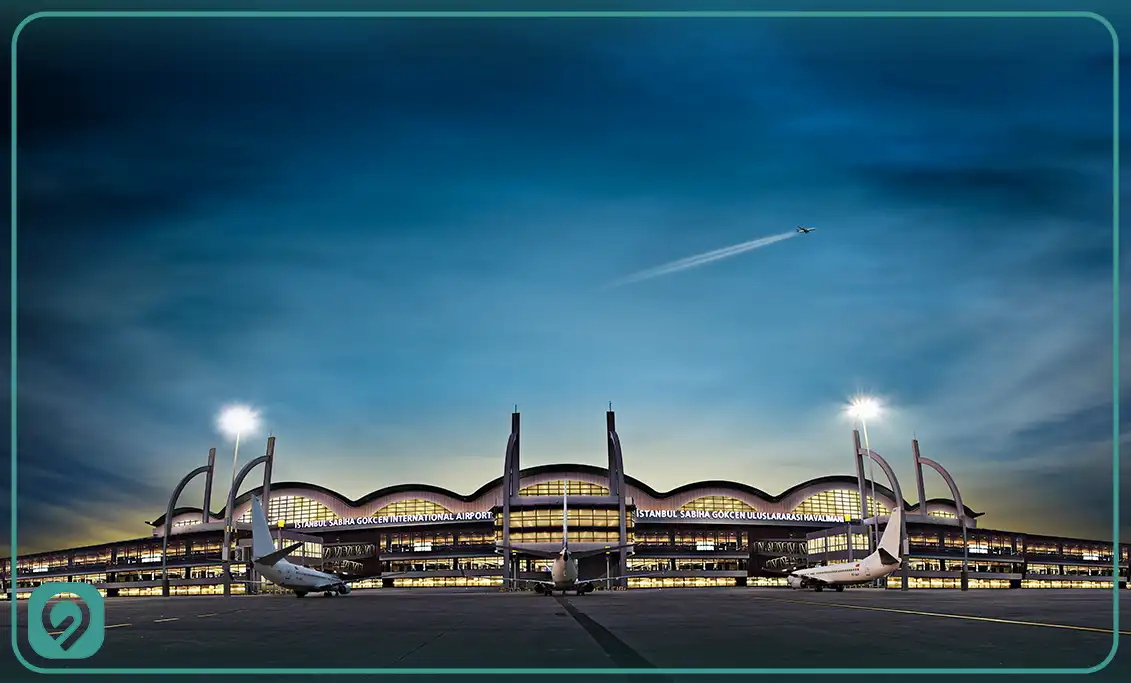
Sabiha Gökçen International Airport: Complete Guide
Overview of Sabiha Gökçen International Airport
Location and Strategic Importance
If you’ve ever planned a trip to Istanbul, chances are you’ve come across Sabiha Gökçen International Airport (SAW)—the city’s second major airport and, in many ways, its rising star. Sitting on the Asian side of Istanbul, this airport plays a crucial role in balancing the overwhelming air traffic that once relied heavily on Istanbul Airport on the European side. It’s located in the Pendik district, about 32 kilometers from the city center, which might sound a bit far at first—but in a city as vast and dynamic as Istanbul, that distance is actually quite manageable.
What makes Sabiha Gökçen particularly interesting is its strategic positioning. It serves as a gateway not only to Istanbul but also to Anatolia and beyond, making it a preferred hub for domestic travelers and low-cost international carriers. Think of it as the more agile sibling of Istanbul’s larger airport—less chaotic, often more affordable, and surprisingly efficient.
The airport is named after Sabiha Gökçen, the world’s first female fighter pilot and an adopted daughter of Mustafa Kemal Atatürk, the founder of modern Turkey. That alone gives the airport a symbolic weight, representing progress, innovation, and a forward-looking vision.
Over the years, SAW has evolved from a secondary airport into a major aviation hub, handling tens of millions of passengers annually. Its importance skyrocketed especially with the rise of low-cost airlines, making Istanbul more accessible to travelers from Europe, the Middle East, and Asia.
In practical terms, choosing Sabiha Gökçen often means shorter queues, faster check-ins, and cheaper flights—something any traveler can appreciate. Whether you're a backpacker on a budget or a business traveler trying to save time, this airport offers a compelling alternative that’s hard to ignore.
History and Background
Sabiha Gökçen International Airport didn’t just appear overnight—it’s the result of a carefully planned vision tied to Turkey’s broader ambitions in aviation and economic development. The idea for the airport was first conceived in the late 1980s, but it wasn’t until the early 2000s that the project truly took off, both literally and figuratively.
The airport officially opened in 2001, initially with modest expectations. At the time, Istanbul already had Atatürk Airport serving the bulk of international traffic, so SAW was primarily intended to ease congestion and support regional development on the Asian side. But what happened next was something few could have predicted.
With the global rise of budget airlines, particularly Pegasus Airlines, Sabiha Gökçen quickly found its niche. Pegasus made SAW its main hub, offering low-cost flights across Europe and the Middle East. This strategic partnership transformed the airport from a secondary option into a major player in international aviation.
A significant turning point came in 2009, when a new, modern terminal was inaugurated. This wasn’t just an upgrade—it was a statement. The new terminal boosted capacity to handle millions more passengers annually and introduced world-class facilities that rivaled major international airports.
Ownership and management of the airport have also evolved. Today, it operates under Malaysia Airports Holdings Berhad, which has helped bring international standards and operational efficiency to the forefront.
Fast forward to today, and Sabiha Gökçen handles over 30 million passengers annually, with continuous expansion plans in place. A second runway, additional terminal improvements, and enhanced transportation links are all part of its growth trajectory.
What’s fascinating is how the airport reflects Istanbul itself—dynamic, ever-growing, and constantly adapting. It started as a backup plan but has become a destination in its own right, shaping the way millions of travelers experience Turkey every year.

Airport Infrastructure and Terminals
Main Terminal Building
When you first step into Sabiha Gökçen International Airport’s main terminal, the immediate impression is one of efficiency blended with modern design. Unlike some sprawling mega-airports that can feel overwhelming, SAW’s terminal strikes a balance—it’s large enough to handle millions of passengers, yet compact enough to navigate without stress. This makes a noticeable difference, especially if you’re on a tight layover or traveling for the first time through Istanbul.
The terminal, inaugurated in 2009, spans over 200,000 square meters and was designed with passenger flow in mind. Wide corridors, clear signage, and logically arranged zones mean you’re rarely left wondering where to go next. Everything—from check-in counters to security and boarding gates—follows a streamlined layout that minimizes confusion. If you’ve ever rushed through an airport feeling lost, you’ll appreciate how intuitive this one feels.
Inside, the architecture leans toward a clean, contemporary aesthetic with high ceilings and large glass panels that allow natural light to flood the space. This not only enhances visibility but also creates a more relaxed atmosphere, which is often rare in busy travel hubs. The terminal is equipped with advanced baggage handling systems, ensuring faster processing and fewer delays, something frequent travelers will immediately notice.
Another key feature is how the terminal integrates both domestic and international operations under one roof. Instead of juggling between multiple terminals, everything is centralized, saving time and reducing the risk of missing connections. Retail outlets, dining options, and passenger services are evenly distributed, so you’re never too far from what you need.
Despite handling over 30 million passengers annually, the terminal manages to maintain a sense of order. It’s not uncommon to hear travelers describe SAW as “surprisingly smooth” compared to other airports of similar capacity. That efficiency isn’t accidental—it’s the result of careful planning and continuous upgrades.
Domestic vs International Sections
Within the main terminal, the separation between domestic and international sections is clear but seamless. You won’t feel like you’re switching buildings; instead, it’s more like transitioning between zones within a well-organized space.
The domestic section is typically faster-paced. Security checks are generally quicker, and boarding procedures are more straightforward. This area caters heavily to Turkish travelers and frequent flyers commuting between major cities like Ankara, Izmir, and Antalya. Because of the high frequency of domestic flights, you’ll notice a constant buzz—but it’s a controlled, efficient kind of movement rather than chaos.
On the other hand, the international section offers a broader range of services tailored to global travelers. Passport control, duty-free shopping, and additional security checks are all part of the process here. The duty-free area is particularly noteworthy, offering everything from luxury brands to Turkish specialties like baklava, spices, and Turkish delight—perfect if you forgot to pick up souvenirs in the city.
One subtle but important difference is the waiting areas. International gates often feature more spacious seating, charging stations, and quieter zones, recognizing that long-haul travelers may need extra comfort. You’ll also find multilingual signage and staff, which makes navigation easier for non-Turkish speakers.
The beauty of this setup lies in its simplicity. Whether you’re flying domestically or internationally, the transition is smooth, intuitive, and rarely stressful. It’s one of those details that you might not think about until you experience it—and then you realize how much it matters.
Runways and Capacity
Behind the scenes, what truly powers Sabiha Gökçen Airport is its runway and operational capacity. Currently, the airport operates with a primary runway that handles both takeoffs and landings, designed to accommodate a wide range of aircraft—from narrow-body jets used by low-cost carriers to larger wide-body planes.
However, due to increasing demand, a second runway has been developed to significantly boost capacity and reduce congestion. This expansion is a game-changer. With two active runways, the airport can handle more flights per hour, minimize delays, and improve overall efficiency. For passengers, this translates into fewer hold-ups and more reliable schedules—something every traveler values.
In terms of numbers, SAW is capable of handling tens of millions of passengers annually, with projections continuing to rise. Aircraft parking stands, taxiways, and maintenance facilities have all been upgraded to support this growth. The airport also features modern air traffic control systems, ensuring safety and precision even during peak hours.
One interesting aspect is how the airport manages to balance low-cost carrier operations with full-service airlines. This requires a flexible infrastructure that can adapt to different turnaround times and service requirements. Quick aircraft turnaround—a hallmark of budget airlines—is efficiently supported here, allowing airlines to maintain tight schedules.
The expansion plans don’t stop at runways. Future developments include additional terminal capacity, improved cargo facilities, and enhanced logistics infrastructure. All of this positions Sabiha Gökçen as not just a passenger hub, but a key player in regional and international aviation networks.
In many ways, the airport’s capacity growth mirrors Istanbul’s own evolution—a city constantly expanding, adapting, and connecting continents. And just like the city, SAW is always looking ahead, preparing for the next wave of travelers ready to pass through its gates.

Airlines and Destinations
Major Airlines Operating
Step into Sabiha Gökçen International Airport, and you’ll quickly notice that it thrives on diversity—especially when it comes to airlines. Unlike some airports dominated by one or two flagship carriers, SAW is a vibrant mix of low-cost airlines, regional carriers, and full-service international operators. This mix is exactly what makes it so appealing to a wide range of travelers.
At the heart of operations is Pegasus Airlines, the airport’s largest and most influential carrier. In many ways, Pegasus and SAW grew together. The airline uses the airport as its primary hub, offering hundreds of flights daily across Europe, the Middle East, and Central Asia. If you’re hunting for affordable fares, Pegasus is usually the first name that pops up—and for good reason. Its business model revolves around efficiency and accessibility, making international travel possible even on a tight budget.
But Pegasus isn’t alone. You’ll also find Turkish Airlines operating selected routes from SAW, especially domestic and regional ones. While Turkish Airlines mainly operates from Istanbul Airport on the European side, its presence here adds a layer of flexibility for passengers who prefer the Asian side.
Other notable airlines include:
- AnadoluJet (AJet) – Focused on domestic and short-haul international routes
- Qatar Airways – Connecting Istanbul to Doha and beyond
- Emirates (seasonally or via partnerships)
- Flydubai – Popular for Middle East connections
- Wizz Air – A favorite among European budget travelers
This variety creates a competitive environment, which often leads to lower ticket prices and better flight options. It also means you’re not locked into a single airline alliance—you can mix and match carriers depending on your schedule and budget.
What’s particularly interesting is how SAW has become a launchpad for emerging airlines. New carriers often choose this airport because of its lower operating costs compared to larger hubs. For travelers, that translates into discovering new routes and destinations that might not be available elsewhere.
In short, whether you’re flying economy on a budget airline or enjoying premium service on an international carrier, SAW offers a surprisingly rich selection of choices.
Popular Domestic and International Routes
One of the strongest advantages of Sabiha Gökçen Airport is its extensive network of routes. It doesn’t just connect Istanbul to the world—it connects it in ways that are often faster, cheaper, and more direct than you’d expect.
On the domestic front, SAW is incredibly well-connected. Major Turkish cities like Ankara, Izmir, Antalya, Adana, and Trabzon are served with high-frequency flights. In some cases, you’ll find departures every hour. This makes the airport a favorite for business travelers and locals who need quick, reliable connections across the country.
Now, shift your focus internationally, and things get even more interesting. SAW has carved out a niche as a hub for short- and medium-haul international flights, especially to:
- Europe: Germany, France, Italy, the Netherlands, and Eastern Europe
- Middle East: UAE, Saudi Arabia, Qatar, Kuwait
- Central Asia: Kazakhstan, Azerbaijan, Uzbekistan
- North Africa: Egypt, Morocco, Tunisia
Cities like Berlin, London, Paris, Dubai, and Baku are among the most popular destinations. Thanks to budget airlines, these routes are often available at prices that feel almost too good to be true—especially if you book in advance.
Another major advantage is the frequency of flights. Instead of relying on one daily departure, many routes offer multiple options throughout the day. This flexibility is a lifesaver if your plans change or if you’re trying to coordinate connecting flights.
There’s also a growing trend of seasonal routes, particularly to holiday destinations. During summer, you’ll see an increase in flights to Mediterranean hotspots, while winter brings more connections to ski destinations and warm-weather escapes.
From a traveler’s perspective, SAW acts like a gateway with options. You’re not just flying from point A to point B—you’re choosing from a network that adapts to your needs, whether that’s saving money, saving time, or exploring new destinations.
Passenger Services and Facilities
Dining and Shopping Options
Let’s be honest—airport food can either be a pleasant surprise or a complete letdown. At Sabiha Gökçen Airport, it leans more toward the pleasant side. The dining scene here reflects Istanbul itself: a mix of local flavors and international favorites, all under one roof.
If you’re craving authentic Turkish cuisine, you’re in luck. You’ll find restaurants serving kebabs, pide, simit, and rich Turkish breakfasts that can easily rival what you’d get in the city. There’s something comforting about enjoying a warm plate of food before a long flight—it sets the tone for the journey ahead.
For those in a rush, there are plenty of grab-and-go options. Cafés, bakeries, and fast-food outlets are strategically placed throughout the terminal, so you’re never far from a quick bite. International chains like Starbucks and Burger King are also present, offering familiar choices for travelers who prefer consistency.
Shopping is another highlight. The duty-free area is well-stocked, featuring everything from luxury brands and perfumes to electronics and travel essentials. But what really stands out is the selection of Turkish products—spices, sweets, ceramics, and textiles. These make for perfect last-minute souvenirs, especially if you didn’t get time to shop in the city.
The layout of shops and restaurants is thoughtfully designed. Instead of clustering everything in one corner, facilities are spread out across the terminal. This means you can explore, relax, and shop without feeling crowded or rushed.
Prices, as expected, are slightly higher than outside the airport, but not excessively so. Considering the convenience and variety, most travelers find the experience worthwhile.
Lounges and Comfort Services
Air travel can be exhausting, and that’s where lounges and comfort services come into play. At SAW, these spaces are designed to offer a break from the hustle and noise of the main terminal.
The airport features several lounges, including the popular ISG Lounge, which caters to both domestic and international passengers. Access can be gained through business class tickets, membership programs, or a one-time fee. Once inside, the difference is immediately noticeable—quieter वातावरण, comfortable seating, and a more relaxed pace.
Lounges typically offer:
- Complimentary food and beverages
- High-speed Wi-Fi
- Charging stations
- Shower facilities
- Workspaces for business travelers
It’s not just about luxury—it’s about recharging yourself, both physically and mentally, before your next flight.
Beyond lounges, the airport provides a range of comfort services. You’ll find prayer rooms, baby care facilities, medical services, and currency exchange counters. Free Wi-Fi is available throughout the terminal, although you may need to register with your phone number.
There are also designated rest areas, which are especially useful during long layovers. While they’re not as private as lounges, they offer a quiet corner where you can sit back, relax, and take a breather.
What stands out is the airport’s attention to detail. Small touches—like clear signage, helpful staff, and clean facilities—add up to create a smoother travel experience. It’s these little things that often make the biggest difference when you’re navigating a busy airport.
Transportation to and from the Airport
Public Transport Options
Getting to and from Sabiha Gökçen International Airport (SAW) can feel a bit intimidating at first, especially if you’re new to Istanbul. The airport sits on the Asian side of the city, which means you’re often dealing with longer distances and, at times, unpredictable traffic. But once you understand the available public transportation options, the whole system starts to make a lot more sense—and can even feel surprisingly efficient.
One of the most reliable and widely used options is the Havabus airport shuttle service. These buses run frequently between the airport and key locations like Taksim Square (on the European side) and Kadıköy (on the Asian side). The buses are modern, air-conditioned, and designed with travelers in mind, offering luggage storage and comfortable seating. Depending on traffic, the journey to Taksim usually takes between 60 to 90 minutes, while Kadıköy is significantly closer. For many travelers, Havabus strikes the perfect balance between cost and convenience.
Another major development that has changed the game is the M4 metro line, which now connects directly to the airport. This line runs from Sabiha Gökçen Airport to Kadıköy, passing through several important districts along the way. From Kadıköy, you can easily transfer to ferries or the Marmaray line, allowing you to cross to the European side without dealing with road traffic. This option is especially appealing if you want a predictable travel time, since Istanbul traffic can be notoriously inconsistent.
Public buses operated by IETT are also available, covering a wide range of routes across the city. While they are the most budget-friendly option, they can be crowded and slightly confusing if you’re unfamiliar with the system. Still, they offer excellent value and are commonly used by locals.
To make any of these options work smoothly, you’ll need an Istanbulkart—a rechargeable transport card that works across buses, metro lines, trams, and ferries. It’s inexpensive and easy to top up, and it quickly becomes your best friend while navigating the city.
Public transport from SAW is ultimately about flexibility and affordability. You may need to combine different modes of transport, but that’s part of the Istanbul experience—layered, dynamic, and full of movement.
Taxi, Car Rental, and Private Transfers
If you prefer a more direct and comfortable journey, then taxis and private transfers are the way to go. At Sabiha Gökçen Airport, taxis are available around the clock right outside the arrivals terminal. They are organized in designated ranks, so you won’t have to search or negotiate extensively to find one.
Taxis in Istanbul operate using a metered fare system, and the total cost depends on distance and traffic conditions. A trip to central areas like Taksim or Sultanahmet can take anywhere from 45 minutes to over an hour, and prices can vary significantly during peak traffic hours. While taxis are convenient, traffic congestion can sometimes make them less predictable in terms of travel time.
For a more controlled experience, many travelers opt for ride-hailing apps or pre-booked private transfers. Services like BiTaksi are widely used in Istanbul and allow you to request a ride, see estimated fares, and track your journey in real time. This can be especially helpful if you’re concerned about language barriers or route confusion.
Car rental services are also available at the airport, with both international brands and local providers offering a range of vehicles. Renting a car can be a great option if you plan to explore areas outside Istanbul or prefer complete independence. However, driving within the city itself can be challenging due to heavy traffic and complex road systems.
Private transfers, often arranged through hotels or travel agencies, provide a more premium experience. A driver meets you at the airport, assists with your luggage, and takes you directly to your destination. While this option is more expensive, it offers a level of convenience and peace of mind that many travelers find worth the cost—especially after a long flight.
In the end, choosing the right transportation method depends on your priorities. If you want to save money, public transport is highly effective. If you value comfort and simplicity, taxis and private transfers offer a smoother, more direct experience. Either way, Sabiha Gökçen Airport is well-connected, giving you multiple ways to reach your destination without too much hassle.
Parking and Accessibility
Parking Facilities
If you’re planning to drive to Sabiha Gökçen International Airport, you’ll find that parking is not only available but also thoughtfully designed to handle a high volume of vehicles without turning into chaos. Unlike some older airports where parking feels like an afterthought, SAW treats it as an integral part of the travel experience.
The airport features a large multi-level parking structure located directly opposite the terminal building. This means you won’t have to drag your luggage across long distances or rely on shuttle buses just to reach the check-in area. The convenience of walking straight from your car to the terminal in just a few minutes is something travelers quickly come to appreciate—especially during early morning or late-night flights.
There are several parking options available depending on your needs. Short-term parking is ideal if you’re dropping someone off or picking them up, while long-term parking offers more economical rates for extended stays. Many travelers who leave their cars for days or even weeks find the pricing relatively reasonable compared to other major international airports.
Security is another strong point. The parking facilities are equipped with 24/7 surveillance cameras, controlled entry and exit points, and regular patrols, ensuring that vehicles remain safe while owners are away. There are also designated spaces for VIP parking and disabled drivers, making the system more inclusive and organized.
One thing to keep in mind is that during peak travel seasons—especially summer and holidays—the parking area can fill up quickly. Arriving early or checking availability in advance can save you unnecessary stress. Some services even allow for online reservation, which adds an extra layer of convenience.
Overall, parking at SAW is designed to be efficient, secure, and user-friendly. It’s one of those aspects of travel that often goes unnoticed when it works well—but here, it genuinely enhances the overall airport experience.
Accessibility for Disabled Passengers
Accessibility at Sabiha Gökçen Airport is more than just a requirement—it’s a carefully implemented system aimed at making travel smoother for everyone, regardless of physical ability. The airport has made consistent efforts to ensure that passengers with reduced mobility or special needs can navigate the space with ease and dignity.
From the moment you arrive, you’ll notice features like step-free access, ramps, and wide automatic doors that make entering and moving through the terminal straightforward. Elevators and escalators are strategically placed, ensuring that every level of the airport is accessible without unnecessary detours.
Passengers who require assistance can request wheelchair services through their airline in advance. Once at the airport, trained staff are available to help with everything from check-in to boarding. This level of support can make a significant difference, particularly for those traveling alone or for the first time.
Inside the terminal, there are accessible restrooms, priority security lanes, and reserved seating areas. These features are clearly marked and easy to find, reducing confusion and saving time. For visually impaired travelers, certain areas include tactile pathways and guidance systems, helping them move independently and safely.
Another thoughtful aspect is how accessibility is integrated into the overall design rather than treated as a separate feature. You don’t feel like you’re using a “special” route—it’s all part of the same flow, which makes the experience more comfortable and inclusive.
While no system is perfect, SAW continues to improve its accessibility services, reflecting a broader commitment to inclusivity in modern air travel. For passengers with special needs, this means fewer barriers and a more seamless journey from start to finish.
Tips for Travelers Using Sabiha Gökçen Airport
Best Time to Travel
Timing your journey through Sabiha Gökçen Airport can make a noticeable difference in your overall experience. While the airport is generally more manageable than some larger hubs, it still experiences peak periods that can affect everything from check-in queues to boarding times.
Early mornings and late evenings tend to be the busiest. This is largely because many low-cost airlines schedule their flights during these hours to maximize aircraft usage. As a result, you might encounter longer lines at security and passport control. If your flight falls within these windows, it’s wise to arrive at least two to three hours early, especially for international departures.
Midday and early afternoon are often quieter. Choosing flights during these times can lead to a more relaxed experience, with shorter queues and less. If you have flexibility in your schedule, this can be a smart way to reduce stress.
Seasonal trends also play a big role. Summer months, public holidays, and major travel seasons bring a surge in passenger numbers. During these times, everything—from transportation to boarding—can take longer than usual. Planning ahead and allowing extra time becomes even more important.
Weather is another factor to consider. While Istanbul generally has mild conditions, occasional fog or storms in winter can lead to delays. Keeping an eye on your flight status and allowing for buffer time is always a good idea.
Ultimately, the “best time” depends on your priorities. If you value спокойствие and shorter lines, aim for off-peak hours. If you’re chasing cheaper tickets, early morning flights might still be worth it despite the crowds.
Insider Travel Tips
Traveling through Sabiha Gökçen Airport can be smooth and even enjoyable if you know a few practical tips that go beyond the obvious. These small insights can save you time, money, and unnecessary stress.
One of the most important things you can do is check in online before arriving. Many airlines at SAW—especially budget carriers—charge extra for airport check-in. Skipping the counter not only saves money but also helps you avoid long queues.
Pay close attention to baggage policies. Airlines operating from SAW often have strict rules, and exceeding weight limits—even slightly—can result in additional fees. Weighing your luggage at home can prevent surprises at the airport.
When it comes to food, consider eating before passing through security or bringing light snacks with you. While the airport has plenty of dining options, prices can be higher than usual. Exploring a bit before settling on a restaurant can sometimes lead to better value.
Make sure to stay connected. The airport offers free Wi-Fi, but access may require SMS verification. If you don’t have roaming service, using cafés or lounges with easier access can be helpful.
Transportation planning is another area where preparation pays off. Combining metro, bus, or ferry routes can sometimes be faster than taking a taxi, especially during heavy traffic hours. It might take a bit more effort, but it often results in a smoother journey.
Finally, always keep an eye on departure screens and gate information. Gates can change, and announcements may not always be clear in crowded areas. Staying alert ensures you won’t miss important updates.
These tips might seem simple, but together they can transform your experience from stressful to seamless—helping you move through the airport with confidence and ease.
Conclusion
Sabiha Gökçen International Airport (SAW) has steadily evolved from a secondary airport into one of the most important aviation hubs in the region. What makes it stand out isn’t just its growing passenger numbers or expanding infrastructure—it’s the overall experience it offers. Compared to larger and often overwhelming airports, SAW provides a more balanced, efficient, and traveler-friendly environment that appeals to both first-time visitors and frequent flyers.
Its location on the Asian side of Istanbul gives it a unique advantage. While it may seem slightly removed from the city center at first glance, the wide range of transportation options—from metro lines and shuttle buses to taxis and private transfers—ensures that getting in and out of the airport is manageable and flexible. For many travelers, especially those staying on the Asian side, it’s actually more convenient than its European counterpart.
The airport’s infrastructure is another strong point. With a modern terminal, expanding runway capacity, and continuous upgrades, SAW is clearly designed with the future in mind. It handles millions of passengers each year while still maintaining a sense of organization that reduces stress and confusion. Add to that a solid mix of airlines, destinations, and affordable travel options, and you begin to see why it has become a preferred choice for so many.
Beyond logistics, the airport also delivers where it matters most—comfort and usability. From dining and shopping to lounges and accessibility services, everything is built around making the passenger journey smoother. It’s not about luxury for the sake of it, but about creating a space where travel feels less exhausting and more manageable.
In many ways, Sabiha Gökçen reflects the spirit of Istanbul itself—dynamic, growing, and constantly adapting. Whether you’re arriving, departing, or just passing through, the airport offers a reliable gateway between continents, cultures, and experiences.
FAQs
1. Where is Sabiha Gökçen International Airport located?
Sabiha Gökçen Airport is located on the Asian side of Istanbul, in the Pendik district, approximately 30–35 kilometers from the city center. It serves as a major hub for both domestic and international flights.
2. Which airlines operate at Sabiha Gökçen Airport?
The airport is primarily a hub for Pegasus Airlines, but it also serves airlines like AJet (AnadoluJet), Turkish Airlines (limited routes), Wizz Air, Qatar Airways, and Flydubai, among others.
3. How can I get from SAW to the European side of Istanbul?
You can use Havabus shuttles to Taksim, take the M4 metro to Kadıköy and then a ferry or Marmaray, or use a taxi/private transfer depending on your budget and preference.
4. Does the airport offer free Wi-Fi?
Yes, Sabiha Gökçen Airport provides free Wi-Fi, although access may require SMS verification or registration.
5. Is Sabiha Gökçen Airport better than Istanbul Airport?
It depends on your needs. SAW is generally less crowded, more affordable, and easier to navigate, while Istanbul Airport offers more long-haul international connections and premium services.


.webp)
.webp)
Have Question Or Suggestion ?
Please Share Your Thought, To Make It Real