Everything related to home decoration in Turkey
Discover everything about home decoration in Turkey, from modern furniture and interior design trends to Turkish rugs, marble, lighting, and luxury home décor.
Everything Related to Home Decoration in Turkey
Introduction to Home Decoration in Turkey
Turkey has become one of the world's most influential destinations for home decoration, furniture manufacturing, and interior design. Positioned between Europe and Asia, the country blends centuries-old craftsmanship with modern manufacturing technologies, creating products that appeal to homeowners, architects, interior designers, hotels, and property developers across the globe.
The Turkish home decoration industry includes everything from luxurious handmade carpets and elegant marble surfaces to modular furniture, smart home accessories, lighting solutions, decorative ceramics, textiles, curtains, wallpaper, kitchen cabinets, bathroom fittings, and outdoor furniture. Cities such as Istanbul, Bursa, Ankara, Kayseri, Izmir, and Gaziantep are major production centers known for high-quality craftsmanship and competitive pricing.
Many international buyers choose Turkish home décor because it offers an excellent balance between quality and affordability. Turkish manufacturers export to Europe, the Middle East, North America, Africa, and Central Asia, making Turkey one of the leading exporters in the global furniture and home decoration market.
Turkey's diverse cultural heritage is also reflected in its interior design styles. Traditional Ottoman influences coexist with contemporary minimalism, creating unique spaces that feel both elegant and functional.
The Evolution of Turkish Interior Design
Turkish interior design has evolved over centuries, reflecting the country's unique position as a cultural bridge between East and West. From the grandeur of the Ottoman Empire to the sleek, modern apartments of Istanbul today, Turkish homes showcase a remarkable blend of history, craftsmanship, and contemporary innovation. This evolution has allowed Turkey to become one of the leading countries in the global home decoration industry, with designers and manufacturers producing furniture and décor that appeal to both traditional and modern tastes.
During the Ottoman era, homes were characterized by intricate wood carvings, colorful Iznik tiles, handcrafted textiles, decorative arches, and richly patterned carpets. Furniture was often made from solid wood and featured elegant detailing inspired by Islamic geometric art and floral motifs. Large windows allowed natural light to illuminate spacious interiors, while cushions and low seating created welcoming spaces for family gatherings.
Today's Turkish homes often incorporate these traditional elements in subtle ways. Rather than completely replicating Ottoman interiors, designers mix handcrafted rugs, brass accessories, or ceramic artwork with clean-lined furniture, neutral color palettes, and open-plan living spaces. This balance creates interiors that feel timeless while meeting modern lifestyle needs.
The growing popularity of sustainable materials has also influenced Turkish design. Manufacturers increasingly use responsibly sourced wood, recycled materials, energy-efficient lighting, and eco-friendly production methods. As a result, Turkish home decoration continues to evolve while maintaining its cultural identity and reputation for quality craftsmanship.
Traditional Ottoman Design Elements
Ottoman-inspired interiors remain highly sought after because they emphasize elegance, comfort, and artistic detail. Common features include carved wooden furniture, ornate mirrors, decorative ceilings, colorful mosaic lamps, brass trays, embroidered cushions, silk fabrics, and handcrafted ceramics. Turkish rugs, particularly those from Hereke and Anatolia, remain iconic pieces that instantly add warmth and authenticity to any room.
Color palettes traditionally featured rich reds, deep blues, emerald greens, gold accents, and earthy neutrals. These colors reflected both nature and royal luxury while creating inviting interiors. Decorative arches, lattice screens, and handcrafted metalwork further enhanced the sophistication of Ottoman homes.
Even in contemporary residences, homeowners often incorporate one or two Ottoman-inspired statement pieces rather than decorating an entire room in a historical style. This approach preserves cultural heritage while maintaining a fresh, modern appearance.
Modern Turkish Interior Trends
Modern Turkish interiors prioritize functionality without sacrificing style. Open layouts, large windows, natural lighting, and minimalist furniture have become increasingly popular, particularly in urban areas like Istanbul and Ankara. Neutral shades such as white, beige, gray, and soft earth tones dominate walls and furniture, while bold accent colors are introduced through artwork, rugs, or decorative cushions.
Smart home technology has also become a significant trend. Automated lighting, climate control systems, security features, and energy-efficient appliances are commonly integrated into new residential developments. These innovations enhance convenience while supporting sustainable living.
Another defining feature of modern Turkish homes is the combination of locally crafted materials with international design influences. Marble countertops, engineered wood flooring, matte black fixtures, textured wall panels, and custom cabinetry are frequently paired with Scandinavian-inspired simplicity or Mediterranean warmth. This fusion creates interiors that appeal to a broad audience, making Turkish home decoration increasingly popular worldwide.
Popular Home Decoration Styles in Turkey
Turkey's home decoration market is remarkably diverse because it caters to a wide range of lifestyles, architectural preferences, and budgets. Whether someone lives in a high-rise apartment overlooking the Bosphorus, a coastal villa in Bodrum, or a countryside home in Cappadocia, there is a decorating style that reflects both personal taste and the country's rich cultural heritage. Turkish designers have become experts at blending international trends with locally crafted materials, producing interiors that feel elegant, comfortable, and practical.
One of the reasons Turkish home décor has gained international recognition is its ability to balance aesthetics with functionality. Homes are designed not only to look beautiful but also to support everyday family life. Comfortable seating, durable materials, abundant natural lighting, and efficient storage solutions are common priorities. Decorative elements such as handmade rugs, ceramic art, wooden furniture, textured fabrics, and carefully selected lighting help create spaces that feel warm and inviting rather than overly formal.
Another defining characteristic of Turkish interior design is flexibility. Homeowners often combine several styles instead of strictly following one design philosophy. A modern apartment might feature Scandinavian furniture alongside a traditional Turkish rug, while a luxury villa could incorporate Ottoman-inspired lighting with contemporary marble finishes. This creative freedom allows each home to express individuality while maintaining visual harmony.
As Turkish manufacturers continue exporting furniture and decorative products worldwide, these interior styles have also become increasingly influential in Europe, the Middle East, North America, and other international markets.
Minimalist Turkish Homes
Minimalism has become one of the fastest-growing interior design trends across Turkey, especially in metropolitan areas such as Istanbul, Ankara, and Izmir. Inspired by contemporary European architecture, minimalist Turkish homes emphasize simplicity, clean lines, and uncluttered spaces while still maintaining a sense of warmth and comfort.
Neutral color palettes dominate these interiors, with shades of white, beige, soft gray, and natural wood creating bright and airy environments. Furniture typically features sleek profiles, hidden storage compartments, and multifunctional designs that maximize available space. Large windows are used to bring in natural light, reducing the need for excessive decoration.
Unlike traditional minimalism, Turkish minimalist interiors often include handcrafted accents that soften the overall appearance. A woven Anatolian rug, handcrafted ceramic vase, natural linen curtains, or wooden coffee table can become a focal point without overwhelming the room. This combination creates spaces that feel calm, sophisticated, and welcoming.
Sustainability also plays an increasingly important role in minimalist Turkish homes. Many homeowners choose environmentally friendly furniture, LED lighting, recycled materials, and locally produced products that reduce environmental impact while supporting domestic craftsmanship.
Scandinavian-Turkish Fusion
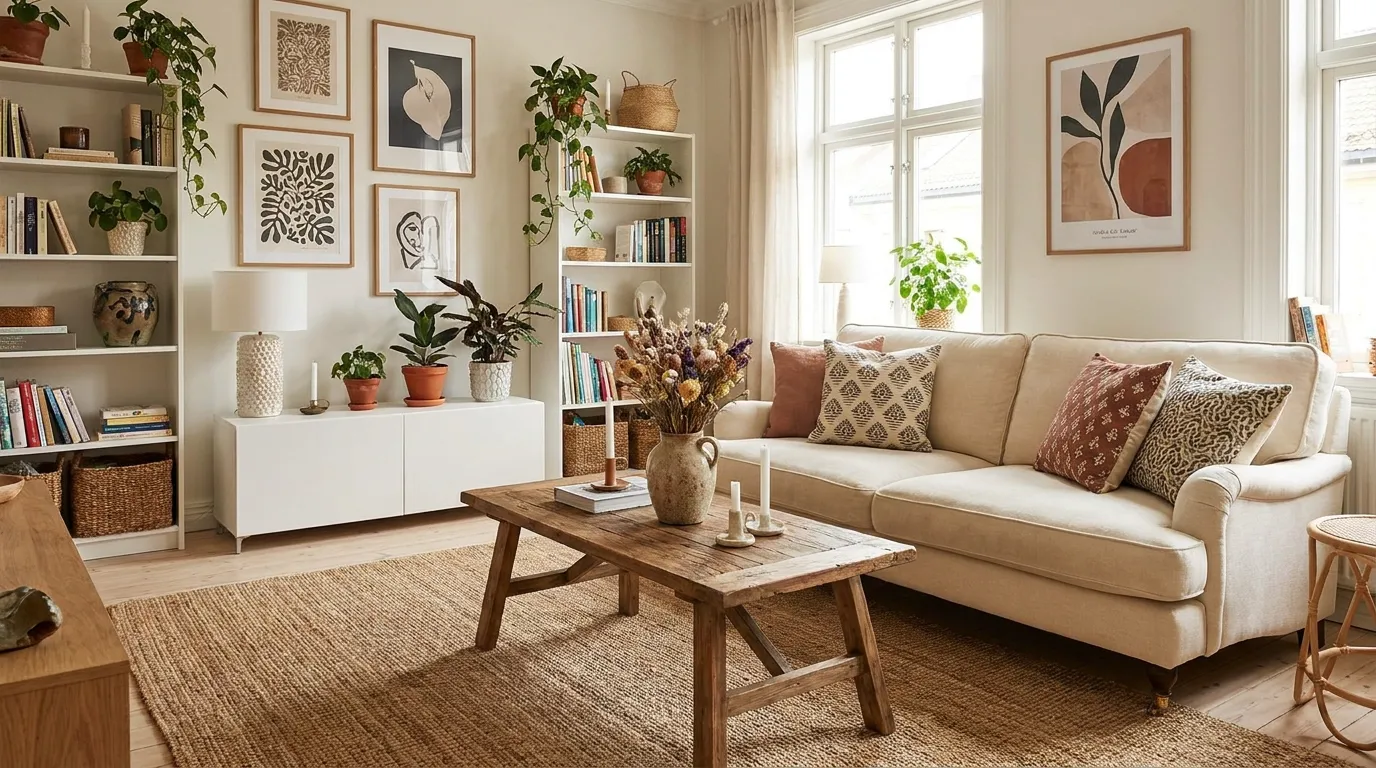
The Scandinavian-Turkish fusion style has become increasingly popular because it combines the clean simplicity of Nordic design with the warmth and character of Turkish craftsmanship. This approach creates interiors that are bright, functional, and inviting while preserving cultural identity.
Light-colored wooden floors, white walls, soft textiles, and simple furniture form the foundation of this style. Turkish elements such as handmade kilim rugs, brass accessories, woven baskets, ceramic pottery, and embroidered cushions add texture and personality without disrupting the minimalist aesthetic.
Natural materials are heavily emphasized. Oak, walnut, linen, cotton, wool, marble, and stone are frequently combined to create balanced interiors that feel connected to nature. Indoor plants further enhance the fresh atmosphere while improving indoor air quality.
The result is a home that feels modern yet lived-in, stylish yet comfortable, making Scandinavian-Turkish fusion one of the most desirable decorating styles among younger homeowners and interior designers.
Luxury Contemporary Interiors
Luxury contemporary interiors represent the premium segment of Turkey's home decoration industry. These homes often feature high-end materials, custom-made furniture, advanced smart home technology, and exceptional attention to detail. Luxury apartments in Istanbul, seaside villas in Bodrum, and upscale residences in Antalya commonly showcase this sophisticated design approach.
Premium materials such as natural marble, polished granite, solid walnut, brushed brass, smoked glass, and imported stone are frequently incorporated throughout the home. Open-plan layouts create a sense of spaciousness, while floor-to-ceiling windows maximize natural light and offer panoramic views.
Lighting plays a central role in luxury interiors. Statement chandeliers, recessed LED lighting, decorative wall sconces, and designer pendant lights work together to create layered illumination that enhances both functionality and atmosphere.
Custom furniture is another defining feature. Built-in wardrobes, bespoke kitchens, elegant entertainment units, and handcrafted dining tables allow homeowners to personalize every aspect of their living space while maintaining a cohesive design language.
Rustic and Mediterranean Styles
Turkey's coastal regions have inspired a distinctive rustic Mediterranean style that celebrates natural beauty, relaxed living, and traditional craftsmanship. This decorating approach is especially popular in destinations such as Bodrum, Çeşme, Fethiye, and Antalya, where homes are designed to complement the surrounding landscape.
Whitewashed walls, exposed wooden beams, natural stone flooring, and handcrafted wooden furniture create interiors that feel cool and refreshing even during the hottest summer months. Blue accents inspired by the Aegean Sea are commonly paired with earthy tones, creating a timeless coastal aesthetic.
Handwoven baskets, linen fabrics, ceramic pottery, olive wood accessories, and locally produced textiles contribute warmth and authenticity. Outdoor living spaces receive equal attention, with comfortable terraces, pergolas, shaded patios, and landscaped gardens extending the home's living area into nature.
This style emphasizes simplicity without sacrificing elegance. Rather than relying on expensive decorative items, rustic Mediterranean homes focus on high-quality natural materials, handcrafted details, and harmonious proportions. The result is an atmosphere that feels peaceful, welcoming, and perfectly suited to Turkey's coastal lifestyle.
Essential Furniture for Turkish Homes
Furniture forms the foundation of every well-designed Turkish home. Whether decorating a compact apartment in Istanbul or a spacious villa along the Aegean coast, homeowners place great importance on selecting pieces that combine comfort, durability, and timeless style. Turkey has earned an international reputation as one of the world's leading furniture manufacturers, exporting products to more than 200 countries. Cities such as Kayseri, Bursa, Istanbul, Ankara, and Izmir are recognized for producing everything from affordable modular furniture to handcrafted luxury collections.
One of the defining characteristics of Turkish furniture is its balance between aesthetics and practicality. Designers carefully consider how families use their living spaces, resulting in furniture that offers generous seating, smart storage, and long-lasting materials. Many manufacturers produce customizable collections, allowing buyers to choose dimensions, fabrics, finishes, and colors that suit their homes. This flexibility has made Turkish furniture highly attractive to homeowners, interior designers, hotels, and commercial developers around the world.
Natural materials remain central to furniture production in Turkey. Solid oak, walnut, beech, and ash wood are widely used alongside engineered wood panels, tempered glass, stainless steel, and premium upholstery fabrics. Sustainability has also become increasingly important, with many manufacturers adopting environmentally responsible production methods and certified timber sources.
The following sections explore the key furniture categories that define modern Turkish homes.
Living Room Furniture
The living room is often considered the heart of a Turkish home, serving as a place where families gather, guests are welcomed, and everyday life unfolds. As a result, living room furniture is designed to be both inviting and functional. Comfortable sofas with generous seating capacity are particularly popular, often upholstered in durable fabrics such as velvet, linen, boucle, or high-quality woven textiles. Neutral colors like beige, cream, gray, and taupe dominate contemporary interiors, while accent cushions introduce richer shades inspired by traditional Turkish design.
Coffee tables, TV units, side tables, and display cabinets complement the seating arrangement. Modern collections emphasize clean lines, hidden storage, and elegant finishes, while more traditional designs incorporate carved wood details and decorative metal accents. Modular furniture has become increasingly popular because it adapts easily to different room sizes and lifestyles, especially in urban apartments.
Lighting also enhances the living room experience. Decorative floor lamps, pendant lights, and carefully placed LED lighting create a warm and welcoming atmosphere. Turkish rugs often serve as statement pieces, anchoring the furniture arrangement while adding texture, color, and cultural character.
Bedroom Furniture
Bedrooms in Turkish homes are designed to provide comfort, relaxation, and efficient storage. A typical bedroom set includes a bed frame, wardrobe, bedside tables, dresser, and sometimes a vanity unit. Many homeowners prefer coordinated furniture collections to achieve a cohesive appearance throughout the room.
Storage is a major priority, particularly in apartments where space is limited. Sliding-door wardrobes, built-in closets, and beds with integrated storage compartments help maximize functionality without compromising aesthetics. Upholstered headboards remain a popular choice because they provide both visual appeal and additional comfort.
Wood continues to dominate bedroom furniture, with walnut, oak, and natural veneer finishes creating warm and calming environments. Soft lighting, layered bedding, blackout curtains, and carefully selected decorative accessories contribute to restful interiors. Increasingly, homeowners are incorporating smart technology such as automated lighting, climate control, and motorized window coverings to enhance convenience and energy efficiency.
Dining Room Essentials
Dining spaces in Turkey are more than simply places to eat—they are central gathering points for family celebrations, holidays, and social occasions. Consequently, dining furniture is expected to combine elegance with durability. Large wooden dining tables remain highly popular, often paired with upholstered chairs that provide comfort during extended meals and conversations.
Contemporary dining rooms frequently feature minimalist furniture with clean silhouettes, while traditional homes may include richly crafted wooden tables showcasing detailed craftsmanship. Extendable dining tables are particularly practical because they can accommodate both everyday use and larger family gatherings.
Storage furniture such as sideboards, buffets, and display cabinets provides additional space for dinnerware, glassware, and decorative items. Statement lighting above the dining table enhances both functionality and ambiance, with pendant lights and chandeliers serving as focal points. Decorative centerpieces, handcrafted ceramics, fresh flowers, and Turkish textiles complete the space, reflecting the country's appreciation for hospitality and refined interior design.
The careful selection of dining furniture ensures that these spaces remain both beautiful and practical, supporting one of the most important traditions in Turkish culture: sharing meals with family and friends.
Home Decoration Materials and Finishes
The materials used in a home are just as important as the furniture itself. In Turkey, interior designers and homeowners carefully select finishes that are not only visually appealing but also durable enough to withstand daily use. Thanks to its rich natural resources and advanced manufacturing sector, Turkey produces a wide variety of high-quality construction and decorative materials, including marble, travertine, granite, ceramics, engineered wood, natural timber, glass, and metal finishes. These materials are widely used in residential, commercial, and hospitality projects throughout the country and are also exported to international markets.
A major trend in Turkish interior design is the combination of natural textures with contemporary finishes. Designers often mix warm wooden surfaces with polished marble, matte ceramics, textured stone walls, and brushed metal accents to create interiors that feel sophisticated without appearing overly decorative. This layered approach adds depth, visual interest, and long-term value to a property.
Another important factor influencing material selection is sustainability. Many Turkish manufacturers now produce environmentally friendly products using recycled materials, low-emission production techniques, and responsibly sourced timber. Energy-efficient insulation materials, water-resistant flooring, and easy-to-maintain surfaces are becoming increasingly popular among homeowners who value both style and practicality.
The following materials represent some of the most widely used finishes in Turkish home decoration.
Natural Stone and Marble
Turkey is one of the world's largest producers and exporters of natural stone and marble, making these materials a defining feature of many Turkish interiors. Turkish marble is renowned for its exceptional quality, unique veining, and broad range of colors, including white, beige, gray, black, cream, and dramatic patterned varieties. Regions such as Afyon, Muğla, Denizli, and Bilecik are famous for producing premium marble that is used in homes around the globe.
Marble is commonly found in kitchen countertops, bathroom vanities, flooring, fireplaces, staircases, and decorative wall panels. It provides a timeless appearance while increasing the perceived luxury of a home. Travertine, another popular Turkish natural stone, offers a softer and more rustic aesthetic that is particularly well suited to Mediterranean-style interiors.
Beyond aesthetics, natural stone offers impressive durability. When properly sealed and maintained, marble and travertine can last for decades while retaining their elegance. Designers often pair stone surfaces with warm wooden furniture, brass fixtures, and neutral color palettes to create balanced interiors that feel both luxurious and welcoming.
Wood and Engineered Wood
Wood has always played a central role in Turkish home decoration because it brings warmth, texture, and natural beauty into interior spaces. Solid wood furniture made from oak, walnut, beech, ash, and chestnut remains highly valued for its strength and timeless appeal. These materials are commonly used in flooring, cabinetry, dining tables, wardrobes, shelving, and decorative wall treatments.
Engineered wood has become increasingly popular due to its affordability, stability, and versatility. Products such as MDF, plywood, and laminated panels allow manufacturers to create modern furniture with excellent durability while keeping costs competitive. High-quality engineered wood can closely resemble natural timber, making it an attractive choice for contemporary homes.
Wooden flooring continues to be one of the preferred flooring options in Turkish interiors. Whether using solid hardwood or engineered planks, homeowners appreciate the comfort, insulation, and classic appearance that wood provides. Natural finishes with visible grain patterns are especially popular because they complement both minimalist and traditional decorating styles.
Ceramic Tiles and Flooring
Turkey is internationally recognized as a major producer of ceramic and porcelain tiles, exporting millions of square meters every year. Turkish ceramic manufacturers are known for combining advanced production technology with innovative designs, offering products suitable for kitchens, bathrooms, living rooms, terraces, and outdoor spaces.
Porcelain tiles are especially popular because they are highly resistant to moisture, scratches, stains, and heavy foot traffic. They are available in countless designs, including finishes that imitate marble, wood, concrete, and natural stone. This versatility allows homeowners to achieve luxurious aesthetics while benefiting from easy maintenance and long-lasting performance.
Decorative ceramic tiles also play an important role in Turkish interior design. Inspired by centuries-old Ottoman craftsmanship, many collections feature geometric patterns, floral motifs, and intricate blue-and-white designs reminiscent of traditional Iznik ceramics. These tiles are often used as kitchen backsplashes, bathroom feature walls, fireplace surrounds, or decorative accents that introduce color and cultural character into modern interiors.
In recent years, large-format tiles have become increasingly fashionable because they create seamless surfaces with fewer grout lines, making rooms appear larger and more elegant. Combined with underfloor heating systems, these flooring solutions provide both comfort and energy efficiency, making them a practical choice for modern Turkish homes.
Home Accessories and Decorative Items
While furniture and architectural finishes establish the structure of a home, accessories are what give it personality and warmth. In Turkish interior design, decorative items are carefully selected to create a welcoming atmosphere without making the space feel overcrowded. A thoughtfully decorated room often combines traditional craftsmanship with contemporary styling, allowing homeowners to express their individuality while honoring Turkey's rich artistic heritage.
Turkey is internationally recognized for producing high-quality decorative products, many of which are handcrafted using techniques that have been passed down through generations. From handwoven rugs and embroidered textiles to ceramic vases, mosaic lamps, brass ornaments, and natural stone sculptures, Turkish accessories are admired for their quality, attention to detail, and timeless appeal.
Modern Turkish homes generally favor a balanced approach to decoration. Instead of filling every available surface, designers choose a few carefully curated pieces that complement the room's overall color palette and architectural style. Decorative accessories often introduce texture through woven baskets, linen fabrics, wooden trays, ceramic bowls, and indoor plants. These natural elements soften contemporary interiors while creating a more comfortable and inviting environment.
Seasonal decorating has also become increasingly popular. Homeowners regularly update cushions, throws, artwork, table settings, and floral arrangements to reflect changing seasons or special occasions without completely redesigning their interiors. This flexible approach allows homes to remain fresh while keeping decorating costs manageable.
Turkish Rugs and Carpets
Perhaps no decorative element is more closely associated with Turkey than its world-famous handmade rugs and carpets. Turkish carpet weaving dates back centuries and remains one of the country's most respected artistic traditions. Regions such as Hereke, Konya, Uşak, Kayseri, Milas, and Anatolia are renowned for producing distinctive carpet styles featuring intricate patterns, vibrant colors, and exceptional craftsmanship.
Traditional Turkish rugs are typically woven from wool, silk, cotton, or a combination of natural fibers. Each design often carries symbolic meanings related to family, prosperity, protection, fertility, or regional identity. Handmade silk carpets, particularly those produced in Hereke, are considered among the finest in the world and are highly sought after by collectors.
In modern interiors, Turkish rugs serve as statement pieces that anchor furniture arrangements and introduce warmth, color, and texture. Even minimalist homes frequently incorporate a single handcrafted rug to create contrast against neutral flooring and contemporary furnishings. Vintage and distressed Anatolian rugs have become especially fashionable because they blend effortlessly with modern, industrial, Scandinavian, and rustic interior styles.
Proper care helps preserve the beauty of these valuable textiles. Regular vacuuming, gentle cleaning, protection from prolonged direct sunlight, and professional maintenance when necessary can allow high-quality Turkish rugs to last for generations.
Lighting and Decorative Accessories
Lighting is one of the most influential aspects of home decoration because it shapes both the appearance and atmosphere of a space. Turkish interior designers typically use layered lighting, combining ambient, task, and accent illumination to create comfortable and visually dynamic environments.
Pendant lights above dining tables, recessed ceiling lights in living areas, wall sconces along hallways, bedside lamps, and decorative floor lamps all contribute to balanced illumination. Smart lighting systems have become increasingly common, allowing homeowners to adjust brightness, color temperature, and scheduling through mobile applications or voice-controlled assistants.
Among Turkey's most recognizable decorative lighting products are handcrafted mosaic lamps. These colorful fixtures are assembled using individually placed pieces of stained glass, creating intricate geometric and floral patterns that cast beautiful reflections throughout a room. They remain popular in both traditional and contemporary interiors as artistic focal points.
Other decorative accessories commonly found in Turkish homes include ceramic vases, handcrafted pottery, brass candle holders, wooden bowls, mirrors with ornate or minimalist frames, decorative trays, indoor plants, woven baskets, sculptures, scented candles, and locally produced artwork. Carefully selected wall art and framed photography also help personalize living spaces while reinforcing the home's overall design theme.
By combining quality accessories with thoughtful placement and balanced lighting, Turkish homes achieve an atmosphere that feels elegant, comfortable, and distinctly personal—demonstrating that even the smallest decorative details can have a significant impact on the overall character of an interior.
Conclusion
Turkey has established itself as one of the world's leading destinations for home decoration, furniture manufacturing, and interior design by successfully combining centuries of craftsmanship with modern innovation. Whether someone is furnishing a small apartment, designing a luxury villa, renovating a family home, or sourcing products for commercial projects, the Turkish market offers an exceptional variety of styles, materials, and price points.
One of the country's greatest strengths is its ability to blend tradition with contemporary living. Ottoman-inspired craftsmanship, handcrafted carpets, decorative ceramics, and natural stone continue to coexist with minimalist furniture, smart home technology, sustainable materials, and modern architectural concepts. This balance allows homeowners to create interiors that feel elegant, functional, and culturally rich.
Turkey is also recognized internationally for producing high-quality furniture, marble, ceramic tiles, lighting, textiles, kitchen cabinets, bathroom fixtures, and decorative accessories. Major manufacturing cities such as Istanbul, Kayseri, Bursa, Izmir, Ankara, and Gaziantep contribute significantly to both domestic and global markets by offering products that meet international quality standards while remaining competitively priced.
As sustainability becomes increasingly important, Turkish manufacturers continue investing in eco-friendly production processes, responsibly sourced materials, and energy-efficient technologies. These efforts ensure that Turkish home decoration remains aligned with evolving global expectations while preserving the country's long-standing reputation for craftsmanship and design excellence.
Whether your preferred style is minimalist, Scandinavian, Mediterranean, rustic, contemporary, or classic Ottoman, Turkey offers countless opportunities to create beautiful, comfortable, and long-lasting interiors. By carefully selecting quality furniture, natural materials, decorative accessories, and thoughtfully layered lighting, homeowners can design spaces that are not only visually stunning but also practical for everyday living.
Frequently Asked Questions (FAQs)
1. Why is Turkey famous for home decoration?
Turkey is internationally known for its high-quality furniture, handmade carpets, natural marble, ceramic tiles, lighting, textiles, and decorative accessories. Its unique combination of traditional craftsmanship and modern manufacturing makes Turkish home décor popular worldwide.
2. Which cities in Turkey are best for buying home decoration products?
Some of the leading cities include:
- Istanbul – Modern furniture, luxury décor, and international brands.
- Kayseri – One of Turkey's largest furniture manufacturing centers.
- Bursa – Premium furniture and home textiles.
- Izmir – Contemporary and Mediterranean-inspired décor.
- Gaziantep – Traditional carpets and handcrafted products.
- Ankara – Home décor showrooms and modern interior solutions.
3. What are the most popular home decoration styles in Turkey?
Popular styles include:
- Minimalist
- Modern Contemporary
- Scandinavian-Turkish Fusion
- Ottoman Classic
- Mediterranean Coastal
- Rustic Natural
- Luxury Modern
- Industrial Modern
Many homeowners combine elements from multiple styles to create unique and personalized interiors.
4. What materials are commonly used in Turkish homes?
Turkish homes frequently feature:
- Natural marble
- Travertine
- Granite
- Solid wood
- Engineered wood
- Ceramic and porcelain tiles
- Glass
- Metal finishes
- Linen, cotton, wool, and silk textiles
These materials are valued for their durability, beauty, and versatility.
5. Are Turkish home decoration products suitable for international buyers?
Yes. Turkish manufacturers export home decoration products to more than 200 countries. Many companies offer custom production, international shipping, private labeling (OEM), and compliance with global quality standards, making Turkey an excellent sourcing destination for homeowners, retailers, wholesalers, architects, and interior designers.
Have Question Or Suggestion ?
Please Share Your Thought, To Make It Real