Balat district In Istanbul
Discover Istanbul’s hidden gem packed with colorful streets, secret cafés, and stunning history tourists usually miss.
Balat District in Istanbul: A Colorful Journey Through History, Culture, and Hidden Gems
Where Is Balat and Why Is It So Famous?
Balat is one of Istanbul’s most fascinating neighborhoods, tucked beside the shimmering waters of the Golden Horn on the European side of the city. While Istanbul is packed with grand mosques, bustling bazaars, and luxurious Bosphorus views, Balat offers something entirely different. It feels less like a tourist attraction and more like stepping into a living painting where every narrow street tells a story. The district belongs to the Fatih municipality and sits close to equally historic neighborhoods like Fener and Eminönü. Over the years, Balat has transformed from a quiet traditional quarter into one of Istanbul’s trendiest cultural hotspots without losing its soul.
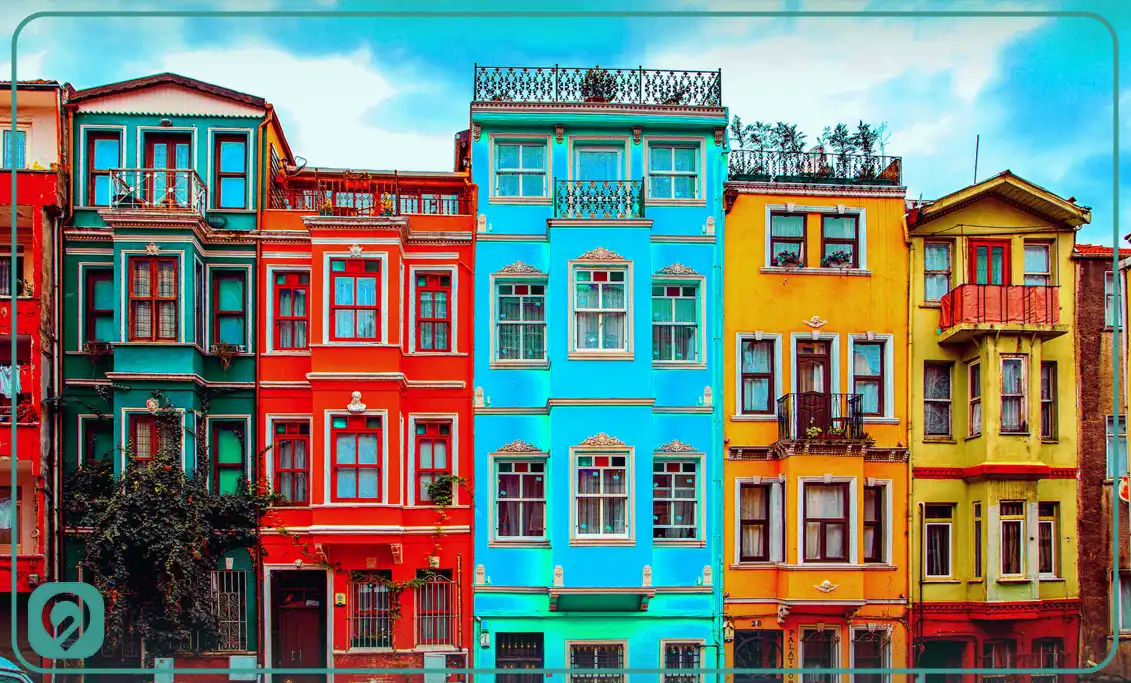
The moment visitors arrive in Balat, they notice the explosion of color. Brightly painted Ottoman-era houses lean gently against each other as if sharing centuries-old secrets. Laundry hangs between buildings, children play football in tiny alleyways, and cats lounge lazily under café tables. It’s chaotic, artistic, nostalgic, and incredibly alive all at once. Travelers often compare Balat to neighborhoods in Lisbon or Havana because of its weathered beauty and authentic atmosphere. Yet Balat remains distinctly Turkish, deeply rooted in Istanbul’s multicultural past.
The district became globally famous thanks to social media photography, travel documentaries, and Turkish television dramas filmed along its streets. Instagram transformed Balat into a dream destination for photographers and travelers searching for hidden gems beyond Istanbul’s classic attractions like Hagia Sophia or the Blue Mosque. According to Turkish tourism statistics, neighborhoods with heritage tourism appeal, including Balat and Fener, have experienced dramatic increases in international visitors during the past decade.
The Historical Position of Balat Along the Golden Horn
Balat’s location along the Golden Horn gave it enormous importance throughout history. The Golden Horn is a natural harbor that played a critical role during the Byzantine and Ottoman eras. Merchants, sailors, craftsmen, and traders from many cultures settled in the area because of its strategic position near the water. This constant movement of people created a multicultural environment that shaped Balat’s identity for centuries.
The name “Balat” is believed to come from the Greek word “Palation,” meaning palace, because of its proximity to the Byzantine imperial district. During Byzantine rule, the area was heavily populated by Greek Orthodox communities. After the Ottoman conquest of Constantinople in 1453, Sultan Mehmed II encouraged Jewish families expelled from Spain to settle in Balat. Armenian and Muslim communities also established roots there, creating a fascinating social mosaic rarely seen elsewhere.
Walking through Balat today feels like wandering through layers of time. One corner reveals an old synagogue, while another features a tiny mosque or a faded church hidden behind colorful walls. These structures are not isolated monuments; they are woven naturally into everyday life. The district carries the echoes of merchants bargaining, prayers whispered in multiple languages, and generations of families who shaped Istanbul’s cultural identity.
Why Travelers Are Drawn to Balat Today
Modern travelers crave authenticity, and Balat delivers it effortlessly. Unlike heavily commercialized tourist districts, Balat still feels organic and imperfect in the best possible way. Visitors don’t come here only for landmarks; they come for atmosphere. Every cracked staircase, every vintage shop, and every smiling café owner contributes to the experience.
One major attraction is the district’s artistic energy. Young creatives, photographers, filmmakers, and entrepreneurs have opened stylish cafés, art studios, and boutique stores while respecting the neighborhood’s historical character. This blend of old and new gives Balat a magnetic charm. You can sip third-wave coffee inside a 150-year-old building while listening to Turkish jazz music echo through cobblestone streets.
Balat also appeals to travelers seeking slower, deeper tourism experiences. Instead of rushing from monument to monument, people wander aimlessly, discovering hidden courtyards and spontaneous conversations with locals. It’s the kind of place where time stretches gently. Many visitors arrive for a quick stop and end up spending an entire day simply soaking in the atmosphere.
The Rich History of Balat
Balat’s history is like an enormous tapestry stitched together by empires, religions, migrations, and daily human life. Few districts in Istanbul reflect the city’s multicultural essence as vividly as Balat. The neighborhood witnessed the rise and fall of Byzantine emperors, the grandeur of the Ottoman Empire, and the social transformations of modern Turkey. Every building seems to hold fragments of forgotten stories.
During the Byzantine era, Balat became an important residential and commercial district because of its proximity to Constantinople’s defensive walls and maritime routes. Greek Orthodox communities dominated the area for centuries, building churches, schools, and businesses that established a strong cultural foundation. After the Ottoman conquest, the neighborhood evolved dramatically. The Ottomans welcomed Sephardic Jews fleeing the Spanish Inquisition in 1492, many of whom settled in Balat and contributed significantly to trade, craftsmanship, and intellectual life.
This coexistence of cultures made Balat exceptionally unique. Muslims, Jews, Greeks, and Armenians lived side by side, sharing markets, streets, and social spaces. While tensions occasionally emerged—as they do in many multicultural societies—the district generally developed a reputation for coexistence and resilience. Historians often describe Balat as a miniature reflection of Istanbul itself: diverse, layered, and constantly evolving.
Byzantine Roots and Ottoman Influence
The Byzantine legacy remains deeply visible throughout Balat. Narrow streets follow ancient urban patterns, and remnants of Byzantine architecture still emerge between later Ottoman constructions. Churches built centuries ago continue standing as reminders of Constantinople’s Christian past. These historical traces create a feeling that history never truly disappeared here; it simply adapted.
When the Ottomans took control, Balat entered a new chapter. Ottoman architecture introduced wooden bay-window houses, ornate fountains, and neighborhood mosques. The district became economically vibrant due to maritime trade and artisan workshops. Jewish merchants especially played important roles in commerce, textiles, and finance.
Ottoman society organized communities through the “millet” system, allowing religious groups to maintain cultural autonomy. This policy helped Balat flourish as a multicultural district. Different languages echoed through the streets—Turkish, Ladino, Greek, Armenian—and each community contributed culinary traditions, religious practices, and artistic expressions that enriched the neighborhood’s identity.
Jewish, Greek, and Armenian Communities in Balat
The multicultural fabric of Balat cannot be understood without recognizing the communities that shaped it. Sephardic Jews became one of the district’s most influential populations after arriving from Spain. They brought traditions, music, cuisine, and the Ladino language, leaving lasting marks on Balat’s cultural memory.
Greek Orthodox residents also maintained strong influence, especially in nearby Fener, which became the center of the Ecumenical Patriarchate. Armenian families contributed through craftsmanship, education, and commerce. Religious buildings from these communities still survive, standing almost like guardians of memory against the rapid modernization of Istanbul.
Today, many descendants have moved elsewhere, yet the spirit of coexistence remains embedded in Balat’s atmosphere. Cultural preservation projects and UNESCO-related restoration efforts have helped revive awareness of the district’s extraordinary heritage.

Walking Through the Colorful Streets of Balat
Walking through Balat feels less like visiting a neighborhood and more like entering a beautifully imperfect time capsule. The streets twist and curve unpredictably, pulling visitors deeper into a maze of colorful houses, antique shops, hidden stairways, and tiny cafés overflowing with personality. Unlike the polished tourist districts of Istanbul, Balat embraces its worn textures and faded beauty. Cracked walls are covered with ivy, old wooden windows creak softly in the wind, and layers of history reveal themselves in every direction. The district doesn’t try to impress visitors with luxury; it wins them over with authenticity.
One of the most magical parts of Balat is how alive it feels. Elderly residents sit outside chatting over tea while children race through the narrow alleys with endless energy. Street cats nap in flowerpots as the aroma of freshly baked simit drifts through the air. The neighborhood moves at its own rhythm, slower and more intimate than the fast-paced heart of Istanbul. Travelers often describe Balat as cinematic because every corner seems staged like a scene from an art film. Yet nothing here feels artificial. The beauty comes from everyday life unfolding naturally.
Photographers especially fall in love with Balat because the district changes mood throughout the day. Early morning light creates soft golden reflections on pastel-colored buildings, while sunset paints the narrow streets with dramatic shadows. Rainy days make the cobblestones shimmer like mirrors. Even small details become visually captivating—rusty door knockers, hanging lanterns, vintage bicycles leaning against ancient walls. It’s no surprise that Balat has become one of Istanbul’s most photographed neighborhoods.
The Famous Rainbow Houses
The rainbow-colored houses of Balat have become iconic symbols of the district. These tightly packed Ottoman-era homes, painted in vibrant shades of yellow, blue, red, green, and pink, create one of the most recognizable scenes in Istanbul. Their cheerful appearance contrasts beautifully with the district’s deep historical roots, creating an atmosphere that feels both nostalgic and playful.
Most of these houses date back more than a century and were originally built from wood during the Ottoman period. Over time, many fell into disrepair as wealthier residents moved away from the area. Restoration projects eventually revived the neighborhood, and homeowners began repainting the buildings in bright colors that reflected Balat’s artistic spirit. The result is a street landscape that feels almost dreamlike.
Kiremit Street is among the most famous spots for seeing these colorful homes. Visitors gather there daily to take photographs, enjoy coffee from nearby cafés, and simply admire the vibrant scenery. Social media played a massive role in popularizing these streets internationally. Travel influencers and photographers helped transform Balat into a global visual icon, attracting tourists from Europe, Asia, and the Middle East.
Yet beneath the photogenic surface lies something deeper. These homes symbolize resilience. They survived fires, economic hardship, political changes, and urban transformation. Their restored colors represent the rebirth of a district once overlooked by mainstream tourism. Balat’s houses are not just beautiful backgrounds for photos; they are storytellers carrying generations of memory.
Hidden Alleys and Instagram-Worthy Corners
While the rainbow houses attract the crowds, Balat’s true magic often hides in its quieter alleys. Some of the district’s most unforgettable moments happen away from the famous photo spots. A random staircase covered in flowerpots might lead to a tiny courtyard café. A narrow lane may suddenly reveal a vintage bookstore or an old man selling handmade antiques from his doorway.
These hidden corners give Balat its sense of discovery. Unlike modern urban areas designed with perfect symmetry, Balat feels organic and unpredictable. The neighborhood grew gradually over centuries, resulting in unusual architecture and wonderfully irregular streets. Every turn invites curiosity. Visitors constantly stumble upon details that feel personal and intimate rather than curated for tourism.
Street art has also become an important part of Balat’s visual identity. Murals, painted shutters, and artistic graffiti add modern creativity to the ancient surroundings. Some walls feature political messages, while others celebrate Istanbul’s multicultural identity. This mixture of old and new creates fascinating contrasts. A centuries-old synagogue might stand beside a contemporary art mural, blending different eras into a single visual experience.
For photographers, Balat is a paradise because it offers endless texture and emotion. It’s not about capturing perfect luxury; it’s about finding beauty in imperfection. The district rewards slow exploration. Those who rush through often miss its soul entirely.
Architectural Wonders of Balat
Balat’s architecture reflects centuries of cultural exchange, social change, and urban adaptation. The district is like an open-air museum where Byzantine, Ottoman, Jewish, Greek, Armenian, and modern Turkish influences coexist naturally. Unlike monumental landmarks such as Topkapi Palace or Hagia Sophia, Balat’s architectural beauty is deeply woven into daily life. Ordinary homes, neighborhood bakeries, synagogues, and schools all contribute to the district’s visual richness.
The architectural diversity of Balat tells the story of Istanbul itself. Wooden Ottoman houses stand beside stone churches, while iron-fronted schools overlook tiny mosques hidden between residential buildings. The district developed organically over hundreds of years, resulting in a fascinating patchwork of styles rather than a perfectly planned urban layout. This layered appearance gives Balat a unique charm that modern neighborhoods often lack.
Many restoration efforts have helped preserve Balat’s architectural heritage in recent years. UNESCO-supported projects and local initiatives aimed to protect the district from excessive modernization while maintaining its historical character. Visitors today can witness buildings that survived fires, earthquakes, empire collapses, and social transformation. Each structure feels like a survivor carrying fragments of Istanbul’s collective memory.
Historic Ottoman Houses
The traditional Ottoman houses of Balat are among the district’s most distinctive features. Built primarily from wood, these homes were designed to maximize airflow and adapt to Istanbul’s climate. Their projecting bay windows allowed residents to observe street life while maintaining privacy, creating intimate relationships between homes and public spaces.
Many houses display intricate craftsmanship despite their modest size. Decorative wooden carvings, colorful shutters, and elegant balconies reveal the artistic sensibilities of Ottoman urban architecture. Time has weathered these buildings beautifully. Slightly uneven walls, faded paint, and creaking staircases add personality rather than diminishing their appeal.
Historically, these homes reflected social and family structures. Extended families often lived together in multistory houses where each floor served different purposes. Kitchens, guest rooms, and communal spaces were carefully arranged according to Ottoman traditions. Although many homes have been renovated into cafés, boutique hotels, or art studios, traces of their original character remain visible.
These houses also create Balat’s intimate atmosphere. The narrow streets and closely positioned buildings encourage social interaction. Neighbors can easily speak across windows or share daily life from their doorsteps. In a world increasingly dominated by anonymous apartment towers, Balat’s architecture feels refreshingly human.
Churches, Synagogues, and Mosques
One of Balat’s most extraordinary qualities is its religious diversity reflected through architecture. Churches, synagogues, and mosques coexist within walking distance of each other, representing centuries of multicultural life. These buildings are not isolated monuments; they form part of the neighborhood’s everyday landscape.
The coexistence of multiple religious structures illustrates Istanbul’s historical complexity. While modern political narratives sometimes simplify history into rigid categories, Balat demonstrates how communities once lived side by side despite cultural differences. Religious architecture here serves not only spiritual purposes but also historical testimony.
Bulgarian St. Stephen Church
The Bulgarian St. Stephen Church, often called the “Iron Church,” is one of Balat’s most remarkable landmarks. Constructed entirely from prefabricated cast iron in the late 19th century, the church was manufactured in Vienna and transported to Istanbul through the Danube and Black Sea. Its gleaming white exterior and ornate Neo-Gothic details make it visually unforgettable.
The church symbolizes the Bulgarian Orthodox community’s historical presence in Istanbul. Recent restoration projects returned the structure to its former glory, making it one of the district’s most visited attractions. Sunlight reflecting off the iron surfaces creates an almost magical appearance along the Golden Horn waterfront.
Ahrida Synagogue
The Ahrida Synagogue stands as one of Istanbul’s oldest and most historically significant synagogues. Founded by Sephardic Jews who arrived from Macedonia, it became an important spiritual and cultural center for Balat’s Jewish community. The synagogue’s interior features elegant woodwork and a bimah shaped like the bow of a ship, symbolizing Noah’s Ark.
Although access may require special permission due to security measures, the synagogue remains an essential symbol of Balat’s multicultural identity. It reminds visitors that the district once echoed with Ladino songs, Jewish prayers, and centuries of Sephardic tradition.

Best Cafés and Restaurants in Balat
Balat has quietly evolved into one of Istanbul’s most exciting food neighborhoods. While the district is famous for its colorful streets and historic atmosphere, its café culture has become equally important in attracting visitors. Walking through Balat without stopping for coffee or breakfast is almost impossible because the aroma of fresh pastries, Turkish tea, roasted coffee beans, and homemade desserts fills the narrow streets from morning until evening. The food scene perfectly mirrors the district itself: nostalgic yet creative, traditional yet experimental.
What makes Balat’s cafés special is not luxury or glamour. Most places are small, cozy, and deeply personal. Many operate inside restored Ottoman homes where vintage furniture, antique radios, handwritten menus, and retro decorations create warm atmospheres that feel more like someone’s living room than a commercial business. Some cafés feature old sewing machines turned into tables, while others display photographs of Balat’s past on weathered walls. This attention to atmosphere transforms simple meals into memorable experiences.
Food in Balat also reflects Istanbul’s multicultural history. Turkish, Jewish, Greek, and Balkan influences subtly appear in pastries, breakfast spreads, and desserts served throughout the district. Travelers often discover recipes passed down through generations. Unlike tourist-heavy restaurants around Sultanahmet, many Balat establishments still cater heavily to locals, which helps preserve authenticity. Prices are usually more affordable as well, making the neighborhood especially attractive for budget-conscious travelers seeking quality food.
Traditional Turkish Breakfast Spots
Turkish breakfast is practically a cultural ceremony, and Balat offers some of Istanbul’s most charming places to experience it. Breakfast tables here are colorful feasts overflowing with cheeses, olives, fresh tomatoes, cucumbers, jams, honey, eggs, bread, and endless glasses of tea. Instead of rushing through a quick meal, locals often spend hours talking, relaxing, and enjoying the social ritual of breakfast.
Many cafés in Balat serve traditional “serpme kahvaltı,” meaning mixed breakfast spread. This style allows visitors to sample a wide variety of small dishes rather than ordering a single plate. Menemen, a flavorful dish made from eggs, tomatoes, and peppers, is especially popular. Freshly baked simit and warm börek pastries complete the experience.
One reason breakfast in Balat feels so memorable is the setting itself. Tiny outdoor seating areas spill onto cobblestone streets, surrounded by colorful houses and hanging plants. Cats wander peacefully between tables while soft Turkish music plays in the background. The atmosphere encourages slow mornings and meaningful conversations. Travelers often describe breakfast in Balat as one of their favorite experiences in Istanbul because it captures the city’s human warmth so naturally.
Several cafés have become particularly famous among visitors, including spots near Merdivenli Yokuş, the district’s iconic staircase street. During weekends, these places become lively social hubs where artists, students, tourists, and local families all mix together. It creates an atmosphere that feels inclusive and vibrant rather than exclusive or commercialized.
Trendy Coffee Shops and Local Desserts
Alongside traditional tea houses, Balat has embraced modern coffee culture with remarkable creativity. Young entrepreneurs transformed old buildings into stylish coffee shops where specialty brews meet vintage aesthetics. Third-wave coffee culture flourished here because Balat’s artistic atmosphere naturally attracted creative communities looking for alternative spaces outside Istanbul’s corporate districts.
Many coffee shops roast their own beans and experiment with brewing methods like V60, Chemex, and cold brew. Yet despite these modern touches, the neighborhood never loses its historical soul. It’s common to see espresso machines placed beside antique cabinets or minimalist coffee bars inside centuries-old homes. This blend of past and present defines Balat’s identity perfectly.
Desserts also play an important role in the local food scene. Traditional Turkish sweets such as baklava, şöbiyet, and sütlaç remain popular, but Balat’s cafés often add contemporary twists. Homemade cheesecakes, artisan cookies, and fusion desserts appear on menus beside classic Turkish treats. Some bakeries specialize in Sephardic-inspired pastries reflecting the neighborhood’s Jewish heritage.
One of the greatest pleasures in Balat is simply wandering into random cafés without checking online reviews or ratings. Hidden gems appear unexpectedly, and some of the best experiences happen in places tourists barely notice. The district rewards curiosity, especially for food lovers willing to explore beyond famous Instagram locations.

Top Things to Do in Balat
Balat offers far more than beautiful photographs. The district invites visitors to experience Istanbul at a slower and more meaningful pace. Instead of checking famous landmarks off a list, travelers in Balat often spend entire days wandering aimlessly, discovering small moments that become unforgettable memories. Every street corner presents opportunities for exploration, whether through art, shopping, food, architecture, or simple human interaction.
One of Balat’s greatest strengths is its ability to satisfy different kinds of travelers simultaneously. History enthusiasts can explore centuries-old religious sites, photographers can capture stunning urban textures, food lovers can discover hidden cafés, and art enthusiasts can immerse themselves in the district’s creative energy. Families, solo travelers, and couples all find something unique here.
The neighborhood also encourages spontaneous experiences. Unlike heavily planned tourist zones, Balat feels open-ended. A visitor might begin the day searching for colorful houses and end up chatting with a local shopkeeper about the district’s history over tea. This unpredictability gives Balat emotional depth that many modern tourist destinations lack.
Antique Shopping and Vintage Stores
Balat is a paradise for antique lovers and treasure hunters. Small vintage stores line many streets, filled with old books, vinyl records, Ottoman-era objects, retro cameras, antique furniture, and forgotten curiosities that seem pulled from another century. Shopping here feels more like archaeological exploration than modern consumerism.
Many shop owners are passionate collectors themselves and enjoy sharing stories behind their items. Some stores specialize in Turkish nostalgia, offering vintage movie posters, antique radios, old tea sets, and traditional household objects from the mid-20th century. Others focus on handmade crafts, jewelry, or restored furniture.
What makes Balat’s shopping scene especially appealing is its authenticity. Unlike tourist markets selling mass-produced souvenirs, many items here are genuinely old or handcrafted. Prices vary widely depending on rarity and craftsmanship, but bargaining remains common in certain shops. Visitors often leave with unique objects carrying fragments of Istanbul’s cultural memory.
The vintage atmosphere of these stores perfectly matches Balat’s overall aesthetic. Dusty shelves, creaking wooden floors, and the smell of old paper create immersive environments where time seems suspended. Even people who don’t plan to buy anything often spend hours browsing simply because the experience feels so atmospheric.
Photography Tours and Cultural Walks
Balat has become one of Istanbul’s top destinations for photography enthusiasts. Professional photographers, travel bloggers, filmmakers, and social media creators regularly organize tours through the district because of its extraordinary visual richness. Every texture, shadow, staircase, and doorway seems designed for storytelling through images.
Photography tours usually focus on capturing Balat’s colorful houses, street life, religious architecture, and hidden alleys. Early morning and late afternoon are considered ideal times because the soft natural light enhances the district’s warm colors and dramatic textures. Many photographers describe Balat as one of the most photogenic urban neighborhoods in the world due to its combination of authenticity and visual diversity.
Cultural walking tours also provide deeper understanding of Balat’s history and multicultural heritage. Local guides explain the significance of synagogues, churches, schools, and Ottoman houses while sharing stories about the communities that once shaped the district. These tours often include discussions about urban transformation, migration, and preservation efforts.
One particularly rewarding aspect of walking in Balat is how accessible everything feels. The neighborhood is best explored on foot because cars cannot easily navigate many narrow streets. This creates intimate experiences where visitors notice small details they might otherwise miss. Balat invites observation, patience, and curiosity—qualities increasingly rare in modern tourism.
Balat’s Art Scene and Creative Spirit
Balat has experienced a creative revival over the last decade, transforming into one of Istanbul’s most vibrant artistic districts. Artists, designers, photographers, musicians, and filmmakers have gravitated toward the neighborhood because of its affordability, historical atmosphere, and emotional authenticity. The district’s imperfections became its greatest artistic strength. Crumbling walls, faded textures, and multicultural history provide endless inspiration for creative expression.
Unlike highly commercialized art districts in some global cities, Balat’s creative scene still feels grassroots and community-oriented. Independent galleries, tiny studios, handmade craft shops, and experimental cafés coexist naturally with long-time residents and traditional businesses. This balance creates an environment where creativity feels integrated into daily life rather than isolated within elite cultural spaces.
Street art plays a major role in Balat’s evolving identity. Murals and graffiti appear throughout the district, often blending political commentary, humor, nostalgia, and contemporary design. These artworks add modern layers to the ancient neighborhood, creating fascinating visual conversations between past and present.
Street Art and Independent Galleries
Balat’s street art scene emerged organically as young artists moved into the district seeking affordable spaces and creative freedom. Today, colorful murals decorate stairways, abandoned buildings, and hidden corners across the neighborhood. Some works celebrate Istanbul’s diversity, while others explore themes like migration, identity, and urban change.
Independent galleries also contribute significantly to Balat’s artistic reputation. Many occupy restored Ottoman buildings where exhibitions range from contemporary photography to experimental installations. These spaces often support emerging Turkish artists who may not yet appear in mainstream galleries. Visitors can encounter deeply personal and socially conscious works reflecting modern Istanbul’s complexities.
The relationship between art and architecture in Balat is especially compelling. Contemporary paintings and installations appear against centuries-old walls, creating contrasts that feel emotionally powerful. Creativity here doesn’t erase history; it interacts with it.
Festivals and Local Community Events
Balat regularly hosts cultural festivals, music events, and neighborhood gatherings celebrating the district’s diversity and artistic energy. These events often include live performances, artisan markets, photography exhibitions, and food fairs that attract both locals and international visitors.
Community events play important roles in preserving Balat’s social identity amid increasing tourism and gentrification. Local organizations frequently organize workshops, heritage walks, and cultural discussions aimed at protecting the district’s historical memory while encouraging creative growth.
During festivals, Balat becomes especially lively. Music echoes through narrow streets, cafés overflow with visitors, and artists display work outdoors. The neighborhood transforms into a giant open-air cultural space where creativity and community merge naturally.
How to Reach Balat in Istanbul
Getting to Balat is surprisingly easy despite the neighborhood’s old-world atmosphere and maze-like streets. Located on the European side of Istanbul along the Golden Horn, Balat sits within the historic Fatih district, relatively close to some of the city’s major attractions. Whether visitors are staying near Sultanahmet, Taksim, Galata, or Besiktas, multiple transportation options make reaching Balat convenient and affordable. The journey itself often becomes part of the experience because traveling through Istanbul reveals the city’s constantly shifting layers of history and modern life.
Public transportation remains the most practical option for many travelers. Istanbul’s transportation network is extensive, though it can feel overwhelming at first due to the city’s enormous size and population. Fortunately, Balat connects well through buses, ferries, taxis, and nearby tram lines. Many travelers prefer combining transportation methods because it allows them to enjoy scenic routes along the Golden Horn and Bosphorus.
Another reason Balat feels special is that arriving there creates a noticeable shift in atmosphere. The busy tourist energy of central Istanbul slowly fades as visitors approach quieter streets lined with historical buildings and colorful homes. It’s almost like crossing an invisible border between modern metropolitan chaos and a preserved fragment of old Istanbul. That emotional transition is one reason many travelers remember their first arrival in Balat so vividly.
Transportation Options from Major Tourist Areas
Visitors staying in Sultanahmet can easily reach Balat by bus or taxi within approximately 20 to 30 minutes depending on traffic. Several buses running along the Golden Horn pass directly through the neighborhood. Travelers using the T1 tram line can also transfer at Eminönü and continue by bus or taxi. The route itself offers beautiful waterfront views and glimpses of local Istanbul life away from heavily touristic zones.
From Taksim Square, travelers commonly use buses heading toward Eminönü or directly toward Balat. Taxis provide faster access but may become expensive during heavy traffic periods, especially during rush hour. Istanbul traffic is famously unpredictable, so public transportation often proves more efficient than expected.
Ferries also provide one of the most enjoyable ways to experience Istanbul while heading toward Balat. Visitors can take ferries crossing the Bosphorus and then continue through connecting transportation along the Golden Horn. The ferry experience offers breathtaking views of Istanbul’s skyline, mosques, bridges, and waterfront neighborhoods.
For adventurous travelers, walking from Eminönü or Fener toward Balat is highly recommended. The gradual transition between districts allows visitors to absorb the city’s atmosphere naturally. Along the way, hidden cafés, local bakeries, and historical structures appear unexpectedly, turning the journey itself into an exploration.
Best Time to Visit Balat
Balat can be visited year-round, but certain seasons reveal the district’s beauty more dramatically. Spring and autumn are generally considered the best times because Istanbul’s weather becomes pleasantly mild, allowing visitors to comfortably explore the neighborhood on foot for hours. During spring, flowers bloom from balconies and café terraces, adding even more color to Balat’s already vibrant streets.
Summer brings longer daylight hours and lively outdoor café culture, though temperatures can become hot during midday. Early mornings and late afternoons remain ideal for walking and photography because the lighting softens beautifully against the pastel-colored buildings. Summer evenings in Balat feel especially magical as locals gather outside, music drifts from cafés, and the district takes on a relaxed social energy.
Winter creates an entirely different atmosphere. Rain and fog transform Balat into something cinematic and deeply nostalgic. Wet cobblestones reflect colorful buildings like watercolor paintings, while warm cafés become cozy refuges from the cold. Although fewer tourists visit during winter months, many photographers actually prefer this season because the neighborhood feels quieter and emotionally richer.
Weekdays are usually calmer than weekends. Saturdays and Sundays attract large crowds of local visitors, photographers, and international tourists. Travelers seeking peaceful exploration may prefer weekday mornings when the streets remain relatively quiet and daily neighborhood life unfolds naturally.
Travel Tips for Exploring Balat
Balat rewards travelers who approach it slowly and respectfully. Unlike large tourist complexes designed for rapid sightseeing, this neighborhood invites wandering, observation, and spontaneous discovery. Preparing properly can significantly improve the experience because Balat’s charm often lies in subtle details rather than major attractions alone.
One important thing visitors quickly notice is that Balat remains a living residential neighborhood. People genuinely live, work, study, and socialize here every day. While tourism has increased dramatically in recent years, maintaining respect for local life remains essential. Travelers who interact politely with residents often experience warm hospitality and memorable conversations.
Balat’s streets can also be physically demanding in certain areas due to steep hills, uneven cobblestones, and narrow stairways. Comfortable walking shoes become absolutely essential. The district’s beauty emerges through exploration on foot, so visitors should prepare for extensive walking and occasional uphill climbs.
Safety, Etiquette, and Budget Tips
Balat is generally considered safe for tourists, including solo travelers and photographers carrying equipment. Like any large urban area, basic awareness remains important, especially in crowded transportation hubs or isolated streets late at night. Daytime exploration is extremely comfortable, and the neighborhood maintains a welcoming atmosphere for international visitors.
Respecting residents while taking photographs is particularly important because Balat’s popularity on social media occasionally creates tension between tourism and local privacy. Travelers should avoid blocking doorways, photographing people without permission, or treating residential streets like amusement parks. A friendly smile and polite behavior go a long way in maintaining positive interactions.
Budget-conscious travelers will appreciate Balat because it remains more affordable than many central tourist areas in Istanbul. Café prices, food, and shopping are often reasonably priced compared to districts like Sultanahmet or Galata. Small family-run businesses also provide opportunities to support local communities directly rather than large commercial chains.
Carrying cash can be useful because some smaller cafés and antique shops may not always accept international credit cards. Although many businesses now support digital payment systems, having Turkish lira available simplifies purchases in local markets and vintage stores.
What to Wear and Carry While Visiting
Comfort matters more than fashion while exploring Balat, though the district’s artistic atmosphere certainly inspires stylish photography. Lightweight clothing works best during warmer months because walking through steep streets can become physically tiring. Comfortable sneakers or walking shoes are highly recommended due to uneven surfaces and hills.
Travelers visiting religious sites such as mosques, churches, or synagogues should dress modestly out of respect. Carrying a lightweight scarf or shawl can be useful when entering certain spiritual spaces. Since Istanbul weather changes quickly, layering clothes is also practical, especially during spring and autumn.
A camera or smartphone becomes almost essential because Balat constantly presents visually stunning moments. Portable chargers are equally valuable since visitors often spend entire days exploring and photographing the neighborhood. Reusable water bottles, sunglasses, and small backpacks also improve comfort during long walks.
One of the best things travelers can carry into Balat, however, is patience. The district is not meant to be rushed. Its greatest treasures often appear unexpectedly in ordinary moments—a conversation with a shopkeeper, sunlight hitting an old staircase, or the sound of distant music drifting through colorful alleyways.
Conclusion
Balat is far more than one of Istanbul’s trendiest neighborhoods. It is a living reflection of the city’s layered identity, where centuries of history, migration, religion, creativity, and everyday life continue to coexist within a few winding streets. The district’s colorful houses may attract visitors initially, but its emotional depth is what leaves lasting impressions. Every staircase, café, synagogue, church, and hidden alley carries traces of the countless communities that shaped this remarkable corner of Istanbul.
What makes Balat truly unforgettable is its authenticity. In a world where many tourist destinations become overly commercialized and polished, Balat proudly embraces imperfection. Its faded walls, uneven streets, and weathered buildings feel honest rather than staged. Travelers don’t simply observe Balat; they experience it through sounds, conversations, textures, smells, and spontaneous encounters.
The district also represents Istanbul’s ability to reinvent itself without completely erasing its past. Artists, café owners, photographers, and local residents continue breathing new life into ancient streets while preserving the neighborhood’s cultural memory. This delicate balance between preservation and transformation gives Balat extraordinary energy.
Whether visitors come for photography, history, architecture, food, or cultural exploration, Balat offers something increasingly rare in modern travel: genuine atmosphere. It is the kind of place that encourages people to slow down, wander without plans, and rediscover the joy of curiosity. Long after leaving Istanbul, many travelers remember Balat not as a destination they visited, but as a feeling they experienced.
.webp)
.webp)
Have Question Or Suggestion ?
Please Share Your Thought, To Make It Real