Venezia Mall In Istanbul
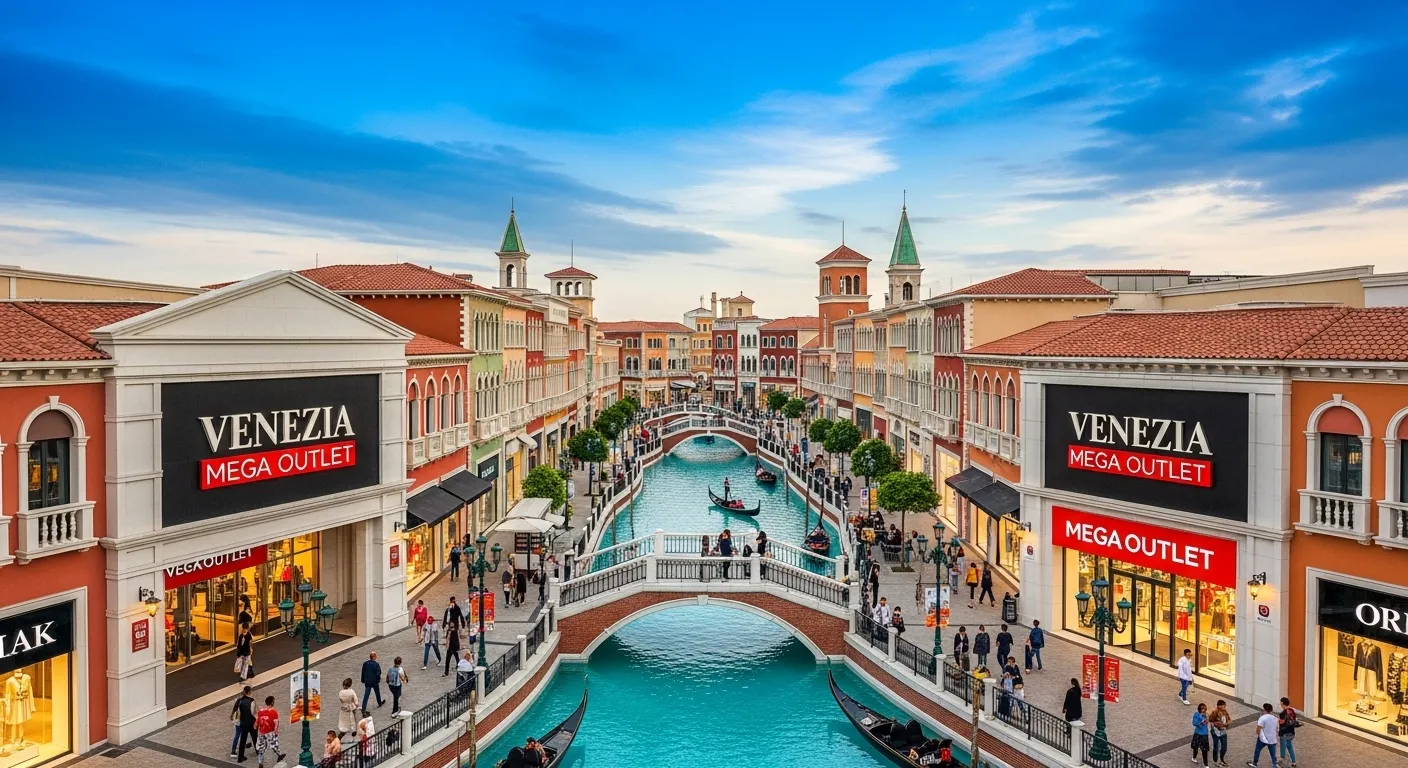
Discover Venezia Mall in Istanbul—indoor canals, gondola rides, shopping, and dining. A surprising Venice-style experience in Turkey.
Venezia Istanbul: Bridging Two Worlds of Culture, History, and Romance
The Timeless Allure of Venezia and Istanbul
Why These Two Cities Are Often Compared
There’s something undeniably magnetic about Venezia (Venice) and Istanbul—two cities that seem to exist outside of time, floating somewhere between history and imagination. If you’ve ever wandered through Venice’s narrow alleyways or gazed across the Bosphorus at sunset, you already know what ties them together: a sense of mystery, grandeur, and layered identity. But why are these two cities so often mentioned in the same breath?
It starts with geography. Both cities are shaped by water, and not just in a superficial way. In Venice, canals replace roads, and gondolas become everyday transport. In Istanbul, the Bosphorus doesn’t just divide continents—it defines the rhythm of life itself. Water is not just scenery; it’s infrastructure, culture, and identity all rolled into one.
Then there’s history. Both cities were once at the center of powerful empires—the Venetian Republic and the Byzantine and Ottoman Empires. These weren’t just local powers; they were global influencers, controlling trade, shaping diplomacy, and leaving behind architectural marvels that still stand today. Walking through either city feels like flipping through the pages of a living history book.
And let’s not ignore the romance factor. Venice is often dubbed the “City of Love,” but Istanbul offers its own kind of emotional pull—a blend of nostalgia, exotic charm, and vibrant chaos. One whispers softly through quiet canals; the other hums with energy across bustling bazaars.
So when people compare Venezia and Istanbul, they’re not just comparing cities—they’re comparing entire worlds. And somehow, despite their differences, those worlds feel strangely connected.
A Meeting Point Between East and West
If Venice is a doorway to Europe, Istanbul is the bridge between continents. This idea of being “in between” is what makes both cities so fascinating—and so unique. They don’t just belong to one culture or identity; they absorb and reflect multiple influences at once.
Venice, for centuries, was Europe’s gateway to the East. Its merchants traveled far and wide, bringing back spices, silk, and stories from lands that felt almost mythical to Western Europeans. You can still see these influences today in Venetian architecture, art, and even cuisine. There’s a subtle Eastern flair woven into the fabric of the city, like a quiet nod to its trading past.
Istanbul, on the other hand, doesn’t just connect East and West—it embodies both. One moment you’re standing inside a Byzantine church turned Ottoman mosque, and the next you’re sipping Turkish tea in a café that feels unmistakably European. The city is a mosaic of identities, where minarets and modern skyscrapers coexist in a surprisingly harmonious way.
What’s truly captivating is how both cities have embraced this duality rather than resisted it. They don’t try to simplify themselves for visitors. Instead, they invite you to experience their complexity—to get lost in it, even.
And maybe that’s the real magic of Venezia and Istanbul. They remind us that identity doesn’t have to be singular. It can be layered, evolving, and beautifully contradictory.

Historical Connections Between Venezia and Istanbul
Trade Routes and Maritime Power
When you dig into the past, the connection between Venezia and Istanbul starts to feel less like coincidence and more like destiny. These two cities weren’t just thriving independently—they were deeply intertwined through trade, diplomacy, and sometimes rivalry. Back in the medieval and early modern periods, both Venice and Constantinople (modern-day Istanbul) stood as titans of maritime power, controlling critical trade routes that connected Europe with Asia.
Venice, with its powerful navy and strategic location in the Adriatic Sea, became a dominant force in Mediterranean trade. Meanwhile, Constantinople sat at the crossroads of continents, acting as a gateway between the Black Sea and the Mediterranean. If goods were moving between East and West—spices, silk, precious metals—you can bet these two cities were involved.
This wasn’t just about economics; it was about influence. Control over trade meant control over wealth, and wealth translated into political and cultural power. Venetian merchants established strong trading networks within Constantinople, often negotiating special privileges that allowed them to operate freely within the city. These arrangements weren’t always smooth—there were tensions, conflicts, and even wars—but they created a deep and lasting connection between the two powers.
It’s fascinating to think about how goods, ideas, and even artistic styles traveled along these routes. A piece of silk in Venice might have originated in Asia, passed through Istanbul, and carried with it stories of distant lands. Trade wasn’t just transactional—it was transformational, shaping both cities in ways that are still visible today.
Venetian Merchants in Constantinople
Imagine being a Venetian merchant stepping into Constantinople for the first time. The city would have felt overwhelming—massive walls, bustling markets, a mix of languages, and cultures colliding at every corner. Yet, for many Venetians, this wasn’t a temporary visit; it became a second home.
Venice established a permanent presence in Constantinople, including trading quarters where Venetian merchants lived, worked, and conducted business. These areas were almost like mini Venices within the larger city, complete with their own governance and social structures. This allowed Venetians to maintain their identity while fully engaging with the local economy.
Their role went beyond simple trade. These merchants acted as cultural ambassadors, bridging gaps between two very different worlds. They learned the local customs, adapted to new ways of doing business, and in many cases, formed relationships that went far beyond commerce. Marriages, partnerships, and long-term alliances were common, further blending the two cultures.
Of course, this relationship wasn’t always peaceful. Political tensions sometimes led to conflicts, and Venetian communities in Constantinople occasionally found themselves caught in the middle. Yet, despite these challenges, the connection endured. It was simply too valuable—economically and culturally—to abandon.
Even today, if you look closely, you can spot traces of Venetian influence in Istanbul’s history. It’s like a hidden layer, quietly reminding us of a time when these two cities were deeply connected through ambition, curiosity, and opportunity.
Cultural Exchange and Influence
Trade may have been the starting point, but cultural exchange is what truly cemented the relationship between Venezia and Istanbul. When people move, ideas follow—and in this case, those ideas reshaped art, architecture, language, and daily life in both cities.
Venetian artists, for instance, were heavily influenced by Byzantine and later Ottoman styles. You can see this in the use of rich colors, intricate patterns, and even certain architectural elements that feel slightly “Eastern” compared to other European cities. Venice didn’t just import goods; it absorbed aesthetics, philosophies, and ways of thinking.
On the flip side, Istanbul also felt the Venetian touch. Western artistic techniques, especially in painting and architecture, began to appear more frequently. Venetian glass, textiles, and craftsmanship were highly prized, adding a European flair to the city’s already diverse cultural landscape.
What makes this exchange so interesting is that it wasn’t one-sided. It was a continuous dialogue—a back-and-forth that evolved over centuries. Each city took what it admired from the other and adapted it in its own unique way.
And maybe that’s the real takeaway here. Venezia and Istanbul didn’t just influence each other—they helped shape each other. Their connection wasn’t about one dominating the other; it was about mutual transformation.

Architectural Beauty: A Tale of Two Skylines
Iconic Structures in Venezia
Walk through Venezia, and it almost feels like the city was designed to be admired from every possible angle. There’s no rush here—just a slow unfolding of architectural beauty that seems to rise straight out of the water. What makes Venice so special isn’t just one landmark, but the way every building contributes to a unified, almost dreamlike atmosphere. Still, some structures stand out as the soul of the city.
Take St. Mark’s Basilica, for example. This isn’t just a church; it’s a visual storybook of Venice’s connection to the East. Its domes, mosaics, and golden details reflect strong Byzantine influences, a direct result of Venice’s historical ties with Constantinople. Step inside, and the shimmering gold interiors feel almost surreal, as if the building itself is glowing from within. It’s not subtle—and it’s not meant to be.
Then there’s the Doge’s Palace, a masterpiece of Gothic architecture that once served as the political heart of the Venetian Republic. Its intricate façade, with delicate arches and pink-and-white marble patterns, tells a story of power wrapped in elegance. Unlike the heavy, fortress-like palaces of other European cities, this one feels open and almost inviting, which says a lot about Venice’s unique identity.
And of course, you can’t talk about Venice without mentioning its canals and bridges. The Rialto Bridge, for instance, isn’t just a way to cross the Grand Canal—it’s a symbol of the city’s commercial past. Every stone, every curve feels intentional, as if designed to impress both locals and travelers alike.
What’s fascinating is how all these structures coexist without clashing. Venice doesn’t overwhelm you with scale; it captivates you with detail. It’s a city where architecture feels personal, almost intimate, despite its grandeur.
Majestic Landmarks of Istanbul
Now shift your gaze to Istanbul, and the architectural story takes on a completely different rhythm—larger, bolder, and layered with centuries of transformation. If Venice feels like a delicate painting, Istanbul feels like an epic mural, stretching across time and culture.
At the center of it all stands the Hagia Sophia, a structure that has lived multiple lives—as a church, a mosque, and now a museum-mosque hybrid. Its massive dome seems to defy gravity, and when you step inside, the sheer scale of the space hits you instantly. What makes Hagia Sophia truly remarkable is how it blends Christian mosaics with Islamic calligraphy, creating a visual dialogue between two major civilizations.
Just across from it, the Blue Mosque (Sultan Ahmed Mosque) adds another layer of beauty to the skyline. With its six minarets and cascading domes, it creates a silhouette that’s instantly recognizable. Inside, the blue Iznik tiles give the mosque its nickname, wrapping the space in a calming yet powerful atmosphere.
Then there’s the Topkapi Palace, which offers a completely different kind of architectural experience. Instead of one massive structure, it’s a complex of courtyards, rooms, and gardens that once housed Ottoman sultans. Walking through it feels like stepping into a private world—one filled with luxury, strategy, and quiet authority.
What sets Istanbul apart is its scale and diversity. The city doesn’t aim for uniformity; it embraces contrast. Byzantine, Ottoman, and modern influences all collide, yet somehow create a skyline that feels cohesive in its own chaotic way.
Water as a Way of Life
Canals of Venezia
In Venice, water isn’t just part of the landscape—it is the landscape. The canals are the city’s veins, carrying life through every corner, every hidden alley, every open square. Forget cars, forget buses—here, boats rule everything. And surprisingly, it works.
The Grand Canal is the main artery, cutting through the city in a sweeping curve. Lined with centuries-old palaces, it serves as both a transportation route and a visual spectacle. Vaporetto water buses glide alongside private boats and gondolas, creating a constant yet strangely peaceful flow of movement.
Speaking of gondolas, they’re more than just a tourist attraction. Yes, they’re romantic and iconic, but they also represent a deep-rooted tradition. Gondoliers aren’t just boat drivers—they’re storytellers, guides, and keepers of Venetian culture. A ride through the quieter canals feels like stepping into another world, where time slows down and every ripple in the water tells a story.
Living in Venice means adapting to this aquatic lifestyle. Groceries are delivered by boat, ambulances are water-based, and even funerals take place on the canals. It’s a system that might seem unusual at first, but it’s perfectly normal for locals.
And maybe that’s what makes Venice so unforgettable. It doesn’t just show you a different way of life—it immerses you in it completely.
The Bosphorus Strait
While Venice is defined by its canals, Istanbul is shaped by the Bosphorus Strait—a natural waterway that separates Europe and Asia while connecting the Black Sea to the Mediterranean. But calling it just a “strait” feels like an understatement. The Bosphorus is the heartbeat of the city.
Stand by its shores, and you’ll see a constant flow of ferries, cargo ships, and fishing boats moving between continents. It’s not just a scenic view; it’s a living, breathing system that keeps the city connected and alive. For locals, taking a ferry across the Bosphorus isn’t a tourist activity—it’s part of daily life.
What makes the Bosphorus truly special is how it frames the city. On one side, you have historic mosques and palaces; on the other, modern neighborhoods and bustling streets. The contrast is striking, yet it feels completely natural.
Then there are the waterfront mansions, known as yalıs, which line parts of the Bosphorus. These elegant wooden houses, once home to Ottoman elites, add a touch of old-world charm to the already stunning landscape. They’re a reminder that this waterway has always been a place of prestige and importance.
At sunset, the Bosphorus transforms into something almost magical. The water reflects shades of gold and orange, and the city’s silhouette becomes even more dramatic. It’s one of those moments that makes you pause and realize just how unique Istanbul really is.
Both Venice and Istanbul are shaped by water—but in completely different ways. One is intimate and quiet, the other vast and dynamic. Yet, in both cities, water isn’t just a feature—it’s a way of life.

Cultural Experiences and Traditions
Festivals in Venezia
If you think Venezia is already magical on a normal day, wait until festival season arrives—because that’s when the city truly transforms into something almost theatrical. Venice doesn’t just celebrate; it performs. Every festival feels like a carefully crafted scene where history, art, and imagination collide in the most visually stunning way possible.
The most famous of them all is the Venice Carnival (Carnevale di Venezia). This isn’t your typical street festival with loud music and casual crowds. It’s an elegant, mysterious event where people wear elaborate masks and costumes inspired by centuries-old traditions. Walking through Venice during Carnival feels like stepping into a different era. You’ll see figures dressed as nobles, jesters, and even mythical characters, all blending seamlessly with the city’s historic backdrop. The masks themselves carry deep symbolism—originally used to hide identity and erase social boundaries, allowing people to interact freely regardless of class.
Then there’s the Venice Film Festival, one of the oldest and most prestigious film festivals in the world. It brings a completely different kind of energy to the city—glamorous, modern, and globally influential. Celebrities, filmmakers, and critics gather on the island of Lido, turning Venice into a hub of cinematic conversation. It’s fascinating how the city can shift from historical fantasy during Carnival to contemporary sophistication during the film festival, without losing its identity.
Religious festivals also play a significant role. Events like the Feast of the Redeemer (Festa del Redentore) combine spirituality with celebration, featuring fireworks over the lagoon and temporary bridges connecting different parts of the city. It’s a reminder that Venetian culture isn’t just about aesthetics—it’s deeply rooted in tradition and community.
These festivals aren’t just events to watch; they’re experiences to live. They invite you to become part of the city’s story, even if just for a few days.
Rich Traditions in Istanbul
While Venice leans into elegance and performance, Istanbul’s traditions feel more layered, vibrant, and deeply woven into everyday life. This is a city where history isn’t just preserved—it’s actively lived, often in ways that feel both ancient and completely contemporary at the same time.
One of the most defining cultural experiences in Istanbul is Ramadan. During this holy month, the city takes on a unique rhythm. Days are quieter and more reflective, but once the sun sets, everything changes. Streets fill with people gathering for iftar (the evening meal to break the fast), and there’s a strong sense of community in the air. Public squares often host cultural events, traditional music, and food stalls, turning the city into a shared space of celebration and connection.
Then there’s the tradition of Turkish tea and coffee, which might seem simple on the surface but carries deep cultural significance. Sitting in a café, sipping tea from a small tulip-shaped glass, isn’t just about the drink—it’s about conversation, connection, and slowing down. Turkish coffee, on the other hand, comes with its own rituals, including fortune-telling from the coffee grounds, which adds a playful and mystical element to the experience.
Istanbul is also famous for its bazaars, especially the Grand Bazaar and the Spice Bazaar. These aren’t just markets; they’re cultural institutions. Walking through them is a sensory overload—in the best way possible. Colors, scents, sounds, and voices all blend together, creating an atmosphere that feels alive and constantly evolving. Bargaining isn’t just accepted here—it’s expected, and it becomes part of the interaction between buyer and seller.
What makes Istanbul’s traditions so compelling is their accessibility. You don’t have to attend a specific event to experience them—they’re embedded in daily life, waiting to be discovered in small, meaningful moments.
Cuisine: A Feast for the Senses
Venetian Culinary Delights
Food in Venezia is a reflection of its history, geography, and connections to distant lands. It’s not just Italian cuisine—it’s Venetian cuisine, and there’s a difference. While you’ll still find pasta and pizza, the real magic lies in dishes that are deeply tied to the lagoon and the city’s trading past.
Seafood takes center stage here, and for good reason. Dishes like risotto al nero di seppia (risotto with cuttlefish ink) might look unusual with their deep black color, but they offer a rich, slightly briny flavor that captures the essence of the sea. Then there’s sarde in saor, a traditional dish of sweet-and-sour sardines marinated with onions, vinegar, and raisins. It’s a perfect example of how Venetian cuisine balances bold and unexpected flavors.
Another unique aspect of Venetian food culture is the tradition of cicchetti—small, tapas-like dishes served in local bars called bacari. Think of them as Venice’s answer to Spanish tapas. You might hop from one bacaro to another, sampling different bites like marinated seafood, polenta with toppings, or tiny sandwiches, all paired with a glass of local wine. It’s casual, social, and incredibly satisfying.
And let’s not forget dessert. Tiramisu, one of Italy’s most famous desserts, is believed to have originated in the Veneto region. Creamy, rich, and layered with coffee-soaked biscuits, it’s the perfect ending to a Venetian meal.
Eating in Venice isn’t just about the food—it’s about the setting. Whether you’re dining by a canal or in a hidden courtyard, the atmosphere adds something extra to every bite.
Turkish Gastronomy in Istanbul
If Venice offers subtle elegance, Istanbul delivers bold, unforgettable flavors. Turkish cuisine is incredibly diverse, influenced by centuries of Ottoman history and a vast geography that spans multiple regions. And in Istanbul, you get to experience it all in one place.
Start with kebabs, but don’t stop there. Turkish cuisine goes far beyond the typical dishes most people know. There’s meze, a collection of small dishes served as appetizers—think hummus, stuffed grape leaves, eggplant salads, and yogurt-based dips. It’s similar in concept to Venetian cicchetti, but with its own distinct flavors and textures.
Street food is another essential part of Istanbul’s culinary scene. You’ll find vendors selling simit (a sesame-covered bread), balık ekmek (fish sandwiches by the Bosphorus), and roasted chestnuts on almost every corner. These simple foods offer a direct connection to the city’s daily life.
Then comes dessert—and this is where Istanbul truly shines. Baklava, with its layers of flaky pastry, nuts, and syrup, is just the beginning. There’s also künefe, a warm dessert made with shredded pastry and melted cheese, soaked in sweet syrup. It’s rich, indulgent, and surprisingly addictive.
And of course, no meal is complete without Turkish tea or coffee. These aren’t just beverages—they’re rituals that bring people together.
Eating in Istanbul feels like an adventure. Every dish tells a story, and every flavor invites you to explore something new.
Tourism and Travel Experience
Best Time to Visit Both Cities
Timing your trip to Venezia and Istanbul can completely change your experience, sometimes in ways you don’t expect. These aren’t cities you just “visit”—they’re cities you feel, and the season you choose will shape that feeling from start to finish.
Let’s start with Venice. The most popular time to visit is between April and June, and then again in September and October. During these months, the weather is pleasant, the crowds are manageable (though never truly small), and the city feels alive without being overwhelming. Summer, especially July and August, can be intense—heat, humidity, and heavy tourist traffic can make the narrow streets feel crowded and exhausting. On the flip side, winter offers a completely different side of Venice. It’s quieter, more mysterious, and sometimes wrapped in fog that gives the city an almost cinematic atmosphere. If you don’t mind cooler temperatures, winter might actually be the most authentic time to visit.
Now shift to Istanbul, where the experience is just as seasonal but in a different way. The best times to visit are typically spring (April to May) and autumn (September to November). During these periods, the weather is mild, making it perfect for exploring the city’s outdoor landmarks, walking through bazaars, or taking a ferry across the Bosphorus. Summer in Istanbul can get quite hot and crowded, especially in tourist-heavy areas. Winter, while less crowded, can be rainy and occasionally cold—but it also brings a quieter, more local vibe to the city.
What’s interesting is how both cities reward you for going slightly off-season. You get more space, more authenticity, and a chance to connect with the place on a deeper level. So the question becomes: do you want the energy of peak season or the intimacy of a quieter visit?
Travel Tips for First-Time Visitors
Visiting Venezia and Istanbul for the first time can feel a bit overwhelming—not because they’re difficult, but because there’s so much to take in. These cities don’t just offer attractions; they offer layers, and knowing how to navigate them makes all the difference.
In Venice, one of the biggest mistakes people make is trying to follow a strict itinerary. The city isn’t designed for that. It’s a maze of narrow streets and hidden corners, and getting lost is part of the experience. Instead of rushing from one landmark to another, allow yourself to wander. You’ll often find the most memorable moments in quiet alleyways or small bridges that aren’t even on the map.
Transportation is another thing to keep in mind. Vaporetto water buses are the main form of public transport, and getting a multi-day pass can save both time and money. Gondola rides are iconic, but they’re also expensive—so it’s worth deciding in advance whether that experience matters to you.
In Istanbul, the approach is a bit different. The city is vast, and planning helps. Prioritize key areas like Sultanahmet for historical landmarks, and then explore neighborhoods like Karaköy or Kadıköy for a more local vibe. Public transport is efficient, but walking is often the best way to truly experience the city.
Cultural awareness is also important. While Istanbul is modern and diverse, it’s still respectful to dress modestly when visiting mosques. Learning a few basic Turkish phrases can also go a long way—it shows respect and often leads to warmer interactions.
And here’s a simple but powerful tip for both cities: slow down. Don’t try to “complete” them. You won’t. Instead, focus on experiencing them—through food, conversations, and small, unexpected moments.
Conclusion
Venezia and Istanbul aren’t just destinations—they’re experiences that stay with you long after you leave. One offers quiet romance through winding canals and delicate architecture; the other delivers a vibrant blend of cultures, history, and energy that feels almost limitless. Yet, despite their differences, they share something deeper: a connection shaped by water, trade, and centuries of cultural exchange.
Exploring these two cities isn’t about comparing which one is better. It’s about understanding how each reflects a different side of human creativity and history. Venice teaches you to appreciate stillness, detail, and subtle beauty. Istanbul invites you to embrace contrast, movement, and bold expression.
If you ever get the chance to visit both, you’ll start to notice the invisible threads that tie them together—from architecture and cuisine to traditions and ways of life. And once you see those connections, you’ll never look at either city the same way again.
FAQs
1. Is Venezia the same as Venice?
Yes, Venezia is simply the Italian name for Venice. They refer to the same city, known for its canals, historic architecture, and romantic atmosphere.
2. How far is Istanbul from Venice?
The distance between Istanbul and Venice is approximately 1,400 kilometers (870 miles). A direct flight usually takes around 2 to 2.5 hours, making it relatively easy to travel between the two.
3. Which city is more affordable for tourists?
Generally, Istanbul is more affordable than Venice in terms of accommodation, food, and daily expenses. Venice tends to be more expensive due to its popularity and limited space.
4. Do Venezia and Istanbul share any historical connection?
Yes, both cities were deeply connected through trade and diplomacy, especially during the time of the Venetian Republic and the Byzantine/Ottoman Empires.
5. Which city is better for first-time travelers?
It depends on your preference. Venice is easier to navigate and offers a more relaxed experience, while Istanbul provides a richer cultural diversity but may feel more intense for first-time visitors.
Venice Mall Istanbul (Venezia Mega Outlet) is located in the Gaziosmanpaşa district on the European side of Istanbul. This shopping complex is designed with a Venice-inspired concept, featuring canals and gondolas, making it both a shopping and entertainment destination.
📍 Google Maps Address:
Karadeniz Mahallesi, Eski Edirne Asfaltı Cd. No:408, 34250 Gaziosmanpaşa/İstanbul, Turkey
Venezia Mall is about 20 kilometers away from Taksim, which is approximately a 25-minute drive.




Have Question Or Suggestion ?
Please Share Your Thought, To Make It Real