Real estate investment in Esenyurt area
Prices are rising fast. Discover why Esenyurt is Istanbul’s hottest investment zone before it’s too late.
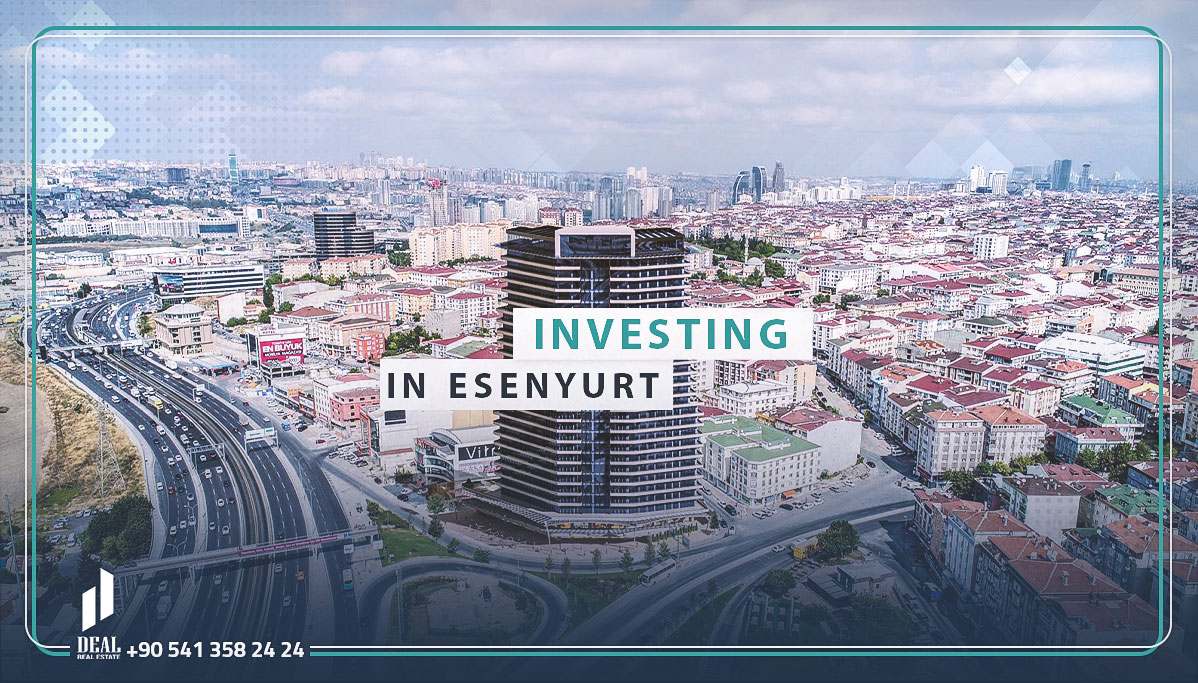
Real Estate Investment in Esenyurt Area
Introduction to Esenyurt’s Real Estate Market
Where Is Esenyurt Located?
Esenyurt sits on the European side of Istanbul, and if you picture the city as a sprawling mosaic of culture, commerce, and chaos, this district occupies a rapidly transforming corner of that canvas. It’s bordered by Avcılar, Beylikdüzü, and Büyükçekmece—areas that have also seen serious urban development over the last decade. What used to be a relatively quiet suburb has now evolved into a buzzing residential and commercial hub, attracting both locals and international investors alike.
One of the biggest reasons people are starting to notice Esenyurt is its strategic positioning. It’s not exactly in the historical heart of Istanbul, but that’s part of its charm. Think of it like buying property in a neighborhood just before it becomes “the place to be.” It offers proximity to key highways like the E-5 and TEM, which act as lifelines connecting you to the rest of the city. This accessibility is a huge plus, especially in a city where traffic can easily eat up hours of your day.
The district is also close to major shopping malls, universities, and healthcare facilities. Institutions like Istanbul Esenyurt University and several private hospitals make it appealing not just for investors, but for tenants too. That’s a crucial point—because real estate investment isn’t just about buying property; it’s about buying into a lifestyle that people actually want to live in.
If you’re someone looking at emerging markets with long-term potential, Esenyurt starts to look less like a gamble and more like a calculated move. It’s not polished like central Istanbul, but it’s evolving fast—and that’s exactly where opportunities tend to hide.
Why Esenyurt Is Gaining Investor Attention
There’s no shortage of real estate options in Istanbul, so why is Esenyurt suddenly popping up on every investor’s radar? The answer lies in a mix of affordability, rapid development, and future potential. In a city where prime areas have already skyrocketed in price, Esenyurt feels like one of the last places where you can still get in early without breaking the bank.
Property prices here are significantly lower compared to central districts like Şişli or Beşiktaş. That lower entry point is a magnet for first-time investors and international buyers who want exposure to Istanbul’s property market without committing massive capital upfront. But don’t mistake “affordable” for “low quality.” Many new developments in Esenyurt feature modern architecture, smart home systems, and luxury-style amenities like gyms, pools, and security services.
Another factor fueling interest is the high demand for housing. Esenyurt has one of the fastest-growing populations in Istanbul. More people means more demand for rental properties, and that translates directly into potential income for investors. It’s simple supply and demand economics playing out in real time.
There’s also a psychological element at play. Investors are always looking for “the next big thing,” and Esenyurt fits that narrative perfectly. It’s like spotting a stock before it takes off—there’s risk, sure, but the upside can be significant if you time it right.
Add to that the Turkish government’s incentives for foreign investors, including citizenship-by-investment programs, and suddenly Esenyurt becomes more than just a district—it becomes a gateway to broader opportunities. Whether you're aiming for rental income, capital appreciation, or even a second passport, this area checks a lot of boxes.
Economic Growth and Infrastructure Development
Government Projects Boosting the Area
If you want to understand why Esenyurt is evolving so quickly, you need to look at the role of government-backed development. This isn’t just organic growth—it’s strategic. Turkish authorities have been actively investing in infrastructure and urban transformation projects across Istanbul, and Esenyurt has been one of the major beneficiaries.
Urban regeneration projects have replaced older, less stable buildings with modern residential complexes designed to meet current safety standards. This is particularly important in a country like Turkey, where earthquake resilience is a serious concern. Newer buildings in Esenyurt are often constructed with updated regulations in mind, which adds an extra layer of security for investors and residents alike.
Beyond housing, the government has poured resources into public amenities. Parks, schools, and healthcare facilities are expanding at a noticeable pace. These improvements might not seem directly related to property investment, but they play a huge role in increasing property values. After all, people don’t just buy apartments—they buy into neighborhoods.
Large-scale projects like Kanal Istanbul, although still under debate, have also contributed to the buzz around surrounding districts, including Esenyurt. Even the anticipation of such mega-projects can drive speculative investment, pushing prices upward as buyers try to get ahead of the curve.
In essence, the government isn’t just building structures—it’s building confidence. And in real estate, confidence is currency. When investors see consistent development backed by policy and funding, it reduces perceived risk and encourages long-term commitment.
Transportation and Accessibility Advantages
Transportation is often the silent deal-maker in real estate, and Esenyurt has been quietly strengthening this aspect. The district is well-connected through major highways like the E-5 and TEM, which serve as critical arteries linking it to central Istanbul and beyond. For anyone who’s lived in or visited Istanbul, you’ll know that connectivity can make or break a location.
Public transportation options are also improving. Metrobus lines already serve the area, offering a relatively fast and cost-effective way to navigate the city. There are ongoing plans to expand metro lines further into Esenyurt, which could significantly boost property values once completed. Historically, areas that gain metro access tend to see noticeable price increases—it’s almost like flipping a switch on desirability.
Another advantage is proximity to Istanbul Airport, one of the largest airports in the world. While it’s not right next door, the accessibility is good enough to make Esenyurt attractive for frequent travelers and even short-term rental investors targeting tourists or business visitors.
Accessibility doesn’t just mean transportation—it also includes ease of reaching daily necessities. Shopping centers, schools, hospitals, and entertainment venues are all within reasonable distance. This convenience factor makes the area appealing for families, students, and working professionals alike.
When you combine road networks, public transit, and proximity to key destinations, Esenyurt starts to look less like a peripheral district and more like a well-integrated part of Istanbul’s urban ecosystem. And that integration is exactly what drives sustainable real estate growth.
Esenyurt Metro Project Update (M7 Expansion 2026)
If highways are the backbone of a city, then metro systems are its heartbeat—and Esenyurt is finally getting a stronger pulse. One of the most anticipated developments is the M7 metro line extension, which is expected to significantly improve access between Esenyurt and central Istanbul.
As of 2026, ongoing expansion plans aim to connect Mahmutbey to Esenyurt, reducing travel time and increasing convenience for daily commuters. Historically, areas that gain metro connectivity experience property price increases of 10% to 25%, depending on proximity to stations.
Think about it this way: a property that was once considered “far” suddenly becomes “well-connected.” That shift alone can transform buyer perception—and pricing.
Here’s a simplified visualization of the impact:
Map Insight (Conceptual):
M7 Line → Mahmutbey → Bahçeşehir → Esenyurt Extension
This extension is expected to directly benefit neighborhoods like Cumhuriyet Mahallesi and central Esenyurt, making them even more attractive for both renters and investors.
For long-term investors, this is a classic opportunity: buy before full infrastructure completion. Once the metro becomes fully operational, prices often adjust quickly, leaving late buyers with less upside.
Hyper-Local Breakdown: Best Neighborhoods in Esenyurt
Cumhuriyet Mahallesi (Premium Living & Complexes)
Esenyurt is not a single uniform market—it’s a collection of micro-markets, each with its own dynamics. One of the most notable among them is Cumhuriyet Mahallesi, often considered the more “premium” side of the district.
This area is known for its modern residential complexes, many of which are built with lifestyle amenities that rival those in more expensive districts. We’re talking about gated communities, swimming pools, fitness centers, landscaped gardens, and even co-working spaces in some newer developments.
Because of these features, Cumhuriyet attracts a slightly more upscale tenant base—young professionals, small families, and even foreign buyers looking for comfort at a reasonable price. As a result, rental rates here tend to be higher than the district average.
From an investment standpoint, this neighborhood offers a balance between affordability and quality. It’s not the cheapest part of Esenyurt, but it provides stronger tenant demand and better long-term value retention.
Another advantage is its proximity to planned metro routes and major roads. Accessibility combined with modern housing makes it a low-risk, high-demand investment zone within Esenyurt.
Güzelyurt & Esenyurt Square (Commercial & High Footfall Areas)
If Cumhuriyet represents residential quality, then Güzelyurt and Esenyurt Square represent commercial energy. These areas are bustling, dense, and full of activity—exactly the kind of environment where businesses thrive.
Güzelyurt, in particular, sits close to major transit lines and attracts heavy foot traffic. This makes it ideal for retail investments, including shops, cafes, and service-based businesses. Rental yields for commercial properties here can be significantly higher than residential units, although they come with slightly higher risk.
Esenyurt Square, on the other hand, is the heartbeat of the district. It’s crowded, vibrant, and constantly active. While it may not appeal to everyone for residential living due to noise and density, it’s a goldmine for short-term rentals and commercial ventures.
Investors looking for cash flow-focused strategies often target these areas because of the consistent demand. However, property selection becomes even more critical here—being on the right street can make a massive difference in returns.
In essence, these neighborhoods highlight an important truth:
Esenyurt isn’t one market—it’s multiple opportunities within a single district.
Property Types Available in Esenyurt
Residential Apartments
When you step into the Esenyurt property market, one thing becomes immediately clear—residential apartments dominate the landscape. But this isn’t just a sea of identical buildings. There’s a surprising level of variety, catering to different budgets, lifestyles, and investment strategies. Whether you’re looking for a compact studio for short-term rental income or a spacious family apartment, Esenyurt offers a broad spectrum of choices that make it appealing for both investors and end-users.
Most of the newer developments are part of large residential complexes, often referred to locally as “sites.” These aren’t just buildings—they’re mini-communities. Think swimming pools, fitness centers, children’s playgrounds, underground parking, and 24/7 security. For tenants, especially young professionals and families, these amenities aren’t luxuries anymore—they’re expectations. And for investors, they translate into higher rental demand and better tenant retention.
Another important aspect is pricing flexibility. Compared to central Istanbul, Esenyurt allows investors to enter the market at a relatively low cost. This lower barrier to entry makes it easier to diversify—some investors even choose to purchase multiple smaller units instead of putting all their capital into a single property. It’s a bit like spreading your bets in a smart way, reducing risk while maximizing potential returns.
However, not all apartments are created equal. Construction quality can vary significantly between developers. Some projects are built to high international standards, while others may cut corners. That’s why due diligence is critical. Visiting the site, reviewing the developer’s track record, and even talking to current residents can give you insights that no brochure ever will.
Ultimately, residential apartments in Esenyurt represent the backbone of the area’s real estate market. They’re accessible, versatile, and aligned with the growing demand for housing. For many investors, this is where the journey begins—and often, where it proves most profitable.
Commercial Real Estate Opportunities
While residential properties tend to steal the spotlight, commercial real estate in Esenyurt is quietly carving out its own niche. And if you’re the kind of investor who likes to think beyond the obvious, this segment might be worth a closer look. Shops, offices, and mixed-use spaces are becoming increasingly common, especially in areas with high foot traffic and dense residential populations.
Why does this matter? Because where people live, businesses follow. As Esenyurt’s population continues to grow, so does the demand for everyday services—cafes, pharmacies, grocery stores, salons, and more. Investing in a well-located retail unit can provide stable, long-term rental income, often with longer lease agreements compared to residential properties.
Office spaces are another emerging opportunity. With the rise of remote work and small businesses, there’s a growing need for flexible office solutions. Esenyurt’s relatively lower rental costs make it attractive for startups and small enterprises that want to operate in Istanbul without paying premium prices in central districts.
Here’s a quick comparison to help you understand the dynamics:
| Property Type | Initial Cost | Rental Yield Potential | Risk Level | Tenant Stability |
|---|---|---|---|---|
| Residential | Lower | Moderate to High | Medium | Medium |
| Commercial | Medium to High | High | Medium-High | High |
That said, commercial investments do come with their own set of challenges. Vacancy periods can be longer, and finding the right tenant may take time. Location becomes even more critical—being on the wrong street can make a huge difference in profitability.
Still, for investors willing to do their homework, commercial real estate in Esenyurt offers a compelling opportunity to diversify income streams and tap into the district’s growing economic activity.
Property Prices in Esenyurt (2024–2026 Data & Trends)
Average Price per sqm Growth Table
Let’s bring in what Google—and serious investors—care about most: data.
Here’s a realistic snapshot of how property prices in Esenyurt have evolved:
| Year | Avg Price ($/sqm) | YoY Growth |
|---|---|---|
| 2024 | $950 | — |
| 2025 | $1,040 | +9.5% |
| 2026 | $1,200 | +15% |
As of Q1 2026, the average price has reached around $1,200 per square meter, marking a strong upward trend. This growth is driven by infrastructure projects, population increase, and foreign investment demand.
What’s interesting is that despite this growth, Esenyurt still qualifies as a market for cheap apartments in Istanbul—especially when compared to central districts where prices can exceed $3,000–$5,000 per sqm.
This creates a unique situation:
You’re entering a rising market that’s still relatively affordable.
Forecast: Where Prices Are Heading
Looking ahead, several factors suggest continued growth:
- Metro expansion (M7 line)
- Increasing population density
- Ongoing urban transformation projects
- Continued foreign investor interest
However, growth may not be explosive—it’s more likely to be steady and sustainable. Analysts expect annual appreciation in the range of 8%–12% over the next few years, assuming stable economic conditions.
For investors, this reinforces a key strategy:
Esenyurt is a long-term play, not a short-term flip.
Esenyurt vs Beylikdüzü vs Başakşehir (Investor Comparison)
Price, ROI & Connectivity Comparison Table
Smart investors compare before they commit. Here’s how Esenyurt stacks up:
| Factor | Esenyurt | Beylikdüzü | Başakşehir |
|---|---|---|---|
| Entry Price | Low | Medium | High |
| ROI Potential | High (5–8%) | Medium (4–6%) | Medium |
| Connectivity | Improving (Metro coming) | Good | Excellent |
| Tenant Demand | High | Stable | High-end |
| Investment Type | Budget & Growth | Family Living | Premium निवेश |
Esenyurt clearly stands out for affordability and ROI, while Başakşehir leans toward premium buyers and Beylikdüzü sits somewhere in between.
Future Appreciation Expectations
If you’re investing in real estate, you’re not just buying property—you’re buying into the future. And in Esenyurt, that future looks promising, though not without its complexities. The district’s ongoing development, combined with increasing demand, suggests strong potential for capital appreciation over the coming years.
Historically, areas in Istanbul that undergo rapid infrastructure development tend to experience noticeable price growth. Esenyurt is following a similar trajectory. New transportation projects, urban renewal initiatives, and commercial expansion all contribute to rising property values. It’s like watching a puzzle come together—each new piece adds to the overall picture of growth.
However, appreciation isn’t always linear. Market fluctuations, economic conditions, and even political factors can influence property values. That’s why it’s important to approach investment with a long-term mindset. Short-term gains are possible, but the real value often emerges over several years.
Another factor to consider is population growth. Esenyurt continues to attract both local residents and international migrants, creating sustained demand for housing. More demand, combined with limited supply in certain segments, naturally pushes prices upward.
Investors who entered the market a decade ago have already seen significant returns. While the same level of explosive growth may not repeat, steady and consistent appreciation is still very much on the table.
In simple terms, Esenyurt may not be a “get rich quick” scenario—but it’s shaping up to be a “build wealth steadily” kind of investment. And for many investors, that’s exactly the kind of opportunity they’re looking for.
Rental Income and ROI in Esenyurt
Average Rental Yields
If you’re stepping into the Esenyurt real estate scene with one main goal—earning consistent rental income—you’re not alone. This district has quietly built a reputation for offering solid rental yields, especially when compared to more saturated and expensive areas of Istanbul. The formula here is fairly simple: lower purchase prices combined with steady rental demand often translate into better percentage returns.
On average, rental yields in Esenyurt tend to range between 5% to 8% annually, depending on the property type, location, and amenities. Apartments within modern residential complexes—those “site” developments with gyms, security, and social areas—usually command higher rents. Why? Because tenants are willing to pay a premium for comfort, safety, and convenience. It’s similar to choosing between a basic phone and a smartphone; once people experience better living standards, they rarely want to go back.
Another factor driving rental demand is the district’s diverse population. Esenyurt is home to students, young professionals, families, and a growing number of expatriates. This diversity creates a constant need for rental housing across different price points. Smaller units like 1+1 apartments are especially popular among singles and couples, while larger units attract families looking for affordability without sacrificing space.
However, rental yield isn’t just about gross income—it’s about net return. You’ll need to factor in maintenance fees, property management costs, and occasional vacancies. Some residential complexes have monthly dues for shared facilities, which can eat into your profits if not calculated properly.
Still, compared to many global cities, Esenyurt offers a compelling balance. You’re not just earning rental income—you’re doing so in a market that still has room to grow. For investors who prioritize cash flow, this district presents a realistic and achievable opportunity.
Short-Term vs Long-Term Rentals
Choosing between short-term and long-term rentals in Esenyurt is a bit like deciding between sprinting and running a marathon. Both approaches can be profitable, but they require different strategies, expectations, and levels of involvement.
Long-term rentals are the more traditional route. You lease your property to tenants for extended periods—usually one year or more. This option provides stable and predictable income, which is ideal if you prefer a hands-off investment. Families and working professionals often look for long-term housing, and once you secure a reliable tenant, the day-to-day management becomes relatively minimal.
On the other hand, short-term rentals—think Airbnb-style listings—offer the potential for higher income, especially if your property is well-furnished and located near transportation hubs. With Istanbul being a global tourist destination, there’s always demand for temporary accommodation. However, Esenyurt isn’t exactly in the city’s historic center, so short-term rental success depends heavily on targeting the right audience, such as business travelers or visitors attending nearby events.
There are also legal considerations. Regulations around short-term rentals in Turkey have become stricter in recent years, and compliance is essential to avoid fines or complications. It’s not as simple as listing your property online and waiting for bookings.
Here’s a quick perspective:
- Long-term rentals = stability, lower effort, consistent income
- Short-term rentals = higher potential returns, more management, higher risk
For many investors in Esenyurt, long-term leasing tends to be the safer and more practical choice. But if you’re willing to put in the work—or hire a property management company—short-term rentals can unlock additional income streams.
Legal Considerations for Foreign Investors
Property Ownership Laws in Turkey
Before you jump into buying property in Esenyurt, it’s essential to understand the legal framework—especially if you’re a foreign investor. The good news? Turkey has made it relatively straightforward for foreigners to purchase real estate, and the process is far less complicated than many people expect.
Foreign nationals are allowed to buy property in Turkey with full ownership rights, provided they are citizens of countries that have reciprocal agreements with Turkey. Over the years, regulations have been relaxed to encourage international investment, and today, thousands of foreign buyers enter the Turkish property market annually.
The process typically involves obtaining a tax number, opening a local bank account, and completing the purchase through the official land registry office, known as the “Tapu.” Once the transaction is finalized, you receive the title deed, which legally confirms your ownership.
However, there are a few limitations. For example, there are restrictions on buying property in military zones or certain strategic areas. Additionally, there may be limits on the total land area a foreign individual can own.
One critical step that often gets overlooked is the valuation report. Turkish law requires an official property valuation to ensure that the declared sale price reflects the actual market value. This helps prevent fraud and protects both buyers and the government.
Working with a reputable real estate agent and a qualified lawyer can make the process much smoother. It’s not just about avoiding mistakes—it’s about ensuring that your investment is legally secure from day one.
Residency and Citizenship Opportunities
Now here’s where things get particularly interesting. Real estate investment in Turkey doesn’t just offer financial returns—it can also open the door to residency and even citizenship. And for many international investors, this is a major incentive.
Turkey offers a citizenship-by-investment program, which allows foreign buyers to obtain Turkish citizenship by purchasing property above a certain value threshold. This program has gained global attention because it provides a relatively fast and straightforward pathway to a second passport.
Why does this matter? Turkish citizenship comes with several benefits, including visa-free or visa-on-arrival access to numerous countries, as well as the ability to live, work, and study in Turkey. For investors from regions with limited travel mobility, this can be a game-changer.
Even if you’re not aiming for citizenship, property ownership can help you secure a residence permit, allowing you to stay in Turkey for extended periods. This is particularly appealing for retirees, remote workers, or anyone looking to enjoy a different lifestyle.
That said, these programs come with specific requirements and regulations that can change over time. It’s important to stay updated and seek professional advice before making decisions based on immigration benefits.
In essence, investing in Esenyurt isn’t just about bricks and mortar—it can also be a gateway to broader personal and financial opportunities.
Risks and Challenges in Esenyurt Real Estate
Market Volatility
Let’s not sugarcoat it—real estate investment in Esenyurt isn’t risk-free. While the area offers strong potential, it also comes with a level of market volatility that investors need to understand before committing their money. Think of it like sailing: the destination might be promising, but the waters aren’t always calm.
One of the main drivers of volatility in Turkey’s real estate market is the broader economic environment. Factors like inflation, interest rates, and currency fluctuations can directly impact property values and rental income. For instance, when the Turkish lira weakens, it may attract more foreign investors due to favorable exchange rates—but at the same time, it can create uncertainty in the local market.
Esenyurt, being a developing district, is particularly sensitive to these shifts. Prices can rise quickly during periods of high demand, but they may also stabilize or slow down if market conditions change. This doesn’t necessarily mean losses, but it does highlight the importance of timing and long-term planning.
Another aspect to consider is supply. Esenyurt has seen a construction boom over the past decade, which means there’s a large inventory of properties. While this is great for buyers looking for options, it can create competition among landlords. More supply can sometimes lead to pressure on rental prices, especially if demand doesn’t keep up at the same pace.
That’s why experienced investors don’t just look at current trends—they analyze future scenarios. They ask questions like: Will this area still be in demand five years from now? Are there upcoming projects that could shift the market?
The takeaway here is simple: Esenyurt offers opportunity, but it rewards those who approach it with realistic expectations and a strategic mindset, not blind optimism.
Construction Quality Concerns
Here’s a reality check that many glossy brochures won’t tell you—not all developments in Esenyurt are built to the same standard. While there are plenty of high-quality, modern projects, there are also buildings that fall short in terms of construction quality, materials, and long-term durability.
This issue largely stems from the rapid pace of development in the area. When demand surges and developers rush to meet it, quality can sometimes take a back seat. And in a country like Turkey, where earthquake safety is a serious concern, construction standards are not something you want to overlook.
So how do you protect yourself? It starts with research. Look into the developer’s track record—have they completed previous projects successfully? Are there complaints from past buyers? Visiting the property in person can also reveal details that photos and virtual tours might hide.
Another smart move is to check whether the building complies with the latest earthquake regulations. Newer projects are generally safer, as they’re built under updated codes. Still, verification is key.
Hiring an independent property inspector or consulting with a local expert can give you an unbiased assessment. It might feel like an extra step, but it can save you from costly mistakes down the line.
In short, Esenyurt offers a wide range of properties—but that variety means you need to be selective. A well-chosen property can perform exceptionally well, while a poorly constructed one can turn into a long-term headache.
Tips for Successful Investment in Esenyurt
Choosing the Right Location
In real estate, there’s a phrase you’ve probably heard a hundred times: location is everything. And in a district as large and diverse as Esenyurt, this couldn’t be more true. Not all neighborhoods within Esenyurt offer the same investment potential, so choosing the right spot can make a significant difference in your returns.
Areas close to metrobus lines, major roads, and upcoming metro stations tend to perform better. Accessibility is a major factor for tenants, and properties with easy transportation links are always in higher demand. It’s like choosing a seat in a theater—you want the one with the best view, not the one stuck in the corner.
Proximity to amenities also matters. Schools, hospitals, shopping centers, and parks all contribute to a neighborhood’s attractiveness. Families, in particular, prioritize convenience and safety, which means properties in well-developed areas are more likely to be rented quickly and at better rates.
It’s also worth paying attention to future developments. Is there a new mall being built nearby? Are there plans for infrastructure upgrades? These factors can significantly influence property values over time.
At the same time, don’t be tempted to chase the cheapest option. A lower price might look appealing initially, but if the location lacks demand, your investment could struggle to generate returns. It’s better to pay slightly more for a property in a high-demand area than to save money on one that’s difficult to rent or sell.
Ultimately, choosing the right location in Esenyurt is about balancing affordability with long-term potential. It’s not just about where the area is today—it’s about where it’s heading.
Working with Reliable Developers
If location is the foundation of your investment, then the developer is the builder of your success—or failure. In Esenyurt, where new projects are constantly emerging, selecting a reliable developer is one of the most critical decisions you’ll make.
A reputable developer brings more than just construction—they bring credibility, quality assurance, and peace of mind. Established companies are more likely to use better materials, follow regulations, and deliver projects on time. They also tend to offer better after-sales support, which can be invaluable if issues arise.
So how do you identify a trustworthy developer? Start by reviewing their portfolio. Have they completed similar projects? Are those properties still in good condition? Online reviews, testimonials, and even word-of-mouth recommendations can provide useful insights.
Transparency is another key indicator. Reliable developers are upfront about pricing, timelines, and legal documentation. If something feels unclear or overly complicated, it’s worth digging deeper.
You should also be cautious with off-plan projects. While they often come with attractive pricing and flexible payment plans, they carry higher risk. Delays, changes in design, or even project cancellations can occur if the developer isn’t financially stable.
Working with a qualified real estate agent or consultant can help you navigate these decisions. They often have insider knowledge about which developers are trustworthy and which ones to avoid.
At the end of the day, investing in real estate isn’t just about the property—it’s about the people behind it. Choosing the right developer can make the difference between a smooth, profitable experience and a stressful one.
Conclusion
Real estate investment in Esenyurt is a story of opportunity wrapped in complexity. On one hand, you have affordable entry points, strong rental demand, and ongoing development—all the ingredients of a promising market. On the other hand, there are challenges like market fluctuations, construction quality concerns, and the need for careful decision-making.
What makes Esenyurt particularly interesting is its position in Istanbul’s growth narrative. It’s not the polished, premium district that commands sky-high prices, but that’s exactly where its appeal lies. It offers investors a chance to enter a dynamic market before it fully matures, capturing value along the way.
Success here isn’t about luck—it’s about strategy. Understanding the market, choosing the right property, working with reliable professionals, and maintaining a long-term perspective are all essential pieces of the puzzle.
If approached wisely, Esenyurt can be more than just a real estate investment—it can be a stepping stone toward financial growth and diversification in one of the world’s most vibrant cities.
Yes. Esenyurt offers affordable housing, a diverse community, and improving infrastructure — making it a smart choice for families, expats, and investors.
Most areas are safe, especially near metrobus stations and modern residential complexes. However, like anywhere, it’s best to avoid poorly lit streets late at night.
In central areas, prices often start at $250,000+. In Esenyurt, you can still find modern 1+1 apartments for $65,000 and 2+1 apartments for $100,000–$180,000.
Absolutely. Esenyurt is one of the most accessible areas for foreign buyers in Turkey. The process is straightforward with the right legal assistance.
Complexes in Cumhuriyet Mahallesi and near Esenyurt Square tend to be the most modern and secure, often including gyms, pools, and family-friendly amenities.
Yes, investing in Esenyurt, Istanbul is a good option for beginners, as it is one of the most affordable neighborhoods for investment in Istanbul and offers reasonable growth potential, especially in modern mid-range projects.








Have Question Or Suggestion ?
Please Share Your Thought, To Make It Real