Free zones in Turkey and what are their most important advantages?
Discover Turkey’s free zones, their tax incentives, customs exemptions, strategic locations, and key advantages for international investors.
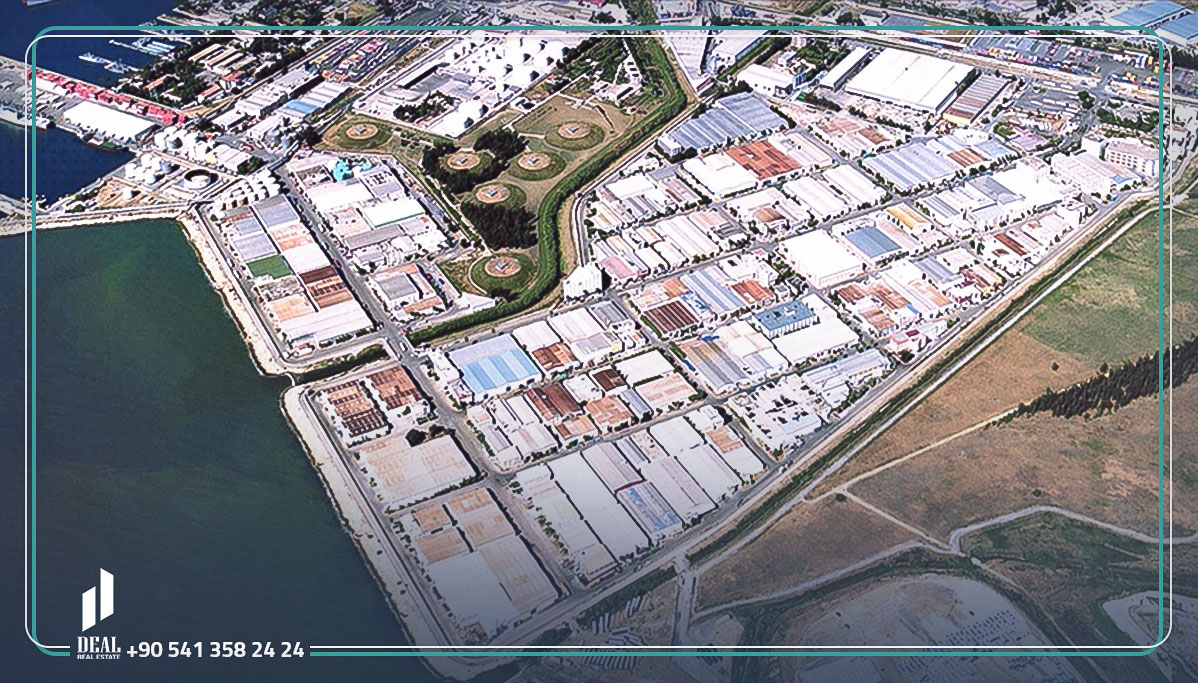
Free Zones in Turkey and Their Most Important Advantages
Understanding Free Zones in Turkey
Turkey has established a number of free zones to encourage international trade, attract foreign investment, increase exports, and support industrial development. These zones operate under special legal and economic regulations that differ from those applied in the domestic market. Businesses operating within these areas benefit from various incentives that make commercial activities more efficient and competitive on a global scale.
Over the past few decades, Turkish free zones have become important centers for manufacturing, logistics, trade, technology, and export-oriented activities. They provide companies with a favorable business environment that minimizes bureaucratic barriers while maximizing opportunities for international growth. As global competition continues to increase, these zones have become a strategic tool for businesses seeking access to European, Middle Eastern, Asian, and African markets through Turkey's unique geographic position.
What Is a Free Zone?
A free zone is a designated area within a country that is considered outside the customs territory for many trade and taxation purposes. Goods can enter, be stored, processed, manufactured, and re-exported without being subject to many of the customs duties and restrictions that apply elsewhere in the country.
In Turkey, free zones are designed to promote export-oriented investment and production. Companies located in these areas enjoy various incentives, including customs duty exemptions, reduced bureaucracy, and operational flexibility. The concept allows businesses to lower costs while improving efficiency in international trade activities.
These zones function as bridges between domestic and international markets. They provide infrastructure, logistics support, warehousing facilities, and access to transportation networks that help businesses move products quickly and efficiently. For investors, free zones create a business-friendly environment where international trade operations can be conducted with fewer obstacles and lower operational costs.
The Purpose of Free Zones in the Turkish Economy
The primary objective of Turkish free zones is to strengthen the country's role in global trade and investment. By attracting foreign direct investment and encouraging export-oriented manufacturing, these zones contribute significantly to economic growth and employment generation.
Turkey's strategic location between Europe and Asia makes it an ideal hub for international business. Free zones leverage this advantage by offering companies a platform from which they can reach multiple regional markets efficiently. Businesses can import raw materials, manufacture products, and export finished goods while benefiting from financial and administrative incentives.
These zones also help transfer technology, increase foreign currency inflows, improve industrial competitiveness, and create new employment opportunities. As a result, they play a vital role in Turkey's broader economic development strategy.
History and Development of Turkish Free Zones
The development of free zones in Turkey began as part of broader economic liberalization efforts aimed at integrating the country more closely into global markets. Since their introduction, these zones have expanded significantly and have become major contributors to Turkish exports and industrial production.
Successive governments have continued to support free zone development by improving regulations, infrastructure, and investment incentives. This commitment has helped establish Turkey as an attractive destination for both domestic and international investors.
The Legal Framework Governing Free Zones
Turkish free zones operate under the Free Zones Law No. 3218, which provides the legal basis for their establishment and operation. The law was created to encourage export-oriented investments and facilitate international trade.
The regulatory framework provides clear guidelines regarding customs procedures, taxation, licensing, and operational requirements. Investors benefit from a transparent legal environment that offers long-term stability and predictability. This legal certainty is one of the factors that makes Turkish free zones attractive to foreign companies.
Government authorities continue to update regulations to align with international standards and changing economic conditions, ensuring that free zones remain competitive in the global marketplace.
Growth of Free Zones Across Turkey
Today, Turkey hosts numerous free zones located near major ports, airports, and industrial centers. Their strategic placement enables businesses to access domestic and international transportation networks with ease.
The expansion of these zones reflects growing demand from investors seeking efficient production and distribution platforms. As international trade volumes increase, Turkish free zones continue to attract companies from sectors such as manufacturing, automotive, electronics, textiles, pharmaceuticals, and logistics.
This growth has strengthened Turkey's position as a regional trade hub and has contributed significantly to export performance and industrial development.
Major Free Zones in Turkey
Turkey's network of free zones includes several highly successful locations that serve different industries and regional markets.
Istanbul Free Zone
The Istanbul Free Zone is one of Turkey's most important commercial hubs. Located near the country's largest city and financial center, it provides excellent access to international markets.
Companies operating in this zone benefit from proximity to major airports, ports, financial institutions, and skilled labor. Industries such as electronics, medical equipment, aviation, and advanced manufacturing are particularly active within the zone.
Its strategic location and advanced infrastructure make it a preferred choice for businesses seeking efficient regional operations.
Aegean Free Zone
Located in Izmir, the Aegean Free Zone is recognized as one of the most successful free zones in Turkey. It hosts numerous international companies involved in manufacturing, technology, and export activities.
The zone is known for its modern facilities, highly skilled workforce, and strong export performance. Businesses operating here benefit from direct access to European markets and major shipping routes across the Mediterranean.
Its reputation for efficiency and innovation has attracted significant foreign investment over the years.
Mersin Free Zone
The Mersin Free Zone is strategically positioned near one of Turkey's largest ports. It serves as a major gateway for trade between Europe, the Middle East, North Africa, and Central Asia.
Companies involved in logistics, warehousing, manufacturing, and international trade frequently choose this zone because of its transportation advantages. The ability to move goods quickly and cost-effectively is a major factor driving investment.
Its strong logistics infrastructure continues to support growing regional trade activity.
Antalya Free Zone
The Antalya Free Zone specializes in sectors such as yacht manufacturing, maritime industries, and international trade. Its location on the Mediterranean coast provides convenient access to global shipping routes.
The zone has developed a reputation for high-quality production and specialized manufacturing. Businesses benefit from favorable trade conditions, modern infrastructure, and strong international connections.
Its success demonstrates the diversity of industries that can thrive within Turkey's free zone system.
The Most Important Advantages of Free Zones in Turkey
The popularity of Turkish free zones stems largely from the substantial advantages they offer investors and businesses.
Tax Incentives and Exemptions
One of the most significant attractions of Turkish free zones is the availability of tax advantages that can substantially reduce operational costs.
Corporate Tax Benefits
Many export-oriented activities conducted within free zones may qualify for important tax incentives. Companies involved in manufacturing and exporting products can benefit from favorable tax treatment depending on applicable regulations.
These incentives improve profitability and allow businesses to allocate more resources toward expansion, innovation, and workforce development. For international investors, tax efficiency often plays a crucial role in location selection.
The ability to reduce overall tax burdens creates a highly competitive business environment that encourages long-term investment.
Customs Duty Exemptions
Goods entering Turkish free zones are generally exempt from customs duties until they enter the domestic market. This allows companies to import raw materials, components, and equipment at lower costs.
Businesses can store, process, assemble, or manufacture products within the zone before exporting them to international markets. The elimination of customs-related expenses significantly improves cost efficiency and competitiveness.
For companies engaged in global supply chains, customs exemptions represent one of the most valuable benefits available.
Strategic Geographic Location
Turkey's location at the crossroads of Europe, Asia, and the Middle East provides a unique advantage for businesses operating within free zones. Companies can reach hundreds of millions of consumers within a relatively short transportation distance.
This strategic positioning reduces shipping times, lowers transportation costs, and improves supply chain efficiency. Businesses can serve multiple regional markets from a single operational base.
The geographic advantage is particularly valuable for manufacturers and distributors seeking rapid access to international customers.
Simplified Trade Procedures
Free zones are designed to reduce administrative burdens associated with international trade. Simplified customs procedures and streamlined documentation requirements help companies operate more efficiently.
Reduced bureaucracy allows businesses to focus on production, logistics, and market expansion rather than complex regulatory processes. Faster processing times improve overall operational performance and customer satisfaction.
This efficiency contributes significantly to the attractiveness of Turkish free zones for global investors.
Foreign Currency Flexibility
Unlike many domestic business environments, free zones offer greater flexibility regarding foreign currency transactions. Businesses can conduct operations using international currencies without many of the restrictions that may apply elsewhere.
This flexibility simplifies international trade and reduces exchange-related complications. Companies engaged in cross-border commerce benefit from easier financial management and improved transaction efficiency.
For multinational corporations, foreign currency flexibility is an important operational advantage.
Access to International Markets
Free zones provide companies with a highly effective platform for reaching global customers. Businesses can manufacture, package, store, and distribute products efficiently while benefiting from favorable trade conditions.
Turkey's extensive transportation infrastructure—including ports, airports, highways, and rail networks—enhances connectivity to international markets. This infrastructure supports rapid movement of goods and strengthens export capabilities.
Companies using free zones often experience improved competitiveness due to lower costs and faster market access.
Industries That Benefit Most from Turkish Free Zones
Several industries have achieved exceptional success within Turkey's free zone ecosystem.
Manufacturing and Industrial Production
Manufacturing companies are among the largest users of Turkish free zones. Tax incentives, customs exemptions, and access to skilled labor make these zones highly attractive for industrial production.
Manufacturers can import components, assemble products, and export finished goods efficiently. This operational model supports competitiveness in international markets and encourages large-scale investment.
Industries such as automotive, electronics, machinery, textiles, and medical equipment are particularly active within free zones.
Logistics and International Trade
Logistics providers benefit greatly from the strategic locations of Turkish free zones. Access to major ports and transportation corridors allows companies to move goods quickly across regional and global markets.
Warehousing, distribution, and supply chain management operations can be conducted more efficiently within these zones. Reduced customs barriers and simplified procedures further enhance logistics performance.
As international trade volumes continue to grow, logistics-related investment in free zones is expected to remain strong.
Technology and High-Value Exports
Technology-focused businesses increasingly view Turkish free zones as attractive locations for production and export activities. Advanced manufacturing, software development, medical technologies, and electronics companies benefit from favorable business conditions.
These industries often require efficient international supply chains and rapid access to global markets. Free zones provide the infrastructure and regulatory support needed to meet these requirements.
The growth of technology-oriented investment contributes to innovation, employment, and export diversification within the Turkish economy.
Challenges and Considerations for Investors
While Turkish free zones offer numerous advantages, investors should carefully evaluate their business objectives, regulatory obligations, and operational requirements before establishing operations.
Companies should conduct detailed market research and consult legal, financial, and tax professionals to ensure compliance with applicable regulations. Understanding sector-specific requirements is essential for maximizing available incentives and avoiding potential complications.
Infrastructure quality, workforce availability, logistics needs, and long-term business strategies should also be considered during the decision-making process. Investors who conduct thorough planning are generally better positioned to achieve sustainable success within Turkey's free zone environment.
Conclusion
Turkey's free zones have become powerful engines of trade, investment, and industrial growth. Their combination of tax advantages, customs exemptions, strategic location, simplified procedures, foreign currency flexibility, and access to international markets makes them highly attractive for businesses seeking global expansion opportunities.
From the Aegean Free Zone in Izmir to the major trade hubs of Istanbul, Mersin, and Antalya, these specialized economic areas continue to attract domestic and international investors across a wide range of industries. As Turkey strengthens its role as a bridge between continents, free zones are expected to remain a central pillar of the country's export-oriented economic strategy.
Businesses looking for a competitive gateway to Europe, Asia, the Middle East, and Africa will continue to find significant opportunities within Turkey's dynamic free zone network.


Have Question Or Suggestion ?
Please Share Your Thought, To Make It Real