Everything related to education in Turkey
Discover Turkey's education system, from preschool to universities, including exams, scholarships, international students, and future opportunities.
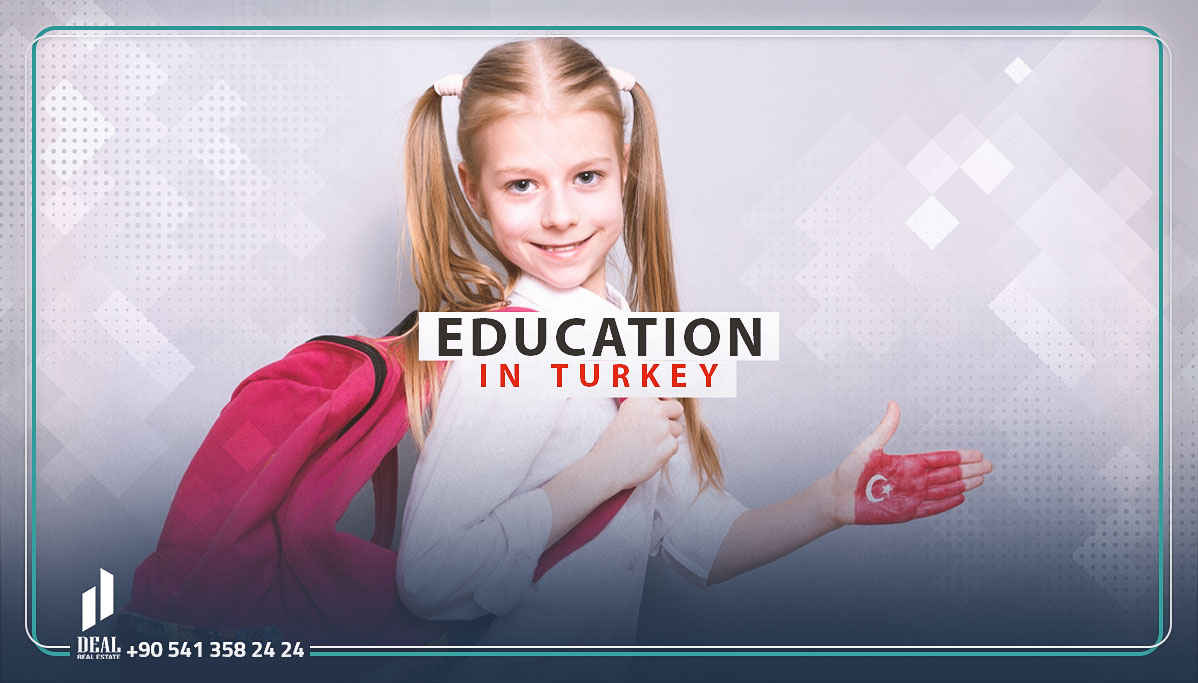
Everything Related to Education in Turkey: A Complete Guide (2026)
Overview of the Turkish Education System
Turkey has one of the largest education systems in Europe and the Middle East. Education is primarily supervised by the Ministry of National Education (MEB) for preschool, primary, and secondary education, while higher education is coordinated by the Council of Higher Education. Public education is generally free, and compulsory education lasts 12 years under the 4+4+4 system. (eurydice.eacea.ec.europa.eu)
The system aims to provide equal educational opportunities, improve literacy, prepare students for employment, and support higher education and research.
Historical Development of Education in Turkey
The modern Turkish education system emerged after the establishment of the Republic in 1923. Educational reforms introduced by Mustafa Kemal Atatürk emphasized secularism, modernization, scientific learning, and national development.
Major reforms include:
Expansion of public schooling
Introduction of compulsory education
University modernization
Digital learning initiatives
The 4+4+4 education reform introduced in 2012
These reforms have significantly increased enrollment rates and educational access across the country. (SciELO)
Governance and Administration
Ministry of National Education (MEB)
The Ministry of National Education oversees:
Public and private schools
Curriculum development
Teacher recruitment
National examinations
Educational technology initiatives
The ministry operates throughout all 81 provinces of Turkey.
Council of Higher Education (YÖK)
YÖK regulates:
Universities
Academic standards
Degree programs
Research policies
International academic cooperation
Structure of Education
Preschool Education
Preschool serves children before compulsory schooling. Although not fully mandatory for all age groups, enrollment has expanded significantly over the last decade.
Benefits include:
Early literacy development
Social skills
Cognitive growth
School readiness
Primary Education
Primary school includes Grades 1–4.
Core subjects include:
Turkish
Mathematics
Science
Social Studies
Physical Education
Arts
Lower Secondary Education
Middle school covers Grades 5–8.
Students begin studying:
Foreign languages
Advanced mathematics
Technology
Science disciplines
Upper Secondary Education
High school covers Grades 9–12 and prepares students for university or professional careers.
The 4+4+4 Compulsory Education Model
Turkey's compulsory education system is known as the 4+4+4 model:
| Stage | Grades | Duration |
|---|---|---|
| Primary School | 1–4 | 4 Years |
| Middle School | 5–8 | 4 Years |
| High School | 9–12 | 4 Years |
This framework ensures 12 years of compulsory education for students. Public education remains free in state schools.
Public vs Private Schools
Public Schools
Advantages:
Free tuition
National curriculum
Broad accessibility
Government support
Private Schools
Advantages:
Smaller class sizes
Enhanced facilities
Additional language programs
International curricula
Many families choose private institutions for specialized educational opportunities.
Types of High Schools in Turkey
Anatolian High Schools
Focus on:
Academic excellence
Foreign languages
University preparation
Science High Schools
Designed for students interested in:
Engineering
Medicine
Technology
Scientific research
Vocational and Technical High Schools
Prepare students for:
Industry
Manufacturing
Healthcare
Information technology
Imam Hatip Schools
Provide:
Standard academic curriculum
Religious education components
Turkey's diversified high-school system allows students to choose pathways aligned with their interests and career goals.
Curriculum and Subjects
The curriculum emphasizes:
Turkish language and literature
Mathematics
Science
Social sciences
Foreign languages
Information technology
Physical education
Arts
Recent reforms increasingly focus on:
Digital literacy
STEM education
Critical thinking
Problem-solving skills
Examination System
LGS (High School Entrance Exam)
Students completing Grade 8 may take the LGS examination for admission to selective secondary schools.
YKS (University Entrance Exam)
The YKS is Turkey's primary university entrance examination.
It evaluates:
Verbal reasoning
Mathematics
Sciences
Social sciences
University placements depend on exam scores and student preferences.
Higher Education in Turkey
Turkey has more than 200 universities, including public and private institutions.
Degree Structure
| Degree | Typical Duration |
|---|---|
| Associate | 2 Years |
| Bachelor's | 4 Years |
| Master's | 1–2 Years |
| Doctorate | 3–5 Years |
Leading Universities
Some of the country's most recognized institutions include:
Boğaziçi University
Middle East Technical University
Istanbul University
Koç University
Sabancı University
International Students in Turkey
Turkey has become a major destination for international education.
Reasons include:
Affordable tuition fees
Globally recognized degrees
Strategic location between Europe and Asia
English-taught programs
Government scholarships
Students from Asia, Africa, Europe, and the Middle East increasingly choose Turkish universities.
Scholarships and Financial Aid
Popular funding options include:
Türkiye Scholarships
University scholarships
Research grants
Merit-based awards
Need-based assistance
Scholarships may cover:
Tuition
Accommodation
Health insurance
Monthly stipends
Digital Education and EBA Platform
Turkey's digital learning ecosystem expanded significantly through the EBA (Education Information Network) platform.
Features include:
Online lessons
Interactive content
Exam preparation resources
Teacher materials
Parent access
EBA became especially important during periods of remote learning and continues to support blended education. (Wikipedia)
Teacher Training and Professional Development
Teachers typically graduate from education faculties or relevant academic departments and complete pedagogical training.
Professional development includes:
In-service training
Technology integration programs
Curriculum workshops
Leadership development
Special Education and Inclusive Learning
Turkey has expanded support for students with:
Learning disabilities
Physical disabilities
Developmental challenges
Special educational needs
Support services include:
Specialized classrooms
Guidance counselors
Rehabilitation centers
Inclusive education programs
Challenges and Reforms
Key challenges include:
Regional disparities
Rural–urban differences
Teacher distribution
Educational quality variations
University-employment alignment
Current discussions involve potential revisions to the 12-year compulsory education structure and improvements to curriculum relevance
Future of Education in Turkey
Emerging priorities include:
Artificial intelligence education
STEM advancement
Digital transformation
Internationalization
Research and innovation
Lifelong learning
Turkey continues investing in educational infrastructure and technological modernization to improve global competitiveness.
Frequently Asked Questions (FAQs)
1. Is education free in Turkey?
Yes. Public primary and secondary education is free in state schools. (Study in Turkiye.com)
2. How long is compulsory education in Turkey?
Compulsory education lasts 12 years under the 4+4+4 system. (eurydice.eacea.ec.europa.eu)
3. What is the main university entrance exam?
The YKS (Higher Education Institutions Examination).
4. Are Turkish university degrees internationally recognized?
Many Turkish universities hold international accreditation and participate in global academic partnerships.
5. Can international students study in English?
Yes. Many universities offer fully or partially English-taught programs.
6. What is EBA?
EBA is Turkey's national digital education platform providing online educational resources. (Wikipedia)
7. What types of high schools exist in Turkey?
Anatolian, Science, Vocational and Technical, Fine Arts, Sports, and Imam Hatip schools. (old.apnnic.net)
Conclusion
Turkey's education system combines a strong public education framework, compulsory 12-year schooling, a diverse range of secondary education options, and a rapidly growing higher education sector. With more than 200 universities, expanding digital learning platforms, increasing internationalization, and ongoing reforms, education remains one of the country's most important investments for future social and economic development.
Have Question Or Suggestion ?
Please Share Your Thought, To Make It Real