Kartal Investment Projects 2026: The Secret Goldmine Smart Investors Are Rushing Into
Prices are rising fast—discover the Kartal projects investors are quietly buying before the boom peaks. Don’t miss out.
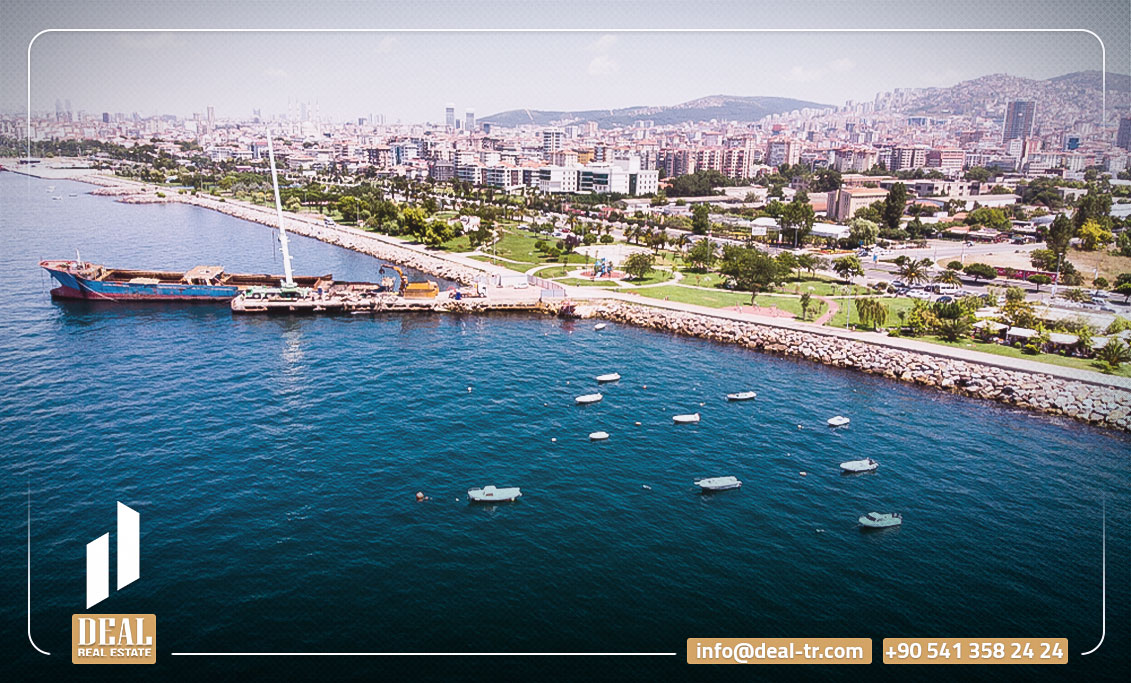
Kartal Investment Projects 2026: A Complete Guide for Smart Investors
Why Kartal Is Becoming Istanbul’s Investment Hotspot
Kartal has quietly transformed from an overlooked district on Istanbul’s Asian side into one of the most talked-about real estate investment hubs heading into 2026. If you’ve been watching Istanbul’s property market, you’ve probably noticed how rapidly attention has shifted eastward. And honestly, it’s not just hype—there’s real substance behind the surge. Investors, developers, and even first-time buyers are all eyeing Kartal, and for good reason.
What makes Kartal stand out isn’t just one factor—it’s the perfect mix of location, infrastructure, urban planning, and long-term potential. Imagine a place where modern skyscrapers meet sea views, where metro lines connect seamlessly to business districts, and where property prices are still relatively accessible compared to central Istanbul. That’s Kartal right now. It’s like catching Istanbul before it fully matures again—an opportunity window that doesn’t stay open forever.
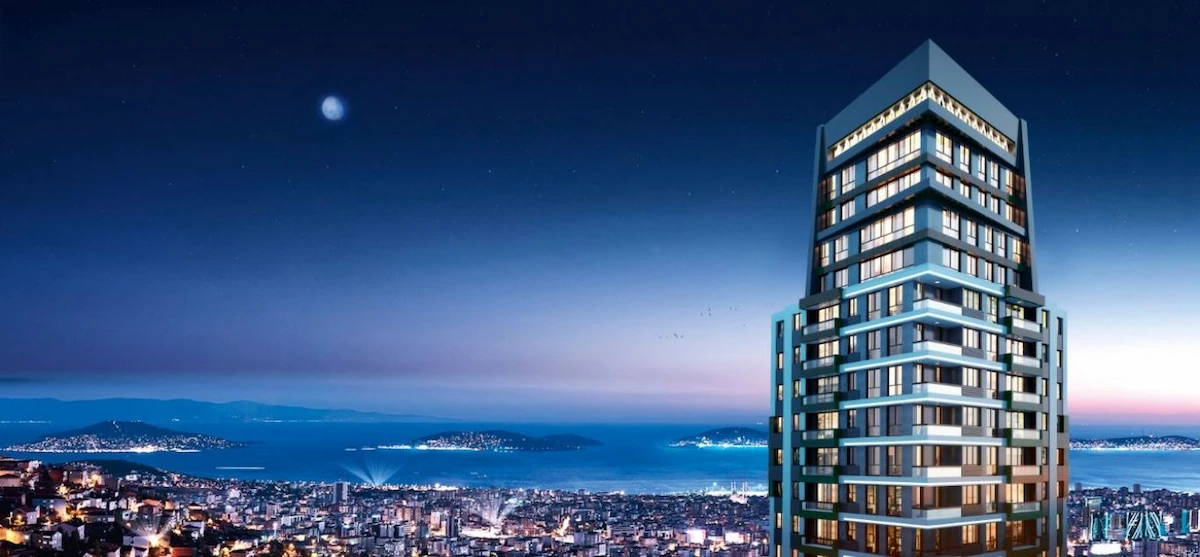
Another reason Kartal is gaining momentum is the shift in buyer behavior. People today aren’t just buying homes; they’re investing in lifestyles. Kartal offers coastal living, proximity to the Princes’ Islands, and cleaner, less congested surroundings compared to the European side. Add to that a wave of new residential projects, smart buildings, and mixed-use developments, and you’ve got a district that feels future-ready.
Developers are pouring billions into transforming the skyline, while the government continues to back urban renewal initiatives. The result? Rising property values, increasing rental demand, and strong investor confidence. If you’re wondering whether Kartal is worth considering in 2026, the short answer is yes—but the real value lies in understanding where and how to invest wisely.
Strategic Location and Transportation Advantages
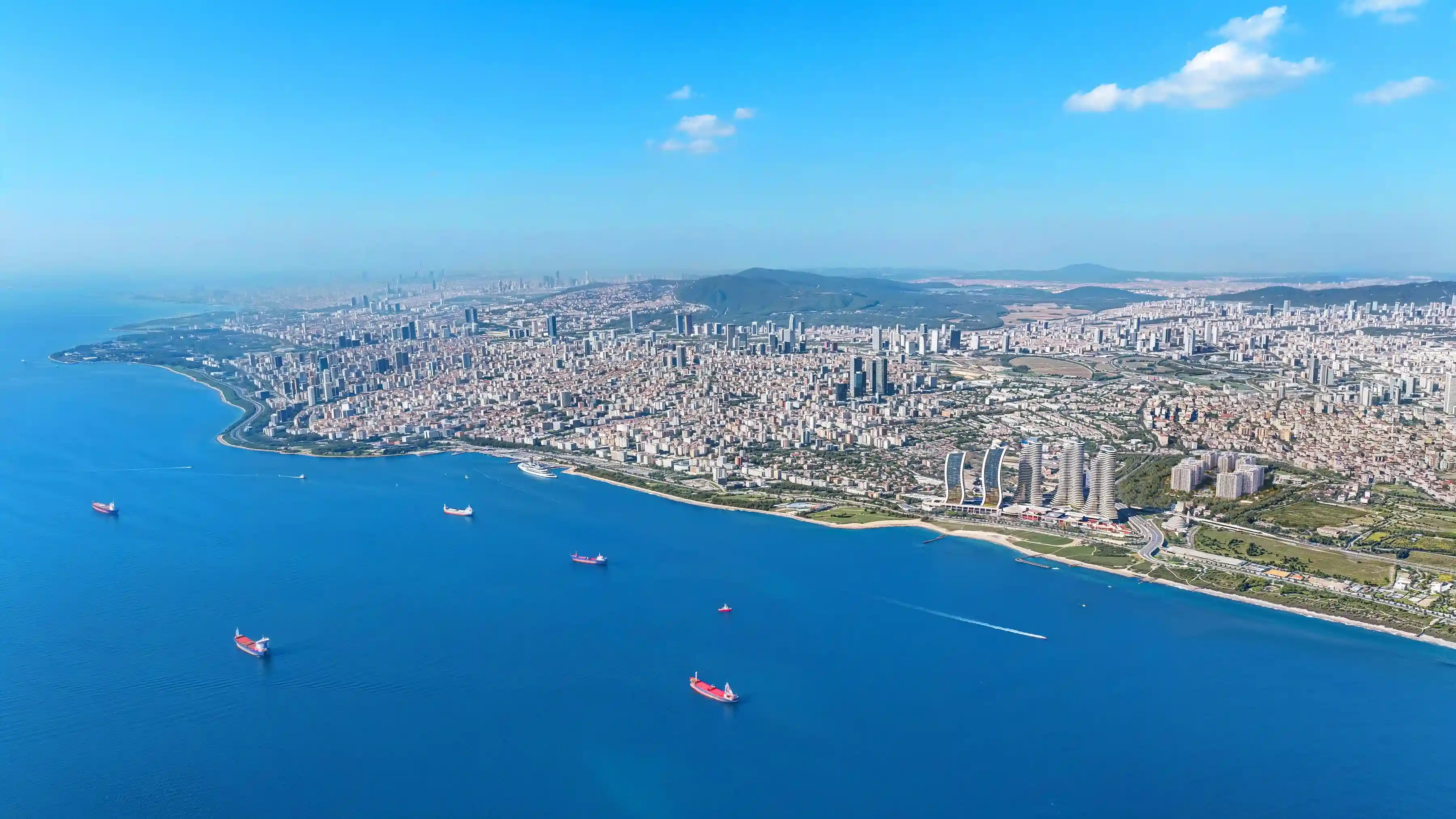
Kartal’s location is one of its biggest selling points, and it’s not just about being on the Asian side—it’s about connectivity. The district sits along the Marmara coastline, offering stunning sea views while remaining well-integrated into Istanbul’s transportation network. This balance between scenic living and urban accessibility is rare, and it’s exactly what modern investors look for.
The Kadıköy-Tavşantepe metro line is a game-changer. It connects Kartal directly to key business districts, cutting commute times significantly. For professionals working in central Istanbul, this makes Kartal a practical and appealing residential choice. And let’s not forget the Marmaray line, which links the Asian and European sides seamlessly. Suddenly, Kartal isn’t “far away” anymore—it’s connected.
There’s also the proximity to Sabiha Gökçen International Airport, which adds another layer of appeal, especially for international investors and frequent travelers. Being just a short drive away means increased rental potential, particularly for short-term stays and business travelers.
Road infrastructure has also improved significantly, with major highways and coastal roads making commuting smoother. When you combine all these factors, Kartal becomes more than just a residential district—it becomes a transportation hub. And in real estate, connectivity often translates directly into value appreciation.
Urban Transformation and Government Support
Kartal’s transformation didn’t happen overnight. It’s the result of a carefully planned urban regeneration strategy backed by both local authorities and private developers. Older industrial zones and outdated buildings are being replaced with modern, earthquake-resistant structures, creating a safer and more attractive environment for residents and investors alike.
The Turkish government has actively supported these initiatives, offering incentives for redevelopment and encouraging foreign investment. This has led to a surge in new construction projects, many of which include smart home technologies, green building standards, and integrated social facilities. Think gyms, parks, co-working spaces, and shopping areas—all within a single development.
One of the most exciting aspects of this transformation is how it’s reshaping the district’s identity. Kartal is no longer seen as a peripheral area; it’s becoming a self-sustaining urban center. This shift is crucial because it drives long-term demand. When people can live, work, and socialize in the same area, property values tend to rise steadily.
There’s also a noticeable increase in international interest. Investors from the Middle East, Europe, and Asia are recognizing Kartal’s potential, which further boosts demand. And as demand grows, so does competition—making early investment even more attractive.
Real Estate Market Overview in Kartal 2026
Understanding the market dynamics in Kartal is essential before making any investment decisions. The real estate landscape here is evolving rapidly, and 2026 is shaping up to be a pivotal year. Prices are climbing, but they haven’t yet reached the levels seen in more saturated districts like Kadıköy or Beşiktaş. That gap represents opportunity.
In recent years, property prices in Kartal have shown consistent growth, driven by infrastructure improvements and increased demand. According to market insights, average property prices have risen by 15–25% annually in some parts of the district. While that pace may stabilize, the upward trend is expected to continue, especially for newly developed projects.
What’s interesting is the diversity of options available. From luxury seafront apartments to more affordable inland developments, Kartal caters to a wide range of investors. This diversity helps maintain a healthy market balance, reducing the risk of oversupply in any single segment.
Rental demand is also on the rise, fueled by young professionals, families, and expatriates. With more companies setting up offices nearby and improved connectivity to business hubs, Kartal is becoming a preferred residential choice. This translates into strong rental yields, which we’ll explore in more detail later.
Current Property Prices and Trends
Property prices in Kartal vary depending on location, project type, and amenities, but the overall trend is clear—steady growth. Seafront properties command a premium, often priced significantly higher due to their views and exclusivity. Meanwhile, inland projects offer more affordable entry points, making them attractive for first-time investors.
Here’s a simplified comparison:
| Property Type | Average Price per m² (2026) | Growth Trend |
|---|---|---|
| Seafront Luxury Apartments | $3,500 – $5,500 | High |
| Mid-Range Residential Units | $2,000 – $3,200 | Moderate |
| Affordable Housing Projects | $1,200 – $2,000 | Steady |
These figures highlight an important point: Kartal still offers value for money compared to other parts of Istanbul. For investors, this means higher potential for capital appreciation as the district continues to develop.
Another trend worth noting is the increasing demand for smart homes and eco-friendly buildings. Buyers are becoming more selective, prioritizing energy efficiency, security, and modern amenities. Developers are responding by incorporating these features into new projects, which further enhances their appeal.
Demand vs Supply Dynamics
The balance between demand and supply in Kartal is currently favorable for investors. While new projects are being launched regularly, demand continues to outpace supply, especially in prime locations. This imbalance is one of the key drivers behind rising prices and strong rental yields.
One reason for this high demand is the district’s evolving reputation. As more people discover Kartal’s advantages, interest grows organically. Word-of-mouth, social media, and real estate marketing all contribute to this momentum.
At the same time, developers are being cautious not to oversaturate the market. Many projects are being released in phases, allowing demand to catch up before new units are introduced. This approach helps maintain price stability and reduces the risk of sudden market corrections.
For investors, this means a relatively low-risk environment with strong growth potential. However, timing and project selection remain crucial. Not all developments offer the same returns, and understanding the nuances of each project can make a significant difference.
Top Kartal Investment Projects in 2026
Kartal’s skyline in 2026 tells a story of ambition, reinvention, and opportunity. Walking through the district today feels like stepping into a live construction showcase—cranes dotting the horizon, sleek towers rising, and entire neighborhoods being reshaped. But here’s the thing: not all projects are created equal. Some are designed for luxury living, others for affordability, and a few stand out as hybrid investments blending residential, commercial, and lifestyle elements into one cohesive ecosystem.
What makes Kartal particularly attractive right now is the diversity of its project portfolio. Whether you're aiming for high-end capital appreciation, steady rental income, or a balanced mix of both, there’s something tailored for your strategy. Developers are competing aggressively, which means better amenities, smarter designs, and more investor-friendly payment plans. It’s almost like a buyer’s market wrapped inside a growth market—a rare combination.
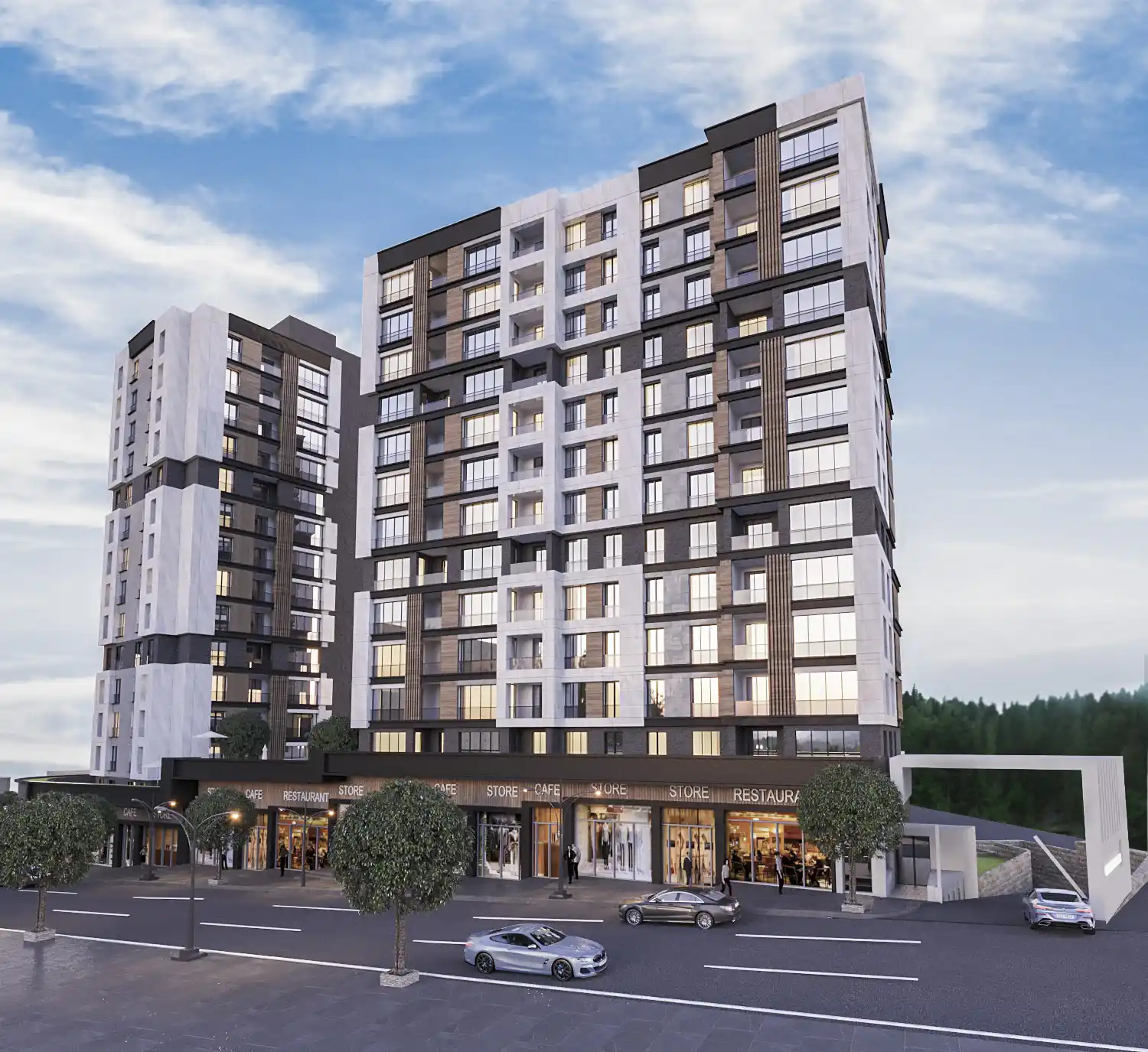
Another trend shaping 2026 projects is the emphasis on community living. Gone are the days when an apartment was just four walls. Today’s developments include co-working spaces, fitness centers, green landscapes, and even on-site retail zones. This shift isn’t just about lifestyle—it directly impacts property value. The more self-sufficient a project is, the more attractive it becomes to tenants and buyers alike.
Let’s break down the main categories of investment projects so you can see where the real opportunities lie.
Luxury Residential Developments
Luxury projects in Kartal are redefining what it means to live on Istanbul’s Asian side. These developments aren’t just about high-end finishes—they’re about creating an experience. Think panoramic sea views, floor-to-ceiling windows, smart home systems, and concierge-level services. If you’re targeting high-net-worth tenants or long-term appreciation, this is where your attention should be.
What’s interesting is how developers are positioning these projects. Many are marketed as “lifestyle investments”, emphasizing wellness, privacy, and exclusivity. Features like infinity pools, private lounges, and rooftop gardens are becoming standard rather than exceptional. And while this might sound like a saturated niche, demand is still strong—especially from international buyers.
From an investment perspective, luxury properties tend to have lower vacancy rates and attract more stable tenants. They also hold their value better during market fluctuations. Yes, the entry price is higher, but so is the potential return, both in terms of rental income and capital gains.
Seafront Projects and Premium Residences
Seafront properties are the crown jewels of Kartal’s real estate market. There’s something timeless about living by the water, and investors know it. These projects command the highest prices, but they also offer the strongest appreciation potential. It’s a classic case of supply and demand—there’s only so much coastline, and once it’s developed, that’s it.
What sets these properties apart isn’t just the view—it’s the lifestyle. Residents enjoy direct access to coastal promenades, marinas, and recreational areas. This makes them highly attractive for both long-term residents and short-term renters, especially tourists and business travelers.
Developers are also integrating hotel-style services into these residences, blurring the line between residential and hospitality sectors. This opens up additional revenue streams, such as short-term rentals and serviced apartments. For investors, it’s like owning a piece of a luxury resort—without the operational headaches.
Affordable Housing and Mid-Range Projects
Not every investor is chasing luxury, and that’s where mid-range and affordable projects come into play. In fact, this segment often delivers the most consistent rental yields, thanks to broader demand. Families, young professionals, and first-time buyers are all looking for quality housing at reasonable prices—and Kartal is delivering.
These projects may not have the same level of extravagance as luxury developments, but they still offer modern amenities and solid construction quality. Think functional layouts, shared facilities, and convenient locations near transport links. For many tenants, that’s more than enough.
One of the biggest advantages here is lower entry cost. This allows investors to diversify their portfolio, potentially owning multiple units instead of putting all their capital into a single luxury property. It’s a strategy that reduces risk while maintaining steady income.
Family-Friendly Communities
Family-oriented developments are gaining traction in Kartal, and it’s easy to see why. As the district evolves, more people are choosing to settle here long-term. This creates demand for projects that cater specifically to families—safe environments, green spaces, schools nearby, and community-focused amenities.
These projects often include playgrounds, walking paths, and social areas designed to foster interaction among residents. It’s not just about living; it’s about belonging. And that sense of community is a powerful selling point.
From an investment standpoint, family-friendly properties tend to have longer tenant retention rates. Families are less likely to move frequently, which means stable rental income and fewer vacancies. It’s not the flashiest investment, but it’s one of the most reliable.
Commercial Investment Opportunities in Kartal
While residential projects dominate the conversation, commercial real estate in Kartal is quietly becoming a major player. As the district grows, so does the need for office spaces, retail outlets, and mixed-use developments. This creates a whole new layer of investment opportunities—often with higher yields than residential properties.
Kartal is transitioning into a business hub, attracting startups, SMEs, and even larger corporations. The presence of modern office buildings and business centers is a clear indicator of this shift. And where businesses go, demand for commercial space follows.
Investing in commercial property does come with its own set of challenges, but the potential rewards can be significant. Longer lease agreements, higher rental rates, and lower tenant turnover are just a few of the benefits.
Office Spaces and Business Centers
Office investments in Kartal are gaining momentum, particularly in areas close to major transport links. Companies are looking for cost-effective alternatives to central Istanbul, and Kartal fits the bill perfectly. It offers modern infrastructure without the sky-high prices of traditional business districts.
These office spaces are often part of larger mixed-use developments, combining work, living, and leisure in one location. This integrated approach makes them highly attractive to both employers and employees.
From an investor’s perspective, office properties can deliver stable, long-term income. Businesses typically sign multi-year leases, reducing the risk of frequent vacancies. And as Kartal continues to attract more companies, demand is expected to rise further.
Retail and Mixed-Use Developments
Retail spaces in Kartal are evolving alongside residential and office projects. Instead of standalone shops, we’re seeing more integrated retail zones within larger developments. These include shopping centers, dining areas, and entertainment facilities—all designed to serve the local community.
Mixed-use developments are particularly საინტერესო (interesting) because they combine multiple revenue streams. A single project might include apartments, offices, and retail units, creating a self-sustaining ecosystem. For investors, this diversification can be a major advantage.
These developments also benefit from high foot traffic, especially if they’re located near transport hubs. More people means more business, which translates into higher rental income for retail units.
ROI Potential and Rental Yields
At the end of the day, every investment comes down to one question: what’s the return? Kartal doesn’t just look good on paper—it delivers real numbers. Rental yields in the district are competitive, and in some cases, outperform more established areas of Istanbul.
Average rental yields in Kartal range between 5% and 8% annually, depending on the property type and location. Luxury properties may offer slightly lower yields but compensate with stronger capital appreciation. Mid-range and affordable units, on the other hand, often provide higher rental returns.
Short-Term vs Long-Term Investment Returns
Choosing between short-term and long-term strategies depends on your goals. Short-term investments, such as flipping properties or Airbnb rentals, can generate quick profits but come with higher risk. Long-term investments offer more stability and consistent income.
Kartal supports both strategies, which is part of its appeal. The key is understanding the market and choosing the right property for your approach.
Airbnb and Tourism Rental Opportunities
With its (coastline) and proximity to the Princes’ Islands, Kartal is becoming increasingly popular among tourists. This opens up opportunities for short-term rentals, particularly in seafront properties.
Airbnb-style investments can yield higher returns than traditional rentals, but they also require more management. Still, for investors willing to put in the effort, the rewards can be substantial.
All details about airbnb guide in istanbul :
https://www.deal-tr.com/en/blog/airbnb-in-istanbul-the-ultimate-guide-to-staying-like-a-local
Legal and Buying Process for Foreign Investors
Investing in Kartal investment projects 2026 isn’t just about spotting the right property—it’s also about understanding the legal framework that protects your investment. Turkey has made significant strides in simplifying property ownership for foreigners, and today, the process is more transparent and accessible than ever. Still, if you’re stepping into this market for the first time, it can feel a bit like navigating a new city without a map. The good news? Once you understand the system, it becomes surprisingly straightforward.
Foreign investors are actively encouraged to buy property in Turkey, especially in high-growth districts like Kartal. The government recognizes the value of international capital and has introduced policies that make ownership not only possible but appealing. For example, many investors are drawn by the opportunity to qualify for Turkish citizenship through real estate investment, provided they meet the required threshold. This adds an entirely new dimension to property buying—it’s not just an asset; it can also be a gateway to residency and mobility.
Another important aspect is the security of ownership rights. Turkey operates under a title deed system (Tapu), which is legally binding and well-regulated. Once your name is on the deed, your ownership is protected by law. There’s no gray area here, which is reassuring for investors who may be wary of international real estate transactions.
That said, working with a reputable real estate agent and legal advisor is essential. Think of them as your local guides—they help you avoid pitfalls, verify documents, and ensure everything is done by the book. It’s not just about convenience; it’s about safeguarding your investment from day one.
Property Ownership Laws in Turkey
Turkey’s property laws are relatively investor-friendly, but there are a few key points you need to know. First, foreign nationals can purchase property in most areas, including Kartal, without needing special permission. However, there are restrictions in certain military zones and rural areas, though these rarely affect urban districts like Kartal.
One of the most attractive aspects is the reciprocity principle, which allows citizens of many countries to buy property under the same conditions as Turkish nationals. This has opened the door for investors from Europe, the Middle East, and Asia, contributing to the surge in demand we’re seeing today.
There are also financial considerations, such as taxes and fees. Buyers typically pay a title deed transfer tax, which is a percentage of the property value, along with smaller administrative costs. Compared to many European countries, these costs are relatively low, making Turkey a cost-effective investment destination.
Another legal element worth noting is the requirement for a valuation report. This ensures that the property is priced fairly and helps prevent inflated transactions. It’s a layer of protection that benefits both buyers and the overall market.
Steps to Buying Property in Kartal
Buying property in Kartal follows a structured process, and once you understand the steps, it becomes much less intimidating. It usually starts with selecting the right project—this is where research and site visits come into play. You want to evaluate not just the property itself, but also the developer’s reputation and the surrounding infrastructure.
After choosing a property, the next step is signing a sales agreement and paying a deposit. This secures the unit and locks in the price. From there, you’ll need to obtain a Turkish tax number and open a local bank account, which are both straightforward procedures.
The final stage involves transferring the title deed at the land registry office. Once this is done, the property is officially yours. The entire process can take anywhere from a few days to a few weeks, depending on the complexity of the transaction.
Many developers in Kartal also offer flexible payment plans, which can be a huge advantage. Instead of paying the full amount upfront, you can spread the cost over several months or even years. This makes it easier to enter the market without a massive initial investment.
Future Growth Predictions for Kartal
If you’re thinking long-term—and you should be—Kartal’s future looks incredibly promising. The district is still in its growth phase, which means there’s plenty of room for appreciation. It’s like investing in a company before it hits its peak; the earlier you get in, the greater the potential upside.
One of the main drivers of future growth is ongoing infrastructure development. New transport links, improved road networks, and expanded public services are all contributing to Kartal’s rising appeal. These aren’t just minor upgrades—they’re transformative projects that reshape how people live and move within the city.
Another factor is the shift in urban living preferences. More people are moving away from overcrowded city centers in search of spacious, well-planned communities. Kartal fits this demand perfectly, offering a balance between urban convenience and coastal tranquility.
Infrastructure Projects Impacting Value
Infrastructure is the backbone of real estate growth, and Kartal is benefiting from several key (projects). The expansion of metro lines and integration with the Marmaray system are making the district more accessible than ever. This directly impacts property values, as better connectivity usually leads to higher demand.
There are also plans for new (commercial) zones and public facilities, which will further enhance the district’s livability. Schools, hospitals, and recreational areas are being developed alongside residential projects, creating a holistic urban environment.
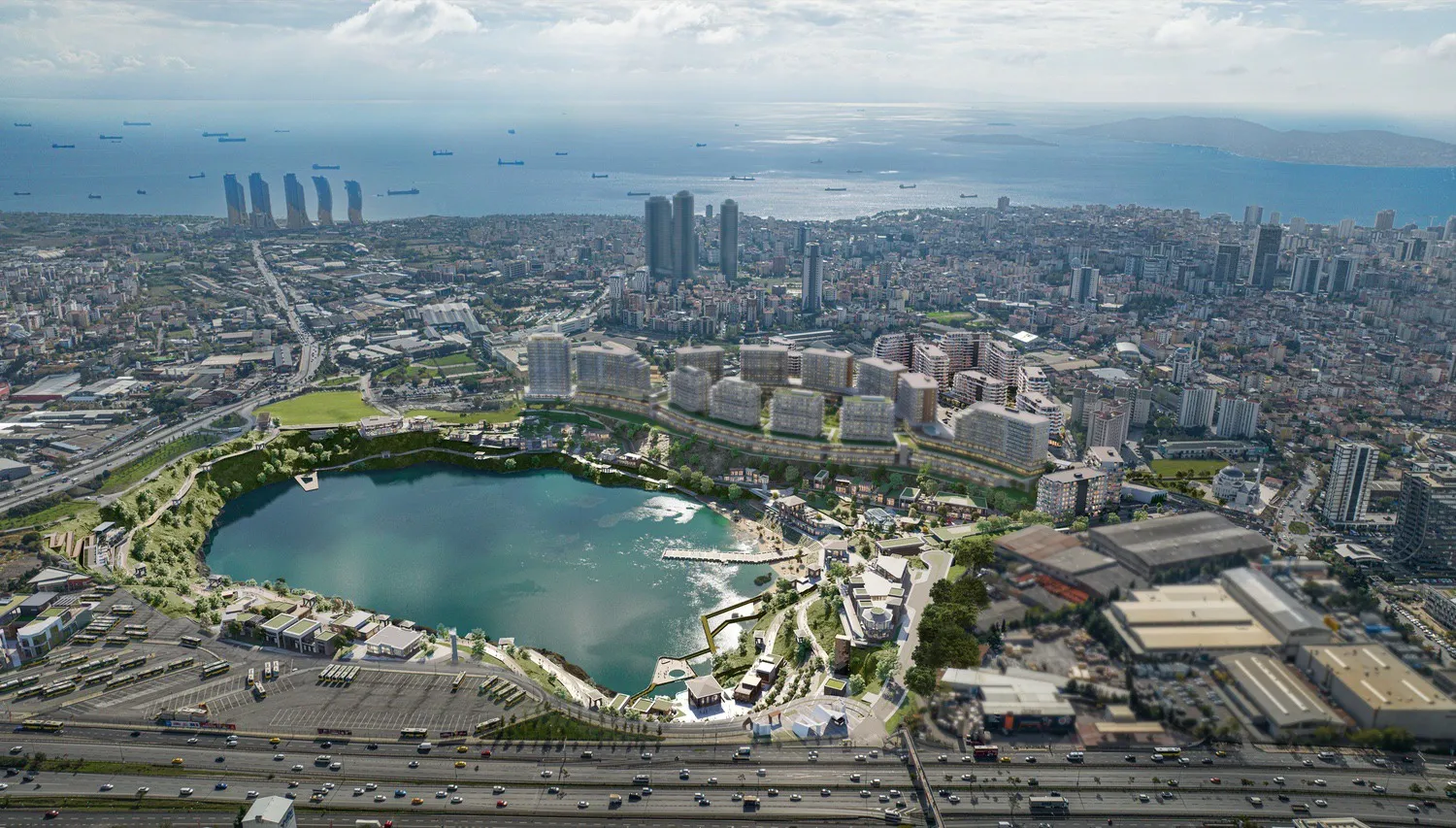
One standout development is the continued enhancement of the (coastal area). Parks, walking paths, and leisure facilities are being added, turning the waterfront into a major attraction. This not only improves quality of life but also boosts property values in nearby (areas).
Long-Term Investment Outlook
Looking ahead, Kartal is positioned to become one of Istanbul’s key districts. Analysts predict steady growth in property prices, driven by sustained demand and limited prime land availability. While short-term fluctuations are always possible, the long-term trend points upward.
For investors, this means strong capital appreciation potential combined with reliable rental income. It’s a balanced investment profile that appeals to both conservative and aggressive strategies.
The district’s evolution into a self-sustaining urban center will also play a crucial role. As more businesses, (services), and amenities move in, Kartal will become less dependent on other parts of Istanbul. This independence strengthens its real estate market and makes it more resilient to external (factors).
Risks and Challenges to Consider
No investment is without risk, and Kartal is no exception. While the outlook is positive, it’s important to approach the market with a clear understanding of potential challenges. One of the main risks is market saturation in certain segments, particularly if too many similar projects are launched simultaneously.
Another factor to consider is currency fluctuation. If you’re investing from abroad, changes in exchange rates can impact your overall return. It’s something to keep in mind when planning your investment strategy.
There’s also the issue of project delays. While most developers in Kartal are reputable, construction timelines can sometimes extend beyond initial estimates. This can affect your expected return, especially if you’re planning to rent or resell quickly.
The key to mitigating these risks is due diligence. Research developers, analyze market trends, and don’t rush into decisions. A well-informed investor is always in a stronger position.
Conclusion
Kartal in 2026 isn’t just another real estate destination—it’s a district in transition, full of energy and potential. From luxury seafront residences to affordable family communities and thriving commercial spaces, the opportunities are diverse and compelling. The combination of strategic location, infrastructure development, and strong market demand creates a powerful investment case.
What makes Kartal particularly appealing is its balance. It offers growth without the extreme الأسعار (prices) seen in more established areas, and stability without stagnation. Whether you’re looking for rental income, capital appreciation, or a mix of both, Kartal provides a solid foundation.
The key is to approach the market with clarity and strategy. Understand your goals, choose the right type of property, and stay informed about market trends. Do that, and Kartal could very well become one of the smartest investment decisions you make.
Maltepe sits perfectly in the middle. It is more affordable and spacious than the crowded, historic streets of Kadıköy, but it is more developed and "central" in feel than Kartal. While Kadıköy is the cultural heart and Kartal is an emerging investment zone, Maltepe is the established "family sanctuary" offering the best balance of green space, coast, and city life.
Karlıktepe, Soğanlık Yeni, and Dragos stand out as top investment areas thanks to ongoing developments, strong transportation links, and rising demand.
Average annual rental yields for 1+1 apartments are around 6.5%, which is above the Istanbul average and attractive for buy-to-let investors.
Yes. Kartal has seen growing interest from foreign investors, particularly from Gulf countries. Projects in Dragos and along the coastal line are especially popular.
Absolutely. With new metro lines, coastal development projects, and ongoing urban transformation, property prices in Kartal are expected to increase by 20–35% between 2026 and 2028.
Have Question Or Suggestion ?
Please Share Your Thought, To Make It Real