Doing Business in Turkey: Complete Guide for Foreign Investors
Learn how to start and grow a business in Turkey, including company formation, taxes, legal requirements, investment incentives, and key opportunities.
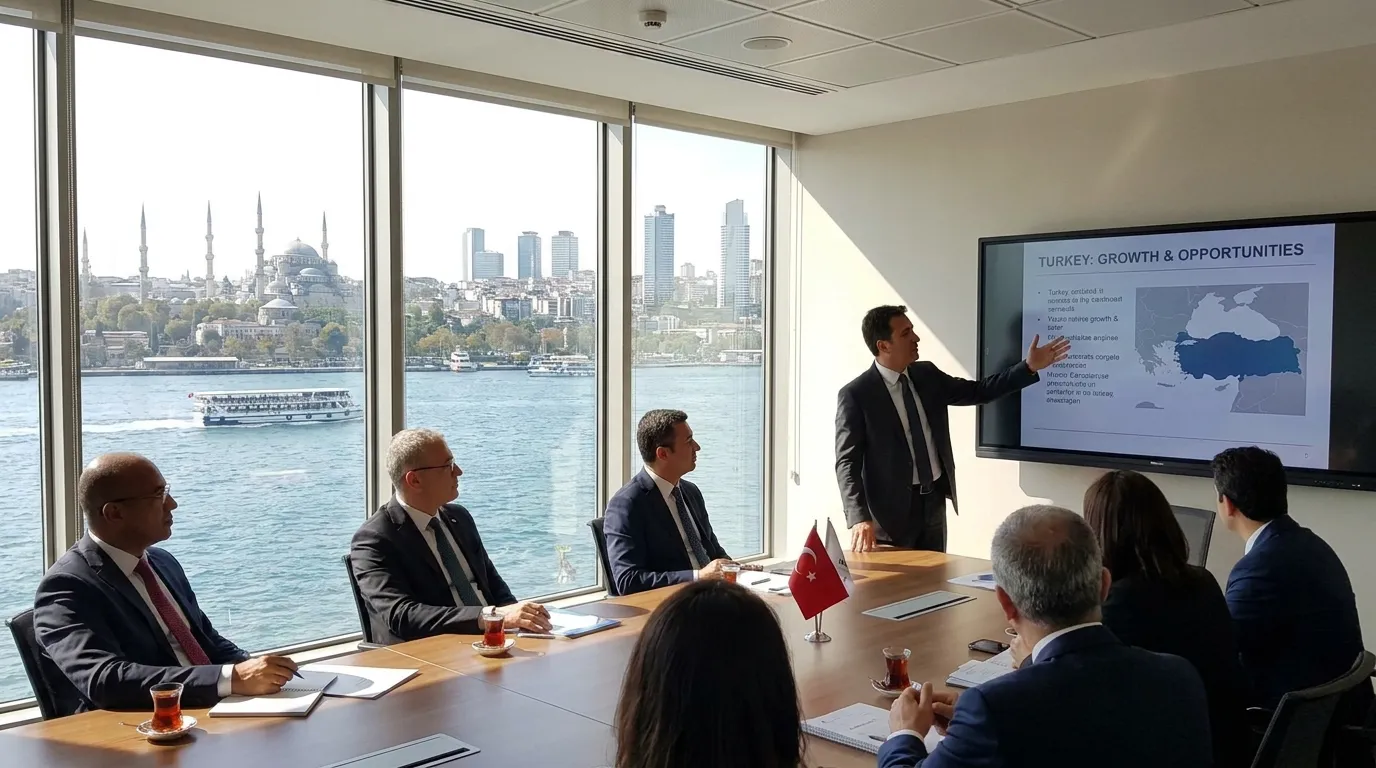
Doing Business in Turkey: A Complete Guide for Entrepreneurs and Investors
Why Turkey Is an Attractive Business Destination
Turkey has become one of the most attractive destinations for entrepreneurs, multinational corporations, and foreign investors seeking access to both European and Asian markets. Positioned at the crossroads of Europe, Asia, and the Middle East, the country offers a unique commercial advantage that very few nations can match. Businesses operating in Turkey can reach more than a billion consumers within a relatively short flight radius, making it an ideal regional hub for manufacturing, logistics, technology, tourism, and international trade. This strategic location has transformed Turkey into a gateway for companies looking to expand across multiple continents while benefiting from modern transportation infrastructure, extensive port facilities, and well-developed highway and railway networks.
The country's economy is supported by a diversified industrial base that includes automotive manufacturing, textiles, agriculture, construction, electronics, healthcare, renewable energy, financial services, and information technology. Turkey has also invested heavily in digital transformation, industrial modernization, and export-oriented production, enabling businesses to compete in global markets. According to international economic reports, Turkey consistently ranks among the world's larger economies by GDP and continues to attract billions of dollars in foreign direct investment across multiple sectors. Its relatively young population, with a significant proportion of working-age citizens, provides companies with access to a dynamic labor force that combines technical skills with entrepreneurial ambition.
Another major attraction is the government's ongoing efforts to encourage investment. Various incentives are available depending on the industry and investment region, including tax reductions, customs duty exemptions, social security support, land allocation, and research and development incentives. Organized Industrial Zones (OIZs) and Free Zones provide additional benefits for manufacturers and exporters by reducing operational costs and simplifying customs procedures. These policies aim to improve competitiveness while encouraging innovation and regional economic development.
Turkey's customs union with the European Union for industrial goods further enhances its appeal by facilitating trade with one of the world's largest consumer markets. Companies manufacturing products in Turkey often benefit from easier access to European markets while maintaining competitive production costs. Although businesses should carefully evaluate currency fluctuations, regulatory changes, and broader economic conditions before investing, many organizations view these factors as manageable when balanced against Turkey's substantial market opportunities. For entrepreneurs willing to understand the local business culture, establish strong partnerships, and comply with legal requirements, Turkey offers a compelling combination of strategic location, market size, industrial capability, and long-term growth potential.
Strategic Geographic Location
Turkey's geographical position is one of its greatest competitive advantages for businesses. Located where Europe and Asia meet, the country serves as a natural bridge connecting Europe, the Middle East, Central Asia, North Africa, and the Caucasus. This strategic location enables companies operating in Turkey to efficiently serve regional and international markets from a single base. Within a four-hour flight, businesses can access dozens of countries and reach a market of well over one billion consumers, making Turkey an ideal headquarters for regional distribution, manufacturing, and logistics operations.
The country's transportation infrastructure has improved significantly over the past two decades. Modern highways connect major industrial cities, while an extensive railway network supports domestic freight movement. Turkey also operates numerous international airports, including Istanbul Airport, one of the world's largest aviation hubs, which facilitates both passenger travel and air cargo. Major seaports along the Mediterranean, Aegean, Black Sea, and Marmara coasts strengthen Turkey's position as a maritime trading nation. This integrated transportation network allows businesses to reduce shipping times and improve supply chain efficiency.
Turkey's customs union with the European Union for industrial products provides another important advantage. Many manufacturers establish production facilities in Turkey to benefit from streamlined trade with EU member states while taking advantage of competitive labor and operating costs. The country also maintains free trade agreements with multiple countries, expanding export opportunities for businesses across various sectors.
For companies involved in manufacturing, e-commerce, logistics, automotive production, textiles, food processing, and consumer goods, Turkey's location can significantly reduce transportation costs and delivery times compared to operating from more distant regions. Businesses that require rapid access to both Western and Eastern markets often find Turkey to be a practical and cost-effective operational base.
While geopolitical developments and regional economic conditions should always be considered as part of any investment decision, Turkey's geographic position remains one of its strongest long-term business assets. Organizations that effectively leverage this advantage can improve operational efficiency, strengthen regional market access, and build resilient international supply chains.
Growing Economy and Market Potential
Turkey has developed into one of the largest economies in its region, supported by a diverse industrial base and a population of over 85 million people. This large domestic market creates substantial demand for products and services across industries such as retail, healthcare, finance, education, technology, tourism, construction, and consumer goods. Businesses entering Turkey are not only positioning themselves for exports but also gaining access to a sizeable and increasingly sophisticated customer base.
One of Turkey's key strengths is its diversified economy. Unlike countries that rely heavily on a single sector, Turkey generates economic activity through manufacturing, agriculture, tourism, financial services, mining, renewable energy, defense industries, information technology, and logistics. This diversity helps create opportunities for both domestic entrepreneurs and international investors seeking long-term growth.
The country's manufacturing sector is particularly competitive. Turkey ranks among the leading producers of automobiles, household appliances, textiles, machinery, and construction materials. Many internationally recognized brands manufacture products in Turkey due to its skilled workforce, strategic location, and strong supplier ecosystem. Export-oriented industries continue to expand, supplying markets throughout Europe, the Middle East, Africa, and Asia.
Turkey also benefits from a relatively young population compared with many European countries. A significant share of its citizens are of working age, providing businesses with access to a large labor pool that supports innovation, productivity, and consumer spending. Increasing digital adoption has accelerated growth in e-commerce, fintech, software development, and digital services, creating new opportunities for startups and technology investors.
Economic conditions, including inflation and exchange-rate fluctuations, can present challenges that businesses must manage carefully through sound financial planning and risk management. Companies entering the Turkish market should conduct detailed market research, understand regulatory requirements, and consider local partnerships to navigate these dynamics effectively.
Despite these challenges, many investors continue to view Turkey as a market with significant long-term potential. Its combination of a large consumer base, industrial capabilities, expanding digital economy, and strategic position between major global markets makes it an attractive destination for businesses seeking regional expansion and sustainable growth.
Costs of Doing Business in Turkey
Understanding the cost of doing business is essential for preparing a realistic business plan and ensuring long-term financial sustainability. Compared with many Western European countries, Turkey can offer competitive operating costs, particularly in labor, manufacturing, logistics, and office rentals. However, actual expenses vary depending on the industry, business size, and location. Major metropolitan areas such as Istanbul, Ankara, and Izmir generally have higher operating costs than smaller cities.
Businesses should prepare a detailed budget that accounts for both one-time startup expenses and recurring operational costs. Currency exchange-rate fluctuations and inflation can also affect budgeting, especially for companies that import goods or rely on foreign currency financing.
Typical business costs include:
| Expense Category | Examples |
|---|---|
| Company Formation | Registration fees, legal services, notary costs |
| Office Expenses | Rent, utilities, maintenance |
| Employee Costs | Salaries, social security contributions, benefits |
| Taxes | Corporate tax, VAT, withholding taxes |
| Professional Services | Accounting, legal, auditing |
| Technology | Software, internet, cybersecurity |
| Marketing | Advertising, branding, digital marketing |
| Logistics | Transportation, warehousing, customs |
Careful financial planning, regular cash-flow monitoring, and working with experienced financial advisors can help businesses manage these costs effectively while maintaining profitability.
Startup Costs
Startup costs vary significantly depending on the type of business being established. A small consulting company may require relatively modest investment, whereas a manufacturing plant or technology company with specialized equipment will require substantially more capital.
Common startup expenses include:
- Company registration and incorporation fees
- Legal and accounting services
- Office lease deposits
- Furniture and equipment
- Technology infrastructure
- Initial inventory
- Business insurance
- Marketing and branding
- Employee recruitment
- Working capital
Entrepreneurs should also maintain a financial reserve to cover unexpected expenses during the first several months of operation. New businesses often experience slower revenue generation while building their customer base, making sufficient working capital especially important.
Foreign investors should evaluate financing options available through commercial banks, investment funds, export credit agencies, and government incentive programs. Depending on the project, certain investments may qualify for financial support or tax incentives that reduce overall startup costs.
Preparing a comprehensive business plan with conservative financial projections helps investors make informed decisions and improves the likelihood of securing financing if external funding is required.
Operational Expenses
Once a business begins operating, recurring expenses become a major factor in long-term profitability. Managing these costs efficiently is essential for maintaining healthy cash flow and remaining competitive.
Key operational expenses include employee salaries, office rent, utilities, telecommunications, transportation, insurance, taxes, maintenance, software subscriptions, and marketing activities. Manufacturing businesses must also account for raw materials, energy consumption, machinery maintenance, and logistics.
Labor costs in Turkey remain competitive relative to many European countries, although employers must budget for mandatory social security contributions and employee benefits. Businesses operating in export-oriented industries should also consider transportation and customs costs when planning supply chains.
Digital transformation has enabled many companies to reduce operating expenses through cloud computing, automation, online collaboration tools, and digital customer service platforms. Investing in technology can improve efficiency while lowering administrative costs over time.
Regular financial reviews, budgeting, and cost optimization strategies help businesses respond effectively to changing market conditions. Companies that closely monitor their operating expenses are generally better positioned to maintain profitability during periods of economic uncertainty.
Hiring Employees and Labor Laws
Turkey has a well-educated and diverse workforce that supports industries ranging from manufacturing and engineering to finance, healthcare, information technology, and tourism. Hiring qualified employees is often a key factor in business success, particularly for companies expanding into new markets.
Employment relationships are governed by Turkish labor legislation, which establishes rules regarding employment contracts, working hours, wages, occupational health and safety, annual leave, and termination procedures. Employers are expected to comply with these regulations to protect employee rights and maintain a productive workplace.
Most employment relationships should be documented through written contracts that clearly define job responsibilities, compensation, working conditions, and other important terms. Employers are also responsible for registering employees with the Social Security Institution (SGK) and making required contributions.
Businesses should remain informed about updates to labor laws, minimum wage adjustments, and workplace safety regulations. Human resources professionals or legal advisors can help companies maintain compliance while developing effective recruitment and employee management strategies.
Building a positive workplace culture, investing in employee development, and offering competitive compensation packages can improve retention and productivity. In today's competitive labor market, businesses that value professional growth and employee well-being are often better positioned to attract and retain skilled talent.
Employment Regulations
Turkey's employment framework is primarily governed by the Turkish Labour Law No. 4857, along with related regulations covering occupational health and safety, social security, trade unions, and workplace rights. These laws are designed to balance the interests of employers and employees while promoting fair working conditions. Businesses operating in Turkey should familiarize themselves with these regulations before hiring staff, as compliance is essential to avoid legal disputes, financial penalties, and reputational risks.
Employment contracts can generally be either indefinite-term or fixed-term, depending on the nature of the work. While oral agreements may be legally recognized in certain circumstances, written employment contracts are strongly recommended because they clearly establish the rights and obligations of both parties. Contracts typically specify the employee's position, salary, working hours, probation period, leave entitlements, confidentiality obligations, and termination conditions.
Employers must also comply with rules regarding working hours, overtime, rest periods, annual paid leave, and workplace health and safety. Occupational safety is particularly important for businesses operating in manufacturing, construction, mining, and other higher-risk industries. Employers are responsible for providing appropriate training, protective equipment, and safe working environments.
Key employer responsibilities include:
| Requirement | Description |
|---|---|
| Employment Contract | Clearly defines terms of employment. |
| Working Hours | Must comply with Turkish labor regulations. |
| Overtime Compensation | Required where applicable under the law. |
| Annual Leave | Employees are entitled to paid leave based on service length. |
| Workplace Safety | Employers must implement occupational health and safety measures. |
| Lawful Termination | Dismissals must follow applicable legal procedures. |
Termination of employment must comply with statutory requirements, including notice periods and, where applicable, severance obligations. Because employment disputes can be complex, businesses often seek legal advice before making termination decisions to ensure compliance with current legislation.
By maintaining transparent employment practices, investing in workplace safety, and respecting employee rights, companies can foster a productive work environment while minimizing legal risk.
Social Security and Employee Benefits
Employers in Turkey are required to register eligible employees with the Social Security Institution (SGK). This system provides employees with access to healthcare services, retirement pensions, disability benefits, maternity benefits, and certain unemployment protections, subject to applicable eligibility rules.
Both employers and employees contribute to the social security system through mandatory payroll deductions and employer contributions. Businesses are responsible for calculating, reporting, and paying these contributions accurately and on time. Failure to comply may result in financial penalties and administrative sanctions.
In addition to mandatory social security contributions, many employers offer additional benefits to improve employee satisfaction and attract skilled professionals. Common voluntary benefits include:
- Private health insurance
- Meal allowances or meal cards
- Transportation assistance
- Performance-based bonuses
- Professional training and development
- Flexible working arrangements
- Additional paid leave
- Retirement savings programs
Competitive employee benefits have become increasingly important in sectors such as technology, finance, engineering, and professional services, where companies compete for highly qualified talent. Investing in employee development through training programs, certification opportunities, and leadership initiatives can also improve retention and organizational performance.
Businesses should regularly review payroll processes and employment policies to ensure compliance with changing labor and social security regulations. Working closely with payroll specialists and human resources professionals helps reduce administrative errors while supporting positive employee relations.
Challenges and Opportunities for Foreign Investors
Like any investment destination, Turkey presents both opportunities and challenges. A balanced assessment of these factors allows businesses to develop realistic strategies and make informed investment decisions.
Among Turkey's greatest strengths are its strategic location, diversified economy, large domestic market, skilled workforce, and strong manufacturing capabilities. These characteristics have attracted multinational corporations across sectors such as automotive, consumer goods, logistics, healthcare, finance, renewable energy, and information technology.
At the same time, investors should be prepared to manage challenges that may include:
- Exchange-rate volatility
- Inflationary pressures
- Regulatory updates
- Administrative procedures
- Global economic uncertainty
- Competition within certain industries
Successful investors typically address these risks through careful planning, comprehensive market research, sound financial management, and partnerships with experienced local advisors. Currency risk management, regulatory monitoring, and diversified supply chains can also help businesses navigate changing market conditions.
Many international companies continue expanding their operations in Turkey because they view these challenges as manageable within a long-term investment strategy. Businesses that remain adaptable and responsive to market developments are often well positioned to benefit from Turkey's continued economic growth and regional importance.
Common Challenges
Foreign investors frequently encounter practical challenges when entering a new market, and Turkey is no exception. Understanding these issues before launching operations allows businesses to prepare effective mitigation strategies.
Some common challenges include understanding local regulations, adapting to business culture, managing currency fluctuations, recruiting qualified personnel, and complying with evolving tax and labor requirements. Businesses operating in regulated industries may also need to navigate additional licensing procedures.
Language differences can occasionally present communication challenges, although English is commonly used in many international business settings. Hiring bilingual professionals or working with local consultants can improve communication and facilitate smoother negotiations.
Economic conditions may also influence financing costs, pricing strategies, and import expenses. Businesses that conduct regular financial forecasting and maintain contingency plans are generally better prepared to respond to changing market conditions.
Despite these challenges, many companies successfully establish profitable operations in Turkey by investing in local expertise, building strong relationships with business partners, and maintaining a flexible management approach.
Strategies for Long-Term Success
Long-term success in Turkey depends on more than simply completing company registration. Sustainable growth requires strategic planning, operational excellence, and continuous adaptation to changing market conditions.
Successful businesses often focus on the following principles:
- Conduct comprehensive market research before entering the market.
- Select the most appropriate legal structure.
- Build strong relationships with customers, suppliers, and government institutions.
- Hire experienced local professionals.
- Maintain full legal and tax compliance.
- Invest in employee development and organizational culture.
- Monitor economic and regulatory developments regularly.
- Develop effective risk management and financial planning strategies.
- Embrace digital transformation and technological innovation.
- Adopt a long-term investment perspective rather than focusing solely on short-term returns.
Companies that demonstrate reliability, professionalism, and commitment to the Turkish market are often better positioned to establish lasting partnerships and build customer trust. By combining careful planning with operational flexibility, businesses can capitalize on Turkey's strategic advantages while successfully managing potential risks.
Conclusion
Turkey continues to be an attractive destination for entrepreneurs and international investors due to its strategic location, diversified economy, modern infrastructure, and access to regional markets spanning Europe, Asia, and the Middle East. Foreign investors benefit from legal protections, a wide range of business structures, government incentive programs, and an increasingly digital business environment.
Success, however, requires careful preparation. Choosing the appropriate legal structure, understanding tax and labor obligations, obtaining the necessary licenses, and developing sound financial strategies are all essential components of a successful market entry. Businesses should also remain attentive to economic developments, regulatory changes, and industry-specific requirements.
With thoughtful planning, professional local guidance, and a long-term perspective, companies can establish strong operations in Turkey and take advantage of the country's significant commercial opportunities. Whether launching a startup, opening a manufacturing facility, or expanding an international enterprise, Turkey offers a dynamic environment for sustainable business growth.
Frequently Asked Questions (FAQs)
1. Can a foreigner own 100% of a company in Turkey?
Yes. In most sectors, foreign investors can own 100% of a Turkish company, subject to applicable laws and any sector-specific restrictions.
2. What is the most common business structure in Turkey?
The Limited Liability Company (LLC) is the most commonly chosen structure for small and medium-sized businesses because it combines limited liability with relatively straightforward administration.
3. How long does it take to register a company in Turkey?
The incorporation timeline varies depending on documentation and regulatory approvals, but many companies can be registered within several days to a few weeks when all requirements are met.
4. Are there investment incentives available for foreign businesses?
Yes. Turkey offers various incentives, including VAT exemptions, customs duty exemptions, tax reductions, social security support, and regional investment incentives, depending on the nature and location of the investment.
5. Is Turkey a good place for manufacturing and exports?
Turkey is widely recognized as a strong manufacturing and export hub due to its strategic location, customs union with the European Union for industrial goods, skilled workforce, developed logistics infrastructure, and competitive production capabilities.
Have Question Or Suggestion ?
Please Share Your Thought, To Make It Real