Step-by-Step Guide: Buying Property in Istanbul for Chinese Buyers
Discover how Chinese investors can confidently buy property in Istanbul, from budgeting and legal steps to obtaining Turkish citizenship.
Introduction
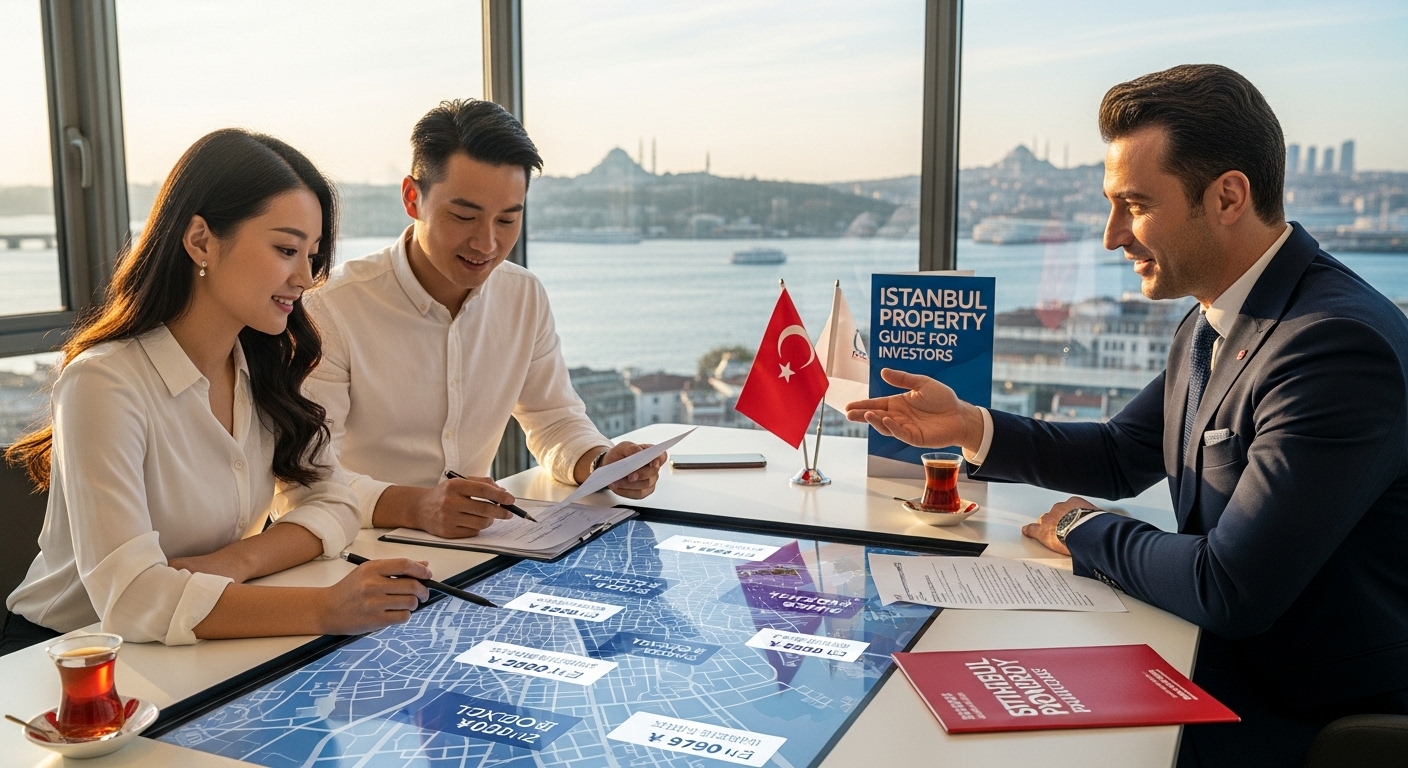
Istanbul, the heart of Turkey, is a mesmerizing blend of East and West. It’s not just a historical gem, but also a modern, bustling metropolis with thriving business, education, and real estate opportunities. For Chinese buyers looking to invest in overseas property, Istanbul offers an attractive mix of affordability, return on investment, lifestyle, and the potential for Turkish citizenship through real estate investment.
Why are so many Chinese investors turning to Istanbul? The answer lies in several factors. Firstly, property prices in Istanbul remain competitive compared to cities like Shanghai or Beijing. Secondly, Turkey offers a relatively straightforward process for foreign property buyers. Lastly, the Turkish government’s citizenship-by-investment program adds a strong incentive for those seeking a second passport.
From sleek new apartments along the Bosphorus to historical houses in Sultanahmet, the range of properties is vast. Chinese nationals are especially attracted to areas like Başakşehir, Beylikdüzü, and Kadıköy due to the infrastructure, lifestyle amenities, and proximity to educational institutions and business hubs.
But, like with any foreign investment, the process can be daunting without the right guidance. This article will walk you through every step—from researching the market to receiving the keys to your Istanbul home.
Understanding the Turkish Real Estate Market
Turkey's real estate sector has seen rapid growth in recent years, and Istanbul remains its shining star. Whether you’re buying for personal use, vacation purposes, or as a rental investment, Istanbul offers a rich array of choices—from high-end residences to budget-friendly properties.
There are several property types to choose from:
Apartments in both low-rise and high-rise buildings
Villas with private gardens and pools, often found on the outskirts
Commercial properties like offices and shops
Land for development or long-term investment
What makes Istanbul unique is its layout. The city is divided between Europe and Asia, each side offering distinct advantages. The European side is known for its bustling city life, international schools, and business centers. Meanwhile, the Asian side offers a calmer, more residential feel, often preferred by families and retirees.
For investors, market trends show a steady increase in property values—especially in areas close to new transportation projects like the Istanbul Canal and new metro lines. This makes the current period ripe for buying before prices surge even further.
Chinese buyers typically look for:
New developments with smart-home features
Properties near Chinese consulates or expat communities
Apartments in tourist-frequented areas for short-term rental income
Istanbul is not just a safe investment; it’s a smart one. But to fully benefit, understanding how the market operates, what legal protections exist, and how to choose the right area is crucial—especially when investing internationally.
Legal Framework and Property Rights
Chinese nationals are legally allowed to purchase property in Turkey, thanks to Turkey's reciprocity agreement policy introduced in 2012. The law allows most foreigners, including those from China, to acquire freehold properties—meaning you fully own the property and the land it sits on, with few restrictions.
Foreign buyers have the same legal property rights as Turkish citizens when it comes to ownership. You can buy, rent out, sell, and pass on your property to heirs. However, there are some legal requirements and steps to ensure your ownership is fully recognized by Turkish law.
The property buying process in Turkey is overseen by the General Directorate of Land Registry and Cadastre (Tapu ve Kadastro Genel Müdürlüğü). They ensure the legal transfer of title deeds and the registration of ownership.
Hiring a legal consultant is highly recommended, especially for Chinese buyers unfamiliar with Turkish property law. A Turkish lawyer can:
Check if the property has any legal issues (such as unpaid taxes or zoning problems)
Ensure the seller has full ownership rights
Draft and review contracts to protect your interests
Guide you through the title deed registration process
In Turkey, foreign property buyers are also protected by the Turkish Civil Code, which provides regulations for contract enforcement, fraud prevention, and property rights.
One important legal note: all contracts must be notarized, and translation services are mandatory if you don't speak Turkish. Legal translators bridge the gap to ensure you understand every clause you sign.
Without proper legal support, it’s easy to fall into traps like buying properties with debt, unclear zoning, or incomplete documentation. To make sure your investment is safe, legal due diligence is non-negotiable.
Property Restrictions for Foreigners
While Turkey is generally very open to foreign real estate investment, there are still some restrictions that Chinese and other foreign buyers need to be aware of.
The most notable restriction is related to military zones and strategic areas. Foreign nationals are not allowed to purchase property within military zones, as defined by the Turkish military. These areas are mostly rural or near border regions, and properties within these zones are typically not listed openly for foreign buyers.
In addition:
Foreigners cannot buy more than 30 hectares (approximately 74 acres) of land in total across Turkey.
In any given district, foreigners collectively can own only up to 10% of the total area. If that limit has already been reached, your application may be denied.
Don’t let this deter you—these limitations are usually not relevant in central parts of Istanbul, which are open and accessible to foreign ownership. However, always double-check with your real estate agent or lawyer to confirm that the property you're interested in is not within a restricted zone.
Another common oversight is purchasing property with unclear ownership or incomplete documentation. While these aren’t restrictions per se, they can halt the transaction process or cause future legal disputes. Always ensure the Tapu (title deed) is valid, debt-free, and ready for transfer.
Understanding and respecting these rules is essential to avoid delays and disappointments. A professional agent or legal advisor familiar with regulations for Chinese buyers can help you navigate the process with confidence.
Pre-Purchase Preparations
Before diving into the actual purchase, proper groundwork is key. This means doing your research, setting a clear budget, and identifying your main purpose for buying property in Istanbul.
Start with location research. Istanbul is vast, with over 30 districts, each offering something different:
Fatih and Sultanahmet: Historical areas, popular with tourists
Şişli and Levent: Business and commercial hubs
Kadıköy and Üsküdar: Family-friendly, relaxed Asian side neighborhoods
Başakşehir and Beylikdüzü: Emerging investment zones with modern housing
Are you buying for lifestyle or investment? This will drastically influence your location choice. For example:
If you're buying to rent it out, aim for areas near universities or tourist zones.
For long-term capital gains, look at up-and-coming districts with planned infrastructure projects.
If you're planning to live in Istanbul, proximity to Chinese communities, schools, and amenities will be a priority.
A realistic budget is also critical. Istanbul property prices vary significantly:
Central districts: Starting from $2,500 per square meter
Outskirts with new developments: Around $1,000–$1,500 per square meter
Once you've set your budget and chosen your target area, start working with a bilingual real estate consultant or legal representative. They’ll provide listings, arrange viewings, and assist in negotiations.
This prep work not only saves time but ensures you're targeting properties that meet your needs, goals, and legal requirements.
Budgeting and Financing
One of the first practical steps in your property buying journey is budgeting—and it's more than just figuring out how much you can afford. For Chinese buyers, it’s essential to understand how property prices in Istanbul compare with Chinese cities, what additional costs you’ll incur, and what financing options are available.
1. Understanding Property Prices in Istanbul
Property prices in Istanbul vary significantly depending on the district, property type, and whether it's a new development or resale. Here’s a rough breakdown:
| District | Price per m² (USD) | Highlights |
|---|---|---|
| Beylikdüzü | $1,000 - $1,500 | Affordable, growing investment zone |
| Başakşehir | $1,200 - $1,800 | Modern infrastructure, family-friendly |
| Kadıköy | $2,000 - $3,000 | Popular among locals and expats |
| Levent/Şişli | $2,500 - $4,000+ | Business hubs, luxury developments |
Keep in mind: many listings are in Turkish Lira, so exchange rates will play a big role in your final cost. Timing your purchase when the Lira is weaker against the RMB can make a substantial difference.
2. Mortgage Options for Chinese Buyers
Foreigners, including Chinese citizens, are eligible to apply for mortgages in Turkey, though not all banks offer this service. Here are some typical conditions:
Down payment: 30%–50%
Loan term: Up to 10–15 years
Interest rates: Higher than in China (often 8%–15% annually)
It's important to note that not all properties qualify for mortgage loans, especially off-plan or unregistered projects. Turkish banks will also require you to prove income stability and financial background. If you’re buying through a developer, some may offer in-house installment plans—these can be simpler than going through a bank.
3. Additional Costs to Consider
Budgeting for property isn’t just about the sale price. Here are other costs you should include:
Title deed fee (TAPU): 4% of declared value (usually split between buyer and seller)
Lawyer fees: $1,000–$2,000 (recommended)
Translator and notary services: $100–$300
Appraisal report: $200–$500 (mandatory for foreigners)
DASK (earthquake insurance): $50–$200 annually
Maintenance fees (site aidat): Varies by property; usually $1–$3/m² monthly
4. Setting a Realistic Budget
When you add all this up, a property listed at $150,000 could end up costing closer to $165,000–$170,000 once fees and taxes are included. Always pad your budget with an extra 10–15% to avoid surprises.
Having a clear financial plan—including funding source, currency exchange timing, and legal costs—is what separates smooth purchases from stressful ones. With the right budgeting, your Istanbul investment can be both profitable and hassle-free.
Currency Exchange and Tax Considerations
Converting your funds and understanding Turkish tax obligations are two of the most overlooked yet critical steps in the property buying process. Chinese investors should pay close attention to how currency fluctuations affect property costs and what taxes they’re liable for during and after purchase.
1. Currency Exchange – From RMB to TRY
The Chinese Yuan (RMB) cannot be freely converted outside of China in large volumes due to government restrictions. This means you’ll need a well-structured strategy to transfer funds legally to Turkey.
Most Chinese buyers use one of the following methods:
Using an overseas bank account (like in Hong Kong or Singapore)
Third-party currency exchange services that comply with Turkish banking regulations
Partnering with a trusted local consultant to guide the process legally
Important Tip: Always exchange your currency through licensed exchange offices or banks in Turkey to avoid high commission rates or scams. Timing your exchange is also critical. The Turkish Lira is known for volatility, and small shifts in the exchange rate can affect your purchasing power dramatically.
2. Property Purchase Taxes
Here are the main taxes Chinese buyers need to be aware of:
| Tax Type | Amount/Rate | When It’s Paid |
|---|---|---|
| Title Deed Transfer Tax | 4% of declared sale price | Paid during title transfer |
| VAT (if applicable) | 1%–18% depending on property type | Included in sale price |
| Stamp Duty (for agreements) | 0.948% | When signing preliminary contract |
| Annual Property Tax | 0.1%–0.6% of property value | Paid yearly to municipality |
3. Tax Exemptions for Foreign Buyers
Great news: Foreigners who buy new properties from developers and meet certain conditions are exempt from VAT. The key requirements are:
The property must be purchased in foreign currency
The buyer must not reside in Turkey for more than 6 months in the year of purchase
The property must not be sold for 1 year after purchase
4. Rental Income and Capital Gains Tax
If you plan to rent out your property, you’ll need to declare that income in Turkey. Rental income is taxed on a progressive scale, starting at around 15%.
Capital gains tax applies if you sell the property within 5 years of purchase. After 5 years, any profit from resale is tax-free for individuals.
In short, knowing your tax obligations and planning your currency exchange carefully can save you thousands. A financial advisor with experience handling Chinese-Turkish property transactions is a wise investment.
Finding a Trusted Real Estate Agent
The Turkish property market is teeming with opportunities, but it also has its fair share of pitfalls—especially for foreign buyers. One of your most important decisions is choosing the right real estate agent or company to guide you through the purchase.
1. Why You Need a Registered Agent
Turkish law doesn’t strictly regulate real estate agents, so the market is full of both licensed professionals and unregulated freelancers. As a foreign buyer, especially one from China unfamiliar with the local language or customs, working with a registered and reputable agency is non-negotiable.
A professional agent will:
Provide access to verified listings
Negotiate on your behalf
Ensure legal compliance
Coordinate with lawyers, banks, and appraisers
Always ask to see their Ticaret Sicil No. (commercial registration number) and verify their credentials with the Chamber of Commerce.
2. Red Flags to Watch For
Scams are not common, but they do happen. Be cautious if:
The agent pressures you to sign documents immediately
The price seems too good to be true
The agent refuses to show legal paperwork (like TAPU or floor plan)
Avoid paying large deposits without a notarized contract. Always make payments via bank transfers—not cash—to have proof of transaction.
3. Bilingual Agents and Chinese-Speaking Consultants
Due to increasing Chinese interest, many Istanbul-based agencies now employ Chinese-speaking consultants or offer bilingual services. This can make a massive difference in avoiding misunderstandings, especially during contract negotiations or legal briefings.
Ask questions like:
How many Chinese clients have you worked with?
Can you provide testimonials or references?
Do you have a Chinese legal translator on your team?
4. Exclusive vs. Non-Exclusive Listings
In Turkey, most property agents work with open listings, meaning the same property may be listed with several agencies. This can lead to pricing inconsistencies or even disputes between sellers. Some agents offer exclusive listings, which may be more reliable and better managed.
5. Local Market Knowledge is Key
The best agents don’t just sell you property—they help you make a smart investment. They should be able to:
Recommend areas based on your goals (rental income, resale, lifestyle)
Provide insights on future development zones
Help you compare similar properties
Choosing the right agent means the difference between a profitable, hassle-free investment—and a costly mistake. Don’t rush it.
Working with a Bilingual Consultant
Language barriers are one of the biggest challenges for Chinese buyers in Turkey. Legal documents, bank paperwork, and contracts are all in Turkish. This is where having a bilingual consultant becomes more than helpful—it’s absolutely essential.
1. What is a Bilingual Property Consultant?
These professionals serve as your translator, negotiator, and cultural liaison. They are typically fluent in both Turkish and Mandarin (or English) and understand the legal and business practices of both countries.
They help with:
Translating contracts and documents
Explaining legal terms in your native language
Communicating with banks, notaries, and agents
Ensuring you’re not being misled due to language issues
2. Why Not Just Use Google Translate?
While tech is useful, automated translations often miss legal nuances or cultural context. For example, a term that sounds harmless in Chinese might carry legal weight in Turkish. A bilingual consultant ensures that you're not just understanding the words, but the intended legal meaning behind them.
3. Finding a Trusted Consultant
You can find bilingual consultants through:
Major real estate firms in Istanbul
Chinese expat communities or WeChat groups
Referrals from other investors
Look for consultants who specialize in working with Chinese nationals and have a track record of completed deals.
4. Legal Translator vs. Bilingual Consultant
A legal translator is often required by law during official signing ceremonies or notary visits. They translate word-for-word to ensure legal compliance. A bilingual consultant, on the other hand, supports you throughout the process and is often more involved in strategy and decision-making.
In short, a good bilingual consultant is not an expense—it’s a safeguard for your investment.
Property Viewing and Selection
Once you’ve narrowed down your target districts and set your budget, it’s time to start viewing properties. This step is both exciting and critical—you’re about to choose where your money will go and potentially where you’ll live or earn rental income. For Chinese buyers unfamiliar with the Turkish market, viewing properties (either in person or remotely) needs to be done strategically.
1. Online Viewings vs. Physical Visits
Given the distance between China and Turkey, many buyers start with virtual tours. Reputable agents provide:
360° property walkthroughs
Live video calls for real-time viewing
High-resolution photos and floor plans
While virtual tours help shortlist options, nothing beats a physical visit. Being in Istanbul allows you to:
Feel the neighborhood vibe
Check nearby amenities (metro, schools, hospitals)
Inspect construction quality and building surroundings
If possible, plan a property scouting trip to Istanbul. Many agencies even offer “inspection trips” with accommodation and city tours included in the package.
2. What to Look for During a Visit
Whether in person or virtually, here’s a checklist of key aspects:
Building age and maintenance: Is the building earthquake-safe? Is there an elevator?
Neighborhood: Is it quiet? Safe? Close to amenities?
Natural lighting and ventilation: These affect long-term livability.
Property management (Aidat): Check the monthly fees and what services are included.
View and surroundings: Especially important in Istanbul, where sea views can drastically increase value.
Public transport accessibility: Properties near metro or Marmaray lines have better resale value.
3. Consider Future Resale Value
Even if you’re buying for personal use, always evaluate the property’s resale potential:
Is it in a high-demand area?
Are there infrastructure projects planned nearby?
Will the neighborhood see growth in population or business activity?
4. Viewing Multiple Properties
Never settle on the first one you see. Try to view at least 5–8 properties across different areas to get a good sense of value and quality. Keep a comparison sheet noting:
Price per m²
Amenities
Proximity to transport and shops
Legal status and TAPU availability
5. Red Flags to Avoid
Unfinished or stalled construction
Properties without habitation licenses
Lack of clear title deeds or unknown ownership
Pushy agents demanding immediate deposits
Buying a property is an emotional and financial decision. Take your time, compare options, and don’t let sales tactics rush you.
Performing Due Diligence
You’ve found a property you love—great! But don’t let excitement cloud your judgment. The next step is arguably the most important: due diligence. This process ensures the property is legally sound, debt-free, and safe to buy.
1. Title Deed (TAPU) Verification
The TAPU is the official document proving ownership. Your lawyer or agent should:
Check the owner’s name matches the seller
Verify the property type matches what’s being sold (apartment, commercial, etc.)
Ensure there are no liens, mortgages, or inheritance disputes tied to the property
If you’re buying off-plan (i.e., property under construction), make sure the land TAPU and construction permit are legitimate.
2. Habitation Certificate (Iskan)
This certificate proves that the property has been approved for residential use. Without it:
You can’t legally move in
Banks won’t issue mortgages
You may face fines or demolition risks
Never skip this check. Some developers sell finished-looking apartments without an Iskan to avoid taxes or regulatory issues.
3. Zoning and Usage Status
Ensure the property is zoned correctly:
Residential zoning for homes
Commercial zoning for shops or offices
Mixed-use zoning for apartment buildings with lower-floor businesses
Buying a residential unit in a non-residential zone can cause legal problems later.
4. Outstanding Debts and Charges
Ask for proof that:
The seller has no utility debts (electricity, water, gas)
All property taxes have been paid
There are no condominium debts (maintenance or aidat)
Debts can be transferred to the new owner if not cleared before the sale.
5. Earthquake Risk and Building Safety
Turkey lies in an earthquake-prone zone. Ensure the building complies with the latest safety regulations (post-2000 construction is usually safer). Request the building’s earthquake compliance certificate if available.
6. Appraisal Report
This is mandatory for all foreign buyers. It confirms the market value of the property and ensures you’re not overpaying. Licensed appraisers authorized by the SPK (Capital Markets Board of Turkey) perform this check.
7. Confirm Developer Reputation (for new builds)
If buying from a developer, research:
Their past projects
Online reviews and investor feedback
Completion timelines and delivery guarantees
Performing thorough due diligence is how smart investors protect their money—and sleep well at night. Don’t rush this step; it’s the foundation of a safe and profitable purchase.
Legal Procedures and Documentation
Buying property in Turkey as a Chinese citizen involves several legal procedures, but it’s a clear and structured process if handled correctly. Here’s a breakdown of everything you’ll need and how it works.
1. Required Documents for Chinese Buyers
To purchase a property in Istanbul, you’ll need:
Valid passport and its Turkish-translated copy (notarized)
Turkish tax number (you can obtain this at any tax office with your passport)
2 passport-sized biometric photos
Foreign Identity Number (for those staying longer than 90 days)
Proof of residence in China (some banks or lawyers may require it)
Power of attorney (if someone else will represent you)
If you're buying with a spouse or in joint names, both individuals must be present or provide separate powers of attorney.
2. Role of a Notary Public
In Turkey, many documents must be notarized to be legally binding. A notary public:
Confirms your identity
Witnesses your signature
Legalizes translations of contracts or documents
This adds a layer of protection and ensures that you, as a foreign buyer, understand the agreement.
3. Legal Translator: Your Safety Net
By Turkish law, if you don’t speak Turkish fluently, a sworn translator must be present during legal proceedings like:
Signing the sales agreement
Visiting the title deed office
Interacting with banks or notaries
This ensures full understanding and prevents any contractual misunderstandings.
4. Power of Attorney (POA)
If you cannot be in Turkey for the entire transaction, you can authorize:
Your lawyer
Real estate agent
Bilingual consultant
POA must be notarized and specify the exact rights being granted (e.g., buying property, signing documents, opening a bank account).
5. Contract Signing Process
Once due diligence is complete, and the price is agreed upon:
A sales agreement is signed (in both Turkish and Mandarin/English)
Usually, a deposit of 5–10% is paid to reserve the property
The full balance is paid on or before the TAPU transfer date
Make sure the contract includes:
Price in both currencies
Delivery timeline (for new builds)
Penalties for delays or breaches
Agreed payment schedule
6. Registering with the Land Registry Office
Once everything is signed and payment is ready, you or your representative will visit the Land Registry Office (Tapu Dairesi) for the title transfer. This is the final and official step where you become the legal owner.
7. Receiving the TAPU (Title Deed)
After the transaction is registered, you’ll receive the TAPU—your official ownership document. Congratulations, you now legally own property in Istanbul!
This legal framework ensures that your investment is secure and recognized under Turkish law, offering peace of mind and clarity every step of the way.
Signing the Sales Agreement
Once you’ve chosen the property and completed due diligence, the next step is signing the sales agreement—a binding contract between you (the buyer) and the seller. This stage finalizes the purchase intent and sets the terms of the sale, including the price, payment structure, and timeline.
1. Importance of a Clear Sales Agreement
A well-written agreement protects both parties. It prevents misunderstandings and gives you legal recourse if anything goes wrong. For Chinese buyers, it’s crucial that the contract:
Is bilingual (Turkish and Chinese/English)
Clearly outlines all terms, including price in both currencies
Includes the timeline for title deed transfer and payments
Specifies what’s included (furnishings, appliances, etc.)
Make sure your legal consultant or translator reviews every clause before you sign. Don’t rely solely on the seller or agent.
2. Typical Payment Structure
There are several ways payments can be structured in Turkey:
Cash purchase: Full amount is paid in one go before title transfer.
Installment plan: Often offered by developers, where payments are made monthly or quarterly over a set period.
Reservation deposit: Usually 5%–10% of the price, paid to hold the property until the sales agreement is finalized.
Make sure to get a receipt for every payment, with the property's address and your name included. Avoid cash payments—bank transfers are safer and offer a legal trail.
3. Key Clauses to Include in the Agreement
Seller’s responsibility to deliver a debt-free property
Penalties for delay (if it's a new build or under construction)
Refund terms in case of contract cancellation
Delivery timeline for possession or handover
Bank account details for payments (ensure they belong to the property owner or authorized developer)
4. Stamp Duty and Notarization
Though not mandatory, notarizing the sales agreement adds a layer of protection. It can also serve as evidence in legal disputes.
The stamp duty on the contract is typically under 1%, but it’s advisable to confirm the exact amount with your lawyer.
5. Signing with Power of Attorney
If you're not present in Turkey, your lawyer or authorized representative can sign on your behalf, provided they have a valid and specific Power of Attorney. This is very common among Chinese buyers.
6. What Happens After Signing?
After the agreement is signed:
The buyer completes remaining payments (if paying in full)
The seller gathers necessary documents for title transfer
An appointment is made with the Tapu Office for ownership transfer
This stage signifies a major milestone in your buying journey. You’ve legally committed to the purchase, and the next steps move toward official ownership.
Property Registration Process
Registering your property is the official act of transferring ownership under Turkish law. This process is handled by the Land Registry Office (Tapu ve Kadastro Müdürlüğü) and results in you receiving the TAPU, your legal title deed.
1. Title Deed Transfer Appointment
Once the sales agreement is completed and full payment is ready, your agent or lawyer will:
Schedule an appointment at the Tapu Office
Prepare all required documents
Submit the application for title transfer
In most cases, the process takes 1–3 business days.
2. Documents Required for Registration
You’ll need:
Your passport and its Turkish-translated notarized copy
Turkish tax number
Appraisal report (mandatory for foreign buyers)
Earthquake insurance (DASK policy)
Seller’s documents (including original TAPU and ID)
Both the buyer and seller (or their legal representatives) must be present at the Tapu Office. If you’re not in Turkey, your Power of Attorney holder can attend on your behalf.
3. The Day of the Transfer
On the day of the appointment:
Both parties sign the transfer paperwork
The buyer pays the title deed transfer tax (4%)
The title is officially registered in your name
Within a few hours or the next day, you’ll receive your TAPU—your proof of legal ownership.
4. Title Deed Explained
The TAPU includes:
Your name as the property owner
The property’s exact location, block, and parcel number
Type of ownership (shared, full, etc.)
A registration number for the land registry
Make sure the TAPU is issued in your own name, and confirm all details are accurate before accepting it.
5. What if You’re Buying Off-Plan?
If you’re buying a property still under construction:
You may initially receive a land share TAPU
The full individual TAPU is granted once the building is completed and registered
Ensure your sales agreement includes a delivery date for the final TAPU
6. Risks to Watch For
Avoid properties where:
TAPU is not ready for transfer
Title deed is under another name (such as a company or developer)
Previous debts are linked to the property
A good legal advisor ensures a clean title transfer and verifies all aspects beforehand.
Getting your TAPU is more than just a formality—it’s your official ticket to owning property in Turkey.
Utility Setup and Municipal Registrations
Once you own the property, the next step is making it livable. That means setting up utilities and registering your new address with local authorities. This step is especially important for Chinese buyers who plan to live in Istanbul or rent the property.
1. Setting Up Utilities
You’ll need to register or transfer utilities to your name:
Electricity (Elektrik): Apply at the local electricity office (e.g., BEDAŞ)
Water (Su): Handled by İSKİ (Istanbul Water Authority)
Natural Gas (Doğalgaz): Managed by İGDAŞ
Internet and Phone: Major providers include Turk Telekom, Vodafone, and Superonline
You’ll need:
Your TAPU (title deed)
Turkish tax number
Passport and translated copy
DASK (earthquake insurance)
Each utility requires a small activation fee and a deposit (usually $30–$100), which is refundable when you cancel the service.
2. Municipal Registration
You must register your address with the local Nüfus Müdürlüğü (population directorate):
This is mandatory for tax and residency purposes
If you plan to apply for Turkish residency, this registration is critical
Bring:
Your passport and TAPU
Proof of residence (utility bill in your name)
This step also links you to the municipal services and allows you to receive property tax bills and updates.
3. Optional Services
You may also consider:
Home security systems
Cleaning and maintenance services
Property management (if you plan to rent it out remotely)
4. What About Apartment Buildings?
If your property is in a building or residential complex:
The building’s site management office will guide you
They may provide forms for aidat (monthly maintenance fee)
Some complexes have on-site staff to help with utility setup
Having utilities properly set up ensures your home is ready for use—whether it’s for living, renting, or even qualifying for Turkish residency or citizenship.
Post-Purchase Responsibilities
Now that you’re a property owner in Istanbul, it’s not just about enjoying the view—it’s about maintaining your investment. Whether you plan to live in your new home, rent it, or hold it for capital gains, ongoing responsibilities come with ownership.
1. Property Maintenance
If you live in the property:
Keep up with monthly utility bills
Pay your site aidat (maintenance fee) on time
Perform regular maintenance to retain property value
If you don’t live in Turkey, consider hiring a local property manager to:
Handle minor repairs
Collect rent (if leased)
Ensure bills and taxes are paid
2. Annual Property Tax
Every year, property owners in Turkey must pay real estate tax:
0.1%–0.6% depending on property type and location
Paid in two installments: May and November
Payable at the local municipality office (Belediye)
Unpaid taxes can result in fines or legal action, so make this a yearly habit.
3. Renting Out Your Property
Want to generate income? Istanbul’s rental market is strong, especially in districts near universities, city centers, and tourist zones.
Options include:
Long-term rental (minimum one-year contracts)
Short-term rental (via Airbnb or Booking, subject to regulation)
If you rent out your property:
You must declare income and pay rental income tax
Some neighborhoods require a tourism permit for short-term rentals
4. Property Insurance
Besides earthquake insurance (DASK), consider:
Comprehensive home insurance (covers theft, fire, flooding)
Liability insurance (if renting)
Insurance is not mandatory but offers peace of mind.
5. Property Resale
You can sell your property anytime, but remember:
If sold within 5 years, capital gains tax applies
After 5 years, profits are tax-free
Resale process is simple and follows the same steps as buying
Owning property in Istanbul is not a passive affair—it requires some attention. But with the right planning, it can be a smooth and rewarding long-term investment.
Turkish Citizenship by Investment Program
For many Chinese buyers, the allure of buying property in Istanbul isn’t just about real estate—it’s about unlocking access to a second passport. Turkey’s Citizenship by Investment Program (CIP) is one of the most attractive in the world, allowing foreign investors to gain citizenship through real estate purchases.
1. What is the Citizenship by Investment Program?
Introduced in 2017, the program allows foreign nationals to acquire Turkish citizenship by:
Purchasing real estate worth at least $400,000 USD
Holding the property for a minimum of 3 years
This offers a fast-track route to dual citizenship with minimal bureaucracy.
2. Key Benefits of Turkish Citizenship
Visa-free or visa-on-arrival access to over 110 countries
Full legal rights as a Turkish citizen (except voting during the 3-year hold period)
Access to free education and healthcare for the whole family
Ability to apply for the USA E-2 investor visa
Inclusion of spouse and children under 18 in the same application
3. Eligible Properties
To qualify, the property must:
Be valued at a minimum of $400,000 USD (can be one property or multiple)
Be officially registered and have a valid title deed (TAPU)
Have a valuation report from a licensed appraiser
Be purchased in foreign currency (e.g., USD, Euro, RMB converted to Lira)
You can buy from:
Developers (off-plan or ready)
Individual sellers (resale market)
4. Restrictions and Requirements
The property cannot be sold for 3 years
The purchase must be officially registered with the Land Registry Office
Payment must go through a Turkish bank, showing foreign currency origin
A notarized commitment not to sell for 3 years is attached to the TAPU
Application Process for Citizenship
The Turkish Citizenship by Investment process is streamlined and typically completed within 3 to 6 months, assuming all paperwork is in order. Here’s how it works:
Step 1: Obtain a Turkish Tax Number
Can be done online or at any tax office in Turkey
Required for property purchase and bank account setup
Step 2: Open a Turkish Bank Account
Present your passport and tax number
Used to receive/send all property-related payments
Step 3: Select and Buy the Property
Ensure the property meets the $400,000 threshold
Secure an appraisal report from a licensed expert
Transfer payment in foreign currency via Turkish bank
Step 4: Title Deed Transfer and Notarization
Sign the commitment not to sell for 3 years
Register property in your name
Get the TAPU with the restriction noted
Step 5: Apply for a Residency Permit
Submit online or through a lawyer
This temporary permit allows you to reside in Turkey while your application is processed
Step 6: Submit Citizenship Application
Through the Ministry of Interior or a lawyer
Required documents:
Valid passport
Marital status certificate
Birth certificates of spouse and children
Biometrics and ID photos
Property valuation report and TAPU
Step 7: Approval and Passport
After background checks, citizenship is granted
You receive your Turkish passport and national ID
How Long Does it Take?
Property purchase: 1–2 weeks
Residency permit: 2–4 weeks
Citizenship approval: 3–6 months
Can You Use a Power of Attorney?
Yes. Many Chinese investors complete the entire process remotely via legal representatives. This is a huge convenience and a common practice.
Summary of Citizenship Investment Costs:
| Cost Item | Amount (approx.) |
|---|---|
| Property (min. investment) | $400,000 USD |
| Legal & processing fees | $2,000 – $5,000 |
| Notary & translation | $500 – $1,000 |
| Appraisal report | $200 – $500 |
| TAPU registration fees | 4% of property value |
This program remains one of the fastest, most affordable, and least restrictive global citizenship-by-investment options.
Cultural and Lifestyle Considerations
Buying property is just the beginning. Living in Istanbul as a Chinese expat comes with its own beautiful challenges and surprises. Understanding the cultural, social, and lifestyle dynamics can help you settle in and feel at home.
1. The Chinese Community in Istanbul
There’s a growing number of Chinese citizens living in Istanbul, especially in neighborhoods like:
Şişli
Kadıköy
Maslak
Başakşehir
You’ll find WeChat groups, Chinese-run restaurants, and even cultural events organized by the Chinese consulate.
2. Language and Communication
Turkish is the official language, and while English is spoken in business and tourist zones, it’s limited in suburban or older neighborhoods. Tips:
Learn basic Turkish greetings and phrases
Use translation apps (Google Translate works well)
Hire a local assistant for errands
3. Food and Cuisine
Turkish food is rich, flavorful, and meat-heavy. Vegetarians or those craving Chinese cuisine will find:
Chinese restaurants in Sisli, Taksim, and Bahçelievler
Markets selling Asian groceries and sauces
Online platforms delivering authentic Chinese ingredients
4. Education and Schools
If you’re relocating with family:
Istanbul offers international schools with English, Chinese, and bilingual curricula
Turkish universities like Boğaziçi University and Istanbul University accept international students
5. Healthcare
Turkey’s healthcare system is modern and accessible. Public hospitals are affordable, while private hospitals offer premium care with English-speaking staff. Consider getting private health insurance for full coverage.
6. Social Etiquette
Turks are warm, polite, and hospitable
It’s common to be invited for tea (çay) during meetings or visits
Dress modestly in traditional areas
Public displays of affection are limited
7. Transport and Mobility
Istanbul has an extensive metro, tram, and ferry system
Taxis and ride-hailing apps like BiTaksi are widely used
Istanbul Airport offers direct flights to China
8. Safety and Lifestyle
Istanbul is generally safe, especially for families and investors. Like any big city, use caution in crowded tourist zones. The city offers:
Beautiful parks and museums
Seaside promenades
Nightlife and cultural festivals
Living in Istanbul as a Chinese national is a rewarding experience. With a bit of adaptation and curiosity, you’ll feel right at home in this vibrant crossroads of culture and commerce.
Conclusion
Buying property in Istanbul as a Chinese buyer is more than a financial decision—it’s a gateway to lifestyle, opportunity, and even a second nationality. With Turkey’s welcoming policies, vibrant real estate market, and attractive Citizenship by Investment program, the path to ownership is clear and accessible.
From choosing the right neighborhood to understanding legalities, budgeting wisely, and settling in, this guide walked you through every step. With proper planning, trusted consultants, and cultural awareness, your journey to becoming a proud property owner in Istanbul can be smooth and rewarding.
Whether you're investing for personal use, retirement, education, or simply diversifying your portfolio, Istanbul stands ready to welcome you.
FAQs
1. Can Chinese citizens own freehold property in Istanbul?
Yes. Chinese nationals are allowed to own full freehold property in Turkey, including apartments, villas, and commercial spaces, except in restricted military zones.
2. How long does the entire property buying process take?
With proper documentation, the process takes 2 to 4 weeks for property purchase. If applying for citizenship, allow 3 to 6 months.
3. Is it safe to buy off-plan properties in Istanbul?
Yes, but only if you’re buying from a reputable developer. Always check licenses, payment terms, and ensure the project is legally registered.
4. What taxes are applicable on property purchases in Turkey?
Main taxes include a 4% title deed tax, optional 1–18% VAT (which can be waived), and annual property taxes of 0.1–0.6%. Rental income and capital gains may also be taxed.
5. Can I rent out my Istanbul property as a foreign investor?
Absolutely. You can rent it long-term or short-term (Airbnb), but be aware of local rules. You’ll also need to declare rental income taxes if applicable.

.jpeg)



Have Question Or Suggestion ?
Please Share Your Thought, To Make It Real