Buy Property in Turkey for Chinese Citizens: Your Complete Guide
Discover how Chinese citizens can buy real estate in Turkey — from legal steps and financial planning to residency, citizenship, and investment strategies.
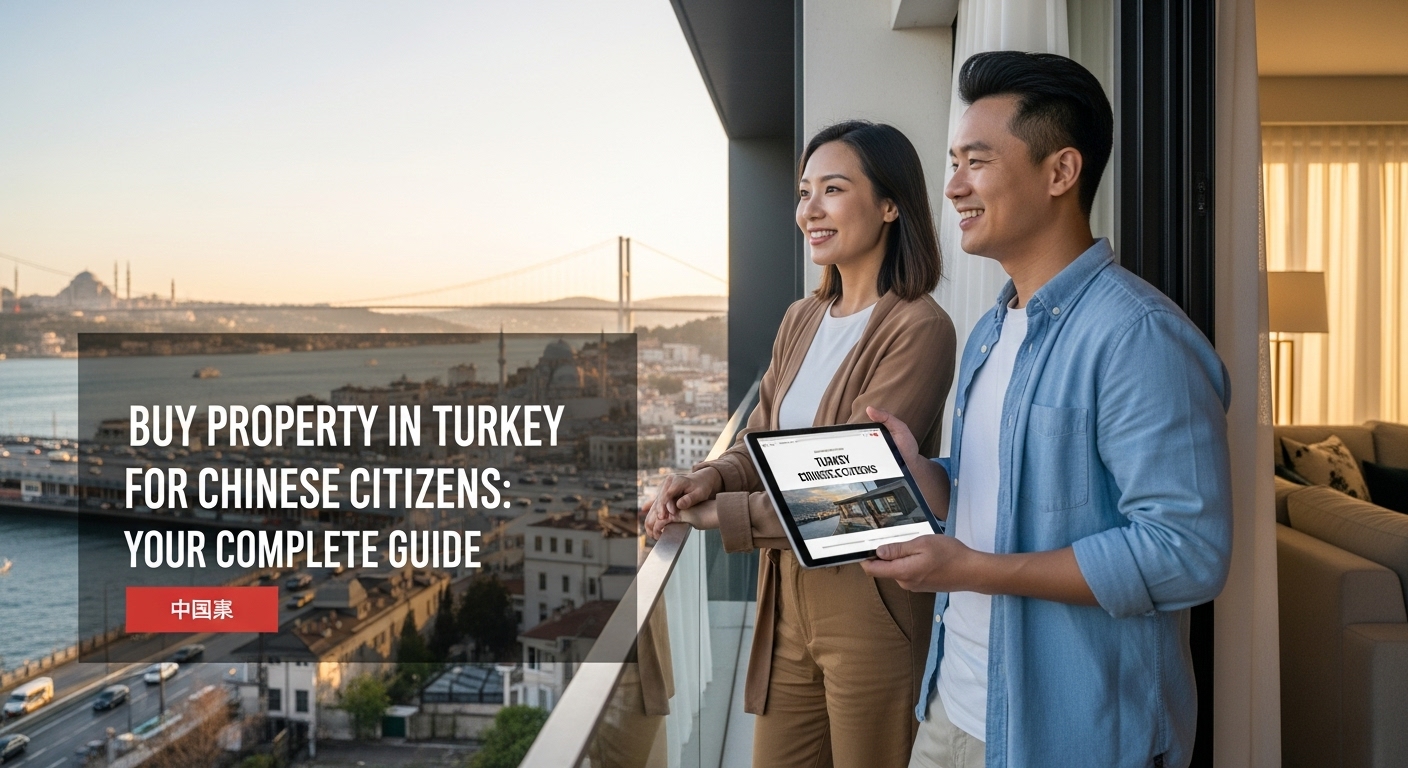
Buy Property in Turkey for Chinese Citizens: A Complete Guide
Introduction
Turkey, a vibrant nation straddling both Europe and Asia, has become a magnet for real estate investors around the globe. From the mesmerizing architecture of Istanbul to the sun-kissed beaches of Antalya, Turkey offers an alluring mix of history, culture, and opportunity. In recent years, Chinese citizens have shown a significant uptick in interest in the Turkish property market — and it’s not just about luxury homes or holiday villas. It’s also about investment, long-term returns, and the increasingly accessible path to Turkish residency and even citizenship.
For Chinese investors, Turkey presents a golden bridge between East and West. With its relatively affordable property prices compared to cities like Shanghai, Beijing, or even Hong Kong, coupled with its warm climate and booming tourism sector, it’s no wonder Turkey is climbing the ranks as a top destination for overseas property buyers.
Moreover, China’s Belt and Road Initiative has strengthened ties between the two nations, and bilateral agreements have made investment avenues smoother than ever. Add to that the attractive Turkish Citizenship by Investment (CBI) program, and the appeal becomes even more obvious.
But before jumping in, it’s vital to understand the legal process, financial commitments, and cultural nuances involved in buying property in Turkey. Whether you're planning to move, invest, or simply own a vacation home, this detailed guide will walk you through everything you need to know as a Chinese citizen looking to buy property in Turkey.
Legal Framework for Foreign Property Ownership in Turkey
One of the first questions any Chinese investor asks is: Can foreigners buy property in Turkey? The answer is a resounding yes — with some conditions.
Turkey allows foreign nationals to purchase real estate, including Chinese citizens, as long as the property is not in military or restricted zones. The Turkish government revised its property laws significantly in 2012, opening the doors wider for non-Turkish buyers. Since then, thousands of foreigners have invested in the Turkish real estate market.
Key Legal Requirements:
Reciprocity Principle Removed: In the past, only citizens of countries that allowed Turks to buy land could invest in Turkey. That rule is no longer in effect. Chinese citizens are now fully eligible to purchase residential, commercial, and certain types of land.
Military Clearance Not Required (in most cases): Previously, every purchase by a foreigner had to undergo military clearance to ensure the property wasn’t near restricted zones. Now, with digital zoning systems, this process is almost entirely automated — although some rural or strategic areas may still be off-limits.
Title Deed (TAPU): This is the official proof of ownership in Turkey. It must be issued by the Land Registry Office, and once in your name, it is 100% legal and recognized under Turkish law.
Citizenship by Investment (CBI): Turkish law also allows Chinese citizens to apply for citizenship by purchasing property worth at least $400,000 USD. This has been one of the biggest draws for high-net-worth individuals.
Special Considerations for Chinese Citizens:
Language Barrier: All official documents are in Turkish. It’s highly recommended (and in some cases mandatory) to hire a certified translator and a local attorney.
Legal Representative: Chinese investors often use Power of Attorney (POA) to let a lawyer handle the purchase process on their behalf — especially helpful for remote buyers.
Currency Regulations: While property is priced in Turkish Lira (TRY), transactions can also be conducted in USD or EUR. But due to Turkish Central Bank policies, some stages of the transaction may require Lira conversion.
Knowing the legal landscape in advance can save a lot of time and avoid unnecessary stress. It’s not overly complicated, but like any overseas purchase, it's filled with small but critical details that need close attention.
Types of Properties Chinese Citizens Can Buy
Turkey’s diverse landscape offers a wide variety of real estate options. Whether you're interested in a coastal villa, a city apartment, or a commercial unit, the market caters to all kinds of investors.
1. Residential Properties
Residential real estate is the most popular choice among Chinese buyers. Here's what’s available:
Apartments: From modern units in Istanbul high-rises to traditional-style homes in Antalya, apartments are widely available. Prices can range from $50,000 in smaller cities to $500,000+ in prime Istanbul locations.
Villas: Popular in coastal towns like Bodrum, Fethiye, and Alanya, villas come with private pools, gardens, and stunning views. These are ideal for family vacations, rentals, or permanent living.
Houses: While less common than apartments or villas, detached houses in suburban or rural areas are also available. These are often sought after by retirees or digital nomads seeking peace and quiet.
2. Commercial Real Estate
For investors looking at long-term gains, commercial properties such as offices, shops, and hotels offer excellent ROI potential — especially in cities with booming tourism like Antalya and Istanbul.
Chinese business owners are increasingly buying commercial spaces to open restaurants, retail stores, or hospitality venues catering to the growing Chinese diaspora and tourists.
3. Agricultural Land and Restrictions
Buying agricultural land is possible, but it comes with restrictions. Foreigners must submit a development plan within two years of purchase. The government scrutinizes such purchases more closely to prevent speculation and protect agricultural zones.
Prohibited Areas:
Chinese citizens cannot purchase properties in:
Military zones
Certain border areas
Strategically sensitive locations
It’s critical to conduct a zoning check through the Land Registry Office or a trusted legal advisor before making any commitments.
Popular Turkish Cities Among Chinese Property Buyers
With so many choices, where should a Chinese investor start? Let’s break down the top destinations.
Istanbul: The Heartbeat of Turkish Real Estate
As Turkey’s largest city and economic powerhouse, Istanbul is the top destination for Chinese investors. Here's why:
High rental yield (5-7% in some districts)
Excellent transportation and infrastructure
Wide range of luxury and mid-range properties
Easy access to schools, hospitals, shopping malls
Hot districts include Beylikdüzü, Başakşehir, Kadıköy, and Levent. Chinese buyers are especially attracted to new developments with modern amenities and citizenship eligibility.
Antalya: The Mediterranean Paradise
Known for its turquoise beaches and relaxed lifestyle, Antalya is popular for both vacation homes and investment.
Lower property prices than Istanbul
High tourism rates ensure strong rental income
Ideal for retirees or second-home buyers
Growing expat community
Other Notable Cities:
Ankara: Capital city with a more business-oriented vibe.
Izmir: Aegean coastal city blending tradition with modernity.
Bursa & Yalova: Popular for thermal resorts and proximity to Istanbul.
These cities offer affordable alternatives while still providing solid investment value.
Step-by-Step Process of Buying Property in Turkey
Purchasing property in Turkey might feel daunting at first, especially for Chinese citizens unfamiliar with the local procedures and language. But once you break it down, the process is straightforward and well-regulated. Here’s a detailed step-by-step guide that will walk you through everything — from paperwork to receiving your title deed.
Step 1: Getting a Turkish Tax Number
This is the first and most essential step. A Turkish tax number is required for almost everything — opening a bank account, signing contracts, and registering your property.
You can get one at any local Tax Office (Vergi Dairesi).
You’ll need your passport (translated and notarized) and a copy of your entry stamp.
Alternatively, some real estate agencies will handle this for you with a Power of Attorney.
Step 2: Opening a Turkish Bank Account
Chinese citizens must open a Turkish bank account to transfer funds and handle legal payments.
Most Turkish banks now allow remote account opening with notarized documents.
Required documents: passport, tax number, proof of address in China (like a utility bill), and a Turkish phone number.
Be sure to use a bank that can deal efficiently with SWIFT payments from China.
Step 3: Property Search and Legal Checks
This is where it gets exciting — finding the right property!
Partner with a licensed real estate agent who speaks Chinese or English and has experience working with international clients.
Don’t rush. Visit properties, compare prices, and review the location’s rental potential or appreciation trends.
Once you’ve selected a property, your lawyer will verify the title deed, ensure it’s debt-free, and confirm that it meets zoning and citizenship criteria.
Step 4: Sales Agreement and Deposit
Once all legal checks are done, you sign a preliminary sales agreement.
Typically, a 10% deposit is paid at this stage.
Ensure the contract includes a clause stating that your deposit is refundable in case of legal or ownership issues.
Everything must be translated into Chinese or English and notarized.
Step 5: Title Deed Transfer (TAPU)
This is the final and most crucial step — the actual transfer of ownership.
Takes place at the Land Registry Office.
Both the buyer and seller (or their representatives) must be present.
The remaining payment is made, and the title deed (TAPU) is officially issued in your name.
An interpreter is required by law for foreign buyers at this step.
The entire process, from property selection to TAPU transfer, can take as little as 2 to 4 weeks, especially if you’ve authorized an agent or lawyer to handle the legwork.
Visa and Residency Options After Property Purchase
Buying property in Turkey not only secures an asset but also opens doors to residency — and potentially, a second passport. For Chinese citizens, this is one of the top incentives for investing in Turkish real estate.
1. Turkish Residence Permit Through Property Ownership
If your property is worth at least $75,000 USD in major cities or $50,000 in smaller towns, you are eligible to apply for a short-term residence permit.
Key Points:
The permit is valid for 1-2 years and renewable.
You can include your spouse and children under 18.
You do not need to live in Turkey full-time, but you must visit once a year to maintain the permit.
Required documents: TAPU, DASK insurance (mandatory earthquake insurance), passport, proof of income, and health insurance.
This residence permit is ideal for retirees, digital nomads, or anyone wanting a secondary base in Turkey.
2. Turkish Citizenship by Investment (CBI) Program
Launched in 2017, this program has attracted thousands of Chinese investors. If you buy property worth at least $400,000 USD, you can apply for Turkish citizenship — without having to live in the country.
CBI Highlights:
Citizenship is granted to the investor, spouse, and children under 18.
No language or residency requirements.
Dual citizenship is allowed (Turkey does not require renouncing Chinese citizenship, but China does not officially recognize dual citizenship).
The property must be held for at least 3 years.
Application processing time: 3 to 6 months.
Chinese investors often choose this route to gain global mobility — a Turkish passport offers visa-free or visa-on-arrival access to over 110 countries.
Financial Considerations and Costs Involved
Buying a property is not just about the listed price. There are a variety of additional costs, taxes, and fees that Chinese citizens should be aware of before diving into the Turkish real estate market.
1. Property Prices and Market Trends in 2025
Prices in Istanbul start from $1,500/m² in suburbs and go up to $5,000/m² in prime areas.
Antalya offers properties starting around $1,200/m² — ideal for budget investors.
Due to high inflation in Turkey, prices have risen sharply, but the Turkish Lira’s depreciation has kept properties relatively affordable for foreign buyers.
Experts predict continued foreign interest, especially in the luxury and seafront property segments.
2. Taxes and Fees
Let’s break down the expected expenses:
| Expense Type | Cost |
|---|---|
| Property Purchase Tax | 4% of the property value (shared 50/50 in most cases) |
| Title Deed Fee | Included in the 4% tax |
| Notary & Translation | $300 - $600 |
| Legal Fee (Lawyer) | $1,000 - $2,000 |
| Appraisal Report | $150 - $300 |
| DASK Insurance (mandatory) | $50 - $100 annually |
| Real Estate Agent Fee | 2% to 4% of property value |
Note: Most sellers expect buyers to cover all closing costs, but this is negotiable.
3. Currency Exchange and Money Transfer Tips
Because the Chinese government has strict currency controls (maximum $50,000/year/person transfer limit), many Chinese investors use the following options:
Multiple family members pooling limits
Overseas companies for transfers
HK-based bank accounts for faster SWIFT transfers
Important: Always use licensed money transfer channels. Avoid underground or “gray market” currency exchanges to prevent legal issues.
Hiring Legal and Real Estate Professionals
Buying property in a foreign country — especially with a language barrier — can be risky without the right professional support. For Chinese citizens looking to invest in Turkish real estate, hiring reliable, experienced professionals is not just helpful — it’s essential.
1. Why You Need a Real Estate Agent
A qualified real estate agent is your first line of defense against overpaying, falling into scams, or misunderstanding Turkish property law. The right agent can:
Help identify properties that meet your budget and investment goals.
Translate and explain listings, paperwork, and contracts.
Negotiate on your behalf to get the best price.
Recommend vetted legal, tax, and financial advisors.
How to Choose the Right Agent:
Look for agents registered with the Turkish Real Estate Federation (GABORAS) or local chambers.
Prefer agents who have experience with Chinese buyers or international investors.
Ask for references and check online reviews (WeChat groups and expat forums are great resources).
Ensure they speak fluent English or Chinese, or have a translator available.
2. Hiring a Lawyer: Your Legal Shield
A Turkish real estate attorney plays a vital role throughout the process. While agents help find the property, your lawyer ensures it’s legally safe to buy.
Your lawyer will:
Conduct due diligence on the property (ownership status, debt, zoning).
Draft and review contracts.
Secure Power of Attorney if you’re buying remotely.
Handle the application for the TAPU and citizenship (if applicable).
Fees & Costs:
Legal fees typically range from $1,000 to $2,000 depending on the complexity and whether it includes citizenship processing.
This is a small price to pay compared to the cost of buying a faulty property or falling into legal trouble.
Never rely on a seller’s lawyer — always hire your own independent legal advisor to avoid conflict of interest.
Mortgage and Financing Options for Chinese Citizens
Not every Chinese buyer has the funds ready to pay in full upfront. Fortunately, mortgage options are available in Turkey, even for non-residents — but there are some limitations and extra steps involved.
Can Foreigners Get Mortgages in Turkey?
Yes. Many Turkish banks offer real estate loans to foreigners, but you must meet specific criteria:
Minimum property value (usually over $100,000)
Documented income and proof of financial stability
30%–50% down payment (loan-to-value ratio is lower for foreigners)
Clean credit history
Best Banks for Foreign Mortgages:
Ziraat Bankası (state-owned and foreigner-friendly)
Isbank
Garanti BBVA
DenizBank
These banks offer multi-currency mortgage options (TRY, USD, EUR), although interest rates can be high due to inflation. Most offer loan durations up to 10 years, and some even allow remote applications through international branches.
Required Documents:
Passport and Turkish Tax ID
Proof of income (translated bank statements, salary slips)
Turkish bank account
Property appraisal report
Residency permit (optional but beneficial)
Tips for Financing from China:
Consider using an international branch of a Turkish bank (some operate in Hong Kong or through correspondent banks).
Work with a mortgage broker who specializes in foreign clients.
Be prepared for a long application process — approval can take 3 to 6 weeks.
If you're planning a long-term investment, a mortgage can help leverage your capital and diversify your property portfolio in Turkey.
Benefits of Investing in Turkish Real Estate
So, what makes Turkey such a golden ticket for Chinese property investors? Let’s unpack the multiple benefits.
1. Strong Return on Investment (ROI)
In cities like Istanbul, rental yields can reach 5% to 7%, especially for short-term rentals and Airbnb-style operations. Real estate appreciation, particularly in up-and-coming districts, has been impressive.
For example:
A $100,000 apartment in 2018 could now be worth $180,000+
Many Chinese investors buy in bulk or off-plan for maximum ROI
2. Pathway to Turkish Citizenship
As mentioned, property investment is a gateway to Turkish citizenship, which in turn gives Chinese investors access to:
Visa-free travel to over 110 countries
Easier business operations in Europe and the Middle East
A secondary passport with no residency requirement
3. Quality of Life and Retirement Potential
Turkey’s natural beauty, modern infrastructure, and low cost of living make it a perfect place for retirement or a second home. Antalya, Alanya, and Fethiye are popular among retirees for their:
Mild winters and beautiful beaches
Affordable healthcare and insurance
Strong expat communities
4. Geopolitical Advantage
Turkey's location — a literal bridge between Europe and Asia — is a strategic asset for Chinese investors. Whether you're building a business, trading, or traveling, Turkey offers an ideal launchpad.
And with China’s Belt and Road Initiative boosting infrastructure ties, business and investment opportunities are growing fast.
Risks and Challenges for Chinese Buyers
While Turkey offers a wealth of opportunities, it's not without risks — especially for foreigners unfamiliar with the local real estate landscape.
1. Legal and Bureaucratic Hurdles
Language barrier: All legal documents are in Turkish, so translation and interpretation are essential.
Regulatory changes: Property laws and citizenship requirements can change without much notice.
Property scams: Some agents inflate prices for foreign buyers or sell disputed properties.
2. Currency Volatility
The Turkish Lira (TRY) is known for its instability. While this can make property cheaper for USD or RMB holders, it also adds risk if you plan to sell in Lira later.
3. Cultural and Communication Barriers
Many real estate agents don’t speak Chinese or English fluently.
Misunderstandings can lead to legal or financial issues.
Chinese investors may face challenges adapting to Turkish banking and legal norms.
4. Market Saturation in Some Areas
Certain neighborhoods in Istanbul and Antalya have seen overdevelopment, leading to slower appreciation and weaker rental returns.
Tips to Reduce Risk:
Always hire a licensed agent and lawyer.
Double-check all zoning and legal documents.
Avoid “too good to be true” deals or unlicensed sellers.
Visit Turkey at least once before committing to a large purchase.
Real-Life Experiences and Testimonials
Understanding the logistics of buying property is one thing — hearing real stories from fellow Chinese investors paints a much clearer picture. These testimonials reveal the real challenges, surprises, and rewards that come with investing in Turkey’s property market.
Success Stories
Wei, 38, from Beijing, bought a two-bedroom apartment in Istanbul’s Başakşehir district in 2022 for $110,000. After spending about $10,000 on furnishings and legal fees, he now rents it out on Airbnb and makes a consistent $700–$900 per month. “I’ve recouped over 25% of my total investment in just over two years. My only regret? Not buying two units!”
Liu and Mei, a retired couple from Shanghai, moved to Antalya in 2023 after purchasing a sea-view villa for $250,000. “The lifestyle is incredible. We eat fresh seafood, walk the beaches, and the locals are very friendly. Plus, healthcare is affordable,” says Mei. They’ve also secured a two-year residence permit and plan to apply for citizenship soon.
Lessons Learned
Chen, 45, from Guangzhou, purchased a commercial space in Izmir but later found out the zoning didn’t allow the kind of business he intended. “I didn’t hire a lawyer. Big mistake. Now I rent the space out, but it’s not as profitable as I expected.”
Tips from Buyers:
Always do site visits or send a trusted representative.
Use a lawyer separate from your agent.
Don’t be swayed by flashy showrooms — check the actual location and neighbors.
Look into property management early if you’re not planning to live there.
Real-life experiences show that the Turkish market holds plenty of promise, but preparation is key.
How to Manage Property Remotely from China
Not all Chinese investors want to relocate to Turkey. Many prefer to buy, rent, and profit from a distance — and yes, it’s entirely doable with the right systems in place.
1. Hiring Property Management Companies
Property management companies take care of:
Collecting rent
Handling tenant issues
Paying local taxes and bills
Coordinating maintenance and repairs
Marketing for short-term rentals
Fees usually range from 10% to 15% of rental income, but this varies based on the services included.
Recommended Services:
Short-term rental specialists (for Airbnb-style hosting)
Long-term rental agencies
Firms offering Chinese-language support (rare but growing)
2. Online Tools and Platforms
Even from thousands of kilometers away, you can track your property’s performance using:
Banking apps (Ziraat, IsBank, etc.)
Real estate management portals
Security systems with live monitoring
Airbnb and Booking.com dashboards
Make sure to ask your management company for monthly reports and real-time communication channels like WeChat, WhatsApp, or email.
3. Tax Compliance
Even if you don’t live in Turkey, you are responsible for paying annual property tax, rental income tax, and maintenance fees (if in a complex).
Consider hiring a local accountant to handle annual filings, especially if you plan to expand your portfolio.
Future Outlook for Chinese Investment in Turkish Real Estate
The trend of Chinese investment in Turkey shows no signs of slowing down — and for good reason. The geopolitical, economic, and lifestyle advantages are all converging to make Turkey a hotspot for future growth.
1. Mega Projects and Infrastructure Expansion
Major infrastructure projects are reshaping the Turkish property landscape:
Istanbul Canal Project (New Bosphorus)
New Istanbul Airport (already boosting land value)
High-speed rail links and metro expansion
New smart cities and SEZs (Special Economic Zones)
These developments are attracting foreign investors looking to buy low and sell high once infrastructure improves.
2. Bilateral Agreements Between Turkey and China
China and Turkey continue to grow closer through:
The Belt and Road Initiative (BRI), making Turkey a logistics hub.
Increased bilateral trade and tourism.
Simplified visa and property purchase processes for Chinese nationals.
Expect more Chinese banks, schools, and businesses to enter Turkey — further increasing Chinese-friendly services.
3. Technology and Real Estate Digitization
Digital innovation is making property buying easier:
Virtual tours via 3D and VR
Online TAPU tracking
Smart contracts and blockchain verification
More Chinese-language platforms for listings and legal help
With the rising demand for international diversification, Turkey remains one of the most promising destinations for savvy Chinese investors.
Conclusion
Turkey is more than just a beautiful country with rich culture and history — it’s a land of opportunity for Chinese property buyers. From urban apartments in Istanbul to seaside villas in Antalya, the Turkish market offers something for every budget and investment goal.
With simplified legal frameworks, favorable exchange rates, and the golden incentive of citizenship by investment, it's no surprise that Chinese citizens are pouring into the Turkish real estate scene. But success lies in preparation: working with trusted professionals, understanding the legal landscape, and staying up to date with market trends.
Whether you're looking for a vacation home, passive income, or a new passport, Turkey is a strategic move for the modern Chinese investor.
FAQs
1. Can a Chinese citizen buy land in Turkey?
Yes, but there are restrictions. Land near military zones or strategic areas is off-limits. Agricultural land also requires a development plan submitted within 2 years.
2. Is property ownership in Turkey permanent for foreigners?
Yes. Once the title deed (TAPU) is in your name, you legally own the property indefinitely, with full inheritance rights.
3. How long does it take to get Turkish citizenship after buying property?
If you buy real estate worth at least $400,000 and meet all requirements, you can obtain citizenship in as little as 3–6 months.
4. Are there any restrictions for Chinese investors in Turkey?
Besides restricted zones, there are no major restrictions. Chinese investors have full rights to own, rent, and sell property.
5. Do Chinese buyers need to learn Turkish before purchasing property?
No, it’s not required. However, hiring a translator or bilingual lawyer is strongly recommended to avoid miscommunication.






Have Question Or Suggestion ?
Please Share Your Thought, To Make It Real