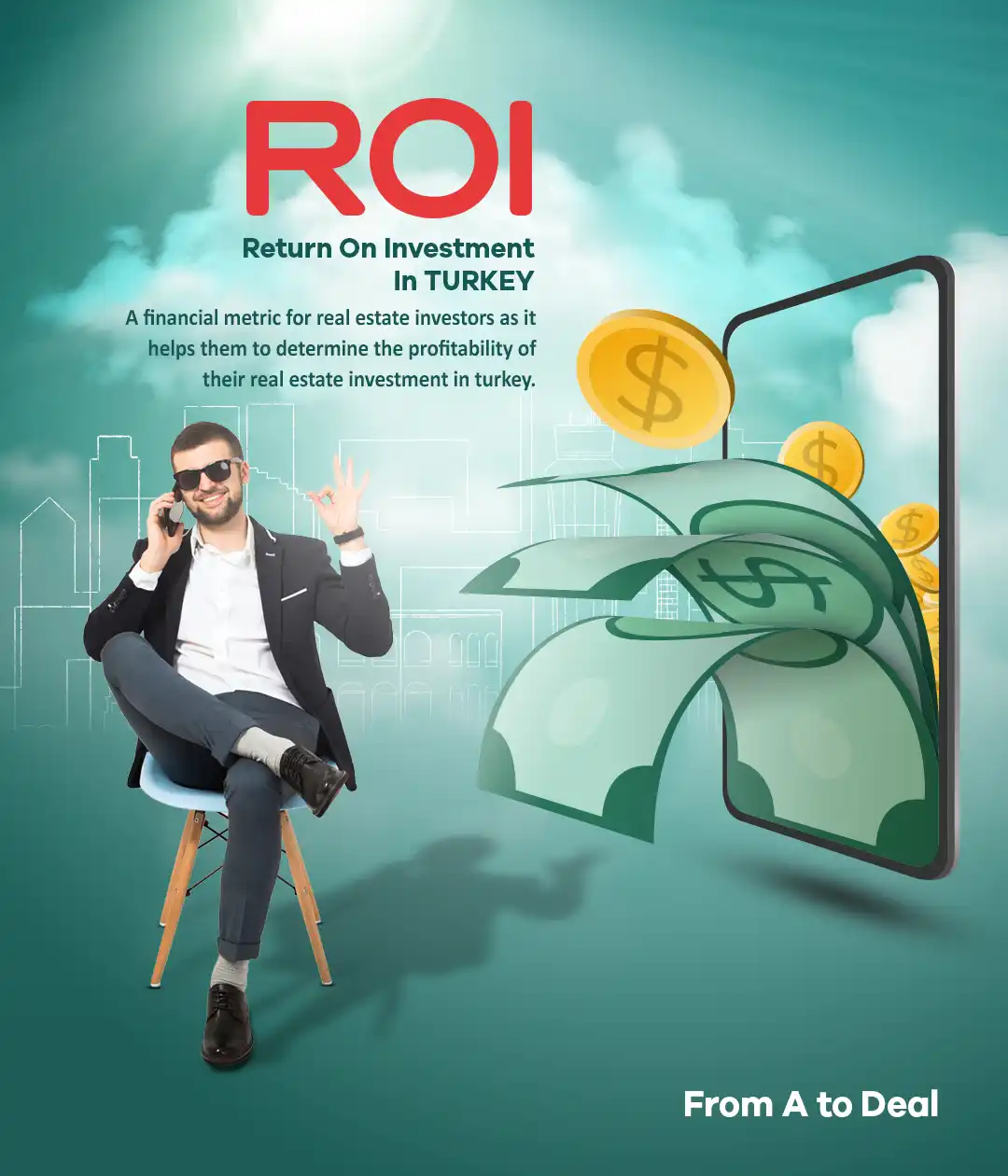
Investing My Money in Real Estate: A Complete Guide with a Focus on Turkey
A complete guide to investing money in real estate, with insights into the Turkish property market, rental income, ROI, and citizenship opportunities.

Introduction: Why Real Estate Still Feels Like Home for Investors
There’s something deeply reassuring about real estate. You can see it, touch it, walk through it, and imagine a future built inside it. When I think about investing my money in real estate, it doesn’t feel like a gamble—it feels like planting a tree. You nurture it, protect it, and over time, it grows into something solid and valuable. Unlike stocks that swing wildly with market emotions or cryptocurrencies that can rise and crash overnight, real estate has always carried a sense of permanence.
For generations, people have used property as a cornerstone of wealth. Homes are not just shelters; they’re assets that often appreciate with time. Rental properties create monthly income, commercial buildings support businesses, and land quietly waits for development opportunities. In today’s uncertain economic climate, that kind of stability is incredibly attractive.
What makes real estate even more exciting now is the global nature of investing. You’re no longer limited to your hometown or even your country. Markets like Turkey are opening their doors to international investors, offering affordable prices, high rental yields, and even citizenship opportunities. This combination of emotional security and financial logic is why so many people, including myself, are seriously considering investing money in real estate—and why Turkey deserves special attention in that conversation.
📲 Thinking about investing in real estate and want expert guidance?
Whether you’re exploring local opportunities or considering investing in real estate in Turkey, professional support can help you avoid costly mistakes.👉 Chat directly on WhatsApp:
https://wa.me/905454891015🔗 Or fill out the consultation form:
https://www.deal-tr.com/en/contact-us

Understanding Real Estate Investment at Its Core
At its heart, real estate investment is about purchasing property with the intention of generating income or long-term value. That might sound simple, but the beauty of real estate lies in its flexibility. You can buy a small apartment and rent it out, purchase land and wait for development, or invest in a commercial building that hosts offices or shops. Each path offers a different risk profile and reward structure.
What separates real estate from many other investments is control. When you invest in stocks, you’re at the mercy of company executives and market sentiment. With property, you make the decisions. You choose the location, the type of property, how it’s managed, and when it’s sold. That sense of control is empowering, especially for people who prefer tangible assets over abstract numbers on a screen.
Another key aspect is leverage. Real estate allows you to use borrowed money to increase your purchasing power. A relatively small down payment can give you ownership of a valuable asset, while tenants help pay off the mortgage over time. This leverage, when used wisely, can significantly accelerate wealth creation.
Understanding real estate also means recognizing that it’s not a get-rich-quick scheme. It rewards patience, research, and long-term thinking. Markets move in cycles, and successful investors learn how to ride those waves instead of fighting them. Once you grasp these fundamentals, investing your money in real estate becomes less intimidating and far more strategic.
Types of Real Estate Investments
Real estate is not a one-size-fits-all investment. It comes in several forms, each with its own personality, much like different neighborhoods in a city. Residential properties are the most familiar. These include single-family homes, apartments, and condominiums. They’re often easier to understand and manage, making them popular among first-time investors. People will always need a place to live, which creates consistent demand.
Commercial real estate takes things a step further. Office buildings, retail spaces, hotels, and warehouses fall into this category. These properties usually involve longer lease agreements and higher rental income, but they also require more capital and professional management. Commercial tenants tend to be more stable, but economic downturns can impact businesses quickly.
Land investment is another intriguing option. Buying undeveloped land can be relatively inexpensive, and its value can skyrocket if the surrounding area develops. However, land doesn’t generate immediate income, so it’s more of a long-term play.
Finally, there are Real Estate Investment Trusts (REITs). These allow investors to put money into property portfolios without directly owning physical property. While REITs offer liquidity and diversification, they lack the hands-on control that many real estate investors crave.

Types of Real Estate Investments – Internal Links
- Anchor text: Residential properties
Link to: /residential-properties-turkey - Anchor text: Land investment opportunities
Link to: /land-investment-turkey
Why Investing My Money in Real Estate Makes Sense
When I look at my financial goals, real estate checks many boxes. First, there’s stability. Property values may fluctuate, but historically, they trend upward over the long term. Unlike digital assets, a building doesn’t disappear because of a software glitch or regulatory ban. It exists, serving a real purpose in the world.
Then there’s cash flow. Rental income provides a steady stream of money that can cover expenses, pay down debt, and even replace a traditional salary over time. This passive income is one of the biggest reasons people fall in love with real estate investing. It creates financial breathing room and opens the door to lifestyle freedom.
Real estate is also a powerful hedge against inflation. As the cost of living rises, so do rents and property values. This means your investment often grows alongside inflation instead of being eroded by it. Add tax advantages like depreciation and deductible expenses, and the financial picture becomes even more appealing.
Most importantly, real estate aligns with long-term wealth building. It’s not about quick wins; it’s about creating something sustainable. When you invest money in real estate wisely, you’re building a foundation—brick by brick—that can support you and even future generations.
Why Investing My Money in Real Estate Makes Sense – Internal Link
https://www.deal-tr.com/en/blog/passive-income-from-property-in-turkey
Key Factors to Consider Before Investing in Real Estate
Before jumping into any property deal, it’s essential to slow down and assess the bigger picture. Location is the first and most critical factor. A great property in the wrong location can struggle, while an average property in a prime area can thrive. Look for places with strong job markets, population growth, infrastructure development, and access to amenities.
Budgeting is another cornerstone. Beyond the purchase price, there are hidden costs like maintenance, taxes, insurance, and management fees. Understanding your true investment cost helps prevent unpleasant surprises down the road. Financing also plays a major role. Interest rates, loan terms, and currency risks—especially in international markets—can significantly impact returns.
Risk assessment is often overlooked but incredibly important. Every investment carries risk, whether it’s market volatility, tenant vacancies, or legal complications. Smart investors plan for worst-case scenarios and build financial cushions to absorb shocks.
Finally, legal and tax considerations can make or break a deal. Property laws vary widely between countries, and misunderstanding them can be costly. This is especially true when investing abroad, where local expertise is invaluable.

Why Turkey Is Becoming a Hotspot for Real Estate Investment
Turkey has quietly transformed into one of the most attractive real estate markets for international investors—and it’s not hard to see why. Strategically located between Europe and Asia, Turkey acts as a global bridge for trade, tourism, and culture. This unique position fuels constant demand for housing, commercial spaces, and short-term rentals.
The country’s booming tourism industry is another major driver. Millions of visitors arrive each year, creating strong demand for vacation rentals and serviced apartments, especially in cities like Istanbul and Antalya. Add a young population, ongoing infrastructure projects, and government-backed development plans, and you have a market full of momentum.
Perhaps most appealing is affordability. Compared to many European countries, property prices in Turkey remain relatively low, while rental yields are competitive. This balance of price and return makes Turkey especially attractive for investors seeking value rather than hype.
🏡 Ready to explore real estate opportunities in Turkey?
From Istanbul apartments to high-yield coastal properties, expert advice helps you maximize returns while avoiding legal and financial pitfalls.📲 Speak directly with a property consultant on WhatsApp:
https://wa.me/905454891015🔗 Request personalized property options here:
https://www.deal-tr.com/en/contact-us
Why Turkey Is Becoming a Hotspot for Real Estate Investment –
https://www.deal-tr.com/en/blog/apartment-prices-in-istanbul-2025-real-estate-trends-district-guide-investment-tips
Investing in Real Estate in Turkey: An Overview
Investing in real estate in Turkey offers a wide range of opportunities depending on your goals. Residential properties dominate the market, with apartments being the most popular choice among foreign investors. These are ideal for long-term rentals, short-term Airbnb-style income, or even personal use.
Commercial real estate is gaining traction, particularly in major cities. Office spaces, retail shops, and mixed-use developments benefit from urban growth and business expansion. Tourism-focused investments, such as holiday homes and serviced apartments, provide excellent seasonal returns in coastal areas.
Turkey’s real estate market is also supported by government initiatives that encourage foreign investment. Simplified purchase processes, competitive tax structures, and transparent title deed systems have made the country more accessible than ever before.
Investing in Real Estate in Turkey: An Overview – Internal Link
Comparative ROI Analysis: Turkey Real Estate 2026
To help you decide where to allocate your capital, here is a breakdown of the expected performance across different asset classes in the Turkish market for 2026.
| Investment Type | Average Annual Yield (Net) | Capital Appreciation (Est.) | Risk Level | Exit Liquidity | 2026 Market Trend |
|---|---|---|---|---|---|
| Residential (Long-term) | 5% – 7% | 8% – 12% | Low | High | High demand for metro-centric 1+1 units. |
| Short-term (Airbnb/Holiday) | 8% – 13% | 10% – 15% | Medium | Moderate | Booming in tourist hubs like Antalya & Galataport. |
| Commercial (Retail/Office) | 6% – 9% | 7% – 11% | Low | Moderate | Surge in demand near the Istanbul Financial Center (IFC). |
| Land Investment | N/A (Passive) | 15% – 25%+ | High | Low | Focusing on the New Istanbul Canal & industrial zones. |
| Branded Residences | 4% – 6% | 12% – 18% | Very Low | Very High | Preferred by HNWIs for prestige and resale speed. |
📊 Want a custom ROI projection for a specific property? Use our Interactive ROI Calculator or send a project brochure to our analysts for a free performance audit via WhatsApp.
How to Get Started: Step-by-Step Guide
Getting started doesn’t have to feel overwhelming. The first step is defining your goal—are you investing for rental income, appreciation, or citizenship? Once that’s clear, research locations that align with your objective and budget.
Next comes property selection and due diligence. This includes verifying title deeds, checking zoning regulations, and understanding expected returns. Partnering with experienced professionals can save time, money, and stress at this stage.
Finally, complete the legal process, register the property, and plan management. Whether you manage it yourself or hire professionals, a clear strategy ensures long-term success.
🚀 Take the next step toward owning real estate in Turkey
If you’re serious about investing, expert guidance can turn uncertainty into confidence.📲 Instant WhatsApp support:
https://wa.me/905454891015🔗 Get expert assistance via the contact form:
https://www.deal-tr.com/en/contact-us

Citizenship and Residency Through Real Estate Investment in Turkey
One of the most compelling reasons investors are drawn to Turkey is the opportunity to obtain residency or citizenship through real estate investment. This is not just a financial decision—it’s a lifestyle upgrade. Turkey’s citizenship-by-investment program allows foreign investors to acquire Turkish citizenship by purchasing property that meets the government’s minimum investment threshold and holding it for a specified period.
What makes this program especially attractive is its simplicity compared to similar programs in other countries. There’s no requirement to live in Turkey permanently, no language tests, and no complex business investments. You buy property, complete the legal process, and apply. For many investors, this transforms real estate from a passive income tool into a gateway for global mobility.
Residency permits are another option for those not seeking immediate citizenship. By owning property in Turkey, investors can apply for renewable residence permits, allowing them to live in the country long-term. This is ideal for retirees, digital nomads, or families looking for a second base in a culturally rich and affordable country.
Beyond paperwork, Turkish citizenship offers real value—visa-free or visa-on-arrival access to numerous countries, access to healthcare and education, and the ability to live in a country that blends European infrastructure with Middle Eastern warmth. When real estate investment can unlock all of this, it’s easy to see why Turkey stands out.
Citizenship and Residency Through Real Estate Investment in Turkey – Internal Link
https://www.deal-tr.com/en/blog/turkish-citizenship-by-investment
Best Cities in Turkey for Real Estate Investment
Choosing the right city is just as important as choosing the right property. Turkey offers diverse markets, each with its own investment personality, catering to different goals and budgets.
Istanbul: The Economic Powerhouse
Istanbul is Turkey’s beating heart. It’s the country’s largest city, financial hub, and cultural capital. Property demand here is driven by population growth, tourism, and constant infrastructure development. Apartments in central districts and areas near transport hubs tend to offer strong rental yields and long-term appreciation.
Antalya: Tourism and Lifestyle Returns
Antalya is a favorite among investors focused on short-term rentals and lifestyle properties. Its beaches, resorts, and international appeal make it ideal for vacation homes and Airbnb-style investments. Prices remain relatively affordable compared to European coastal cities, while rental demand stays high during peak seasons.
Izmir: Balanced Growth and Stability
Izmir offers a slower pace of life with strong fundamentals. It attracts professionals, families, and retirees, creating steady demand for long-term rentals. Investors looking for stability rather than speculation often find Izmir appealing.
Ankara: Government and Long-Term Tenancy
As the capital city, Ankara benefits from government institutions, universities, and a stable tenant base. While appreciation may be slower than Istanbul, rental stability is a major advantage.
Best Cities in Turkey for Real Estate Investment
https://www.deal-tr.com/en/exclusive/projects
Expected Returns and Rental Yields in Turkey
Returns are where numbers meet reality. In Turkey, rental yields can vary depending on location, property type, and rental strategy. Long-term residential rentals in major cities typically offer stable, predictable income. Short-term rentals in tourist areas can generate significantly higher returns but come with seasonal fluctuations.
Capital appreciation is another key factor. Turkey’s ongoing infrastructure projects—new airports, metro lines, highways, and urban regeneration zones—continue to push property values upward, particularly in developing districts. Investors who enter early often benefit the most.
Currency dynamics also play a role. For foreign investors earning in stronger currencies, property prices and operating costs in Turkey can feel relatively low, while rental income still delivers solid value. This currency advantage has been a major driver of international interest in recent years.
Ultimately, realistic expectations matter. Real estate is not about overnight success—it’s about steady growth, consistent income, and long-term positioning. Turkey offers all three when approached strategically.
Risks and Challenges of Investing in Real Estate in Turkey
No investment is without risk, and real estate in Turkey is no exception. Market fluctuations, regulatory updates, and currency volatility can impact returns if not properly managed. The key is preparation, not fear.
Legal due diligence is essential. Ensuring the property has a clean title deed, proper zoning, and no outstanding debts is non-negotiable. Working with experienced professionals dramatically reduces these risks.
Another challenge is property management, especially for overseas investors. Vacancies, maintenance, and tenant issues can eat into profits if not handled efficiently. This is why many investors opt for professional property management services.
The good news? These challenges are manageable. With the right guidance, transparency, and long-term mindset, risks become calculated variables rather than deal-breakers.
💬 Have concerns or questions about risks before investing in Turkey?
Getting clarity upfront can save you time, money, and stress later.📲 Discuss your situation directly on WhatsApp:
https://wa.me/905454891015🔗 Or submit your questions via the contact form:
https://www.deal-tr.com/en/contact-us
Long-Term Strategy: Holding vs Flipping Properties
Every real estate investor eventually faces the same question: hold or flip? Holding properties focuses on long-term appreciation and rental income. It’s ideal for investors seeking passive income, tax efficiency, and wealth preservation.
Flipping, on the other hand, is about buying below market value, adding improvements, and selling for profit. While potentially lucrative, it requires deep market knowledge, timing, and higher risk tolerance.
In Turkey, both strategies can work. Emerging districts often suit flipping, while established neighborhoods favor long-term holding. The smartest investors align their strategy with their financial goals, time availability, and risk appetite.
There’s no universal answer—only what fits your vision.
Future Outlook of the Turkish Real Estate Market
Looking ahead, Turkey’s real estate market shows strong long-term potential. Urbanization continues, foreign interest remains high, and government-backed development projects are reshaping major cities. Demand for housing—both residential and investment-focused—is expected to grow steadily.
Sustainability, smart cities, and mixed-use developments are becoming more prominent, creating new opportunities for forward-thinking investors. Those who enter the market with a long-term perspective and professional support are well-positioned to benefit from this evolution.
Turkey is no longer an “emerging secret.” It’s a recognized investment destination—and timing still matters.
Conclusion: Turning Property into a Personal Wealth Engine
Investing my money in real estate is not just about numbers on a spreadsheet—it’s about security, freedom, and building something tangible. Real estate offers a rare combination of stability, income, and growth, especially when approached with patience and strategy.
Turkey adds another layer to this opportunity. Affordable entry points, strong rental demand, lifestyle benefits, and citizenship options make it a uniquely powerful market for global investors. Whether your goal is income, appreciation, or a second home, Turkish real estate provides the tools to turn vision into reality.
🚀 Ready to take action and explore real estate investment opportunities in Turkey?
Expert guidance can turn uncertainty into confidence.📲 Connect instantly on WhatsApp:
https://wa.me/905454891015🔗 Or start with the contact form:
https://www.deal-tr.com/en/contact-us
FAQs
Yes, the real estate market is regulated by law with official title deed registration and legal protection. Istanbul, Antalya, Bursa, Izmir, and Bodrum are top cities for demand and returns. It usually ranges between 5%–10% annually depending on location and property type. Yes. Regulations remain foreigner-friendly, especially in zoned areas. Absolutely. Foreign individuals can own multiple properties, as long as the total land area doesn’t exceed 30 hectares nationwide.

.webp)
.webp)
.webp)
.webp)
.webp)

Have Question Or Suggestion ?
Please Share Your Thought, To Make It Real