What CAD $500,000 Buys in Canada vs. Turkey
See how CAD $500,000 delivers two very different lifestyles in Canada and Turkey—from compact condos to spacious homes and lifestyle freedom.

Introduction: One Budget, Two Completely Different Lifestyles
Imagine holding CAD $500,000 in your hands and asking one simple question: Where in the world can this money give me the best life? On paper, half a million Canadian dollars sounds like a fortune. It feels like the kind of money that should unlock comfort, space, and maybe even a little luxury. But here’s where things get interesting—location changes everything. Put that same budget into Canada, one of the world’s most stable and desirable countries, and then compare it to Turkey, a nation where currency dynamics and cost of living reshape what wealth really looks like. The contrast is dramatic, almost shocking.
In Canada, CAD $500,000 often buys compromise. Smaller spaces, longer commutes, older buildings, and ongoing financial pressure become part of the deal. In Turkey, that same amount can feel transformative. We’re talking about spacious apartments, sea views, modern finishes, private balconies, pools, and in some cases, even villas. It’s not just about property size—it’s about lifestyle, daily comfort, and what your money allows you to experience.
This article dives deep into what CAD $500,000 truly buys in both countries, not just in square footage but in quality of life. We’ll break down cities, neighborhoods, costs, legal considerations, and everyday living so you can see the full picture. Think of this as a reality check wrapped in a global comparison—no hype, just perspective. By the end, you might find yourself rethinking what “value” really means.

Understanding the Value of CAD $500,000 Globally
Money doesn’t have a fixed meaning—it stretches, shrinks, and reshapes itself depending on where you plant it. CAD $500,000 in Canada exists in a high-cost environment defined by strong currency, tight housing supply, and constant demand. In Turkey, that same amount enters an economy where the local currency has weakened significantly against the Canadian dollar, creating a powerful purchasing advantage for foreign buyers.
To put it simply, CAD $500,000 converts into millions of Turkish lira. That conversion alone changes the game. It’s like walking into a store where everything is suddenly discounted by 50–70%. Construction costs, labor, services, and even land are dramatically cheaper. This doesn’t mean lower quality—modern Turkish developments often rival or exceed North American standards, especially in newer builds.
In Canada, property prices are propped up by limited land availability in urban centers, strict zoning laws, high immigration levels, and strong investment demand. Even smaller cities are feeling the squeeze. Meanwhile, Turkey has an abundance of new developments, particularly in coastal and emerging urban areas, which keeps prices relatively accessible.
But value isn’t just about price tags. It’s about what you get—space, comfort, amenities, location, and lifestyle. And when viewed through that lens, CAD $500,000 tells two very different stories depending on which side of the Atlantic you’re standing on.

Not Sure Which Country Makes More Sense for You?
Reading comparisons is helpful—but your situation is unique. Your lifestyle goals, family plans, investment horizon, and risk tolerance all matter when deciding where CAD $500,000 will work hardest for you.
If you’d like clear, personalized insight instead of generic advice, let’s talk.
📲 Message us directly on WhatsApp and get honest guidance based on your goals:
👉 https://api.whatsapp.com/send/
Canada Overview: Real Estate Reality Check
Canada’s real estate market has become a global talking point, and not always for good reasons. Over the past decade, housing prices have surged far beyond income growth, especially in major cities. Homeownership, once considered a basic milestone, now feels out of reach for many middle-class Canadians. Even buyers with substantial savings are often forced to make hard compromises.
Urban concentration plays a huge role. Most newcomers and investors gravitate toward cities like Toronto, Vancouver, and Montreal, driving up demand while supply struggles to keep pace. Add rising interest rates, property taxes, and maintenance costs, and the financial burden doesn’t stop at the purchase price.
CAD $500,000 used to be a strong entry point into the market. Today, it’s more like a ticket to the lower end of urban real estate—or a decent home far from city centers. The dream of a spacious home with modern features often gives way to smaller condos, older townhouses, or suburban properties with long commutes.
This doesn’t mean Canada lacks value. Stability, safety, infrastructure, and long-term appreciation still make it attractive. But when measured purely by what your money buys in physical and lifestyle terms, the limitations become impossible to ignore.

Housing Market Snapshot in Major Canadian Cities
Let’s talk numbers and reality. In Toronto and Vancouver, CAD $500,000 barely scratches the surface. In Toronto, the average home price is well over CAD $1 million. Vancouver isn’t far behind. This means half a million dollars typically buys a small condo, often under 600 square feet, sometimes even less.
Montreal and Calgary offer slightly more breathing room. In Montreal, CAD $500,000 might secure a modest condo or a small older duplex unit in a decent neighborhood. Calgary provides better value, potentially offering a townhouse or small detached home, but prices there have been climbing fast as buyers flee more expensive provinces.
Smaller cities and rural areas stretch the budget further, but they come with trade-offs—limited job opportunities, fewer amenities, and less vibrant social life. For many buyers, especially immigrants or young professionals, that’s not an appealing compromise.
In short, CAD $500,000 in Canada buys shelter—but rarely luxury, space, or flexibility in major urban centers.
What CAD $500,000 Buys in Canada (Detailed Breakdown)
In practical terms, CAD $500,000 in Canada often translates into a compact living arrangement. In major cities, you’re likely looking at a one-bedroom or small two-bedroom condo. These units are usually located in high-rise buildings with shared amenities like gyms and party rooms, but private outdoor space is rare. Balconies, if present, are often small enough to hold a chair and a coffee cup—nothing more.
Neighborhood quality varies widely at this price point. Central locations demand trade-offs in size and age, while newer buildings push buyers toward the outskirts. Commutes become longer, and daily routines revolve around transit schedules and traffic congestion. Parking, if available, is often an added cost.
Beyond the purchase price, ownership expenses add up quickly. Property taxes, condo fees, insurance, utilities, and maintenance can easily run into thousands per year. These ongoing costs shrink disposable income and affect lifestyle choices—less travel, fewer luxuries, and more financial caution.
The lifestyle implication is clear: CAD $500,000 in Canada buys stability and access to a strong economy, but it often comes with spatial and financial constraints. It’s comfortable, but rarely indulgent.
Seeing the Difference in Value? Let’s Apply It to Your Situation
At this point, the contrast is probably clear—but what really matters is how these numbers translate into your life. Are you buying for lifestyle, rental income, retirement, or a second passport strategy?
Instead of guessing, get answers tailored specifically to you.
📲 Start a quick WhatsApp chat and explore real options that fit your budget and plans:
👉 https://api.whatsapp.com/send/
Turkey Overview: A Market Full of Opportunity
Turkey presents a completely different narrative. With its strategic location between Europe and Asia, rich history, and rapidly developing infrastructure, the country has become a magnet for foreign property buyers. But the real game-changer is the currency difference. The Turkish lira’s weakness against the Canadian dollar has dramatically increased purchasing power for Canadians.
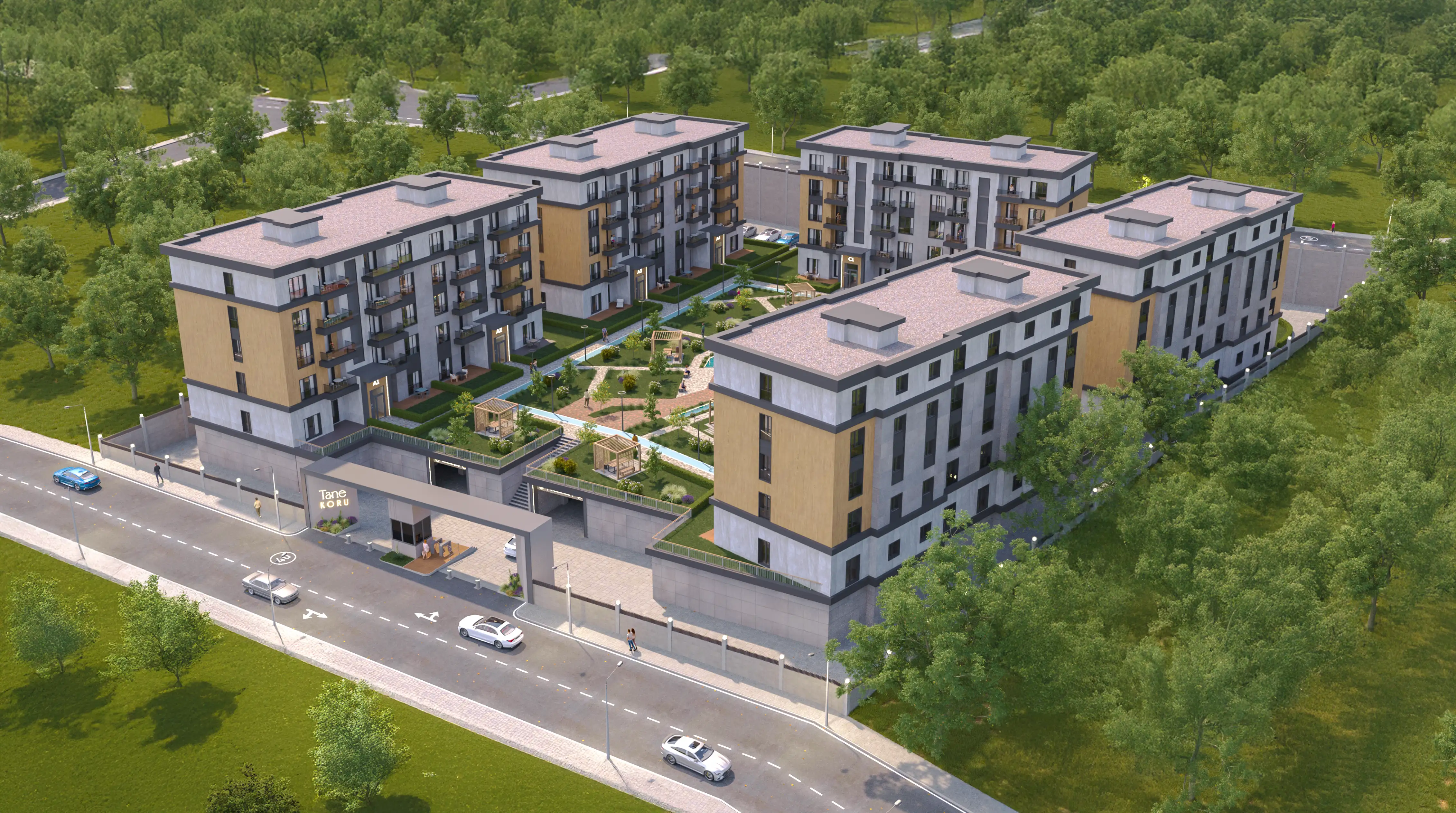
Developers in Turkey are building aggressively, especially in cities like Istanbul, Antalya, and Izmir. These projects often include modern designs, smart home systems, green spaces, security, pools, gyms, and concierge services—all bundled into the purchase price. What would be considered “luxury” in Canada is often standard in Turkey.
Foreign buyers are welcomed, and the process is relatively straightforward. In some cases, property investment can even open doors to residency or citizenship, adding another layer of value beyond bricks and mortar.
Turkey doesn’t just offer cheaper housing—it offers a lifestyle upgrade. More space, better weather, richer food culture, and a slower pace of life all contribute to its growing appeal.
What CAD $500,000 Buys in Turkey (Detailed Breakdown)
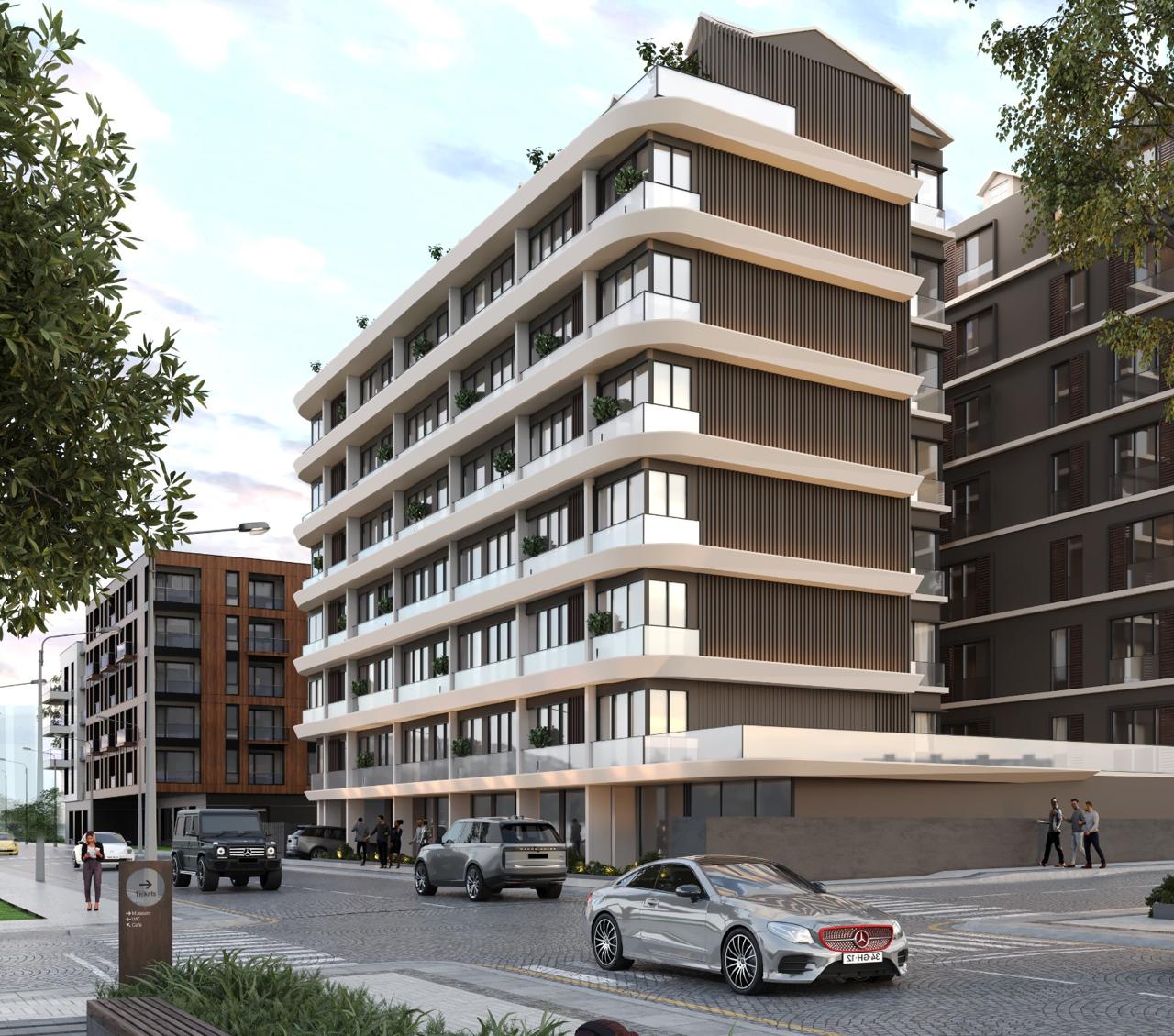
In Turkey, CAD $500,000 can buy what many Canadians would consider a dream home. In Istanbul, you could secure a spacious, modern apartment in a well-developed neighborhood, often with panoramic city or sea views. These apartments commonly exceed 1,500 square feet and include multiple bedrooms, large balconies, and high-end finishes.
In coastal cities like Antalya, that same budget could purchase a luxury villa with a private garden and pool, just minutes from the Mediterranean Sea. Think palm trees, outdoor dining spaces, and year-round sunshine. Maintenance and service costs remain surprisingly low, making ownership far less stressful than in Canada.
Even in highly desirable areas, developments often include resort-style amenities—24/7 security, fitness centers, spas, cafes, and landscaped gardens. These aren’t extras; they’re expected.
Daily life also becomes more affordable. Dining out, transportation, groceries, and services cost a fraction of Canadian prices. The result is not just a bigger home, but a fuller, more relaxed lifestyle where money feels like a tool rather than a constraint.
Side-by-Side Comparison: Canada vs. Turkey
When you put Canada and Turkey side by side, the contrast is striking. In Canada, CAD $500,000 buys efficiency. In Turkey, it buys abundance. Square footage alone tells part of the story, but amenities, surroundings, and daily comfort complete the picture.
In Canada, views are a premium luxury. In Turkey, they’re common. In Canada, private outdoor space is rare. In Turkey, balconies and terraces are standard. In Canada, housing costs shape your lifestyle. In Turkey, lifestyle shapes how you use your home.
Long-term value depends on your goals. Canada offers stability and steady appreciation. Turkey offers immediate lifestyle gains and potential upside as markets develop. Neither is objectively better—it’s about what you value more: predictability or possibility.
Conclusion: Same Money, Two Very Different Worlds
CAD $500,000 is a powerful amount of money, but its true power depends entirely on where you use it. In Canada, it buys security, access, and long-term stability—but often at the cost of space and freedom. In Turkey, it buys comfort, luxury, and a lifestyle that feels expansive and rich in daily pleasures.
The choice isn’t just financial; it’s philosophical. Do you prioritize familiarity and structure, or experience and flexibility? Do you want your money to quietly sit in a stable market, or actively enhance your everyday life?
There’s no wrong answer—only different versions of a good life.
If this comparison sparked questions—or helped you realize what you truly want—don’t leave clarity on the table. A short WhatsApp conversation could save you time, money, and costly mistakes.
📲 Reach out anytime here:
👉 https://api.whatsapp.com/send/?
FAQs
1. Can foreigners buy property in Turkey easily?
Yes, the process is straightforward, and foreigners are legally allowed to own property in most areas.
2. Is CAD $500,000 enough to buy property in Toronto?
It may be enough for a small condo, but options are limited in central areas.
3. Does buying property in Turkey offer residency benefits?
In some cases, yes. Property investment can qualify buyers for residency or citizenship programs.
4. Are property maintenance costs lower in Turkey?
Generally, yes. Utilities, labor, and services are significantly cheaper than in Canada.
5. Which country offers better long-term investment value?
Canada offers stability, while Turkey offers higher immediate value and potential growth.






.jpeg)









Have Question Or Suggestion ?
Please Share Your Thought, To Make It Real