Residence Permit Types in Turkey
A complete guide to residence permit types in Turkey, including tourist, family, student, long-term, and property-based permits with requirements explained.
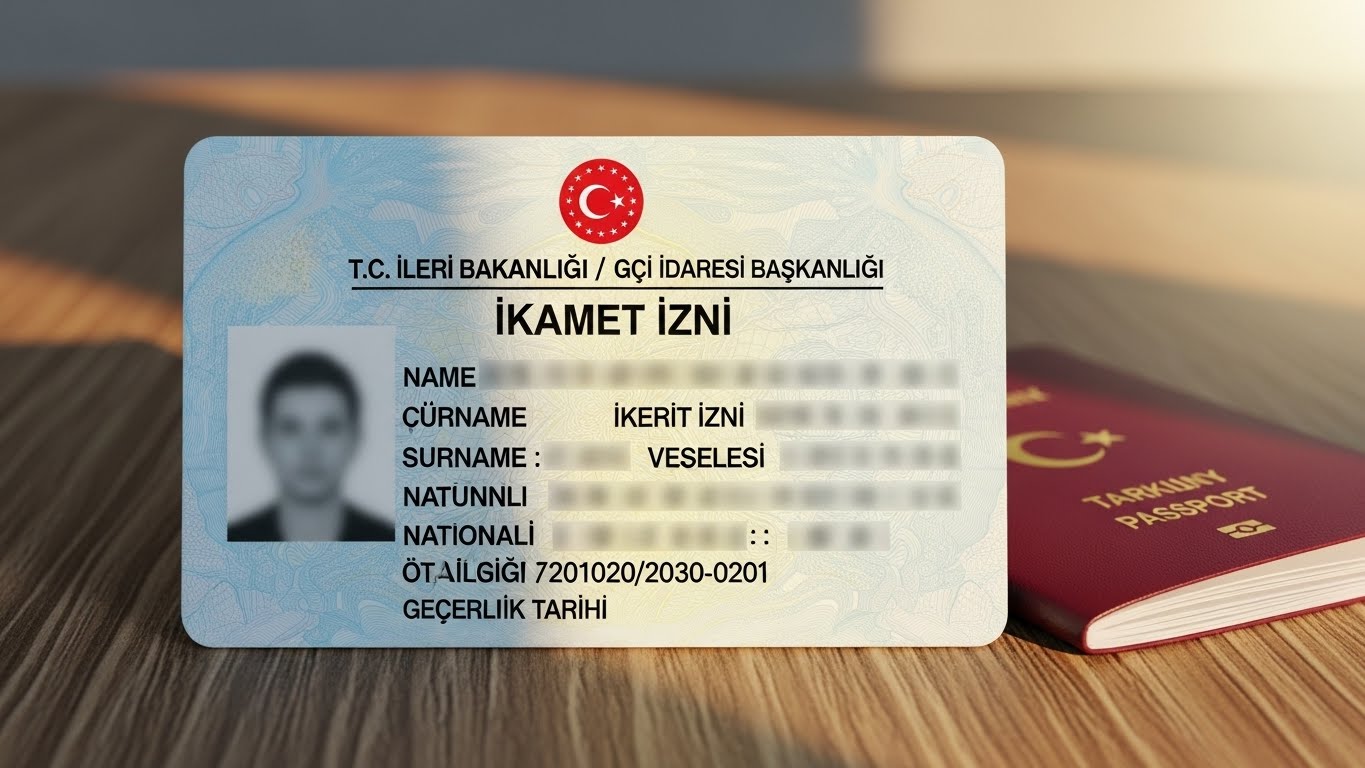
Residence Permits Types in Turkey
Introduction to Residence Permits in Turkey
Turkey has quietly transformed into one of the most attractive destinations for foreigners seeking a new place to live, study, invest, or simply enjoy life at a slower pace. From digital nomads sipping tea by the Bosphorus to retirees soaking up the Mediterranean sun, people from all corners of the world are choosing Turkey as their temporary or long-term home. But here’s the thing—staying in Turkey beyond a short visit requires more than just a valid passport and a love for kebabs. This is where residence permits come into play.
A residence permit in Turkey is a legal document that allows foreign nationals to stay in the country beyond the duration permitted by a visa or visa exemption. Without it, even the most well-intentioned visitor can find themselves overstaying and facing penalties. The Turkish government offers several types of residence permits, each designed for a specific purpose such as tourism, family reunification, education, humanitarian reasons, or long-term settlement.
Understanding which residence permit suits your situation is not just helpful—it’s essential. Applying for the wrong type can lead to rejection, wasted time, and unnecessary stress. The process itself may look intimidating at first, but once you break it down, it’s surprisingly manageable. Think of it like assembling furniture: confusing at first glance, but straightforward once you follow the steps.
In this comprehensive guide, we’ll walk through every major type of residence permit available in Turkey, explaining who qualifies, how long each permit lasts, what documents you’ll need, and what rights come with it. Whether you’re planning a short stay or envisioning a long-term future in Turkey, this article will help you navigate the system with confidence and clarity.
Understanding the Turkish Residence Permit System
Why Turkey Requires Residence Permits
Turkey, like most countries, regulates the stay of foreign nationals to maintain public order, security, and proper population records. Residence permits allow the government to know who is living within its borders, why they are there, and for how long. It’s not about creating obstacles—it’s about structure. Imagine hosting a large gathering without a guest list; chaos would follow. Residence permits are Turkey’s way of keeping things organized.
From a legal standpoint, residence permits also protect foreigners. Holding a valid permit gives you legal status, access to certain services, and peace of mind. Without it, even routine activities like renting a house, opening a bank account, or accessing healthcare can become complicated.
Who Needs a Residence Permit in Turkey
Any foreigner who wishes to stay in Turkey longer than the allowed visa or visa-free period must apply for a residence permit. This includes tourists extending their stay, students enrolled in Turkish institutions, foreigners married to Turkish citizens, property owners, and long-term residents. Diplomatic staff and some international organization employees are exceptions, but for the vast majority, a residence permit is mandatory.
Difference Between Visa and Residence Permit
A visa allows you to enter Turkey; a residence permit allows you to stay. Think of the visa as a ticket to enter a concert and the residence permit as the wristband that lets you stay inside all night. Visas are typically short-term, while residence permits are designed for longer stays and specific purposes. Confusing the two is one of the most common mistakes newcomers make.
Short-Term Residence Permit
What Is a Short-Term Residence Permit
The short-term residence permit is the most commonly issued permit in Turkey and often the first step for foreigners who want to stay longer than a tourist visa allows. It’s incredibly versatile and covers a wide range of purposes, making it a popular choice for newcomers testing the waters before committing long-term.
This permit is typically granted for periods ranging from six months to two years, depending on the applicant’s purpose and documentation. It’s often renewable, provided you continue to meet the requirements.
Who Can Apply for a Short-Term Residence Permit
Eligible applicants include tourists, property owners, business visitors, individuals attending Turkish language courses, and those seeking medical treatment. Digital nomads and freelancers often fall into this category as well, even though Turkey does not yet have a specific digital nomad visa.
Validity and Renewal Process
The validity of a short-term residence permit is determined by the immigration office and can vary. Renewal applications must be submitted before the permit expires, usually within 60 days prior to expiration. The renewal process is similar to the initial application but often smoother if your records are clean.
Required Documents
Common documents include a valid passport, biometric photos, proof of accommodation, health insurance, financial proof, and a completed application form. Missing even one document can delay or derail your application.
Common Reasons for Rejection
Applications are often rejected due to insufficient financial proof, unclear purpose of stay, or lack of valid accommodation documentation. Attention to detail is crucial here.
Family Residence Permit
What Is a Family Residence Permit
The family residence permit is designed to keep families together. It allows foreign spouses and dependent children of Turkish citizens or foreign residents with valid permits to live in Turkey legally. This permit emphasizes unity and stability, making it one of the more emotionally significant residence types.
Eligible Family Members
Eligible individuals typically include the foreign spouse, minor children, and dependent adult children. In some cases, parents may qualify if dependency can be proven.
Duration and Renewal Rules
Family residence permits are usually issued for up to three years but cannot exceed the sponsor’s permit duration. Renewal is possible as long as family ties remain valid.
Rights and Limitations
Holders can access education and healthcare services. However, this permit does not automatically grant the right to work—you’ll need a separate work permit for that.
Required Documentation
Marriage certificates, birth certificates, proof of income, and valid health insurance are essential. All foreign documents must be notarized and, in many cases, apostilled.
Student Residence Permit
Who Needs a Student Residence Permit
Any foreigner enrolled in a Turkish educational institution—whether a university, language school, or vocational program—must obtain a student residence permit. This permit ensures that students can focus on their studies without worrying about overstaying.
Types of Educational Institutions Covered
Universities, conservatories, language schools, and even some research institutions fall under this category. Exchange students are also required to apply unless exempt by agreement.
Validity Period
The permit is typically valid for the duration of the academic program and can be renewed annually.
Work Rights for Students
Students in undergraduate programs can work part-time after completing their first year, subject to restrictions. Graduate students often have more flexibility.
Application Process
Applications are usually submitted after enrollment confirmation. Timing is crucial, especially for international students arriving close to semester start dates.
Long-Term Residence Permit
What Is a Long-Term Residence Permit
The long-term residence permit is often seen as the “golden badge” of legal stay in Turkey. It’s designed for foreigners who have already spent a significant portion of their lives in the country and have demonstrated stability, compliance with the law, and integration into Turkish society. Unlike short-term or family permits, this one offers an indefinite stay, meaning no renewal stress year after year. For many, it feels like finally exhaling after holding their breath for years.
This permit is granted under Article 42 of the Law on Foreigners and International Protection and is intended for those who see Turkey not just as a temporary stop, but as a true home. While it does not equate to Turkish citizenship, it comes surprisingly close in terms of rights and freedoms.
Eligibility Criteria
To qualify, a foreigner must have legally resided in Turkey for at least eight uninterrupted years. “Uninterrupted” doesn’t mean you can never leave the country—it simply means your absences must fall within the legally allowed limits. Additionally, applicants must not have received social assistance in the last three years, must have sufficient and regular income, valid health insurance, and pose no threat to public order or security.
Benefits of Long-Term Residency
Holders enjoy almost all the rights of Turkish citizens except for military service, voting, and holding public office. You can live, travel, and access services freely without worrying about renewals. It’s the closest thing to permanent residency Turkey offers.
Limitations and Responsibilities
While generous, the permit can be revoked if the holder poses a serious threat to public order or stays outside Turkey for more than one year without a valid reason.
Required Documents
Applicants need proof of continuous residence, income documentation, health insurance, and a clean criminal record. Precision matters here—immigration officers scrutinize these applications closely.
Humanitarian Residence Permit
What Is a Humanitarian Residence Permit
The humanitarian residence permit exists for exceptional circumstances. It’s not designed for convenience but for compassion. This permit is granted when standard residence options are not feasible and returning to one’s home country is unsafe or impossible.
Who Qualifies
Applicants may include individuals facing serious threats, those affected by war or conflict, or people whose deportation orders cannot be executed due to humanitarian reasons. Each case is evaluated individually, with a strong emphasis on human rights.
Duration and Conditions
This permit is usually short-term and subject to frequent review. It does not automatically lead to long-term residence but can be extended as long as the humanitarian conditions persist.
Special Circumstances
Because of its sensitive nature, requirements can vary, and documentation may be flexible. Authorities focus more on circumstances than paperwork.
Residence Permit for Victims of Human Trafficking
Purpose of This Residence Permit
This special permit exists to protect victims of human trafficking and help them recover physically and psychologically. It’s a reflection of Turkey’s commitment to international human rights obligations.
Eligibility Criteria
Victims identified by authorities or those strongly suspected to be victims may qualify. Cooperation with law enforcement is often encouraged but not always mandatory.
Duration and Extension
Initially issued for 30 days, the permit can be extended in six-month increments depending on the recovery process and safety needs.
Rights Granted
Holders are entitled to shelter, healthcare, psychological support, and legal assistance. Work permission may also be granted under specific conditions.
Residence Permit Based on Property Ownership
Buying Property in Turkey and Residency
Owning property in Turkey can open the door to a residence permit, making this option popular among retirees and investors. While property ownership alone does not guarantee approval, it significantly strengthens an application.
Minimum Property Value Requirements
There is no fixed minimum for residence permits (this differs from citizenship-by-investment). However, the property must be residential and suitable for living.
Validity and Renewal
Permits are typically granted for one to two years and are renewable as long as ownership continues.
Legal Considerations
The title deed must be registered, and the property must be used as accommodation. Rental properties generally do not qualify under this category.
Residence Permit for Touristic Purposes
What Counts as Touristic Stay
Touristic residence permits cover extended sightseeing, cultural exploration, and leisure stays. This is often used by foreigners who want to spend longer periods exploring Turkey beyond visa limits.
Duration Limits
These permits are usually issued for six months to one year. In recent years, renewals have become more selective, requiring stronger justification.
Common Mistakes Applicants Make
Vague travel plans and insufficient financial proof are common reasons for rejection. Authorities want to see genuine touristic intent.
Supporting Documents
Applicants must submit travel plans, accommodation proof, health insurance, and financial statements.
Residence Permit for Business and Investment
Business Owners and Entrepreneurs
Foreigners conducting business activities, market research, or exploring investment opportunities can apply under this category. It’s ideal for entrepreneurs testing the Turkish market.
Required Proof of Activity
Documents may include company registration papers, tax numbers, invitation letters, or business plans.
Validity and Transition to Work Permit
This permit does not allow employment. To actively work, applicants must transition to a work permit.
Residence Permit for Medical Treatment
Who Can Apply
Foreigners seeking medical treatment in Turkey, including long-term therapies, may apply for this permit. Turkey’s advanced healthcare system makes this option increasingly popular.
Required Medical Documents
Official hospital letters, treatment plans, and proof of financial means are essential.
Duration Based on Treatment Plan
The permit duration aligns with the treatment timeline and can be extended if necessary.
Residence Permit Renewal Process in Turkey
When to Apply for Renewal
Renewal applications should be submitted within 60 days before expiration. Late applications can lead to fines or rejection.
Online Application System
Turkey uses an online appointment and application system, streamlining the process but requiring accuracy.
Common Renewal Issues
Changes in address, missing insurance, or inconsistent documentation often cause delays.
Reasons Residence Permit Applications Get Rejected
Incomplete Documentation
Missing or incorrect documents are the leading cause of rejection.
Financial Insufficiency
Applicants must prove they can support themselves without working illegally.
Previous Immigration Violations
Overstays and prior deportations can heavily impact approval chances.
Rights and Obligations of Residence Permit Holders
Healthcare Access
Most permit holders can access healthcare through private insurance or state systems once registered.
Education Rights
Children with residence permits can attend Turkish schools.
Travel Restrictions
Permits allow re-entry, but long absences may affect renewal eligibility.
Address Registration Requirement
Foreigners must register their address within 20 days of arrival or relocation.
Transitioning from Residence Permit to Turkish Citizenship
Legal Residency Period
After five years of continuous legal residence, foreigners may apply for citizenship under certain conditions.
Investment-Based Citizenship
Significant investments can fast-track citizenship without long-term residence.
Common Misconceptions
A residence permit does not automatically lead to citizenship—it’s a pathway, not a guarantee.
Conclusion
Turkey offers one of the most diverse and flexible residence permit systems in the region. Whether you’re a student, investor, retiree, or someone seeking safety, there’s a residence permit designed to match your purpose. The key to success lies in understanding the system, choosing the correct permit type, and preparing your application carefully. With the right approach, living legally in Turkey can be a smooth and rewarding experience—one that opens doors to culture, opportunity, and a truly unique way of life.
Frequently Asked Question
No, a residence permit alone does not grant work rights. A separate work permit is required.
Processing times vary but typically range from two to eight weeks.
Yes, in many cases you can apply for a different type without leaving the country.
Yes, valid health insurance is required for almost all residence permit types.
Have Question Or Suggestion ?
Please Share Your Thought, To Make It Real