Turkey Real Estate Statistics 2026: Prices, Sales & Investment Trends
Explore Turkey real estate statistics 2026, including property prices, housing sales, foreign investment trends, and market forecasts.
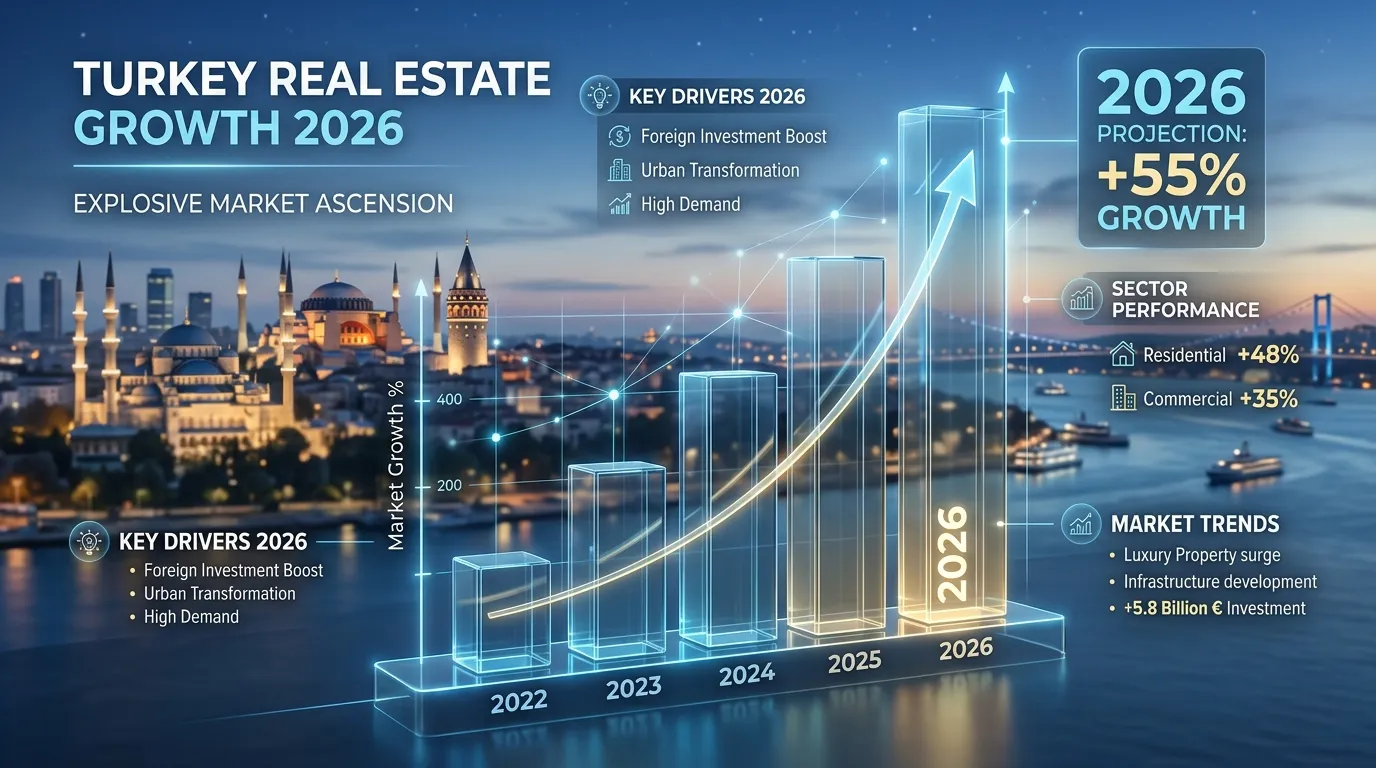
Turkey Real Estate Statistics 2026: Market Trends, Prices, Investment Insights & Forecast
Turkey's property sector continues to attract attention from domestic buyers, international investors, developers, and institutional funds. As one of the largest real estate markets connecting Europe, Asia, and the Middle East, the Turkey real estate market remains a major destination for both lifestyle purchases and investment opportunities. In 2026, the sector is being shaped by demographic growth, urban transformation projects, infrastructure investments, foreign demand, and evolving economic conditions.
The latest Turkey real estate statistics 2026 reveal a market that remains highly active despite global economic uncertainty. Major cities such as Istanbul, Ankara, Izmir, and Antalya continue to experience significant demand for residential and commercial properties. At the same time, coastal destinations are attracting retirees, digital nomads, and international investors looking for relatively affordable property compared to many European markets.
This report examines the most important Turkey property market statistics, including housing sales, property prices, foreign investment activity, commercial real estate performance, and forecasts for the coming years. Understanding these numbers is essential for investors seeking opportunities in one of the region's most dynamic property markets.
Overview of Turkey’s Real Estate Market in 2026
The Turkey real estate market 2026 is characterized by strong transaction volumes, ongoing urbanization, and continued demand from both local and international buyers. Turkey's population exceeds 86 million people, creating long-term demand for housing, retail centers, offices, and industrial facilities. Government-supported urban renewal projects continue to reshape older districts while creating opportunities for developers and investors.
The country's strategic location also contributes significantly to market strength. Turkey serves as a bridge between Europe, Asia, and Africa, making it attractive for logistics, manufacturing, tourism, and foreign direct investment. These factors support demand across multiple real estate sectors.
Despite periods of economic volatility, property remains one of the most popular wealth-preservation tools among Turkish households. Real estate ownership is deeply embedded in the culture, resulting in sustained domestic demand even during challenging economic cycles.

Key Market Highlights and Growth Indicators
Several indicators stand out in the Turkey housing market statistics 2026:
| Market Indicator | 2026 Trend |
|---|---|
| Residential Demand | Strong |
| Foreign Buyer Interest | Growing |
| Urban Renewal Projects | Expanding |
| Commercial Real Estate Activity | Stable |
| Tourism Property Demand | Rising |
| Infrastructure Investments | Increasing |
These indicators suggest that the market continues to attract capital from various investor segments.
Why Turkey Remains a Global Property Investment Hub
Turkey offers a combination of factors rarely found together in one market. Investors gain access to a large domestic consumer base, strong tourism flows, a relatively young population, and attractive property prices compared to many Western countries.
Major infrastructure projects such as airports, highways, metro systems, ports, and logistics centers continue enhancing connectivity and supporting long-term property values. These developments are particularly important in Istanbul, Ankara, Antalya, and Izmir, where infrastructure upgrades often drive appreciation in surrounding neighborhoods.
Turkey Housing Market Statistics 2026
The residential sector remains the largest component of the Turkey property market. Housing demand is supported by population growth, household formation, urban migration, and investor activity.
Government initiatives encouraging urban transformation have also stimulated construction and redevelopment projects. Older housing stock is being replaced with modern residential complexes offering improved safety standards, amenities, and energy efficiency.
Developers continue focusing on mixed-use projects that combine residential units with retail, recreational, and commercial facilities. This integrated approach aligns with changing consumer preferences and creates attractive investment opportunities.
Residential Property Sales Volume
According to recent market trends, annual residential transactions continue to remain among the highest in the region. Demand is particularly strong in major metropolitan areas and coastal regions favored by international buyers.
Apartments remain the dominant property type, accounting for a substantial share of total transactions. Family-oriented developments, luxury residences, and branded housing projects are also experiencing strong demand.
The resilience of residential sales demonstrates the enduring importance of property ownership in Turkey's economy and society.
Mortgage Sales vs Cash Sales Trends
One notable trend within the Turkey housing market statistics is the ongoing dominance of cash transactions. Economic conditions and borrowing costs have encouraged many buyers to use savings or alternative financing methods.
Cash purchases are especially common among:
- Foreign investors
- High-net-worth individuals
- Citizenship-by-investment applicants
- Property portfolio investors
Mortgage-backed purchases remain important but represent a smaller proportion of overall transactions compared to previous periods.
Turkey Property Prices Statistics 2026
Property values remain one of the most closely watched indicators within the Turkey real estate market 2026. Price growth has been influenced by construction costs, inflation, urbanization, demand pressures, and currency fluctuations.
Many cities continue recording nominal price increases, although inflation-adjusted performance varies by region and property type. Premium districts, waterfront locations, and newly developed neighborhoods generally outperform the broader market.
Average House Prices Across Turkey
Average housing prices differ significantly across regions:
| City | Relative Price Level |
|---|---|
| Istanbul | Very High |
| Antalya | High |
| Izmir | High |
| Ankara | Medium-High |
| Bursa | Medium |
| Gaziantep | Medium |
Istanbul remains the country's most expensive market due to its economic significance, population density, and international appeal.
Antalya continues attracting foreign buyers seeking holiday homes and rental income opportunities, contributing to above-average price growth.
Inflation-Adjusted Real Estate Price Performance
While nominal property values have risen considerably in recent years, investors increasingly focus on real returns after accounting for inflation. Prime residential properties in strong locations have generally demonstrated better resilience and appreciation potential than secondary markets.
Investors are paying greater attention to rental yields, occupancy rates, neighborhood development plans, and infrastructure improvements when evaluating opportunities.
Istanbul Real Estate Statistics 2026
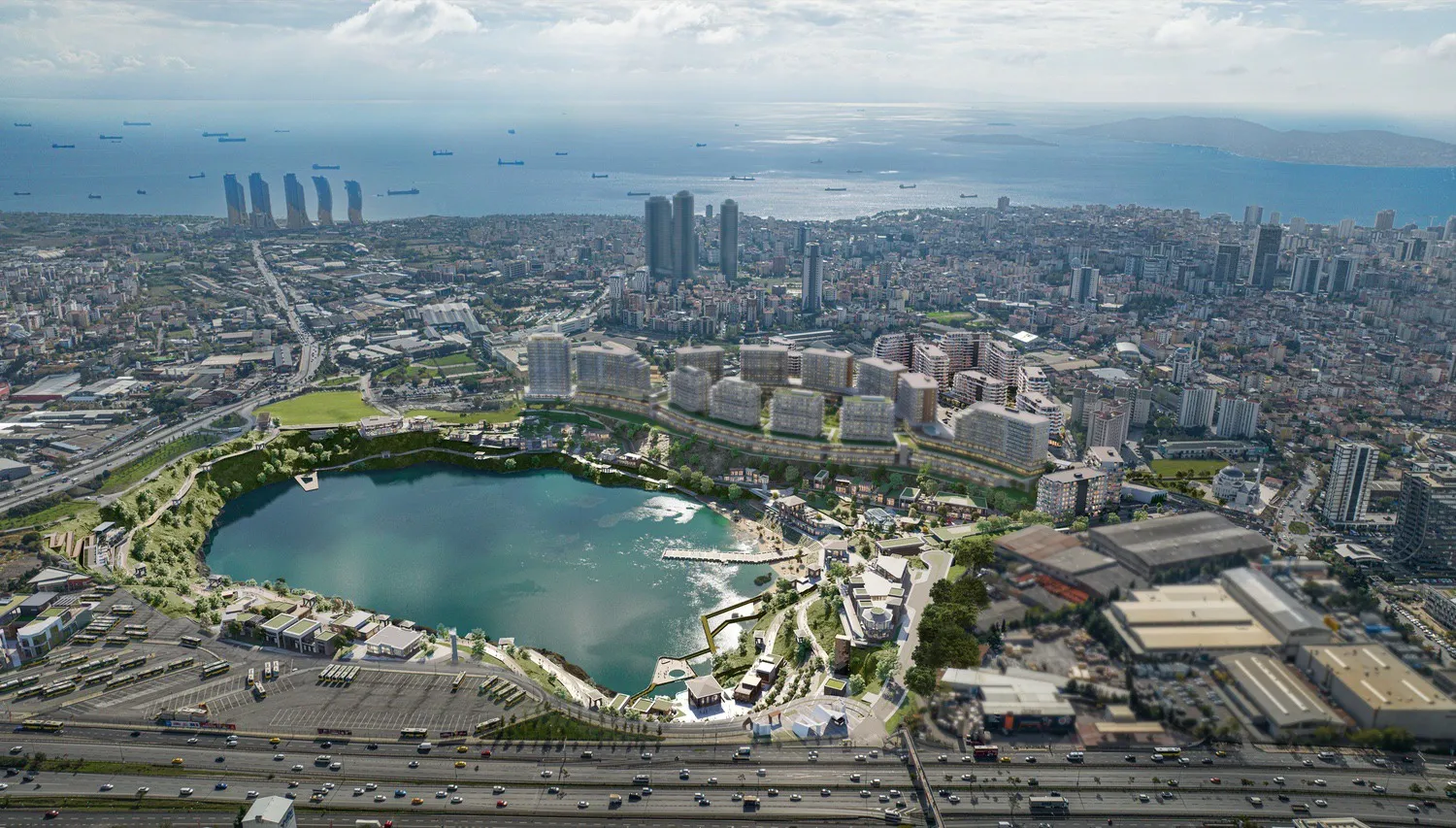
The Istanbul real estate market remains the largest and most influential property market in Turkey. Home to more than 16 million residents, Istanbul generates a significant share of national real estate activity.
The city benefits from its role as Turkey's financial, commercial, cultural, and transportation center. Demand comes from local buyers, international investors, corporations, students, and expatriates.
Istanbul Property Prices and Demand Trends
The strongest demand is concentrated in districts offering:
- Modern infrastructure
- Metro connectivity
- Business accessibility
- Educational institutions
- Lifestyle amenities
Luxury developments continue attracting both domestic and international investors. Waterfront projects along the Bosphorus remain among the country's most prestigious real estate assets.
Districts Showing the Strongest Growth
Several districts continue demonstrating strong growth potential:
| District | Growth Drivers |
|---|---|
| Basaksehir | Infrastructure & New Developments |
| Kagithane | Urban Renewal |
| Beylikduzu | Affordability |
| Atasehir | Financial Center |
| Sariyer | Luxury Demand |
These districts benefit from ongoing development activity and strategic infrastructure investments.
Foreign Investment in Turkey Real Estate 2026
Foreign buyers remain a significant force within the Turkey property investment market. Turkey's combination of affordability, lifestyle appeal, and investment opportunities continues attracting international capital.
The country's strategic position and tourism industry contribute to sustained foreign demand.
Top Countries Buying Property in Turkey
Foreign investors originate from diverse regions, including:
- Russia
- Germany
- Iran
- Iraq
- Kazakhstan
- Saudi Arabia
- United Kingdom
- Azerbaijan
Coastal cities and Istanbul remain the most popular destinations among overseas buyers.
Citizenship by Investment Program Impact
Turkey's citizenship-by-investment framework has played an important role in attracting international property purchases. Investors seeking residency flexibility, business opportunities, and strategic global access continue viewing Turkish real estate as an attractive option.
Luxury apartments, villas, and mixed-use developments frequently attract applicants interested in qualifying investments.

Commercial Real Estate Statistics in Turkey
The Turkey commercial real estate market continues evolving alongside broader economic growth and digital transformation trends.
Demand remains strongest within logistics, industrial facilities, retail centers, and premium office developments.
Office Market Performance
Modern office buildings in major business districts continue attracting corporate tenants. Flexible workspaces and high-quality office environments remain particularly desirable.
Companies increasingly prioritize:
- Energy-efficient buildings
- Technology infrastructure
- Transportation accessibility
- Employee wellness amenities
These preferences influence leasing decisions and property valuations.
Retail and Logistics Real Estate Trends
Logistics has emerged as one of the strongest-performing segments within Turkish commercial real estate. E-commerce growth continues driving demand for warehouses, distribution facilities, and industrial parks.
Retail centers in prime locations also remain important assets, particularly those offering experiential shopping environments that attract consumers beyond traditional retail transactions.
Regional Turkey Real Estate Market Analysis
Regional diversification is becoming increasingly important within the Turkey real estate market. Investors are looking beyond Istanbul to identify emerging growth opportunities.
Infrastructure projects and tourism development continue supporting regional expansion.
Antalya Real Estate Statistics
Antalya remains one of Turkey's most attractive property markets. The city benefits from:
- Strong tourism activity
- International airport connectivity
- Foreign buyer demand
- Luxury coastal developments
- Growing rental market
Vacation homes and investment properties continue generating substantial interest from European, Middle Eastern, and Central Asian buyers.
Ankara, Izmir and Emerging Markets
Ankara maintains stable demand due to its role as Turkey's capital and administrative center. Government institutions, universities, and corporate offices support housing and commercial real estate demand.
Izmir continues attracting investors seeking a balance between lifestyle quality and economic opportunity. Emerging cities such as Bursa, Mersin, and Gaziantep are also gaining attention due to industrial growth and infrastructure investments.
Turkey Real Estate Market Forecast 2026–2030
Looking ahead, the Turkey real estate forecast 2026–2030 remains broadly positive. Long-term demographic trends, urbanization, tourism growth, and infrastructure expansion continue supporting market fundamentals.
Investors increasingly focus on quality developments in strategically located districts capable of delivering sustainable rental income and capital appreciation.
Expected Property Price Trends
Property prices are expected to continue rising over the long term, although growth rates will likely vary by region and economic conditions.
Premium urban districts, transportation hubs, tourism destinations, and newly developed neighborhoods are expected to outperform less-developed areas.
Rental demand is also projected to remain strong, supporting income-focused investment strategies.
Investment Opportunities and Risks
Key opportunities include:
- Urban transformation projects
- Tourism-focused developments
- Logistics facilities
- Luxury residential properties
- Student housing
- Mixed-use projects
Potential risks include economic fluctuations, financing conditions, regulatory changes, and global market uncertainty. Thorough due diligence remains essential for investors seeking sustainable returns.
Conclusion
The Turkey real estate statistics 2026 highlight a market that continues to demonstrate resilience, diversity, and long-term growth potential. Strong residential demand, expanding infrastructure, increasing foreign investment, and robust tourism activity support property values across major regions.
The Turkey housing market, Istanbul real estate market, Turkey property prices, and commercial real estate sector all present opportunities for investors willing to conduct careful market analysis. While challenges remain, the underlying fundamentals continue positioning Turkey as one of the most significant real estate investment destinations spanning Europe, Asia, and the Middle East.
FAQs
Istanbul remains the largest and most active real estate market in Turkey, followed by Antalya, Ankara, and Izmir.
Yes. Property prices in Turkey continue to show long-term growth, especially in prime locations, major cities, and high-demand districts.
Buyers from Russia, Germany, Iran, Iraq, Kazakhstan, Saudi Arabia, and the United Kingdom remain among the most active foreign investors in Turkey.
Logistics properties, industrial facilities, modern office spaces, and mixed-use developments are among the fastest-growing sectors of Turkey's commercial real estate market.
Yes. In fact, real estate in Turkey has historically been the best hedge against inflation for locals and foreigners alike. As the Lira fluctuates, property prices in the luxury sector are often pegged to the Dollar or Euro, protecting the investor's capital while the demand for housing continues to drive prices upward.
Istanbul remains the largest and most active real estate market in Turkey, followed by Antalya, Ankara, and Izmir.
Yes. Property prices in Turkey continue to show long-term growth, especially in prime locations, major cities, and high-demand districts.
Buyers from Russia, Germany, Iran, Iraq, Kazakhstan, Saudi Arabia, and the United Kingdom remain among the most active foreign investors in Turkey.
Logistics properties, industrial facilities, modern office spaces, and mixed-use developments are among the fastest-growing sectors of Turkey's commercial real estate market.
Yes. In fact, real estate in Turkey has historically been the best hedge against inflation for locals and foreigners alike. As the Lira fluctuates, property prices in the luxury sector are often pegged to the Dollar or Euro, protecting the investor's capital while the demand for housing continues to drive prices upward.



Have Question Or Suggestion ?
Please Share Your Thought, To Make It Real