Cheap Apartments in Istanbul Under $100K – Hidden Deals You Can’t Miss in 2026
Discover the cheapest apartments in Istanbul under $100K. Explore top areas, ROI potential, and insider tips to secure the best real estate deals today.
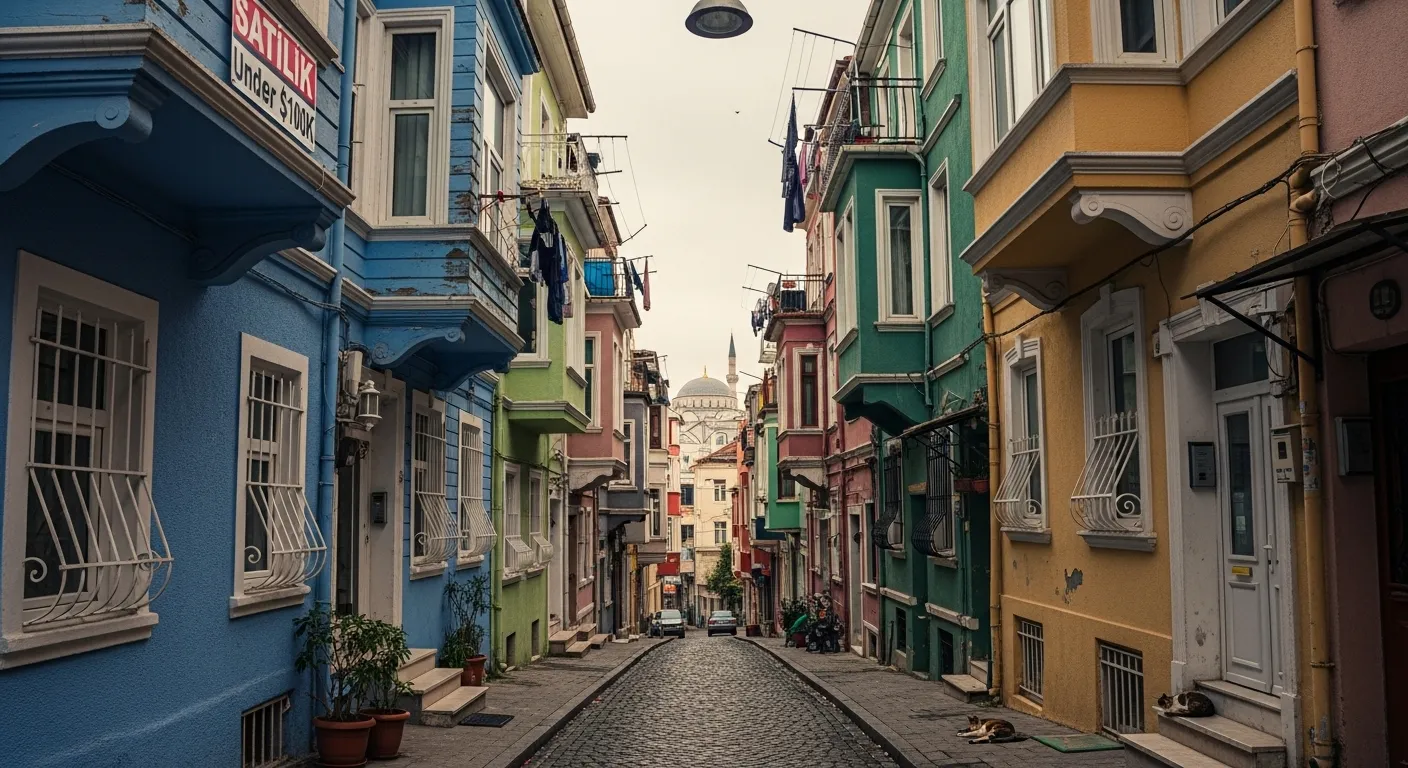
Why Istanbul Is a Hotspot for Budget Property Buyers
Strategic Location Between Europe and Asia
Istanbul isn’t just another city on the map—it’s a living, breathing bridge between two continents. That alone gives it a unique appeal that very few places in the world can match. When you’re looking at cheap apartments for sale in Istanbul under $100K, you’re not just buying a property—you’re buying into a global crossroads of culture, commerce, and opportunity. Think about it: one day you’re sipping coffee in Europe, and the next, you’re dining in Asia without ever leaving the city. That kind of positioning naturally drives demand, even in lower-budget segments of the market.
What makes this even more interesting is how infrastructure development continues to expand outward. New metro lines, highways, and urban projects are pushing property accessibility into previously overlooked districts. These areas, often where sub-$100K apartments are located, are no longer “far away” in practical terms. Instead, they’re becoming connected, livable zones with real growth potential.
For budget-conscious buyers, this creates a sweet spot. You’re entering a market that still has room to grow while benefiting from Istanbul’s global relevance. It’s like getting in early on something that’s already proven its value. And if you’re wondering whether these cheaper areas will remain affordable forever—the short answer is no. Prices have been steadily climbing over the years, which makes the current moment particularly appealing.
Growing Real Estate Market Trends
The Istanbul real estate market has shown remarkable resilience over the years. Even during global economic slowdowns, property demand in Turkey—especially in Istanbul—has held strong. One reason is the consistent influx of both local and international buyers looking for affordable entry points. And guess what? Properties under $100K are often the first to get snapped up.
Recent data suggests that property prices in Istanbul have seen steady annual increases, sometimes exceeding 10–15% depending on the district. While luxury properties get the spotlight, it’s actually the budget segment that sees the highest transaction volume. Why? Because it’s accessible. It attracts first-time buyers, investors, and even digital nomads looking for a base in a vibrant city.
There’s also a currency factor at play. With fluctuations in the Turkish lira, foreign buyers often find themselves getting more value for their money. This means that a $100K budget can sometimes stretch further than expected, especially in emerging neighborhoods.
Developers have caught onto this demand and are increasingly offering compact, efficient living spaces designed specifically for affordability. These aren’t run-down units either—many come with modern amenities like security, gyms, and even swimming pools. It’s a shift from the old perception that “cheap” equals “low quality.”
Can You Really Buy Property in Istanbul Under $100K?
What $100K Gets You in Different Districts
Let’s get real—what can you actually buy in Istanbul with a $100K budget? The answer depends heavily on location, property age, and amenities. In central areas like Taksim or Besiktas, $100K won’t get you much beyond a very small, older unit—if anything at all. But move slightly outward, and the picture changes dramatically.
In districts like Esenyurt or Avcilar, $100K can land you a decent 1+1 apartment in a modern complex, sometimes even with facilities like parking and 24/7 security. In Beylikduzu, you might find newer buildings with better urban planning, offering slightly larger spaces for the same price range. Meanwhile, on the Asian side in areas like Pendik, you can often get quieter neighborhoods with a more residential feel.
Here’s a quick comparison:
| District | Property Type | Average Price Range | What You Get |
|---|---|---|---|
| Esenyurt | 1+1 Modern Apartment | $60K – $90K | New builds, amenities |
| Beylikduzu | 1+1 / Small 2+1 | $80K – $100K | Spacious layouts |
| Avcilar | 1+1 or Studio | $70K – $95K | Coastal proximity |
| Pendik | 1+1 Apartment | $75K – $100K | Quiet residential vibe |
The key takeaway? You’re not priced out—you just need to adjust expectations and location preferences.
If you're unsure where to start, exploring the best areas to live and invest in Istanbul can help you make a smarter decision based on lifestyle and long-term value.
- best areas to live and invest in Istanbul
- Link: https://www.deal-tr.com/en/blog/where-to-find-apartments-in-istanbul-living-investment-guide-2026
Hidden Costs to Consider
Here’s where many buyers get caught off guard. The purchase price isn’t the full story. Even if you find a cheap apartment in Istanbul under $100K, there are additional costs that can add up quickly if you’re not prepared.
First, there’s the title deed transfer tax, which is typically around 4% of the property value. Then you have legal fees, translation services, and notary costs. These might seem minor individually, but together they can add several thousand dollars to your budget.
You’ll also want to consider ongoing costs like maintenance fees (known locally as “aidat”). In modern complexes, these fees cover amenities like security, cleaning, and shared facilities. Depending on the building, this could range from $20 to $100 per month.
Another factor is furnishing. Many cheaper apartments are sold unfurnished, meaning you’ll need to invest in basic furniture and appliances. That’s an additional upfront cost that buyers sometimes overlook.
And then there’s the currency exchange angle. Exchange rate fluctuations can either work in your favor or against you, depending on timing. It’s worth keeping an eye on this if you’re transferring funds internationally.
Best Areas in Istanbul to Find Affordable Apartments
Esenyurt – Budget-Friendly Hub
If you’ve been digging around for cheap apartments in Istanbul under $100K, chances are you’ve already come across Esenyurt. And there’s a reason this district keeps popping up—it’s practically the epicenter of affordability in Istanbul. Located on the European side, Esenyurt has undergone massive transformation over the past decade. What used to be considered a peripheral area has evolved into a densely populated urban zone filled with residential complexes, shopping malls, universities, and healthcare facilities.
The biggest draw here is simple: price per square meter is among the lowest in Istanbul. For under $100K, you can often secure a relatively new 1+1 apartment in a modern building with amenities like elevators, security, and sometimes even gyms or pools. That’s a big deal when you compare it to central districts where that same budget might barely get you a studio in an older building.
But let’s not sugarcoat everything. Esenyurt does come with trade-offs. The area can be crowded, and urban planning hasn’t always kept pace with rapid development. Traffic congestion and inconsistent infrastructure in some parts are things to consider. Still, for investors or first-time buyers who care more about affordability and rental demand than prestige, Esenyurt holds strong appeal.
Another key advantage? Rental demand is consistently high due to a large population of students and working professionals. That means even a modest apartment can generate steady income. If you’re thinking long-term, Esenyurt isn’t just cheap—it’s active, evolving, and still growing.
Investors often focus on the best neighborhoods in Istanbul for rental income, where demand remains consistently high throughout the year.
- best neighborhoods in Istanbul for rental income
- Link: https://www.deal-tr.com/en/blog/best-neighborhoods-in-istanbul-to-buy-an-apartm
Beylikduzu – Modern Living at Low Prices
Now, if Esenyurt feels a bit too chaotic, Beylikduzu might be exactly what you’re looking for. Right next door, this district offers a noticeably more organized and modern lifestyle. Wide streets, green spaces, and planned residential zones give Beylikduzu a more “European suburb” vibe—without the European price tag.
For under $100K, you can still find well-designed 1+1 apartments or even compact 2+1 units in newer developments. Many of these properties come within gated communities that include security, parking, playgrounds, and sometimes even fitness centers. It’s the kind of place where you can actually imagine living comfortably—not just investing and leaving.
One thing that stands out about Beylikduzu is its livability. There’s less noise, better infrastructure, and a more relaxed pace of life. It’s especially popular among families and long-term residents. And that matters because areas with stable communities tend to retain value better over time.
Transportation has improved significantly as well, with metrobus connections making it easier to reach central Istanbul. While it’s not exactly a quick commute to the historic center, it’s manageable—and improving year by year.
If you’re thinking beyond just buying cheap and want a balance between affordability and quality of life, Beylikduzu is one of the smartest choices on the table.
Avcilar – Coastal Value Deals
There’s something undeniably appealing about living near the water, and Avcilar gives you that opportunity—without blowing your budget. Situated along the Sea of Marmara, this district offers a mix of older buildings and newer developments, which creates a wide range of pricing options.
Under $100K, you’re more likely to find resale apartments here rather than brand-new units. But that’s not necessarily a bad thing. Many of these properties are larger than newer builds, offering better square footage for the price. And if you don’t mind a bit of renovation, you can actually increase the property’s value significantly.
Avcilar is also known for its vibrant local life. Cafes, parks, universities, and seaside promenades make it a lively yet relaxed place to live. It attracts students and middle-income families, which helps maintain a steady rental market.
Of course, there are considerations. Some older buildings may require structural checks, especially in a city like Istanbul where earthquake safety is a serious concern. It’s always wise to have a professional inspection before committing.
Still, if you’re the type who sees potential rather than just polish, Avcilar can be a goldmine. You’re essentially trading “newness” for location and space, and for many buyers, that’s a trade worth making.
Pendik – Asian Side Opportunities
Let’s cross over to the Asian side for a moment, because Pendik deserves attention—especially if you’re looking for something quieter and more residential. Compared to the European side, Pendik offers a different rhythm of life. It’s less hectic, more community-oriented, and often feels more “local” than tourist-heavy districts.
In terms of pricing, Pendik sits comfortably within the sub-$100K range for 1+1 apartments, particularly in developing neighborhoods. Many of these properties are part of newer complexes, which means you’re not necessarily sacrificing modern features for affordability.
One major advantage here is connectivity. Pendik is close to Sabiha Gokcen International Airport, and it’s well-served by metro lines and highways. That makes it attractive not just for residents, but also for short-term rental opportunities targeting travelers.
Another thing worth noting is the overall environment. Pendik has more green spaces, cleaner air, and less congestion compared to many European-side districts. It’s the kind of place where you can actually unwind after a long day.
For buyers who value peace, accessibility, and long-term livability, Pendik offers a compelling alternative to the more crowded western districts—without exceeding that $100K budget.
Types of Apartments Available Under $100K
Studio and 1+1 Apartments
When working with a tighter budget, the most common property types you’ll encounter are studio apartments and 1+1 units. Now, before you dismiss these as too small, it’s worth understanding how efficiently these spaces are designed in Istanbul’s newer developments.
A typical 1+1 apartment includes a separate bedroom, a living room with an open kitchen, and a bathroom. It’s compact, yes—but also highly functional. Developers have become quite creative in maximizing space, often incorporating built-in storage and smart layouts that make the apartment feel larger than it actually is.
Studios, on the other hand, are even more compact but can be ideal for singles, students, or short-term rentals. They’re usually the cheapest entry point into the market, sometimes priced as low as $60K depending on the area.
From an investment perspective, these smaller units often deliver higher rental yields. Why? Because they’re more affordable to rent, which attracts a larger pool of tenants. In districts with universities or business hubs nearby, demand for these units is consistently strong.
But there’s a trade-off. If you’re planning to live in the apartment long-term, space might become an issue—especially if your lifestyle changes. So it’s important to think not just about price, but also about how the space will serve you over time.
Older Resale Properties
If you’re willing to look beyond brand-new developments, older resale apartments can open up even more opportunities within the $100K range. These properties are often located in more established neighborhoods, sometimes closer to central areas or public transport hubs.
One of the biggest advantages here is space. Older apartments tend to have larger rooms, higher ceilings, and more traditional layouts. You’re not squeezed into a compact design—you actually have room to breathe.
Of course, the flip side is condition. Some of these properties may need renovation, whether it’s updating the kitchen, replacing flooring, or improving insulation. But here’s the interesting part: even after renovation costs, the total investment can still fall within or just slightly above your original budget.
There’s also potential for value appreciation. By upgrading an older unit, you’re not just improving your living space—you’re increasing the property’s market value. It’s a more hands-on approach, but one that can pay off significantly.
Still, caution is key. Always verify the building’s structural integrity and legal status. A cheap deal isn’t really cheap if it comes with hidden problems.
Understanding current apartment prices in Istanbul 2026 is essential before making any purchase decision, especially in emerging districts.
- apartment prices in Istanbul 2026
- Link: https://www.deal-tr.com/en/blog/apartment-prices-in-istanbul-2026-smart-investor-guide
Pros and Cons of Buying Cheap Property in Istanbul
Advantages of Low-Cost Investment
Buying a cheap apartment in Istanbul under $100K might sound like a compromise at first, but in many cases, it’s actually a strategic move—especially if you understand how to play the long game. One of the biggest advantages is obvious: low entry cost. You don’t need to tie up massive capital, which means you can diversify your investments or even consider purchasing multiple units instead of putting all your money into a single property.
Another major benefit is accessibility. These budget-friendly properties attract a wide range of tenants, from students and young professionals to small families. That translates into consistent rental demand, particularly in districts like Esenyurt, Avcilar, and Pendik. In many cases, smaller and cheaper apartments actually yield better rental returns percentage-wise compared to luxury properties. It’s a bit like owning a compact car that everyone can afford to rent versus a luxury vehicle that only a few can.
There’s also room for capital appreciation. Many of the areas where you’ll find sub-$100K properties are still developing. Infrastructure projects, new transport links, and urban renewal initiatives can push property values upward over time. Getting in early in these neighborhoods can be similar to buying stock before a company really takes off.
And let’s not forget flexibility. With a lower investment, your risk exposure is reduced. If you decide to sell, rent, or even repurpose the property, you have more options and less financial pressure. For first-time international buyers, this can be a smart way to “test the waters” in the Istanbul real estate market without overcommitting.
Potential Risks and Downsides
Now, let’s be honest—cheap doesn’t always mean perfect. While there are clear advantages, buying low-cost property in Istanbul comes with its own set of challenges that you shouldn’t ignore.
One of the most common issues is location trade-offs. Many affordable apartments are located farther from the city center or in densely populated districts. That can mean longer commute times, less-developed infrastructure, or fewer lifestyle amenities. If you’re planning to live there, this can affect your day-to-day comfort. If you’re investing, it might limit the type of tenants you attract.
Another concern is build quality, especially in rapidly developed areas. Some projects prioritize quantity over quality, which can lead to maintenance issues down the line. This is why due diligence—like checking the developer’s reputation and inspecting the property—is absolutely essential.
Liquidity can also be a factor. While demand is generally high, not all areas experience the same resale speed. A cheap apartment in a less desirable location might take longer to sell compared to one in a well-connected district.
There’s also the psychological aspect. Some buyers expect rapid gains simply because the entry price is low. But real estate, especially in emerging areas, often requires patience. You’re playing a medium- to long-term game, not chasing overnight returns.
In short, the opportunities are real—but so are the risks. The key is to approach the purchase with clear expectations and a well-thought-out strategy.
Legal Process for Foreign Buyers
Step-by-Step Buying Procedure
Buying property in Istanbul as a foreigner is more straightforward than many people expect, but it still requires careful navigation. The process is structured, and once you understand the steps, it becomes much less intimidating.
It usually starts with choosing the property and agreeing on a price with the seller or developer. At this stage, a reservation deposit is often paid to secure the unit. This can range from a small fixed amount to a percentage of the property value.
Next comes obtaining a tax number from the Turkish tax office. This is a simple process and is required for any financial transactions, including opening a bank account. Once that’s done, you’ll typically open a local bank account to handle payments.
A key step is the property valuation report, which is mandatory for foreign buyers. This report ensures that the property’s declared value aligns with market standards. After that, all documents are submitted to the Land Registry Office (Tapu office), where the official ownership transfer takes place.
The final step is receiving the title deed (Tapu). This document proves your ownership and is the most critical piece of paperwork in the entire process. Once you have it, the property is legally yours.
While the process is relatively quick—often completed within a few weeks—it’s always wise to work with a qualified legal advisor to avoid any missteps.
Required Documents and Fees
When preparing to buy a cheap apartment in Istanbul, having your paperwork in order can save you a lot of time and stress. The list of required documents is fairly standard, but each one plays an important role in ensuring a smooth transaction.
You’ll need:
- A valid passport (translated and notarized)
- Turkish tax number
- Biometric photos
- Bank account details
- Property valuation report
- Mandatory earthquake insurance (DASK)
On the financial side, there are several fees to account for. The most significant is the title deed transfer tax, typically around 4% of the declared property value. This is usually split between buyer and seller, but in practice, buyers often cover the full amount.
Additional costs include notary fees, translation services, and legal assistance if you choose to hire a lawyer. Then there are ongoing expenses like maintenance fees and utility subscriptions.
While these costs won’t double your budget, they can add 5–8% on top of the purchase price, which is something you should factor in from the beginning. Planning for these expenses ensures there are no unpleasant surprises halfway through the process.
Financing Options and Payment Plans
Cash vs Installments
When buying property under $100K in Istanbul, most transactions are done in cash—but that doesn’t mean it’s your only option. Understanding the difference between cash purchases and installment plans can help you choose the approach that fits your financial situation best.
Paying in cash is often the simplest and most straightforward route. It can also give you negotiation power, especially with individual sellers or developers looking for quick transactions. In some cases, you might even secure a small discount by offering full payment upfront.
On the other hand, installment plans—usually offered by developers—allow you to spread payments over time. These plans can range from 12 to 36 months, sometimes longer, depending on the project. The advantage here is flexibility. You don’t need to commit the entire amount at once, which can free up capital for other investments.
However, installment plans may come with slightly higher overall costs or require a larger initial down payment. It’s important to read the terms carefully and understand whether there are any hidden fees or interest components.
Choosing between cash and installments isn’t just about affordability—it’s about strategy. Are you trying to minimize upfront costs, or maximize long-term value? The answer will guide your decision.
Developer Payment Plans
Many developers in Istanbul have recognized the growing demand for affordable housing and have responded by offering flexible payment plans tailored to budget-conscious buyers. These plans are particularly common in newer developments located in districts like Beylikduzu and Esenyurt.
A typical plan might involve a 30–50% down payment, followed by monthly installments over a fixed period. Some developers even offer interest-free options, which can make the deal more attractive compared to traditional financing methods.
One thing to keep in mind is that these plans are usually tied to off-plan or newly completed projects. That means you might be buying a property that’s still under construction or recently finished. While this can offer better pricing, it also requires a level of trust in the developer’s ability to deliver on time and as promised.
It’s also worth noting that properties purchased through installment plans may have restrictions on resale until the full payment is completed. This is something you’ll want to clarify before signing any agreements.
In essence, developer plans can be a great way to enter the market without a full upfront investment—but they require careful evaluation and a clear understanding of the terms.
Rental Income and ROI Potential
Short-Term vs Long-Term Rentals
When you’re eyeing cheap apartments for sale in Istanbul under $100K, the conversation almost always circles back to one key question: Can this property make money? The answer is yes—but how much and how consistently depends heavily on your rental strategy.
Let’s start with short-term rentals. These are typically listed on platforms like Airbnb and cater to tourists or business travelers. Istanbul is one of the most visited cities in the world, attracting millions of visitors annually. That creates strong demand for short stays, especially in well-connected districts. Even in more affordable areas, proximity to metro lines or major highways can make a property appealing for short-term renters. The upside? Higher nightly rates and potentially greater monthly income. But there’s a catch—short-term rentals require active management, frequent cleaning, and compliance with local regulations, which have become stricter in recent years.
On the other hand, long-term rentals offer stability. You’re renting to tenants who stay for months or years, which means consistent income with less day-to-day involvement. In budget-friendly districts like Esenyurt or Pendik, long-term rental demand is strong due to local residents, students, and working professionals. While the monthly income might be lower compared to short-term rentals, the predictability can be a major advantage—especially if you’re managing the property from abroad.
Choosing between the two isn’t just about numbers—it’s about lifestyle and involvement. Do you want higher returns with more effort, or steady income with minimal hassle? That decision shapes your entire investment approach.
Expected Yield in Budget Areas
Now let’s talk numbers—because this is where things get interesting. Properties under $100K in Istanbul often deliver rental yields ranging between 5% and 8% annually, depending on the area, property condition, and rental strategy. In some high-demand zones, especially where prices are still relatively low, yields can even push slightly higher.
Here’s a simple breakdown:
| Area | Average Price | Monthly Rent | Estimated Yield |
|---|---|---|---|
| Esenyurt | $70K–$90K | $350–$500 | 6%–8% |
| Beylikduzu | $80K–$100K | $400–$550 | 5%–7% |
| Avcilar | $75K–$95K | $350–$500 | 5.5%–7% |
| Pendik | $80K–$100K | $400–$600 | 6%–8% |
What makes these yields attractive is the relatively low purchase price. You’re not chasing massive appreciation—you’re building steady cash flow while holding an asset that could increase in value over time.
Another factor to consider is currency dynamics. Rental income is often paid in Turkish lira, while your investment might be in dollars. Exchange rate fluctuations can influence your real returns, sometimes positively, sometimes not.
Also, don’t overlook occupancy rates. A slightly cheaper apartment in a high-demand area can outperform a more expensive one in a less desirable location simply because it stays occupied longer.
At the end of the day, Istanbul’s budget property market offers something many investors are looking for: a balance between affordability, income potential, and growth opportunity.
Tips for Finding the Best Deals
Working with Real Estate Agents
Finding a genuinely good deal in Istanbul isn’t just about scrolling through listings—it’s about knowing where to look and who to trust. This is where a reliable real estate agent can make a huge difference.
A good agent doesn’t just show you properties—they help you navigate the market. They know which neighborhoods are up-and-coming, which developers have solid reputations, and which deals are actually worth your attention. In a market as dynamic as Istanbul, that kind of insight is incredibly valuable.
But here’s the thing—not all agents are created equal. Some focus on high commissions rather than your best interests. That’s why it’s important to work with someone who is transparent, experienced, and preferably recommended by other buyers.
Ask questions. Lots of them. Why is this property priced lower than others? Are there any legal issues? What’s the rental demand like in this area? A trustworthy agent will answer clearly and won’t rush you into a decision.
Think of it like having a local guide in a city you’ve never visited before. Sure, you could explore on your own—but having someone who knows the terrain can save you time, money, and unnecessary headaches.
Online Platforms and Direct Sellers
Of course, not everyone wants to rely solely on agents—and that’s completely fair. The rise of online property platforms has made it easier than ever to explore the Istanbul real estate market from anywhere in the world.
Websites and apps list thousands of properties, complete with photos, prices, and location details. This gives you a broad overview of what’s available within your budget. You can compare districts, analyze pricing trends, and even spot deals that might be undervalued.
Another route is dealing directly with property owners or developers. This can sometimes lead to better prices since you’re cutting out the middleman. Developers, in particular, may offer promotions, discounts, or flexible payment plans—especially if they’re trying to sell remaining units in a project.
But here’s where caution comes in. Without professional guidance, it’s easier to overlook potential issues—whether legal, structural, or financial. Always verify documents, double-check ownership details, and if possible, involve a legal expert before finalizing any deal.
The goal isn’t just to find a cheap apartment—it’s to find a good value apartment. And those two things aren’t always the same.
Conclusion: Is Buying Under $100K Worth It?
Buying a cheap apartment in Istanbul under $100K isn’t just possible—it can be a smart, strategic move if approached correctly. You’re entering a market that’s dynamic, globally relevant, and still full of untapped potential in its more affordable districts.
The key is understanding what you’re getting—and what you’re not. You may not be living in the heart of the historic center, but you could own a modern apartment in a growing neighborhood with strong rental demand. You might not see instant returns, but over time, both rental income and property value can work in your favor.
It’s a bit like planting a tree. You don’t expect it to provide shade overnight—but with the right conditions, it grows into something valuable and lasting.
If you focus on the right location, do your due diligence, and align your purchase with your long-term goals, that sub-$100K investment can turn into much more than just a property—it can become a solid financial foothold in one of the world’s most fascinating cities.
FAQs
Yes. Regulations remain foreigner-friendly, especially in zoned areas.
Not mandatory, but recommended.
The most reliable approach is to use a dedicated, market-specific ROI calculator rather than generic assumptions. We recommend using Deal TR ROI Calculator, which is built specifically for Turkish real estate investments.
By using our calculator at
👉 https://www.deal-tr.com/en/roi
Rental yields vary from 4.5% to 12%, with the highest returns found in emerging and affordable districts.
Find Cheap Apartments in Istanbul Before Prices Rise
Explore affordable apartments in Istanbul with strong value, good locations, and real investment potential.




Have Question Or Suggestion ?
Please Share Your Thought, To Make It Real