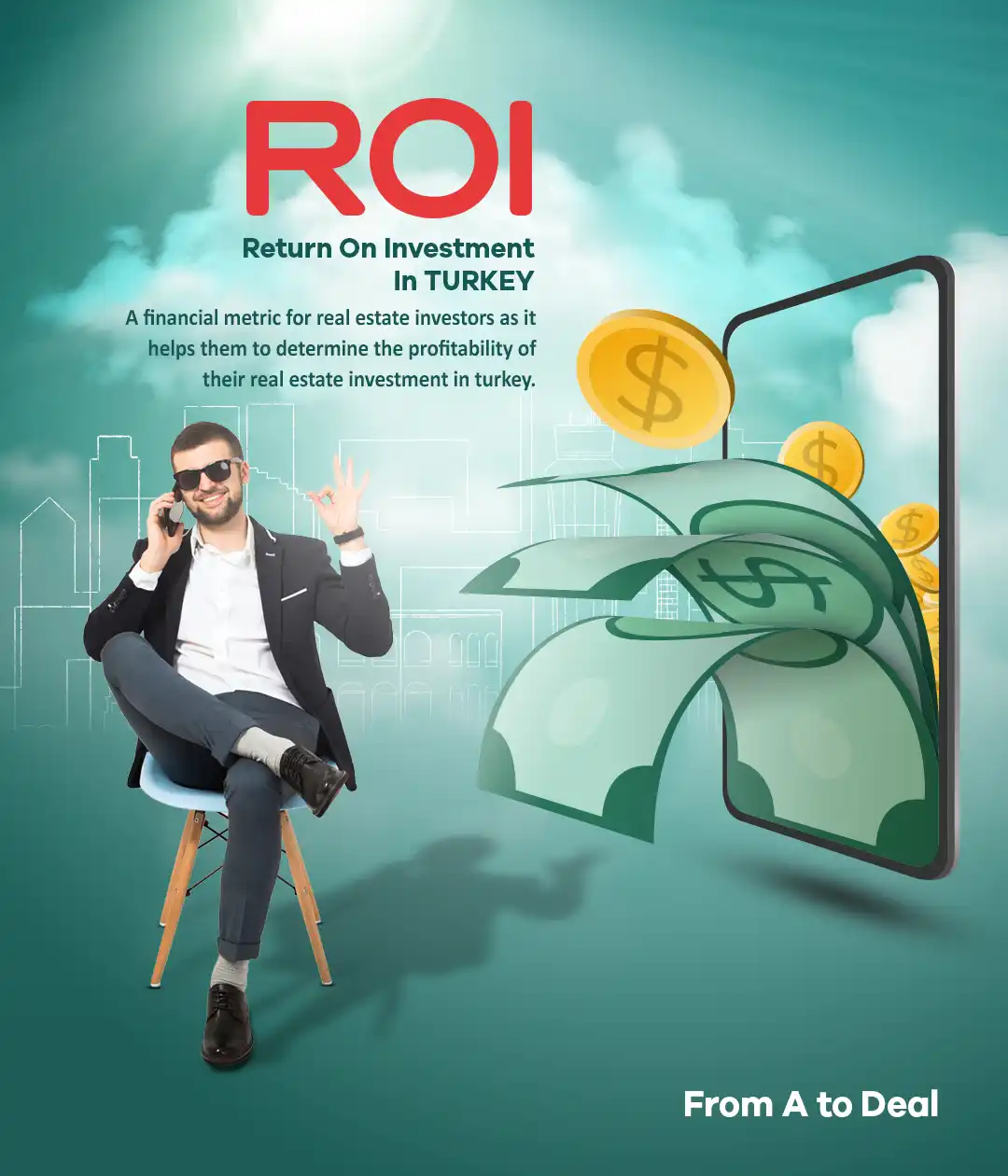
Top 10 Shocking Reasons to Invest in Turkey Real Estate in 2026 Before Prices Explode
Turkey real estate is booming—discover the hidden reasons investors are rushing in before prices skyrocket in 2026.
Top 10 Reasons to Invest in Turkey Real Estate in 2026
Why Turkey Real Estate Investment Is Booming in 2026
If you’ve been watching global property trends, you’ve probably noticed one country popping up again and again—Turkey. And it’s not by accident. The Turkey real estate investment market in 2026 is riding a powerful wave of demand driven by a mix of affordability, global interest, and rapid development. Investors from Europe, the Middle East, and Asia are all looking toward Turkey as a serious opportunity—not just a speculative gamble.
What’s fueling this surge? For starters, Turkey has managed to position itself as a bridge between emerging and developed markets, offering something rare: strong growth potential without sky-high entry prices. While property values in cities like London, Paris, or Berlin have reached intimidating levels, Turkey still offers accessible entry points with room for appreciation. That’s a sweet spot investors are always chasing.
Another key factor is the government's active role in attracting foreign investors. Policies are increasingly investor-friendly, with simplified buying processes and incentives like the citizenship-by-investment program. Combine that with ongoing urban transformation projects, and you get a market that’s not just growing—it’s evolving.
Tourism also plays a massive role. Turkey consistently ranks among the top 10 most visited countries in the world, drawing tens of millions of tourists annually. This naturally fuels short-term rental demand, making real estate not just a static investment but an income-generating asset.
And let’s not ignore the psychological factor—confidence. When international investors start flocking to a market, it creates momentum. That momentum is exactly what we’re seeing in 2026. Buyers aren’t just purchasing property; they’re buying into a long-term growth story that still has plenty of chapters left.
Strategic Location: Invest in Turkey Property Between Europe and Asia
Location has always been the golden rule of real estate, and Turkey absolutely nails it. Sitting at the crossroads of Europe and Asia, Turkey offers a geographical advantage that very few countries can compete with. When you invest in Turkey property, you're not just buying a home or an apartment—you’re positioning yourself in one of the most strategically important regions in the world.
Think about it like owning real estate at a global intersection. Turkey connects major trade routes, cultures, and economies. Istanbul, in particular, is often described as the only city in the world that spans two continents. That’s not just a fun fact—it’s a major economic advantage. Businesses, tourists, and investors all converge here, creating a dynamic and constantly active market.
This location also translates into consistent demand for housing, both residential and commercial. Expats, international students, digital nomads, and global businesses all need places to live and operate. That means your investment isn’t sitting idle—it’s part of a constantly moving ecosystem.
Additionally, Turkey’s proximity to key regions like the Middle East, Central Asia, and Europe makes it a hub for travel and commerce. Flights from Istanbul can reach over 100 countries within a few hours, which boosts both tourism and business travel. And where people go, real estate demand follows.
In a world where globalization continues to shape investment strategies, owning property in a country that connects continents isn’t just smart—it’s strategic. Turkey’s location doesn’t just add value; it multiplies opportunity.
Turkey as a Gateway for Global Real Estate Investors
Zooming in a bit further, Turkey isn’t just well-located—it acts as a true gateway for global real estate investors looking to diversify their portfolios. In 2026, diversification isn’t optional anymore; it’s essential. Markets are unpredictable, and investors are constantly searching for stable yet high-growth regions. Turkey checks both boxes.
One of the biggest advantages here is accessibility. Unlike some countries that impose strict ownership restrictions on foreigners, Turkey has made it relatively straightforward for international buyers to enter the market. This openness has transformed the country into a magnet for investors from Russia, the Gulf region, Europe, and even North America.
Another compelling aspect is cultural and economic flexibility. Turkey blends Eastern and Western influences seamlessly, making it easier for international investors to adapt. Whether you’re a seasoned property investor or someone buying your first overseas asset, the transition feels smoother compared to more rigid markets.
Currency dynamics also play a role. Many global investors are leveraging exchange rate differences to gain more purchasing power. That means you can often buy premium real estate in Turkey at a fraction of what you’d pay in other global cities.
On top of that, Turkey’s strong tourism sector ensures that properties—especially in cities like Istanbul, Antalya, and Bodrum—have year-round rental potential. Investors aren’t just parking money; they’re creating income streams.
So when you think about Turkey, don’t just see a country—see a launchpad. It’s a place where global investors can enter, expand, and scale their real estate portfolios with confidence.
Affordable Property Prices in Turkey Compared to European Markets
Let’s talk numbers, because this is where Turkey really starts to shine. One of the biggest reasons investors are rushing into this market is simple: affordable property prices in Turkey compared to Europe. And we’re not talking about small differences—we’re talking about dramatic gaps that can completely reshape an investment strategy.
Imagine buying a modern apartment in Istanbul for the price of a parking space in central London. Sounds exaggerated? It’s not that far off. While prime real estate in cities like Paris or Amsterdam can easily exceed €10,000 per square meter, many properties in Turkey still fall well below that threshold—even in desirable areas.
This affordability doesn’t mean compromising on quality either. In fact, many Turkish developments are brand-new, architecturally modern, and equipped with luxury amenities like pools, gyms, and smart home systems. Developers are competing aggressively, which benefits buyers with better features at lower prices.
For first-time investors, this lower entry point reduces risk. You don’t need millions to get started. And for seasoned investors, it means the ability to diversify across multiple properties instead of putting all capital into a single high-cost asset.
Another interesting angle is future appreciation. Markets that start at lower price points often have more room to grow. As Turkey continues to develop and attract international attention, property values are expected to rise steadily, offering strong capital gains over time.
So instead of stretching your budget thin in overpriced markets, Turkey offers a refreshing alternative—high-quality real estate at accessible prices, with significant upside potential.
Best Value Turkey Real Estate Investment Opportunities
Now here’s where things get even more interesting—finding the best value Turkey real estate investment opportunities isn’t just about buying cheap; it’s about buying smart. And in 2026, smart investors are focusing on areas that combine affordability with future growth potential.
Emerging neighborhoods in Istanbul, for example, are becoming hotspots. Areas undergoing urban transformation are seeing rapid improvements in infrastructure, transportation, and lifestyle amenities. Buying early in these zones can lead to significant appreciation as demand catches up with development.
Coastal cities like Antalya and Alanya also offer incredible value. These locations blend lifestyle and investment, attracting both tourists and long-term residents. You can find seafront apartments or villas at prices that would be unimaginable in other Mediterranean destinations like Spain or Italy.
Let’s break down what makes a property “high value” in Turkey:
| Factor | Why It Matters |
|---|---|
| Location | Proximity to transport, city centers, or beaches increases demand |
| Developer Reputation | Ensures construction quality and timely delivery |
| Rental Potential | Determines income generation capability |
| Infrastructure Growth | Drives long-term property appreciation |
Smart investors look beyond the listing price. They analyze the bigger picture—future metro lines, nearby business hubs, tourism trends, and government projects. Turkey offers plenty of these signals if you know where to look.
At the end of the day, value isn’t just about saving money—it’s about maximizing returns while minimizing risk. And right now, Turkey offers one of the most compelling value propositions in the global real estate market.
High Rental Yield in Turkey Real Estate Market
If you’re not just looking to park your money but actually want it to work for you, then the high rental yield in Turkey real estate market becomes impossible to ignore. This is where Turkey shifts from being a “good investment” to a smart income-generating asset. In 2026, rental yields in key Turkish cities are consistently outperforming many traditional European markets, and that’s catching serious investor attention.
Let’s break it down in simple terms. Rental yield is the annual rental income you earn from a property compared to its purchase price. In cities like Istanbul, Antalya, and Izmir, investors are seeing average rental yields ranging between 5% and 8%, and in some high-demand areas, even higher. Compare that to cities like Berlin or Paris, where yields often sit between 2% and 4%, and you start to see why Turkey stands out.
One major driver behind this is demand. Turkey has a growing population, increasing urbanization, and a steady flow of international visitors. That means both long-term rentals (locals and expats) and short-term rentals (tourists) are in constant demand. Your property doesn’t sit empty—it works year-round.
Another factor is affordability. Since property prices are relatively lower, your initial investment is smaller, but rental income remains competitive. That creates a favorable ratio, which is exactly what yield-focused investors look for.
Also, let’s not overlook lifestyle appeal. People aren’t just renting in Turkey because they have to—they want to. The mix of culture, climate, and cost of living makes cities like Antalya and Bodrum incredibly attractive. And when tenants are drawn to a location, vacancy rates drop.
For investors who want cash flow alongside capital appreciation, Turkey offers a rare balance. It’s not just about future gains—it’s about earning consistently in the present.
Short-Term Rentals and Tourism-Driven Income in Turkey
Now let’s zoom into one of the most exciting opportunities—short-term rentals and tourism-driven income in Turkey. If you’ve ever considered platforms like Airbnb or Booking.com, Turkey is practically built for it. The country is a global tourism powerhouse, welcoming over 50 million tourists annually in recent years, and that number continues to climb in 2026.
Tourists don’t just stay in hotels anymore. There’s a growing preference for private apartments, villas, and boutique stays, especially among families and long-term travelers. This shift has opened the door for property investors to tap into a lucrative short-term rental market.
Cities like Istanbul are active all year round, driven by business travel, cultural tourism, and international events. Meanwhile, coastal destinations like Antalya, Bodrum, and Fethiye see seasonal peaks where rental prices can skyrocket. During summer months, some properties can generate a significant portion of their annual income in just a few weeks.
What makes this even more attractive is flexibility. You can choose to rent your property short-term during peak seasons and switch to long-term tenants during quieter months. That kind of hybrid strategy allows investors to maximize occupancy and revenue.
Of course, success here depends on a few factors—location, property quality, and management. A well-furnished apartment near the beach or city center can command premium rates. Many investors also work with property management companies that handle bookings, cleaning, and guest communication, making the process almost hands-free.
So instead of relying on a single income stream, Turkey offers a dynamic rental ecosystem where your property can adapt to market demand. It’s not just real estate—it’s a hospitality-driven investment opportunity.
Turkey Citizenship by Investment Through Real Estate
Here’s where things get even more interesting. Turkey doesn’t just offer financial returns—it offers lifestyle and mobility benefits through its citizenship by investment program. This has become one of the biggest drivers behind foreign interest in Turkish real estate.
The concept is straightforward: invest a minimum amount in Turkish property (which has been around $400,000 in recent regulations) and you become eligible to apply for Turkish citizenship. Compared to similar programs in Europe or the Caribbean, Turkey’s option is relatively accessible and fast.
Why does this matter? Because you’re not just buying property—you’re gaining access to a second passport, which opens up new travel, business, and living opportunities. For many investors, especially from regions with limited mobility, this is a game-changer.
The process itself is also relatively streamlined. Once the property purchase is completed and meets the criteria, the application process can take just a few months. That efficiency has made Turkey one of the most attractive destinations for citizenship-driven investors.
And here’s the best part—you don’t lose your investment. Unlike some programs that require non-refundable contributions, here you’re putting your money into a tangible asset that can appreciate and generate income.
So you’re essentially getting a two-in-one deal: a profitable real estate investment and a global mobility upgrade. That’s a rare combination in today’s investment landscape.
Benefits of Turkish Passport for Property Investors
Owning a Turkish passport comes with more perks than most people initially realize. Beyond the emotional appeal of having a second citizenship, there are practical, real-world advantages that can directly impact your lifestyle and business opportunities.
For starters, Turkish passport holders can travel visa-free or with visa-on-arrival access to over 110 countries, including destinations in Asia, Latin America, and parts of Europe. While it’s not identical to an EU passport, it still offers significant mobility.
Another key advantage is business flexibility. Turkey has strong trade ties with multiple regions, and being a citizen can simplify setting up businesses, opening bank accounts, and accessing local markets. For entrepreneurs and global investors, that’s a huge plus.
There’s also the lifestyle factor. Turkey offers a high quality of life at a relatively low cost. Whether it’s healthcare, education, or daily living expenses, residents often find they get more value compared to Western countries. Cities like Istanbul combine modern infrastructure with rich cultural heritage, while coastal towns offer a more relaxed, resort-style living.
Family inclusion is another benefit. Citizenship applications typically extend to spouses and dependent children, meaning your investment can secure opportunities for your entire family.
So when you look at the bigger picture, a Turkish passport isn’t just a document—it’s a strategic asset that enhances both personal freedom and financial flexibility.
Turkey’s Growing Economy and Real Estate Market Trends 2026
If you’re thinking long-term—and you should be when it comes to property—then understanding Turkey’s growing economy and real estate market trends in 2026 is essential. Real estate doesn’t exist in a vacuum. It moves with the economy, responds to policy changes, and reflects the confidence of both local and international investors. And right now, Turkey is showing strong signals of resilience and expansion.
Over the past decade, Turkey has undergone significant economic transformation. Despite global uncertainties, the country has continued to invest heavily in infrastructure, technology, and urban development. This consistent push has created a ripple effect across the Turkey real estate market, making it more dynamic and attractive for investors looking for growth rather than stagnation.
Urbanization is one of the biggest drivers here. Millions of people are moving to cities in search of better job opportunities and improved lifestyles. That means increasing demand for housing, especially in metropolitan areas like Istanbul, Ankara, and Izmir. And when demand rises faster than supply, property values tend to follow.
Another important trend is the shift toward modern, smart, and sustainable housing. Developers in Turkey are no longer just building homes—they’re creating lifestyle-focused communities with green spaces, smart home systems, and integrated amenities. This aligns with global real estate trends and increases the long-term desirability of properties.
Foreign direct investment (FDI) is also playing a crucial role. Investors from the Gulf region, Europe, and Asia continue to pour capital into Turkey, especially in real estate. This influx not only boosts property demand but also stabilizes the market by diversifying the buyer base.
So when you invest in Turkey in 2026, you’re not just betting on a property—you’re aligning yourself with a growing economy that’s actively shaping its future.
Infrastructure and Mega Projects Boosting Property Value
Now let’s talk about one of the most powerful catalysts behind rising property prices—infrastructure and mega projects in Turkey. If you’ve ever seen how a new metro line or airport can transform an entire neighborhood, you already know how impactful this can be. Turkey has been aggressively investing in exactly these kinds of projects.
Take Istanbul Airport, for example—one of the largest airports in the world. It has significantly increased passenger traffic and turned surrounding areas into high-demand real estate zones. Properties near major transport hubs often experience faster appreciation because accessibility is a top priority for both residents and businesses.
Then there’s the Istanbul Canal project, often compared to the Suez or Panama Canal in terms of strategic importance. While still developing, it has already sparked massive interest in nearby real estate. Investors are buying early, anticipating long-term gains as the project progresses.
Metro expansions are another game-changer. Istanbul alone has been rapidly extending its metro network, connecting previously underserved areas to the city center. This reduces commute times and makes suburban neighborhoods far more attractive, driving up property demand and prices.
Let’s not forget highways, bridges, and urban regeneration projects. Entire districts are being transformed with modern buildings, improved infrastructure, and better living standards. These upgrades don’t just make areas more livable—they make them more valuable.
Here’s a quick snapshot of how infrastructure impacts real estate:
| Project Type | Impact on Property Value |
|---|---|
| Airports | Boosts tourism and business travel demand |
| Metro Lines | Increases accessibility and rental demand |
| Highways & Bridges | Improves connectivity between regions |
| Urban Regeneration | Modernizes neighborhoods and raises prices |
So if you’re looking for appreciation potential, follow the infrastructure. In Turkey, it’s not just development—it’s strategic expansion that directly benefits property investors.
Favorable Exchange Rates for Foreign Property Buyers in Turkey
One of the most overlooked yet powerful advantages of investing in Turkey is the favorable exchange rates for foreign property buyers. This is where global economics quietly works in your favor. Depending on where you’re investing from—whether it’s USD, EUR, or GBP—you’ll often find that your money stretches significantly further in Turkey.
Think of it like getting a built-in discount without negotiating. Currency differences can allow foreign investors to purchase larger, better-located, or more luxurious properties than they could afford back home. That alone can dramatically improve both lifestyle and investment returns.
But it’s not just about the purchase price. Exchange rates can also impact your rental income and resale value. If the local currency strengthens over time, your property’s value in your home currency could increase even more. That adds an extra layer of upside beyond standard appreciation.
Another advantage is diversification. Holding assets in different currencies can act as a hedge against economic instability in your home country. In a world where financial markets can shift quickly, having part of your portfolio in Turkish real estate adds a layer of resilience.
Of course, currency fluctuations come with risks too. Exchange rates can move in both directions, so it’s important to take a long-term view rather than trying to time the market perfectly. Most successful investors focus on fundamentals—location, demand, and growth potential—while treating currency benefits as a bonus.
In simple terms, Turkey offers a rare opportunity where your money goes further today while still holding strong potential for tomorrow.
Types of Properties in Turkey for Investment
One of the reasons investors are so drawn to Turkey is the sheer variety of options available. The types of properties in Turkey for investment range from budget-friendly apartments to ultra-luxury villas, giving you the flexibility to match your investment strategy with your financial goals.
If you’re looking for steady rental income, city apartments are often the go-to choice. These properties are in constant demand from locals, students, and professionals. Istanbul, in particular, offers a wide range of apartment options in both central and emerging neighborhoods.
On the other hand, if lifestyle and short-term rental income are your focus, coastal properties can be incredibly rewarding. Think sea-view villas in Bodrum or beachfront apartments in Antalya. These properties attract tourists and can generate high seasonal returns.
Commercial real estate is another avenue worth exploring. Offices, retail spaces, and mixed-use developments can offer long-term leases and stable income streams. As Turkey’s economy grows, so does the demand for business spaces.
There are also off-plan properties—projects that are still under construction. These often come with lower entry prices and flexible payment plans, making them attractive for investors looking to maximize returns. By the time the project is completed, the property’s value may have already increased.
So whether you’re aiming for income, appreciation, or a mix of both, Turkey gives you options. And in investing, flexibility is power.
Luxury Villas, Apartments, and Commercial Real Estate in Turkey
Let’s dig a little deeper into the most popular categories: luxury villas, apartments, and commercial real estate in Turkey. Each comes with its own set of advantages, and the right choice depends on your goals.
Luxury villas are all about exclusivity and lifestyle. These properties often come with private pools, gardens, and stunning views—especially in coastal regions like Bodrum and Fethiye. They’re perfect for high-end short-term rentals or personal use with strong resale value.
Apartments, on the other hand, are the backbone of the Turkish real estate market. They’re versatile, relatively affordable, and easy to rent out. Modern apartment complexes often include amenities like gyms, security, and parking, making them attractive to a wide range of tenants.
Commercial properties bring a different kind of stability. With long-term tenants and fixed leases, they can provide predictable income. As Turkey continues to develop economically, demand for office and retail spaces is expected to grow.
Here’s a quick comparison:
| Property Type | Best For | Key Advantage |
|---|---|---|
| Apartments | Rental income | High demand and affordability |
| Villas | Luxury & tourism | Premium pricing and lifestyle appeal |
| Commercial | Long-term income | Stable and predictable returns |
Choosing the right type isn’t about what’s “best” overall—it’s about what’s best for you. Your budget, risk tolerance, and investment timeline all play a role.
Legal Process for Buying Property in Turkey for Foreigners
Understanding the legal process for buying property in Turkey for foreigners might sound intimidating at first, but in reality, it’s far more straightforward than many people expect. Turkey has spent years refining its regulations to attract international investors, and as of 2026, the system is relatively smooth, transparent, and accessible—even if you’ve never purchased property abroad before.
The process typically begins with choosing the right property and conducting due diligence. This includes verifying ownership, checking for any debts tied to the property, and ensuring it complies with zoning regulations. Most foreign buyers work with a licensed real estate agent and a legal advisor, which significantly reduces risk and simplifies the process. Think of it like having a local guide who knows all the shortcuts—you avoid costly mistakes and move faster.
Once you’ve selected a property, the next step is obtaining a Turkish tax number and opening a local bank account. These are basic requirements for completing the transaction. After that, a sales agreement is signed, and a deposit is usually paid to secure the property.
One of the most critical steps is the transfer of the Title Deed (TAPU). This is handled at the Land Registry Office and officially confirms your ownership. In many cases, the entire process—from selection to ownership—can be completed within a few weeks.
Foreign buyers should also be aware of the property valuation report, which is mandatory. This ensures that the declared value matches market standards, adding a layer of transparency and preventing price manipulation.
Another reassuring factor is that foreigners in Turkey enjoy full ownership rights, including the ability to sell, rent, or pass the property on to heirs. There are some restrictions in military zones, but these rarely affect typical residential or commercial investments.
So while buying property abroad can sometimes feel like navigating a maze, Turkey offers a process that is more like a well-marked highway—clear, efficient, and investor-friendly.
Popular Cities for Turkey Real Estate Investment
Choosing the right location can make or break your investment, and when it comes to the popular cities for Turkey real estate investment, you’re spoiled for choice. Each city offers a unique blend of lifestyle, pricing, and return potential, which means your decision should align closely with your goals.
Istanbul is the undisputed leader. As Turkey’s economic and cultural hub, it attracts millions of residents, tourists, and business professionals every year. Property demand here is constant, making it ideal for both long-term rentals and capital appreciation. It’s a city that never sleeps—and neither does its real estate market.
Then there’s Antalya, often called the “Turkish Riviera.” This coastal city is a magnet for tourists, especially from Europe and Russia. If your strategy focuses on short-term rentals and holiday homes, Antalya offers incredible opportunities with strong seasonal income.
Ankara, the capital, provides a different kind of stability. It may not have the same tourism appeal, but it has a large population of government workers, students, and professionals. That creates steady, predictable rental demand—perfect for investors who prefer consistency over volatility.
Emerging cities like Izmir, Bursa, and Alanya are also gaining attention. These locations often offer lower entry prices with high growth potential, making them attractive for investors who want to get in early.
The key is to match the city to your investment style. Are you chasing high rental yields? Long-term appreciation? Lifestyle benefits? Turkey gives you options—and that’s a powerful advantage.
Istanbul, Antalya, and Emerging Investment Hotspots
Let’s zoom in further on Istanbul, Antalya, and emerging investment hotspots in Turkey, because this is where the real action is happening in 2026. These locations aren’t just popular—they’re strategically positioned for growth, making them magnets for both local and international investors.
Starting with Istanbul, the city is essentially a real estate universe of its own. With ongoing infrastructure projects, expanding metro lines, and urban regeneration initiatives, new investment zones are constantly emerging. Districts on the outskirts that were once overlooked are now becoming prime locations, offering lower prices today and strong appreciation tomorrow.
Antalya, on the other hand, thrives on tourism. Its Mediterranean coastline, warm climate, and resort-style living make it a favorite for international buyers. Properties here are often used as holiday homes, but they double as income-generating assets during peak travel seasons. It’s like owning a vacation property that pays for itself—and then some.
Now let’s talk about the rising stars. Cities like Izmir are becoming increasingly attractive due to their modern infrastructure and relaxed lifestyle. Bursa is gaining traction thanks to its industrial growth and proximity to Istanbul. Meanwhile, Alanya continues to draw attention for its affordability and strong rental yields.
What makes these hotspots particularly appealing is the balance they offer. You’re not just investing in today’s market—you’re positioning yourself for future growth. Early investors often benefit the most, as property values tend to rise as these areas develop and gain popularity.
So whether you choose a well-established city or an emerging hotspot, the opportunity is clear. Turkey’s real estate market isn’t just growing—it’s expanding in multiple directions, giving investors more ways to win.
Conclusion: Is Turkey Real Estate a Good Investment in 2026?
After breaking down all the factors—location, affordability, rental yields, citizenship benefits, and economic growth—it becomes pretty clear that Turkey real estate in 2026 stands out as a compelling investment opportunity. But the real question isn’t whether Turkey is a good investment in general—it’s whether it aligns with your personal financial goals.
If you’re looking for a market that combines low entry costs with high growth potential, Turkey checks that box. If your focus is on generating rental income, the strong yields and tourism-driven demand make it highly attractive. And if you’re thinking beyond profits—toward lifestyle, mobility, and global access—the citizenship-by-investment program adds an entirely different dimension.
What makes Turkey unique is its balance. It’s not just a high-risk, high-reward market, nor is it a slow, stable one. It sits somewhere in the middle, offering both immediate returns and long-term appreciation potential. That’s a rare combination in today’s global real estate landscape.
Of course, like any investment, it’s not without risks. Currency fluctuations, market shifts, and location-specific factors all need to be considered. But for investors who do their homework and take a strategic approach, the opportunities far outweigh the challenges.
So is Turkey real estate a good investment in 2026? For many investors around the world, the answer is increasingly becoming a confident yes.
FAQs About Investing in Turkey Real Estate
It depends on the city and lifestyle, but generally lower than Europe and the Gulf.
Yes, due to safety, services, and family-oriented lifestyle.
Yes, the real estate market is regulated by law with official title deed registration and legal protection.
The cost of living is significantly lower. From utilities and groceries to dining out and healthcare, your "holding costs" as an owner are about 40% to 60% less than in Western Europe. This makes the "net" return on your investment much higher because you are spending less to maintain the asset.
Rental yields typically range between 6% to 10% annually, depending on location and management.
It depends on the city and lifestyle, but generally lower than Europe and the Gulf.
Yes, due to safety, services, and family-oriented lifestyle.
Yes, the real estate market is regulated by law with official title deed registration and legal protection.
The cost of living is significantly lower. From utilities and groceries to dining out and healthcare, your "holding costs" as an owner are about 40% to 60% less than in Western Europe. This makes the "net" return on your investment much higher because you are spending less to maintain the asset.
Rental yields typically range between 6% to 10% annually, depending on location and management.









Have Question Or Suggestion ?
Please Share Your Thought, To Make It Real