Fethiye, Turkey: The Hidden Paradise You’ll Regret Not Visiting Sooner
Discover why Fethiye is Turkey’s ultimate hidden gem—turquoise beaches, epic adventures, and unforgettable views await.
Exploring Fethiye City, Turkey: A Complete Travel Guide
Introduction to Fethiye
Where Is Fethiye Located?
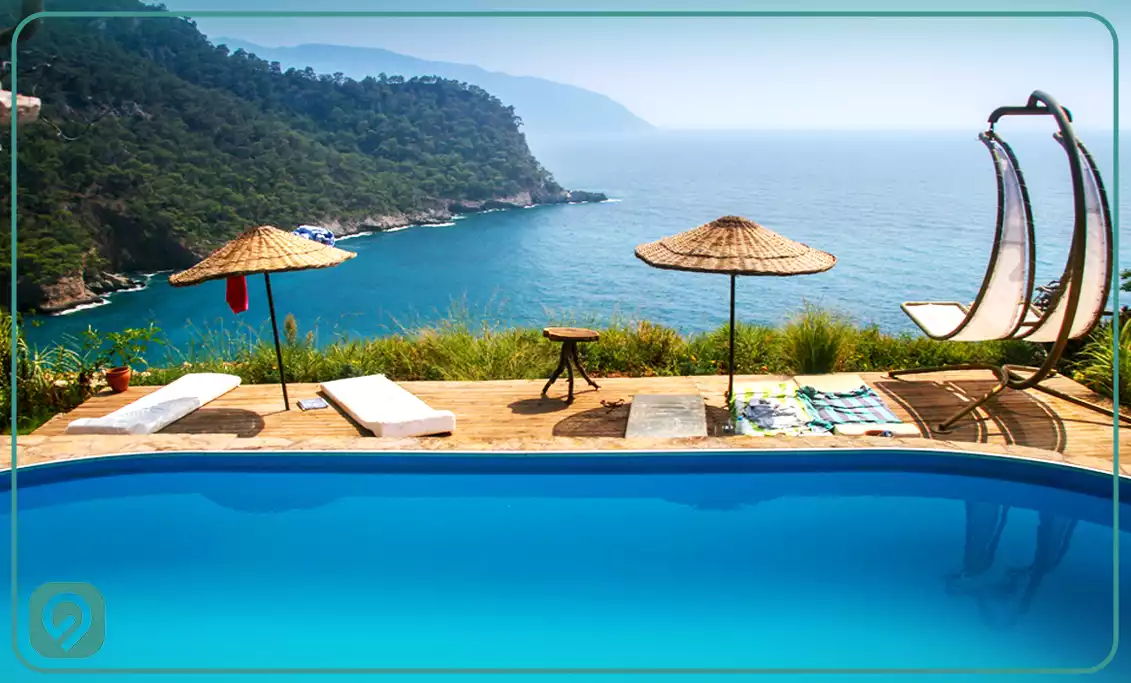
Fethiye sits comfortably along Turkey’s famous Turquoise Coast, a stretch of shoreline that almost feels too beautiful to be real. If you glance at a map, you’ll find it tucked into the southwestern corner of the country, within the Muğla Province. It’s bordered by the shimmering Mediterranean Sea on one side and dramatic mountain ranges on the other, creating a natural contrast that instantly grabs your attention. The nearest airport is Dalaman Airport, roughly 45 minutes away, which makes Fethiye surprisingly accessible for international travelers.
What makes its location even more fascinating is how it serves as a gateway to several iconic destinations. From here, you can easily reach Ölüdeniz, Butterfly Valley, and even embark on boat trips across the Aegean coastline. It’s not just a standalone destination—it’s a hub for exploration. Travelers often underestimate how strategically placed Fethiye is until they arrive and realize they’re surrounded by some of Turkey’s most breathtaking landscapes.
The geography of Fethiye also plays a major role in shaping its atmosphere. The mountains shield the area from harsh winds, while the sea moderates the temperature, resulting in a climate that feels welcoming almost year-round. This balance creates an environment where both relaxation and adventure coexist effortlessly. Whether you're someone who enjoys lounging by the beach or exploring rugged terrain, Fethiye’s location makes it all possible without requiring long travel times.
Why Fethiye Is a Must-Visit Destination
There’s something about Fethiye that quietly pulls you in. Maybe it’s the crystal-clear waters, or perhaps it’s the blend of ancient ruins and modern comforts. Either way, this city doesn’t try too hard to impress—and that’s exactly why it works. Unlike overly commercialized tourist hotspots, Fethiye manages to maintain an authentic charm while still offering everything a traveler might need.
One of the biggest reasons people fall in love with Fethiye is its versatility. You can start your day exploring ancient Lycian tombs carved into cliffs and end it watching the sunset from a beachfront café. Few places offer such a seamless mix of history, nature, and leisure. It’s like stepping into a story where every chapter feels completely different from the last.
Another factor that makes Fethiye stand out is its affordability compared to other Mediterranean destinations. While places like the French Riviera or parts of Italy can quickly drain your wallet, Fethiye provides a similar level of beauty at a fraction of the cost. This means you can enjoy luxury experiences—like boat tours or seaside dining—without constantly checking your budget.
There’s also a sense of calm here that’s hard to describe but easy to feel. Even during peak tourist seasons, Fethiye rarely feels overwhelming. The pace is slower, the people are welcoming, and the overall vibe encourages you to actually enjoy your surroundings instead of rushing through them. If you’ve ever wanted a destination that feels both exciting and relaxing at the same time, Fethiye delivers that balance effortlessly.
The Rich History of Fethiye
Ancient Roots of Telmessos
Long before Fethiye became a modern travel destination, it was known as Telmessos, one of the most important cities of the ancient Lycian civilization. Walking through Fethiye today feels a bit like flipping through the pages of a history book, except the ruins are right in front of you. The city’s origins date back thousands of years, and its historical depth is something you can literally see carved into the landscape.
One of the most iconic remnants of this era is the Lycian rock tombs, especially the famous Tomb of Amyntas. These tombs were carved directly into cliffs, and their intricate designs still leave visitors in awe. Imagine the level of craftsmanship required to create such structures without modern tools—it’s nothing short of extraordinary. These tombs weren’t just burial sites; they were symbols of status and power, reflecting the beliefs and traditions of the Lycian people.
Telmessos was also known for its association with prophecy. According to historical accounts, the city had a reputation for its skilled seers, and people from across the region would seek guidance here. This spiritual aspect adds another layer of intrigue to Fethiye’s history, making it more than just a collection of ruins.
As you explore the area, it becomes clear that history isn’t confined to museums. It’s woven into the everyday environment. Whether you’re walking through the city center or hiking nearby trails, you’ll constantly encounter reminders of Fethiye’s ancient past. This seamless blend of old and new is part of what makes the city so captivating.
Influence of Lycian, Roman, and Ottoman Civilizations
Fethiye’s story doesn’t stop with the Lycians—it evolves through the influence of multiple civilizations, each leaving its mark on the city. After the Lycian period, the region came under Roman rule, which introduced new architectural styles and infrastructure. Roads, amphitheaters, and public buildings began to appear, transforming Telmessos into a more structured urban center.
The Roman influence is still visible today, particularly in the ruins scattered around the region. These remnants offer a glimpse into a time when Fethiye was part of a vast empire, connected to trade routes and cultural exchanges that stretched across continents. It’s fascinating to think about how this relatively small city once played a role in such a large network.
Later, the Byzantine and Ottoman periods brought their own changes. The Ottomans, in particular, shaped much of the cultural identity that defines Fethiye today. From traditional architecture to culinary influences, their impact is still evident in everyday life. You’ll notice it in the design of old houses, the layout of markets, and even in the flavors of local dishes.
What makes Fethiye unique is how these different layers of history coexist rather than compete. Instead of one era overshadowing another, they blend together to create a rich, multidimensional identity. It’s like a tapestry where each thread represents a different period, yet all come together to form a cohesive whole.
For travelers, this means you’re not just visiting a beach destination—you’re stepping into a place where history has been continuously unfolding for centuries. And the best part? You don’t need to be a history expert to appreciate it. The stories are all around you, waiting to be discovered in the most unexpected places.

Where is Fethiye on the Map
The first thing about Fethiye is its location on the map.
Turkey's undiscovered bays, idyllic natural beauties, coasts, entertainment, and leisure centers are increasing the value of the county.
Fethiye’s value has increased due to being a tourism and wellness center.
Discover Fethiye which is in the Mediterranean Region.
Fethiye might be one of the most fascinating counties of Mugla province which has 13 counties in total. Fethiye is neighboring to;
• Antalya
• Denizli
• Burdur
Between Mugla City Center and Fethiye is 130 km.

Top Attractions in Fethiye
Ölüdeniz Beach and Blue Lagoon
If there’s one image that defines Fethiye, it’s the breathtaking view of Ölüdeniz Beach and its famous Blue Lagoon. Picture this: calm, crystal-clear water that shifts between shades of turquoise and deep blue, surrounded by lush green mountains that seem to hug the coastline. It almost feels unreal, like someone turned up the saturation on a photograph. But when you’re actually there, standing barefoot on the soft pebbled beach, you realize it’s even more stunning in person.
What makes Ölüdeniz particularly special is its unique lagoon formation, which keeps the water incredibly calm and warm. Unlike many Mediterranean beaches that can get rough waves, this lagoon is almost always smooth, making it perfect for swimming, paddleboarding, or just floating aimlessly under the sun. It’s the kind of place where time slows down without you even noticing. Families, couples, and solo travelers all seem to find their own rhythm here.
Beyond the beach itself, Ölüdeniz is also globally recognized as one of the best spots for paragliding. Watching colorful parachutes drift down from Babadağ Mountain feels like witnessing a choreographed dance in the sky. And if you’re feeling adventurous, taking that leap yourself offers a bird’s-eye view that’s nothing short of unforgettable. The contrast between the blue waters and green landscapes becomes even more dramatic from above.
There’s also a practical side to Ölüdeniz that travelers appreciate. The area is well-equipped with cafes, restaurants, and facilities, so you don’t have to sacrifice comfort for beauty. You can spend hours here without feeling the need to leave, whether you’re soaking up the sun or enjoying fresh seafood with a sea view. It’s no surprise that Ölüdeniz consistently ranks among the top beaches in the world, attracting visitors year after year.
Butterfly Valley
Tucked away between steep cliffs and only accessible by boat or a challenging hike, Butterfly Valley feels like a hidden world waiting to be discovered. The moment you arrive, there’s a sense of stepping into something untouched and raw. The valley gets its name from the thousands of butterflies—particularly the Jersey Tiger species—that inhabit the area, especially during the warmer months.
What makes Butterfly Valley so captivating isn’t just the butterflies themselves, but the entire ecosystem that surrounds them. Towering cliffs rise dramatically on either side, creating a natural enclosure that feels both protective and awe-inspiring. A small stream runs through the valley, leading to a modest waterfall that adds a gentle, calming soundtrack to the experience.
Unlike more developed tourist spots, Butterfly Valley maintains a minimalist, eco-friendly atmosphere. There are no luxury resorts or flashy amenities here—just simple accommodations like tents and wooden bungalows. This simplicity is actually part of its charm. It encourages you to disconnect from the usual distractions and reconnect with nature in a more meaningful way.
Spending a day—or even a night—here feels like hitting a reset button. You can swim in the clear waters, hike through the valley, or simply lie back and watch butterflies flutter around you. It’s the kind of place that doesn’t demand anything from you, yet leaves a lasting impression. For many travelers, Butterfly Valley becomes one of the most memorable parts of their Fethiye experience.
Saklikent Gorge
If you’re craving something a bit more adventurous, Saklikent Gorge offers a completely different side of Fethiye. Located about 50 kilometers from the city, this natural wonder is one of the longest and deepest gorges in Turkey, stretching over 18 kilometers. Walking into the gorge feels like entering a natural cathedral, with towering rock walls rising hundreds of meters above you.
The experience here is interactive and, at times, a little challenging—in the best way possible. You’ll often find yourself wading through cool, rushing water as you navigate deeper into the canyon. The temperature inside the gorge is noticeably cooler than outside, making it a refreshing escape during hot summer days. It’s almost like nature’s version of air conditioning.
There’s also a sense of unpredictability that adds to the excitement. The terrain changes as you move along, with sections that require careful footing and others that open up into wider, calmer areas. It’s not just a walk; it’s an adventure that keeps you engaged from start to finish.
For those who prefer a more relaxed visit, there are wooden platforms and riverside cafes at the entrance where you can sit, enjoy a meal, and take in the scenery without venturing too far inside. But if you’re up for it, exploring deeper into the gorge rewards you with views and experiences that feel completely removed from everyday life.
Fethiye’s Stunning Natural Beauty
Turquoise Coastline
The phrase “Turquoise Coast” isn’t just a catchy nickname—it’s an accurate description of what you’ll see when you arrive in Fethiye. The coastline here is a masterpiece of nature, where the sea displays an almost surreal spectrum of blues and greens. It’s the kind of color you’d expect to see in edited travel photos, yet here it exists naturally, shimmering under the Mediterranean sun.
One of the best ways to experience this coastline is by taking a boat tour, often referred to as the “12 Islands Tour.” These trips allow you to explore hidden coves, secluded beaches, and small islands that are otherwise inaccessible by land. Each stop feels like a new discovery, with its own unique charm and character.
The clarity of the water is another standout feature. In many areas, you can see straight to the seabed, even at significant depths. This makes swimming and snorkeling particularly enjoyable, as you’re not just floating—you’re observing an entire underwater world. Schools of fish, rocky formations, and patches of sea grass create a dynamic environment that’s constantly changing.
What’s truly special about Fethiye’s coastline is its diversity. You’ll find everything from lively beaches with plenty of amenities to quiet, hidden spots where you might be the only person around. This variety means you can tailor your experience depending on your mood—whether you’re looking for energy and activity or peace and solitude.
Mountains and Forest Landscapes
While the coastline often steals the spotlight, Fethiye’s mountains and forests are equally deserving of attention. The region is surrounded by the Taurus Mountains, which provide a dramatic backdrop and countless opportunities for exploration. These mountains aren’t just scenic—they’re alive with trails, wildlife, and panoramic viewpoints that make every hike feel rewarding.
Walking through these landscapes, you’ll notice how the environment shifts from dense pine forests to खुला rocky terrain, offering a variety of textures and colors. The famous Lycian Way, one of the world’s top long-distance hiking trails, passes through this region. Even if you don’t plan to hike the entire route, exploring a section of it gives you a taste of its beauty and historical significance.
The forests themselves are rich with the scent of pine and wild herbs, creating an atmosphere that feels both fresh and grounding. It’s the kind of place where you instinctively take deeper breaths, as if your body recognizes the purity of the air. Along the way, you might come across small villages, ancient ruins, or viewpoints that offer sweeping vistas of the coastline below.
What makes these landscapes particularly special is how they complement the sea. You’re never too far from either, and the transition between the two is seamless. One moment you’re hiking through a forest trail, and the next you’re looking out over the endless blue horizon. It’s this balance that gives Fethiye its unique character—a place where land and sea exist in perfect harmony.
Adventure Activities in Fethiye
Paragliding from Babadağ Mountain
If there’s one experience that defines adventure in Fethiye, it’s paragliding from Babadağ Mountain. Rising over 1,900 meters above sea level, this mountain provides one of the highest commercial take-off points in the world. And the view? It’s nothing short of spectacular.
The moment you step off the edge—securely harnessed with an experienced pilot—you’re greeted by a rush of adrenaline followed by an unexpected sense of calm. As you glide through the air, the entire region unfolds beneath you: the Blue Lagoon, the coastline, and the surrounding mountains all come together in a panoramic display that feels almost cinematic.
What makes this experience accessible is that you don’t need any prior experience. Tandem flights are designed for beginners, allowing you to enjoy the thrill without worrying about the technical aspects. The pilots handle everything, so all you have to do is take in the view and maybe snap a few photos along the way.
Paragliding in Fethiye isn’t just about the adrenaline—it’s about perspective. Seeing the landscape from above gives you a deeper appreciation for its beauty and scale. It’s one of those experiences that stays with you long after you’ve landed, not just because of the thrill, but because of the unique way it allows you to connect with the environment.
Scuba Diving and Snorkeling
Beneath the surface of Fethiye’s waters lies a world that’s just as captivating as what you see above. Scuba diving and snorkeling here offer a chance to explore vibrant marine life, underwater caves, and even historical relics like shipwrecks.
The water conditions are generally calm and clear, making it suitable for both beginners and experienced divers. There are numerous diving schools in the area that offer guided experiences, ensuring safety while also providing insights into the local marine ecosystem.
One of the highlights of diving in Fethiye is the variety of sites available. From shallow reefs teeming with colorful fish to deeper locations with more complex structures, there’s something for every level of diver. Snorkelers can also enjoy plenty of action near the surface, especially in secluded bays where marine life tends to gather.
What makes these activities particularly rewarding is the sense of discovery. Every dive or snorkeling session feels slightly different, as if the sea is constantly revealing new secrets. It’s a reminder that Fethiye’s beauty isn’t limited to what’s visible—it extends into hidden depths waiting to be explored.

Cultural Experiences in Fethiye
Traditional Markets and Bazaars
If you really want to feel the heartbeat of Fethiye, skip the polished shopping malls and head straight to its traditional markets and bazaars. These places aren’t just about buying things—they’re about experiencing a way of life that’s been passed down through generations. The most famous one is the Fethiye Tuesday Market (Pazar), a sprawling, colorful maze where locals and visitors blend into a lively, almost theatrical scene.
Walking through the market feels like stepping into a sensory overload—in the best possible way. The air carries the scent of fresh herbs, spices, and ripe fruits, while vendors call out friendly invitations to sample their goods. You’ll find everything here: handcrafted textiles, leather goods, ceramics, jewelry, and piles of vibrant produce that look almost too perfect to eat. It’s not uncommon to see locals carefully selecting ingredients for their daily meals, which gives you a glimpse into everyday Turkish life.
One of the most enjoyable aspects of these markets is the art of bargaining. It’s not aggressive or uncomfortable; instead, it feels like a friendly exchange where both sides aim to walk away happy. Even if you’re not planning to buy much, engaging in this back-and-forth adds a layer of authenticity to your experience.
Beyond shopping, these bazaars serve as social hubs. People come here not just to purchase goods but to connect, chat, and share stories. You’ll notice how conversations flow easily, even between strangers. It’s this sense of community that makes the markets feel so alive. Spending a few hours wandering through them gives you a deeper understanding of Fethiye—not as a tourist destination, but as a living, breathing place shaped by its people.
Turkish Cuisine and Local Dishes
Food in Fethiye isn’t just something you eat—it’s something you experience. The local cuisine reflects a blend of Mediterranean freshness and rich Turkish culinary traditions, resulting in dishes that are both flavorful and comforting. Whether you’re dining at a seaside restaurant or a small family-run eatery, the emphasis is always on fresh, high-quality ingredients.
Seafood naturally takes center stage here. Grilled fish, calamari, and shrimp are often served simply, allowing their natural flavors to shine. Pair that with a drizzle of olive oil, a squeeze of lemon, and a side of fresh salad, and you’ve got a meal that feels both light and satisfying. But Fethiye’s food scene goes far beyond seafood.
You’ll also encounter classic Turkish dishes like kebabs, mezes, and gözleme—a type of savory flatbread filled with ingredients like cheese, spinach, or minced meat. Mezes, in particular, deserve special mention. These small dishes—ranging from hummus and stuffed grape leaves to yogurt-based dips—are designed for sharing, turning every meal into a communal experience.
What makes dining in Fethiye truly memorable is the atmosphere. Meals are rarely rushed. Instead, they unfold slowly, often accompanied by conversation, laughter, and maybe a glass of Turkish tea or raki. It’s less about eating quickly and more about savoring the moment.
There’s also a growing appreciation for organic and locally sourced food in the region. Many restaurants take pride in using ingredients from nearby farms, which adds an extra layer of authenticity to the dishes. When you eat in Fethiye, you’re not just tasting food—you’re tasting the land, the culture, and the traditions that define this beautiful corner of Turkey.
Accommodation Options in Fethiye
Luxury Resorts
Fethiye knows how to do luxury without feeling over-the-top. The luxury resorts here are designed to blend seamlessly with their surroundings, offering comfort and elegance while still keeping that relaxed Mediterranean vibe. Many of these resorts are located near Ölüdeniz or along the coastline, providing stunning sea views that make waking up in the morning feel like a dream.
What sets these resorts apart is their attention to detail. Infinity pools overlooking the sea, private beach access, spa facilities, and fine dining restaurants are just the beginning. Some even offer personalized services like private boat tours or in-room dining experiences that turn a simple stay into something unforgettable.
Despite the high-end amenities, there’s a sense of warmth and hospitality that keeps things from feeling too formal. Staff members are often incredibly attentive, yet approachable, creating an environment where you feel both pampered and at ease. It’s luxury, but without the stiffness.
Another appealing aspect is the value for money. Compared to other Mediterranean destinations, Fethiye offers a similar level of luxury at more accessible prices. This makes it possible to enjoy a high-end experience without stretching your budget too far.
Staying in a luxury resort here isn’t just about comfort—it’s about enhancing your overall experience. After a day of exploring beaches, hiking trails, or historical sites, returning to a space that feels tranquil and indulgent adds a whole new dimension to your trip.
Budget-Friendly Stays
Not every traveler is looking for luxury, and the good news is that Fethiye caters just as well to those on a budget. From cozy guesthouses to backpacker hostels and affordable boutique hotels, there are plenty of options that provide comfort without breaking the bank.
What’s surprising is how much value you get even at lower price points. Many budget accommodations are clean, well-maintained, and located in convenient areas close to the city center or the beach. Some even include breakfast, giving you a great start to your day without additional cost.
Guesthouses, in particular, offer a more personal and intimate experience. Often run by local families, these places provide a level of hospitality that feels genuine and heartfelt. You might find yourself chatting with the owner over breakfast or getting insider tips on the best places to visit—something you wouldn’t typically experience in larger hotels.
Hostels are another great option, especially for solo travelers. They’re not just places to sleep; they’re social spaces where you can meet people from around the world. Shared kitchens, common areas, and organized activities create a sense of community that can make your trip even more enjoyable.
Choosing budget-friendly accommodation in Fethiye doesn’t mean compromising on your experience. In many ways, it can make your trip feel more authentic, allowing you to connect more closely with the local culture and people.
Best Time to Visit Fethiye
Seasonal Weather Guide
Timing your trip to Fethiye can make a big difference in your overall experience. The region enjoys a Mediterranean climate, which means hot, dry summers and mild, wetter winters. Each season brings its own unique charm, so the “best” time really depends on what kind of trip you’re looking for.
Summer (June to August) is the most popular time to visit, and it’s easy to see why. Temperatures often range between 30°C to 35°C (86°F to 95°F), making it perfect for beach days and water activities. The sea is warm, the skies are clear, and the energy is vibrant. However, this is also peak tourist season, so expect larger crowds and higher prices.
Spring (April to May) and autumn (September to October) are often considered the sweet spots. The weather is still warm enough for swimming, but not overwhelmingly hot. These seasons are ideal for outdoor activities like hiking and exploring historical sites. Plus, the crowds are thinner, allowing for a more relaxed experience.
Winter (November to March) offers a completely different perspective. While it’s too cool for swimming, the temperatures are still relatively mild compared to many other destinations. This is a great time for those who prefer a quieter वातावरण and want to explore Fethiye without the hustle and bustle of peak season.
Understanding these seasonal variations helps you plan a trip that aligns with your preferences, whether you’re chasing sunshine or seeking tranquility.
Festivals and Events
Fethiye isn’t just about natural beauty—it also has a lively calendar of festivals and events that add an extra layer of excitement to your visit. These events offer a chance to experience local culture in a more dynamic and engaging way.
One of the most notable events is the Fethiye International Culture and Arts Festival, usually held during the summer months. This festival brings together music, dance, and art from different cultures, creating a vibrant atmosphere that fills the streets with energy.
There are also smaller, more traditional celebrations that give you a glimpse into local customs. From food festivals to regional fairs, these events often revolve around community and shared experiences. They’re less about spectacle and more about connection, which makes them particularly special.
For adventure enthusiasts, events like paragliding festivals attract participants and spectators from around the world. Watching skilled pilots perform aerial maneuvers against the backdrop of the Blue Lagoon is an experience in itself.
Attending a festival in Fethiye can transform your trip from a simple vacation into something more immersive. It’s an opportunity to see the city not just as a destination, but as a place where culture is actively celebrated and shared.

Travel Tips for Visiting Fethiye
Transportation and Getting Around
Getting to and around Fethiye is relatively straightforward, which is one of the reasons it’s such a popular destination. The nearest airport, Dalaman Airport, is about 45 kilometers away, and from there you can take a shuttle, taxi, or private transfer to reach the city.
Once you’re in Fethiye, you’ll find several transportation options. Dolmuş (shared minibuses) are a common and affordable way to get around. They run frequently between major areas like the city center, Ölüdeniz, and nearby towns. It’s a simple system—just hop on, pay the fare, and enjoy the ride.
Taxis are also readily available, offering a more convenient but slightly pricier option. For those who prefer flexibility, renting a car allows you to explore the region at your own pace, especially if you plan to visit more remote locations.
Walking is another great way to experience Fethiye, particularly in the town center and along the beach. Many attractions, restaurants, and shops are within easy reach, making it possible to explore without relying heavily on transportation.
Safety and Local Etiquette
Fethiye is generally considered a safe destination for travelers, with a welcoming atmosphere that makes visitors feel comfortable. Like any travel destination, it’s important to stay aware of your surroundings and take basic precautions, but serious issues are relatively rare.
Understanding local etiquette can enhance your experience and help you connect more positively with residents. Simple gestures like greeting people with a smile or learning a few basic Turkish phrases can go a long way. Respect for local customs, especially in more traditional areas, is always appreciated.
When visiting mosques or religious sites, dressing modestly is recommended. This doesn’t mean you need to completely change your style—just be mindful of covering shoulders and knees when appropriate.
Tipping is customary in restaurants and for services, usually around 5–10%, depending on the level of service. It’s a small gesture that’s always appreciated.
Traveling to Fethiye isn’t just about seeing new places—it’s about engaging with a different culture. Approaching it with curiosity and respect ensures a more enriching and enjoyable experience.
Distances between Fethiye and other Turkish cities
| City | Distance (Km) |
|---|---|
| Fethiye To Istanbul | 788 |
| Fethiye To Ankara | 615 |
| Fethiye To Izmir | 415 |
| Fethiye To Bursa | 600 |
Please note that these numbers are approximate distance estimates and may change depending on the available roads and road networks.
Conclusion
Fethiye isn’t the kind of place you visit once and forget. It has a way of staying with you—through its landscapes, its history, and the small, unexpected moments that make your trip feel personal. Whether you’re drawn by the turquoise waters, the ancient ruins, or the promise of adventure, you’ll find that Fethiye offers far more than you initially expected.
It’s a destination that adapts to you. Want relaxation? You’ll find quiet beaches and serene nature. Looking for excitement? There’s paragliding, diving, and endless exploration waiting for you. And somewhere in between, there’s a rhythm of life that invites you to slow down and actually enjoy where you are.
The best time to visit Fethiye is from April to June and from September to October. During these months, the weather is perfect for outdoor activities and hiking, away from the intense summer heat and August crowds.
The nearest airport is Dalaman Airport (DLM), about 45 minutes away by car. There are direct flights from many European cities and frequent domestic flights from Istanbul and Ankara year-round.
Fethiye offers a wide range of options for all budgets. You can enjoy luxury resorts or choose very affordable guesthouses. Overall, the cost of living and food is much lower than in European Mediterranean destinations.
- Paragliding from Babadağ Mountain over Ölüdeniz
- 12 Islands boat tour
- Visiting Butterfly Valley
- Hiking the Lycian Way
Not necessarily. The Dolmuş (shared minibuses) system is excellent and affordable. However, renting a car is useful for exploring remote areas like Saklıkent and mountain villages.


Have Question Or Suggestion ?
Please Share Your Thought, To Make It Real