The Metro Effect: How Early Topkapı Real Estate Investors Achieved 40% Capital Growth
Discover how early investors in Topkapı real estate achieved nearly 40% capital appreciation in just 24 months through metro expansion, urban renewal, and smart project selection.
The Metro Effect: How Early Investors in Topkapı Captured 40% Capital Growth in 24 Months
Meta Title: The Metro Effect: 40% Capital Growth in Topkapı Real Estate (Case Study)
Meta Description: Discover how an early Topkapı real estate investment achieved approximately 40% capital appreciation in just 24 months. Learn how Istanbul's transport infrastructure, urban regeneration, and project selection created outstanding returns—and how investors can identify similar opportunities today.
The Metro Effect: How Early Investors in Topkapı Captured 40% Capital Growth in 24 Months
Executive Summary
For many investors, finding strong capital appreciation in central Istanbul has become increasingly challenging. Established districts often provide stability, but explosive price growth typically occurs where infrastructure upgrades and urban transformation intersect. This case study explores a representative investment scenario illustrating how one early purchase in Topkapı benefited from those market dynamics over a 24-month period.
Illustrative Investment Snapshot
| Metric | Value |
|---|---|
| Purchase Period | Early Development Phase |
| Holding Period | 24 Months |
| Entry Price | Approx. ₺65,000/m² |
| Current Estimated Value | Approx. ₺91,000/m² |
| Capital Appreciation | ~40% |
| Investment Strategy | Buy Before Infrastructure Completion |
| Main Growth Drivers | Metro connectivity, urban regeneration, limited new supply |
Highlights
- Approximately 40% capital growth over two years.
- Investment located close to expanding Istanbul transport infrastructure.
- Urban regeneration significantly improved neighborhood appeal.
- Demand increased from both domestic buyers and international investors.
- Strong developer reputation reduced execution risk.
- Demonstrates how infrastructure can influence Topkapı property prices.
The Challenge: Finding Growth in a Saturated Market
For investors seeking meaningful returns, Istanbul presents a fascinating paradox. The city remains one of Europe's largest and fastest-growing metropolitan economies, attracting businesses, students, expatriates, and millions of tourists every year. Yet many of its most prestigious neighborhoods have matured to the point where dramatic price increases have become increasingly difficult to achieve. Districts such as Beşiktaş, Nişantaşı, and parts of Kadıköy continue to command premium prices, but those valuations often leave less room for rapid appreciation.
This creates a common dilemma. Investors looking for aggressive capital growth frequently face a choice between buying in expensive central districts with lower upside or moving to distant suburban locations where future demand is less certain. While peripheral developments may offer lower entry prices, they often require a much longer investment horizon before infrastructure, employment centers, and social amenities fully mature.
Topkapı presented an attractive middle ground. Positioned between Istanbul's historic core and rapidly expanding business districts, the area already possessed several characteristics that reduce investment risk. It benefited from established road networks, proximity to universities, healthcare facilities, shopping centers, and commercial activity. Unlike entirely new satellite communities, Topkapı already had an active residential base and strong daily demand.
What many investors underestimated was the impact that coordinated public investment would have on the district. As transportation upgrades progressed and urban regeneration accelerated, perceptions of Topkapı shifted. Instead of being viewed merely as a transit corridor, it increasingly became recognized as a modern mixed-use residential destination. This change in market sentiment often precedes significant increases in property values, rewarding investors who entered before the transformation became fully reflected in pricing.
From an investment perspective, this illustrates a recurring principle in real estate: substantial appreciation frequently occurs not after infrastructure is completed, but during the period when improvements become increasingly visible and buyer confidence grows. Investors who identified this window in Topkapı were positioned to benefit from both improving fundamentals and expanding market demand.
The Catalyst: Urban Regeneration and Transport Links
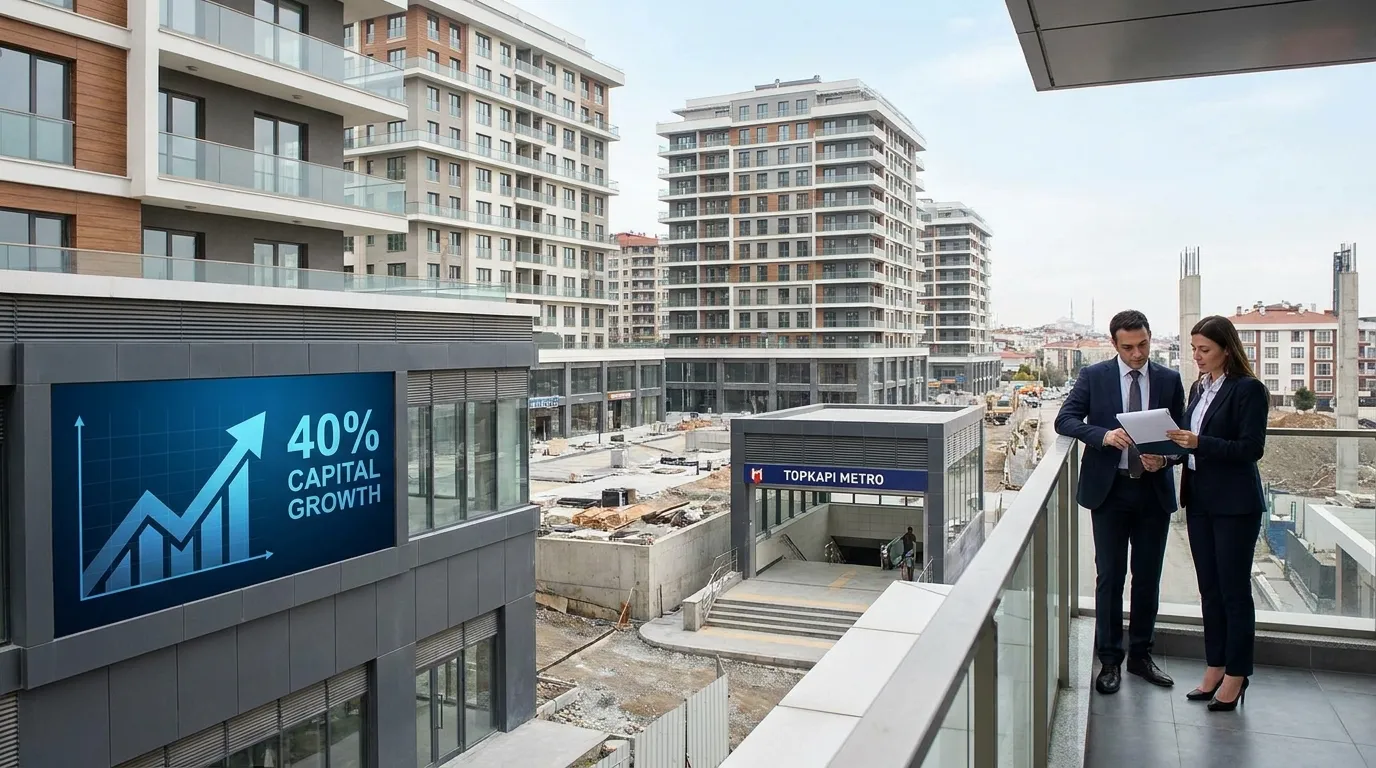
Property markets rarely experience sustained appreciation without a compelling catalyst. In the case of Topkapı real estate investment, that catalyst was the combination of extensive Istanbul transport infrastructure improvements and an ambitious urban regeneration program that fundamentally changed how residents, businesses, and investors viewed the district. While location has always been one of the defining principles of real estate, accessibility often determines whether a neighborhood merely remains stable or becomes one of a city's fastest-growing investment destinations. Topkapı benefited from both. As Istanbul expanded its metro network and strengthened links between residential districts and commercial centers, commuting became significantly easier. Reduced travel times translated into greater demand from professionals who wanted central access without paying premium prices associated with older luxury neighborhoods. Improved public transportation also encouraged commercial development, with new retail spaces, offices, healthcare facilities, and lifestyle amenities following increased foot traffic. These investments created a positive cycle in which improved infrastructure attracted residents, rising populations encouraged private-sector investment, and stronger demand pushed Topkapı property prices steadily upward.
Urban regeneration reinforced this momentum. Older industrial and underutilized plots gradually gave way to modern residential developments offering contemporary architecture, energy-efficient construction, landscaped communal spaces, and lifestyle-focused amenities that appealed to both homeowners and investors. This transformation elevated the area's overall image, making it increasingly competitive with more established districts while still offering relatively attractive entry prices. Buyers were no longer purchasing solely based on today's neighborhood—they were investing in what the district was becoming over the following decade. For investors focused on capital appreciation in Istanbul, this distinction is critical. Market value often rises as expectations improve, even before every infrastructure project reaches completion. Topkapı demonstrated how government investment, transportation planning, and private-sector redevelopment can combine to generate sustained capital growth, creating an environment where early entrants are positioned to benefit from increasing demand long before a neighborhood reaches full maturity.
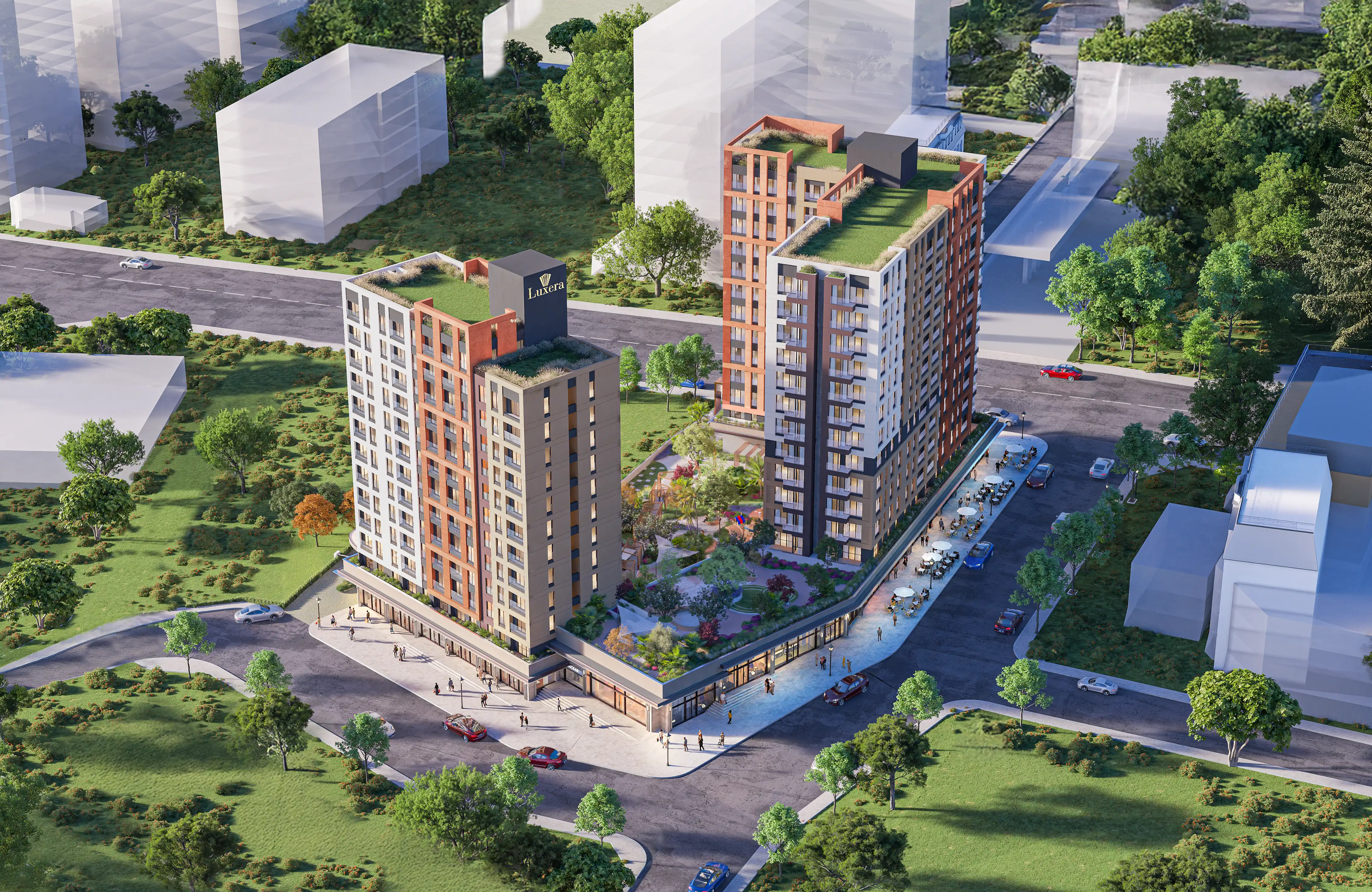
The Asset: Why Luxera Topkapı Was the Perfect Investment Vehicle
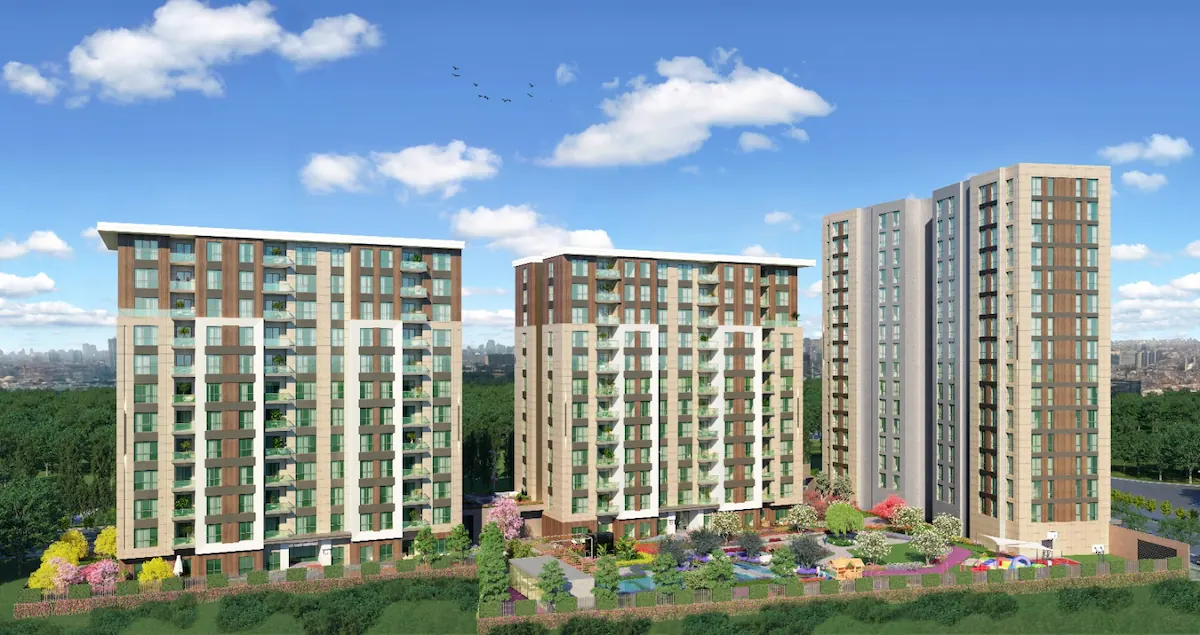
Selecting the right neighborhood is only one part of a successful investment strategy. Choosing the right development within that neighborhood can significantly influence long-term returns. In this representative case study, Luxera Topkapı serves as an example of the type of project that aligned closely with the market conditions supporting strong capital appreciation. One of the primary advantages was developer credibility. Experienced developers typically maintain higher construction standards, deliver projects on schedule, and inspire greater buyer confidence, all of which contribute to stronger resale performance. For investors, developer reputation reduces execution risk while increasing the likelihood that completed units will remain competitive within the surrounding market. In a rapidly evolving district like Topkapı, quality developments are often among the first to experience increased buyer demand as infrastructure projects near completion.
Location further strengthened the investment thesis. The project's proximity to metro connections, major highways, educational institutions, hospitals, and commercial centers enhanced its attractiveness across multiple buyer segments, including young professionals, families, and international purchasers seeking convenient urban living. Rather than relying on a single demand source, the development benefited from broad market appeal, helping support both occupancy levels and future resale value. Equally important was the pricing environment at launch. Purchasing during the early phases of development allowed investors to secure units before much of the infrastructure-driven appreciation had been reflected in market prices. As construction progressed and neighborhood improvements became increasingly visible, valuations rose alongside buyer confidence. This combination of strategic timing, high-quality development, and favorable location illustrates why projects similar to Luxera Topkapı have become widely discussed when evaluating Luxera Topkapı ROI and long-term capital growth opportunities within Istanbul's evolving residential market.
The Financial Breakdown
Every successful real estate investment story becomes far more valuable when the numbers are examined transparently. While market sentiment, infrastructure improvements, and neighborhood transformation all contribute to appreciation, investors ultimately evaluate an opportunity by its financial performance. The following case study presents an illustrative example based on representative market conditions to demonstrate how an early Topkapı real estate investment could achieve approximately 40% capital appreciation over a two-year holding period. Actual returns will vary depending on purchase timing, unit type, financing structure, market conditions, and resale negotiations, but the example highlights the financial mechanics behind infrastructure-led growth.
Investment Performance Comparison
| Item | At Purchase | After 24 Months |
|---|---|---|
| Apartment Size | 100 m² | 100 m² |
| Price per m² | ₺65,000 | ₺91,000 |
| Property Value | ₺6,500,000 | ₺9,100,000 |
| Gross Capital Gain | — | ₺2,600,000 |
| Capital Appreciation | — | 40% |
Beyond the purchase price, investors should also account for transaction costs that influence the overall return on investment. These expenses are often overlooked during initial planning, yet they form an important part of a realistic financial analysis.
Estimated Acquisition Costs
| Expense | Estimated Amount |
| Purchase Price | ₺6,500,000 |
| Title Deed Transfer Tax* | Approximately 4% of declared value (subject to current regulations) |
| Legal & Due Diligence Fees | Varies |
| Property Valuation Report | Varies |
| Notary & Administrative Costs | Minor additional expense |
| Annual Property Tax | Depends on municipality and property value |
*Tax regulations may change. Investors should verify current requirements with qualified legal and tax professionals before completing any transaction.
Even after incorporating acquisition expenses, the investment demonstrates how capital appreciation can significantly outweigh upfront costs when the underlying market fundamentals remain strong. In this example, a gross increase of approximately ₺2.6 million over twenty-four months substantially exceeds the one-time transaction expenses associated with purchasing the property. While closing costs modestly reduce net returns, they rarely diminish the attractiveness of investments driven by sustained infrastructure-led demand.
Another important consideration is taxation upon resale. Turkish tax treatment depends on several factors, including ownership period, the investor's residency status, applicable exemptions, and prevailing legislation at the time of sale. Professional tax advice is therefore essential before calculating expected net proceeds. International buyers should also evaluate any tax obligations that may arise in their country of residence to understand the complete financial picture.
From a broader investment perspective, the most significant driver of returns was not leverage or speculative pricing—it was the market's reassessment of Topkapı as a highly connected, modern residential district. As metro accessibility improved, urban regeneration advanced, and high-quality residential projects reached completion, buyer demand expanded across multiple segments. This diversification of demand helped support stronger pricing, improved resale liquidity, and greater confidence among both domestic and international purchasers.
The financial lesson extends beyond Topkapı itself. Investors who identify neighborhoods where public infrastructure investment precedes widespread market recognition often position themselves ahead of the appreciation curve. Rather than attempting to predict short-term market movements, this strategy focuses on recognizing long-term structural improvements that can create sustainable value. When combined with careful project selection, thorough due diligence, and realistic financial planning, infrastructure-led investing has historically offered one of the more reliable pathways to long-term capital appreciation in Istanbul.
How to Replicate This Strategy Today
The success of this representative Topkapı real estate investment was not the result of luck. It reflected a disciplined investment approach centered on identifying long-term market fundamentals before they became widely recognized. While no two property cycles are identical, the principles that contributed to Topkapı's growth remain relevant for investors evaluating Istanbul's evolving residential market today.
The first principle is to look beyond current property values and examine the public investment pipeline. Infrastructure projects such as new metro lines, interchange stations, road expansions, healthcare campuses, and education facilities often influence property demand years before they are fully completed. Investors who monitor municipal development plans, transportation announcements, and urban regeneration initiatives may identify neighborhoods that are positioned for future appreciation. Historically, areas experiencing simultaneous improvements in connectivity, employment opportunities, and residential amenities have demonstrated stronger long-term performance than locations driven solely by speculative demand.
The second principle is to prioritize quality developments over simply choosing the lowest entry price. Projects delivered by experienced developers generally benefit from stronger construction quality, better property management, and greater buyer confidence in the resale market. These characteristics can contribute to higher occupancy rates, stronger liquidity, and more resilient pricing during changing market conditions. A well-located project near transport hubs and daily amenities may continue attracting demand even if broader market activity temporarily slows.
Another important consideration is demographic change. Investors should evaluate whether a neighborhood is attracting professionals, families, students, or international buyers, as diverse demand sources often create greater market stability. Districts supported by employment centers, universities, healthcare institutions, and commercial activity generally enjoy more consistent housing demand than areas dependent on a single economic driver.
For investors seeking opportunities with characteristics similar to those that supported Topkapı's growth, Ebruli Başakşehir represents one example of an emerging location worth evaluating. The district benefits from ongoing infrastructure investment, proximity to major transportation corridors, modern master-planned developments, and increasing interest from both domestic and overseas purchasers. While future appreciation cannot be guaranteed, these structural factors resemble many of the conditions that previously attracted early investment into Topkapı.
Before making any investment decision, prospective buyers should conduct independent due diligence, review developer credentials, understand financing options, assess expected holding periods, and consult qualified legal and tax advisers. Real estate remains a long-term asset class, and informed decision-making is one of the strongest contributors to successful investment outcomes.
Ready to Explore Istanbul's Next Growth Opportunity?
If your investment objective is long-term capital appreciation supported by infrastructure development and urban transformation, consider reviewing current inventory in emerging districts such as Ebruli Başakşehir. Comparing project specifications, developer track records, transport accessibility, and pricing across multiple developments can help identify opportunities that align with your investment strategy and risk tolerance.
Conclusion
This case study illustrates how infrastructure investment, urban regeneration, and disciplined project selection can work together to create meaningful capital appreciation. Rather than chasing already-established premium locations, the featured investment focused on a district undergoing measurable structural improvement. As transportation networks expanded and modern residential developments reshaped the neighborhood, buyer demand increased and property values responded accordingly.
Although every market cycle is unique, the broader investment lesson extends well beyond Topkapı itself. Investors who evaluate long-term economic fundamentals, transportation planning, developer quality, and neighborhood transformation often place themselves in a stronger position than those relying solely on short-term market sentiment. Successful real estate investing is rarely about predicting the future with certainty; it is about recognizing sustainable trends before they become fully reflected in market prices.
Whether evaluating Topkapı, Başakşehir, or another emerging district within Istanbul, combining careful research with realistic financial planning remains the foundation of informed property investment.
Frequently Asked Questions
Is Topkapı a good area for property investment?
Topkapı has attracted increasing investor interest due to its strategic central location, improving transport connectivity, ongoing urban regeneration, and proximity to business districts, healthcare facilities, and educational institutions. While future performance cannot be guaranteed, these factors have contributed to growing demand and rising property values in recent years. Investors should evaluate individual projects, developer reputation, and market conditions before making a purchase.
How does infrastructure affect property prices in Istanbul?
Infrastructure improvements often enhance accessibility, reduce commuting times, and increase the attractiveness of surrounding neighborhoods. New metro lines, highways, hospitals, universities, and commercial developments can stimulate residential demand, encouraging both owner-occupiers and investors to enter the market. As demand grows relative to available supply, property values may appreciate, although outcomes depend on broader economic conditions and local market dynamics.
What makes urban regeneration important for investors?
Urban regeneration replaces aging or underutilized buildings with modern residential and mixed-use developments, improving both the physical environment and the area's long-term appeal. These improvements can attract new residents, businesses, and retail activity, strengthening overall market demand. Investors often monitor regeneration initiatives because they can influence future property values and neighborhood desirability.
Is buying during the pre-construction phase a good strategy?
Purchasing during the early stages of a reputable development may provide access to lower entry prices before project completion. If the project is delivered successfully and local market conditions remain favorable, investors may benefit from appreciation during the construction period. However, buyers should carefully assess developer experience, contractual terms, financing arrangements, and market risks before committing.
What factors should international investors consider before buying property in Istanbul?
International buyers should review legal ownership procedures, financing availability, applicable taxes, currency considerations, property management options, and potential residency regulations where applicable. Working with qualified legal, financial, and tax professionals can help ensure compliance with current regulations and support informed investment decisions.
.jpeg)
Have Question Or Suggestion ?
Please Share Your Thought, To Make It Real