Topkapi Palace: Exploring the Heart of the Ottoman Empire
Discover the rich history, stunning architecture, and cultural significance of Topkapi Palace, Istanbul’s iconic royal residence turned museum.
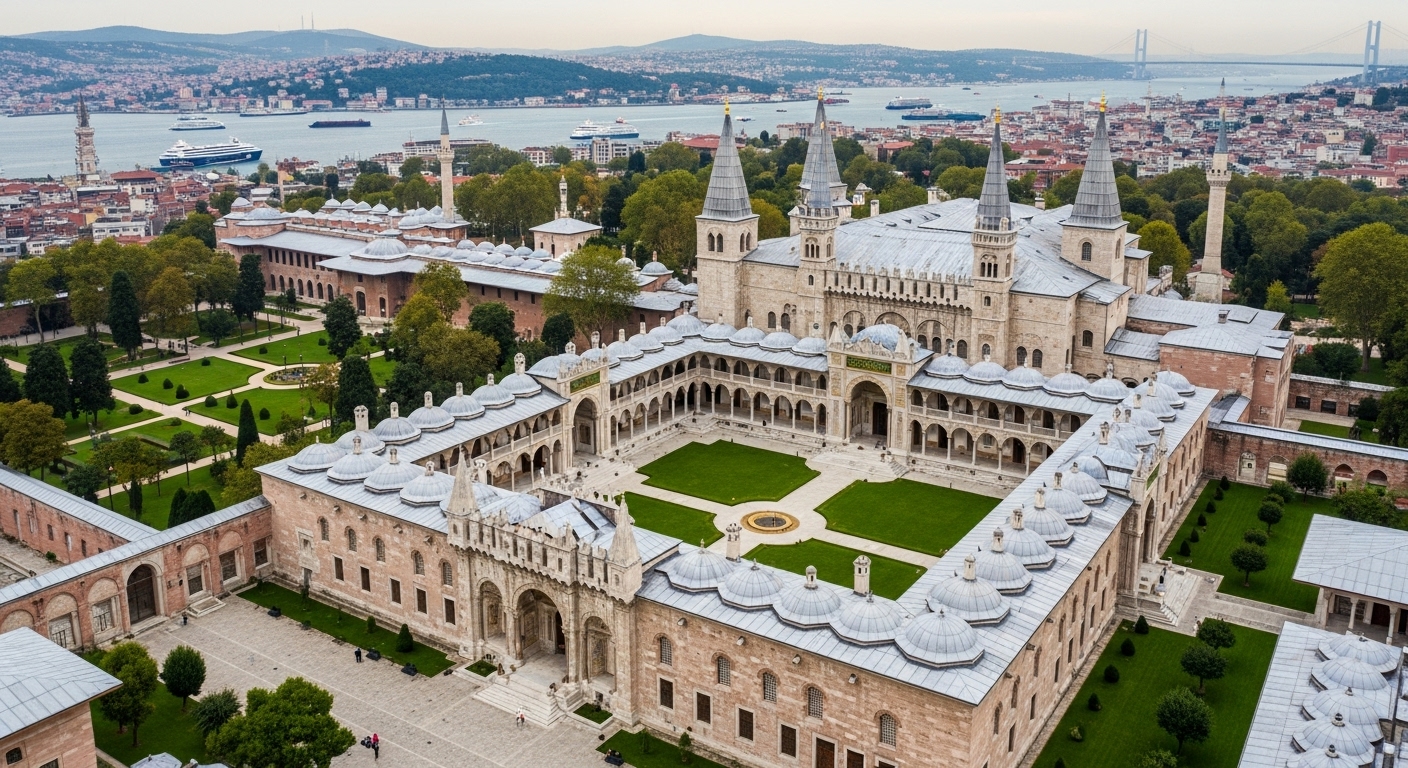
Introduction to Topkapi Palace
Historical Importance
Perched majestically at the tip of Istanbul’s historic peninsula, Topkapi Palace isn’t just a building — it’s a living testament to the grandeur, intrigue, and opulence of the Ottoman Empire. For nearly 400 years, this sprawling complex served as the beating heart of an empire that stretched across three continents. It was here that sultans plotted conquests, poets composed verses, and courtiers whispered secrets behind marble walls. Today, it stands as one of Turkey’s most treasured cultural sites, drawing millions of visitors eager to step back in time and experience the power and mystique that once shaped an entire region.
The palace’s location is as symbolic as its purpose — overlooking the meeting point of the Bosphorus, the Golden Horn, and the Sea of Marmara, it was strategically placed to watch over both Asia and Europe. Beyond its political role, it housed priceless artifacts, sacred relics, and royal treasures that narrate centuries of conquests, alliances, and dynastic tales. Whether you’re a history buff, an architecture enthusiast, or a curious traveler, Topkapi Palace offers an unforgettable glimpse into a world where sultans ruled with absolute authority and unimaginable wealth.
Architectural Marvel
Topkapi Palace isn’t a single imposing building like some European castles; instead, it’s a sprawling city within a city. Spanning 700,000 square meters at its peak, the palace consists of four main courtyards, multiple pavilions, lush gardens, and hidden chambers. Its design reflects the blend of Islamic, Ottoman, and Byzantine influences, showcasing intricate tile work, elegant domes, and grand halls decorated with mother-of-pearl and gold.
Walking through Topkapi feels like drifting through different chapters of history — from solemn council halls to secretive harems and breezy pavilions overlooking the Bosphorus. Every arch, every courtyard, whispers stories of power plays, royal banquets, and everyday life inside the empire’s nerve center. For architecture lovers, it’s a masterclass in how function, form, and artistic expression can merge to create a timeless legacy.
The History of Topkapi Palace
Origins and Construction
Topkapi Palace’s story began shortly after Sultan Mehmed II, known as Mehmed the Conqueror, captured Constantinople in 1453. Determined to establish his new capital as the jewel of the Ottoman realm, Mehmed commissioned the palace’s construction in 1459 on the ancient site of the Byzantine acropolis. Unlike the European castles built primarily for defense, Topkapi was designed to reflect both administrative authority and royal splendor.
Initially modest, the palace grew with each sultan’s ambition. Successive rulers expanded and adorned it, adding new courtyards, pavilions, and walls to suit their tastes and political needs. It quickly evolved into a labyrinthine complex, housing thousands — from the ruling family to servants, artisans, and guards. Each addition mirrored the empire’s changing fortunes and cultural shifts, making Topkapi a living archive of Ottoman evolution.
Over centuries, Topkapi was more than just a residence. It was the epicenter of imperial ceremonies, diplomatic negotiations, and secret intrigues. Within its marble walls, crucial decisions that shaped world history were made — from wars against European kingdoms to trade deals that connected East and West.
The Ottoman Sultans’ Residence
For nearly four centuries, Topkapi Palace served as the principal residence for Ottoman sultans and their court. It wasn’t just a home but also the administrative headquarters where laws were issued, ambassadors were received, and state matters were deliberated in the Imperial Council Hall. The sultans lived in private quarters shielded from prying eyes, with an entire hierarchy of eunuchs, concubines, and officials ensuring that life inside remained orderly — and secretive.
Life in Topkapi was rigidly structured yet brimming with drama. The harem, for instance, was both a family residence and a political battleground, where mothers of princes maneuvered for influence and status. Eunuchs held significant power, acting as trusted intermediaries between the outer world and the secluded chambers of the sultan.
Despite its importance, Topkapi was not immune to change. By the 17th century, the sultans began favoring the more European-style Dolmabahçe Palace, seeking modern comfort and grandeur. Topkapi gradually lost its status as the main royal residence but retained its symbolic and ceremonial significance well into the 19th century.
Decline and Transformation into a Museum
When the Ottoman Empire collapsed after World War I, the newly founded Republic of Turkey sought to redefine the nation’s identity. One symbolic act was turning the emblem of imperial power into a museum accessible to the public. In 1924, just a year after the republic’s proclamation, Topkapi Palace officially opened its gates to the world.
Since then, it has become one of Turkey’s most visited museums, preserving an unparalleled collection of Ottoman art, manuscripts, weapons, and holy relics. The palace’s transformation reflects Turkey’s balancing act between honoring its imperial past and embracing a modern, secular future. For visitors today, this means an extraordinary opportunity to wander through corridors that once echoed with the footsteps of sultans and to marvel at treasures once hidden from all but the privileged few.
Architectural Layout and Design
The Four Courtyards
Topkapi Palace’s design is a masterclass in Ottoman architecture and urban planning. The entire complex unfolds through a series of four interconnected courtyards, each serving distinct purposes and reflecting a clear social and political hierarchy. Think of it as layers of access, with the outermost spaces bustling with officials and visitors, while the innermost areas were reserved for the sultan’s most private life.
The First Courtyard, known as the Imperial Gate Courtyard, was open to everyone. Here, visitors, merchants, and soldiers mingled among lush gardens and storerooms. Moving deeper, the Second Courtyard was the administrative hub, home to the Imperial Council and kitchens that once fed thousands daily. The Third Courtyard marked a dramatic shift in privacy — accessible only to the sultan, his family, and select courtiers. It housed the Audience Chamber, the sultan’s private library, and the Treasury. Finally, the elusive Fourth Courtyard offered royal gardens and pavilions with panoramic views of the Bosphorus, reserved for leisure and retreat.
Each courtyard’s architecture subtly enforced the power dynamics of the empire. High gates, elaborate arches, and watchful guards ensured that only those with proper rank and purpose could pass deeper into the heart of Ottoman authority.
Key Attractions Inside Topkapi Palace
The Imperial Harem
Perhaps the most mysterious and misunderstood part of Topkapi Palace is the Imperial Harem. Contrary to Western myths of endless debauchery, the harem was a tightly regulated residential complex where the sultan’s wives, concubines, children, and female relatives lived under the watchful eyes of powerful eunuchs. This labyrinthine space — with over 400 rooms, corridors, and baths — was both a sanctuary and a power center, shaping the private and political life of the Ottoman court.
Walking through the harem today, visitors can admire exquisitely tiled chambers, gilded doors, and opulent courtyards where royal women once plotted dynastic futures. The Valide Sultan (Queen Mother) wielded immense influence from here, orchestrating alliances and managing the harem’s strict hierarchy. For historians, the harem offers a window into the daily lives, rivalries, and cultural norms of Ottoman royal women — a realm rarely documented in official chronicles but pivotal to the empire’s continuity.
The Treasury and Sacred Relics
One of the most awe-inspiring sections of Topkapi Palace is the Imperial Treasury, a glittering showcase of wealth amassed over centuries. Here, visitors come face-to-face with objects that defy imagination: jewel-encrusted daggers, golden thrones, and ceremonial armor that once adorned sultans on battlefields and at royal banquets. Among the most famous artifacts is the Topkapi Dagger, studded with emeralds the size of plums and crafted with exquisite precision — a symbol of the Ottomans’ artistic and economic power.
Beyond jewels and weapons, the Treasury houses some of Islam’s most revered sacred relics. Inside the Sacred Safekeeping Rooms, visitors find treasures such as Prophet Muhammad’s cloak and sword, locks of his hair, and personal belongings of the Prophet’s companions. These relics are not merely museum pieces but are treated with deep reverence; Qur’an recitations echo through these chambers, reminding visitors that this was once a spiritual sanctuary as well as a royal stronghold.
Walking through the Treasury is like stepping into a vault where history, faith, and imperial prestige intertwine. Each artifact tells a story — of conquests won, alliances forged, and the sultanate’s unyielding grip on both worldly riches and spiritual authority. For many, it’s the highlight of Topkapi, offering a glimpse into the sheer opulence that defined Ottoman rule.
The Imperial Council Chamber
The Imperial Council Chamber, known as the Divan-ı Hümayun, was the nerve center where the affairs of the vast Ottoman Empire were managed. Located in the Second Courtyard, this elegant hall is where viziers, scribes, and military commanders convened under the watchful eye — and often behind a secret grille — of the sultan himself or his trusted eunuch.
The chamber’s architecture exudes authority: high domed ceilings, marble pillars, and walls adorned with exquisite Iznik tiles create an atmosphere of solemn grandeur. Discussions here ranged from taxation to military campaigns, diplomacy to judicial verdicts. Major political decisions were ratified in this very hall, echoing across continents ruled from Istanbul.
Visitors today can stand inside and imagine the hushed deliberations and the fate of millions hanging on every word spoken here. The Council Chamber serves as a powerful reminder that Topkapi Palace was not merely a residence but a seat of power where the world’s second-largest empire was governed with absolute authority — and occasional intrigue.
The Library of Ahmed III
Tucked within the Third Courtyard lies a hidden gem for history and book lovers alike — the Library of Sultan Ahmed III. Built in the early 18th century during a cultural renaissance known as the Tulip Era, this library was more than a collection of books; it symbolized the Ottoman Empire’s embrace of art, literature, and intellectual exchange.
The library’s architecture is a delight: an octagonal structure crowned with a dome, decorated inside with delicate tile work and calligraphy praising wisdom and learning. Here, scholars and scribes once meticulously copied manuscripts, preserved classical works, and produced treatises that traveled far beyond the palace walls.
Today, while many manuscripts have been relocated for conservation, the library stands as a testament to an age when the sultans prided themselves on being patrons of knowledge. Stepping inside, you can almost sense the hushed rustle of pages, the faint scratch of quills, and the whispers of ideas that shaped an empire striving to balance military might with intellectual sophistication.
Life Inside Topkapi Palace
Daily Life of the Sultan and His Court
Topkapi Palace wasn’t merely a cold monument of power; it was a living, breathing microcosm where daily routines unfolded with clockwork precision and strict ceremony. At its peak, the palace housed over 4,000 residents — from royal family members and concubines to cooks, guards, and artisans. Imagine a bustling city enclosed by high walls, with each individual knowing their role down to the tiniest detail.
The day for a sultan often began before dawn with prayers and consultations with his closest advisors. After a light meal, he might preside over the Imperial Council or grant audiences to foreign ambassadors. Meals were elaborate affairs but usually private, reflecting Islamic customs and royal protocol. Evenings could be spent in the harem, reading poetry, listening to music, or strolling through the private gardens overlooking the Bosphorus.
For the courtiers, life revolved around serving the sultan’s needs and maintaining the palace’s rigid order. From chefs preparing hundreds of dishes daily to janissaries guarding the gates, each person’s role was vital. Festivals, births, royal weddings, and circumcision ceremonies were celebrated with grand feasts, music, and processions — moments when the palace truly came alive, showcasing imperial magnificence to subjects and foreign dignitaries alike.
Daily life inside Topkapi was governed by a delicate balance of luxury and discipline, tradition and intrigue — a self-contained universe where secrets were kept and dynasties secured behind gilded doors.
The Role of Eunuchs and Concubines
Inside Topkapi Palace, power didn’t rest solely with the sultan or his viziers; a unique class of people — eunuchs and concubines — wielded immense influence, shaping palace politics from behind intricately carved doors. To modern visitors, the idea of eunuchs and concubines might evoke exotic tales, but their roles were deeply strategic and integral to the functioning of the imperial household.
Eunuchs, often brought from Africa or Eastern Europe as young boys, were castrated and trained to serve within the palace’s most private quarters. The Chief Black Eunuch, known as the Kizlar Agha, was one of the most powerful figures in the empire. He controlled access to the sultan and the harem, acted as a trusted messenger, and even had a say in state affairs. His loyalty was fiercely guarded, for he alone ensured that the delicate balance between public governance and private royal life remained intact.
Concubines, on the other hand, were more than mere companions; they were carefully selected for beauty, intelligence, and cultural refinement. They were educated in music, poetry, and etiquette, preparing them to entertain and support the sultan. Many concubines rose to extraordinary power — if they bore a son, their status elevated dramatically. The Valide Sultan (Queen Mother) — usually a former concubine herself — often wielded more power than ministers, acting as the true ruler behind the scenes during her son’s reign.
This hidden hierarchy turned the harem into a theater of alliances, rivalries, and survival. Life was opulent but precarious; fortunes could rise and fall overnight based on the sultan’s favor or palace intrigue. Walking through the remaining chambers today, one can almost hear the whispered secrets, feel the silent footsteps of eunuchs, and sense the palpable tension that once defined life behind Topkapi’s gilded screens.
Festivities and Ceremonies
If the daily life within Topkapi Palace was governed by routine and order, its festivals and ceremonies were vivid explosions of pomp and pageantry. These grand events served as powerful public displays of the sultan’s wealth, benevolence, and divine right to rule, reinforcing loyalty among subjects and awe among foreign dignitaries.
One of the most spectacular ceremonies was the circumcision festival for princes, often lasting weeks. Elaborate processions wound through Istanbul’s streets and palace courtyards, featuring dancers, jugglers, and fireworks. Guests were treated to lavish feasts, and poor citizens received gifts and food — a reminder of the sultan’s role as the father of his people.
Another significant event was the enthronement of a new sultan. Upon the death of a ruler, the Imperial Council would convene immediately, ensuring a swift and uncontested succession. The new sultan’s enthronement in Topkapi’s Audience Chamber was a deeply symbolic act, watched by viziers, generals, and religious leaders. The ceremony involved oaths of loyalty, gifts, and the presentation of sacred relics to legitimize his rule.
Religious festivities were equally important. During Ramadan, Topkapi’s courtyards glowed with lanterns, and special prayers and banquets brought together the royal family and high-ranking officials. Pilgrimage banners were blessed and sent off from the palace to Mecca, further underscoring the sultan’s role as the protector of Islam’s holy cities.
For visitors today, it’s almost impossible to imagine the sheer scale and extravagance of these celebrations. Yet the echoes of drums, cheers, and ceremonial cannon fire still linger in the palace gardens and courtyards, reminding us that Topkapi was not just a fortress of power but also a stage where Ottoman glory played out in its most dazzling form.
Topkapi Palace as a Museum
Transition from Palace to Museum
Topkapi Palace’s metamorphosis from the private residence of sultans to a public museum is a tale of cultural preservation and national pride. After the fall of the Ottoman Empire, Turkey’s founding father, Mustafa Kemal Atatürk, sought to redefine the nation’s identity, emphasizing secularism and modernity while respecting its rich heritage. Transforming Topkapi into a museum in 1924 symbolized this delicate balancing act.
Opening its gates to the public for the first time, the palace offered ordinary citizens and foreign visitors a glimpse of treasures that had once been jealously guarded by royal decree. Rooms that were once accessible only to a privileged few — like the Imperial Council Chamber, the harem, and the Treasury — were carefully restored and curated as exhibits.
This transformation also safeguarded countless historical artifacts, from priceless manuscripts and weapons to sacred Islamic relics. Each wing of the museum was designed to tell a story — of conquest, faith, daily life, and artistry — ensuring that the Ottoman legacy would endure for future generations. Today, Topkapi stands as a testament not only to the grandeur of the past but also to Turkey’s dedication to preserving and sharing its cultural inheritance with the world.
Major Exhibitions and Artifacts
Visitors to Topkapi Museum are often overwhelmed by the sheer variety and scale of its exhibitions. The Treasury, of course, remains a top draw, housing legendary items like the Spoonmaker’s Diamond — an 86-carat gem that sparks countless legends about its origin — and jewel-encrusted ceremonial weapons.
Equally mesmerizing is the collection of sacred Islamic relics. These rooms, maintained with a reverent hush, display objects believed to have belonged to the Prophet Muhammad and other key Islamic figures. The chamber resonates with live Qur’an recitations, creating an atmosphere that is as spiritual as it is historical.
Other must-see exhibitions include the Imperial Costumes section, showcasing elaborately embroidered kaftans worn by sultans and princes, and the Armory, which displays Ottoman weapons and armor, some of which were used in legendary battles that shaped the course of European and Middle Eastern history.
Each exhibit is thoughtfully presented with detailed descriptions and multilingual guides, making it easy for visitors to understand not just what they’re seeing, but why it mattered. This careful curation turns a stroll through Topkapi into an immersive journey across centuries.
Visitor Experience
Stepping into Topkapi Palace Museum today is like crossing a threshold into a world where every stone, gate, and corridor whispers secrets of a bygone empire. The experience is not merely visual; it’s sensory. The fragrance of blooming gardens, the distant call to prayer echoing over the Bosphorus, and the sight of sunlit domes shimmering against Istanbul’s skyline — it all weaves a vivid tapestry of past and present.
The museum is well-organized, with clear signposts guiding visitors through courtyards, pavilions, and hidden chambers. Audio guides and multilingual information panels enrich the visit, while knowledgeable guides bring stories of intrigue, romance, and power to life with captivating anecdotes.
Photography is permitted in many areas, though flash and tripods are usually restricted to protect delicate artifacts. Visitors should wear comfortable shoes — exploring the vast grounds means hours of walking on cobblestone paths and marble floors.
Whether you’re an architecture enthusiast, a history buff, or a curious traveler, the Topkapi Palace Museum promises an unforgettable adventure. It invites you to slow down, imagine royal processions and whispered conspiracies, and appreciate a legacy that continues to shape Istanbul’s soul.
Cultural and Political Significance
Symbol of Ottoman Power
Topkapi Palace wasn’t just a home; it was a powerful symbol that broadcasted the might and legitimacy of the Ottoman sultans. Sitting atop the historic peninsula with panoramic views of the Bosphorus, the palace physically and metaphorically embodied the empire’s dominance bridging Europe and Asia. Its very walls told tales of conquest, governance, and religious authority — projecting an image of sultanic grandeur that inspired awe among subjects and diplomats alike.
The design and function of the palace reflected the Ottoman worldview. It was a fortress, a royal residence, a government headquarters, and a spiritual center rolled into one. The scale and splendor of Topkapi reinforced the sultan’s divine right to rule, backed by both military might and religious legitimacy as the Caliph of Islam. The presence of sacred relics and the rituals performed there tied the empire’s fate to spiritual destiny.
Diplomats visiting from far-off lands witnessed lavish receptions, diplomatic rituals, and the display of priceless treasures — all orchestrated to impress and sometimes intimidate. In this way, Topkapi was a strategic asset in diplomacy and soft power, a showcase where politics and pageantry danced together.
Influence on Turkish Identity
Beyond its imperial role, Topkapi Palace has become a potent symbol in modern Turkey’s cultural and national identity. As the seat of the Ottoman Empire, which shaped the region’s history for over six centuries, it connects contemporary Turkey to its rich, complex past. For many Turks, the palace is a proud reminder of an era when Istanbul was the political and cultural capital of a vast empire.
Since the palace’s conversion into a museum, it has played an educational role, bridging generations and helping people understand the nuances of Ottoman governance, culture, and art. It serves as a focal point in Turkey’s efforts to preserve its heritage while embracing modernization and secularism.
Topkapi’s image is also frequently invoked in literature, cinema, and popular culture, reinforcing its status as a cultural icon. The palace's blend of beauty, history, and mystique continues to shape how Turks view their historical narrative — as a story of power, diversity, and resilience.
Restoration and Preservation Efforts
Challenges in Conservation
Preserving a palace as vast and ancient as Topkapi is no small feat. Built on the shores of the Bosphorus and exposed to Istanbul’s humid climate, the palace faces numerous conservation challenges. Weathering, erosion, pollution, and the sheer volume of visitors all take a toll on its delicate structures and priceless artifacts.
Some sections, like the intricate tilework in the harem or the wooden ceilings of the council chambers, require specialized restoration techniques to retain their original beauty without damaging fragile materials. Additionally, the need to balance public access with preservation complicates maintenance efforts.
Archaeological discoveries during restoration sometimes reveal new insights but also pose dilemmas about how best to integrate them into the existing structure. The palace’s status as a UNESCO World Heritage Site adds layers of responsibility, demanding international cooperation and expertise.
Modern Restoration Projects
In recent decades, Turkish authorities, often collaborating with global conservation experts, have launched ambitious restoration projects to revive Topkapi’s fading splendor. These projects focus on structural reinforcement, cleaning and restoring decorative tiles, stabilizing aging walls, and improving visitor facilities to minimize wear and tear.
Modern technologies such as 3D scanning and digital modeling have been employed to document the palace’s condition and guide restorations with precision. Sensitive areas, especially the harem and treasury, have received particular attention to ensure that they retain their historical authenticity while remaining accessible.
Efforts also extend beyond physical restoration. Curators work to preserve and properly display artifacts, employing climate-controlled display cases and advanced security systems to protect priceless collections. Public education campaigns accompany these projects, raising awareness of the palace’s significance and encouraging respectful visitation.
Restoration is an ongoing journey, balancing reverence for the past with the realities of the present — ensuring that Topkapi Palace remains a shining jewel in Istanbul’s crown for centuries to come.
Tips for Visiting Topkapi Palace
Best Time to Visit
Timing your visit to Topkapi Palace can greatly enhance your experience. The palace is busiest during the summer tourist season (June to August), especially midday, when the crowds can be overwhelming. For a more relaxed visit, early mornings or late afternoons during the shoulder seasons (spring and fall) are ideal.
Visiting on weekdays rather than weekends will also help avoid long queues. The palace is closed on Tuesdays, so plan accordingly. During Ramadan and major Turkish holidays, special events and closures may affect access.
Weather-wise, spring offers pleasant temperatures and blooming gardens, while autumn’s mild climate is perfect for exploring the palace’s extensive courtyards and outdoor pavilions.
Tickets and Guided Tours
Topkapi Palace requires an entrance fee, with additional charges for access to the Harem and the Treasury sections. Purchasing tickets online in advance can save time and guarantee entry during busy periods. Combination tickets with other Istanbul attractions often offer good value.
Guided tours are highly recommended. Professional guides provide rich context, anecdotes, and insights that bring the palace’s history to life. Audio guides and mobile apps offer flexibility for those who prefer exploring independently.
For history buffs, specialized tours focusing on the Harem, Islamic relics, or Ottoman military history add depth and cater to specific interests.
What to See and Do
With so much to explore, prioritizing your visit can help. Don’t miss the Treasury, with its dazzling jewels and sacred relics, and the Imperial Harem, which reveals the palace’s secret inner life. The Audience Chamber and Council Hall offer a glimpse into governance, while the lush Fourth Courtyard provides breathtaking views and a tranquil retreat.
Spend time wandering the gardens and pavilions along the Bosphorus, where you can soak in Istanbul’s iconic skyline. The Palace Kitchens, once bustling with hundreds of cooks, showcase Ottoman culinary culture.
Take breaks at the palace cafés or nearby spots to reflect on the grandeur you’ve just witnessed. Photography is allowed in most outdoor areas but check restrictions indoors.
Nearby Attractions to Explore
HHagia Sophia
Just a stone’s throw from Topkapi Palace lies one of the world’s most iconic architectural masterpieces: Hagia Sophia. Originally built as a cathedral in 537 AD by Emperor Justinian, it later became a mosque and is now a museum that captures the layered religious history of Istanbul. Its massive dome, intricate mosaics, and grand columns make it a must-visit for anyone exploring the historic peninsula.
For a detailed look at its fascinating history and stunning architecture, check out this complete visitor guide to Hagia Sophia Mosque. Visiting Hagia Sophia before or after Topkapi offers a fascinating contrast between Byzantine and Ottoman artistry, revealing how Istanbul’s skyline was shaped by successive empires. The close proximity makes it easy to combine both sites in a single day, immersing yourself in the city’s rich cultural tapestry.
Blue Mosque
Opposite Hagia Sophia, the Blue Mosque (Sultan Ahmed Mosque) impresses with its six soaring minarets and stunning interior adorned with thousands of hand-painted blue İznik tiles. It remains an active place of worship but welcomes tourists outside prayer times, offering a serene and majestic space.
To dive deeper into its history, architecture, and visiting tips, visit this comprehensive guide on the Blue Mosque, Sultanahmet Mosque. The mosque’s harmonious blend of Islamic and Byzantine architectural elements mirrors the Ottoman Empire’s cultural fusion, much like Topkapi Palace itself. Walking through its vast courtyard and tranquil prayer halls complements the regal experience of visiting the palace.
Basilica Cistern
Beneath the bustling streets near Topkapi lies the Basilica Cistern, an underground marvel dating back to the Byzantine era. This vast subterranean water reservoir, supported by hundreds of columns and softly lit to reveal mysterious shadows, provides a haunting glimpse into Istanbul’s ancient engineering prowess.
A visit to the cistern is a cool, atmospheric break from the sun-soaked courtyards of Topkapi and offers a unique perspective on the city’s layered history. The Medusa head columns, with their enigmatic origins, add an extra layer of intrigue.
Interesting Facts about Topkapi Palace
Hidden Passages
Topkapi Palace is full of hidden corridors and secret tunnels, designed to protect the sultan and allow discreet movement around the complex. These passages were vital during times of political unrest, enabling the sultan or his guards to evade potential threats.
One notable secret route linked the palace to the Bosphorus shore, allowing the sultan to escape or receive secret visitors by boat. Today, these hidden areas fuel the imagination of visitors fascinated by palace intrigue and espionage.
Mystical Legends
Beyond history, Topkapi is steeped in mystical legends. One popular tale speaks of a protective talisman hidden somewhere in the palace, believed to safeguard the sultan and Istanbul itself from harm.
Other stories recount the supernatural — ghostly apparitions said to haunt the palace corridors, or secret prayers whispered to bless the empire. These legends add an aura of mystery that complements the palace’s grandeur, making a visit feel like stepping into a fairy tale woven with history.
Topkapi Palace in Popular Culture
Films and Books
Topkapi Palace has long captured the imagination of artists, filmmakers, and writers worldwide. The 1964 film Topkapi, a heist thriller revolving around a daring robbery of the palace’s treasures, remains a cult classic, popularizing the palace in Western pop culture.
Numerous novels and historical dramas have set their scenes within the palace’s walls, exploring the complex lives of sultans, courtiers, and harem women. These portrayals, while sometimes romanticized, highlight the enduring fascination with Topkapi as a symbol of intrigue and opulence.
Influence on Art and Media
The palace’s stunning architecture, elaborate tilework, and vivid history have inspired countless artworks — from Ottoman miniatures to contemporary paintings and digital media. Its imagery is often used in Turkish tourism campaigns, documentaries, and educational programs, symbolizing national pride and cultural richness.
Even video games and virtual reality tours now bring Topkapi to global audiences, allowing people to explore its courtyards and chambers from anywhere in the world, preserving its legacy for future generations.
Why Topkapi Palace is a Must-Visit
A Glimpse into Ottoman Grandeur
Visiting Topkapi Palace is like stepping into a living history book, offering a rare glimpse into the grandeur of one of the most powerful empires the world has ever seen. Its sprawling courtyards, lavish chambers, and priceless artifacts bring Ottoman history vividly to life.
Beyond its physical beauty, the palace narrates stories of power, faith, love, and betrayal — universal themes that resonate across cultures and centuries. For travelers, it’s not just a sightseeing spot but an emotional journey into a fascinating world.
Educational Value
Topkapi Palace is a treasure trove for learners of all ages. Whether you’re studying architecture, history, art, or religion, the museum offers firsthand access to materials and spaces that textbooks can’t fully capture.
Guided tours, informative exhibits, and the very ambiance of the palace encourage curiosity and reflection. It provides a holistic understanding of the Ottoman era’s complexities, making history tangible and engaging.
Practical Information for Tourists
How to Get There
Topkapi Palace is conveniently located in Istanbul’s Sultanahmet district, easily reachable by tram (T1 line, Topkapi stop) or on foot from other historic sites. Many guided tours include transportation, making access simple even for first-time visitors.
Accessibility
While the palace has made strides in accessibility, visitors with mobility challenges should note that some areas have uneven surfaces, stairs, and narrow corridors. Assistance is available, and it’s advisable to contact the museum in advance to plan accommodations.
Nearby Hotels and Restaurants
The Sultanahmet area is rich with hotels catering to all budgets, from luxury properties with Bosphorus views to charming boutique inns. Dining options abound, offering traditional Turkish cuisine, seafood, and international flavors — perfect for winding down after a day of exploration.
Conclusion
Topkapi Palace stands as an extraordinary window into the Ottoman Empire’s complex world of power, culture, and faith. Its magnificent architecture, vast collections of treasures, and the stories etched into every corner make it an essential destination for anyone visiting Istanbul. Whether you’re marveling at its jewels, wandering through the secretive harem, or soaking in the views over the Bosphorus, Topkapi Palace offers an immersive journey into history that is as educational as it is inspiring. It’s not just a palace — it’s a living symbol of an empire’s legacy, inviting you to step into the pages of time and experience a world where sultans ruled with grandeur and mystery.
Have Question Or Suggestion ?
Please Share Your Thought, To Make It Real