Grand Bazaar Istanbul
Discover hidden gems, secret bargains, and must-see spots inside Istanbul’s legendary Grand Bazaar before everyone else does.
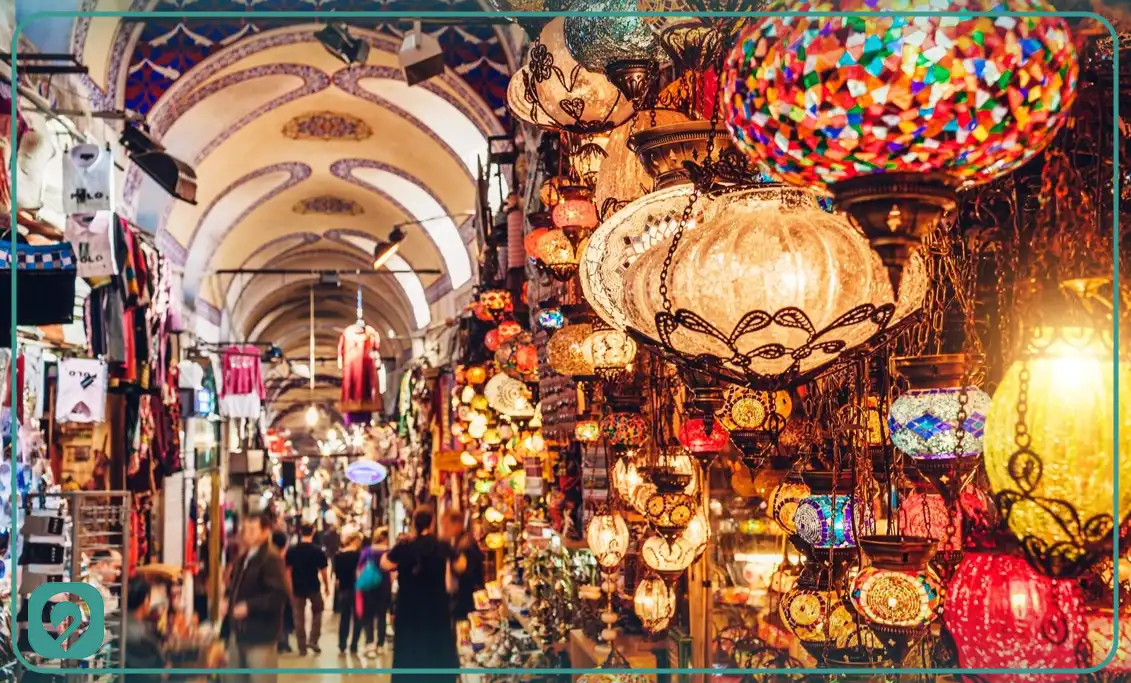
Grand Bazaar Istanbul: The Ultimate Guide to the World’s Most Iconic Marketplace
The Grand Bazaar Istanbul is not just a market. It is an experience that pulls you into the beating heart of Turkish culture, history, craftsmanship, and tradition. Walking through its colorful corridors feels like stepping into another century where every lantern glows with stories, every carpet carries generations of artistry, and every shopkeeper welcomes visitors with the warmth of Turkish hospitality. Located in the historic center of Istanbul, this legendary marketplace attracts millions of travelers every year and continues to stand as one of the oldest and largest covered markets in the world.
Imagine wandering through more than 4,000 shops spread across dozens of winding streets under beautifully painted ceilings. The smell of spices drifts through the air while the sound of merchants calling out their best offers creates a rhythm unique to the bazaar. Whether you are hunting for handcrafted jewelry, authentic Turkish carpets, leather goods, ceramics, or simply a memorable cultural experience, the Grand Bazaar offers something unforgettable around every corner.
For many visitors, the bazaar becomes the highlight of their Istanbul journey. It combines history, architecture, shopping, and social life into one vibrant destination. Some travelers spend hours there, while others return multiple times because one visit is never enough. The maze-like structure keeps revealing hidden treasures, tiny courtyards, ancient inns, and charming tea houses that make the place feel alive and timeless at the same time.
The Grand Bazaar is also a symbol of Istanbul itself — a bridge between East and West, old and new, tradition and modernity. It reflects centuries of trade and cultural exchange that helped shape the city into a global crossroads. Even in today’s digital age, where online shopping dominates much of the world, the bazaar remains deeply human. People still negotiate face-to-face, share tea during business deals, and build personal connections that turn shopping into an art form.
The Fascinating History of the Grand Bazaar
The history of the Grand Bazaar stretches back to the 15th century shortly after the Ottoman conquest of Constantinople in 1453. Sultan Mehmed II, also known as Mehmed the Conqueror, ordered the construction of the market to stimulate trade and strengthen the city’s economy. What began as a modest trading center gradually expanded into a sprawling commercial hub that became central to life in Istanbul.
During the Ottoman Empire, the bazaar served as one of the most important trade centers in the region. Merchants from Asia, Europe, Africa, and the Middle East arrived with silk, spices, precious stones, textiles, and rare goods. The market became a melting pot of languages, cultures, and traditions. It was not unusual to hear Arabic, Persian, Greek, Armenian, Turkish, and Italian spoken in the same corridor. The Grand Bazaar was essentially the heartbeat of international commerce long before modern shopping malls existed.
Over the centuries, the bazaar survived fires, earthquakes, political changes, and economic transformations. Each disaster led to repairs and expansions, giving the market layers of architectural history. Some sections still preserve original Ottoman designs with domed ceilings and hand-painted decorations. Walking through the bazaar today is like moving through a living museum where every stone seems to whisper stories from the past.
One fascinating aspect of the Grand Bazaar’s history is how organized it was. Different sections specialized in specific products. Goldsmiths worked in one area, carpet sellers in another, and leather merchants elsewhere. This structure helped customers navigate the giant marketplace more easily and allowed craftsmen to develop strong communities within the bazaar. Even now, many streets continue these traditional specializations, preserving centuries-old trading customs.
How the Bazaar Began After the Ottoman Conquest
When Sultan Mehmed II captured Constantinople, he understood that economic strength was essential for rebuilding the city. Establishing a commercial center became one of his top priorities. The first structures of the Grand Bazaar were simple warehouses and trading halls designed primarily for textiles and valuable goods. These early buildings formed the foundation for what would eventually become a labyrinth of commerce.
The original bazaar was called “Cevahir Bedesten,” meaning the jewel market, because it focused heavily on luxury goods and precious items. Over time, surrounding streets filled with additional shops, workshops, and caravanserais where traveling merchants could rest. The market grew organically like a living organism adapting to increasing demand.
The Ottoman rulers heavily invested in maintaining and expanding the bazaar because taxes collected there contributed significantly to the empire’s wealth. Security was also strict. Massive gates closed each evening to protect merchants and goods inside. Guards patrolled the area, ensuring safety and order. This secure environment encouraged international traders to conduct business confidently.
The early success of the Grand Bazaar transformed Istanbul into one of the world’s great commercial capitals. Trade routes connecting Europe and Asia passed directly through the city, and the bazaar became a critical stop for merchants traveling along these networks. Its importance reached far beyond Turkey, influencing global trade patterns during the Ottoman era.
The Evolution of the Market Through Centuries
As centuries passed, the Grand Bazaar evolved continuously. New sections were added, roofs expanded, and decorative elements enhanced its beauty. By the 17th century, the market had become one of the largest covered bazaars in the world, hosting thousands of artisans and traders.
European travelers visiting Istanbul often wrote about the Grand Bazaar with amazement. They described endless corridors filled with exotic products, rich fabrics, and dazzling jewels unlike anything they had seen at home. These travel accounts helped build the bazaar’s legendary reputation internationally.
The 19th century brought modernization efforts. Some traditional workshops adapted to changing consumer tastes, while imported European goods started appearing in the market. Yet despite modernization, the Grand Bazaar retained its Ottoman identity. The combination of tradition and adaptation allowed it to survive while many historical marketplaces disappeared over time.
Today, the bazaar remains a thriving center of commerce. Modern tourists carrying smartphones walk beneath centuries-old arches while artisans continue practicing crafts passed down through generations. This blend of old and new is part of what makes the Grand Bazaar so magical. It is not frozen in history; it is living history constantly evolving while honoring its roots.

Where the Grand Bazaar Is Located
The Grand Bazaar sits in the Fatih district of Istanbul, one of the city’s most historically rich areas. Its central location makes it incredibly accessible for travelers exploring Istanbul’s famous landmarks. The market lies near iconic attractions such as the Blue Mosque, Hagia Sophia, and Topkapi Palace, making it easy to combine several sightseeing experiences in one day.
The surrounding neighborhood is filled with narrow streets, traditional restaurants, mosques, and historical buildings that add to the atmosphere. Simply walking toward the bazaar feels like entering another world. Street vendors sell roasted chestnuts and simit bread while trams glide through busy avenues carrying locals and tourists alike.
One reason the Grand Bazaar remains so popular is its strategic location connecting various parts of Istanbul. Whether you stay on the European side or Asian side of the city, transportation options are convenient and affordable. Visitors can arrive using trams, buses, taxis, or even by walking from nearby tourist zones.
The market itself covers an enormous area with multiple entrances. Some gates lead directly into jewelry sections, while others open into textile corridors or antique zones. First-time visitors are often surprised by the sheer scale of the bazaar. It truly feels like a miniature city hidden inside Istanbul’s historic center.

Best Ways to Reach the Grand Bazaar
Getting to the Grand Bazaar Istanbul is surprisingly easy, even for first-time visitors navigating the city’s energetic streets. Istanbul’s transportation system connects major tourist attractions efficiently, and the bazaar sits right in the middle of one of the city’s most accessible districts. Most travelers prefer using the tram because it is affordable, fast, and avoids the infamous Istanbul traffic that can test anyone’s patience. The T1 tram line is especially useful because it stops at Beyazıt-Kapalıçarşı Station, which is only a short walk from one of the main entrances of the bazaar.
For travelers staying in Sultanahmet, reaching the Grand Bazaar can even become part of the adventure itself. The walk from landmarks like the Blue Mosque or Hagia Sophia takes roughly 15 to 20 minutes through historical streets lined with cafés, bookstores, and local shops. Along the way, visitors often stumble upon hidden mosques, tiny tea houses, and vibrant street scenes that reveal Istanbul’s authentic personality. Walking also allows travelers to absorb the rhythm of the city instead of rushing directly to the destination.
Taxis and ride-sharing services are another option, although traffic in central Istanbul can become heavy during peak hours. Many experienced travelers actually avoid taxis around midday because narrow streets near the bazaar often become congested with delivery vehicles, tourists, and local shoppers. If using a taxi, it helps to carry cash and confirm the approximate fare beforehand to avoid confusion.
For those arriving from the Asian side of Istanbul, ferries provide one of the most scenic ways to travel. Taking a ferry across the Bosphorus before hopping on the tram transforms a simple shopping trip into a memorable cultural experience. Watching the city skyline emerge from the water feels cinematic, especially during sunrise or sunset. Istanbul has always been a city where journeys matter just as much as destinations, and reaching the Grand Bazaar perfectly reflects that spirit.
Nearby Attractions Worth Visiting
One of the greatest advantages of visiting the Grand Bazaar is its proximity to some of Istanbul’s most famous historical attractions. The bazaar sits within the ancient heart of the city, meaning travelers can explore centuries of history within walking distance. A single day in this area can feel like moving through different chapters of a living history book where Byzantine, Roman, and Ottoman influences blend seamlessly together.
Just a short walk away stands the magnificent Hagia Sophia, one of the world’s most iconic architectural masterpieces. Originally built as a cathedral in 537 AD, later transformed into a mosque, then a museum, and now functioning again as a mosque, Hagia Sophia reflects Istanbul’s layered identity perfectly. Its massive dome and breathtaking interior mosaics leave visitors speechless regardless of their religious or cultural background.
Nearby, the Blue Mosque attracts millions of visitors with its elegant minarets and stunning blue Iznik tiles that create a calm and spiritual atmosphere inside. Sitting quietly in its courtyard after navigating the crowded bazaar feels almost therapeutic. The contrast between the bustling market energy and the peaceful mosque environment highlights Istanbul’s remarkable balance between chaos and serenity.
Another must-see attraction is Topkapi Palace, once home to Ottoman sultans for nearly 400 years. The palace offers insight into royal Ottoman life through luxurious courtyards, treasury rooms, imperial kitchens, and sacred relics. Visitors fascinated by the history of the Grand Bazaar often find Topkapi Palace equally captivating because both locations were deeply connected during the Ottoman era.
The nearby Spice Bazaar is another excellent stop for travelers wanting to continue their sensory journey. Smaller than the Grand Bazaar but equally colorful, the Spice Bazaar bursts with aromas of saffron, cinnamon, dried fruits, Turkish delight, and herbal teas. Exploring both markets in one day creates an unforgettable immersion into Istanbul’s trading culture.
What Makes the Grand Bazaar So Famous
The Grand Bazaar Istanbul is famous because it offers far more than shopping. It delivers an emotional experience layered with history, architecture, craftsmanship, and human interaction. Few places in the world manage to preserve centuries-old traditions while still functioning as a vibrant modern marketplace. The bazaar achieves this balance effortlessly, making it feel timeless rather than outdated.
One major reason for its global fame is its astonishing size. Covering approximately 61 covered streets and over 4,000 shops, the Grand Bazaar resembles a maze where every turn introduces something unexpected. Some travelers compare it to entering a fantasy novel where hidden treasures appear around every corner. Others describe it as a living organism constantly moving, speaking, bargaining, and evolving. Unlike sterile modern malls, the bazaar has personality and soul.
The market is also deeply connected to Turkish craftsmanship. Handmade carpets, ceramics, lanterns, leather goods, jewelry, and textiles showcase skills passed down through generations. Many shop owners proudly explain the history behind their products, turning shopping into storytelling. A handwoven carpet is not simply a decorative item there; it becomes a piece of cultural heritage carrying regional symbols and family traditions.
The atmosphere itself plays a huge role in the bazaar’s popularity. Brightly colored lanterns glow overhead while merchants invite visitors for tea and conversation. The smell of spices mixes with leather and fresh coffee, creating an environment that stimulates every sense simultaneously. Travelers often arrive planning to spend one hour and end up staying half the day because the experience becomes strangely addictive.
Hollywood films, travel documentaries, and countless social media posts have also helped strengthen the bazaar’s legendary reputation. Yet despite global attention, the market still feels authentic. Local residents continue shopping there alongside tourists, which prevents it from becoming a purely staged attraction. That authenticity is rare in many famous tourist destinations today.
A City Within a City
Calling the Grand Bazaar a market almost feels too simple because it functions more like a miniature city hidden inside Istanbul. The bazaar contains restaurants, tea houses, mosques, workshops, storage areas, fountains, exchange offices, and endless corridors connecting different commercial zones. It operates with its own rhythm, traditions, and social dynamics that have developed over centuries.
Many first-time visitors become disoriented because the market’s layout resembles a labyrinth. Interestingly, getting lost is often considered part of the charm. Some of the most memorable discoveries happen accidentally — a hidden antique store, a quiet courtyard filled with pigeons, or a tiny artisan workshop where a craftsman shapes silver by hand. The bazaar rewards curiosity in ways that modern shopping centers rarely do.
Each section has its own personality. Jewelry streets sparkle under bright lights while carpet districts feel softer and more relaxed with stacks of colorful rugs creating warm atmospheres. The leather sections carry rich earthy smells, and ceramic shops explode with blues, reds, and golds inspired by Ottoman art. Moving between these sections feels like traveling through different worlds connected under one enormous roof.
The social aspect of the bazaar also resembles urban life. Shopkeepers know one another, tea delivery boys weave skillfully through crowded corridors, and merchants exchange conversations constantly throughout the day. Relationships matter deeply there. Some family businesses have operated in the same location for generations, creating continuity between past and present.
This “city within a city” atmosphere explains why the Grand Bazaar remains unforgettable. It is not merely visited; it is experienced. Travelers become temporary participants in a centuries-old ecosystem of trade, conversation, hospitality, and culture.
The Cultural Importance of the Bazaar
The Grand Bazaar represents much more than commerce for Turkish society. It symbolizes cultural continuity and reflects Istanbul’s historical role as a bridge between continents and civilizations. Throughout history, traders from Europe, Asia, and the Middle East gathered there not only to exchange goods but also to exchange ideas, languages, traditions, and artistic influences.
In many ways, the bazaar helped shape Istanbul’s cosmopolitan identity. Merchants from different ethnic and religious backgrounds worked side by side for centuries. Turks, Armenians, Greeks, Jews, Arabs, Persians, and Europeans all contributed to the market’s development. This multicultural environment transformed the bazaar into a social crossroads where diversity became part of everyday life long before globalization became a modern buzzword.
Traditional craftsmanship preserved inside the bazaar carries enormous cultural value. Carpet weaving, ceramic painting, metalworking, calligraphy, and jewelry making are not simply commercial activities; they are artistic traditions deeply connected to Turkish heritage. Many artisans still use techniques inherited from parents and grandparents, preserving skills that might otherwise disappear in an industrialized world.
The bazaar also plays an emotional role in Turkish culture. For locals, it represents nostalgia, identity, and continuity. Families often pass down stories about relatives who worked there or visited regularly. Older Istanbul residents remember childhood trips to the market with parents or grandparents, creating personal connections that span generations.
Tourists may initially arrive seeking souvenirs, but many leave with something more meaningful — a deeper understanding of Istanbul’s cultural soul. The Grand Bazaar captures the essence of a city shaped by centuries of trade, migration, art, and human connection. Few places on earth communicate history so vividly through everyday life.

Exploring the Streets and Sections of the Bazaar
Walking through the Grand Bazaar Istanbul feels like entering a colorful maze where every corridor tells a different story. The market’s streets are organized into specialized sections, a tradition dating back to the Ottoman period when craftsmen and merchants grouped themselves according to trade. Even today, certain streets remain famous for specific products, giving the bazaar a sense of structure beneath its seemingly chaotic energy. This organization helps visitors navigate the enormous market while preserving centuries-old commercial traditions.
One moment you may find yourself surrounded by glittering gold jewelry displayed beneath bright lights, and the next you step into a quieter corridor lined with handwoven carpets stacked like works of art. Every section has its own atmosphere, smells, sounds, and rhythm. The spice merchants create a warm aroma of saffron and cinnamon floating through the air, while leather shops carry rich earthy scents that instantly feel authentic and timeless.
The ceilings themselves deserve attention. Many visitors spend so much time looking at merchandise that they forget to look upward at the painted domes, arches, and decorative patterns above. Some ceilings display classic Ottoman floral motifs while others reveal signs of restoration from different historical periods. The architecture transforms shopping into an immersive cultural experience rather than a simple transaction.
The bazaar constantly surprises people because hidden details appear unexpectedly. Tiny staircases lead to quiet upper levels, secret courtyards reveal peaceful tea gardens, and old stone fountains emerge between busy corridors. These discoveries make exploring the Grand Bazaar feel almost archaeological. Every corner seems to hold another layer of Istanbul’s history waiting to be uncovered.
Despite attracting millions of tourists each year, the market still feels alive rather than staged. Local residents continue shopping there, craftsmen continue working inside tiny workshops, and merchants continue building relationships through face-to-face interaction. This living authenticity separates the Grand Bazaar from many tourist destinations that feel more like museums than functioning communities.
Jewelry, Carpets, Ceramics, and Textiles
The Grand Bazaar is internationally famous for its incredible variety of traditional Turkish products, especially jewelry, carpets, ceramics, and textiles. These items are not simply souvenirs; they reflect centuries of craftsmanship and artistic heritage deeply woven into Turkish culture. Shopping there often feels like stepping into an art gallery where every object carries history and symbolism.
The jewelry section dazzles visitors immediately. Gold bracelets, diamond rings, Ottoman-style necklaces, and handcrafted silver pieces shimmer beneath carefully arranged lighting. Turkey has long been known for skilled goldsmiths, and many jewelry shops inside the bazaar continue family traditions stretching back generations. Some stores specialize in modern luxury designs while others focus on historical Ottoman-inspired patterns featuring intricate details and precious stones.
Turkish carpets remain one of the bazaar’s most iconic treasures. Carpet sellers often invite visitors inside for tea while explaining the origins, symbols, and weaving techniques behind each rug. A single handmade carpet can take months or even years to complete depending on its size and complexity. Different regions of Turkey produce unique styles, colors, and patterns, turning every carpet into a storytelling canvas woven by hand.
Ceramic shops explode with color. Bright blue Iznik plates, decorative bowls, lanterns, and hand-painted tiles create some of the most photogenic corners of the market. Many ceramic designs draw inspiration from Ottoman palaces and Islamic geometric art. Watching artisans paint these delicate patterns by hand gives visitors a deeper appreciation for the skill involved.
The textile sections offer luxurious scarves, embroidered fabrics, silk products, and traditional Turkish towels known as peshtemals. Touching the soft fabrics while listening to merchants explain their origins creates a sensory experience impossible to replicate online. In a world increasingly dominated by mass production, the handmade nature of many bazaar products feels refreshing and deeply human.
Hidden Courtyards and Historic Inns
Beyond the crowded shopping streets, the Grand Bazaar hides quieter spaces that many tourists accidentally overlook. These hidden courtyards and historic inns, known as “hans,” reveal another side of the market — one rooted deeply in Ottoman trade history. Exploring these areas feels like discovering secret chambers within a giant historical labyrinth.
During the Ottoman era, hans served as inns and storage centers for traveling merchants arriving from distant regions. Traders transporting silk, spices, and valuable goods needed safe places to rest, conduct business, and store merchandise. Many of these historic structures still survive inside and around the bazaar today, preserving architectural details that transport visitors centuries into the past.
Some courtyards remain peaceful despite the surrounding commercial chaos. Tiny tea gardens tucked between stone walls offer moments of calm where shopkeepers gather to drink tea, smoke, and discuss daily life. Sitting in one of these hidden corners creates a completely different experience from the busy main corridors. The noise softens, the pace slows, and Istanbul suddenly feels intimate again.
Several historic hans now house artisan workshops instead of merchant caravans. Visitors may encounter metalworkers hammering silver by hand, calligraphers practicing ancient scripts, or craftsmen restoring antique objects with incredible patience. Watching these artisans work reveals the living heritage still thriving beneath the bazaar’s tourist surface.
Photography enthusiasts especially love these hidden areas because they showcase authentic textures and historical details often missed in more crowded sections. Weathered stone arches, wooden balconies, hanging lanterns, and narrow stairways create scenes that feel cinematic and timeless. Exploring these quieter spaces reminds visitors that the Grand Bazaar is not just about buying things; it is about discovering layers of history hidden within everyday life.
Shopping Experience at the Grand Bazaar
Shopping at the Grand Bazaar is unlike shopping anywhere else in the world. It combines commerce with hospitality, conversation, storytelling, and negotiation in ways that feel deeply personal. Visitors quickly realize that purchasing something there is rarely a rushed process. Merchants often invite customers to sit down, drink Turkish tea, and chat before discussing prices. This slower pace transforms shopping into a social experience rather than a purely financial transaction.
One of the most fascinating aspects of the bazaar is the interaction between buyers and sellers. Shopkeepers are usually skilled conversationalists who know how to engage tourists warmly without making interactions feel robotic. Many speak several languages and enjoy sharing stories about their products, families, or the history of the market itself. Even travelers who do not plan to buy anything often find themselves lingering in conversations simply because the atmosphere feels welcoming.
The variety of products available is almost overwhelming. Visitors can find antiques, handmade lamps, spices, leather jackets, ceramics, jewelry, scarves, textiles, chess sets, copperware, and countless other treasures. Some shops focus on luxury items while others cater to budget-conscious travelers looking for affordable souvenirs. This diversity allows nearly every visitor to leave with something memorable.
The emotional side of shopping also plays a major role. Purchasing a handmade object directly from an artisan or family-run business creates a stronger connection than ordering products online. A ceramic bowl or woven scarf suddenly carries memories of conversations, tea, laughter, and the atmosphere of the bazaar itself. These emotional associations often become more valuable than the objects purchased.
At times, the bazaar can feel intense due to crowds and constant activity. Yet many travelers eventually embrace this energy because it reflects Istanbul’s personality perfectly — vibrant, layered, and alive. Shopping there is not meant to feel sterile or predictable. It is meant to feel human.
Bargaining Like a Local
Bargaining is one of the most famous traditions inside the Grand Bazaar, and for many travelers, it becomes one of the most entertaining parts of the experience. Negotiating prices is deeply woven into the culture of the market, and merchants generally expect customers to engage in friendly bargaining rather than immediately accepting the first price offered.
For first-time visitors, bargaining may initially feel uncomfortable or intimidating. Yet inside the bazaar, it is usually playful rather than aggressive. Think of it less as conflict and more as a social dance where both sides participate with smiles, humor, and patience. Merchants often begin with higher prices expecting negotiation to follow naturally.
The key to successful bargaining is remaining polite and relaxed. Showing genuine interest while avoiding excessive excitement gives buyers stronger negotiating power. Experienced shoppers often compare prices across several shops before making decisions because similar items can vary significantly in cost depending on quality and location.
One useful strategy involves allowing conversations to develop naturally instead of rushing directly into price discussions. Turkish tea frequently appears during negotiations, creating a more personal atmosphere that encourages mutual respect. Merchants appreciate friendly interactions and are often more flexible with customers who engage warmly rather than aggressively.
At the same time, visitors should remember that many products involve skilled handmade labor. Bargaining should aim for fairness rather than pushing prices unrealistically low. Paying slightly more for authentic craftsmanship often supports family businesses preserving traditional arts. The goal is not “winning” against the merchant but reaching a price both sides feel comfortable accepting.
The bargaining process itself becomes part of the memory. Many travelers later remember the laughter, jokes, and conversations surrounding a purchase more vividly than the actual item bought. In that sense, bargaining reflects the human spirit of the Grand Bazaar beautifully.

Best Souvenirs to Buy
Choosing souvenirs inside the Grand Bazaar Istanbul can feel almost impossible because every street overflows with tempting treasures. The market is packed with handmade goods, cultural artifacts, artistic decorations, and practical items that carry the spirit of Turkey within them. Unlike generic airport souvenirs, many products sold in the bazaar have deep cultural roots and are crafted using techniques passed down through generations.
One of the most popular purchases is the traditional Turkish carpet or kilim. Even travelers who never planned to buy a carpet often become fascinated after hearing sellers explain the symbolism behind the patterns and colors. Different motifs can represent fertility, protection, love, family, or regional identity. Handmade carpets are expensive because of the labor involved, but smaller kilims and runners offer more affordable options while still carrying authentic craftsmanship.
Turkish lanterns are another iconic souvenir. Their colorful mosaic glass patterns create warm lighting that instantly transforms a room’s atmosphere. Walking past lantern shops inside the bazaar feels magical because hundreds of glowing lights hang overhead like stars in a miniature universe. These lamps have become internationally associated with Istanbul’s artistic identity.
Jewelry lovers often gravitate toward Ottoman-style rings, silver bracelets, and gemstone necklaces. Turkish jewelry combines Middle Eastern elegance with Mediterranean influences, producing designs that feel both historical and timeless. Some shops even customize pieces on-site, allowing visitors to purchase something completely unique.
Food-related souvenirs are also incredibly popular. Turkish delight, saffron, apple tea, spices, dried fruits, and traditional coffee sets allow travelers to bring flavors of Istanbul home with them. Copper coffee pots and hand-painted ceramic tea cups make especially meaningful gifts because they reflect Turkey’s famous tea and coffee culture.
Leather goods, scarves, ceramics, evil eye charms, and handmade soaps are additional favorites among tourists. The best souvenirs are usually the ones carrying emotional memories. A small ceramic bowl purchased after a long conversation with a shopkeeper may ultimately become more meaningful than expensive luxury items because it captures a personal moment from the journey.
Food and Cafés Inside the Grand Bazaar
The Grand Bazaar is not only a shopping paradise but also a culinary experience deeply connected to Turkish culture. After hours of exploring crowded corridors and bargaining with merchants, visitors often discover that the market’s cafés and food stalls provide the perfect opportunity to slow down and absorb the atmosphere more fully. Food inside the bazaar reflects Istanbul itself — rich, layered, comforting, and full of history.
One of the first things travelers notice is the smell. Freshly brewed Turkish coffee mixes with roasted chestnuts, grilled meats, sweet pastries, and warm spices drifting through the narrow streets. These aromas create an almost irresistible invitation to pause and eat. Tiny restaurants tucked between shops often serve recipes that have remained unchanged for generations.
Many local merchants eat daily at the same small cafés hidden inside the bazaar. These spots may look simple compared to tourist-focused restaurants outside, but they often offer some of the most authentic flavors. Sitting among shopkeepers during lunch provides a glimpse into everyday Istanbul life rarely experienced in more polished tourist areas.
Traditional Turkish hospitality also plays a major role in the dining experience. Tea appears constantly throughout the bazaar, whether during shopping negotiations or casual conversations. Refusing tea is perfectly acceptable, but accepting it often opens doors to warmer interactions and unexpected stories. In Turkey, sharing tea symbolizes friendship and respect as much as refreshment.
The food culture inside the Grand Bazaar reinforces the idea that the market is a living social space rather than just a tourist attraction. Meals are not rushed, conversations matter, and flavors carry historical influences from across the Ottoman Empire. Eating there becomes another way of understanding Istanbul’s identity through the senses.
Traditional Turkish Snacks and Desserts
No visit to the Grand Bazaar feels complete without tasting some of Turkey’s legendary snacks and desserts. Turkish cuisine balances sweetness, richness, texture, and aroma in ways that leave lasting impressions on visitors. The market provides endless opportunities to sample these flavors while wandering between shops.
Turkish delight, known locally as lokum, remains one of the bazaar’s most famous treats. Soft cubes dusted with powdered sugar come in flavors ranging from rose and pistachio to pomegranate and lemon. Some versions include nuts or dried fruits, creating layers of texture inside each bite. Fresh high-quality Turkish delight tastes dramatically different from mass-produced versions sold abroad, often surprising first-time visitors.
Baklava is another essential experience. Thin layers of flaky pastry filled with pistachios or walnuts and soaked in syrup create a dessert both rich and delicate at the same time. Istanbul’s baklava masters spend years perfecting the balance between crispness and sweetness. Enjoying fresh baklava with Turkish tea inside the bazaar feels almost ceremonial.
Savory snacks are equally tempting. Simit, the sesame-covered bread ring often compared to a Turkish bagel, makes an ideal quick bite while exploring. Roasted chestnuts sold by street vendors near the bazaar create comforting aromas during cooler months. Some hidden eateries serve lahmacun, kebabs, stuffed grape leaves, and lentil soup that reflect traditional home-style cooking.
Spice shops also invite visitors to taste dried fruits, nuts, cheeses, and herbal blends. Sampling products becomes part of the shopping culture itself. Merchants proudly offer small bites because sharing food helps establish trust and connection.
Food inside the Grand Bazaar tells stories about trade routes, migration, empire, and regional diversity. Ottoman cuisine absorbed influences from the Balkans, Middle East, Mediterranean, and Central Asia, creating flavors that mirror Istanbul’s role as a crossroads between worlds.
Authentic Turkish Tea and Coffee Culture
Tea and coffee are woven deeply into Turkish social life, and the Grand Bazaar offers one of the best environments to experience this tradition authentically. Visitors quickly notice tiny tulip-shaped glasses of tea appearing everywhere. Merchants sip tea while negotiating deals, chatting with neighbors, or simply observing the flow of people passing through the market.
Turkish tea, called çay, is usually strong, dark, and served in delicate glasses resting on small saucers. Drinking tea inside the bazaar is less about caffeine and more about connection. Offering tea to guests symbolizes hospitality and friendliness. Many travelers are surprised by how often merchants invite them to sit and share a cup without pressure to buy anything immediately.
Turkish coffee carries equally deep cultural significance. Prepared slowly in small copper pots called cezves, the coffee is rich, thick, and intensely flavorful. Unlike filtered coffee common in many countries, Turkish coffee leaves fine grounds at the bottom of the cup. Tradition even includes fortune-telling based on the patterns left by the coffee grounds after drinking.
Some cafés inside the bazaar preserve old-fashioned atmospheres where elderly locals gather daily to discuss politics, football, business, and life. Sitting quietly in one of these cafés allows visitors to observe Istanbul’s social rhythms beyond tourism. Conversations flow slowly while tea glasses constantly refill, creating an atmosphere both energetic and relaxed.
The sensory experience of Turkish coffee culture feels unforgettable. The aroma of freshly ground beans, the sound of spoons tapping against glass cups, and the sight of steam rising beneath ancient stone ceilings combine into something uniquely Istanbul. In many ways, tea and coffee serve as the emotional glue holding bazaar culture together.
Tips for First-Time Visitors
Visiting the Grand Bazaar for the first time can feel overwhelming simply because of its size, energy, and constant stimulation. The market attracts hundreds of thousands of visitors weekly, and without preparation, it is easy to become exhausted or disoriented. A few practical strategies can transform the experience from chaotic to unforgettable.
Comfortable shoes are absolutely essential. The bazaar’s stone floors and endless corridors require significant walking, often for several hours. Many travelers underestimate the market’s size and regret wearing uncomfortable footwear halfway through the visit. Lightweight clothing also helps during crowded periods because indoor temperatures can become warm.
Bringing cash remains useful even though many shops now accept credit cards. Smaller vendors sometimes prefer cash payments, and bargaining may become easier when paying directly in Turkish lira. Travelers should also carry small bills because large notes can create inconvenience during negotiations.
One smart approach involves exploring slowly instead of trying to see everything quickly. The bazaar rewards curiosity and patience. Sitting for tea, chatting with artisans, and wandering through quieter corners often create the most memorable experiences. Rushing through the market purely for shopping misses much of its cultural richness.
Visitors should also remain aware of orientation. Taking photos of entrance gates or using offline maps can help avoid confusion because many corridors look similar. Yet getting slightly lost is almost unavoidable and often enjoyable. Some of the bazaar’s greatest discoveries happen unexpectedly.
Finally, maintaining realistic expectations about prices helps prevent disappointment. The Grand Bazaar includes products ranging from inexpensive souvenirs to luxury handmade art pieces. Not every item is a bargain, but authentic craftsmanship often justifies higher costs. Understanding this balance allows visitors to appreciate the market more fully.
Best Time to Visit
Timing can dramatically shape the Grand Bazaar experience. While the market remains lively throughout the year, certain hours and seasons provide more comfortable conditions for exploring. Choosing the right time allows visitors to enjoy the atmosphere without feeling overwhelmed by crowds.
Morning hours shortly after opening are often ideal. The bazaar feels calmer, shopkeepers are more relaxed, and corridors remain easier to navigate. Early visits also create opportunities for more meaningful conversations with merchants before peak tourist traffic begins. Photographers especially appreciate morning light filtering through entrances and illuminating quieter streets.
Weekdays generally provide a smoother experience than weekends when both tourists and locals flood the market. Tuesdays through Thursdays tend to offer a balanced atmosphere where the bazaar feels active but not excessively crowded.
Seasonally, spring and autumn are considered the most pleasant times to visit Istanbul overall. Mild temperatures make walking through the city comfortable, and the bazaar feels less physically exhausting compared to the intense summer heat. Winter visits also have unique charm because warm tea, glowing lanterns, and indoor corridors create cozy atmospheres during rainy days.
The Grand Bazaar is traditionally closed on Sundays and certain public holidays, so checking schedules beforehand is important. Arriving with flexibility also helps because some travelers end up spending far longer there than originally planned.
Common Tourist Mistakes to Avoid
The Grand Bazaar Istanbul can feel magical, but first-time visitors sometimes make small mistakes that reduce the enjoyment of the experience. Understanding a few common pitfalls helps travelers navigate the market more confidently while avoiding unnecessary stress, overspending, or disappointment. The key is approaching the bazaar with patience, curiosity, and awareness rather than treating it like a typical shopping mall.
One of the biggest mistakes tourists make is rushing through the market too quickly. The Grand Bazaar is designed for wandering, discovering, and interacting. Visitors who sprint from shop to shop trying to “cover everything” often become exhausted within an hour. The bazaar rewards slower exploration. Sitting for tea, observing artisans at work, and allowing yourself to get slightly lost usually creates far more meaningful memories than simply checking items off a shopping list.
Another common mistake involves accepting the first price immediately. Bargaining is deeply rooted in bazaar culture, and most sellers expect some negotiation. Paying the initial asking price may lead travelers to later discover similar items available elsewhere for significantly less. At the same time, bargaining aggressively or disrespectfully can damage the interaction. The ideal approach balances confidence with friendliness.
Many tourists also focus entirely on the main corridors while ignoring hidden sections and side streets. Some of the most authentic workshops, quieter cafés, and unique products are tucked away in less crowded areas. Exploring beyond the obvious tourist paths often reveals the bazaar’s true personality.
Carrying too many bags or valuables openly can become uncomfortable in crowded conditions. While the market is generally safe, visitors should still remain aware of their belongings, especially during busy hours. Using a crossbody bag or keeping valuables secure helps avoid unnecessary worry.
Perhaps the most important mistake to avoid is treating the bazaar purely as a commercial space. The Grand Bazaar is ultimately about culture, human connection, and atmosphere. Travelers who embrace conversation, hospitality, and curiosity usually leave with richer experiences than those focused only on finding the cheapest deal.
Safety, Prices, and Practical Information
Despite its enormous crowds and busy atmosphere, the Grand Bazaar is generally considered safe for tourists. Millions of visitors explore the market each year without serious problems, and the area remains heavily monitored due to its importance as one of Turkey’s top tourist attractions. Still, understanding a few practical details helps visitors feel more comfortable and prepared during their visit.
Prices inside the bazaar vary dramatically depending on product quality, craftsmanship, and location. Handmade carpets, gold jewelry, antiques, and fine ceramics can be expensive because they involve skilled labor and authentic materials. Smaller souvenirs like scarves, spices, tea sets, or evil eye charms are far more affordable. Visitors should remember that not every product inside the bazaar is handmade or antique despite how it may appear. Asking questions about origins and production methods often helps distinguish authentic craftsmanship from mass-produced items.
One practical advantage of the Grand Bazaar is its wide range of shopping options. Luxury boutiques coexist beside small family-run stalls, meaning travelers with different budgets can still enjoy the experience. Comparing prices across multiple shops is always wise because identical-looking products may vary considerably in cost.
Language barriers are usually minimal since many merchants speak English and other international languages fluently. Shopkeepers working in tourism often communicate in several languages due to decades of interacting with global visitors. This multilingual environment contributes to the bazaar’s welcoming atmosphere.
Visitors should also prepare for sensory overload. The constant movement, sounds, lights, and conversations can become intense after several hours. Taking breaks at tea houses or cafés helps recharge energy while allowing time to absorb the surroundings more fully.
The Grand Bazaar combines historical charm with practical modern conveniences. ATMs, exchange offices, restrooms, and shipping services are available throughout the area, making it relatively easy for international travelers to shop comfortably even during long visits.
Currency and Payment Methods
Understanding payment methods inside the Grand Bazaar helps travelers avoid confusion and navigate purchases more smoothly. The primary currency used is the Turkish lira (TRY), and carrying some local cash is highly recommended even though many shops now accept international credit cards.
Cash remains especially useful for smaller purchases or bargaining situations. Some merchants may offer slightly better prices when paying in cash because it avoids transaction fees and speeds up negotiations. Small denominations are particularly practical since large bills can create inconvenience in busy shops.
Credit cards are widely accepted in larger stores, jewelry shops, carpet dealers, and higher-end boutiques. Visa and Mastercard work in most places, though occasional technical issues can occur depending on internet connections or bank systems. Travelers planning major purchases should always confirm payment methods beforehand.
Currency exchange offices operate throughout the bazaar and surrounding neighborhoods. Rates are usually competitive, but comparing a few exchange points before converting large amounts is still smart. ATMs are also easy to find near major entrances and tourist areas around the market.
Some merchants may quote prices in euros, dollars, or pounds due to heavy international tourism. Paying in Turkish lira generally provides better value because conversion rates offered directly by shops may not always favor the customer. Smartphone currency apps can help travelers calculate fair prices quickly during negotiations.
Digital payment methods continue growing in popularity across Istanbul, but the bazaar still preserves a strong cash culture tied to traditional commerce. Handing over cash after successful bargaining feels strangely satisfying because it reinforces the human, face-to-face nature of the transaction in a world increasingly dominated by digital shopping.
Is the Grand Bazaar Safe for Tourists?
The Grand Bazaar is widely considered safe, particularly compared to many crowded tourist destinations around the world. Turkish authorities recognize its cultural and economic importance, so security measures are visible throughout the market. Police presence, surveillance systems, and organized management contribute to maintaining order despite the enormous number of daily visitors.
That said, basic travel awareness remains important. Pickpocketing can occasionally occur in densely crowded areas, especially during peak tourist seasons. Keeping wallets, phones, and passports secure minimizes risks significantly. Most visitors encounter no issues beyond occasional persistent sales tactics from enthusiastic shopkeepers.
One concern some tourists have involves scams or inflated pricing. While bargaining is normal, outright scams are less common than exaggerated travel myths sometimes suggest. The majority of merchants rely heavily on reputation and repeat business. Friendly negotiation and comparing prices usually prevent unpleasant surprises.
Women travelers generally report feeling comfortable inside the bazaar, particularly during daytime hours when the market remains crowded and active. Like any major city destination, dressing respectfully and staying aware of surroundings helps maintain comfort and confidence.
Food safety standards are also generally reliable in established cafés and restaurants within the bazaar. Freshly prepared dishes, busy eateries, and popular tea houses are usually safe choices for travelers wanting authentic local meals.
The emotional atmosphere of the Grand Bazaar actually contributes strongly to its sense of safety. Despite constant activity, there is an underlying rhythm of hospitality and social interaction that feels welcoming rather than threatening. Merchants often look out for regular visitors and neighboring shops, creating a communal environment unusual in many modern commercial spaces.
Why the Grand Bazaar Remains Timeless
The Grand Bazaar has survived for more than five centuries because it offers something modern shopping experiences often lack — genuine human connection. In an era dominated by online orders, algorithms, and anonymous transactions, the bazaar still revolves around conversation, craftsmanship, and personal relationships. This timeless quality explains why millions continue visiting despite endless digital alternatives.
The market also preserves a rare sense of continuity. Walking through its corridors today feels surprisingly similar to how merchants and travelers experienced them centuries ago. Tea is still shared during negotiations. Craftsmen still shape products by hand. Families still operate shops passed down through generations. These traditions create emotional depth impossible to replicate in contemporary malls.
Architecturally, the bazaar remains breathtaking. Its domes, arches, painted ceilings, and labyrinthine streets create environments that stimulate curiosity constantly. Modern shopping centers often prioritize efficiency and predictability, while the Grand Bazaar celebrates discovery and sensory immersion. Getting lost there feels exciting rather than frustrating.
The bazaar’s adaptability also contributes to its longevity. Over centuries, it survived fires, earthquakes, political shifts, economic crises, and changing consumer trends. Yet instead of becoming obsolete, it evolved while preserving its identity. This balance between tradition and flexibility mirrors Istanbul itself — a city continuously changing without losing its historical soul.
Perhaps most importantly, the Grand Bazaar appeals to something deeply human: the desire for stories, experiences, and emotional connection. Visitors rarely remember only what they purchased. They remember the tea shared with a carpet seller, the laughter during bargaining, the smell of spices, the glow of lanterns, and the feeling of wandering through living history.
The Grand Bazaar does not simply sell products. It sells atmosphere, memory, and cultural experience. That is why it remains timeless.
Conclusion
The Grand Bazaar Istanbul stands as one of the world’s most extraordinary marketplaces because it combines history, culture, craftsmanship, food, architecture, and human interaction into one unforgettable destination. More than just a shopping center, it represents centuries of trade and cultural exchange that shaped Istanbul into a bridge between continents and civilizations.
Every corridor inside the bazaar carries its own personality. Glittering jewelry shops, colorful ceramic displays, aromatic spice stalls, hidden courtyards, and bustling tea houses create a sensory experience unlike anywhere else on earth. Visitors quickly realize that the magic of the Grand Bazaar lies not only in what can be bought but also in the conversations, traditions, and memories created there.
The market’s ability to remain vibrant after more than 500 years is remarkable. While much of the modern world has shifted toward digital convenience, the Grand Bazaar continues celebrating face-to-face interaction and handmade artistry. It reminds travelers that commerce can still feel personal, meaningful, and deeply connected to culture.
Whether you visit for shopping, photography, history, architecture, or simply curiosity, the Grand Bazaar leaves a lasting impression. It captures the spirit of Istanbul perfectly — energetic, layered, welcoming, chaotic, beautiful, and timeless all at once.

Have Question Or Suggestion ?
Please Share Your Thought, To Make It Real