Cost of Living in Northern Cyprus: Full Guide for Expats and Students
Discover how much it really costs to live in Northern Cyprus. From rent and food to healthcare and entertainment, this detailed guide breaks down monthly expenses for students, retirees, and digital nomads alike.
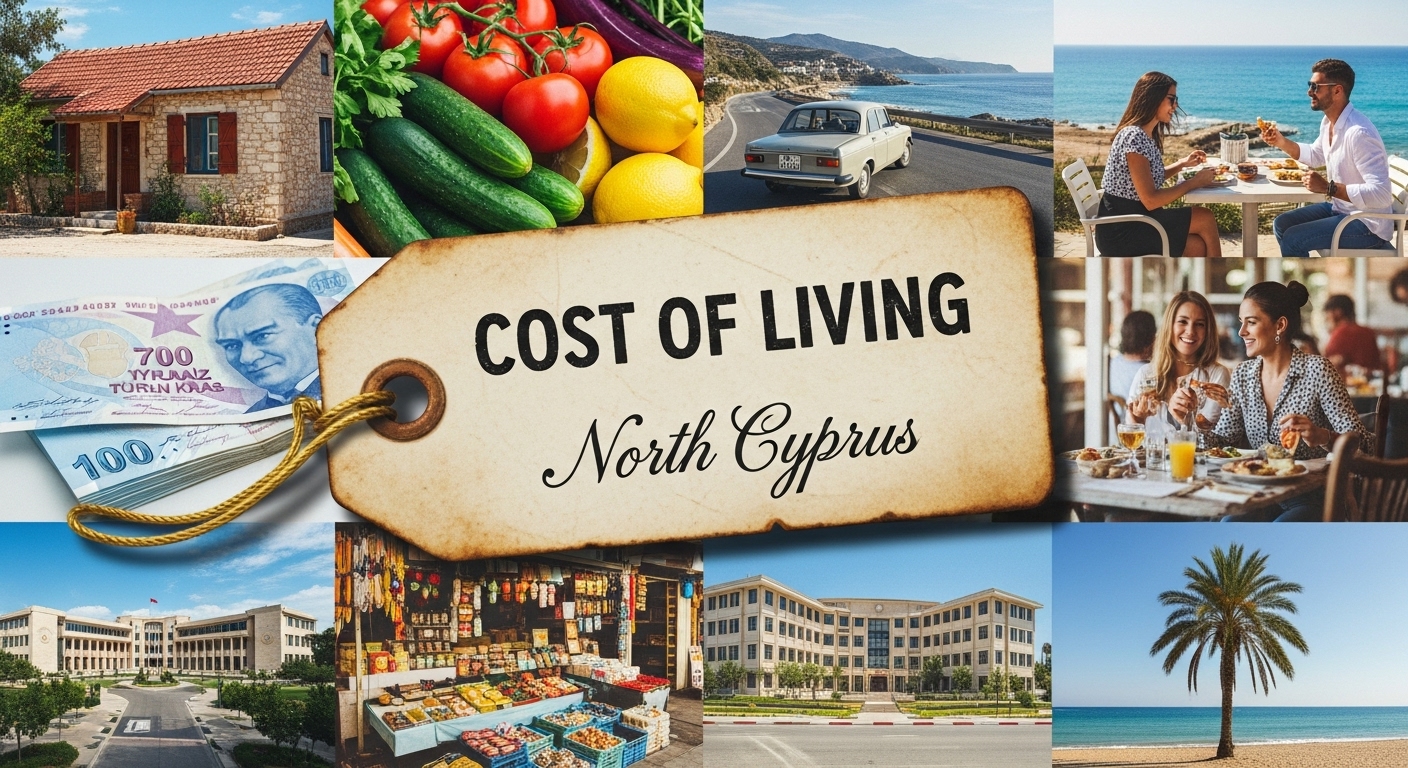
Cost of Living in North Cyprus: A Complete 2025 Guide for Expats, Students, and Digital Nomads
Thinking about moving to North Cyprus? Whether you're a student, retiree, remote worker, or just someone who’s tired of paying insane rents and $6 coffees in big cities — you’re probably wondering: what’s the real cost of living in North Cyprus?
Let me tell you upfront — North Cyprus is one of the few remaining places in the Mediterranean where you can live comfortably on a modest income. In this in-depth guide, we’re going to break it all down: rent, food, utilities, transportation, entertainment, healthcare, and more.
We’ll walk through what you’ll actually spend on a daily, weekly, and monthly basis so you can plan smart and live well. Let’s dive into the real numbers.
1. Renting and Housing in North Cyprus
Let’s start with the biggest expense for most people — rent. Whether you’re living in Kyrenia (Girne), Nicosia (Lefkoşa), Famagusta (Gazimağusa), or a quiet village in Karpaz, one thing’s for sure — rent in North Cyprus is cheap compared to Europe or even southern Cyprus.
If you’re a solo traveler or a couple looking for a modern, fully-furnished one-bedroom apartment in the city center, expect to pay between $350 to $500 per month. Head outside the city? You can find lovely apartments for as low as $250/month. Even seaside spots can be surprisingly affordable, especially if you commit to a longer lease.
Want more space? A three-bedroom apartment in Kyrenia or Famagusta will set you back anywhere from $600 to $900/month. If you’re feeling fancy and want a private villa with a pool and sea view, you’ll find options in the $1,200 to $2,000/month range — still a fraction of what you’d pay in Spain, Greece, or southern Cyprus.
Most rentals come fully furnished, and many include Wi-Fi, basic appliances, and sometimes even utility bills. Shared housing and student dorms are also available, especially near universities like Near East University and Eastern Mediterranean University. Prices for shared rooms range from $150–$250/month.
The rental market is informal but active. Facebook groups, WhatsApp communities, and local agents are great for finding deals. Just remember: rent is usually paid in cash or via bank transfer in Turkish Lira, and landlords often ask for 2 months’ rent upfront as a deposit.
2. Grocery Shopping and Eating Out
Let’s talk food — one of the best parts of living in North Cyprus. Whether you’re buying ingredients to cook at home or grabbing lunch at a local café, you’ll be amazed by how far your money goes.
For grocery shopping, local markets (especially the weekly village bazaars) are your best friend. You can get bags full of fresh fruits, vegetables, herbs, and local cheeses for under $10. A week’s worth of groceries for one person typically costs between $25 to $40, depending on your eating habits.
Here’s a quick breakdown of average grocery prices in 2025:
1 liter of milk: $1
Bread (loaf): $0.60
1kg of rice: $1.20
1kg of tomatoes: $0.80
1kg of potatoes: $0.70
1 dozen eggs: $2
1kg chicken breast: $4
1kg lamb: $8
Bottle of wine: $6
Local beer (0.5L): $1.50
1.5L bottled water: $0.30
Restaurants are also extremely affordable. A hearty meal at a local kebab shop or Turkish restaurant costs around $4 to $7. Mid-range restaurants will charge $10 to $15 for a full three-course meal. A cappuccino costs about $2, and a bottle of local wine at a restaurant is usually under $10.
Street food is not only cheap, but it’s also part of the culture. Grab a simit (Turkish bagel) for $0.50 or a slice of gözleme (stuffed flatbread) for $1. You can literally eat like royalty on a backpacker budget.
3. Utilities and Internet Expenses
Another area where North Cyprus wins big is in utility costs. Electricity, water, and internet are relatively inexpensive, especially if you live in a small or modern apartment.
Electricity is usually the largest utility bill. In the summer, when air conditioning is on full blast, you might spend around $50 to $70 per month. In winter, if you use electric heaters, expect similar numbers. If you live in a place with solar panels (common in newer builds), your bill could be much lower.
Water is cheap — most people pay $5 to $10 per month. Garbage collection is included in municipal taxes and usually not charged separately.
Internet is fast and cheap. Home internet packages with unlimited data range from $20 to $35 per month, depending on speed. Turkcell and Telsim also offer prepaid mobile data plans starting from $10/month, great for those always on the move.
Some landlords include utilities in the rent, especially for short-term leases, so be sure to ask before signing any contract.
4. Transportation: Cars, Taxis, and Buses
North Cyprus doesn’t have a train system, and public transport is limited, especially in rural areas. That said, you still have a few good options for getting around.
Minibuses (called dolmuş) run between major cities and towns. They’re shared, informal, and extremely cheap — usually $1 to $2 per ride. They don’t follow strict timetables, but locals are helpful in guiding you.
Taxis are available, especially in cities like Kyrenia and Nicosia. The downside? They don’t use meters. Always agree on a fare before starting the ride. Short city trips cost around $5–$7, while intercity rides might run you $15–$30.
If you plan to explore the island or live here long-term, renting or owning a car is the best option. Long-term car rentals start at $250/month. Buying a secondhand car will cost anywhere between $3,000 to $8,000, depending on the condition and model.
Fuel is reasonably priced at around $1.20 per liter. Roads are well-maintained, and traffic is calm. Just remember: driving is on the left-hand side, and wearing seatbelts is mandatory.
5. Healthcare and Medical Costs
North Cyprus has a well-developed healthcare system, especially in major cities. You can choose between public hospitals and private clinics. Many expats prefer private hospitals because they offer faster service and English-speaking staff.
Doctor visits at private clinics range from $15 to $30, while dentist cleanings cost around $25. A full blood test? Usually under $50. Pharmacies are well-stocked, and many medications are available over-the-counter at lower prices than in Europe or the U.S.
Public hospitals are even more affordable, especially for residents and students. Emergency care is often free or very low cost. Private health insurance is available and affordable, ranging from $25 to $60 per month depending on age and coverage.
Medical tourism is also on the rise. Many people from Europe and the Middle East come to North Cyprus for cosmetic surgery, dental care, and fertility treatments — all of which are high quality and cost a fraction of what they would elsewhere.
6. Education and Schooling Costs
North Cyprus is home to several internationally recognized universities and private schools, making it an increasingly popular destination for students from across the globe — especially from Africa, the Middle East, and parts of Europe. Education here is high-quality, English is widely used in academic programs, and tuition fees are significantly lower than in many Western countries.
University tuition in North Cyprus varies depending on the program and institution. On average, students pay between $2,000 to $4,000 per year for undergraduate degrees, and slightly higher for postgraduate programs. Fields like medicine or engineering may cost more, ranging from $5,000 to $9,000 per year — but these are still well below what students pay in the UK, U.S., or Australia for similar degrees.
Some of the most reputable institutions include Near East University in Nicosia, Eastern Mediterranean University in Famagusta, and Girne American University in Kyrenia. These schools offer degrees in medicine, law, engineering, architecture, business, and more — all in English.
For families with children, North Cyprus also offers a variety of private schools, many of which follow British or international curricula. Monthly tuition fees typically range from $150 to $500 depending on the grade level and school. Some schools include lunch and transportation in their fees, while others charge extra.
In terms of cost-effectiveness, North Cyprus offers one of the best value-for-money education systems in the region. With relatively low tuition, affordable housing, and cheap daily expenses, students can earn a solid international degree without being burdened by massive student loans.
7. Entertainment, Leisure, and Lifestyle Expenses
Living in North Cyprus isn’t just about saving money — it’s also about enjoying life. And here’s the great part: you can have fun without spending much at all.
Start with the beaches. Most beaches are free to enter, and even the private beach clubs charge only $5 to $10 for a full day, often redeemable for drinks or food. Some hotels open their pools and beachfronts to day visitors during off-season for a small fee or even free.
If you’re into nature, hiking in the Kyrenia mountains, turtle watching at Alagadi Beach, or road-tripping to the Karpaz Peninsula are all unforgettable (and free!) experiences. There are also dozens of archaeological sites and medieval castles that charge symbolic entrance fees — usually around $1 to $3 per person.
Want to stay active? Gym memberships range from $20 to $40 per month. Yoga classes, pilates, or dance sessions at local studios are widely available and affordable. Some communities even offer free fitness events in public parks.
As for nightlife — while it’s not as wild as in Ibiza or Mykonos, North Cyprus still has a buzzing scene. Bars in Kyrenia and Famagusta offer live music, open-mic nights, and beachfront parties. A beer costs around $2.50, cocktails around $5–$6, and entry to nightclubs is either free or minimal. Casinos are also popular in the region, especially in resort towns.
Cinemas are modern and cheap — a movie ticket usually costs $4 to $6. There are also cultural festivals year-round — food fairs, music events, and village celebrations that give you a feel for local life without costing a dime.
8. Monthly Budget Breakdown for Different Lifestyles
Let’s now look at three sample lifestyle budgets in North Cyprus: one for a budget student, another for a mid-range expat or digital nomad, and one for someone living more luxuriously.
A. Budget Lifestyle (Student or Solo Traveler)
Rent (shared or studio): $250
Groceries: $100
Utilities + Internet: $50
Transport: $40
Eating Out: $50
Mobile Data: $10
Entertainment: $30
Total: ~$530/month
B. Comfortable Expat Lifestyle (Solo or Couple)
Rent (1-bed apartment): $400
Groceries: $150
Utilities + Internet: $70
Transport (rental car or public): $80
Eating Out: $100
Mobile + Internet: $20
Entertainment + Gym: $60
Health Insurance: $40
Total: ~$920/month
C. Luxury Lifestyle (With Car, Dining, and Premium Housing)
Rent (villa or sea-view apt): $1,000
Groceries: $200
Utilities + Internet: $100
Car + Fuel: $200
Eating Out + Bars: $250
Mobile/Data/Internet: $50
Entertainment + Fitness: $100
Insurance + Extras: $100
Total: ~$2,000/month
9. Comparing North Cyprus to Other Destinations
How does North Cyprus stack up to similar Mediterranean or European locations? Let’s compare briefly:
| Destination | Avg. Monthly Rent (1-bed) | Grocery Costs | Meal at Restaurant | Monthly Budget |
|---|---|---|---|---|
| North Cyprus | $350 | Low | $5–$10 | $700–$1,000 |
| Southern Cyprus | $650 | Moderate | $12–$18 | $1,200+ |
| Greece | $500 | Moderate | $10–$15 | $1,000+ |
| Spain (coastal) | $800 | High | $15–$25 | $1,500+ |
| Portugal (Lisbon) | $950 | High | $20–$30 | $1,800+ |
As you can see, North Cyprus offers the same weather, lifestyle, and Mediterranean charm at nearly half the cost.
10. Final Tips and Things to Keep in Mind
While North Cyprus is undeniably affordable, there are still a few things to keep in mind for smart budgeting:
Currency fluctuations: Prices are in Turkish Lira, and the exchange rate against the dollar or euro can fluctuate significantly. This can work in your favor — or not — depending on timing.
Cash-based economy: Many places still prefer cash. Credit cards are accepted, but not everywhere.
Import costs: Imported products (like branded electronics or certain food items) can be more expensive than in Europe.
Visa/residency: Most visitors get 30–90 days visa-free. For long-term stays, you’ll need a student visa, work permit, or temporary residency.
Conclusion: Is North Cyprus Really That Affordable?
In a word — yes. North Cyprus offers a rare combination: Mediterranean lifestyle, modern comforts, rich culture, and very low living costs. Whether you’re a student, retiree, remote worker, or just someone looking to escape the rat race, this hidden corner of the island is not just affordable — it’s enjoyable, enriching, and peaceful.
With its warm people, safe streets, beautiful beaches, and flavorful cuisine, you’ll quickly realize that here, you don’t have to sacrifice quality of life to live within your means.
So pack your bags — paradise on a budget does exist, and its name is North Cyprus.
Have Question Or Suggestion ?
Please Share Your Thought, To Make It Real