How to Buy Property in Turkey with Crypto – The Ultimate Guide (2025)
Discover how to buy real estate in Turkey using cryptocurrencies like Bitcoin or USDT. A step-by-step 2025 guide for foreign investors.
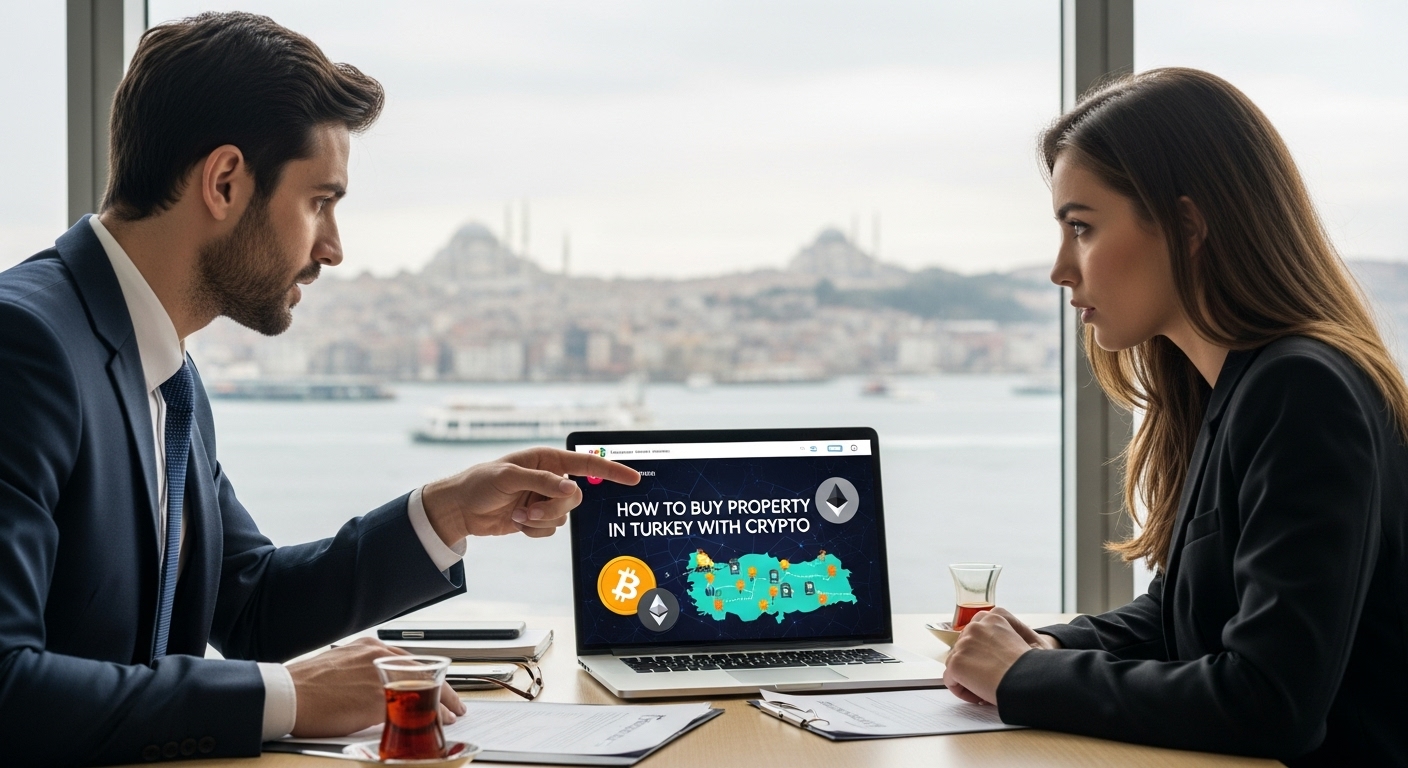
Introduction to Buying Property with Crypto
The Evolution of Real Estate in the Digital Era
Real estate has always been one of the most traditional investment sectors—but not anymore. With the rise of digital currencies, especially Bitcoin and Ethereum, a wave of change is sweeping across property markets worldwide. Investors no longer need to rely solely on cash, bank wires, or even mortgage loans. Now, with a few clicks and blockchain confirmations, you can buy real estate using cryptocurrency—and Turkey is leading the way in this revolutionary trend.
Back in the day, buying a home meant stacks of paperwork, notaries, legal delays, and sluggish bank transfers. But crypto has changed all that. Whether you're a digital nomad, tech-savvy investor, or someone looking to diversify your portfolio, the ability to use crypto for real estate transactions is becoming a reality.
And while countries like the U.S., UAE, and Portugal have started opening up to crypto real estate, Turkey is emerging as one of the most exciting—and crypto-friendly—destinations.
Why Turkey Is a Hotspot for Crypto-Backed Investments
So, why Turkey? The reasons are endless. Let’s start with the basics: Turkey offers an unbeatable combination of rich culture, beautiful landscapes, strategic location, and competitive real estate prices. Whether it’s a modern apartment in Istanbul, a cozy villa in Bodrum, or a sea-view penthouse in Antalya—Turkey has it all.
Add to that the Turkish government’s increasingly open stance towards digital innovation, and you've got a recipe for a booming crypto property market.
Turkey also allows foreign nationals to purchase property with very few restrictions, and many developers and agents are now accepting cryptocurrencies like BTC, ETH, and USDT. Plus, if your real estate purchase exceeds $400,000, you might qualify for Turkish citizenship—yes, even if the payment is made in crypto.
Understanding the Turkish Real Estate Market
Key Regions in Turkey for Property Investment
When thinking about investing in Turkish real estate with crypto, location is key. Here are the hottest regions drawing crypto investors in 2025:
Istanbul – The financial and cultural hub. Istanbul blends history and modern luxury, making it ideal for high-value real estate deals.
Antalya – A favorite for digital nomads and retirees, especially for villas near the beach.
Bodrum – Think luxury. Think Mediterranean. Bodrum is where crypto millionaires are snatching up resort-style homes.
Alanya and Fethiye – More affordable coastal cities, great for vacation homes and rental income.
Each region offers something unique—from bustling city life to tranquil beachside retreats. And thanks to crypto, you can close deals remotely from anywhere in the world.
Real Estate Trends in 2025
In 2025, Turkey's real estate market is showing significant resilience and growth. Demand from international buyers is increasing, and there's a surge in smart homes and eco-friendly developments. More agencies are now offering virtual tours, digital contracts, and, of course, crypto payments.
Foreign direct investment in Turkish real estate has risen by over 20% year-on-year, and much of this surge is credited to crypto-facilitated purchases. The Turkish Lira’s fluctuation has made property prices even more attractive for foreign buyers using stablecoins or BTC.
Legal Framework for Foreign Investors
Turkey is surprisingly welcoming to foreign property buyers. Here are the basics:
Foreigners can buy up to 30 hectares of land in Turkey.
You can purchase multiple properties, residential or commercial.
Certain military zones are off-limits—but most tourist areas are completely open.
No requirement to have a local partner or establish a Turkish company unless you plan to do commercial business.
For crypto purchases, Turkish law currently recognizes the asset’s market value when converted to Turkish Lira for taxation and legal processing. However, it's important to work with a lawyer who understands both crypto and Turkish property law.
Crypto Adoption in Turkey
How Turkey Became a Crypto-Friendly Country
Despite economic challenges, Turkey has seen one of the highest crypto adoption rates globally. The reasons? Inflation, currency instability, and a highly digital younger population. As the Turkish Lira continues to face volatility, both locals and foreigners are turning to crypto as a store of value.
In 2024, over 50% of Turkey's population reported having used crypto in some form—either for savings, trading, or transactions. This massive adoption has pushed real estate agents, legal firms, and even some municipalities to explore blockchain and crypto solutions.
Regulatory Stance on Cryptocurrency
While Turkey has regulated crypto to prevent money laundering and fraud, the government hasn’t banned its use. In fact, a draft law to establish clearer crypto regulations is already in the works and expected to pass by 2026. The law is likely to include:
Licensing requirements for exchanges
Clear KYC/AML obligations
Legal definitions of crypto assets and stablecoins
For now, crypto is classified as an asset, not a currency. That means it's legal to own and use crypto, including for property transactions, as long as it's declared and legally processed.
Turkish Banks and Crypto Integration
Some Turkish banks are beginning to explore partnerships with crypto platforms. Although direct crypto-bank integration is still limited, services like Papara, Binance TR, and BTCTurk provide easy on/off ramps for Lira to crypto and vice versa.
So, even if your seller prefers fiat, converting your crypto through regulated channels is fast and efficient.
Advantages of Using Crypto to Buy Property in Turkey
Faster Transactions and Lower Fees
Traditional bank transfers can be a headache—especially across borders. Crypto offers a faster, cheaper alternative. No need to wait for business days or bank approval. With crypto, a transaction can be completed in minutes, not weeks.
Speed: Bitcoin confirmations usually take 10–30 minutes. Stablecoins are even faster.
Fees: Forget about high wire fees, currency exchange losses, and intermediary banks.
Crypto cuts through all of that, making international property purchases seamless.
Privacy and Security Benefits
While you still need to go through legal identification and KYC processes, crypto allows for a more discreet payment mechanism. There's no need to involve multiple financial institutions, and blockchain offers an unchangeable record of the transaction—great for legal proof and transparency.
With tools like multi-signature wallets and hardware wallets, you can also ensure your funds remain secure until the deal is finalized.
Global Accessibility and Currency Hedge
Crypto makes it easy for international buyers to invest in Turkey without worrying about fluctuating currency rates or complicated bank transfers. Whether you're sitting in Dubai, New York, or Singapore—you can invest in Turkish property directly with your digital assets.
It also helps hedge against inflation and currency devaluation, especially if you're holding stablecoins or BTC.
Step-by-Step Guide to Buying Property in Turkey with Cryptocurrency
Step 1: Find a Crypto-Friendly Real Estate Agent
The first and most crucial step in buying property with crypto is to partner with a real estate agent or agency that understands digital currencies. Not every agent in Turkey is equipped to handle crypto transactions, so doing your homework here can save a lot of time and headaches.
Look for agencies that advertise crypto acceptance on their websites or listings. Many top real estate firms in Istanbul, Antalya, and Bodrum have embraced this trend and now offer a dedicated crypto transaction team or consultants trained in blockchain payment processing.
Things to look for in a crypto-friendly agent:
Proven experience with crypto real estate deals
Knowledge of wallet-to-wallet payments and conversion procedures
Partnerships with crypto payment processors or legal firms
Ability to work with smart contracts for secure transactions
A good agent will also guide you on legal, tax, and regulatory considerations related to crypto in Turkey.
Step 2: Choose Your Preferred Property
Once you've locked in your agent, it's time to start the fun part—choosing your dream property.
Whether you're investing for lifestyle, rental income, or capital gains, the Turkish property market has something for every budget. Properties available for crypto purchases include:
City apartments in Istanbul
Luxury sea-view villas in Antalya and Bodrum
Beachfront homes in Fethiye or Alanya
Commercial real estate in tourist hotspots
Always request a video tour or schedule a physical viewing (if possible). Many sellers also offer 3D walkthroughs, which are especially helpful for remote buyers using crypto.
Make sure to confirm that the seller or developer explicitly accepts crypto and is ready to proceed with legal documentation reflecting the crypto transaction.
Step 3: Conduct Due Diligence and Property Inspection
Before sending over any crypto, take due diligence seriously. This includes:
Verifying title deed (Tapu) ownership
Checking for debts or mortgages on the property
Confirming zoning status (residential, commercial, tourism)
Verifying the seller’s identity and ability to transfer legal ownership
It’s highly recommended to hire a local lawyer experienced in real estate and crypto transactions. They’ll run checks through the General Directorate of Land Registry and Cadastre to ensure the property is clean and legally transferrable.
Don't skip the inspection—even if you're buying remotely. Many agents now offer certified inspection reports that cover structural health, utilities, permits, and neighborhood conditions.
Step 4: Set Up a Secure Crypto Wallet
If you're not already using one, set up a secure crypto wallet for your transaction. Avoid centralized exchange wallets (like Binance or Coinbase) for final payment, and instead use:
Hardware wallets like Ledger or Trezor for cold storage
Software wallets with multisig support for added security
Smart contract-enabled wallets for automated escrow options
Some agents will connect you with a third-party crypto escrow service that holds your crypto until all documents are signed and verified. This ensures transparency and minimizes risk.
Ensure the wallet you use supports the coin the seller prefers (BTC, ETH, USDT, etc.), and test the address by sending a small amount before transferring the full value.
Step 5: Legal Paperwork and Title Deed Transfer
Here’s where things get official.
Draft a sales contract outlining that payment will be made in cryptocurrency
Clearly specify the crypto asset, the wallet address, conversion rate (if needed), and the total value
Translate the contract into Turkish and have it notarized
Submit all documents to the Tapu office for official title deed (Tapu) transfer
At this stage, the buyer and seller (or their legal representatives with power of attorney) must visit the Tapu office to finalize the transaction. If you're not in Turkey, your lawyer can handle this with POA (Power of Attorney) granted from your consulate.
Step 6: Finalizing the Payment via Crypto
Once the paperwork is approved, and the Tapu office gives the green light, you’ll transfer the crypto to the seller’s wallet (or to the escrow service). Important points:
Always send a test transaction first
Use a secure network (e.g., Ethereum mainnet, Bitcoin, or Tron for USDT)
Take screenshots and get blockchain transaction hash for legal proof
Wait for at least 3–6 confirmations before considering the transaction complete
In some cases, the crypto is first converted to Turkish Lira via a crypto exchange (like Binance TR) and then paid to the seller if they prefer fiat. In this case, taxes are calculated based on the TRY value on the date of the contract.
Step 7: Receiving Tapu (Title Deed)
After payment confirmation, the Tapu (title deed) is officially transferred into your name. This is the final stamp that makes you the legal property owner in Turkey.
The Tapu document includes:
Your full name
A photo ID
The property’s full address and land registration details
A QR code for digital verification
Congratulations—you now own property in Turkey using crypto!
Taxes and Legal Considerations
Property Tax Obligations in Turkey
Buying property in Turkey comes with a few tax responsibilities:
Title Deed Transfer Tax – 4% of the declared property value (usually shared 2% by buyer and seller)
Annual Property Tax – Based on the type and location of the property
Municipal Fees – Often a small percentage for local maintenance and services
Crypto-based transactions still require taxes to be paid in Turkish Lira. So even if you paid in BTC or ETH, your lawyer will calculate the TRY equivalent based on official exchange rates for tax filing.
Crypto and Capital Gains Tax
As of now, Turkey does not impose a capital gains tax on personal crypto gains. However, this could change with new regulations in the pipeline. If you're converting crypto into Lira before the transaction, any gains realized during conversion might be subject to future taxation if the law changes.
It’s best to consult a crypto tax expert in Turkey to stay compliant.
Legal Assistance and Due Diligence Tips
Hiring a qualified lawyer is essential. Look for:
Bilingual lawyers (English/Turkish)
Experience in crypto and international property law
Transparent fee structure
Ability to act as your legal representative if you're abroad
A lawyer will not only ensure all contracts are legit but also protect your rights if a dispute arises. Some even offer escrow services or work with blockchain-based escrow solutions for added security.
Risks and Challenges to Watch Out For
Market Volatility in Crypto
Crypto markets are highly volatile. The value of Bitcoin or Ethereum can swing by 5–10% in a single day. This presents a big risk when buying real estate, especially if:
The crypto-to-TRY exchange rate changes dramatically before the deal closes
The seller insists on a fixed TRY amount, not a fixed crypto amount
To minimize this risk:
Use stablecoins like USDT or USDC
Lock in the exchange rate in the contract
Close the transaction as quickly as possible
Scams and Fraud Prevention
Crypto deals can attract scammers. Common red flags:
Unrealistically low property prices
Sellers who insist on full crypto payment upfront
No Tapu or fake title deed documents
Agents avoiding legal paperwork or Tapu registration
To avoid scams:
Always verify the seller’s identity and title deed
Use only licensed real estate agencies and lawyers
Never send large amounts of crypto without legal verification
Consider escrow services for added safety
Regulatory Changes in the Future
Turkey’s crypto regulation is evolving. A future law might impact:
Tax treatment of crypto assets
Legal status of crypto payments
Capital controls or reporting requirements
To stay ahead:
Work with up-to-date lawyers and agents
Subscribe to official Turkish regulatory updates
Diversify your crypto holdings and consider converting to stable assets before closing deals
Citizenship by Investment: Can Crypto Help?
Requirements for Turkish Citizenship
One of the most attractive aspects of buying property in Turkey is the opportunity to gain citizenship. The Turkish government offers a Citizenship by Investment Program (CIP) to foreigners who purchase real estate worth at least $400,000 USD. And yes, crypto can help you get there.
To qualify for Turkish citizenship through real estate investment:
Purchase one or multiple properties totaling $400,000 USD or more
Commit to holding the property for at least 3 years
Obtain a certificate of eligibility from the Ministry of Environment and Urbanization
Complete the necessary background checks and legal paperwork
Apply through the Immigration Office and General Directorate of Population and Citizenship Affairs
Using Crypto to Meet the $400,000 Investment Threshold
When buying with crypto, the equivalent fiat value must be documented clearly to prove you meet the $400,000 threshold. This involves:
Getting a crypto-to-fiat conversion report from a licensed exchange
Having a Turkish notary confirm the contract and payment
Ensuring the transaction is recorded in Turkish Lira for government validation
Many investors use stablecoins like USDT to lock in exact amounts and avoid price fluctuations. Once the purchase is complete and the Tapu is issued, the process for citizenship can begin.
It usually takes 3–6 months from application to passport delivery.
With Turkish citizenship, you get:
Visa-free or visa-on-arrival access to 110+ countries
Full rights to live, work, and invest in Turkey
A fast-track path to business and educational opportunities in Europe and Asia
Crypto is not just changing how you invest—it’s opening doors to new lives and passports.
Best Cryptocurrencies to Use for Property Purchases in Turkey
Bitcoin (BTC)
As the king of crypto, Bitcoin is still the top choice for high-value property purchases in Turkey. Its high liquidity and wide recognition make it a go-to for many buyers and sellers. Key benefits include:
Strong network security
High adoption rate among Turkish crypto investors
Acceptable for large payments due to high unit value
However, volatility is a concern. Most agents who accept BTC will set the price in Turkish Lira, meaning you'll need to calculate the BTC equivalent on the day of payment. Using escrow services can protect both parties from market swings.
Ethereum (ETH)
Ethereum is a close second and growing in popularity among tech-savvy buyers, especially for transactions involving smart contracts. Benefits of using ETH:
Faster transaction times than BTC
Compatible with decentralized escrow platforms
Suitable for digital smart contracts with real estate terms embedded
With Ethereum 2.0 upgrades, transaction fees and times have improved, making it a practical option for mid-to-high-range property investments.
Stablecoins: USDT, USDC, BUSD
For buyers who want price stability, stablecoins are the best choice. Coins like USDT (Tether), USDC, and BUSD are pegged to the U.S. Dollar and offer:
Minimal volatility
Easy value calculation for contracts
High acceptance in Turkish crypto markets
Most crypto-friendly real estate agents in Turkey now prefer stablecoins for transactions under $1 million. Payments using stablecoins are typically processed on networks like Ethereum, Tron, or BNB Chain.
Pro tip: Always confirm which stablecoin the seller accepts and which blockchain network they prefer to avoid compatibility issues.
Real-Life Success Stories
Case Study #1 – Buying a Villa in Antalya with Bitcoin
Meet John, a British crypto investor who cashed out some of his BTC gains in 2024 to buy a $500,000 luxury villa in Antalya. Working with a crypto-specialized agency, John:
Converted BTC to USDT using Binance TR
Used an escrow service to hold funds
Finalized the deal in under 10 days
Secured Turkish citizenship within 5 months
What stood out? The entire process was handled remotely. Thanks to video calls, blockchain confirmations, and digital notarization, John never even had to fly to Turkey until he received his passport.
Case Study #2 – Istanbul Apartment Purchase with USDT
Maria, a tech entrepreneur from Brazil, used $150,000 USDT to purchase a 2-bedroom apartment in Istanbul’s Kadıköy district. She found the property on a crypto real estate platform and completed the transaction through:
A legal firm specializing in crypto law
A Tapu office experienced in crypto-backed sales
A secure wallet-to-wallet payment via the Tron network
The deal closed in 48 hours. Maria now rents the apartment out on Airbnb and accepts rental payments in USDT as well. A fully crypto-circular investment.
Future of Real Estate and Cryptocurrency in Turkey
Blockchain in Land Registry
One exciting trend? Turkey is exploring blockchain technology for its land registry system. Once implemented, this will:
Reduce fraud and human error
Enable instant title deed verification
Speed up real estate transactions
By digitizing Tapu records, the Turkish government hopes to increase transparency and attract more foreign investment—especially from the crypto community.
Smart Contracts and Real Estate
Smart contracts are the next frontier. Imagine signing a deal where:
Funds are released only when paperwork is completed
Ownership is auto-transferred upon payment confirmation
Taxes and fees are deducted instantly via blockchain
That future isn’t far off. Ethereum-based smart contracts are already being tested by some forward-thinking agencies in Turkey. This could revolutionize not just how we buy homes, but also how we rent, lease, and invest in real estate.
Conclusion
Buying property in Turkey with crypto isn’t just possible—it’s becoming the new norm for savvy investors around the world. Whether you're drawn by the allure of citizenship, the opportunity to diversify your portfolio, or the chance to live in one of the most culturally rich countries on Earth, using crypto opens up faster, more secure, and borderless possibilities.
Turkey’s openness to innovation, combined with its stunning real estate opportunities, makes it a true gem for digital asset holders. With the right legal support and guidance, you can turn your crypto into keys to a Turkish home—and maybe even a passport.
FAQs
Can foreigners buy property in Turkey using crypto?
Yes, foreigners can legally purchase property in Turkey using crypto, provided the transaction is properly documented and converted into Turkish Lira for legal registration purposes.
What are the fees involved in crypto-based property purchases?
Expect standard property taxes (4% Tapu fee), lawyer fees (1–2%), and potential crypto-to-fiat conversion fees (0.5–1%). Escrow and notary services may also charge flat rates.
Is buying property with crypto legal in Turkey?
Yes, as long as the payment is declared, and taxes are paid in Turkish Lira, crypto purchases are fully legal under current Turkish regulations.
Can I get residency or citizenship through crypto property investment?
Absolutely. If your crypto-backed property purchase exceeds $400,000, you may be eligible for Turkish citizenship by investment.
Which areas are best for crypto property investors in Turkey?
Top areas include Istanbul, Antalya, Bodrum, and Alanya—offering everything from luxury homes to high-rental-yield apartments, all crypto-friendly.










Have Question Or Suggestion ?
Please Share Your Thought, To Make It Real