Learn about the suspension bridges in Turkey
Explore Turkey's iconic suspension bridges, their history, engineering achievements, world records, and their role in connecting Europe and Asia.
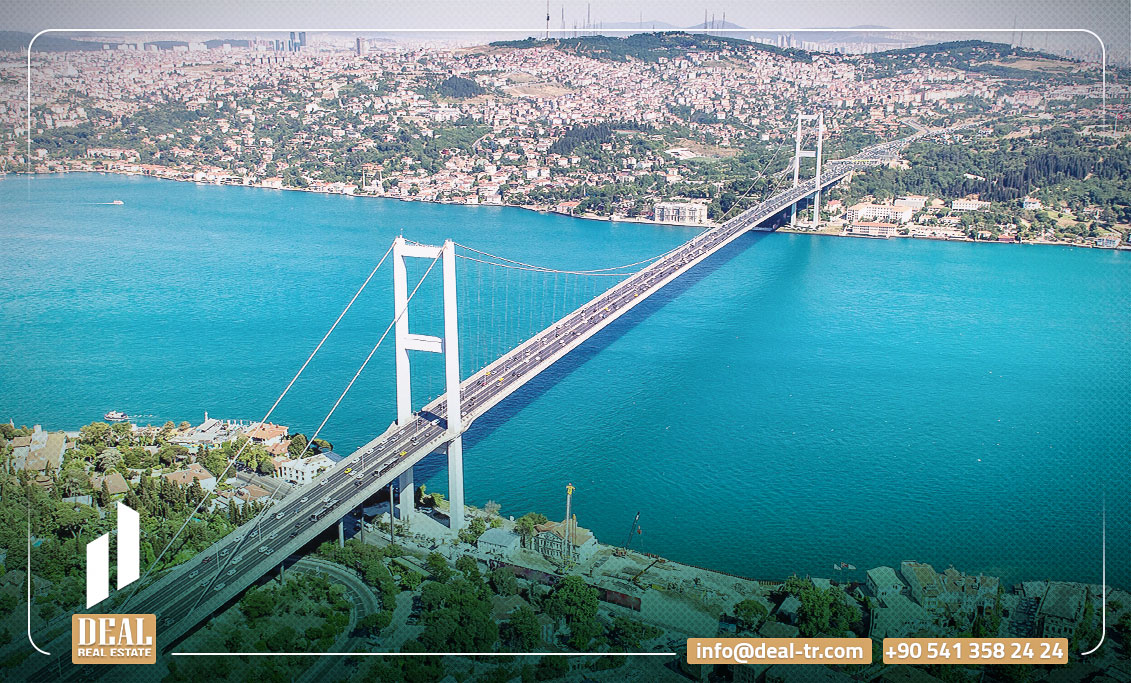
Introduction to Turkey's Suspension Bridges
Turkey occupies one of the most strategically important locations in the world, serving as a natural bridge between Europe and Asia. For thousands of years, trade routes, armies, travelers, and cultures have crossed this remarkable landscape. In modern times, the country's impressive network of suspension bridges has transformed the way people and goods move across major waterways, particularly the Bosphorus Strait and the Dardanelles. These engineering achievements are much more than transportation infrastructure—they are national landmarks that showcase Turkey's technological progress, economic ambitions, and architectural excellence.
Suspension bridges are designed to span long distances using massive cables suspended from towering pylons. This design allows engineers to cross wide bodies of water with fewer support structures, making suspension bridges ideal for locations such as the Bosphorus. Turkey has invested heavily in these projects to reduce travel times, improve logistics, strengthen regional trade, and support its rapidly growing economy. Millions of vehicles cross these bridges every year, connecting cities, businesses, and communities that would otherwise depend on ferries or lengthy detours.
Among Turkey's most famous suspension bridges are the 15 July Martyrs Bridge, the Fatih Sultan Mehmet Bridge, the Yavuz Sultan Selim Bridge, and the 1915 Çanakkale Bridge. Each represents a different era of engineering innovation and reflects advances in materials, construction techniques, and transportation planning. The 1915 Çanakkale Bridge, for example, gained international attention by achieving the world's longest suspension bridge main span when it opened, demonstrating Turkey's growing role in global infrastructure development.
Beyond their technical achievements, these bridges have become cultural icons. They feature prominently in photographs of Istanbul's skyline, attract visitors from around the world, and symbolize unity by physically linking continents and regions. Their construction has encouraged tourism, stimulated investment, and reinforced Turkey's position as a major transportation hub connecting Europe, the Middle East, and Asia. Throughout this article, you'll explore the history, engineering, significance, and future of Turkey's remarkable suspension bridges while discovering how these monumental structures continue to shape the nation's development.
Why Suspension Bridges Matter in Turkey
Turkey's suspension bridges are far more than impressive engineering landmarks—they are essential pieces of infrastructure that keep the country's economy and transportation network moving efficiently. Because Turkey spans two continents, its geography presents unique challenges. The Bosphorus Strait separates the European and Asian sides of Istanbul, while the Dardanelles Strait divides northwestern Turkey. Without long-span bridges, millions of people and enormous volumes of freight would rely on ferries, resulting in longer travel times, congestion, and reduced economic productivity. Suspension bridges provide reliable, year-round crossings regardless of weather conditions, making them indispensable for both residents and international trade.
Connecting Europe and Asia
Few countries can claim to physically connect two continents, and Turkey's suspension bridges make that connection possible every day. The 15 July Martyrs Bridge, Fatih Sultan Mehmet Bridge, and Yavuz Sultan Selim Bridge all span the Bosphorus Strait, creating direct road links between Europe and Asia. These crossings are used by commuters, tourists, commercial vehicles, and emergency services around the clock. Before the first Bosphorus Bridge opened in 1973, ferries were the primary means of crossing the strait. Although ferries remain popular, the bridges dramatically increased transportation capacity and reduced travel times.
These bridges have also strengthened Turkey's role as a gateway between Europe, Central Asia, and the Middle East. International trucking routes carrying food, manufactured goods, fuel, and consumer products depend on these crossings to maintain efficient supply chains. The bridges therefore support not only Turkey's domestic transportation but also regional commerce that extends across multiple countries.
Supporting Economic Growth
Modern economies depend on fast and dependable transportation networks, and Turkey's suspension bridges play a central role in achieving this goal. By reducing travel times and easing congestion, the bridges lower transportation costs for businesses and improve productivity. Industrial areas on both sides of Istanbul benefit from quicker movement of raw materials and finished products, while logistics companies can deliver goods more efficiently.
The bridges also encourage tourism by making popular destinations easier to reach. Visitors can travel seamlessly between historical attractions on both continents, contributing to local businesses, hotels, restaurants, and cultural sites. According to Turkey's Ministry of Culture and Tourism, the country welcomes tens of millions of international visitors annually, and Istanbul remains one of the world's most visited cities. Efficient transportation infrastructure, including its iconic suspension bridges, helps support this thriving tourism industry.
The Evolution of Bridge Engineering in Turkey
Turkey's journey toward building world-class suspension bridges reflects decades of careful planning, technological advancement, and engineering ambition. For centuries, crossing the Bosphorus depended on boats and ferries. While these methods served the region well, rapid population growth during the twentieth century created increasing demand for permanent road connections. Engineers and planners recognized that conventional bridge designs would not be suitable for the wide shipping channels and deep waters of the Bosphorus. Suspension bridge technology offered the ideal solution, allowing long spans without obstructing maritime traffic.
Early Bosphorus Crossing Plans
Ideas for a bridge connecting Europe and Asia date back far earlier than many people realize. Historical accounts suggest that rulers and engineers imagined permanent crossings over the Bosphorus for centuries, but the technology and financial resources needed for such a project did not become available until the modern era. During the mid-twentieth century, Turkey's expanding economy and growing urban population transformed these ideas into practical infrastructure projects.
Construction of the first Bosphorus suspension bridge began in 1970 with international engineering collaboration. The project represented a major milestone in Turkey's modernization efforts and demonstrated the country's commitment to investing in large-scale infrastructure. When the bridge opened in 1973, coinciding with the 50th anniversary of the Republic of Turkey, it became a powerful symbol of national progress and unity.
Modern Engineering Breakthroughs
Each successive suspension bridge built in Turkey has introduced new engineering innovations. Improvements in high-strength steel, aerodynamic deck design, earthquake-resistant foundations, and cable technology have enabled engineers to construct longer and stronger bridges capable of carrying heavier traffic loads. Computer modeling and advanced monitoring systems now allow engineers to evaluate wind effects, structural movement, and long-term maintenance requirements with exceptional accuracy.
The Yavuz Sultan Selim Bridge, opened in 2016, exemplifies these advances by combining road and railway transportation on the same structure. Its hybrid cable-stayed and suspension design enables it to carry eight highway lanes along with two railway tracks, making it one of the most technologically sophisticated bridges in the world.
Turkey's engineering achievements reached another historic milestone with the opening of the 1915 Çanakkale Bridge in 2022. Featuring a record-breaking 2,023-meter main span, the bridge surpassed Japan's Akashi Kaikyō Bridge to become the world's longest suspension bridge by main span at the time of its inauguration. Beyond its technical accomplishment, the span length commemorates the centennial of the Republic of Turkey, illustrating how infrastructure can combine engineering excellence with national symbolism.
The 15 July Martyrs Bridge
The 15 July Martyrs Bridge, originally known as the Bosphorus Bridge, is one of Turkey's most recognizable landmarks and a defining feature of Istanbul's skyline. Stretching across the Bosphorus Strait, it was the first permanent bridge to connect the European and Asian continents in modern history. Officially opened on October 30, 1973, the bridge coincided with the 50th anniversary of the Republic of Turkey, symbolizing the country's modernization and commitment to strengthening national unity. Before its construction, crossing the Bosphorus relied largely on ferries, which were often affected by weather, schedules, and growing traffic demand. The bridge transformed daily life by allowing vehicles to travel directly between the two continents within minutes.
The project was designed by the British engineering firm Freeman Fox & Partners, while construction was carried out by a consortium including Cleveland Bridge & Engineering Company of the United Kingdom and Hochtief AG of Germany. At the time of its completion, the bridge ranked among the longest suspension bridges in the world and quickly became a symbol of engineering excellence. Building a bridge over one of the busiest waterways on Earth required meticulous planning. Engineers had to ensure that the structure would withstand strong winds, seismic activity, heavy traffic loads, and the continuous passage of large ships beneath it.
History and Construction
Construction began in 1970 after years of feasibility studies and international collaboration. Thousands of engineers, architects, technicians, and construction workers contributed to the project over three years. Massive foundations were anchored deep into the shoreline, while two steel towers were erected on opposite sides of the Bosphorus. Giant main cables, composed of thousands of high-strength steel wires, were carefully spun into place before the bridge deck was suspended from vertical hangers.
The opening of the bridge marked a historic moment for Turkey. Thousands of people gathered to witness the inauguration, celebrating a structure that permanently linked Europe and Asia. Over time, the bridge became an essential transportation corridor, carrying hundreds of thousands of vehicles each day. In 2016, following the events of the attempted coup on July 15, the bridge was officially renamed the 15 July Martyrs Bridge in honor of those who lost their lives defending Turkey's democratic institutions.
Design Features and Specifications
The bridge remains an impressive feat of engineering decades after its completion. It has a total length of approximately 1,560 meters (5,118 feet) and a main span of 1,074 meters (3,524 feet). The steel towers rise to about 165 meters (541 feet) above the ground, while the bridge deck provides sufficient clearance for large commercial vessels navigating the Bosphorus. This high clearance was critical because the strait is one of the world's busiest maritime routes, connecting the Black Sea with the Mediterranean.
Originally, pedestrians were allowed to walk across the bridge during its early years. However, pedestrian access was later discontinued due to safety concerns, and the bridge now serves motor vehicle traffic only. Modern monitoring systems continuously evaluate the bridge's structural health, allowing engineers to detect even small changes caused by weather, traffic, or natural movement. Routine maintenance, repainting, cable inspections, and seismic upgrades ensure that the bridge continues to operate safely despite carrying millions of vehicles every year.
The 15 July Martyrs Bridge has become much more than a transportation route. At night, sophisticated LED lighting illuminates the bridge in vibrant colors, making it one of Istanbul's most photographed attractions. During national celebrations, sporting events, and cultural festivals, the lighting displays create spectacular visual experiences that reinforce the bridge's role as both an engineering masterpiece and a cultural icon.
Fatih Sultan Mehmet Bridge
The Fatih Sultan Mehmet Bridge (FSM Bridge), often called the Second Bosphorus Bridge, was built to address the rapid increase in traffic that followed the success of the first Bosphorus crossing. Opened on July 3, 1988, the bridge was named after Sultan Mehmed II, the Ottoman ruler who conquered Constantinople in 1453. By the 1980s, Istanbul's expanding population and growing economy had placed enormous pressure on the existing transportation network. A second suspension bridge became essential to reduce congestion and improve connectivity between the city's European and Asian districts.
Positioned north of the 15 July Martyrs Bridge, the Fatih Sultan Mehmet Bridge forms part of the Trans-European Motorway (TEM), one of the most important highway corridors connecting Europe with Asia. This strategic location enables long-distance traffic, freight transport, and international commerce to bypass central Istanbul, reducing travel delays while supporting regional trade.
Engineering Highlights
The Fatih Sultan Mehmet Bridge measures approximately 1,510 meters (4,954 feet) in total length and features a main span of 1,090 meters (3,576 feet), making it slightly longer in span than the first Bosphorus Bridge. Like its predecessor, it uses a classic suspension bridge design supported by two massive steel towers and high-strength suspension cables. The bridge deck carries multiple traffic lanes in each direction, allowing substantial traffic capacity throughout the day.
Engineers incorporated lessons learned from the first Bosphorus Bridge into the FSM Bridge's design. Advances in steel manufacturing, aerodynamic deck construction, and structural analysis improved both efficiency and durability. The bridge was also designed with Turkey's seismic conditions in mind, incorporating structural flexibility that allows it to withstand earthquake forces more effectively. Continuous inspection programs and maintenance upgrades have helped preserve its safety and operational reliability for decades.
Traffic and Strategic Importance
The Fatih Sultan Mehmet Bridge plays a vital role in Istanbul's transportation system. It serves as one of the primary crossings for intercity traffic and commercial freight, linking major highways that extend across Turkey and into neighboring countries. Every day, hundreds of thousands of vehicles—including passenger cars, buses, and heavy trucks—use the bridge to move between continents.
Its importance extends beyond Istanbul. As part of international transportation corridors connecting Europe with Asia and the Middle East, the bridge supports global supply chains by facilitating the movement of manufactured goods, agricultural products, and industrial materials. Reduced travel times contribute to lower fuel consumption and improved logistics efficiency, benefiting businesses and consumers alike.
Beyond its economic significance, the Fatih Sultan Mehmet Bridge has become another iconic feature of Istanbul's landscape. Together with the 15 July Martyrs Bridge and the newer Yavuz Sultan Selim Bridge, it represents Turkey's ongoing investment in infrastructure, demonstrating how engineering innovation can support population growth, economic development, and international connectivity.
Yavuz Sultan Selim Bridge
The Yavuz Sultan Selim Bridge, commonly referred to as the Third Bosphorus Bridge, represents one of the most ambitious transportation projects ever undertaken in Turkey. Officially opened on August 26, 2016, the bridge was designed to relieve the increasing traffic burden on Istanbul's first two Bosphorus crossings while strengthening international transportation links between Europe and Asia. Located near the northern entrance of the Bosphorus, it forms a key part of the Northern Marmara Motorway, allowing transit traffic to bypass the city's densely populated urban center.
Unlike the earlier Bosphorus bridges, which primarily serve urban traffic, the Yavuz Sultan Selim Bridge was conceived as part of a broader transportation strategy. By redirecting long-distance commercial vehicles away from central Istanbul, the bridge helps reduce congestion, shorten delivery times, and improve road safety. The project also reflects Turkey's vision of becoming a major logistics hub connecting Europe, the Caucasus, Central Asia, and the Middle East.
Record-Breaking Features
When it opened, the Yavuz Sultan Selim Bridge attracted worldwide attention because of its remarkable engineering specifications. It combines elements of both suspension bridge and cable-stayed bridge design, creating a hybrid structure capable of supporting exceptionally heavy loads while maintaining excellent stability under strong winds and seismic activity.
The bridge has a main span of 1,408 meters (4,619 feet) and a total length of 2,164 meters (7,100 feet). Its deck is approximately 59 meters wide, making it one of the widest suspension bridge decks in the world. Towering 322 meters (1,056 feet) above the Bosphorus, its elegant pylons were among the tallest bridge towers globally at the time of completion.
Constructing a bridge of this scale required advanced engineering techniques. Engineers used high-performance steel, sophisticated aerodynamic modeling, and earthquake-resistant foundations to ensure long-term structural integrity. Continuous monitoring systems collect data on wind, temperature, structural movement, and traffic loads, allowing maintenance teams to identify potential issues before they become serious.
Rail and Highway Integration
One of the bridge's most innovative characteristics is its ability to accommodate both highway and railway transportation on the same structure. The bridge carries eight highway lanes in addition to two railway tracks, creating an integrated transportation corridor capable of serving passenger travel and freight movement simultaneously.
This multimodal design enhances Turkey's long-term transportation capacity by encouraging efficient movement of goods between ports, industrial centers, and neighboring countries. Future rail connections are expected to strengthen links with Istanbul's broader railway network, reducing dependence on road transport and supporting more sustainable logistics.
The bridge has also become a striking architectural landmark. Its slender towers, graceful cables, and illuminated nighttime appearance make it one of Istanbul's most recognizable modern structures. Although primarily built for transportation efficiency, it has also contributed to tourism by attracting visitors interested in architecture, engineering, and panoramic views of the Bosphorus.
The 1915 Çanakkale Bridge
The 1915 Çanakkale Bridge is one of the most significant infrastructure achievements in modern Turkey. Opened on March 18, 2022, it spans the Dardanelles Strait, connecting the provinces of Çanakkale and Tekirdağ while linking the European and Asian sides of northwestern Turkey. The bridge forms part of the Kınalı–Tekirdağ–Çanakkale–Savaştepe Motorway, dramatically improving travel between the Marmara and Aegean regions.
Before the bridge was built, travelers crossing the Dardanelles typically depended on ferry services, which could be delayed by weather conditions or seasonal demand. The new crossing has reduced travel time across the strait from approximately an hour—including ferry waiting time—to only a few minutes by road. This improvement has enhanced regional connectivity while supporting tourism, commerce, and industrial development.
World's Longest Main Span
The 1915 Çanakkale Bridge made international headlines by setting a new engineering record. Its main span measures 2,023 meters (6,637 feet), making it the longest suspension bridge main span in the world at the time of its opening. The span length intentionally commemorates the year 2023, marking the centennial of the Republic of Turkey.
The bridge has a total length of approximately 4,608 meters (15,118 feet), while its steel towers rise 318 meters (1,043 feet) above sea level. This height references the Turkish naval victory of March 18, 1915, during the Gallipoli Campaign. Every dimension of the bridge incorporates historical symbolism alongside engineering excellence.
Constructing such a long span required extraordinary precision. Engineers faced challenges including strong sea currents, high winds, deep water, and seismic risks. Advanced computer simulations, high-strength materials, and innovative construction methods enabled the project to meet rigorous international safety standards while achieving its record-breaking dimensions.
Symbolism Behind the Design
The bridge's name honors the Gallipoli Campaign of 1915, one of the most significant events in Turkish history. Rather than serving solely as transportation infrastructure, the bridge stands as a national monument celebrating resilience, sacrifice, and unity.
Its red-and-white tower caps reflect the colors of the Turkish flag, while its record-setting span symbolizes national ambition and technological achievement. At night, carefully designed lighting enhances the bridge's elegant profile, making it a prominent visual landmark across the Dardanelles.
The project has also delivered substantial economic benefits. Improved transportation encourages tourism throughout the Gallipoli Peninsula and the ancient city of Troy, both internationally recognized historical destinations. Local businesses have gained easier access to markets, and freight transportation has become faster and more reliable. By strengthening regional infrastructure, the bridge contributes to long-term economic development while reinforcing Turkey's role as a crossroads between Europe and Asia.
Economic Benefits of Turkey's Suspension Bridges
Turkey's suspension bridges generate economic value far beyond the tolls collected from motorists. By reducing travel times and eliminating transportation bottlenecks, they improve productivity across nearly every sector of the economy. Manufacturers can deliver goods more quickly, logistics companies reduce fuel consumption and operating costs, and exporters gain faster access to ports and international markets.
The bridges also stimulate regional investment. Areas once considered relatively isolated become more attractive for industrial parks, residential developments, hotels, shopping centers, and tourism facilities after receiving direct highway connections. Improved accessibility often increases property values while encouraging businesses to expand into previously underserved regions.
International trade particularly benefits from these crossings. Turkey sits at the intersection of major trade routes linking Europe, Asia, and the Middle East. Trucks transporting electronics, automobiles, agricultural products, textiles, and consumer goods rely on efficient bridge crossings to maintain delivery schedules. As supply chains become increasingly time-sensitive, dependable infrastructure provides a valuable competitive advantage.
Beyond commerce, the bridges contribute to public safety and quality of life. Emergency services, disaster response teams, and healthcare providers can reach destinations more rapidly, while commuters spend less time in traffic and more time with their families. Collectively, these benefits demonstrate that Turkey's suspension bridges are not merely engineering achievements—they are long-term investments supporting national development, regional integration, and economic resilience.
Tourism and Cultural Significance
Turkey's suspension bridges are not only essential transportation links but also some of the country's most recognizable cultural landmarks. The 15 July Martyrs Bridge, Fatih Sultan Mehmet Bridge, Yavuz Sultan Selim Bridge, and the 1915 Çanakkale Bridge have become symbols of modern Turkey, representing innovation, national unity, and architectural excellence. Their elegant silhouettes dominate the skylines of Istanbul and the Dardanelles, appearing in postcards, travel documentaries, films, and countless photographs shared by visitors from around the world.
For tourists visiting Istanbul, the Bosphorus bridges are often among the highlights of a city tour. Bosphorus cruises provide spectacular views of the bridges from the water, allowing visitors to appreciate their immense scale while passing historic palaces, mosques, and waterfront mansions known as yalıs. Sunset cruises are especially popular, as the bridges are illuminated with colorful LED lighting that transforms the skyline into a breathtaking display.
The bridges also serve as backdrops for major national celebrations, sporting events, and international festivals. During Republic Day, New Year's Eve, and other special occasions, synchronized lighting displays reinforce their role as symbols of national pride. Their presence in television broadcasts and promotional campaigns has strengthened Turkey's international image as a country where ancient history and cutting-edge engineering coexist.
The 1915 Çanakkale Bridge has similarly enhanced tourism in northwestern Turkey. Visitors traveling to the Gallipoli Peninsula or the UNESCO World Heritage Site of Ancient Troy now enjoy much faster access, encouraging longer stays and greater exploration of the region. Hotels, restaurants, museums, and local businesses have benefited from the increased visitor traffic generated by the improved transportation network.
Beyond their visual appeal, these bridges inspire interest in engineering and architecture. Universities, engineering societies, and international delegations frequently organize technical visits to study their design, construction methods, and maintenance systems. As a result, Turkey's suspension bridges contribute not only to tourism but also to education, professional collaboration, and the country's global reputation for delivering complex infrastructure projects.
Environmental and Engineering Challenges
Constructing suspension bridges across major waterways involves overcoming numerous environmental and engineering challenges. Turkey's bridges span regions characterized by strong currents, busy shipping lanes, seismic activity, and changing weather conditions. Engineers must balance structural performance with environmental protection while ensuring that maritime navigation remains uninterrupted throughout construction and operation.
One of the greatest engineering challenges is designing bridges capable of withstanding earthquakes. Turkey lies near several active fault lines, making seismic resilience an essential design requirement. Modern suspension bridges incorporate flexible structural systems, energy-dissipating devices, and reinforced foundations that allow them to absorb and distribute earthquake forces more effectively. Continuous monitoring systems measure vibration, temperature, wind speed, and structural movement, enabling engineers to detect abnormalities before they develop into serious issues.
Wind also presents significant challenges. Strong gusts can produce vibrations that affect bridge stability, particularly on long-span structures. Engineers therefore use advanced computer simulations and wind tunnel testing to optimize deck shapes and cable arrangements. These aerodynamic improvements help minimize oscillations and ensure comfortable, safe travel for motorists.
Environmental protection remains another priority throughout construction. Large bridge projects require careful planning to reduce impacts on marine ecosystems, fish habitats, bird migration routes, and coastal environments. Environmental impact assessments guide project development, while construction techniques are selected to minimize disturbance to surrounding ecosystems. Ongoing monitoring continues after completion to ensure long-term environmental sustainability.
Maintenance is equally important. Suspension bridges require regular inspections of cables, towers, expansion joints, bearings, and road surfaces. Protective coatings help prevent corrosion, while modern sensor technologies allow maintenance teams to identify potential wear before it affects structural performance. Through proactive maintenance, Turkey's suspension bridges are designed to remain safe and reliable for generations.
Future Bridge Projects in Turkey
Turkey continues to invest heavily in transportation infrastructure as part of its long-term economic development strategy. Although the country's four major suspension bridges already play a crucial role in national connectivity, future projects are expected to expand highway networks, improve railway integration, and strengthen international trade corridors.
Rather than focusing solely on building additional record-breaking suspension bridges, Turkey is increasingly emphasizing comprehensive transportation systems that combine highways, railways, tunnels, ports, and logistics centers. Projects such as the Northern Marmara Motorway, expanded high-speed rail networks, and improved port facilities aim to create seamless connections between different modes of transportation.
Advances in bridge engineering are also expected to influence future developments. Engineers are increasingly incorporating digital monitoring systems, artificial intelligence, high-performance construction materials, and smart infrastructure technologies into new projects. These innovations can improve safety, reduce maintenance costs, extend service life, and optimize traffic management.
Sustainability has become another major consideration. Future bridge projects are likely to place greater emphasis on environmentally responsible construction practices, energy-efficient lighting systems, recycled materials, and reduced carbon emissions. Intelligent traffic management systems may further reduce congestion and fuel consumption, contributing to cleaner and more efficient transportation networks.
As Turkey's population and economy continue to grow, infrastructure investment will remain essential. Future bridge and transportation projects will support domestic mobility while reinforcing Turkey's strategic position as one of the world's most important crossroads connecting Europe, Asia, and the Middle East.
Conclusion
Turkey's suspension bridges stand among the world's most impressive engineering achievements. From the historic 15 July Martyrs Bridge, which first connected Europe and Asia across the Bosphorus in 1973, to the record-breaking 1915 Çanakkale Bridge, these structures demonstrate how innovative engineering can overcome geographical challenges while promoting national development.
Each bridge reflects a different stage in Turkey's infrastructure journey. The Fatih Sultan Mehmet Bridge expanded transportation capacity as Istanbul grew, while the Yavuz Sultan Selim Bridge introduced an advanced multimodal design that integrates both highway and railway transportation. Together, these bridges have transformed travel, strengthened international trade, supported tourism, and improved the daily lives of millions of people.
Their significance extends beyond transportation. They symbolize unity between continents, showcase Turkish engineering expertise, and serve as architectural landmarks recognized around the world. Careful maintenance, continuous technological innovation, and ongoing investment ensure that these remarkable structures will continue supporting economic growth and regional connectivity for decades to come.
As global transportation demands evolve, Turkey's suspension bridges remain powerful examples of how visionary infrastructure can shape the future of a nation while connecting people, cultures, and economies across continents.
Frequently Asked Questions
FAQ 1: How many major suspension bridges does Turkey have?
Turkey has four major suspension bridges: the 15 July Martyrs Bridge, Fatih Sultan Mehmet Bridge, Yavuz Sultan Selim Bridge, and the 1915 Çanakkale Bridge. Three cross the Bosphorus Strait in Istanbul, while the fourth spans the Dardanelles Strait.
FAQ 2: Which suspension bridge in Turkey has the longest main span?
The 1915 Çanakkale Bridge has the world's longest suspension bridge main span of 2,023 meters, a length chosen to commemorate the centennial of the Republic of Turkey.
FAQ 3: Which bridge first connected Europe and Asia?
The 15 July Martyrs Bridge, originally called the Bosphorus Bridge, became the first permanent modern road bridge connecting Europe and Asia when it opened in 1973.
FAQ 4: What makes the Yavuz Sultan Selim Bridge unique?
The Yavuz Sultan Selim Bridge combines eight highway lanes with two railway tracks, using a hybrid suspension and cable-stayed design that makes it one of the world's most advanced transportation bridges.
FAQ 5: Why are Turkey's suspension bridges important?
Turkey's suspension bridges reduce travel times, strengthen domestic and international trade, improve tourism, support emergency transportation, and reinforce the country's strategic position as a gateway between Europe, Asia, and the Middle East.
Have Question Or Suggestion ?
Please Share Your Thought, To Make It Real