Taksim Square 2026: Secret Rooftops, Hidden Passages & Street Food You Must Try
Discover Taksim like never before—hidden rooftops, secret arcades, and street food locals don’t want you to find. Your 2026 insider guide starts here.
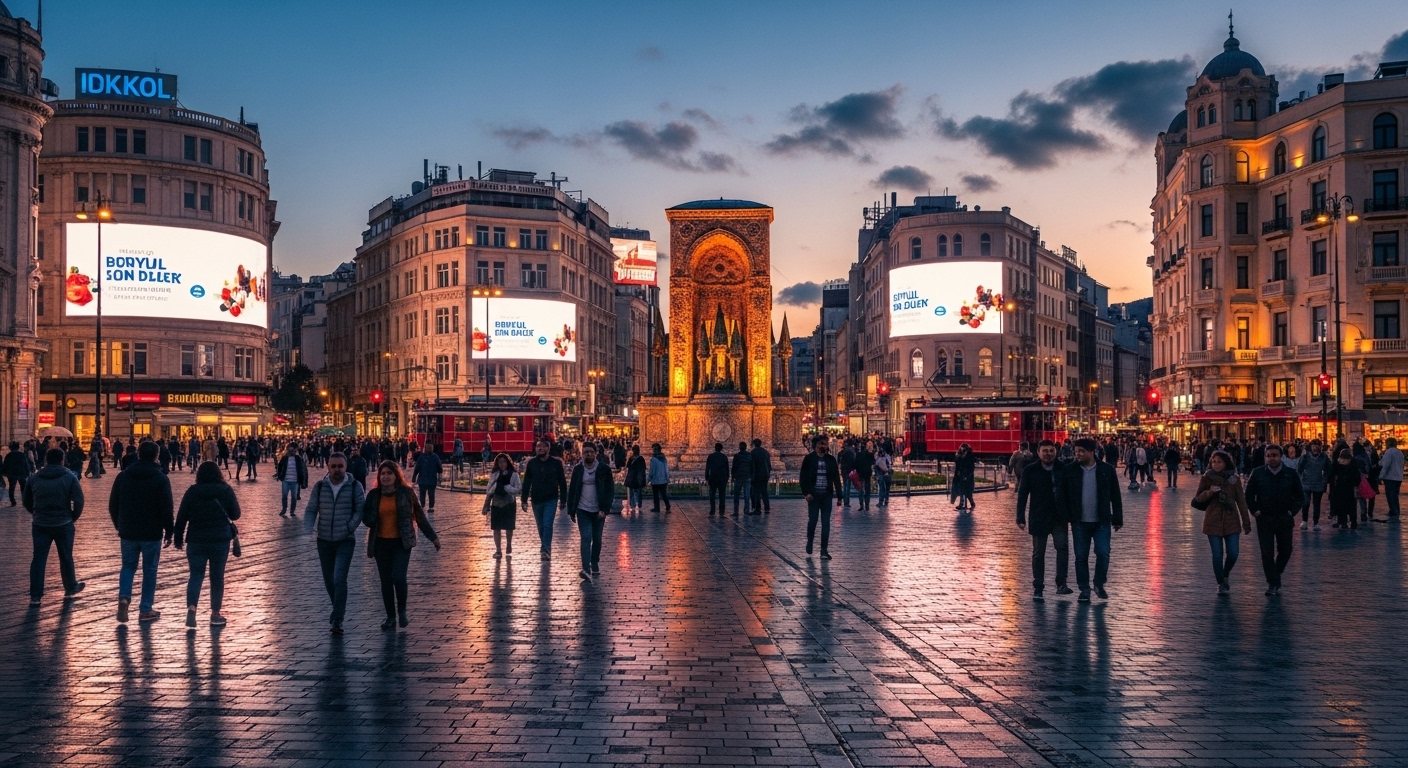
Taksim Square Hotel Guide: Finding the Best Stay Near Taksim Square in Istanbul
Few destinations in Turkey attract travelers quite like Taksim Square. Located in the heart of Istanbul, this iconic district serves as a gateway to culture, nightlife, shopping, dining, and transportation. Whether you are visiting for business, leisure, or a family vacation, selecting the right Taksim Square hotel can dramatically influence your experience. The area offers everything from luxury international chains to boutique properties and Istanbul cheap hotels Taksim visitors frequently choose for affordable stays.
What makes this location particularly attractive is its ability to connect old and new Istanbul. Within minutes, travelers can explore historic landmarks, trendy cafes, world-famous restaurants, art galleries, and bustling shopping streets. The district never truly sleeps, creating an atmosphere filled with energy at nearly every hour of the day. For first-time visitors, staying close to Taksim often removes many logistical challenges because transportation options are abundant and easy to access.
The accommodation market around the square is equally diverse. Some visitors prioritize luxury amenities such as rooftop terraces overlooking the Bosphorus, while others focus on finding budget-friendly lodging that maximizes value. Regardless of travel style, there is a suitable hotel option nearby. Understanding the area's unique characteristics, hotel categories, and neighborhood differences can help travelers make informed decisions and enjoy a more memorable stay in Istanbul.
Why Taksim Square Remains the Heart of Modern Istanbul
Taksim Square is more than a tourist attraction; it is one of Istanbul's most recognizable urban landmarks. The square acts as a central meeting point where locals and international visitors intersect daily. Its strategic location within the Beyoglu district makes it one of the most accessible areas in the city. Travelers often choose a Taksim Square hotel because it provides immediate access to transportation networks, shopping districts, and cultural attractions.
Unlike many historic districts that become quiet after sunset, Taksim maintains its vibrant atmosphere throughout the day and night. Street performers, musicians, artists, and food vendors contribute to an environment that feels alive and constantly evolving. This dynamic character attracts travelers seeking an authentic urban experience rather than a purely tourist-focused destination.
Another reason for the area's popularity is convenience. Visitors staying nearby can easily explore multiple parts of Istanbul without spending excessive time commuting. The metro system, buses, taxis, and funicular lines create seamless connections between major attractions. Travelers interested in balancing sightseeing with comfort frequently discover that staying near Taksim simplifies their itinerary considerably.
The neighborhood's broad appeal also means there is accommodation for every budget. From five-star luxury properties to Istanbul cheap hotels Taksim tourists often recommend online, the variety of options makes the district suitable for solo travelers, couples, families, and business professionals alike.
Historical Importance of Taksim Square
The history of Taksim Square stretches back centuries and reflects Istanbul's transformation over time. The name "Taksim" originates from an Ottoman-era water distribution system that once occupied the area. Water from northern reservoirs was collected and distributed throughout the city from this strategic location. Although modern development has transformed the district, traces of its historical significance remain embedded in its identity.
Throughout the twentieth century, the square evolved into a major civic and cultural center. Significant public gatherings, celebrations, and political events have taken place here, making it one of Turkey's most recognizable public spaces. The Republic Monument, located prominently within the square, stands as a symbol of modern Turkish history and attracts countless visitors every year.
Travelers staying at a nearby Taksim Square hotel often appreciate how history and modernity coexist in the district. Historic architecture blends with contemporary commercial developments, creating a unique visual landscape. Walking through the surrounding streets reveals layers of cultural influence that have shaped Istanbul over generations.
This combination of historical significance and modern relevance contributes greatly to the area's enduring popularity. Visitors are not simply booking a hotel room; they are positioning themselves within one of the city's most meaningful and dynamic neighborhoods.
The Cultural and Social Energy Around the Square
One of the most compelling reasons travelers choose accommodations near Taksim Square is the district's unmatched cultural atmosphere. Every street branching from the square seems to offer something different, from live music venues and art galleries to independent bookstores and international restaurants. The diversity of experiences available within walking distance creates tremendous value for visitors.
The area's social energy is especially noticeable along Istiklal Avenue, one of Istanbul's most famous pedestrian streets. Here, travelers encounter a blend of local traditions and global influences. Historic buildings stand beside modern retail stores, while traditional Turkish eateries operate alongside international dining establishments. This contrast creates an environment that feels both familiar and exciting.
For guests staying in a Taksim Square hotel, the convenience of having cultural attractions nearby cannot be overstated. Instead of relying heavily on transportation, visitors can immerse themselves in the local atmosphere simply by stepping outside their hotel. Evening strolls often become memorable experiences as street musicians, performers, and vibrant crowds transform the neighborhood into an open-air cultural showcase.
Many travelers who initially book the area for convenience ultimately discover that its cultural richness becomes the highlight of their Istanbul journey. The district's ability to blend entertainment, heritage, creativity, and community interaction makes it one of the most engaging places to stay in the city.
Best Rooftop Spots in Taksim for Stunning Views
Luxury Rooftops with Bosphorus Views
If there’s one experience that instantly elevates your time in Taksim—literally and figuratively—it’s heading up to a rooftop overlooking the Bosphorus. And in 2026, the rooftop scene here has become something truly special. We’re not just talking about a table with a view; we’re talking about immersive spaces where ambiance, design, and skyline come together to create unforgettable moments.
Luxury rooftops around Taksim have embraced a “destination within a destination” concept. Places like 360 Istanbul, Mikla, and newer boutique hotel rooftops have doubled down on offering more than just food and drinks. Think live DJs blending into sunset sessions, curated tasting menus inspired by Anatolian cuisine, and panoramic glass terraces that make you feel like you’re floating above the city.
The Bosphorus view is, of course, the main star. Watching the sun dip behind the minarets while ferries glide across the water is the kind of moment that sticks with you long after your trip ends. And here’s the thing—it never gets old. Whether it’s your first visit or your fifth, that golden-hour glow hits differently every time.
Service at these luxury rooftops has also evolved. Staff are more attuned to international guests, offering personalized recommendations and often explaining the story behind each dish or cocktail. You’re not just ordering a drink—you’re getting a mini cultural experience.
Of course, this level of experience comes with a price tag. But many travelers in 2026 are prioritizing fewer, higher-quality experiences over packing their schedules with budget stops. And honestly? Sitting on a rooftop, sipping a perfectly crafted cocktail, and taking in one of the world’s most iconic skylines feels worth every lira.
Still, not every rooftop needs to break the bank—and that’s where the next section comes in.
Travelers researching accommodation options often explore the wider Taksim district before making a booking decision. The area includes numerous hotels, serviced apartments, restaurants, shopping venues, and cultural attractions that appeal to different types of visitors. For a detailed overview of the neighborhood, available properties, and local highlights, visitors can explore the Taksim Area Guide, which provides useful information about one of Istanbul's most popular districts.
Price vs Experience Comparison
When it comes to luxury rooftops in Taksim, the big question most travelers quietly ask themselves is: Is it actually worth the price? And the honest answer in 2026 is—it depends on what kind of experience you’re chasing. Some rooftops lean heavily into the “Instagram moment,” while others genuinely deliver a full sensory journey that stays with you long after you’ve left Istanbul.
Let’s break it down in a way that actually helps you decide. Here’s a simple comparison of what you’re paying for versus what you’re getting:
| Rooftop Type | Average Price (Per Person) | What You Get | Best For |
|---|---|---|---|
| High-End Dining Rooftops (e.g., Mikla) | $80–$150 | Gourmet tasting menus, curated wine pairings, iconic skyline views | Food lovers & special occasions |
| Trendy Lounge Rooftops (e.g., 360 Istanbul) | $40–$80 | Cocktails, live music/DJs, panoramic terraces | Nightlife seekers |
| Boutique Hotel Rooftops | $30–$60 | Intimate settings, personalized service, stylish decor | Couples & relaxed evenings |
| Mid-Range Scenic Cafés | $15–$30 | Drinks, light snacks, partial Bosphorus views | Budget-conscious travelers |
Now here’s the real insight most guides won’t tell you: the view is often the same—but the experience isn’t. You could be looking at the exact same skyline from two different rooftops, yet one feels like a rushed tourist stop while the other feels like a carefully curated evening.
Luxury rooftops justify their pricing through details—presentation, music selection, crowd control, and timing. For example, some high-end venues limit reservations during sunset hours, ensuring you’re not packed shoulder-to-shoulder. Others offer storytelling through food, where each dish represents a region of Turkey. That’s not just dinner—it’s an experience layered with meaning.
But here’s where you need to be strategic. If you’re mainly going for the view and a couple of photos, spending $100+ might feel excessive. In that case, a stylish boutique rooftop can give you 80% of the magic at half the cost. On the flip side, if you’re celebrating something—or just want to treat yourself—those premium spots deliver a level of polish that’s hard to replicate.
Timing also plays a huge role. Sunset slots are always priced higher (and booked faster), but late-night visits often come with a completely different vibe—more relaxed, sometimes even more authentic.
So instead of asking “Which rooftop is the best?” ask yourself: What kind of memory do I want to create? Because in Taksim, you’re not just paying for a view—you’re paying for how that moment feels.
Budget-Friendly Rooftops You’ll Love
Not every great rooftop in Taksim comes with a hefty bill—and honestly, some of the most memorable spots are the ones that don’t try too hard to impress you. These budget-friendly rooftops have a charm that feels more real, more spontaneous, and sometimes even more “Istanbul” than their luxury counterparts.
In 2026, there’s been a noticeable rise in small, independently run rooftop cafés and bars tucked above older buildings. You usually won’t find them with flashy signage or aggressive marketing. Instead, you’ll stumble upon them almost by accident—maybe after climbing a narrow staircase or following the faint sound of music drifting from above. And that’s part of the magic.
Places like Mandabatmaz Rooftop extensions or lesser-known terraces near Galatasaray offer simple setups: a few tables, warm lighting, and a view that still manages to steal your breath. You’re not paying for a brand—you’re paying for a moment. A cup of Turkish tea, a plate of meze, and a skyline that doesn’t care how much you spent to see it.
What makes these spots special isn’t just the price—it’s the atmosphere. You’ll often find a mix of locals, students, artists, and curious travelers. Conversations flow more easily, and the vibe feels less curated, more organic. It’s the kind of place where you might arrive for a quick drink and end up staying for hours.
Another advantage? Flexibility. Unlike high-end rooftops with strict reservation systems, these places are more forgiving. You can drop in spontaneously, move tables if you find a better angle, or simply linger without feeling rushed.
That said, budget rooftops do come with trade-offs. Service might be slower, menus simpler, and seating less polished. But if you go in expecting authenticity rather than perfection, you’ll likely leave feeling like you discovered something genuinely special.
And here’s a little secret: some of these rooftops offer views just as stunning as the expensive ones—just without the velvet ropes.
Insider Tips for Getting the Best Seats
Scoring the perfect seat on a Taksim rooftop isn’t just about luck—it’s about timing, strategy, and knowing how things work behind the scenes. Because let’s be honest: nothing stings quite like arriving at a beautiful rooftop only to be stuck in a corner with a blocked view.
First things first—timing is everything. If you’re aiming for that golden sunset view, arriving at least 60–90 minutes before sunset gives you a serious advantage, especially at mid-range and budget rooftops that don’t take reservations. Early arrivals often get first pick of the best tables, and staff are usually more relaxed, which works in your favor.
For luxury venues, reservations are your best friend—but even then, not all reservations are equal. When booking, try adding a note requesting a “front-row terrace seat” or “unobstructed Bosphorus view.” It might seem like a small detail, but in 2026, many venues actually pay attention to these notes, especially if you’re celebrating something.
Here are a few practical tips that can seriously upgrade your experience:
- Go on weekdays: Fridays and Saturdays get crowded fast, and even great spots can feel chaotic.
- Avoid peak dinner hours (7–9 PM): Late afternoon or post-9:30 PM visits often mean better seat options.
- Dress the part: Some upscale rooftops subtly prioritize well-dressed guests for premium seating.
- Be friendly with staff: A simple conversation can sometimes lead to a better table opening up.
Another underrated strategy? Stay a little longer. As the night progresses, tables open up, and staff may allow you to move to a better spot. Patience can pay off in ways most travelers don’t expect.
At the end of the day, getting the best seat isn’t just about position—it’s about creating a moment where everything aligns: the view, the vibe, and your own sense of being exactly where you want to be.
Hidden Arcades and Secret Passages Around Taksim
Historic Arcades You Shouldn’t Miss
If Taksim’s rooftops show you the city from above, its hidden arcades reveal a completely different layer—one that feels almost frozen in time. These passages, often tucked between busy streets or hidden behind unassuming entrances, are like stepping into Istanbul’s quieter, more introspective side.
One of the most iconic is Çiçek Pasajı, a historic arcade that dates back to the 19th century. Once a theater, now a lively corridor of restaurants and taverns, it’s a place where history and modern life blend seamlessly. The architecture alone—with its high ceilings, ornate details, and soft lighting—makes it worth a visit. But it’s the atmosphere that really draws you in. There’s a certain rhythm here: the clinking of glasses, the hum of conversations, the occasional burst of laughter that echoes through the space.
Then there’s Atlas Passage, another gem that combines culture with everyday life. Inside, you’ll find a mix of shops, a historic cinema, and small eateries that feel refreshingly untouched by mass tourism. Walking through it feels less like sightseeing and more like discovering a piece of the city that locals still genuinely use.
What makes these arcades special is their ability to slow you down. Outside, Taksim can feel overwhelming—crowded, noisy, constantly moving. But step into one of these passages, and the pace shifts. You notice details: the texture of the walls, the way light filters through glass ceilings, the quiet conversations happening at corner tables.
In 2026, there’s been a renewed appreciation for these spaces. Restoration efforts have helped preserve their original charm while making them more accessible. Yet they still retain that slightly hidden, almost secretive quality that makes discovering them so satisfying.
So while most visitors rush down Istiklal Street, the real magic often lies just a few steps off the main path—waiting quietly behind a doorway you might otherwise walk past.
Best Areas Around Taksim Square Hotel Locations
Choosing the right neighborhood around Taksim Square can significantly shape your Istanbul experience. While the square itself serves as the city's modern heart, the surrounding districts each offer distinct personalities, atmospheres, and advantages. Some travelers prefer bustling streets filled with shops and nightlife, while others seek quieter corners with artistic charm and local character. The good news is that nearly every area surrounding Taksim provides excellent access to transportation, dining, and cultural attractions.
One reason the location remains so popular is its versatility. A traveler staying in a boutique Taksim Square hotel can enjoy a completely different experience from someone staying a few blocks away in a trendy artistic neighborhood. Yet both visitors remain close enough to enjoy the conveniences that make Taksim one of Istanbul's most desirable districts.
The neighborhoods around the square also reflect Istanbul's unique ability to blend history with modern urban life. Traditional Turkish bakeries sit beside contemporary coffee shops. Historic buildings house fashionable boutiques and creative workspaces. This coexistence creates a vibrant atmosphere that appeals to travelers from around the world.
Whether your priority is nightlife, photography, food exploration, cultural immersion, or budget-friendly accommodation, the areas surrounding Taksim offer something special. Understanding the strengths of each neighborhood can help visitors select accommodations that align perfectly with their travel goals and personal preferences.
Istiklal Avenue
No discussion of Taksim Square is complete without mentioning the legendary Istiklal Avenue. This famous pedestrian street serves as one of Istanbul's busiest and most dynamic destinations. Stretching from Taksim Square toward Galata, Istiklal Avenue attracts millions of visitors every year and represents the cultural heartbeat of the district.
Guests staying in a nearby Taksim Square hotel enjoy immediate access to a remarkable mix of shopping, dining, entertainment, and architecture. Walking down Istiklal feels like exploring multiple cities at once. Elegant European-style buildings line the avenue, while modern brands, independent retailers, bookstores, and traditional Turkish establishments create a fascinating contrast.
The historic red tram that travels along the avenue has become one of Istanbul's most recognizable symbols. Visitors frequently stop to photograph it as it passes through the crowds. Yet the street offers much more than visual appeal. Hidden passageways reveal charming cafes, historic churches, art galleries, and specialty shops that many tourists initially overlook.
Food lovers particularly appreciate the variety available throughout the area. Traditional Turkish breakfasts, street food vendors, dessert shops, seafood restaurants, and international cuisine options can all be found within walking distance. This diversity allows travelers to experience different flavors without venturing far from their accommodation.
For visitors seeking energy, convenience, and endless opportunities for exploration, Istiklal Avenue remains one of the most attractive locations near Taksim.
Cihangir
Cihangir offers a completely different atmosphere from the energetic crowds of central Taksim Square. Often described as one of Istanbul's most artistic and bohemian neighborhoods, Cihangir attracts writers, artists, photographers, designers, and travelers seeking a more relaxed urban experience.
The district's charm lies in its character. Narrow streets lined with historic apartment buildings, independent cafes, boutique shops, and cozy restaurants create an inviting environment that encourages slow exploration. Visitors staying in a nearby Taksim Square hotel often spend afternoons wandering through Cihangir's quiet streets, discovering hidden viewpoints overlooking the Bosphorus.
Unlike heavily commercialized tourist areas, Cihangir maintains a strong local identity. Residents and visitors share neighborhood cafes, creating an atmosphere that feels authentic and welcoming. The pace is noticeably calmer than the busy square, making it particularly appealing for travelers who enjoy leisurely walks and cultural immersion.
Photography enthusiasts frequently find inspiration in the neighborhood's architecture and scenic viewpoints. The combination of historic buildings, colorful storefronts, street cats, and panoramic city views provides countless opportunities for memorable images. The district's relaxed environment also makes it an excellent place to enjoy Turkish coffee while observing everyday life unfold around you.
Cihangir demonstrates that staying near Taksim does not require sacrificing tranquility. Travelers can enjoy easy access to the city's major attractions while retreating to a neighborhood known for creativity, charm, and local character.
Galata and Beyoglu
The Galata and Beyoglu districts represent some of Istanbul's most fascinating urban landscapes. Located within easy reach of Taksim Square, these neighborhoods combine historical significance, architectural beauty, and contemporary culture in a way that few destinations can match.
Galata is perhaps best known for the iconic Galata Tower, one of Istanbul's most recognizable landmarks. Dating back to the medieval period, the tower offers spectacular panoramic views of the city and remains a must-visit attraction for many travelers. Guests staying in a Taksim Square hotel can easily walk to the area while enjoying some of the city's most picturesque streets along the way.
Beyoglu, meanwhile, serves as a broader cultural district encompassing galleries, theaters, music venues, and creative businesses. The neighborhood's vibrant atmosphere attracts both locals and international visitors, contributing to a rich cultural scene that extends well beyond traditional tourism.
One of the greatest strengths of these areas is their architectural diversity. Historic facades, European influences, Ottoman heritage, and modern developments coexist throughout the district. Every street seems to reveal another layer of Istanbul's complex history and evolving identity.
Dining and nightlife options are equally impressive. Visitors can enjoy rooftop restaurants with Bosphorus views, traditional Turkish taverns, artisan coffee shops, and innovative contemporary cuisine. This diversity ensures that every evening offers new experiences and discoveries.
For travelers interested in combining history, culture, and urban exploration, Galata and Beyoglu provide some of the most rewarding experiences near Taksim.
Visitors looking for a deeper understanding of the district's layout, attractions, and accommodation opportunities can review this complete guide to the Taksim Area in Istanbul. The resource covers important details about local amenities, transportation, nearby landmarks, and hotel options throughout the area.
Architecture and Stories Behind Them
Step inside one of Taksim’s historic arcades, and you’re not just walking through a shortcut—you’re stepping into a living storybook. These passages were never random; they were carefully designed during the late Ottoman and early Republican periods to reflect a growing cosmopolitan identity. Back then, Istanbul was a melting pot of cultures—European, Middle Eastern, and everything in between—and these arcades became physical expressions of that blend.
Take Çiçek Pasajı, for example. Originally built in 1876 as part of the Cité de Péra complex, it once housed elegant shops and even a theater frequented by Istanbul’s elite. After a fire and subsequent transformations, it evolved into the lively dining arcade we see today. But if you look closely—really closely—you can still spot traces of its past in the intricate ironwork, the symmetry of its arches, and the way the ceiling seems to pull your gaze upward. It’s like the building is quietly reminding you of everything it has witnessed.
Atlas Passage tells a slightly different story. It’s less grand at first glance, but arguably more layered. Housing one of the city’s oldest cinemas, it became a cultural hub for film lovers and artists over the decades. The architecture here is more understated, but that’s part of its charm. It feels lived-in, authentic, and a bit rebellious—like it refuses to be polished into something it’s not.
What’s fascinating is how these arcades were designed to be social spaces, not just commercial ones. They encouraged people to linger, to interact, to experience the city at a slower pace. In a way, they were the original “third places”—long before cafés and coworking spaces became trendy.
By 2026, restoration efforts have managed to preserve much of this architectural integrity while subtly reinforcing the structures for modern use. You’ll notice cleaner facades and better lighting, but the essence remains untouched. And that’s the beauty of it—these arcades haven’t been turned into sterile museums. They’re still alive, still evolving, still part of everyday life.
So next time you walk through one, don’t rush. Look up, touch the walls, listen to the echoes. Because every corner has a story—and if you pay attention, you might just hear it.
Lesser-Known Passages Locals Keep Secret
Now here’s where things get interesting. Beyond the well-known arcades lies a network of lesser-known passages that rarely make it into guidebooks. These are the places locals hesitate to share—not out of secrecy, but out of a quiet desire to keep them authentic.
One such spot is Hazzopulo Passage, tucked discreetly off Istiklal Street. At first glance, you might miss it entirely. But step inside, and you’ll find a peaceful courtyard filled with small artisan shops, vintage bookstores, and cozy cafés. It’s the kind of place where time seems to stretch, where you can sit with a cup of Turkish coffee and lose track of the outside world.
Then there are tiny, almost hidden corridors that don’t even have official names. You’ll find them between buildings, behind staircases, or through narrow doorways that look like they lead nowhere. And yet, they often open into surprising spaces—mini galleries, boutique workshops, or quiet tea houses where locals gather away from the crowds.
What makes these passages special isn’t just their obscurity—it’s their authenticity. You won’t find aggressive sales tactics or tourist menus here. Instead, you’ll encounter genuine interactions, whether it’s a shop owner sharing the story behind a handmade item or a barista recommending their favorite blend.
In 2026, as Taksim continues to modernize, these hidden spots have become even more valuable. They offer a kind of balance—a reminder that not everything needs to be optimized or marketed. Some places are meant to be discovered slowly, almost accidentally.
But here’s the catch: finding them requires a bit of curiosity and a willingness to wander. You have to be okay with getting slightly lost, with turning down streets that don’t look promising, with following your instincts instead of a map.
And honestly? That’s where the real adventure begins.
How to Find These Hidden Gems
Finding Taksim’s hidden passages isn’t about having the perfect itinerary—it’s about developing a different way of exploring. Think of it less like checking off attractions and more like reading between the lines of a city.
Start by slowing down. Most people walk through Istiklal Street with a kind of tunnel vision, focused on reaching a destination. But the entrances to these hidden spots are often subtle—an old archway, a slightly open door, a sign that looks like it hasn’t been updated in years. If you’re moving too fast, you’ll miss them entirely.
A good trick is to look for contrast. If a street feels loud and crowded, keep an eye out for anything that seems unusually quiet or understated. That contrast often signals an entrance to a passage or courtyard. Another tip? Follow locals. If you see someone confidently slipping into a doorway that doesn’t look like a typical shop or café, there’s a good chance they know something you don’t.
Technology can help, but only to a point. While some hidden passages are now tagged on maps, many still aren’t. And even when they are, a digital pin can’t capture the feeling of discovering a place on your own. That sense of surprise—that moment when you realize you’ve stumbled onto something special—is something no app can replicate.
Timing also plays a role. Early mornings and late afternoons are ideal for exploring, as the crowds are thinner and the atmosphere feels more relaxed. Shop owners are often more open to , and you’ll have the space to באמת take in your surroundings.
Here’s a simple mindset shift that makes a huge difference: don’t be afraid to “waste time.” Some of the best discoveries happen when you’re not trying to be efficient. Sit down, wander aimlessly, take a wrong turn—it all adds up to a richer experience.
Because in Taksim, the real magic isn’t always in the places everyone talks about. It’s in the ones you almost walked past.
The Ultimate Guide to Street Food in Taksim
Must-Try Turkish Street Foods
If rooftops give you the view and arcades give you the history, then street food in Taksim gives you the soul of the city—raw, flavorful, and impossible to ignore. You don’t need a reservation or a big budget here. All you need is an appetite and a bit of curiosity.
Let’s start with the classics. Simit, often called the Turkish bagel, is everywhere—and for good reason. Crispy on the outside, soft on the inside, and coated with sesame seeds, it’s the kind of snack you can eat while walking without missing a beat. Pair it with a glass of tea, and you’ve got a simple but deeply satisfying experience.
Then there’s dürüm, a wrap filled with grilled meat, vegetables, and spices. It’s fast, messy, and incredibly flavorful. Watching it being made is part of the experience—the rhythmic chopping, the sizzle of the grill, the quick hands assembling everything into something greater than the sum of its parts.
You can’t talk about Taksim street food without mentioning balık ekmek—a fish sandwich that’s as iconic as the city itself. While it’s more traditionally associated with the waterfront, you’ll still find excellent versions near Taksim, especially in nearby neighborhoods.
And then there’s the late-night hero: kokoreç. It’s not for everyone—grilled lamb intestines chopped and seasoned—but for those willing to try, it’s a flavor explosion that locals swear by. Think of it as a rite of passage.
Here’s a quick snapshot of must-try street foods:
| Dish | What It Is | Best Time to Eat |
|---|---|---|
| Simit | Sesame-crusted bread | Morning or anytime |
| Dürüm | Meat wrap | Lunch or dinner |
| Balık Ekmek | Fish sandwich | Afternoon |
| Kokoreç | Spiced offal sandwich | Late night |
What makes street food here special isn’t just the taste—it’s the experience. You’re standing, walking, maybe even balancing your food on a ledge, surrounded by the sounds and smells of the city. It’s chaotic, it’s imperfect, and it’s absolutely unforgettable.
What Locals Actually Eat Daily
If you really want to understand street food in Taksim, you have to look beyond the “must-try” lists and focus on what locals actually eat when no one’s watching. Because let’s be honest—there’s a difference between food that’s popular with tourists and food that fuels everyday life in Istanbul. And in 2026, that distinction still matters.
Start your day like a local, and you’ll probably grab a simit and tea—not because it’s trendy, but because it’s fast, cheap, and comforting. Office workers, students, and shop owners all rely on this simple combo to kickstart their mornings. It’s less about indulgence and more about rhythm. You’ll often see people eating it standing up, mid-conversation, or while walking to catch the metro.
By lunchtime, things shift slightly. Locals often opt for tavuk pilav—a humble yet satisfying dish of rice topped with shredded chicken and chickpeas. It’s filling, affordable, and served from small carts or no-frills eateries. There’s something deeply comforting about it, like the kind of meal you don’t have to think twice about.
Another everyday favorite is lahmacun, sometimes called Turkish pizza. Thin, crispy, and topped with minced meat, herbs, and spices, it’s usually rolled up with fresh greens and a squeeze of lemon. It’s quick, flavorful, and easy to eat on the go—perfect for the pace of Taksim life.
And then there’s midye dolma (stuffed mussels), which you’ll often see people grabbing one after another, squeezing lemon juice over each bite. It’s almost ritualistic. Locals don’t order a plate—they just keep eating until they’re satisfied, chatting with the vendor as they go.
What stands out is how practical and unpretentious these choices are. Locals aren’t chasing the “best-rated” spot or the most photogenic dish. They’re choosing food that fits into their day—something quick, reliable, and consistently good.
So if you want to eat like a local, don’t overthink it. Skip the long lines, follow the office crowd, and trust the places that look busy for no obvious reason. Because in Taksim, the best meals often aren’t advertised—they’re simply lived.
Sweet Treats and Late-Night Bites
As the sun sets and Taksim shifts into its nighttime rhythm, the food scene takes on a completely different personality. This is when sweet treats and late-night bites step into the spotlight, offering comfort, indulgence, and just the right amount of chaos.
Let’s start with dessert—because in Istanbul, it’s never just an afterthought. Baklava is the obvious star, with its layers of flaky pastry, crushed nuts, and syrupy sweetness. But in Taksim, you’ll also find modern twists—chocolate-infused versions, pistachio overloads, and even fusion desserts that blend Turkish and international flavors.
Then there’s künefe, a warm dessert made with shredded pastry, melted cheese, and sweet syrup. It’s crispy, gooey, and best enjoyed fresh off the pan. Watching it being prepared is half the fun—the slow cooking, the flipping, the final drizzle of syrup that makes everything come together.
For something lighter, locals often go for dondurma—Turkish ice cream known for its stretchy texture and playful vendors. Yes, the tricks can be a bit touristy, but the flavor is real, especially when made with natural ingredients.
Now let’s talk about late-night cravings. After a long evening—maybe a rooftop visit or a walk through Istiklal—nothing hits quite like a wet burger (ıslak hamburger). It’s soft, slightly soggy, and packed with garlicky tomato sauce. It might not sound glamorous, but it’s exactly what you need at 2 AM.
Another late-night staple is kokoreç, making a second appearance for good reason. It’s one of those foods that somehow tastes even better when you’re tired, hungry, and surrounded by the buzz of the city.
What’s fascinating is how the energy changes at night. Food becomes more than sustenance—it becomes part of the social experience. People gather, linger, laugh, and share bites. The lines between strangers blur, and the city feels more connected.
So if you really want to experience Taksim, don’t call it a night too early. Because some of the best flavors—and the best memories—only come out after dark.
Best Times to Explore Street Food
Timing your street food adventure in Taksim can make the difference between a rushed snack and a truly immersive experience. The food itself doesn’t change dramatically throughout the day—but the atmosphere, the crowd, and even the way you experience each bite absolutely do.
Mornings are calm and almost introspective. Vendors are just setting up, the air feels fresher, and the pace is slower. This is the perfect time for simple like simit and tea. You’re not fighting crowds, and you can actually take a moment to observe the city waking up around you. It’s less about excitement and more about connection.
By midday, the energy ramps up. Office workers flood the streets, and food stalls become mini hubs of activity. This is when you’ll see the most authentic local behavior—quick orders, casual , and a steady rhythm of being prepared and consumed. It’s busy, but it’s also incredibly real.
Evenings bring a different kind of charm. The lights come on, the streets fill with a mix of locals and travelers, and the food scene becomes more diverse. You’ll find everything from quick bites to more elaborate street-side meals. It’s a great time to explore without feeling rushed.
But if you’re after something unforgettable, late night is where Taksim truly shines. The crowds thin out just enough, the atmosphere more relaxed, and the food takes on a comforting, almost nostalgic quality. This is when wet burgers, kokoreç, and really come into their own.
Here’s a quick breakdown:
| Time of Day | Experience | Best For |
|---|---|---|
| Morning | शांत, slow-paced | Light breakfast |
| Afternoon | Busy, local energy | Authentic meals |
| Evening | Vibrant, social | Variety |
| Late Night | Relaxed, indulgent | Comfort food |
The key is to match your expectations with the time of day. Don’t expect a quiet अनुभव at noon or a full selection of food early in the morning. Instead, lean into what each moment offers.
Because in Taksim, timing isn’t just about when you eat—it’s about how the city reveals itself to you.
How to Plan the Perfect Day in Taksim
Morning to Night Itinerary
Planning a full day in Taksim might sound overwhelming at first—there’s just so much happening—but when you break it down, it actually flows quite naturally. The trick isn’t to see everything; it’s to experience the rhythm of the area from morning to night.
Start your morning slowly. Grab a simit and tea, and take a walk through Taksim Square before it gets crowded. This is when the area feels הכי authentic—cleaner, quieter, and more reflective. From there, head down Istiklal Street, but don’t rush. Let yourself wander, peek into shops, and maybe step into one of those hidden passages we talked about earlier.
By late morning, explore a historic arcade like Çiçek Pasajı or Atlas Passage. Take your time here—this isn’t a checklist item; it’s an experience. Maybe stop for a coffee, watch people pass by, and just soak it all in.
Lunch is your chance to dive into street food. Go for something locals love—tavuk pilav or lahmacun—and eat it the way they do: casually, without overthinking it.
In the afternoon, give yourself a bit of flexibility. This is a great time to explore nearby neighborhoods, do some shopping, or simply sit at a café and recharge. Taksim can be intense, so pacing yourself makes a huge difference.
As evening approaches, start thinking about your rooftop experience. Whether you go luxury or budget, aim to arrive before sunset. Find a good seat, order a drink, and let the city unfold beneath you.
After that, head back down for dinner or more street food, and don’t rush to leave. Walk, explore, maybe try a dessert or a late-night bite. Let the night guide you.
A perfect day in Taksim isn’t about perfection—it’s about flow. It’s about moving with the city rather than against it.
Travel Tips for First-Time Visitors
Visiting Taksim for the first time can feel like stepping into controlled chaos. It’s exciting, overwhelming, and sometimes a little confusing—but that’s part of the charm. A few smart tips can make your experience smoother without taking away the sense of adventure.
First, comfortable shoes are non-negotiable. You’ll be walking more than you expect, and the streets—especially in older areas—can be uneven, keep some cash on you. While many places accept cards in 2026, smaller vendors and street food stalls often prefer cash.
Be mindful of your surroundings, especially in crowded areas. Taksim is generally safe, but like any busy urban , it’s smart to stay aware of your belongings.
When it comes to food, don’t be afraid to try new things—but also trust your instincts. If a place looks clean and busy, it’s usually a good sign. If something feels off, just move on. There’s always another option nearby.
Language isn’t a huge barrier, but learning a few basic Turkish phrases can go a long way. Even a simple “teşekkür ederim” (thank you) can change the tone of an interaction.
Finally, give yourself permission to not see everything. Taksim isn’t a place you conquer in a day—it’s a place you . The more you relax and let go of rigid plans, the more you’ll actually enjoy it.
Choosing the Right Taksim Square Hotel for Your Trip
Selecting the ideal Taksim Square hotel requires understanding your travel priorities. While location is important, factors such as budget, amenities, room size, transportation access, and neighborhood atmosphere can significantly affect overall satisfaction. Fortunately, the area offers accommodation options across virtually every price category.
Luxury travelers often prioritize premium facilities such as spa centers, rooftop restaurants, concierge services, and panoramic city views. Business travelers may focus on conference facilities, reliable internet connectivity, and proximity to transportation hubs. Families frequently look for larger rooms and child-friendly services, while backpackers and budget-conscious tourists typically search for Istanbul cheap hotels Taksim visitors consistently rate highly for value.
Another key consideration involves the surrounding streets. Hotels located directly adjacent to the square provide maximum convenience but may experience higher levels of activity and noise. Properties situated a few blocks away often offer a quieter environment while still maintaining easy access to attractions.
Reading recent guest reviews can provide valuable insights into service quality, cleanliness, and overall guest satisfaction. Travelers should also compare included amenities, breakfast options, cancellation policies, and transportation access before making a reservation.
By matching accommodation features to personal travel needs, visitors can maximize comfort and convenience while exploring one of Istanbul's most exciting districts.
Luxury Hotels Near Taksim Square
Luxury accommodation around Taksim Square caters to travelers seeking exceptional comfort and premium service. Many high-end properties offer elegant rooms, wellness facilities, gourmet dining experiences, and stunning views of Istanbul's skyline. These hotels often occupy prime locations, placing guests within walking distance of major attractions while providing a sophisticated retreat from the city's fast-paced environment.
High-end travelers frequently appreciate personalized services such as airport transfers, concierge assistance, private tours, and executive lounges. Many luxury hotels also feature spa centers, indoor pools, fitness facilities, and rooftop terraces that enhance the overall guest experience.
Beyond physical amenities, luxury properties excel in creating memorable hospitality experiences. Attention to detail, professional staff, and carefully curated guest services contribute to a level of comfort that many travelers consider worth the investment.
Even visitors who spend most of their day exploring the city often find value in returning to a refined and relaxing environment each evening. For those prioritizing comfort and convenience, luxury accommodations near Taksim remain among Istanbul's most attractive lodging options.
Mid-Range Accommodation Options
For many travelers, mid-range hotels offer the ideal balance between affordability and comfort. Around Taksim Square, this category is especially strong because competition among hotels has encouraged better amenities, modern facilities, and attractive pricing. Guests can often find stylish rooms, complimentary breakfast, airport shuttle services, and excellent customer support without paying luxury rates.
A quality mid-range Taksim Square hotel typically places visitors within walking distance of the area's major attractions while providing modern conveniences such as high-speed Wi-Fi, comfortable bedding, and 24-hour reception services. Many of these properties occupy renovated historic buildings that blend Istanbul's architectural heritage with contemporary design elements. This combination creates a unique accommodation experience that many travelers appreciate.
Business travelers frequently favor mid-range hotels because they provide professional facilities without excessive costs. Families also benefit from larger room options and more flexible pricing structures. Since Taksim serves as a transportation hub, guests can reach Sultanahmet, Galata Tower, Karakoy, and other major attractions with relative ease.
The value proposition becomes even stronger when considering location. Instead of spending money on transportation, guests can explore many of Istanbul's most exciting neighborhoods on foot. This not only saves money but also allows visitors to experience the city more authentically. Walking through side streets often reveals hidden cafes, local bakeries, independent shops, and cultural attractions that may never appear in a traditional travel itinerary.
For travelers seeking convenience, comfort, and reasonable pricing, mid-range accommodation near Taksim remains one of Istanbul's smartest lodging choices.
Istanbul Cheap Hotels Taksim Travelers Should Consider
Budget-conscious travelers often assume that staying near a major tourist district means paying premium prices. Fortunately, the market for Istanbul cheap hotels Taksim visitors can choose from is surprisingly extensive. The area contains numerous affordable hotels, hostels, guesthouses, and boutique properties that provide excellent value without sacrificing location.
One of the biggest advantages of budget accommodation in Taksim is accessibility. Even lower-priced properties are often located within minutes of metro stations, bus stops, restaurants, and shopping areas. This allows travelers to allocate more of their budget toward experiences rather than transportation expenses. Many affordable hotels also provide free breakfast, Wi-Fi, luggage storage, and multilingual staff assistance.
The key to finding the best deals often involves booking early and comparing multiple platforms. Travelers who visit during shoulder seasons frequently discover significantly lower room rates while still enjoying pleasant weather and manageable crowds. Flexible travel dates can make a substantial difference in accommodation costs.
Many Istanbul cheap hotels Taksim guests recommend online consistently receive positive reviews for cleanliness, location, and customer service. While these properties may not include luxury amenities such as spas or rooftop pools, they often excel in delivering practical comfort and hospitality.
Budget travel does not necessarily mean compromising on experience. Some of the most memorable stays occur in smaller family-operated hotels where guests receive personalized recommendations and genuine local insights. These interactions can add a unique dimension to an Istanbul visit that larger properties sometimes struggle to replicate.
Benefits of Staying Near Taksim Square
Choosing a Taksim Square hotel offers advantages that extend far beyond proximity to a famous landmark. The district's strategic location places visitors at the center of Istanbul's transportation network while providing immediate access to shopping, dining, nightlife, and cultural attractions. This combination of convenience and entertainment makes the area particularly appealing for first-time visitors.
One major benefit involves time efficiency. Travelers often underestimate how much time can be lost navigating a large city. Staying near Taksim minimizes travel times and creates more opportunities to explore attractions, enjoy local cuisine, and experience Istanbul's unique atmosphere. Whether visiting for three days or two weeks, reducing commuting requirements can significantly improve the overall travel experience.
Another advantage is flexibility. Guests can easily return to their hotel throughout the day to rest, refresh, or drop off purchases before continuing their exploration. This convenience becomes particularly valuable during summer months when temperatures can be high and sightseeing schedules demanding.
The area's diversity also contributes to its popularity. Visitors can enjoy luxury dining one evening and sample authentic street food the next. Historic attractions sit alongside modern shopping centers, while traditional Turkish culture coexists with contemporary urban lifestyles. Few districts offer such a broad range of experiences within a relatively compact area.
These practical and experiential benefits explain why millions of travelers continue choosing accommodations near Taksim year after year.
Easy Transportation Connections
Transportation accessibility remains one of the strongest reasons travelers select a Taksim Square hotel. The district functions as a major transportation hub, connecting visitors to nearly every part of Istanbul. Whether heading toward historic Sultanahmet, the Bosphorus waterfront, or Istanbul Airport connections, Taksim provides efficient transit options.
The Taksim Metro Station serves as a critical link within the city's expanding public transportation system. Visitors can quickly access business districts, shopping centers, and cultural attractions without relying exclusively on taxis. The funicular line connecting Taksim to Kabatas provides additional access to ferry services, opening convenient routes toward the Asian side of Istanbul and various Bosphorus destinations.
For international travelers unfamiliar with the city, this transportation convenience reduces stress considerably. Instead of navigating complex routes from distant neighborhoods, guests can rely on straightforward transit options located just steps from their hotel. This ease of movement encourages spontaneous exploration and greater flexibility when planning daily activities.
Transportation costs also become more manageable when staying centrally. Frequent taxi rides from distant districts can quickly accumulate significant expenses. By choosing accommodations near Taksim, visitors often reduce transportation spending while increasing overall convenience.
Accessibility remains one of the defining strengths of the district, making it particularly attractive for both short-term tourists and extended-stay visitors.
Access to Shopping, Dining, and Entertainment
A stay at a Taksim Square hotel places travelers in one of Istanbul's most vibrant commercial and entertainment districts. Within a short walk, visitors encounter hundreds of restaurants, cafes, bars, boutiques, shopping centers, bookstores, and cultural venues. This concentration of attractions creates an environment where there is always something to discover.
Istiklal Avenue serves as the centerpiece of the area's commercial activity. Stretching for approximately 1.4 kilometers, the avenue attracts millions of visitors annually and features an extraordinary mix of local businesses and international brands. Travelers can browse fashion stores, enjoy Turkish desserts, explore art galleries, or simply observe the constant flow of activity that defines the district.
Dining options are equally diverse. Traditional Turkish cuisine, Middle Eastern specialties, Mediterranean dishes, and international restaurants coexist within the neighborhood. Whether seeking a quick street-food snack or an upscale dining experience, visitors can find options suited to virtually every taste and budget.
Nightlife contributes another dimension to the area's appeal. Rooftop bars, live music venues, theaters, and entertainment establishments ensure that evenings remain as engaging as daytime activities. The district's energetic atmosphere attracts both locals and tourists, creating a social environment that feels authentic rather than exclusively tourist-oriented.
This remarkable concentration of experiences helps explain why accommodations near Taksim consistently remain among Istanbul's most sought-after lodging options.
Conclusion
Taksim Square in 2026 isn’t just a destination—it’s an experience layered with contrasts. From breathtaking rooftops that stretch your perspective to hidden arcades that pull you into the past, and street food that grounds you in the present, every corner offers something different. The beauty of Taksim lies in how effortlessly it blends chaos with charm, tradition with modernity, and spontaneity with structure.
If you approach it with curiosity instead of a checklist, you’ll find that the real highlights aren’t always the obvious ones. They’re the moments in between—the unexpected rooftop view, the quiet passage you almost missed, the street food you didn’t plan to try.
FAQs
It is a long commute. Expect 60–80 minutes by car or public transport to reach the central business districts. However, for those working remotely, or those who work in nearby hubs like Beylikdüzü or Istanbul Airport, the location is perfect. The trade-off is simple: you trade a short commute for a much higher quality of life, cleaner air, and a larger home.
Taksim is located on the European side of Istanbul within the Beyoğlu district. It is one of the most central areas, connecting key districts like Şişli, Beşiktaş, and Karaköy.
Yes, Taksim is ideal for individuals, young professionals, and expats due to its central location, vibrant lifestyle, and easy access to services, though it may not suit those seeking quiet living.
Apartment prices typically range from $100,000 to over $1,500,000 depending on location, size, and property condition.
Key advantages include central location, excellent transport, diverse dining and shopping, and a vibrant social life.
Start Your Investment in Istanbul
Select your budget and get the best offers
Have Question Or Suggestion ?
Please Share Your Thought, To Make It Real