Turkey Capital: Why Ankara Is the Political Heart of Türkiye
Discover why Ankara became Turkey's capital, its rich history, political importance, cultural attractions, and its role in shaping modern Türkiye.
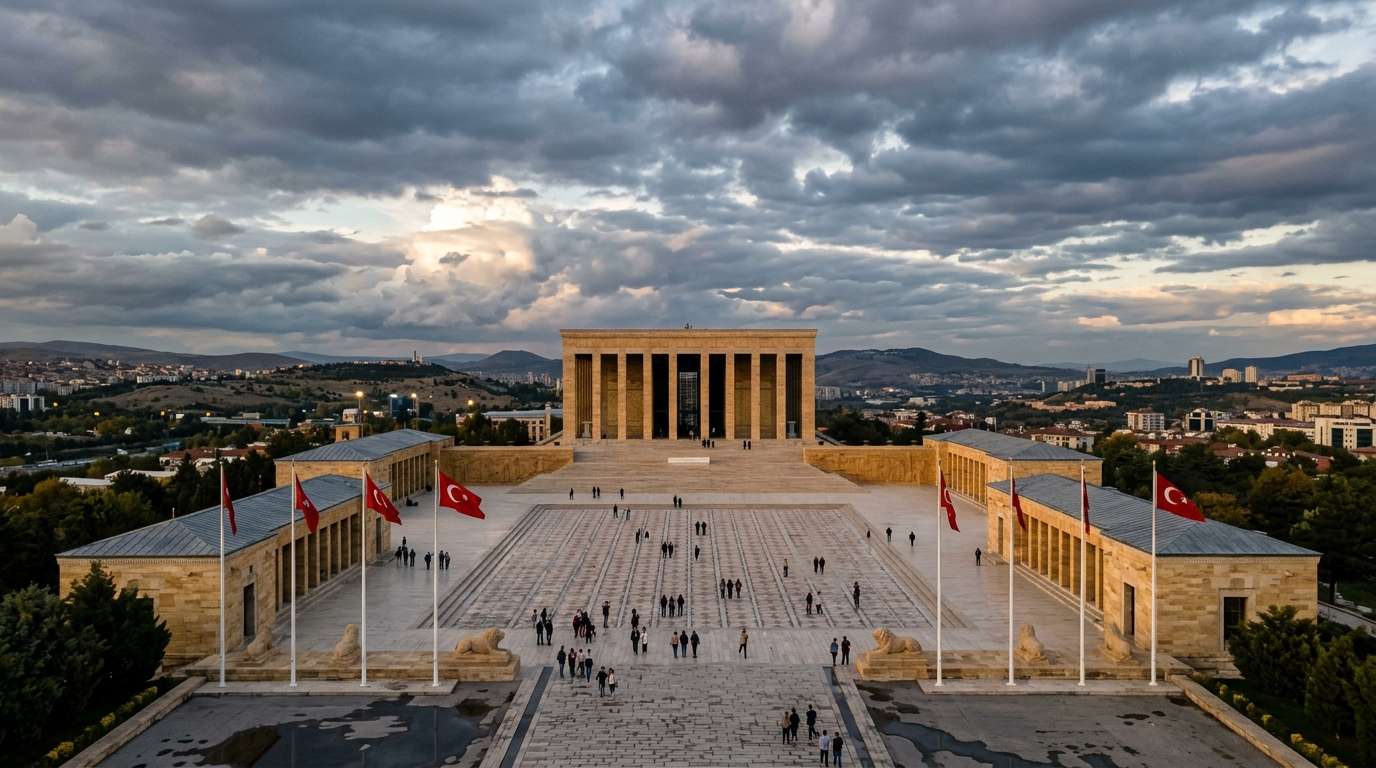
Turkey Capital: Exploring Ankara, the Heart of Modern Türkiye
Understanding Turkey’s Capital City
When people think about Türkiye, the first city that often comes to mind is Istanbul. With its iconic skyline, historic mosques, bustling markets, and unique position between Europe and Asia, Istanbul attracts global attention. Yet many people are surprised to learn that Ankara is the capital of Türkiye, not Istanbul. This distinction is important because Ankara serves as the country's political, administrative, and diplomatic center.
The capital city plays a crucial role in shaping national policy, hosting government institutions, and representing the country on the international stage. Ankara fulfills all these functions while maintaining its own distinctive identity. Unlike Istanbul, which is known for tourism and commerce, Ankara is recognized for governance, education, and national administration.
The city sits at the center of Türkiye's Anatolian plateau, making it strategically positioned within the country. This central location has helped Ankara become an important transportation and communication hub. Over the decades, it has transformed from a relatively modest Anatolian town into a modern metropolis with millions of residents.
Today, Ankara represents the vision of modern Türkiye. Wide boulevards, government complexes, universities, cultural institutions, and technological centers define the city's character. Understanding Ankara's role helps visitors and observers gain a deeper appreciation of Türkiye's political structure, history, and national development. The story of Ankara is closely tied to the story of the Turkish Republic itself, making it one of the most significant cities in the nation.
Why Many People Mistakenly Think Istanbul Is the Capital
The confusion between Istanbul and Ankara is understandable. Istanbul was the capital of several powerful empires, including the Byzantine Empire, the Latin Empire, and the Ottoman Empire. For centuries, it served as one of the world's most influential political and cultural centers.
Istanbul's global reputation is also much stronger due to its historical monuments, tourism industry, and economic importance. Landmarks such as Hagia Sophia, the Blue Mosque, Topkapı Palace, and the Bosphorus attract millions of visitors every year. Because of this visibility, many international travelers naturally assume that Istanbul remains the country's capital.
Media representation contributes to the misunderstanding as well. International films, documentaries, travel guides, and news reports often focus heavily on Istanbul. The city's rich cultural heritage and dramatic geography make it a frequent subject of global attention.
Despite Istanbul's prominence, the capital was officially moved to Ankara in 1923 following the establishment of the Republic of Türkiye. This decision was not accidental. The country's founding leadership wanted a centrally located capital that reflected a new national identity rather than the imperial legacy associated with Istanbul.
The misconception continues today because economic influence and capital status are not always the same thing. Many countries have capitals that are less internationally famous than their largest cities. In Türkiye's case, Istanbul remains the economic and cultural powerhouse, while Ankara serves as the political center where national decisions are made.
The Official Capital Status of Ankara
Ankara officially became the capital of Türkiye on October 13, 1923, shortly before the proclamation of the Republic. This decision marked a turning point in Turkish history and symbolized the emergence of a new nation-state.
The selection of Ankara reflected practical and strategic considerations. Located deep within Anatolia, Ankara was less vulnerable to foreign intervention than coastal cities. During the Turkish War of Independence, it had already served as the headquarters of Mustafa Kemal Atatürk and the nationalist movement.
The new government viewed Ankara as a blank canvas for building a modern republic. Unlike Istanbul, which carried centuries of imperial traditions, Ankara represented a fresh start. Urban planners designed broad avenues, government districts, and public institutions to embody modern values and national unity.
Today, Ankara hosts the Grand National Assembly of Türkiye, the Presidential Complex, ministries, and numerous state institutions. Foreign embassies are also located in the city, reinforcing its status as the nation's diplomatic center.
The capital's importance extends beyond politics. Ankara has become a major center for education, research, and innovation. Its universities attract students from across the country and abroad, helping shape future generations of leaders and professionals.
The designation of Ankara as the capital remains one of the defining decisions in modern Turkish history, reflecting the country's commitment to independence, modernization, and national cohesion.
The Historical Journey of Ankara
Ancient Origins and Early Civilizations
Ankara's history stretches back thousands of years, making it one of the oldest continuously inhabited cities in the region. Archaeological evidence suggests that various civilizations settled in the area long before recorded history.
The city was influenced by the Hittites, Phrygians, Lydians, Persians, Greeks, Romans, and Byzantines. Each civilization left traces that contributed to Ankara's rich cultural heritage. During Roman rule, the city became an important administrative and commercial center.
Ancient monuments such as the Temple of Augustus and the Roman Baths provide valuable insights into this period. These structures demonstrate the city's significance within the Roman Empire and highlight its role as a crossroads connecting different regions.
Trade routes passing through central Anatolia helped Ankara prosper economically. Merchants, travelers, and military forces frequently moved through the city, creating a dynamic environment where cultures and ideas interacted.
The city's strategic location ensured its continued relevance through changing political eras. Even when empires rose and fell, Ankara remained an important regional center due to its geographic advantages and established infrastructure.
Its ancient roots continue to shape modern Ankara, where historical sites coexist alongside contemporary buildings and institutions. This blend of old and new gives the city a unique character that reflects centuries of continuous development.
Ankara During the Ottoman Era
Under Ottoman rule, Ankara became known for its production of mohair derived from Angora goats. The city's textile industry gained international recognition and contributed significantly to the regional economy.
Although it was not the imperial capital, Ankara maintained an important role within the Ottoman administrative system. Local markets, trade networks, and agricultural production supported economic growth throughout the period.
The city's population remained relatively modest compared to major Ottoman centers such as Istanbul, Bursa, and Izmir. Nevertheless, Ankara retained strategic significance because of its location in central Anatolia.
Ottoman architecture, religious institutions, and commercial structures influenced the urban landscape. Mosques, inns, and marketplaces from this era continue to offer glimpses into Ankara's historical development.
The transition from the Ottoman Empire to the Turkish Republic would ultimately transform Ankara's destiny. What had once been a provincial Anatolian city would soon become the political heart of a new nation.
Atatürk and the Birth of Modern Türkiye
Mustafa Kemal Atatürk's association with Ankara fundamentally changed the city's future. During the Turkish War of Independence, Ankara became the headquarters of the nationalist movement resisting foreign occupation and partition plans.
The city's central location provided strategic advantages for coordinating military operations and political activities. In 1920, the Grand National Assembly convened in Ankara, establishing it as the center of national resistance.
After victory in the war, Atatürk and his colleagues selected Ankara as the capital of the new republic. This choice symbolized a break from the imperial past and a commitment to modernization and national sovereignty.
Urban planners from Europe and Türkiye collaborated to redesign the city. Government buildings, educational institutions, parks, and transportation networks were developed to support the growing capital.
Ankara became a living expression of Atatürk's vision for a modern, secular, and independent nation. The city's transformation over the following decades reflected broader reforms that reshaped Turkish society.
Geography and Strategic Importance
Location of Ankara in Türkiye
Ankara is situated in the heart of Central Anatolia, making it one of the most strategically positioned cities in Türkiye. Unlike Istanbul, which lies on the country's northwestern edge, Ankara occupies a central location that allows easier access to various regions of the nation. This geographic advantage played a major role in its selection as the capital in 1923. Leaders of the newly established republic wanted a capital that was secure, centrally located, and capable of serving as a unifying point for the entire country.
The city sits at an elevation of approximately 938 meters (3,077 feet) above sea level. This higher altitude influences both the climate and the landscape. Surrounded by rolling hills and vast plains, Ankara offers a distinctly different environment compared to Türkiye's coastal cities. The region's terrain has historically made it an important transportation corridor connecting eastern and western Anatolia.
Modern transportation networks further enhance Ankara's strategic value. High-speed rail lines connect the city with Istanbul, Konya, Eskişehir, and other major destinations. Ankara Esenboğa Airport serves millions of passengers annually, linking the capital with domestic and international destinations. Major highways radiate outward from the city, reinforcing its role as a transportation hub.
The central location also supports national administration. Government officials, diplomats, business leaders, and academics can efficiently travel to and from different regions of the country. This accessibility helps facilitate governance and national coordination. In many ways, Ankara functions like the beating heart of Türkiye, pumping political, economic, and cultural connections throughout the nation.
As Türkiye continues to grow and modernize, Ankara's geographic advantages remain highly relevant. Its location supports defense, transportation, commerce, and administration, ensuring that the capital remains a vital component of the country's future development strategy.
Climate and Natural Landscape
Ankara experiences a continental climate, characterized by hot, dry summers and cold, snowy winters. This climate differs significantly from the milder Mediterranean and Black Sea climates found elsewhere in Türkiye. Summer temperatures frequently exceed 30°C (86°F), while winter temperatures can drop below freezing, bringing occasional snowfall that transforms the city into a picturesque winter landscape.
The city's natural environment reflects its location on the Anatolian plateau. Wide open plains, gentle hills, and sparse vegetation dominate the surrounding region. Although Ankara may not possess the dramatic coastal scenery of cities like Antalya or Izmir, it offers a unique beauty rooted in its expansive landscapes and changing seasons.
Parks and green spaces play an important role in urban life. Areas such as Gençlik Park, Kuğulu Park, and Atatürk Forest Farm provide residents with opportunities to enjoy nature within the city. These green spaces serve as recreational hubs where families gather, students relax, and visitors experience a different side of Ankara.
The changing seasons contribute to the city's charm. Spring brings colorful blossoms and pleasant temperatures, while autumn paints the landscape in warm shades of gold and red. These seasonal variations create a dynamic atmosphere that residents appreciate throughout the year.
Water management has also become increasingly important due to the region's relatively dry conditions. Sustainable development projects focus on preserving resources while supporting population growth. As environmental awareness increases, Ankara continues investing in greener infrastructure and urban planning initiatives.
The city's climate and landscape may appear understated compared to Türkiye's famous tourist destinations, yet they form an essential part of Ankara's identity. They have influenced settlement patterns, architecture, and daily life for generations, contributing to the distinctive character of the nation's capital.
Political Significance of Ankara
Government Institutions and National Administration
Ankara stands at the center of Türkiye's political system. As the capital, it hosts the country's most important governmental institutions and administrative bodies. Decisions affecting more than 85 million citizens originate from offices, ministries, and legislative chambers located throughout the city.
One of Ankara's most significant institutions is the Grand National Assembly of Türkiye, the country's parliament. Members of parliament meet here to debate legislation, approve budgets, and shape national policy. The assembly plays a central role in democratic governance and serves as a symbol of the nation's sovereignty.
The Presidential Complex, often referred to as the Presidential Palace, is another major landmark. This expansive government center houses the office of the President and supports executive administration. Numerous ministries responsible for education, defense, foreign affairs, finance, health, and transportation are also headquartered in Ankara.
The concentration of government agencies creates a unique urban environment. Civil servants, policy experts, diplomats, academics, and journalists contribute to the city's professional atmosphere. Unlike cities driven primarily by tourism or commerce, Ankara's daily rhythm often revolves around governance and public administration.
Universities and research institutions collaborate closely with government agencies, generating policy recommendations and conducting studies on issues ranging from economic development to environmental sustainability. This relationship strengthens evidence-based decision-making and supports national progress.
Ankara's political significance extends beyond formal institutions. National celebrations, state ceremonies, and major political events frequently occur in the capital. These activities reinforce its role as the symbolic and administrative heart of the Turkish Republic.
Diplomatic Missions and International Relations
Ankara is also Türkiye's primary center for international diplomacy. Nearly every foreign country maintaining official relations with Türkiye operates an embassy in the capital. These diplomatic missions facilitate communication, trade, cultural exchange, and cooperation between nations.
Embassy districts add an international dimension to Ankara's urban landscape. Diplomats, international organizations, and foreign representatives contribute to the city's multicultural environment. Meetings held in Ankara often influence regional and global affairs, reflecting Türkiye's strategic position at the intersection of Europe, Asia, and the Middle East.
International conferences, diplomatic summits, and bilateral negotiations frequently take place in the city. Government officials engage with counterparts from around the world to discuss security, economic partnerships, climate initiatives, and humanitarian issues. These interactions strengthen Türkiye's global presence and support its foreign policy objectives.
The city also hosts offices of international organizations and development agencies. Their work covers diverse areas such as education, health, migration, and economic cooperation. Through these partnerships, Ankara serves as a bridge connecting domestic priorities with international initiatives.
Educational and cultural diplomacy thrive as well. Foreign cultural centers, language institutes, and exchange programs contribute to international understanding and collaboration. Students from various countries study at Ankara's universities, creating global networks that extend far beyond the city's borders.
The diplomatic community underscores Ankara's importance on the world stage. While Istanbul may attract greater tourist attention, Ankara remains the place where many of the country's most significant international relationships are managed and strengthened.
Economy of Ankara
Major Industries and Economic Drivers
Ankara possesses one of Türkiye's strongest and most diversified economies. While government administration remains a major employer, the city's economic foundation extends far beyond the public sector. Manufacturing, defense, construction, healthcare, education, and technology all contribute significantly to economic growth.
The defense industry has become particularly important in recent decades. Türkiye's investment in domestic defense production has led to the expansion of companies specializing in aerospace, military technology, and advanced engineering. Many of these firms maintain headquarters or major facilities in Ankara, creating thousands of high-skilled jobs.
Manufacturing remains another key pillar of the local economy. Factories produce machinery, electronics, food products, and industrial equipment that support both domestic and international markets. The city's central location facilitates distribution across the country, making it a practical base for industrial operations.
Healthcare services have also experienced substantial growth. Modern hospitals, research centers, and medical universities attract patients and professionals from throughout Türkiye and beyond. Medical tourism contributes additional economic activity, particularly in specialized fields.
The construction sector reflects the city's ongoing expansion. New residential developments, commercial centers, transportation infrastructure, and public projects continue transforming the urban landscape. These investments support employment while improving quality of life for residents.
Economic resilience has become one of Ankara's defining strengths. Because the city relies on multiple industries rather than a single sector, it can adapt more effectively to changing economic conditions. This diversification positions Ankara as one of the most stable and influential economic centers in the country.
Technology, Education, and Innovation
Ankara has emerged as a leading hub for technology, innovation, and higher education. The city is home to some of Türkiye's most respected universities, including Middle East Technical University (METU), Hacettepe University, Ankara University, and Bilkent University. These institutions play a crucial role in producing skilled graduates and advancing scientific research.
Technology parks and innovation centers have flourished around these universities. Researchers, entrepreneurs, and startups collaborate to develop solutions in fields such as artificial intelligence, cybersecurity, biotechnology, and renewable energy. Government support for research and development has accelerated this trend, strengthening Ankara's position as a knowledge-based economy.
One notable example is METU Technopolis, one of Türkiye's largest technology development zones. Hundreds of companies operate within the complex, transforming academic research into commercial products and services. Similar innovation ecosystems throughout the city contribute to economic competitiveness and job creation.
Education extends beyond universities. Numerous research institutes, vocational training centers, and professional development programs help prepare workers for evolving industries. This emphasis on learning supports long-term economic growth and adaptability.
International collaborations further enhance Ankara's innovation capacity. Partnerships with foreign universities, research organizations, and technology companies facilitate knowledge exchange and joint projects. These relationships strengthen the city's global reputation as a center for intellectual and technological advancement.
As digital transformation reshapes economies worldwide, Ankara continues positioning itself at the forefront of innovation. Its combination of educational excellence, research infrastructure, and entrepreneurial activity makes it a critical driver of Türkiye's future development.
Culture and Lifestyle in Ankara
Museums, Arts, and Cultural Attractions
Ankara may be known primarily as the political capital of Türkiye, but its cultural scene is far richer than many visitors expect. The city offers an impressive collection of museums, galleries, theaters, and performance venues that showcase both the country's ancient heritage and its modern artistic achievements. For those willing to explore beyond government buildings and official institutions, Ankara reveals itself as a vibrant cultural center filled with creativity and historical depth.
One of the city's most celebrated institutions is the Museum of Anatolian Civilizations, often regarded as one of the finest museums in the world. Its collections span thousands of years, displaying artifacts from the Hittite, Phrygian, Urartian, and Roman civilizations. Walking through its galleries feels like traveling through a living timeline of Anatolian history. The museum has received international recognition for preserving and presenting the region's remarkable archaeological heritage.
The arts flourish throughout the city as well. The State Opera and Ballet, the Presidential Symphony Orchestra, and numerous theaters host performances year-round. Classical music concerts, contemporary exhibitions, and traditional Turkish performances attract diverse audiences. Ankara's cultural calendar remains active throughout all seasons, providing residents and visitors with countless opportunities to engage with the arts.
Historic districts such as Hamamönü add another dimension to the city's cultural identity. Carefully restored Ottoman-era houses, artisan workshops, and traditional cafés create an atmosphere that contrasts beautifully with Ankara's modern neighborhoods. These areas preserve historical character while supporting contemporary cultural activities.
Public art and cultural festivals contribute further to the city's dynamic environment. Literature festivals, film screenings, photography exhibitions, and international cultural events bring together artists and audiences from around the world. This blend of history, creativity, and intellectual engagement makes Ankara much more than an administrative center—it is also a city where culture thrives in both traditional and modern forms.
Food, Traditions, and Daily Life
Life in Ankara reflects a fascinating combination of traditional Anatolian values and modern urban living. The city's residents enjoy a lifestyle that balances professional ambition with strong family connections, community engagement, and cultural traditions that have been passed down through generations.
Food plays a central role in this experience. Ankara's cuisine showcases the flavors of Central Anatolia while incorporating influences from across Türkiye. Traditional dishes such as Ankara tava, a savory lamb and rice dish, remain local favorites. Kebabs, soups, stuffed vegetables, and freshly baked breads are common elements of everyday meals. Markets throughout the city offer fresh produce, cheeses, spices, and regional specialties that highlight the richness of Turkish culinary culture.
Tea culture is deeply embedded in daily life. Whether in government offices, university campuses, local cafés, or family homes, sharing tea often serves as a symbol of hospitality and conversation. Visitors quickly notice how social interactions frequently revolve around small glasses of Turkish tea and meaningful discussions.
Modern shopping centers coexist alongside traditional bazaars, illustrating Ankara's blend of old and new. Places like Kızılay and Tunalı Hilmi Street offer vibrant urban experiences filled with restaurants, bookstores, boutiques, and entertainment venues. Young professionals, students, and families contribute to a lively social atmosphere that keeps the city active throughout the day and evening.
Education strongly influences the city's character. With a large student population attending prestigious universities, Ankara maintains an intellectual energy that shapes public discourse and cultural life. Academic conferences, lectures, and public debates occur regularly, encouraging the exchange of ideas and innovation.
The rhythm of daily life in Ankara may feel more measured than in Istanbul, but many residents appreciate this balance. The city offers the opportunities of a major metropolis while maintaining a sense of order and community that contributes significantly to its appeal.
Top Tourist Attractions in Ankara
Anıtkabir and Historical Landmarks
No visit to Ankara is complete without experiencing Anıtkabir, the mausoleum of Mustafa Kemal Atatürk, the founder of the Republic of Türkiye. This monumental complex stands as one of the most important national symbols in the country. Every year, millions of visitors come to pay their respects and learn about the life and achievements of the leader who transformed modern Türkiye.
The architecture of Anıtkabir is both grand and symbolic. Wide ceremonial pathways, impressive columns, and carefully designed spaces create an atmosphere of dignity and reflection. The accompanying museum contains personal belongings, historical documents, photographs, and exhibits related to the Turkish War of Independence and the early years of the republic. For many visitors, the experience provides a deeper understanding of Turkish history and national identity.
Another significant historical attraction is Ankara Castle, which overlooks the city from a prominent hilltop. Although portions of the structure date back to Roman and Byzantine times, various civilizations contributed to its development over the centuries. The castle's narrow streets, traditional houses, and panoramic views make it one of Ankara's most charming destinations.
The Temple of Augustus offers another remarkable glimpse into the city's ancient past. This Roman monument contains inscriptions known as the "Res Gestae Divi Augusti," one of the most important historical records from the reign of Emperor Augustus. Nearby Roman Baths and archaeological remains further illustrate Ankara's long and diverse history.
Visitors interested in religious architecture can explore Hacı Bayram Mosque, one of the city's most significant spiritual landmarks. Located adjacent to ancient Roman ruins, the site beautifully demonstrates the layers of civilization that have shaped Ankara over thousands of years.
Together, these historical landmarks tell the story of a city that has witnessed the rise and fall of empires while continuously adapting to new eras. They provide a compelling journey through the rich heritage that defines Ankara today.
Modern Attractions and Entertainment
While Ankara's historical sites attract considerable attention, the city also offers a wide range of modern attractions that reflect its contemporary identity. Visitors often discover that Ankara combines historical significance with a vibrant urban lifestyle, creating experiences that appeal to diverse interests.
One of the most popular recreational destinations is Atatürk Forest Farm and Zoo, a vast complex that includes green spaces, recreational facilities, restaurants, and cultural attractions. Established by Atatürk himself, the farm remains an important symbol of agricultural development and environmental stewardship.
Shopping enthusiasts can explore modern malls such as Armada, Panora, and Kentpark. These centers feature international brands, local retailers, restaurants, cinemas, and entertainment facilities. They serve as social hubs where residents gather for shopping, dining, and leisure activities.
The city's café culture has expanded significantly in recent years. Trendy coffee shops, artisan bakeries, and contemporary restaurants can be found throughout neighborhoods such as Çankaya and Kavaklıdere. These districts attract young professionals and students seeking dynamic social environments.
Nature lovers can enjoy Eymir Lake and Mogan Lake, both located near the city. These scenic areas offer opportunities for cycling, walking, picnicking, and outdoor recreation. Their peaceful settings provide a welcome escape from urban life while remaining easily accessible from the city center.
Nightlife in Ankara continues to evolve as well. Live music venues, jazz clubs, theaters, and cultural centers contribute to a diverse entertainment scene. Whether someone prefers classical performances, contemporary concerts, or casual evenings with friends, the city offers a variety of options.
These modern attractions demonstrate that Ankara is not merely a government city. It is a dynamic and evolving metropolis where history, innovation, culture, and recreation coexist in ways that continually surprise visitors.
Ankara’s Future and Growing Global Influence
Ankara's future appears closely connected to Türkiye's broader ambitions for economic growth, technological advancement, and international influence. Over the past century, the city has transformed from a relatively small Anatolian town into a major political and economic center. Current development trends suggest that this transformation is far from complete.
Investment in infrastructure remains a key priority. Transportation networks, urban renewal projects, and smart-city initiatives are helping improve efficiency and quality of life. High-speed rail systems, modern highways, and expanded public transportation continue strengthening Ankara's role as a national hub.
The technology sector is expected to play an increasingly significant role in the city's development. Research universities, innovation centers, and technology parks are generating new opportunities in artificial intelligence, cybersecurity, aerospace, biotechnology, and advanced manufacturing. These sectors align closely with Türkiye's goals of increasing competitiveness in the global economy.
Defense and aerospace industries also contribute to Ankara's growing international profile. Domestic companies have achieved notable success in developing advanced technologies, attracting attention from international partners and markets. As these industries expand, Ankara's influence within strategic sectors is likely to increase.
Population growth and urbanization present both opportunities and challenges. City planners must balance economic expansion with sustainability, environmental protection, and efficient resource management. Investments in green infrastructure and renewable energy are becoming increasingly important components of future development strategies.
Internationally, Ankara's role as a diplomatic center continues to strengthen. The city remains at the center of regional discussions involving Europe, Asia, the Middle East, and beyond. Its strategic location and political significance ensure that it will remain an influential player in global affairs.
The future of Ankara reflects the broader evolution of modern Türkiye—a nation seeking to preserve its rich heritage while embracing innovation, modernization, and international engagement.
Conclusion
Ankara is the capital of Türkiye, serving as the nation's political, administrative, and diplomatic center since 1923. While Istanbul often captures global attention due to its history and tourism appeal, Ankara represents the heart of modern Turkish governance and national identity. Its selection as the capital symbolized a new beginning for the Republic of Türkiye and reflected the vision of Mustafa Kemal Atatürk.
The city combines ancient history, strategic geography, cultural richness, educational excellence, and economic diversity. From Roman ruins and Ottoman neighborhoods to cutting-edge technology parks and government institutions, Ankara presents a unique blend of tradition and progress.
Visitors who take the time to explore Ankara discover far more than a political capital. They encounter a city shaped by thousands of years of history, energized by innovation, and committed to shaping the future of Türkiye. Whether viewed through the lens of politics, culture, education, or tourism, Ankara remains one of the country's most significant and fascinating destinations.
Have Question Or Suggestion ?
Please Share Your Thought, To Make It Real