Best Areas in Turkey to Buy Property for Chinese Investors
Explore the top cities and regions in Turkey where Chinese investors are buying real estate for residence, business, and citizenship. From Istanbul to Antalya, discover the benefits and opportunities.
# Best Areas in Turkey to Buy Property for Chinese
## Introduction
Over the past few years, Turkey has emerged as a premier destination for Chinese property buyers seeking affordability, strategic location, and high investment returns. With its unique position bridging Asia and Europe, Turkey offers a cultural fusion, economic potential, and lifestyle richness that makes it highly attractive for Chinese investors. Whether you're a retiree, entrepreneur, or looking to secure a second passport, Turkey has something for everyone.
The Turkish government’s proactive approach to foreign investment, particularly the real estate sector, has only accelerated this trend. The “Citizenship by Investment” program is a major draw, allowing investors to secure Turkish nationality by purchasing property above a certain threshold. Add to this the natural beauty, developed cities, and robust infrastructure—and Turkey becomes a no-brainer for property investment.
Istanbul, Antalya, Izmir, and Bursa are just some of the standout cities pulling in attention, each offering its own unique blend of history, lifestyle, and return on investment. But it’s not just about the cities; smaller towns and coastal gems are also seeing an influx of interest from the Chinese market. With competitive property prices compared to Beijing, Shanghai, or even European cities, Turkey is an affordable and profitable choice.
Let’s dive deep into the best regions and what makes them so appealing for Chinese investors.
## Why Chinese Buyers Are Investing in Turkish Real Estate
There’s no doubt that the Chinese are becoming increasingly active players in global real estate. From London to Vancouver, they’ve left a significant footprint. So, what’s drawing them to Turkey specifically?
First, Turkey’s strategic geographic position is a big deal. It acts as a bridge between East and West, with excellent connectivity to Europe, the Middle East, and Asia. For Chinese investors with global ambitions—especially those in trade or tourism—Turkey’s location is a huge plus.
Second, Turkey offers a very attractive Citizenship by Investment (CBI) program. For a minimum investment of $400,000 in real estate, foreign nationals—including Chinese—can obtain Turkish citizenship. Compared to other countries with similar programs, this is relatively affordable and efficient, usually processed within a few months.
Then there's the affordability factor. The cost of real estate in Turkey is significantly lower than in major Chinese cities like Beijing or Shanghai. For the same amount you’d pay for a small apartment in Shanghai, you could own a sea-view villa in Antalya or a luxury flat in Istanbul. That’s hard to ignore.
Visa-free travel is another bonus. A Turkish passport allows visa-free or visa-on-arrival access to over 110 countries, which is extremely beneficial for Chinese citizens whose passport still has limited mobility compared to Western nations.
Lastly, the Chinese community in Turkey is growing, and so are business opportunities. Whether it’s in tourism, textiles, tech, or trade—Chinese investors are discovering that Turkey is not just a beautiful place to live, but also a profitable place to do business.
## Key Factors Chinese Investors Look for When Buying in Turkey
When Chinese investors look at international property, they often consider a unique mix of factors—cultural, financial, and strategic. Turkey ticks several of these boxes, but let’s break it down further.
One of the biggest considerations is safety and political stability. Despite occasional turbulence, Turkey remains relatively stable compared to other countries in the region. Major cities like Istanbul, Antalya, and Izmir have well-developed infrastructure, strong security, and international communities that make them appealing.
Education is another key driver. Many Chinese families are buying properties near international schools and universities in Turkey. Istanbul and Ankara, for instance, are home to prestigious institutions that offer English or Chinese-language programs. This is crucial for families looking to relocate or send their children abroad for education while maintaining close cultural ties.
Then there’s business opportunity. With initiatives like China’s Belt and Road project aligning with Turkey’s strategic trade corridors, Chinese business owners are seeing the long-term value of setting up shop in Turkey. Major port cities like Mersin and Istanbul offer logistical advantages that can't be overlooked.
Culturally, Chinese buyers often seek comfort and community. They’re looking for cities that have international restaurants, Chinese groceries, bilingual services, and perhaps even Mandarin-speaking property agents. Istanbul and Antalya are leading the charge here, with growing Chinese expat communities and services tailored to them.
Additionally, climate and lifestyle preferences play a role. While some prefer the cooler mountain climates of places like Bursa or Trabzon, others are drawn to the Mediterranean vibe of Antalya or Izmir. Whether you're after a business hub or a retirement haven, Turkey has options.
## Istanbul – The Economic and Cultural Capital
If you're Chinese and thinking about buying property in Turkey, Istanbul is probably the first city that comes to mind—and for good reason. This sprawling metropolis offers an unmatched blend of East and West, old and new, and opportunity and lifestyle.
### Why Istanbul Attracts Chinese Buyers
Istanbul is the beating heart of Turkey’s economy and culture. It’s where business meets beauty. Chinese investors are particularly drawn to Istanbul for its:
Diverse economy with endless business opportunities
Access to international schools and universities
Growing infrastructure and transport links
High-end shopping, hospitals, and cultural attractions
Large and growing Chinese expat community
From a business standpoint, Istanbul is a hub for logistics, finance, tech, and tourism. It's home to some of Turkey’s top corporations and is an entry point for global trade—especially through the Bosphorus Strait, which connects Europe and Asia.
For lifestyle, the city has everything: luxury malls, Michelin-starred restaurants, traditional bazaars, seaside promenades, and historic landmarks. Whether you're into nightlife or nature, Istanbul delivers.
### Top Districts in Istanbul for Investment
Chinese investors tend to favor the following districts:
Başakşehir: Known for its planned urban infrastructure and proximity to Istanbul Airport, this area is rapidly gaining value.
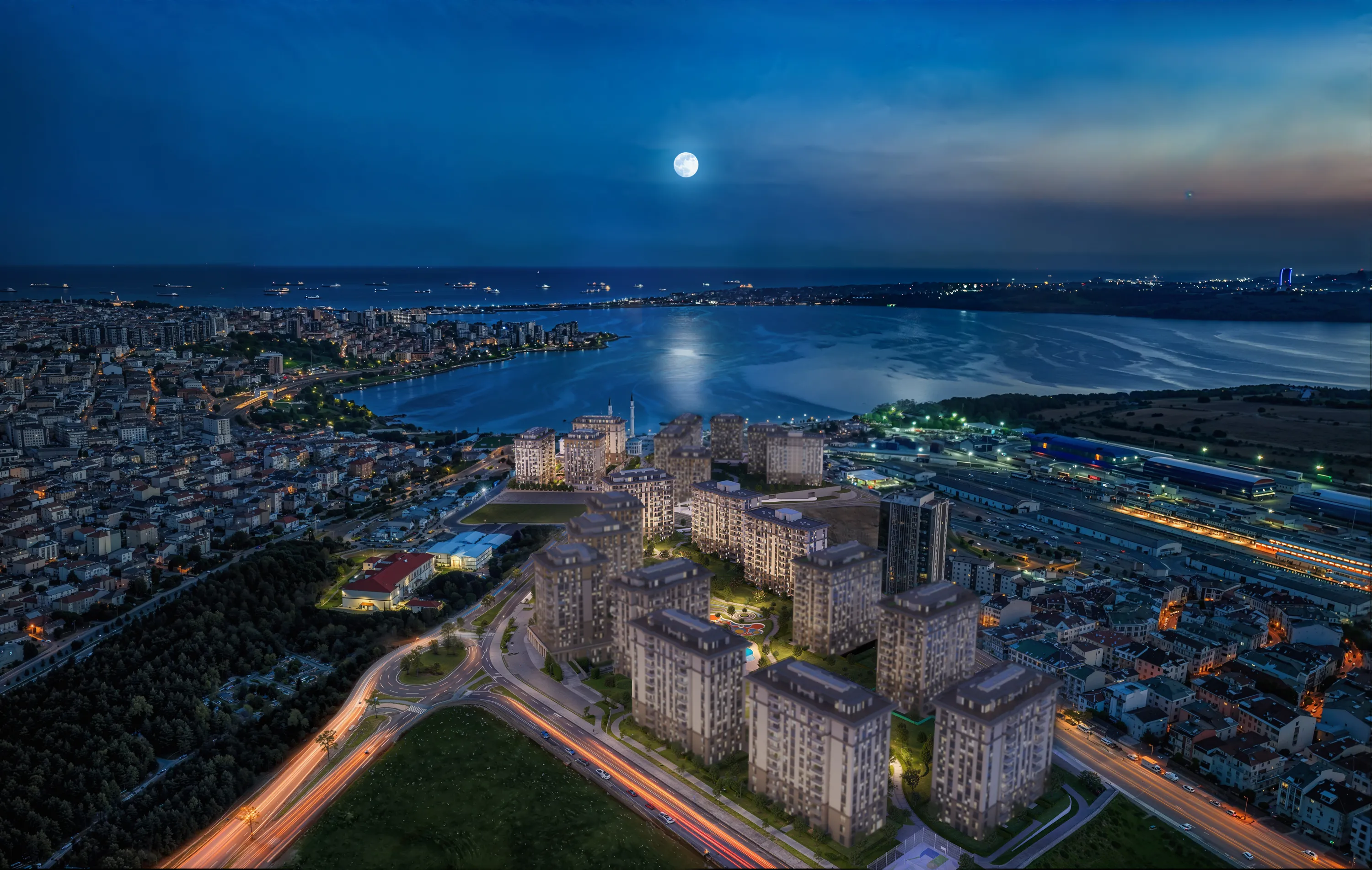
Küçükçekmece: Popular due to its lakeside properties and upcoming canal project (Kanal Istanbul), which is attracting foreign investment.
Şişli: A central district offering both residential and commercial opportunities, perfect for those wanting to be in the heart of the action.
### Real Estate Trends and ROI in Istanbul
Property values in Istanbul have seen double-digit growth year-over-year in recent times. With a booming population and constant urban expansion, demand remains high. Rental yields range from 5–7% annually in prime areas, and with smart investment, returns can be even higher.
## Antalya – A Coastal Paradise with Growing Popularity
Turkey’s Mediterranean gem, Antalya, has become a favorite among Chinese investors, especially those looking for retirement homes or holiday properties. With its stunning coastline, crystal-clear waters, and warm climate nearly year-round, it’s easy to see why this city has captivated buyers from across the globe.
### Lifestyle Appeal for Chinese Retirees and Families
Antalya is ideal for those seeking a relaxed, high-quality lifestyle. The laid-back atmosphere, combined with modern amenities, offers the perfect balance between peace and convenience. Chinese retirees particularly love the beachfront living, low cost of living, and abundant health care options. Antalya also offers a slower pace of life, ideal for anyone looking to escape the hustle and bustle of larger cities.
Families find Antalya attractive because of its safe environment, international schools, and recreational opportunities. The city offers everything from shopping malls to ancient ruins, five-star resorts to charming local markets. There's something for every age group here, making it a suitable long-term destination.
### Popular Neighborhoods in Antalya
Lara: Known for its luxurious resorts and sandy beaches, Lara is a top choice for Chinese buyers wanting coastal views and high-end amenities.
Konyaaltı: This neighborhood is more residential but offers beach access, scenic views, and a range of new apartment complexes with great ROI.
Alanya: A little farther east, Alanya is booming with foreign investments, offering affordable prices and strong rental potential, especially for short-term holiday lets.
### Real Estate Prices and Rental Potential
Antalya’s property prices are generally more affordable than Istanbul, especially in areas slightly removed from the city center. One-bedroom apartments can start from as low as $90,000 in some districts, with luxury properties ranging much higher. The rental market, driven by tourism, is robust—especially in summer months—offering excellent returns for Airbnb-style short lets.
Chinese investors looking for a peaceful retreat, coupled with solid rental income during tourist seasons, will find Antalya a lucrative and fulfilling destination.
## Ankara – Turkey’s Political Capital with High Potential
Though often overlooked in favor of Istanbul or Antalya, Ankara—Turkey’s capital—offers a different kind of appeal: political influence, academic excellence, and stable growth. As the second-largest city in Turkey, Ankara is the administrative heart of the nation and a hub for education and diplomacy.
### Why Ankara Appeals to Strategic Investors
Unlike the hustle of Istanbul, Ankara offers a more subdued but equally strategic environment for investment. Chinese investors with an eye on political relations or long-term residency often prefer Ankara due to its stability and structure.
The city is home to numerous government institutions, embassies, universities, and NGOs. This makes it ideal for those involved in education, politics, or international business. Real estate prices are also lower than in Istanbul, offering better value for money in terms of space and location.
Ankara also has a well-developed transportation system, from its metro network to direct flights to major Chinese and European cities. Moreover, as the city continues to grow economically, rental demand—especially from students, diplomats, and professionals—remains strong.
### Best Areas in Ankara for Property Investment
Çankaya: The city’s most prestigious district, housing embassies, luxury residences, and top universities. Ideal for diplomatic or academic professionals.
Yenimahalle: A more residential area offering affordability and growing infrastructure, popular among middle-class families and retirees.
Etimesgut: With new residential developments, this district is becoming increasingly popular for its quiet lifestyle and proximity to public transport.
Ankara may not have beaches or flashy nightlife, but it offers steady growth, reliable returns, and a high quality of life—a trio that appeals to strategic, long-term Chinese investors.
## Bursa – The Industrial and Historical Hub
Bursa is a hidden gem in Turkey’s real estate market, especially for Chinese investors interested in blending tradition with industrial opportunity. Located just a ferry ride from Istanbul, Bursa is Turkey’s fourth-largest city and a historical capital rich in Ottoman heritage and green landscapes.
### Appeal for Business-Minded Chinese Buyers
What makes Bursa attractive to the Chinese market isn’t just its history—it’s the economy. As one of Turkey’s industrial powerhouses, Bursa is home to many manufacturing plants, especially in the automotive and textile sectors. For Chinese entrepreneurs looking to expand or collaborate with local businesses, Bursa is a logical starting point.
The city is also part of Turkey’s Silk Road legacy, making it symbolically and economically significant for Chinese investors. With rising interest in Belt and Road projects, Bursa has caught the eye of many looking to invest in logistics, transport, and manufacturing infrastructure.
### Green Spaces and Traditional Living
Bursa’s appeal also lies in its quality of life. Known as “Yeşil Bursa” (Green Bursa), it boasts natural beauty including Uludağ Mountain—a popular ski resort—thermal spas, parks, and historic mosques. The slower pace, cleaner air, and access to nature make it attractive to retirees or families seeking a balanced lifestyle.
### Real Estate Opportunities and Prices
Real estate in Bursa is still undervalued compared to Istanbul, making it a high-opportunity market for investors. You can find spacious apartments or even small villas for less than $150,000 in prime areas. Districts like Nilüfer and Osmangazi are popular for both living and renting out properties.
The city’s combination of business potential and comfortable living creates a compelling case for Chinese buyers who want the best of both worlds.
## Izmir – The Aegean Gem with Modern Touch
If you’re looking for European vibes in Turkey, Izmir is your go-to. With its cosmopolitan atmosphere, coastal charm, and strategic development, Izmir offers a Mediterranean lifestyle with modern infrastructure, making it increasingly popular among Chinese investors.
### Coastal Beauty with Urban Sophistication
Izmir is the third-largest city in Turkey and boasts an enviable combination of seafront living and urban elegance. Think of it as Turkey’s version of Barcelona—artsy, breezy, and progressive. It has a youthful energy, thanks to its universities, cafes, and vibrant arts scene, which Chinese millennials and young professionals find particularly attractive.
Izmir’s mild climate and relaxed pace make it a top retirement option, while its seaport status opens doors for entrepreneurs. There's also a growing number of tech startups and international trade opportunities, aligning perfectly with Chinese interests in tech and commerce.
### Best Neighborhoods in Izmir
Karşıyaka: Located across the bay, Karşıyaka is a lively, family-friendly area with beautiful sea views, shopping avenues, and excellent public transport.
Bornova: Close to universities and hospitals, Bornova is a hotspot for students, families, and rental investors.
Çeşme: A resort town about an hour from central Izmir, Çeşme offers upscale beachside villas, perfect for vacation rentals or luxury retirement homes.
Real estate in Izmir is slightly more affordable than in Istanbul but is quickly rising due to increased foreign demand. Seaside properties are particularly in demand, offering great potential for both capital appreciation and rental income.
## Trabzon – A Favorite Among Chinese Tourists
Tucked along the northeastern coast of Turkey and bordered by the Black Sea, Trabzon has quietly become a favored destination for Chinese tourists—and increasingly, real estate investors. Known for its lush green mountains, cool climate, and spiritual tranquility, Trabzon offers a completely different vibe from cities like Istanbul or Antalya.
### Nature, Mountains, and Spiritual Peace
Chinese visitors are often drawn to Trabzon’s serene and untouched landscapes. Places like Uzungöl and Sumela Monastery have become iconic tourist stops, especially for those seeking spiritual reflection or nature-based holidays. This connection to nature resonates deeply with many Chinese travelers, who often prioritize harmony and wellness in their living environments.
The weather is another appealing factor. Unlike the hot, arid climates of southern Turkey, Trabzon has a mild, rainy, and green atmosphere—similar to regions in southern China like Yunnan or Sichuan. This makes it ideal for those who prefer cooler climates and a mountain lifestyle.
### Real Estate Trends and Investment Potential
Real estate in Trabzon remains one of the most affordable in Turkey, yet it offers strong potential for growth. Properties in areas like Ortahisar, Akçaabat, and Yomra are gaining attention from Chinese investors seeking holiday homes or long-term investments.
What’s particularly attractive is the rising number of Chinese tour groups visiting Trabzon every year. This is fueling the demand for short-term rental properties, such as Airbnb apartments and boutique hotels. Investors can capitalize on this by purchasing multi-unit buildings or spacious apartments near tourist hotspots.
With local governments increasingly promoting tourism and infrastructure in the region, Trabzon is set to become more accessible and investor-friendly. It might not have the glam of Istanbul, but its natural charm and affordability offer something truly special for Chinese buyers.
## Mersin – An Underrated Gem for Investment
Mersin, a lesser-known port city in southern Turkey, is quietly climbing the ranks among smart investors—and Chinese buyers are taking notice. It’s not flashy or tourist-heavy like Antalya, but that’s exactly what makes Mersin a goldmine of untapped potential.
### Port City with Growing Infrastructure
Strategically located on the Mediterranean coast, Mersin boasts one of Turkey’s largest ports and serves as a major hub for international trade. As China continues to expand its Belt and Road Initiative, Mersin’s strategic position in global shipping and logistics has become more relevant than ever.
The city is undergoing massive infrastructure developments, including highways, port expansions, and high-speed rail connections. For Chinese businesses involved in manufacturing or logistics, Mersin offers both economic and geographical advantages.
### Real Estate Value and Expansion Plans
Here’s where it gets exciting: real estate in Mersin is still incredibly affordable. You can buy modern apartments starting at just $60,000 to $80,000—unheard of in most other Turkish cities. With the influx of new developments and increased foreign interest, property values are expected to rise significantly over the next few years.
Districts like Yenişehir and Mezitli are attracting early foreign buyers due to their clean beaches, urban facilities, and new residential complexes. These areas are also popular with local Turkish families, ensuring a steady rental market.
Mersin might not yet be on the radar for many international buyers, but savvy Chinese investors are beginning to recognize its value. Whether you're looking to invest early in an up-and-coming city or expand your trade network, Mersin presents a rare opportunity.
## Legal Considerations and Property Buying Process for Chinese Nationals
Buying property in a foreign country can seem daunting, but Turkey has made the process relatively smooth for Chinese and other international buyers. Still, there are legal steps and requirements every buyer must be aware of.
### Key Legal Steps for Foreign Buyers
First, foreigners are allowed to purchase property in Turkey, but some military zones and rural areas are restricted. Chinese buyers must ensure the property is not in a prohibited zone by checking with the General Directorate of Land Registry and Cadastre (Tapu office).
Once a suitable property is found, a sale contract is signed between the buyer and seller, followed by a title deed (Tapu) transfer at the land registry office. This is the final and legal confirmation of ownership.
### Required Documentation and Translation
Chinese buyers will need the following documents:
Valid passport (translated and notarized)
Turkish tax ID number (easily obtained with a passport)
Bank account in Turkey
Passport-sized photos
Power of attorney (if a lawyer is acting on behalf)
All documents not originally in Turkish must be translated and notarized. It’s highly recommended to work with a bilingual lawyer or agent experienced with Chinese clients to avoid any miscommunication.
### Role of a Trusted Real Estate Agent and Lawyer
Hiring a qualified real estate agent and independent lawyer is crucial. Agents can help with property searches, negotiations, and paperwork, while lawyers ensure that contracts are fair and compliant with Turkish law.
There are no citizenship restrictions for Chinese buyers, and once the deal is complete, the buyer can register for residency or begin the process of applying for citizenship if the investment threshold is met.
## Citizenship by Investment: A Major Draw
One of the strongest motivators for Chinese investors to buy property in Turkey is the Citizenship by Investment (CBI) program, which has opened doors for thousands of foreign nationals since its launch.
### Requirements and Benefits
To qualify for Turkish citizenship, a Chinese buyer must:
Purchase one or more properties totaling at least $400,000 USD
Commit to holding the property for at least three years
Apply through a licensed agent or lawyer to submit the necessary documents
This program is incredibly appealing due to the low entry threshold compared to countries like Portugal or Greece, which require much higher investments.
The benefits of Turkish citizenship include:
Visa-free or visa-on-arrival access to 110+ countries
Eligibility for the Ankara Agreement (which may allow easier business setup in the UK)
Full rights to work, study, and access public healthcare in Turkey
Citizenship for spouse and children under 18 included in one investment
### Processing Time and Success Rate for Chinese Applicants
The entire process—from property purchase to citizenship approval—can be completed in 3–6 months. As long as all documentation is properly prepared and submitted, approval rates are very high.
With China’s strict capital controls, some investors use third-party financing or transfer funds over time. In such cases, it’s important to work with a financial consultant familiar with both Chinese and Turkish regulations.
## Cultural Integration and Community Support
Relocating or investing in a foreign country is more than a financial decision—it’s a cultural one. Fortunately, Chinese nationals moving to Turkey will find a growing sense of community, familiarity, and cultural acceptance.
### Chinese Expat Communities in Major Turkish Cities
Istanbul, Antalya, and Ankara host the largest Chinese communities in Turkey. While still smaller than in Western countries, these communities are growing thanks to business partnerships, international schools, and diplomatic presence.
There are Chinese language schools, WeChat groups, and Chinese student associations that help newcomers feel at home. Investors can also find real estate firms and legal consultants who speak Mandarin or Cantonese.
### Availability of Chinese Schools and Cuisine
In cities like Istanbul, you’ll find international schools offering Mandarin language programs and curricula tailored for Chinese families. As demand increases, more schools are expanding to accommodate bilingual education.
Chinese restaurants, supermarkets, and cultural centers are popping up in popular neighborhoods, providing a touch of home for those feeling homesick. You’ll also find community-led events during Chinese New Year or Mid-Autumn Festival.
### Local Acceptance and Integration Tips
Turkish culture is known for its hospitality. Most locals are welcoming and curious about foreign cultures. Chinese investors should take time to learn some basic Turkish phrases and cultural customs, as this goes a long way in building connections.
Joining business chambers, expat clubs, or WeChat community groups can also ease the transition. Turkey is a melting pot of cultures, and with the right approach, integration can be both smooth and enriching.
## Future Outlook for Chinese Property Investors in Turkey
Looking ahead, the future looks promising for Chinese investors eyeing Turkish real estate. Multiple economic and geopolitical trends suggest that Turkey will continue to rise as a strategic hub for global property investment, with the Chinese market playing a significant role in that growth.
### Long-Term Investment Growth
Turkey’s real estate market is maturing rapidly, especially in metro areas and coastal cities. Istanbul continues to expand with mega projects like Kanal Istanbul, which is expected to significantly increase property values along its route. Cities like Antalya and Mersin are also developing new infrastructure, malls, universities, and transit systems—all of which drive real estate demand.
For Chinese buyers, this translates to strong capital appreciation over the next 5–10 years. With many entering the market at affordable price points, there’s high potential for returns, whether you're buying for resale, long-term rent, or short-term vacation rental.
### Economic and Political Projections
Turkey has proven resilient through global economic downturns and remains politically stable despite regional challenges. Its growing ties with China, particularly through Belt and Road Initiative projects and increased trade cooperation, further enhance its appeal. These diplomatic and economic connections are expected to deepen, opening doors for even more Chinese-friendly policies and investments.
### Infrastructure Developments and Tourism Boom
Massive investments in transportation—including new airports, high-speed rail, and highways—are making every corner of Turkey more accessible. Tourism is also expected to rebound and grow exponentially, especially from Asia. This means more demand for rental properties and higher occupancy rates for holiday homes and Airbnb-style investments.
In short, Chinese investors who enter the Turkish market now are positioning themselves at the forefront of a rising economic power that blends East and West, tradition and progress, affordability and profitability.
## Conclusion
Turkey is no longer just a travel destination—it’s a top-tier property investment hotspot, especially for savvy Chinese buyers looking for long-term returns, lifestyle benefits, and global mobility.
From the urban pulse of Istanbul to the tranquil coasts of Antalya, the industrial strength of Bursa to the rising port city of Mersin, Turkey offers a diverse range of real estate opportunities. Whether your goals are financial, residential, or immigration-related, there's a region in Turkey tailored to meet your needs.
The Citizenship by Investment program remains a massive draw, offering Chinese investors a fast track to a second passport, which opens the doors to a wider world of business and travel. Coupled with low property prices, increasing tourism, and growing Chinese-Turkish relations, the timing couldn’t be better.
But it's not just about money. Turkey offers cultural beauty, historical depth, and a unique quality of life that blends modern convenience with timeless charm. Chinese investors will not only find profitable opportunities here but also a welcoming environment to live, work, study, and thrive.
If you’re a Chinese national thinking of investing abroad, Turkey should be at the top of your list. It’s more than just property—it’s an investment into a lifestyle and a future.
## FAQs
1. Can Chinese citizens buy property anywhere in Turkey?
Chinese citizens can buy property in most areas of Turkey, excluding military zones or regions deemed sensitive for national security. Always consult with a certified lawyer or agent to verify eligibility for a specific location.
2. Is it possible to get Turkish citizenship by buying a property?
Yes. Chinese investors can obtain Turkish citizenship by purchasing property worth at least $400,000 USD and holding it for a minimum of three years. The process is typically completed within 3–6 months.
3. What is the safest city for Chinese to invest in Turkey?
Istanbul, Antalya, and Izmir are considered among the safest and most developed cities for foreign investors. These cities also have growing expat communities and offer robust infrastructure, making them ideal for Chinese buyers.
4. How much money do I need to invest in Turkish real estate?
While the minimum for citizenship is $400,000, you can buy a property in Turkey starting from as low as $60,000. Prices vary depending on the city, location, and type of property.
5. Are there property management services available for foreigners?
Yes. Many real estate agencies in Turkey offer property management services, including tenant placement, maintenance, and rental collection—ideal for Chinese buyers who live abroad or are investing for rental income.


.jpeg)

Have Question Or Suggestion ?
Please Share Your Thought, To Make It Real