The Weather in Istanbul: A Complete Seasonal Guide for Travelers
Explore Istanbul’s weather throughout the year—from hot, humid summers to chilly winters with occasional snow. This detailed guide helps you prepare for any season in the city that bridges continents.
Introduction
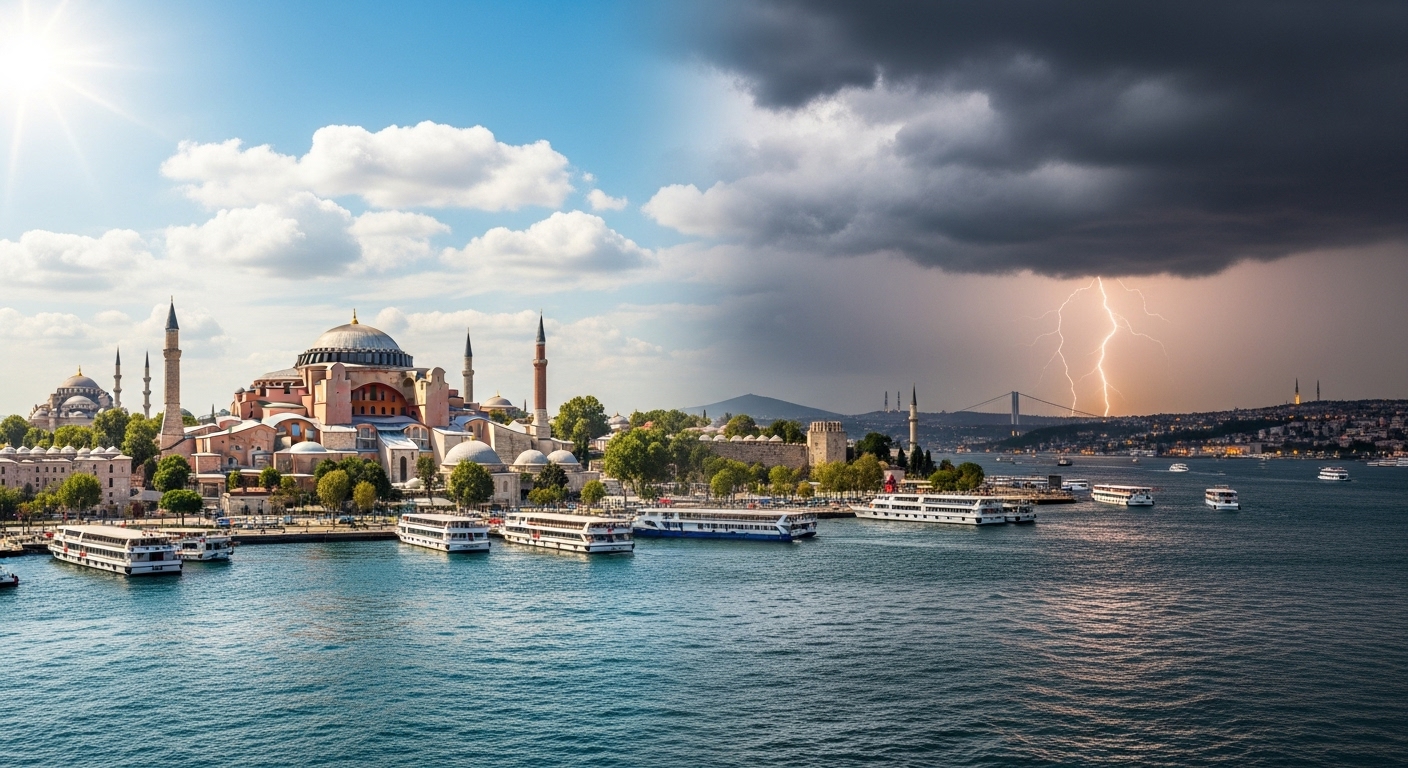
Istanbul, the vibrant heart of Turkey, is a city where East meets West—not only culturally but meteorologically. Its unique location between the Black Sea and the Sea of Marmara creates a fascinating and often unpredictable weather pattern that keeps both locals and tourists on their toes. Whether you’re planning a summer vacation, a winter escape, or simply curious about what the skies look like above this historic city, understanding Istanbul’s weather is essential.
The city’s climate can vary not only from season to season but even from one district to another on the same day. While coastal areas may bask in sunshine, hilly inland neighborhoods might experience fog or rain. This climate complexity is what makes Istanbul's weather a topic of ongoing conversation, rich with cultural and practical significance.
So, if you're wondering whether to pack a coat, an umbrella, or your favorite sunglasses, this in-depth weather guide will help you navigate Istanbul’s atmospheric moods all year round.
The Unique Climate of Istanbul
Istanbul's Geographical Influence on Weather
Istanbul is one of the few cities in the world that spans two continents—Europe and Asia. This geographical setup significantly influences its climate. Situated between two major water bodies and featuring a terrain of hills, valleys, and coastlines, Istanbul is exposed to various climatic influences at once. As a result, the city experiences a transitional climate that combines characteristics of the Mediterranean, humid subtropical, and oceanic climates.
This combination means that while Istanbul generally has hot summers and cold, wet winters, it also experiences considerable day-to-day variability. It’s not uncommon to experience sunshine in the morning, heavy rain by noon, and clear skies again by evening.
The Role of the Seas
The Sea of Marmara to the south and the Black Sea to the north play pivotal roles in shaping Istanbul’s climate. These large bodies of water act as natural temperature regulators. During the summer, they help keep coastal districts slightly cooler than inland neighborhoods. In winter, the same waters prevent the temperature from dropping too drastically—though cold snaps and snow are still possible.
Moreover, these seas contribute to humidity levels and precipitation patterns. Winds blowing from the north often bring cooler, wetter air from the Black Sea, while southern winds from the Sea of Marmara tend to be warmer and drier. These maritime influences also contribute to fog, particularly in the early mornings and late evenings, making Istanbul’s weather even more diverse and unpredictable.
Summer in Istanbul (June - August)
Typical Weather Conditions
Summertime in Istanbul is typically hot and humid, especially in July and August. Average daytime temperatures range from 28°C to 32°C (82°F to 90°F), but it can feel hotter due to high humidity levels. While temperatures are not as extreme as in some southern Turkish cities like Antalya, the humidity can make it feel sweltering, particularly in the crowded parts of the city.
Rain is relatively rare during this season, though brief thunderstorms can occasionally roll in, especially in early summer. Most days are sunny, with long daylight hours that provide ample time for sightseeing, boat tours, and lounging at cafes by the Bosphorus.
Nights are generally warm and comfortable, with temperatures rarely falling below 20°C (68°F). This makes summer evenings perfect for outdoor dining, strolling along the waterfront, or enjoying live music at one of the city's many rooftop venues.
What to Wear and Do in Summer
If you're visiting Istanbul in the summer, lightweight clothing is a must. Breathable fabrics like cotton or linen are ideal. Don’t forget to bring sunglasses, a wide-brimmed hat, and plenty of sunscreen to protect against the intense UV rays.
Hydration is key. Carry a reusable water bottle as you explore the city's historic neighborhoods and landmarks. It’s also wise to schedule outdoor activities for early morning or late afternoon when the heat is less intense.
Some of the best summer activities in Istanbul include:
Taking a ferry ride across the Bosphorus
Visiting the Princes’ Islands for a beach day
Exploring shaded gardens like Gülhane Park
Enjoying Turkish ice cream (dondurma) from a street vendor
Relaxing with a cold drink at a rooftop café
While summer is peak tourist season, the vibrant energy of Istanbul during these months is contagious. Festivals, open-air concerts, and street performances are common, giving the city a festive vibe that complements its sun-drenched skyline.
Autumn in Istanbul (September - November)
Cooling Temperatures and Rainfall
Autumn is considered by many to be the best season to visit Istanbul. The intense heat of summer begins to wane by early September, making way for cooler, more comfortable days. Temperatures typically range from 20°C to 28°C (68°F to 82°F) in September and gradually drop to around 10°C to 15°C (50°F to 59°F) by late November.
Rainfall increases as the season progresses, with November often being one of the wetter months. Showers are usually brief but can be heavy. The changing weather adds a romantic charm to the city—trees begin to turn golden, and mist over the Bosphorus creates picture-perfect moments.
Autumn Activities and Tips
Autumn in Istanbul offers a unique blend of mild weather, fewer tourists, and rich cultural experiences. It’s the ideal time for walking tours, museum visits, and leisurely ferry rides without the discomfort of summer heat or winter chill.
Packing for autumn requires a bit of layering. Light jackets, scarves, and waterproof footwear are recommended, especially for late October and November. A foldable umbrella is a smart addition to your day bag, given the increase in rainy days.
Some recommended activities during this season include:
Exploring the historic Sultanahmet district with fewer crowds
Visiting museums and galleries like the Istanbul Modern
Taking a Bosphorus cruise to enjoy fall foliage along the shoreline
Shopping at the Grand Bazaar and spice markets
Savoring hot Turkish tea or salep (a warm milk drink) as temperatures cool
Autumn also coincides with several local festivals and cultural events, making it a rewarding time to experience Istanbul’s artistic and musical heritage.
Winter in Istanbul (December - February)
Cold, Rain, and Occasional Snow
Winter in Istanbul can surprise visitors expecting a warm Mediterranean climate. While the city is not as cold as inland regions like Ankara or eastern Turkey, it still gets chilly and damp. December marks the beginning of the cold season, with average temperatures ranging from 5°C to 10°C (41°F to 50°F). By January—the coldest month—temperatures can dip as low as 0°C (32°F), especially during nighttime.
Rain is frequent during winter, often falling as cold drizzle, and overcast skies are common. Despite its coastal location, Istanbul does receive snow from time to time, particularly when cold northern winds clash with humid air from the Black Sea. Snowfall is usually short-lived in central areas but can last longer in higher elevations or on the Asian side of the city. Some years bring heavy snowstorms that blanket the city and disrupt public transport.
Istanbul winters are also known for their biting winds. The Poyraz, a cold northeastern wind, becomes more active in this season, intensifying the chill factor. Coupled with high humidity, the air often feels colder than the thermometer suggests.
Istanbul in the Wintertime
Although the weather is less favorable for outdoor activities, winter in Istanbul has its own special charm. Historical landmarks such as Hagia Sophia and the Blue Mosque appear even more majestic under a light dusting of snow. The city’s many tea houses and cozy cafes become warm refuges from the cold, perfect for sipping traditional Turkish drinks and watching the rainy world outside.
If you visit in winter, bring a good waterproof coat, layered clothing, a warm hat, gloves, and boots. Be prepared for wet streets and occasional icy sidewalks, particularly in older neighborhoods with steep hills.
Winter activities worth enjoying include:
Visiting indoor sites like Topkapi Palace and Istanbul Archaeology Museums
Soaking in a traditional Turkish bath (hammam)
Shopping in covered bazaars like the Grand Bazaar or Spice Market
Taking moody, atmospheric photos of foggy or snowy cityscapes
Despite the cold, Istanbul remains lively year-round, and the winter season offers lower prices, smaller crowds, and a unique perspective on this multifaceted city.
Spring in Istanbul (March - May)
The Blooming Season
Spring is when Istanbul truly begins to awaken from its winter slumber. The temperature gradually climbs, with March still feeling a bit cold (average highs around 12°C or 54°F), but by May, the weather is pleasantly warm, ranging between 18°C and 25°C (64°F to 77°F). The city becomes greener, and flowers start blooming across parks, gardens, and public squares.
One of the highlights of spring is the Istanbul Tulip Festival in April, when millions of tulips and other flowers decorate the city, especially in Emirgan Park and Sultanahmet Square. This colorful spectacle is a nod to the city's historical connection with tulips, which originated in Turkey before becoming popular in Europe.
Rainfall is moderate during spring, with occasional showers that usually pass quickly. Sunshine hours increase significantly, and the air feels fresh and clean compared to the humid summers or damp winters.
Ideal Weather for Tourism
Spring is considered one of the best times to visit Istanbul, thanks to its ideal balance of comfortable weather and manageable tourist crowds. It’s a perfect season for exploring the city's many outdoor attractions—from the ancient city walls and palaces to bustling markets and neighborhoods full of life.
What to pack? Layers are still recommended in early spring, along with a light jacket, umbrella, and walking shoes. By late April and May, short sleeves and sunglasses become daily essentials.
Spring activities include:
Walking through parks and gardens filled with blossoms
Cruising the Bosphorus under clear blue skies
Visiting rooftop cafes and enjoying panoramic views
Exploring open-air attractions like Rumeli Fortress or Yildiz Park
Taking day trips to the Princes’ Islands or Belgrad Forest
Spring also brings with it a festive vibe, with more local events, concerts, and markets popping up around the city. It’s a time of renewal, both in nature and in spirit, making Istanbul in spring a truly memorable experience.
Temperature Trends Throughout the Year
Monthly Temperature Breakdown
Istanbul's climate varies significantly throughout the year. Here's a general breakdown of average monthly temperatures:
January: 3°C to 9°C (Coldest month)
February: 4°C to 10°C
March: 6°C to 13°C
April: 9°C to 17°C
May: 13°C to 22°C
June: 17°C to 27°C
July: 20°C to 30°C
August: 21°C to 30°C (Hottest month)
September: 18°C to 27°C
October: 14°C to 21°C
November: 10°C to 16°C
December: 6°C to 12°C
These values offer a general idea, though actual conditions can vary based on location, wind direction, and elevation.
Record Highs and Lows
Despite its moderate climate, Istanbul has experienced both heatwaves and cold snaps over the years. The highest recorded temperature in the city exceeded 40°C (104°F), while record lows have dipped below -10°C (14°F), particularly in outlying areas or during harsh winters.
The maritime influence typically prevents these extremes from lasting long. Still, occasional anomalies remind locals that Istanbul's weather, while mostly mild, can still surprise.
Rainfall and Precipitation Patterns
Rainiest Months of the Year
Istanbul receives an average of 800–1000 mm of rainfall annually. Rain is most frequent in late autumn and winter, especially during November, December, and January, which can each see up to 15–20 days of rain. Rainfall is often steady and prolonged, rather than short and intense.
In spring, showers are common but less frequent, and summer tends to be the driest period, with occasional thunderstorms mostly in June.
While snow is not frequent, it is possible in late December through February, with at least one or two snowfalls a year in most areas. The northern and higher-elevation districts typically receive more snow than coastal neighborhoods.
How Rain Affects Daily Life
Rain in Istanbul can heavily affect traffic and public transport. Slippery roads, congested streets, and flooding in low-lying areas are not uncommon. Local residents often keep umbrellas and waterproof jackets handy year-round.
For tourists, rainy days offer an opportunity to explore indoor attractions like museums, mosques, and cafes. It’s also a great time to dive into Istanbul’s rich food culture with hot soups, teas, and traditional Turkish dishes that bring comfort in gloomy weather.
Wind and Humidity in Istanbul
The Famous Winds of Istanbul
Istanbul is well known for its strong seasonal winds, which play a significant role in its daily weather. The most prominent are:
Poyraz (Northeasterly wind): A cold and dry wind that dominates during the colder months. It can bring cool weather and even snow when combined with northern air currents.
Lodos (Southwesterly wind): A warm, humid wind common in autumn and winter. It sometimes causes a sudden rise in temperatures but also brings rain and stormy weather.
Karayel (Northwesterly wind): A cold wind known for its intensity, often pushing clouds and storms toward the city.
These winds can change the weather dramatically in just a few hours, influencing everything from temperature and cloud cover to air quality.
Humidity Levels by Season
Humidity in Istanbul tends to be high due to its coastal setting. In summer, humidity levels can soar above 70%, making temperatures feel hotter than they actually are. Winters are also damp, which makes the cold feel more penetrating. Spring and autumn offer relatively lower humidity, contributing to their overall comfort.
High humidity can affect comfort levels, particularly for tourists unfamiliar with such conditions. Dressing in light, breathable clothing and staying hydrated helps during humid periods, especially in summer.
Fog, Haze, and Air Quality
Seasonal Fog and Visibility Issues
Fog is a common weather phenomenon in Istanbul, especially during the colder months. From late autumn through early spring, dense morning fog can blanket parts of the city, particularly in coastal and low-lying areas such as the Bosphorus shoreline, Golden Horn, and neighborhoods like Üsküdar and Beşiktaş.
The fog is primarily caused by the city's high humidity and temperature inversions, where warmer air traps cooler air near the ground. This results in limited visibility, especially during the early morning hours. On some days, the fog can be thick enough to disrupt ferry services, delay flights, or create dangerous driving conditions.
While fog tends to lift by mid-morning, its presence adds a mystical aura to Istanbul's already enchanting skyline. Watching mosques and minarets emerge from the fog is a visual delight for photographers and romantics alike.
Air Quality Changes Across the Year
Air quality in Istanbul fluctuates depending on the season, wind patterns, and pollution sources. During the winter, the combination of stagnant air, increased use of coal-based heating, and traffic emissions can lead to a decline in air quality. Hazy skies and poor visibility are common, especially in heavily populated districts.
In spring and summer, air quality generally improves thanks to increased ventilation from sea breezes and reduced heating emissions. However, high humidity in the summer can sometimes trap pollutants closer to the ground, resulting in smog-like conditions.
In recent years, efforts to improve Istanbul’s air quality have included promoting public transport, restricting vehicle emissions, and encouraging cleaner energy sources. Still, during peak traffic hours and specific weather conditions, the air can become noticeably polluted.
Microclimates Within the City
Differences Between Districts
Istanbul's sprawling landscape creates multiple microclimates across its neighborhoods. The city stretches over hills, valleys, coastlines, and urban sprawls—each reacting differently to the same general weather conditions.
Coastal districts like Kadıköy, Beşiktaş, and Bakırköy usually experience milder temperatures and more humidity due to their proximity to the sea.
Hilly districts such as Beykoz, Sarıyer, and Çekmeköy tend to be slightly cooler, especially in winter, and are more prone to snow accumulation.
Urban areas with dense buildings and less vegetation—like Şişli, Esenler, or Bağcılar—are warmer due to the urban heat island effect, particularly in summer.
Rainfall also varies by region. Northern parts closer to the Black Sea receive more rain and snow than southern districts near the Sea of Marmara. These small but noticeable differences can make it feel like you're in a different city altogether, even when you're only a few kilometers away.
Urban vs. Coastal Climates
The city’s urban areas heat up more rapidly during the day due to concrete and asphalt surfaces, while the coasts are kept cooler by sea breezes. At night, coastal areas also cool down more slowly, resulting in milder nighttime temperatures.
This contrast is especially noticeable in summer. While central neighborhoods may feel sweltering due to trapped heat, taking a short ferry ride to the Asian side or the islands can offer immediate relief.
Understanding these microclimates helps both residents and visitors better plan their activities—from choosing where to live to deciding what to pack for a day out.
Weather-Related Travel Advice
Best Time to Visit
Choosing the best time to visit Istanbul largely depends on your weather preferences and travel goals.
Spring (April to June): Arguably the most pleasant season with mild temperatures, blooming flowers, and cultural festivals. Ideal for outdoor exploration.
Autumn (September to early November): Offers comfortable weather and fewer crowds, making it great for sightseeing and culinary adventures.
Summer (July and August): Best for beachgoers and late-night city vibes, though it can be hot and crowded.
Winter (December to February): Quiet and atmospheric, perfect for museum visits, hammams, and holiday discounts—though it’s also the wettest and coldest season.
For a balanced experience, late April to early June and mid-September to late October are widely considered the golden windows for visiting Istanbul.
Packing Tips for Each Season
Packing correctly can make your Istanbul experience far more comfortable:
Spring: Light layers, waterproof jacket, sneakers, and an umbrella.
Summer: Shorts, t-shirts, sunglasses, sunscreen, hat, and sandals. Don’t forget mosquito repellent if you're out late by the water.
Autumn: Sweaters, light jackets, jeans, closed shoes, and a raincoat.
Winter: Heavy coat, thermal layers, gloves, scarves, waterproof boots, and umbrella.
Weather apps are helpful, but always be ready for sudden changes—especially in spring and autumn. A sunny morning can turn rainy by afternoon, and vice versa.
Climate Change and Istanbul's Weather
Observed Shifts in Seasonal Patterns
Like many cities worldwide, Istanbul is beginning to feel the effects of climate change. Over the past decade, residents have noticed a gradual shift in seasonal patterns:
Longer summers with higher humidity levels and more frequent heatwaves.
Shorter winters with less consistent snowfall.
Unpredictable spring and autumn transitions, often bringing unusual temperature swings.
Increased rainfall intensity in short periods, leading to flash floods in some districts.
These changes not only affect daily life but also impact infrastructure, agriculture, and public health.
Environmental Impact on Local Weather
Urbanization has exacerbated weather-related challenges in Istanbul. The replacement of green spaces with concrete surfaces intensifies the urban heat island effect, raising local temperatures and increasing energy consumption for cooling.
Additionally, the loss of wetlands and natural drainage areas makes certain neighborhoods more prone to flooding during heavy rains. Air quality, already strained by traffic and industry, worsens during stagnant weather periods, posing risks to people with respiratory issues.
City planners and environmentalists are now working on sustainable solutions, such as green rooftops, better public transport, and improved water drainage systems, to adapt to these evolving conditions.
Cultural and Social Impact of Weather
How Weather Shapes Daily Life
In Istanbul, weather doesn't just change the sky—it changes the rhythm of life. On sunny days, parks fill with families, street musicians perform in squares, and the waterfront buzzes with activity. But when rain falls, the city slows down. Traffic increases, cafes become cozy shelters, and the pace of life softens.
Snow days are particularly special in Istanbul. Though they cause logistical chaos, they’re often met with childlike wonder. Schools may close, and residents flock to hilltops for snowball fights and photos. It’s one of the few times the fast-moving city truly pauses.
Seasonal Festivals and Events
Istanbul’s cultural calendar is closely tied to its weather. Spring and autumn are packed with festivals, concerts, and outdoor markets. Highlights include:
Tulip Festival (April): A celebration of color in parks across the city.
Istanbul Music Festival (June): Classical performances in iconic venues.
Film and Theater Festivals (October/November): Perfect for cozy, indoor cultural experiences.
Ramadan and Eid Celebrations: Often accompanied by evening feasts and lantern-lit streets, these events shift with the lunar calendar but feel especially magical during pleasant seasons.
Even local food culture reflects the seasons. Winter brings warm dishes like lentil soup and roasted chestnuts. In summer, lighter fare like fresh fish and cold meze dishes dominate menus.
The weather is more than just a forecast—it’s a part of Istanbul’s identity, influencing everything from fashion to food to how people greet each other on the street.
Conclusion
Istanbul’s weather is as dynamic and layered as the city itself. From foggy winter mornings and humid summer afternoons to breezy spring days and golden autumn evenings, each season offers a different side of this incredible city. Understanding the weather here isn’t just about knowing what to wear—it's about preparing for a sensory journey that changes with the wind, the clouds, and the sea.
Whether you’re a first-time visitor or a lifelong resident, one thing is certain: the sky over Istanbul will never bore you. Embrace the unpredictability, carry an umbrella just in case, and let the city’s ever-changing weather guide your adventures.
FAQs
1. Does it snow in Istanbul?
Yes, snow is possible in winter, especially in January and February, though it usually doesn’t last long in central areas.
2. What is the best time to visit Istanbul weather-wise?
Spring (April to June) and Autumn (September to October) offer the most pleasant weather with fewer tourists.
3. Is Istanbul humid in the summer?
Yes, summer months can be quite humid, especially in July and August, which makes it feel hotter than it is.
4. How cold does it get in winter?
Temperatures typically range from 3°C to 10°C (37°F to 50°F), but it can occasionally drop to freezing or below.
5. Should I worry about rain while visiting Istanbul?
Rain is common in autumn and winter, so packing a small umbrella and waterproof shoes is a good idea.
Have Question Or Suggestion ?
Please Share Your Thought, To Make It Real