Turkish Citizenship by Real Estate Investment – 2025 Complete Guide
Discover how to obtain Turkish citizenship through real estate in 2025. Step-by-step guide covering investment requirements, legal process, costs, and benefits for you and your family.
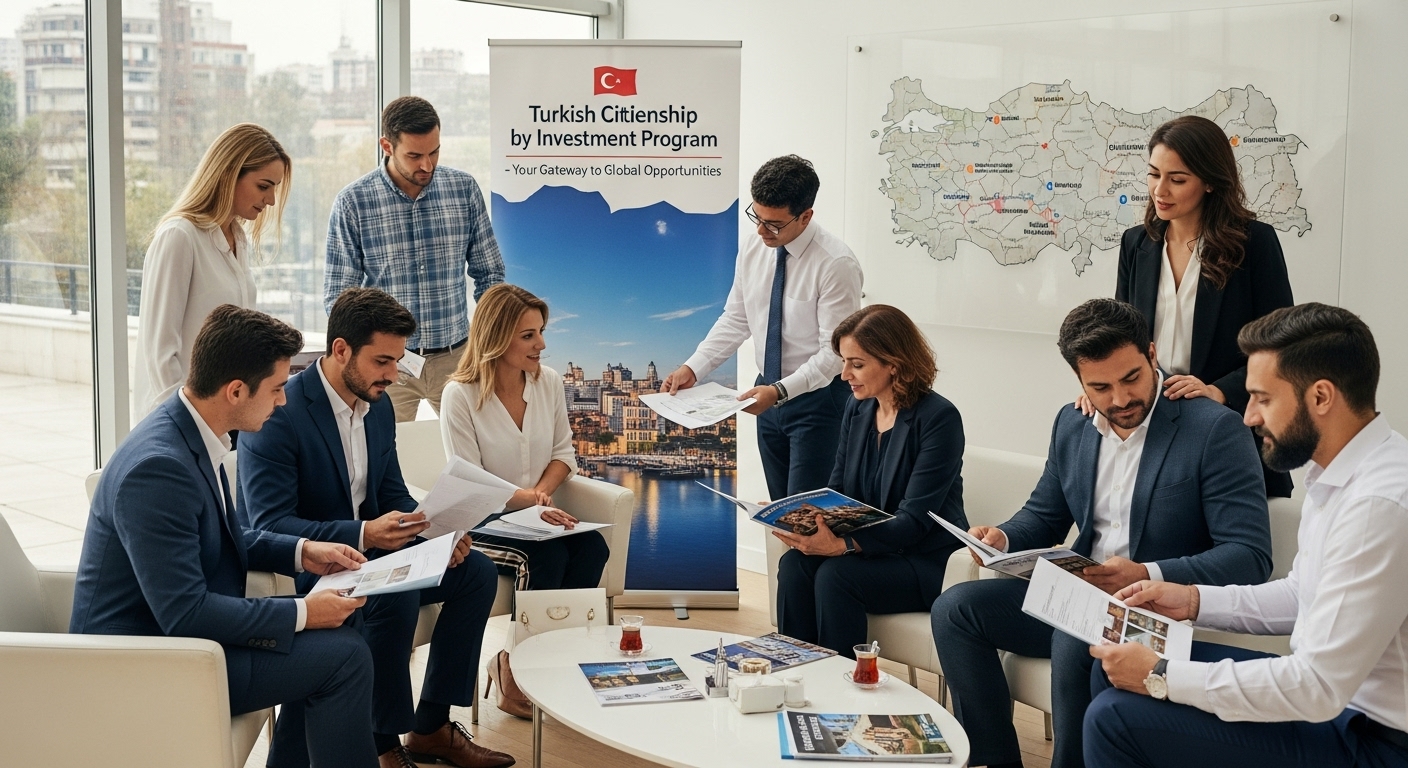
Turkish Citizenship by Property Investment in 2025: Why Global Investors Are Choosing Turkey Now
In 2025, global investors are no longer chasing passports—they’re securing flexibility, safety, and a second plan for life. Turkish citizenship through real estate has quietly become one of the smartest moves for entrepreneurs, families, and international investors seeking stability in an unpredictable world. And unlike many citizenship programs, Turkey offers something rare: speed, value, and real lifestyle upside.
How Turkey Turned Real Estate Into One of the World’s Fastest Citizenship Paths
The Turkish Citizenship by Real Estate Investment Program is a government-regulated pathway that allows foreign investors to obtain Turkish nationality by purchasing qualifying property.
As of 2025, the rules are clear and strictly enforced.
There are no language tests.
No residency requirements.
No cultural integration exams.
According to official Turkish procedures, eligibility depends entirely on legal investment, transparent banking, and verified property valuation.
This structure protects both the state and the investor—and it is why Turkey remains credible while many global programs struggle with scrutiny.
Most investors don’t realize this: simplicity does not mean flexibility. Compliance is non-negotiable.
Understanding the Turkish Citizenship Real Estate Program
The Turkish Citizenship Real Estate Program is a government-backed initiative designed to attract foreign capital while offering investors a legal and secure path to Turkish nationality. Introduced in 2017 and refined over the years, the program has evolved into one of the most competitive citizenship-by-investment options globally.
At its core, the concept is simple: a foreign national who purchases qualifying real estate worth at least $400,000 USD becomes eligible to apply for Turkish citizenship. Unlike many other programs, Turkey does not require applicants to live in the country, learn the language, or pass cultural integration tests. The focus is purely on legal investment and compliance.
The government tightly regulates the process to maintain credibility. Independent valuation reports, banking transparency, and strict title deed checks ensure the system isn’t abused. This structure protects both the country and the investor.
Thinking about Turkish citizenship through real estate but unsure where to start?
A single mistake in property selection or documentation can delay or even reject your application. Get expert guidance from professionals who specialize in citizenship-approved investments.
👉 Start with this complete guide to
Turkish Citizenship by Investment
Why Turkey? The Strategic Appeal
Turkey isn’t just another country offering citizenship—it’s a strategic bridge between East and West. Its geographic position alone makes it invaluable.
Europe is a short flight away. The Middle East is next door. Asia and Africa are easily accessible. For global investors, this positioning matters.
Economically, Turkey offers something rare: a large domestic market combined with international trade influence.
Despite global volatility, real estate demand in Turkey remains strong, driven by population growth, urban development, and foreign interest. Istanbul alone is one of the most visited cities in the world, creating constant demand for housing, rentals, and commercial space.
Then there’s lifestyle. Turkey delivers high quality of life at a fraction of the cost compared to Western Europe. Healthcare is modern and affordable.
Education options include international schools and globally recognized universities. Food, culture, and climate add layers of everyday enjoyment that many investors don’t factor in—but end up appreciating the most.
From a citizenship perspective, Turkey also allows dual citizenship, meaning you don’t need to renounce your original nationality. This flexibility is crucial for investors who want options without sacrifices.
If you’re evaluating second passports not just as documents but as long-term lifestyle assets, Turkey checks more boxes than most alternatives.
The $400,000 Rule: What Most Investors Get Wrong About Turkish Citizenship
As of 2025, the minimum investment required to qualify for Turkish citizenship through real estate is $400,000 USD. This figure must be confirmed through a government-approved valuation report—not just the purchase price stated in the contract.
You can meet this requirement in two ways:
- Buying a single property worth $400,000 or more
- Buying multiple properties whose combined value meets or exceeds $400,000
However, there’s a critical rule many investors overlook: the property must not have been previously used for another citizenship application. This is one of the most common reasons applications are rejected.
The Turkish government also enforces a mandatory 3-year holding period. A legal restriction is placed on the title deed, preventing sale during this time. This ensures the investment is genuine and not speculative.
Trying to manipulate prices, undervalue transfers, or bypass banking channels is not just risky—it’s a guaranteed rejection. Turkey’s valuation and audit systems are designed to detect exactly that.
👉 To avoid costly mistakes, explore this practical list of documents required for Turkish citizenship in 2025 before making any commitment.
A smart investor doesn’t just aim to meet the minimum—they aim to protect their capital while doing so.
Not All Properties Qualify: What Actually Counts for Turkish Citizenship
One of the strengths of the Turkish program is flexibility. Investors are not limited to one narrow type of real estate. Several property categories qualify, provided they meet legal conditions.
Eligible options include:
- Residential properties: apartments, villas, duplexes
- Commercial properties: offices, shops, hotels
- Land plots: only if zoned and approved for development
- Off-plan projects: with notarized contracts and verified payments
Residential apartments remain the most popular choice. They’re easier to rent, easier to resell, and simpler to evaluate. Commercial properties, on the other hand, often attract experienced investors looking for higher yields.
What doesn’t qualify?
- Agricultural land
- Properties with legal disputes or debts
- Shared ownership structures where your share doesn’t meet $400,000
Not every property qualifies for Turkish citizenship—even if it exceeds $400,000.
To avoid costly errors, focus only on government-approved projects that are already vetted for citizenship applications.
👉 Explore the safest options here:
Top 10 Projects Eligible for Turkish Citizenship in 2025
📩 Need help selecting a property that matches your budget and investment goals? Speak with a specialist before you commit.
📲 Message our citizenship experts on WhatsApp
👉 https://api.whatsapp.com
Best Cities and Locations for Investment
Choosing the right city in Turkey is not just about meeting the citizenship requirement—it’s about aligning your investment with your lifestyle goals, rental expectations, and long-term appreciation potential.
While any location in Turkey can technically qualify, not all cities deliver the same value or security for foreign investors.
Why Istanbul Still Dominates Citizenship Investments
From on-the-ground market experience, Istanbul remains the strongest choice for citizenship investors who also care about liquidity and rental demand.
Why?
- Constant rental demand
- Strong resale liquidity
- Metro-driven price appreciation
- International tenant profile
In the current global climate, cities with diversified demand recover faster—and Istanbul consistently proves this.
This is why professional investors rarely “hunt bargains” here.
They buy correctly priced, compliant assets.
Antalya and Lifestyle-Driven Investment Demand
Antalya attracts a different investor profile—but with equally strong fundamentals.
From on-the-ground market experience, demand is driven by:
- Short-term rentals
- European retirees
- Middle Eastern families
- Year-round tourism
As of 2025, many investors use Antalya as both a citizenship asset and a personal lifestyle base.
Lower entry prices often mean more space and higher rental yields compared to Istanbul.
Ankara, Izmir, and Emerging Cities
Ankara, as the capital, offers stability. Rental demand comes from diplomats, government employees, and professionals. While appreciation is slower, risk is lower.
Izmir is gaining serious traction. It combines coastal living with a modern, secular lifestyle and growing expat community. Cities like Bursa, Mersin, and Trabzon are also emerging as value opportunities, particularly for investors with regional preferences.
The key takeaway? Don’t choose a city just to qualify. Choose one that aligns with your financial and personal strategy.
Step-by-Step Process to Obtain Turkish Citizenship
The Turkish Citizenship by Investment process is straightforward—but only if executed correctly. One missing document or incorrect step can delay your application by months.
1. Work with Licensed Professionals
Your first move should be hiring a qualified lawyer or consultancy experienced in citizenship applications. This is non-negotiable. They will handle due diligence, legal checks, and government coordination.
2. Select and Purchase the Property
Once you choose a qualifying property, the title deed (Tapu) is transferred in your name. At this stage, a legal annotation is added stating that the property cannot be sold for three years.
3. Obtain the Valuation Report
A government-approved valuation expert assesses the property. This report must confirm a value of at least $400,000 USD at the time of purchase.
4. Transfer Funds Through a Turkish Bank
Funds must be transferred legally from your bank account to the seller’s Turkish bank account. Proof of transfer is mandatory.
5. Apply for the Certificate of Conformity
This document confirms that your investment meets citizenship criteria. It’s issued by the Ministry of Environment and Urbanization.
6. Apply for Residence Permit
This is a procedural step—you don’t need to live in Turkey, but the permit is required for the citizenship file.
7. Submit Citizenship Application
Your file is submitted to the Directorate of Population and Citizenship Affairs. Background checks and biometric data follow.
Turkish citizenship can be revoked if legal conditions are violated—even after approval.
Understanding compliance rules is critical for protecting your investment and your passport.
👉 Learn more about the legal risks here:
Cases Where Turkish Citizenship Can Be Withdrawn
⚠️ Avoid shortcuts. Professional guidance today can save you from serious problems tomorrow.
Timeline: From Property Purchase to Passport
One of the biggest advantages of Turkey’s program is speed. Compared to Europe, where citizenship can take years, Turkey delivers results fast.
On average:
- Property purchase & valuation: 2–4 weeks
- Certificate of Conformity: 2–3 weeks
- Residence permit: 2–4 weeks
- Citizenship approval: 2–3 months
- Total time: 3–6 months
- Delays usually occur due to:
- Incomplete translations
- Incorrect property eligibility
- Unverified fund transfers
- Speed is possible—but precision is mandatory.
Required Documents and Legal Formalities
Paperwork is where many investors stumble—not because it’s complex, but because it must be exact.
You’ll need:
- Valid passport (translated & notarized)
- Birth certificate
- Marriage certificate (if applicable)
- Biometric photos
- Property title deed
- Valuation report
- Bank transfer receipts
- Power of Attorney (if applying remotely)
All foreign documents must be translated into Turkish and notarized. Some countries also require apostille certification.
Most application delays happen due to missing or incorrectly prepared documents.
Before submitting your file, make sure you have everything in order to avoid unnecessary setbacks.
👉 Use this updated checklist to stay compliant:
Required Documents for Turkish Citizenship in 2025
📲 Message our citizenship experts on WhatsApp
👉 https://api.whatsapp.com
Taxes, Fees, and Hidden Costs
Beyond the property price, investors should budget an additional 2–5% of the property value for taxes and fees.
Main costs include:
- Title deed transfer tax (4%)
- Legal and consultancy fees
- Valuation report
- Translation and notary fees
- Residence permit fees
While Turkey offers VAT exemptions in many cases, conditions apply. Always confirm eligibility before purchase.
A realistic investor plans for the total cost, not just the headline number.
Residency vs Citizenship in Turkey
Residency gives you permission to live. Citizenship gives you identity, rights, and permanence.
Residency:
- Temporary and renewable
- No passport
- No voting rights
Citizenship:
- Lifetime status
- Turkish passport
- Full legal rights
👉 Ready to take the next step toward Turkish citizenship through real estate?
Don’t rely on assumptions or unverified listings. Work with experienced professionals who understand both the legal framework and the investment market.
👉 Learn about residence and long-term options here:
Real Estate Residence in Turkey 2026
📩 Contact a licensed advisor today and turn your investment into a secure second citizenship.
📲 Message our citizenship experts on WhatsApp
👉 https://api.whatsapp.com
Rights and Benefits of Turkish Citizenship
Turkish citizenship unlocks more than travel. It provides stability.
Key benefits:
- Visa-free or visa-on-arrival access to 110+ countries
- Full healthcare and education access
- Business ownership without restrictions
- Dual citizenship allowed
👉 CTA: Learn more about travel privileges in this breakdown of Turkish passport types and benefits.
This isn’t just a second passport—it’s a second life option.
Including Family Members
Your investment covers:
- Your spouse
- Children under 18
- Disabled dependents
- No extra investment is required. Each family member receives full citizenship with equal rights.
This makes Turkey one of the most family-friendly citizenship programs globally.
Selling or Renting the Property After Citizenship
You must hold the property for three years. After that:
- You can sell
- Rent
- Reinvest
Rental income during the holding period is fully allowed and often used to offset costs.
Common Mistakes to Avoid
The biggest risks:
- Buying overpriced properties
- Ignoring legal verification
- Choosing unlicensed agents
- Rushing decisions
- Citizenship is not forgiving of shortcuts.
Real-Life Case Studies
Successful investors follow rules. Failed ones ignore details. The difference is rarely money—it’s preparation.
Pros and Cons of the Program
Pros
- Fast citizenship
- Affordable investment
- Family inclusion
- No residency requirement
Cons
- 3-year holding rule
- Market fluctuations
- Bureaucracy
Still comparing citizenship options or unsure whether Turkey is the right choice for you?
Whether your goal is global mobility, family security, or long-term investment growth, expert advice makes all the difference.
👉 Discover how dual nationality works in Turkey:
Dual Citizenship in Turkey – Full Guide for Investors
💬 Request a personalized consultation to evaluate your eligibility and investment strategy.
Final Thought: Why This Still Works in 2025
In 2025, Turkish citizenship by real estate is no longer a loophole or trend.
It is a regulated, proven pathway for investors who value:
- Mobility
- Family security
- Asset-backed citizenship
- Do it correctly, and you gain more than a passport.
You gain control in an uncertain world.
FAQs
Through investment, real estate, bank deposit, marriage, residence, or exceptional citizenship.
Yes, Turkey allows dual citizenship.
Usually between 3 to 6 months for citizenship by investment.
No, residence in Turkey is not required to obtain Turkish citizenship. You can obtain Turkish citizenship after purchasing a property in Turkey, even if your permanent residence is outside Turkey.
- Complete the qualifying investment (real estate purchase, bank deposit, fixed capital investment, or job creation).
- Obtain a Certificate of Conformity from the relevant authority (such as the Ministry of Environment and Urbanization for real estate, or the Banking Regulation and Supervision Agency for deposits).
- Apply for a short-term residence permit (if not already held).
- Submit the citizenship application to the Provincial Directorate of Population and Citizenship Affairs.
- The file undergoes security and background checks.
- Final approval is granted by the Presidential decision.
- Once approved, the applicant and eligible family members receive Turkish citizenship.
The application for obtaining Turkish citizenship goes through eight stages, as follows:
- The first stage: submitting papers and checking them from the state.
- The second stage: sending the papers to the capital, Ankara, to discuss the file and collect information.
- The third stage: the naturalization department evaluates the file.
- The fourth stage is research, audit, and survey with several directorates and ministries in Turkey to issue the final assessment.
- Fifth stage: collecting several approved applications into one list and submitting them for approval.
- Sixth stage: issuance of the final decision.
- The seventh stage: After ratification of the decision to grant citizenship, the files are sent to the Public Nufs Department.
- The eighth stage: Referring to the Nufus Department to receive the new identity.
- Note that in the case of applying for naturalization in return for an investment, the submission to the naturalization office will be immediately after fulfilling the investment conditions to obtain the investor’s residence and start studying the Turkish citizenship file. The naturalization decision is issued for the investor and his family if the file is approved. Passports and national identity cards can be received from Turkey or a Turkish representative abroad.











.jpeg)





Have Question Or Suggestion ?
Please Share Your Thought, To Make It Real