What are the cases in which Turkish citizenship can be withdrawn?
Think your Turkish citizenship is permanent? Discover the hidden legal traps, shocking revocation cases, and what could put your status at risk today.
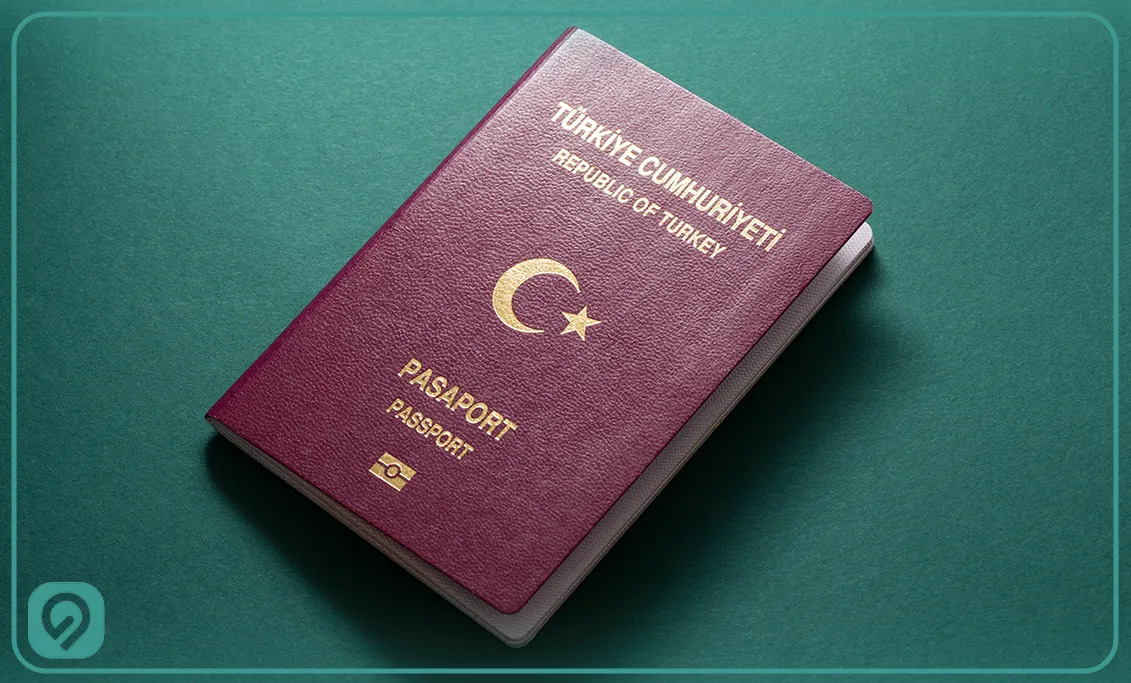
What Are the Cases in Which Turkish Citizenship Can Be Withdrawn?
Understanding Turkish Citizenship Law
Legal Framework Governing Citizenship in Turkey
If you’ve ever wondered whether citizenship is permanent or something that can be taken away, Turkish law offers a fascinating answer—it depends. Citizenship in Turkey is primarily governed by the Turkish Citizenship Law No. 5901, which lays out not just how someone becomes a citizen, but also how that status can be lost or withdrawn. This law is detailed, structured, and, in some areas, surprisingly strict.
At its core, Turkish citizenship law recognizes multiple pathways to becoming a citizen: birth, marriage, long-term residence, and investment-based naturalization. However, what many people overlook is that the same legal system that grants citizenship also defines conditions under which it can be revoked or invalidated. This dual nature reflects a broader legal philosophy: citizenship is a right, but it also comes with responsibilities and legal expectations.
The law distinguishes between different types of citizenship loss, including voluntary renunciation, automatic loss, and revocation by state authority. Each category operates under its own set of rules. For example, renouncing citizenship is generally a personal decision, while revocation is a government action often tied to misconduct or legal violations.
Interestingly, Turkish law also interacts with international legal standards, especially when it comes to preventing statelessness. Turkey is mindful of global conventions, which means that in many cases, citizenship cannot simply be stripped away if it would leave a person without any nationality.
So, while Turkish citizenship can indeed be withdrawn, it’s not arbitrary. It operates within a clearly defined legal framework designed to balance individual rights with national interests.
Citizenship as a Right vs. a Revocable Status
Let’s get real for a second—most people think of citizenship as permanent, almost like a lifetime membership you can’t lose. But is that actually true? In Turkey, the answer is more nuanced. Citizenship is both a fundamental right and, under certain circumstances, a revocable legal status.
On one hand, the Turkish Constitution protects citizenship as a core identity right. It’s tied to personal freedom, political participation, and access to public services. Taking it away isn’t something the government can do lightly. There are legal safeguards in place, including due process and the possibility of judicial review.
On the other hand, citizenship isn’t immune to scrutiny. If it was obtained through fraud, deception, or illegal means, the state reserves the right to revoke it. Think of it like a contract: if one party enters under false pretenses, the agreement can be invalidated. Similarly, if a person engages in actions that seriously threaten national security, their citizenship status may come under review.
This dual nature creates an interesting tension. Citizenship provides stability and belonging, but it also demands compliance with the law. In extreme cases, the state prioritizes national security and legal integrity over the permanence of citizenship.
There’s also a philosophical layer here. Should citizenship ever be taken away? Some argue it should be absolute, while others believe it must be conditional to protect the nation. Turkey’s legal system clearly leans toward the latter—citizenship is protected, but not untouchable.
Understanding this balance is key to grasping why and how Turkish citizenship can be withdrawn in specific situations.
General Principles of Citizenship Revocation
Difference Between Loss, Renunciation, and Revocation
At first glance, terms like “loss,” “renunciation,” and “revocation” might seem interchangeable. But in Turkish citizenship law, they mean very different things—and confusing them can lead to serious misunderstandings.
Let’s break it down in a way that actually makes sense.
Renunciation is the most straightforward. It’s when a person voluntarily gives up their Turkish citizenship, usually because they’ve acquired or plan to acquire another nationality. This process requires government approval and is typically smooth if all conditions are met.
Loss of citizenship, on the other hand, can happen automatically under certain legal conditions. For example, in rare cases involving conflicting obligations with another state, a person might lose citizenship without actively requesting it.
Then comes the heavy one: revocation. This is when the government actively strips someone of their citizenship. Unlike renunciation, this is not voluntary. It usually happens due to serious issues like fraud in the naturalization process or activities that threaten national security.
Why does this distinction matter? Because each category involves different legal procedures, rights, and consequences. For instance, someone who renounces citizenship may retain certain rights in Turkey, such as property ownership. But someone whose citizenship is revoked may face stricter limitations and legal consequences.
Think of it like three different exits from the same building. One is a planned departure, one is an automatic door that closes under certain conditions, and one is being forcibly removed. Same result—no longer a citizen—but very different journeys.
Authority Responsible for Citizenship Decisions
So who actually decides whether someone keeps or loses Turkish citizenship? It’s not a single person or a random bureaucratic process—it’s a structured system involving multiple layers of authority.
The primary body responsible is the Ministry of Interior, specifically the Directorate General of Population and Citizenship Affairs. This institution handles applications, reviews cases, and makes recommendations. However, in more serious cases—especially those involving revocation—the final decision often rests with the President of Turkey.
Yes, you read that right. Citizenship revocation, particularly on grounds like national security, can escalate to the highest level of executive authority. This reflects how significant and sensitive these decisions are.
But it’s not a one-sided process. Individuals have the right to challenge decisions in administrative courts. This introduces an important legal safeguard, ensuring that citizenship isn’t revoked arbitrarily or without evidence. The courts can review whether the decision was lawful, justified, and proportional.
There’s also an investigative component. Authorities may conduct detailed background checks, analyze documents, and even collaborate with intelligence agencies if national security is involved. This isn’t a quick or casual process—it’s thorough and often time-consuming.
In essence, the system is designed to balance power and accountability. While the state has the authority to revoke citizenship, it must do so within a framework of legal oversight and procedural fairness.
Voluntary Renunciation of Turkish Citizenship
Conditions Required for Renunciation
Walking away from citizenship isn’t as simple as signing a form and calling it a day. In Turkey, renouncing citizenship is a structured legal process with clear conditions that must be met before approval is granted.
First and foremost, the applicant must either already hold another nationality or provide proof that they will acquire one. This requirement exists to prevent statelessness, which is a major concern under international law. Turkey, like many countries, avoids leaving individuals without any legal nationality.
Another key condition is the absence of ongoing legal or financial obligations. For example, if someone has pending criminal charges, unpaid taxes, or military service obligations, their application may be denied or delayed. The government wants to ensure that individuals fulfill their responsibilities before exiting the system.
Age and legal capacity also matter. Applicants must be adults and mentally competent to make such a significant decision. For minors, the process involves parental consent and additional legal scrutiny.
Once all conditions are met, the application is reviewed by the Ministry of Interior, and if approved, the individual is issued a “Blue Card” in many cases. This card allows former citizens to retain certain rights in Turkey, such as property ownership and residency.
So while renunciation is voluntary, it’s far from casual. It’s a carefully regulated process designed to protect both the individual and the state.
Voluntary Renunciation of Turkish Citizenship (Continued)
Legal Consequences of Voluntary Exit
Deciding to give up Turkish citizenship isn’t just a symbolic move—it reshapes your legal identity in ways that can ripple through nearly every aspect of life. Once citizenship is officially renounced, the individual is no longer recognized as a Turkish national. That means losing fundamental rights like voting, running for public office, and access to certain public sector jobs. But here’s where things get interesting: Turkey has created a kind of middle ground for former citizens.
Many individuals who renounce their citizenship—especially those who do so to acquire another nationality—are eligible for the Blue Card (Mavi Kart). Think of it as a “privileged foreigner” status. Blue Card holders can continue to live, work, and own property in Turkey without many of the restrictions typically placed on foreigners. They can inherit property, open businesses, and access education and healthcare systems in ways that feel almost like full citizenship.
However, there are still clear limitations. Blue Card holders cannot vote or be elected, and they are excluded from certain government roles and military service obligations. This distinction reinforces the idea that while economic and social ties may continue, political belonging is tied strictly to citizenship.
Another consequence to consider is how renunciation affects family members. For example, minor children may lose citizenship along with their parents, depending on the circumstances and legal approvals. This can have long-term implications for their rights and opportunities.
There’s also the international dimension. Renouncing Turkish citizenship can impact visa requirements, taxation, and legal protections abroad. It’s not just about leaving one system—it’s about fully entering another.
So while voluntary renunciation offers flexibility and strategic advantages, especially for global mobility, it’s not a decision to take lightly. It’s a legal transformation that comes with both freedoms and trade-offs.
Revocation Due to Fraud or Misrepresentation
False Documents and Deceptive Applications
Let’s be blunt—if citizenship is obtained through deception, it’s on shaky ground from day one. Turkish law takes a firm stance on this: if someone becomes a citizen by submitting false documents, hiding critical information, or misrepresenting facts, that citizenship can be revoked, even years later.
This is especially relevant in cases of investment-based citizenship or naturalization through residency. For instance, if an applicant claims to have made a qualifying investment but later it’s discovered that the funds were borrowed temporarily or routed through deceptive channels, the entire application can be deemed fraudulent. Similarly, falsifying marital status, employment history, or identity documents can trigger a revocation process.
What makes this particularly serious is that there’s no statute of limitations in many cases. Even if someone has lived as a Turkish citizen for a decade, built a life, and integrated into society, the discovery of fraud can unravel everything. It’s like building a house on a cracked foundation—eventually, it gives way.
The consequences go beyond just losing citizenship. Individuals may face criminal charges, deportation, and bans on re-entry. Their assets and business interests in Turkey could also come under scrutiny, depending on the nature of the fraud.
This strict approach serves a broader purpose: maintaining the integrity of the citizenship system. If people could game the system without consequences, it would undermine public trust and national security.
So the takeaway is clear—when it comes to Turkish citizenship, honesty isn’t just expected; it’s legally essential.
Government Review and Investigation Process
You might be wondering—how does the government actually uncover fraud? It’s not like there’s a single switch that triggers an investigation. In reality, the process is layered, methodical, and often triggered by a combination of red flags.
Investigations can begin through routine audits, whistleblower reports, or inconsistencies discovered during unrelated legal proceedings. For example, if someone applies for a government service and their documents don’t match earlier records, it can prompt a deeper review. Similarly, financial irregularities in investment-based applications can attract attention from regulatory bodies.
Once a case is flagged, the Ministry of Interior may initiate a formal investigation. This can involve cross-checking documents with other government agencies, reviewing financial transactions, and even collaborating with international authorities. In high-stakes cases, intelligence services may also be involved, especially if national security is a concern.
The individual is typically given a chance to respond to the allegations. This is a crucial part of the process, ensuring that decisions aren’t made unilaterally. However, if the evidence clearly shows that citizenship was obtained through deception, the case can move toward revocation.
The final decision is often published in the Official Gazette, making it legally binding and publicly recorded. From there, the individual may have the right to appeal in administrative courts, but the burden of proof can be significant.
This entire process reflects a key principle: citizenship is granted based on trust, and when that trust is broken, the state has mechanisms to respond decisively.
Citizenship Revocation for National Security Reasons
Involvement in Terrorism or Anti-State Activities
Now we’re stepping into one of the most serious and sensitive areas of citizenship law. When it comes to national security, Turkey—like most countries—takes a zero-tolerance approach. If a citizen is found to be involved in terrorist organizations, espionage, or activities aimed at undermining the state, their citizenship can be revoked under specific legal provisions.
This isn’t about minor offenses or political disagreements. We’re talking about actions that pose a direct threat to public safety or the state stability. For example, individuals who join or support internationally recognized terrorist groups may be subject to citizenship revocation, especially if they are also holding another nationality.
In some cases, the state may issue a formal notice requiring the individual to return to Turkey within a specified period to face legal proceedings. If they fail to comply, the revocation process can proceed in absentia. This has been applied in high-profile cases involving foreign fighters and individuals linked to extremist networks.
One key factor here is dual citizenship. International law generally discourages making someone stateless, so revocation on security grounds is more likely when the individual holds another nationality. This allows the الدولة to act without violating global legal norms.
The implications are . Losing citizenship under these circumstances often comes with travel bans, asset freezes, and international legal consequences. It’s not just a domestic issue—it can affect the person status across multiple jurisdictions.
This area of law reflects a broader reality: when national security is at stake, the الدولة prioritizes collective safety over individual status. Citizenship, in this context, becomes conditional on loyalty and lawful conduct.
Military Service Evasion and Its Impact
Military service in Turkey isn’t just a tradition—it’s a legal obligation for male citizens. So what happens if someone tries to dodge it? While evasion alone doesn’t automatically lead to citizenship revocation, it can become a factor in broader legal consequences, especially when combined with other violations.
For instance, if a dual citizen deliberately avoids military service by residing abroad and ignores official summons, they may face penalties such as fines or restrictions on their rights in Turkey. In extreme cases—particularly if the individual is also involved in activities deemed harmful to the state—this behavior can contribute to a case for citizenship review.
There’s also a reputational aspect. Military service is often seen as a civic duty, and evasion can be interpreted as a lack of commitment to the satate. While this alone isn’t grounds for revocation, it can influence how authorities assess an individual’s overall relationship with the country.
Interestingly, Turkey has introduced paid military service options and exemptions for citizens living abroad, which has reduced the number of evasion cases. These reforms reflect an effort to modernize the system while maintaining its legal foundation.
So while skipping military service won’t automatically strip you of citizenship, it’s not without consequences. It’s one piece of a larger puzzle that can, under certain conditions, contribute to more serious legal outcomes.
Loss of Citizenship by Government Decision
Legal Grounds for Administrative Revocation
When people hear that a government can revoke citizenship, it often sounds dramatic—almost like something out of a political thriller. But in Turkey, administrative revocation is grounded in clearly defined legal provisions, not arbitrary decisions. The state doesn’t just wake up one day and decide to strip someone of their nationality; there must be concrete legal grounds backed by evidence.
One of the most common triggers for administrative revocation is failure to meet ongoing legal conditions tied to how citizenship was granted. For example, in investment-based citizenship programs, individuals are required to maintain their qualifying investment for a specific period. If they withdraw that investment prematurely or violate the شروط of the program, their citizenship may be subject to review and potential cancellation.
Another important ground involves acts incompatible with loyalty to the Turkish Republic. This is a broad but powerful legal concept. It can include activities that undermine constitutional order, support hostile entities, or conflict with national interests. While this doesn’t apply to ordinary political dissent, it becomes relevant when actions cross into areas that threaten the الدولة’s legal and institutional framework.
Administrative revocation can also occur if a person voluntarily serves in a foreign military without permission. This situation is particularly sensitive because it raises questions about divided allegiance. If a Turkish citizen joins another country’s armed forces without authorization, the الدولة may interpret this as a breach of national loyalty.
What’s crucial to understand is that these decisions are not made in isolation. They involve documentation, investigation, and legal review. The goal is to ensure that revocation is proportionate, justified, and compliant with both domestic and international law.
So while the idea of losing citizenship through government action may sound extreme, in practice it operates within a structured and rule-based system designed to protect the integrity of Turkish nationality.
Appeals and Legal Remedies Available
Here’s where things become a bit more reassuring—citizenship revocation in Turkey is not the end of the road. Individuals have the right to challenge these decisions through legal channels, and this is a fundamental part of the system.
Once a revocation decision is issued, the individual is typically notified officially. From that point, they can file a case in administrative courts, arguing that the decision was unlawful, unjustified, or disproportionate. This introduces an essential layer of judicial oversight, ensuring that executive power is not exercised unchecked.
The courts will examine several factors: Was there sufficient evidence? Were proper procedures followed? Did the decision violate constitutional rights or international agreements? These questions are not taken lightly, and in some cases, courts have overturned administrative decisions when they found procedural flaws or insufficient justification.
There’s also the possibility of escalating the case to higher courts, including the Council of State (Danıştay), which serves as the العليا administrative judicial authority in Turkey. This multi-tiered system allows for thorough review and increases the chances of a fair outcome.
However, it’s important to be realistic. Legal challenges can be time-consuming, expensive, and emotionally taxing. The burden of proof often falls on the person, especially in cases involving allegations of fraud or national security concerns.
Still, the existence of these remedies reflects a key principle: even when the الدولة exercises its authority to revoke citizenship, it must do so within a framework of accountability and legal fairness.
Dual Citizenship and Its Risks
When Holding Multiple Nationalities Becomes Problematic
Dual citizenship sounds like the best of both worlds—and in many cases, it is. You get access to multiple countries, expanded rights, and greater flexibility. Turkey actually allows dual or multiple citizenship, which makes it attractive for global citizens. But here’s the catch: holding more than one nationality can sometimes create legal friction, especially when obligations collide.
Imagine being caught between two countries with conflicting expectations. One might require military service, while the other prohibits it. One may demand tax residency, while the other imposes its own financial reporting rules. These overlapping responsibilities can create پیچیده legal scenarios that are difficult to navigate.
In extreme cases, dual citizenship can become a factor in citizenship revocation, particularly when issues of loyalty or national security arise. For example, if a dual citizen engages in activities that favor another state at the expense of Turkey’s interests, authorities may scrutinize their status more closely.
There’s also the issue of diplomatic protection. If a dual citizen faces legal trouble in Turkey, their other country of citizenship may have limited ability to intervene. This can leave individuals in a kind of legal gray zone, where they are treated strictly as Turkish citizens within Turkey’s borders.
So while dual citizenship offers undeniable advantages, it’s not without risks. It requires careful management of legal obligations and a clear understanding of how different legal systems interact.
International Law Considerations
Citizenship doesn’t exist in a vacuum—it’s deeply connected to international law and global norms. Turkey, like many countries, operates within a framework that includes treaties, conventions, and diplomatic designed to regulate how citizenship is granted and withdrawn.
One of the most important principles is the avoidance of statelessness. International agreements strongly discourage countries from revoking citizenship if it would leave a person without any nationality. This is why many revocation cases in Turkey involve individuals who already hold another citizenship.
There’s also the matter of human rights protections. Revocation decisions must align with international standards, including the right to a fair trial, the right to family life, and protection against arbitrary state action. If a case violates these principles, it can attract international criticism or even legal challenges in global courts.
Another layer involves extradition and cross-border enforcement. When citizenship is revoked due to criminal or security-related reasons, it can trigger international cooperation between governments. This can affect travel, residency rights, and legal status in other countries.
In a world that’s increasingly interconnected, citizenship is no longer just a domestic issue—it’s part of a broader legal ecosystem. Turkey’s approach reflects this reality, balancing national sovereignty with global responsibilities.
Citizenship Withdrawal in Exceptional Cases
Wartime Regulations and Emergency Powers
History has shown that extraordinary times often lead to extraordinary legal measures. In Turkey, as in many countries, wartime conditions or states of emergency can expand the government’s authority, including in matters of citizenship.
During such periods, the state may enact special regulations that allow for faster or more citizenship revocation processes, particularly for individuals deemed to pose a threat to national security. These measures are usually temporary but can have long-lasting consequences for those affected.
For example, individuals suspected of collaborating with forces or engaging in espionage may face expedited legal actions. In these cases, the usual procedural safeguards might be adjusted to reflect the urgency of the situation.
However, even in emergencies, Turkey is still bound by its constitution and international obligations. This means that while procedures may be accelerated, they cannot completely disregard fundamental rights and legal.
These exceptional powers highlight a key reality: citizenship is closely tied to the الدولة’s survival and stability. When those are at risk, the legal framework adapts accordingly.
Political and Diplomatic Implications
Citizenship revocation isn’t just a legal matter—it can also carry significant political and diplomatic consequences. When high-profile cases arise, especially those involving dual nationals or international figures, they can strain relations between countries.
For instance, if Turkey revokes the citizenship of someone who also holds another nationality, the other country may respond diplomatically, particularly if it believes the decision was unjust. This can lead to negotiations, public statements, or even legal disputes on the international stage.
There’s also a domestic political dimension. Citizenship policies can become topics of public debate, especially when they intersect with issues like immigration, national identity, and security. Governments must balance public opinion, legal , and international expectations when making these decisions.
In some cases, revocation can serve as a political signal—demonstrating a firm stance on security or legal integrity. But it can also raise concerns about fairness and due process, depending on how it’s implemented.
So while the legal framework is clear, the broader implications of citizenship withdrawal often extend far beyond the courtroom.
Real-Life Examples and Case Studies
High-Profile Cases in Turkey
Looking at real-world examples can make all of this feel more tangible. Over the years, Turkey has handled several high-profile citizenship revocation cases, particularly involving individuals accused of links to terrorist organizations.
One notable pattern involves individuals who left Turkey to join extremist groups abroad. In such cases, the government has issued formal notices requiring them to return and face legal proceedings. When they failed to comply, their citizenship was revoked through official decrees.
These cases often attract significant media attention and public debate. Supporters argue that such are necessary to protect national security, while critics sometimes question the fairness of revoking citizenship in absentia.
Another category includes cases of fraudulent naturalization, where individuals obtained citizenship through fake investments or falsified documents. When uncovered, these cases typically lead to both revocation and criminal charges.
These examples illustrate how the law is applied in practice—not just in theory.
Lessons Learned from Legal Precedents
What can we actually learn from these cases? One key takeaway is that citizenship is closely tied to legal integrity and national loyalty. When either of these is compromised, the consequences can be severe.
Another lesson is the importance of due process. Even in controversial cases, the availability of legal appeals plays a crucial role in maintaining trust in the system. It shows that while the state has power, it is not absolute.
These precedents also highlight the evolving nature of citizenship law. As global challenges change—whether through migration, security threats, or economic programs—the legal framework continues to adapt.
Conclusion and Key Takeaways
Turkish citizenship is a powerful legal status, but it’s not unbreakable. Whether through voluntary renunciation, fraud, national security concerns, or administrative decisions, there are clearly defined circumstances under which it can be withdrawn. The system is designed to balance individual rights with the الدولة’s need to protect its integrity and безопасность.
Understanding these rules isn’t just for legal experts—it’s essential for anyone connected to Turkey, whether as a citizen, investor, or global resident.
FAQs














Have Question Or Suggestion ?
Please Share Your Thought, To Make It Real